It has taken decades for Kazakhstan to reckon with the legacy of Soviet occupation and the ecological disasters that came with it. In the generations since the nation gained its independence, artists have grappled with their place in the world. And in the largest city, Almaty, an established next-generation creative community is ready to start conversations about identity, autonomy and natural resources. The city has the potential to emerge as a world-class Silk Road art capital. So its first independent cultural institution opened earlier this month with real fanfare. Founded by business tycoon Nurlan Smagulov to house his private collection of Kazakh art, the Tselinny Center of Contemporary Culture officially cut the ribbon on its new space, designed by architect Asif Khan with compassion and spirit.
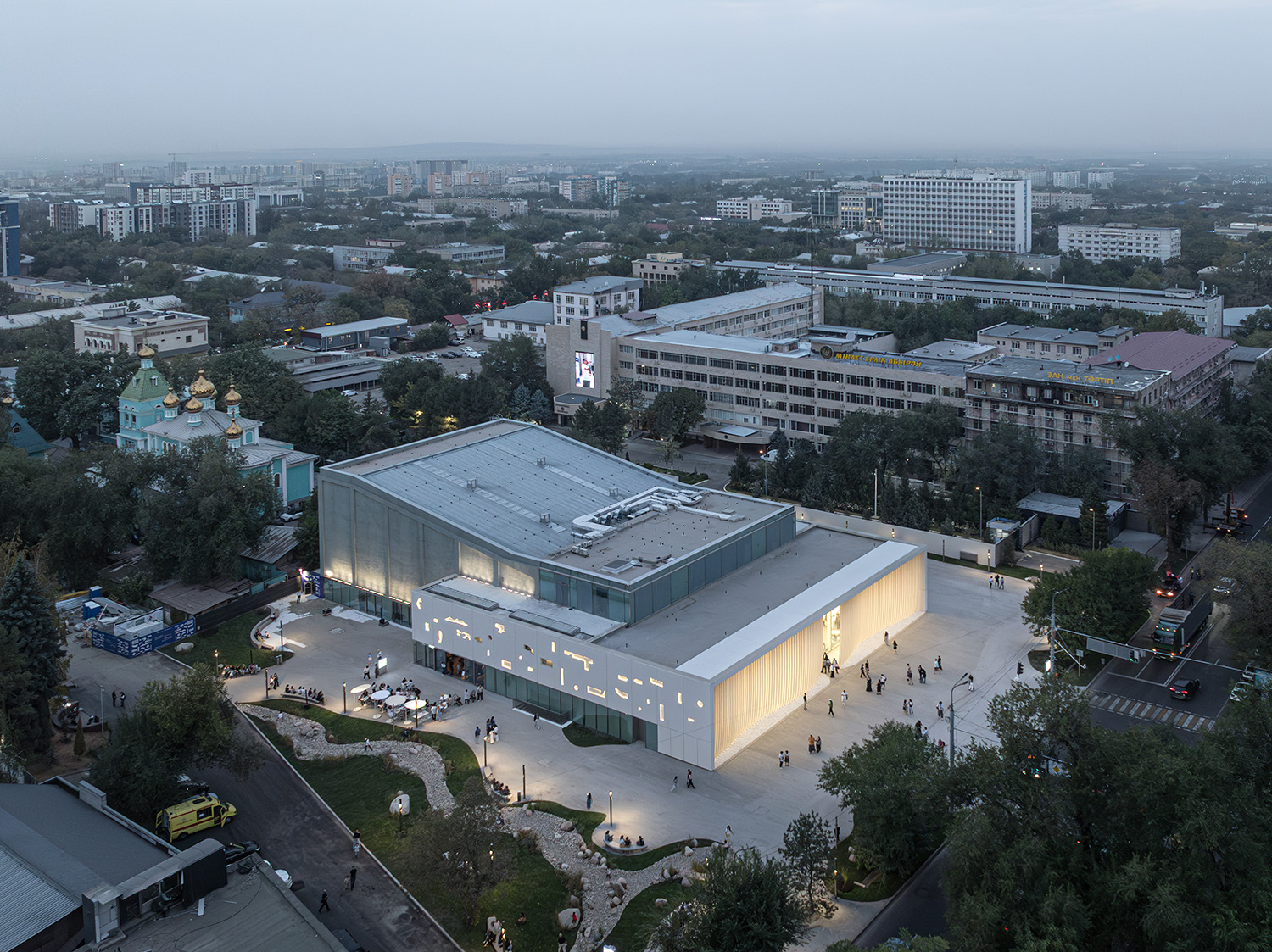
The occasion brought performances and two blockbuster exhibitions, but for now the building, in Almaty’s ‘golden square’, is the star — the perfect symbol of Kazakh resistance. An imposing 1964 cinema from the Soviet era, it came to Khan with a soaring 15,000-seat auditorium at its core, which the architect repurposed for performances and events, strengthening walls that were vulnerable to seismic activity. Working from the inside out, he and his wife, the Kazakh architect Zaure Aitayeva, added layers of exhibition space around the existing auditorium, ultimately creating nearly 6,000 square metres, alongside 6,000 square metres of landscaping.
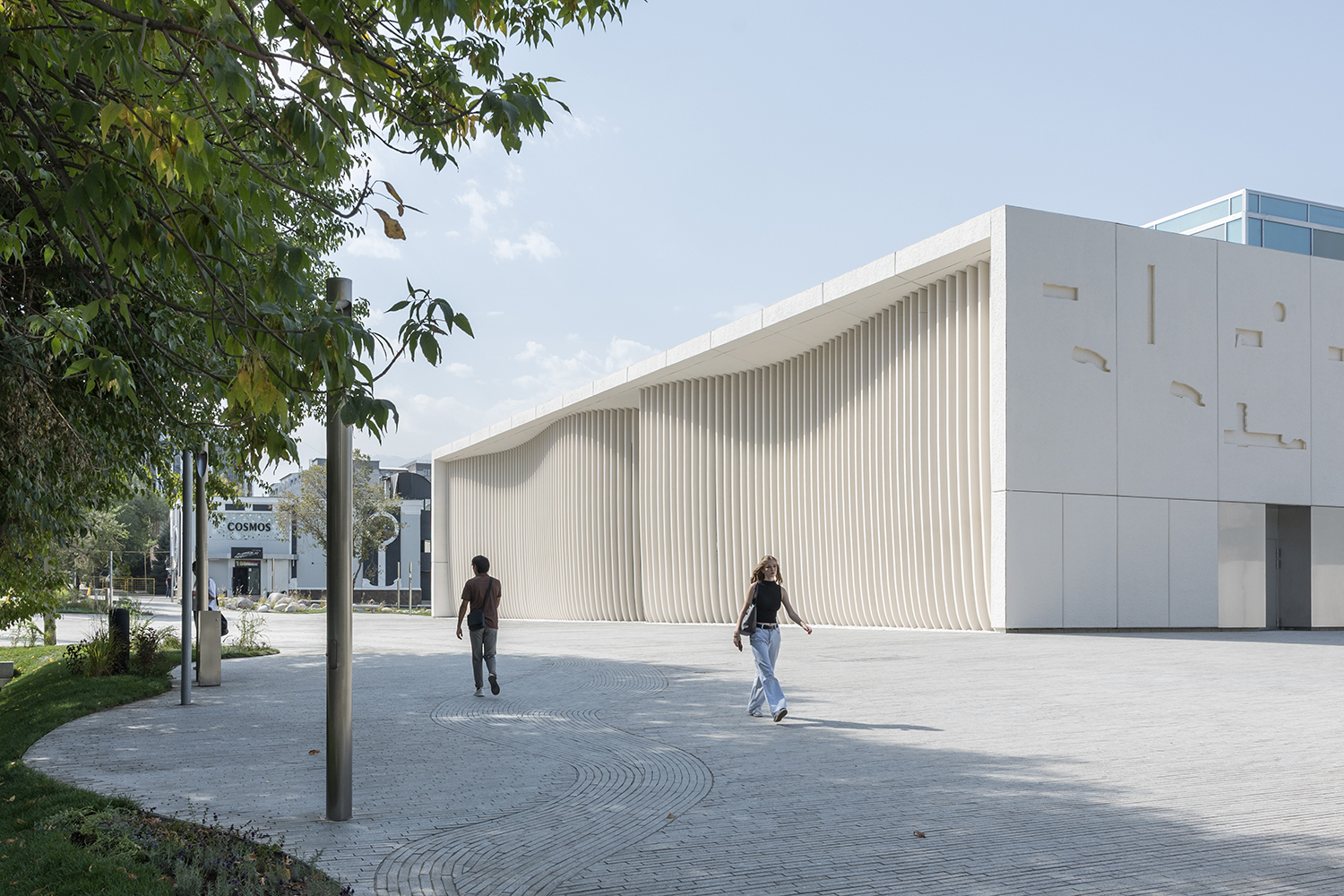
Those layers addressed the different historical eras embedded in the building and the city itself. Khan’s artisans worked to restore a 42m-long sgraffito in the foyer by artist Evgeny Sidorkin, which had been damaged over decades of interference; lost chunks of the mural were re-fabricated in ghostly white. They also revived ancient symbols found in Sidorkin’s artwork, etching them into the building’s monumental concrete shroud. They also carved out patterns in the shape of prehistoric petroglyphs, visually connecting the project to the Bronze Age steppe. Apart from giving the building a distinctive identity, these help to reinforce the identity of the Kazakh people, subsumed into the Soviet project and oppressed under Soviet rule.
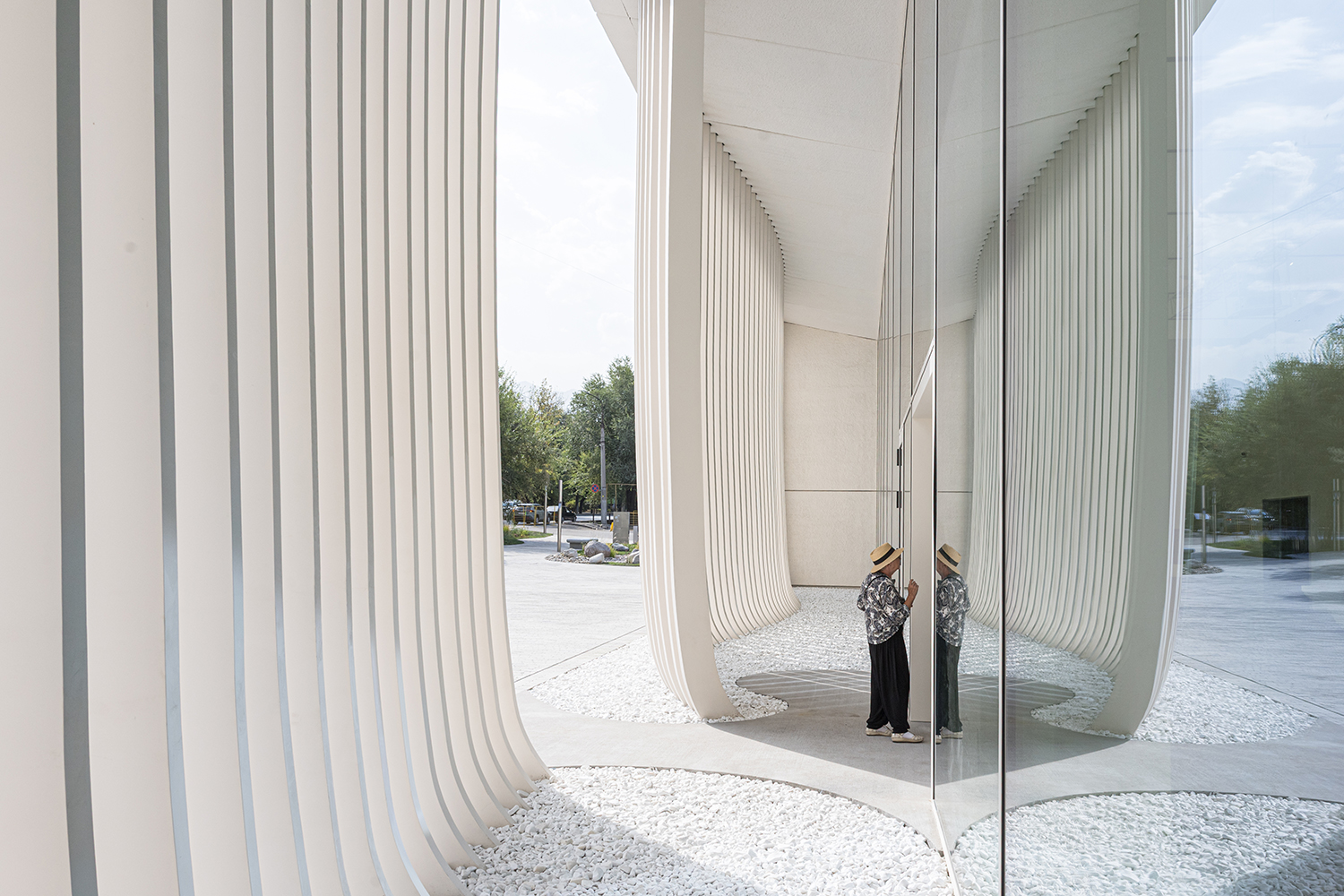
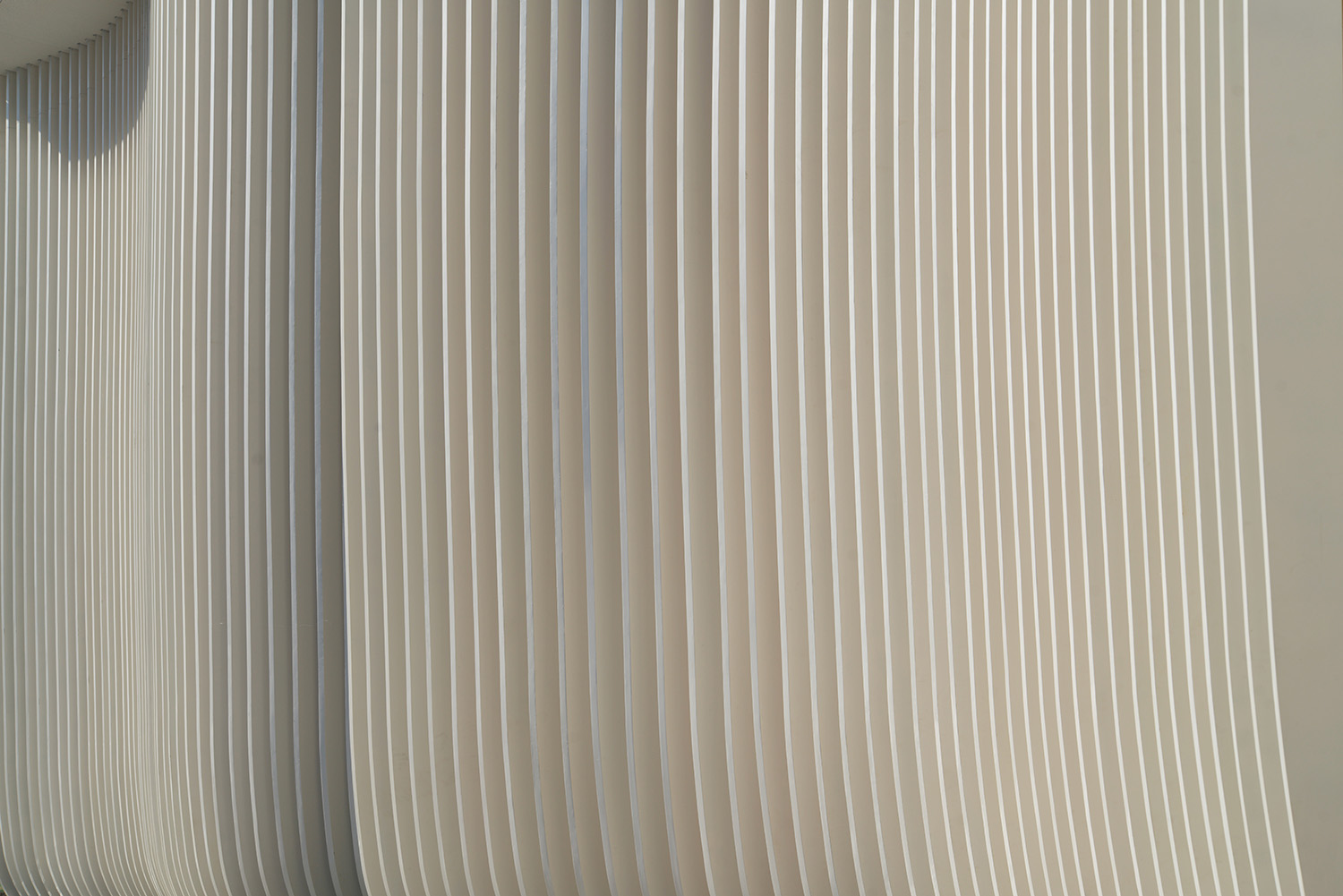
Khan softened the monolithic shape and scale of the structure at the entrance side, placing a wall of steel louvres in a pleasing pattern against the ground-floor glass. Now daylight can penetrate the space, and visitors on the inside can see out to the park, cathedral, public squares and the riverbed landscape.‘Instead of an entrance,’ says Khan, there is a cloud-like threshold, softening the rigidity and control of the Soviet concrete frame. Its form recalls the moment of my first visit to Almaty, when I saw a cloud hovering over the steppe. I believe this cloud was an incarnation of the ancient Kazakh god Tengri waiting to return to Earth, to Umai.’
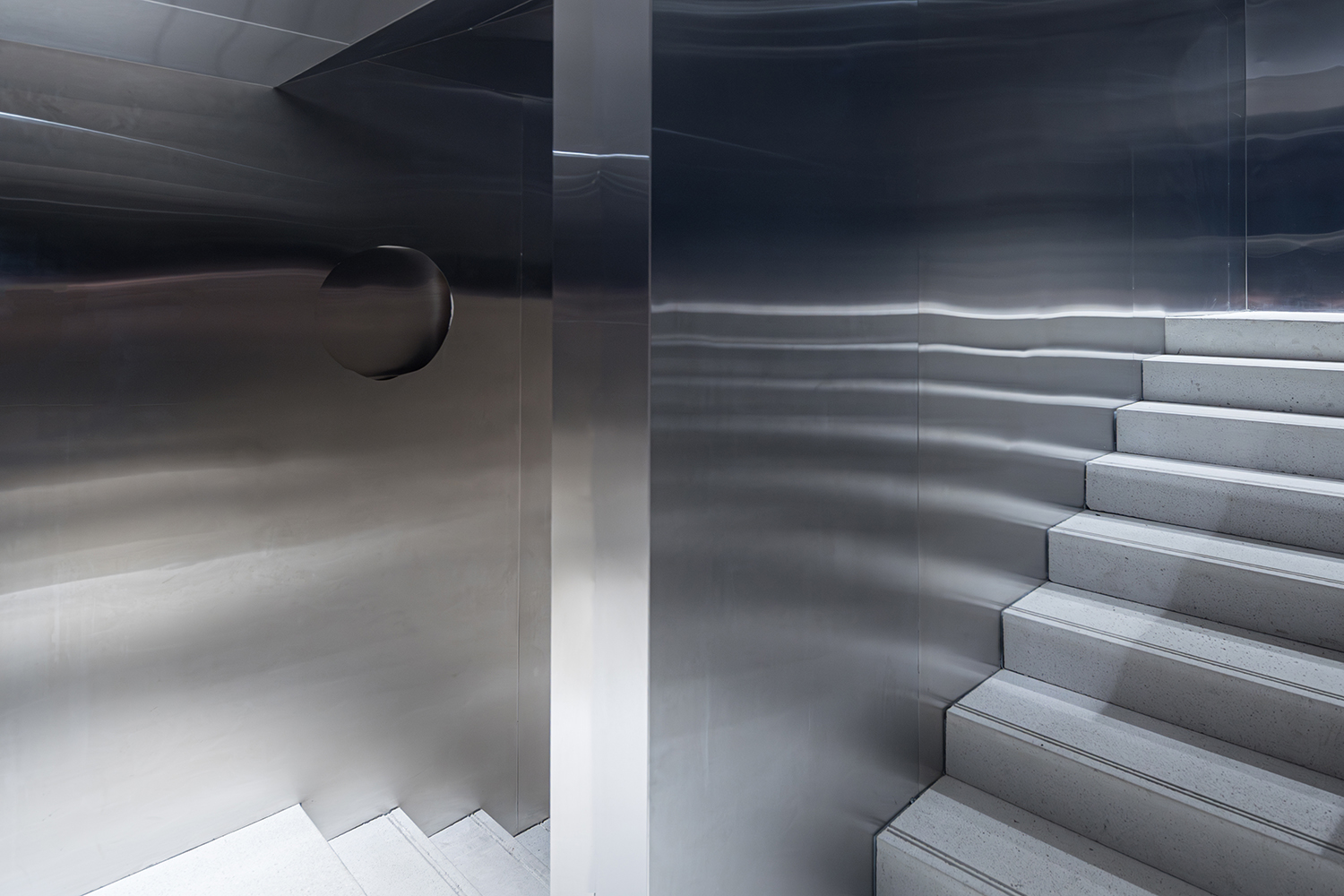
Interior finishes like limestone were excavated from Kazakh landscapes. Reflective surfaces echo the fluidity of Almaty’s rivers and rounded river stones unearthed during construction are embedded in the landscaping. Together, these help to position the city as an island of refinement and good taste in Central Asia while reminding visitors of the rich national topography, bled dry by occupying forces and now flourishing in the wake of independence.
Read next: In Marfa, Donald Judd’s Architecture Office reopens for visitors
‘Brutalist Interiors’: an insider’s look at the concrete revolution
A new hotel conversion plays by the rules of old China
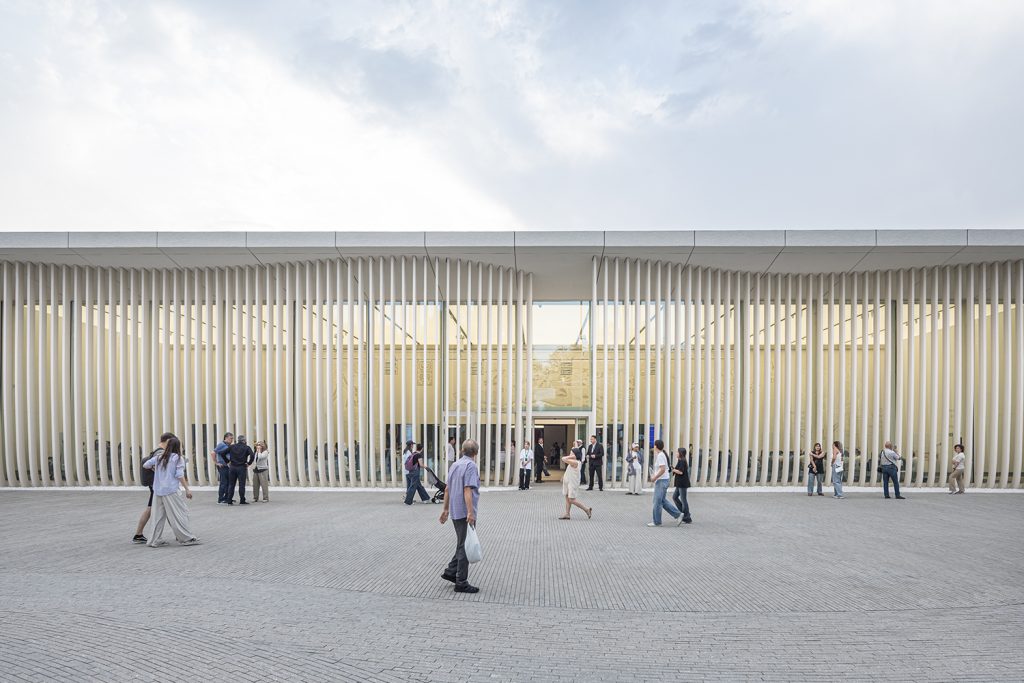
Tselinny Center, 2025. Copyright Laurian Ghinitoiu and Asif Khan Studio.
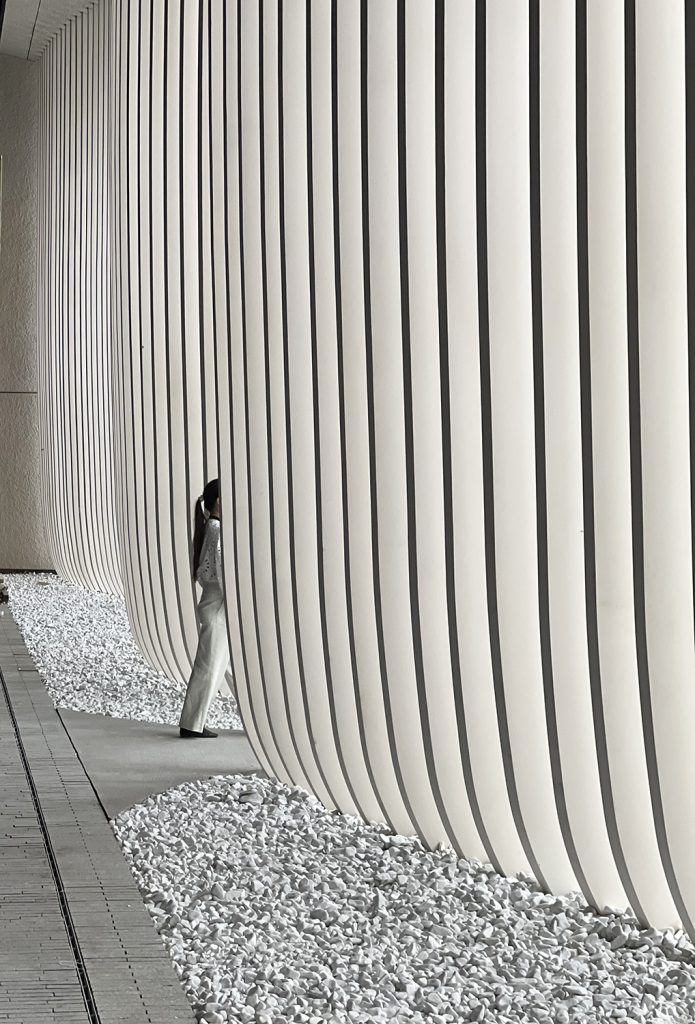
© Asif Khan Studio, 2025.
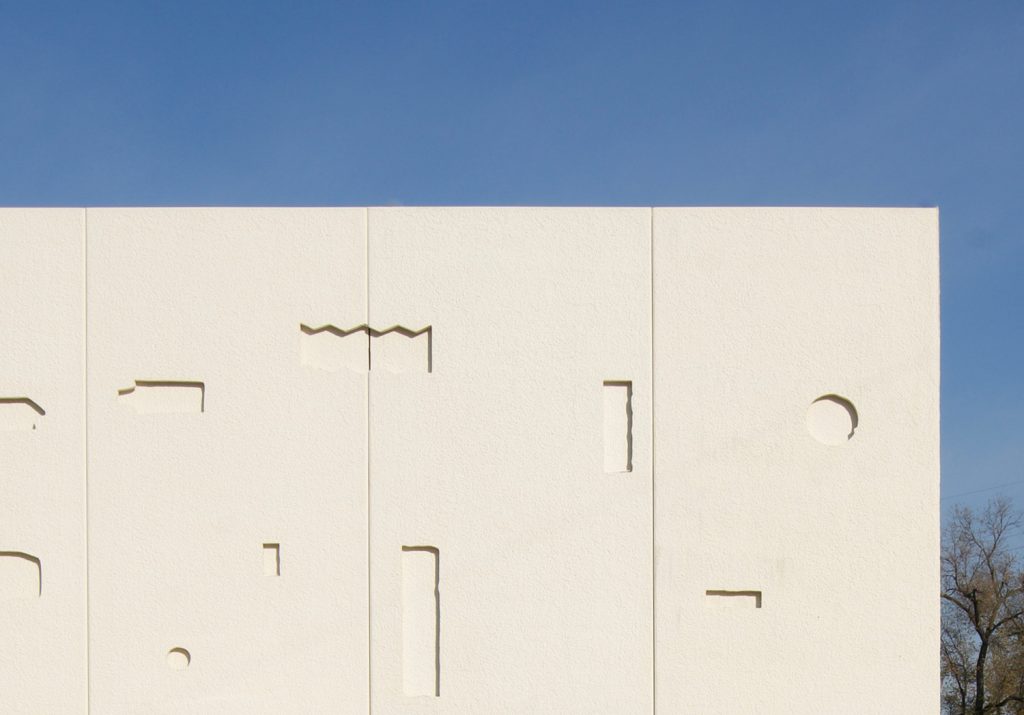
© Asif Khan Studio, 2025.
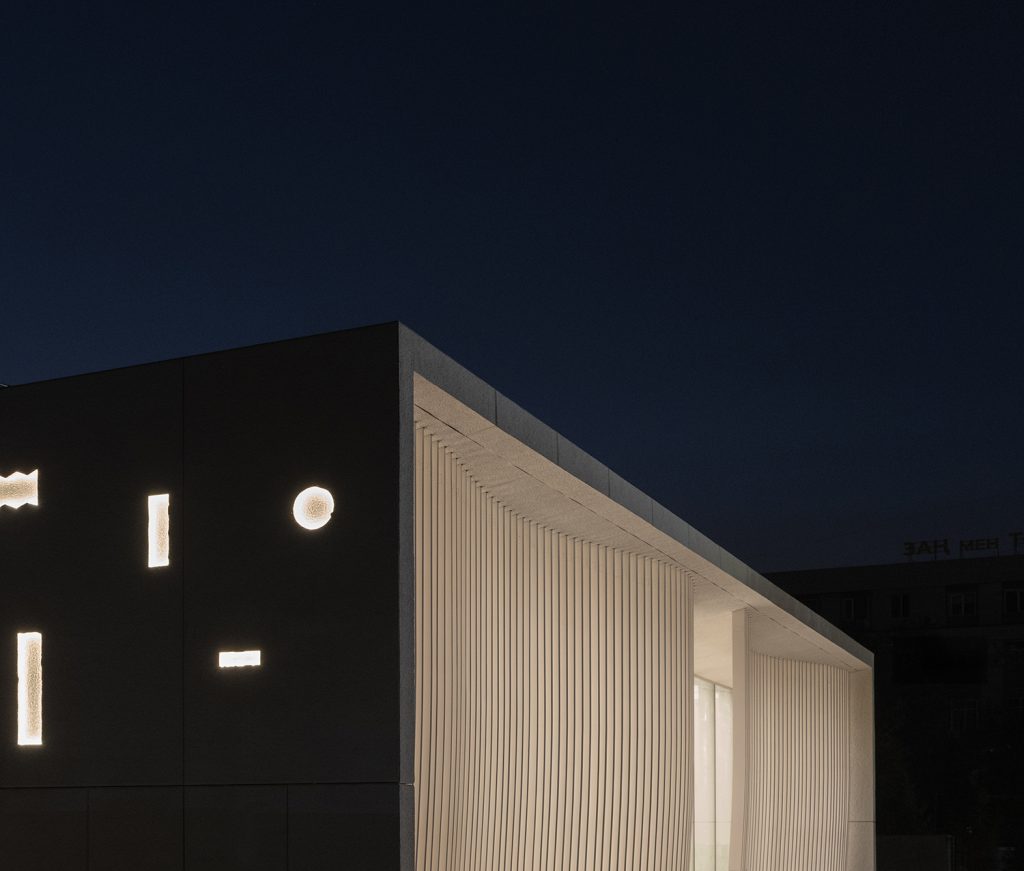
© Asif Khan Studio, 2025.
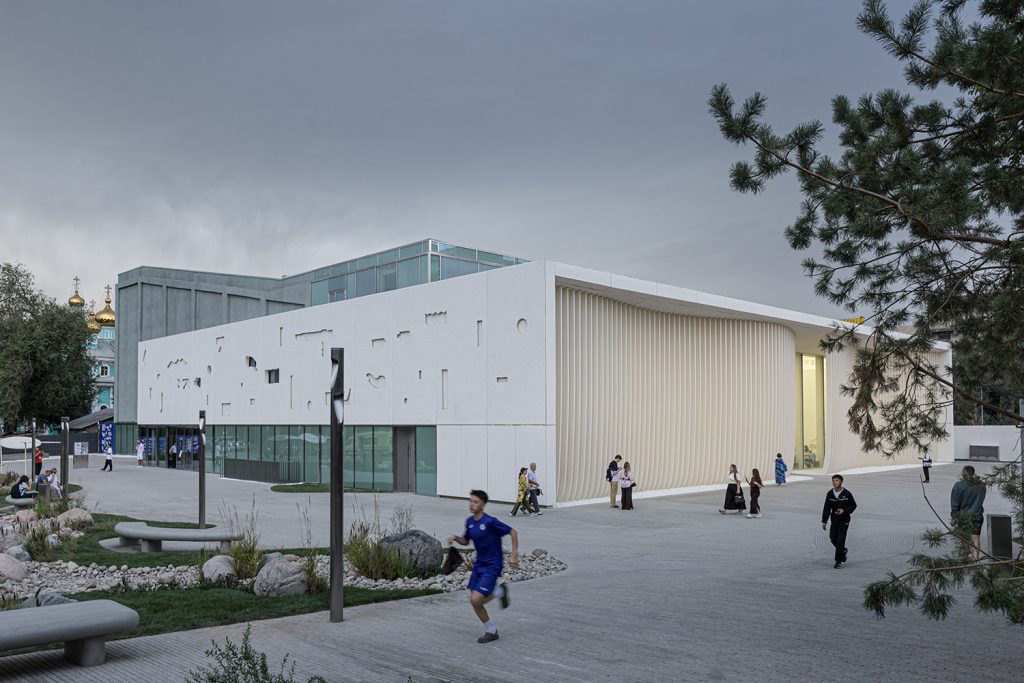
Tselinny Center, 2025. Copyright Laurian Ghinitoiu and Asif Khan Studio.
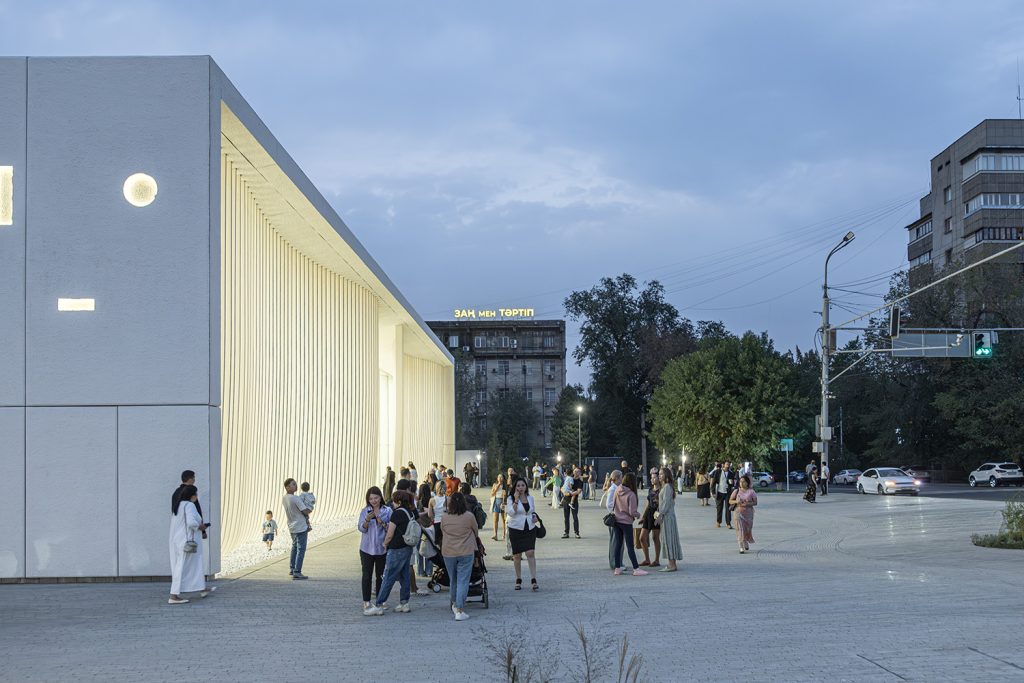
Tselinny Center, 2025. Copyright Laurian Ghinitoiu and Asif Khan Studio.
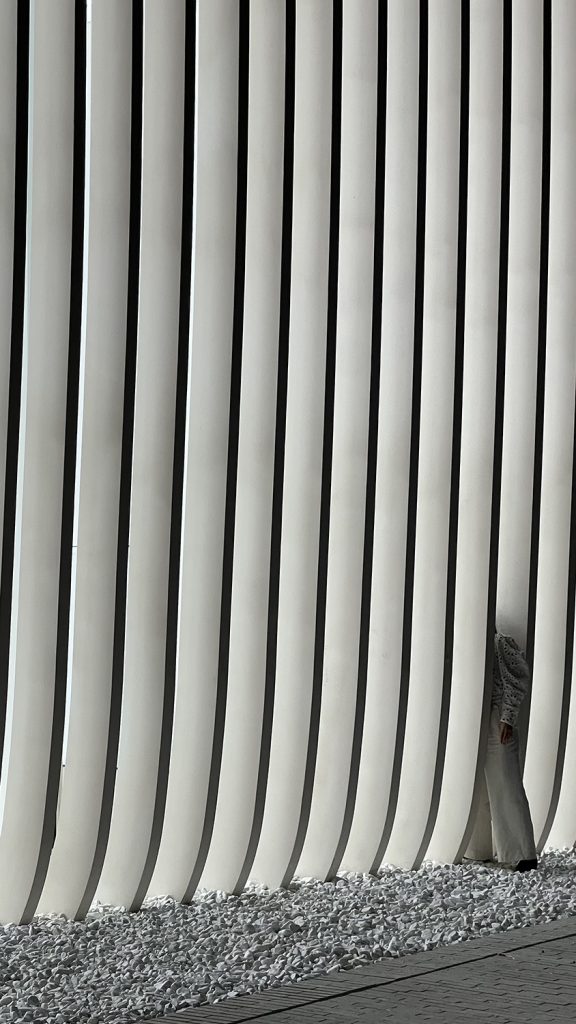
© Asif Khan Studio, 2025.
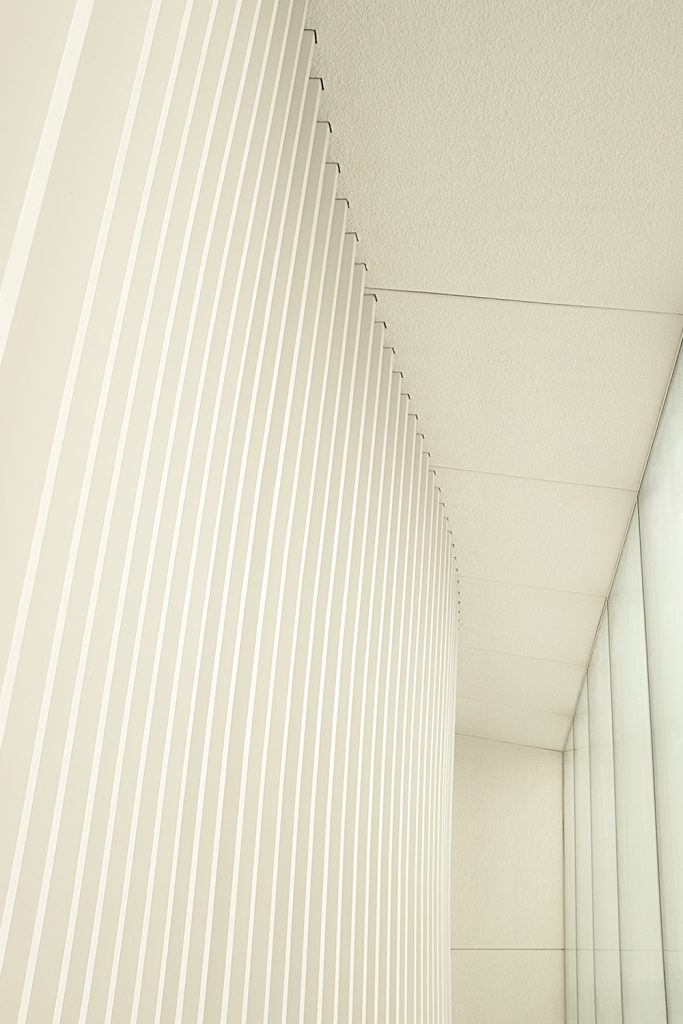
© Asif Khan Studio, 2025.
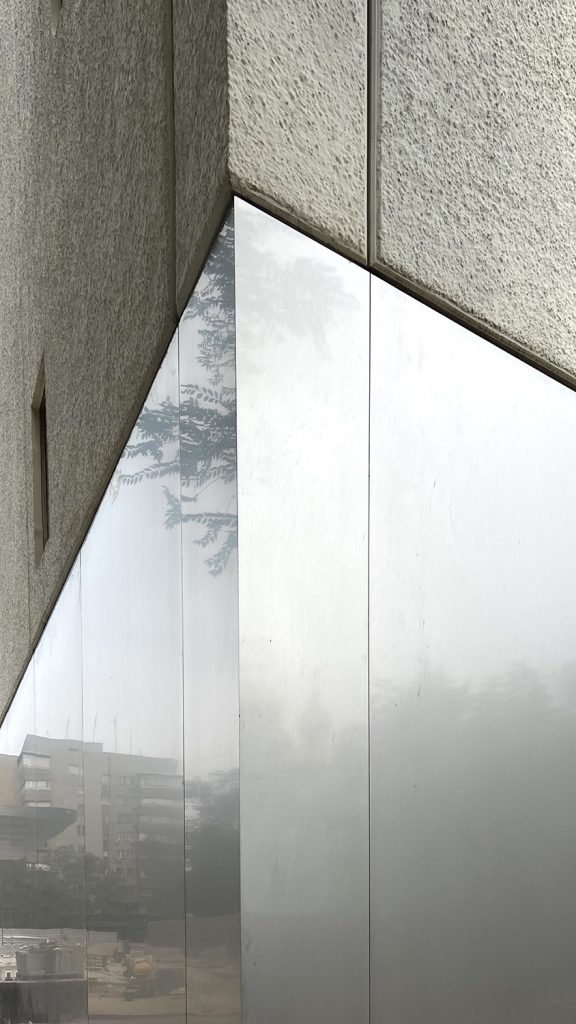
© Asif Khan Studio, 2025.
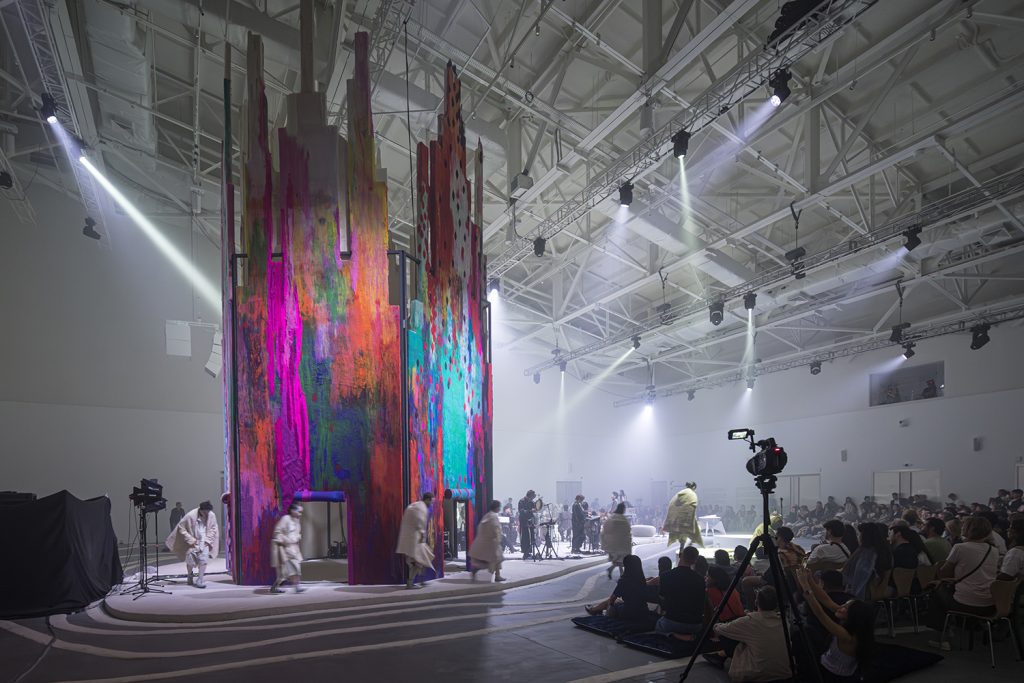
Tselinny Center, 2025. Copyright Laurian Ghinitoiu and Asif Khan Studio.
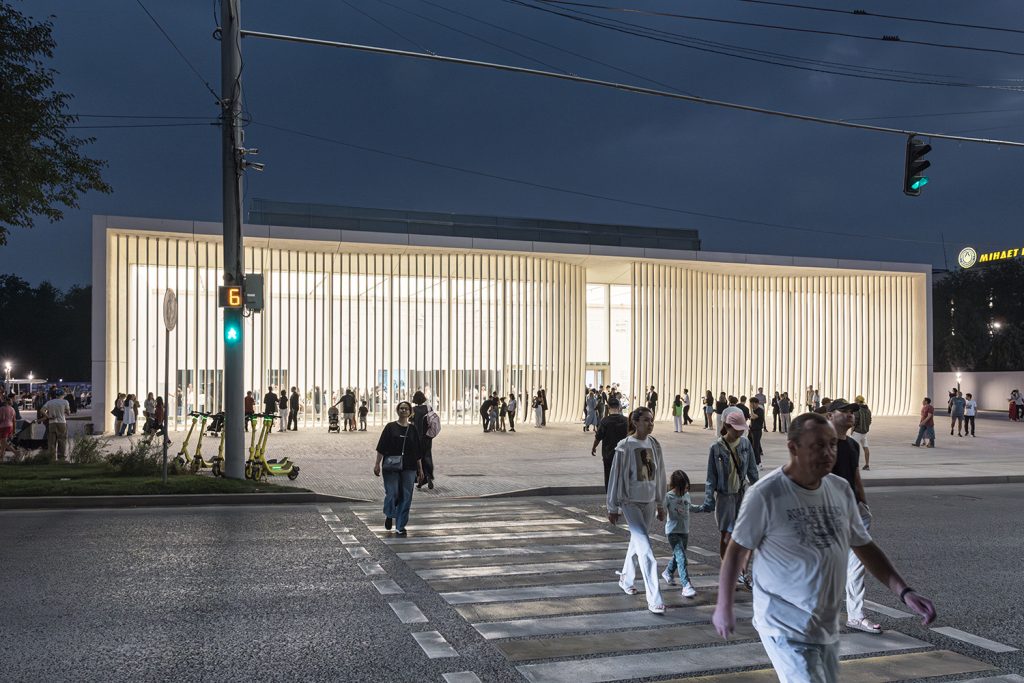
Tselinny Center, 2025. Copyright Laurian Ghinitoiu and Asif Khan Studio.