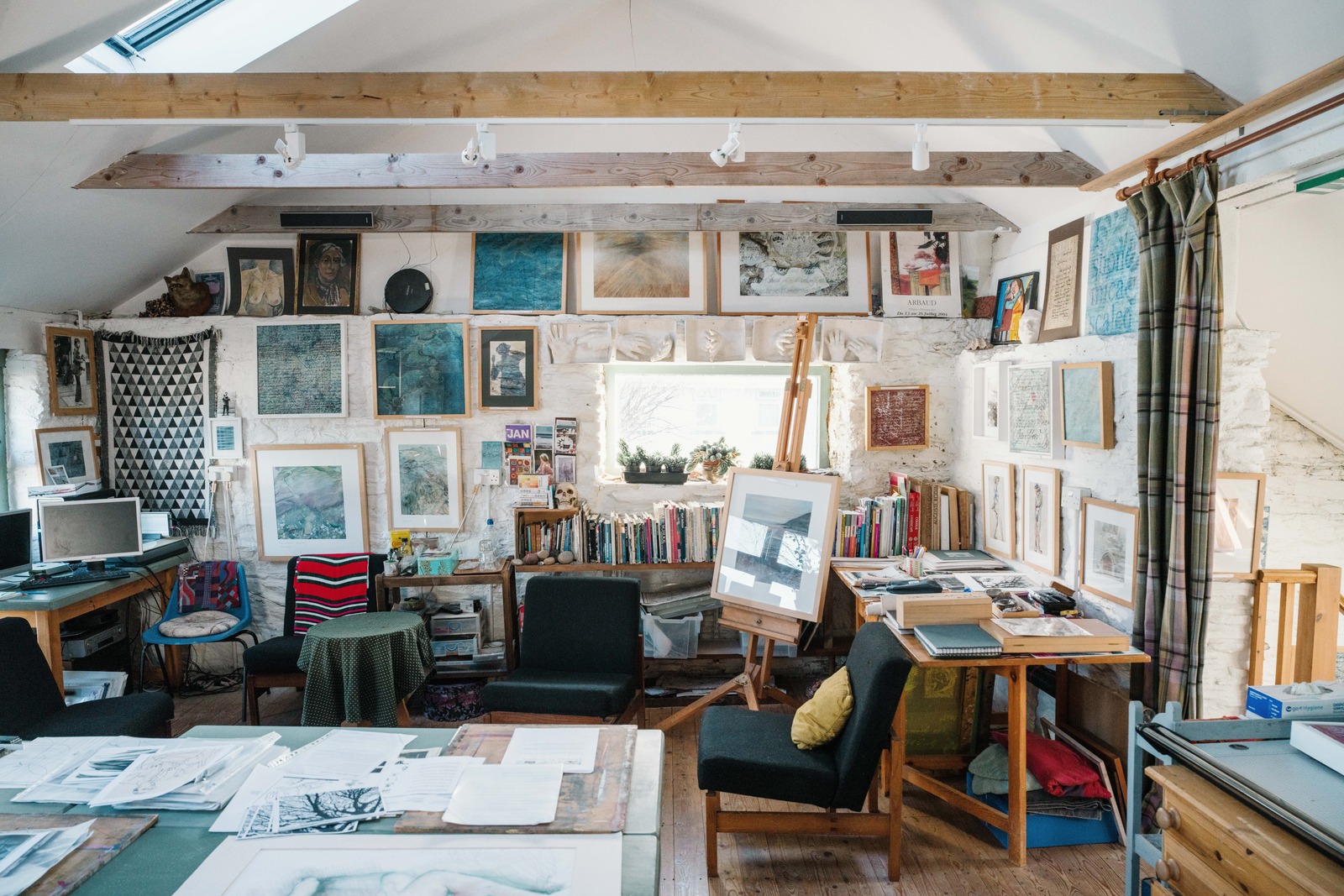
Les Jones set up Contemporary Collage Magazine during lockdown, after discovering a mindful, tactile, analogue hobby in the artful assembly of images. He’d struggled to find resources for his work — long seen as painting’s poor relation, collage was associated with amateurs at their kitchen table with a glue stick, scissors and pile of old magazines. But recently the art form has gained respect across the fields of art and crafts, luring talented creators and fans and headlining major exhibitions worldwide.
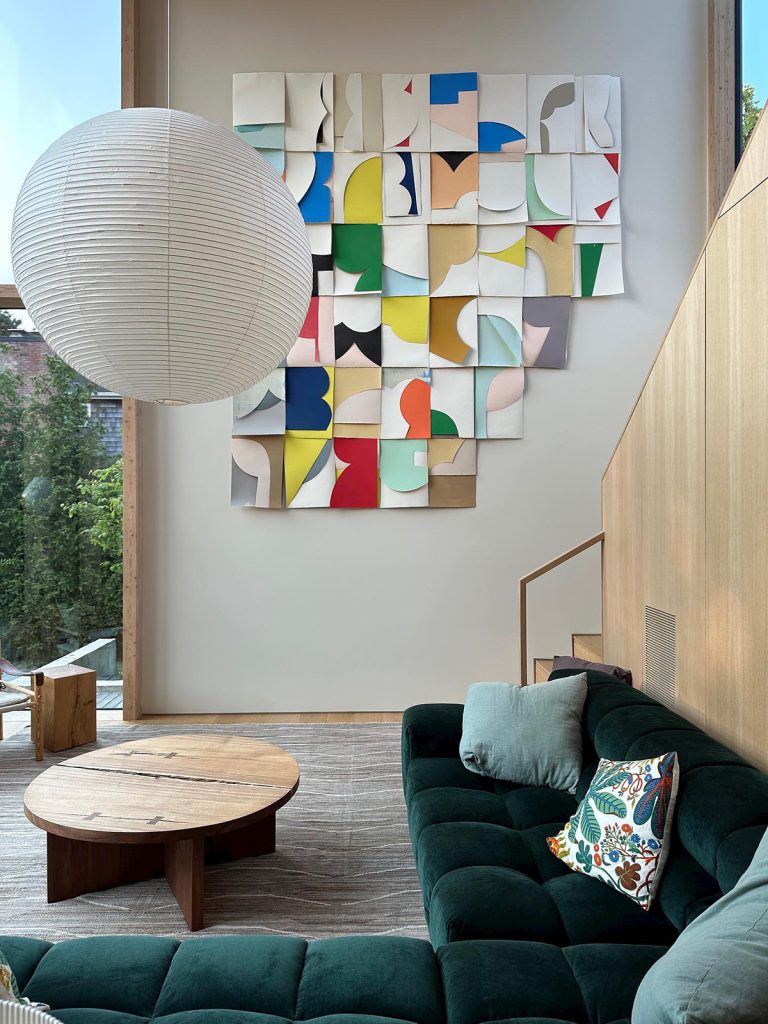
Photography: Courtesy Jo Hummel
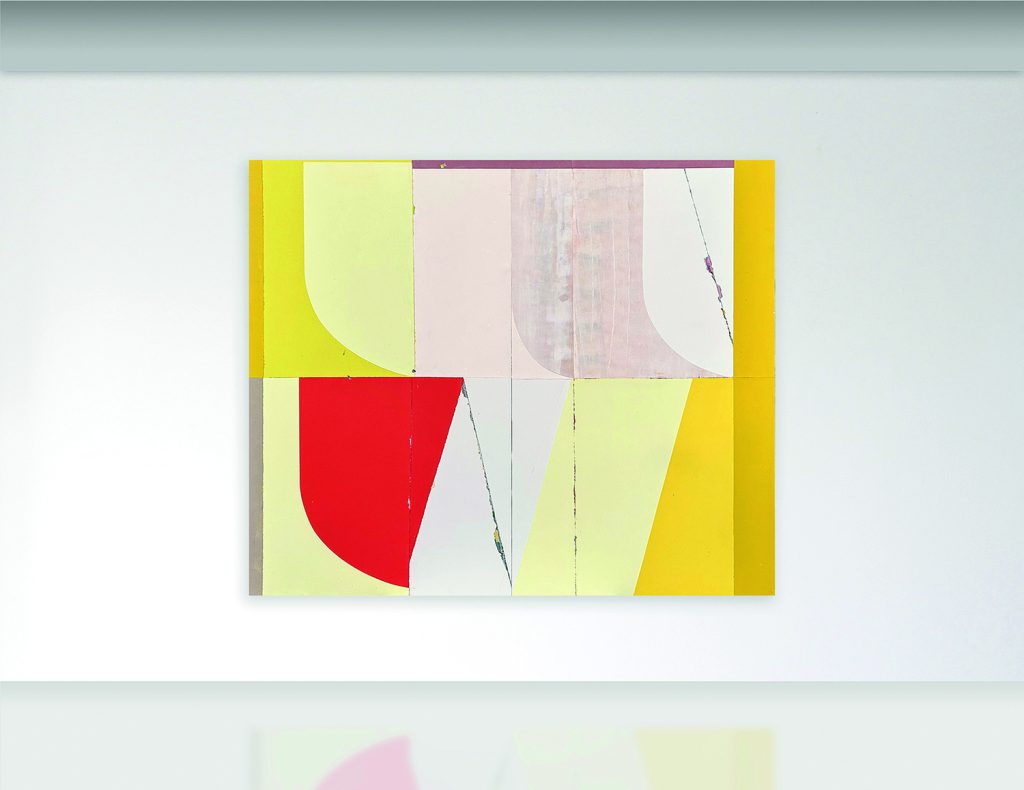
Photography: Courtesy Jo Hummel
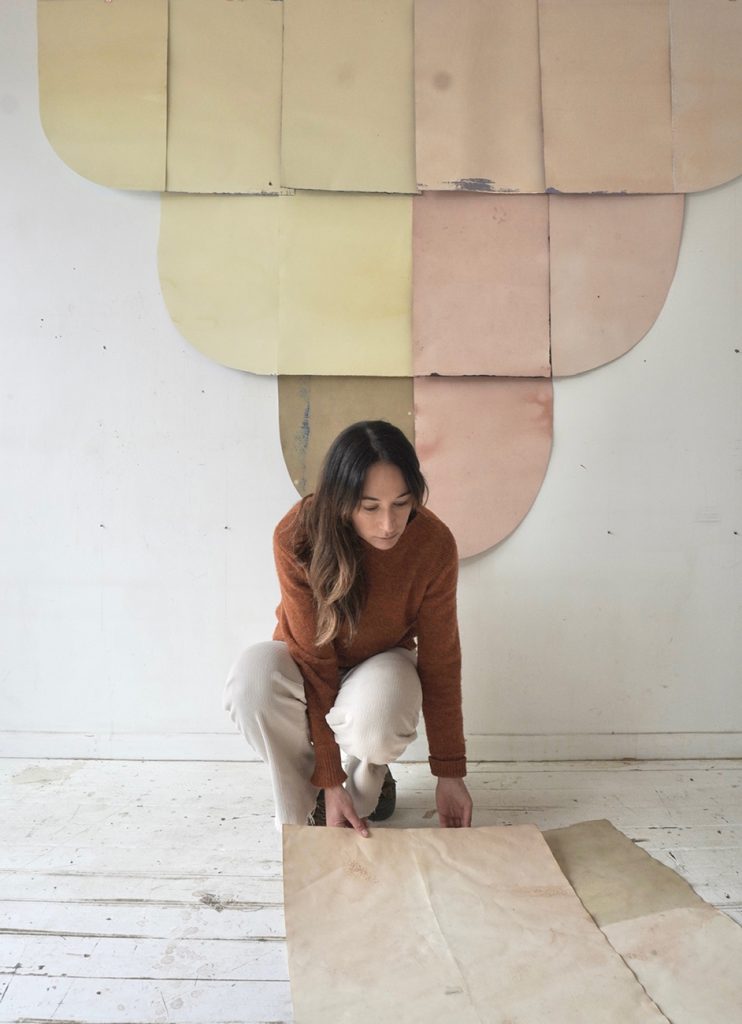
Photography: Courtesy Jo Hummel
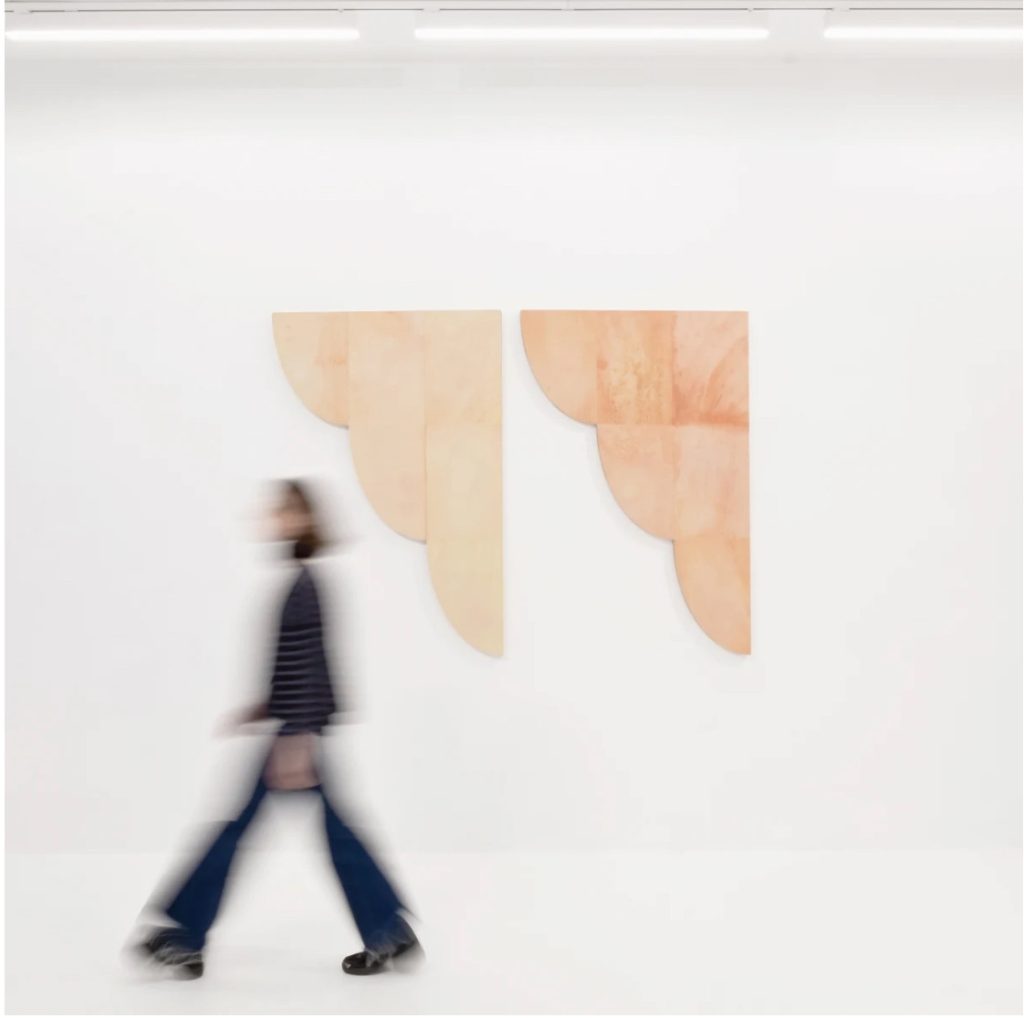
Photography: Courtesy Jo Hummel
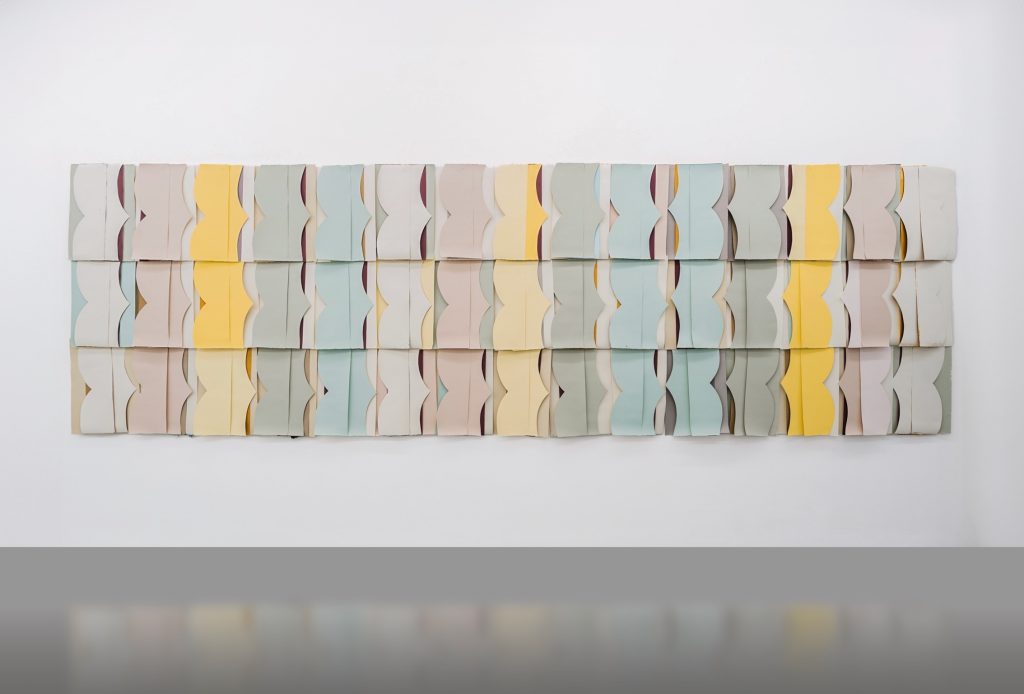
Photography: courtesy Jo Hummel.
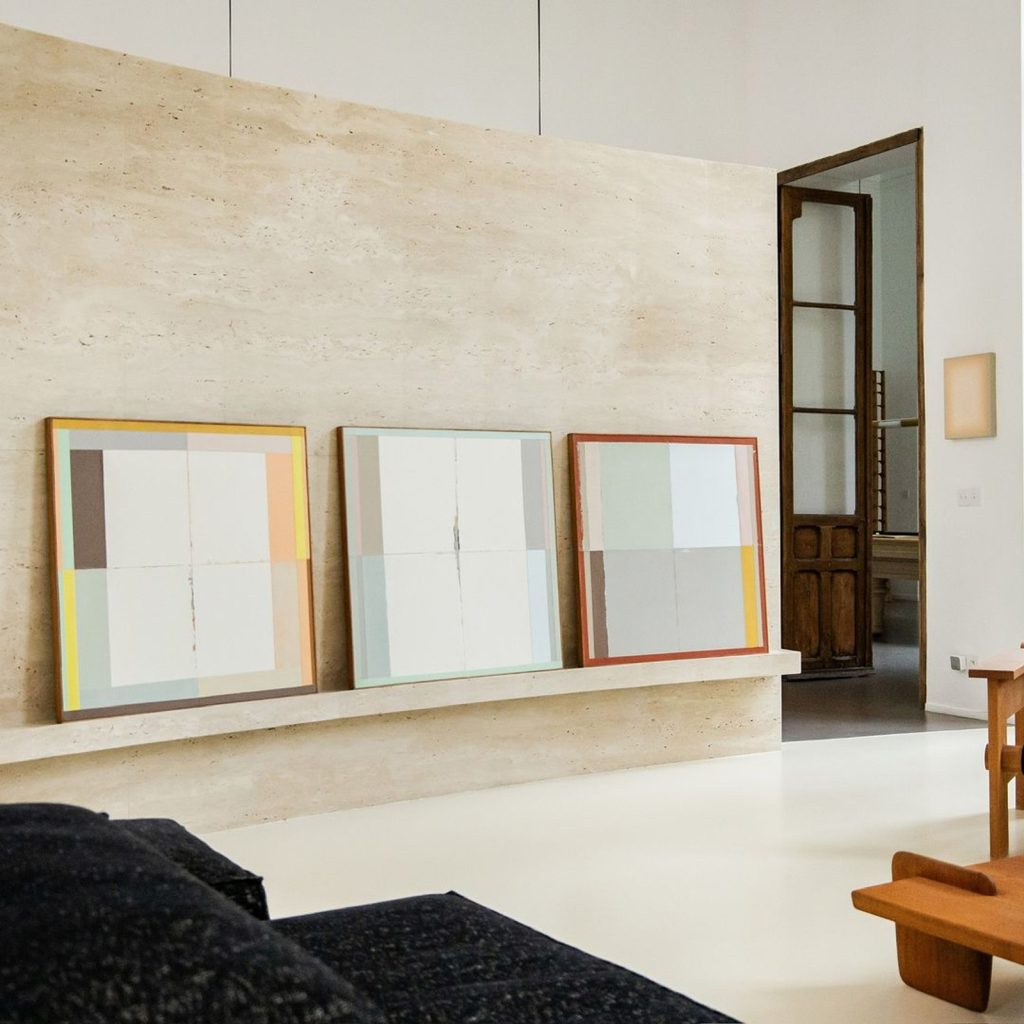
Photography: courtesy Jo Hummel.
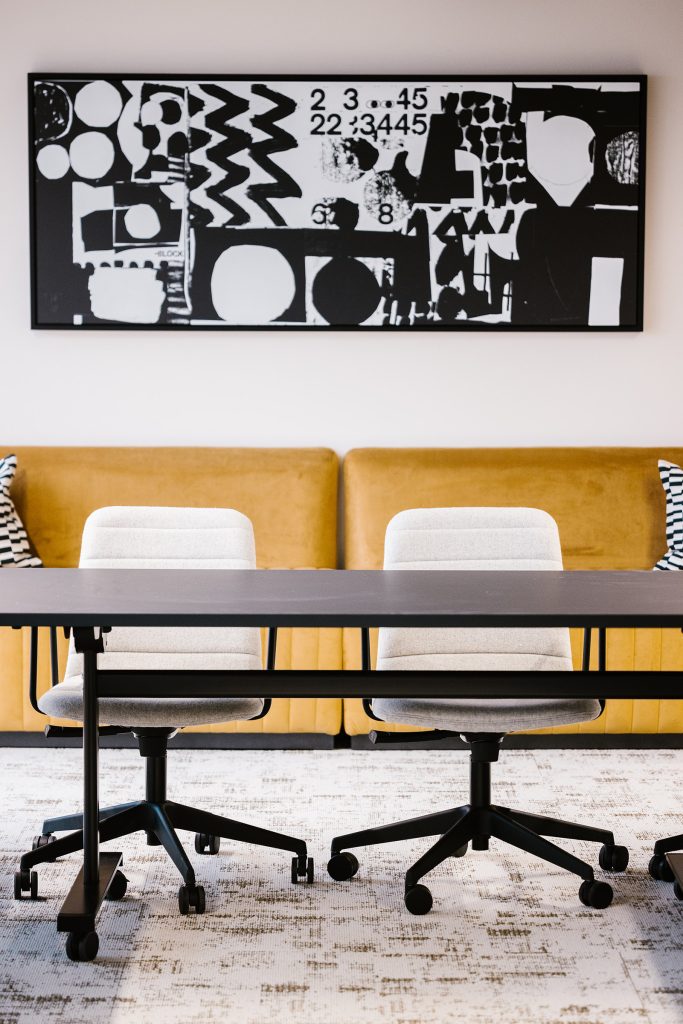
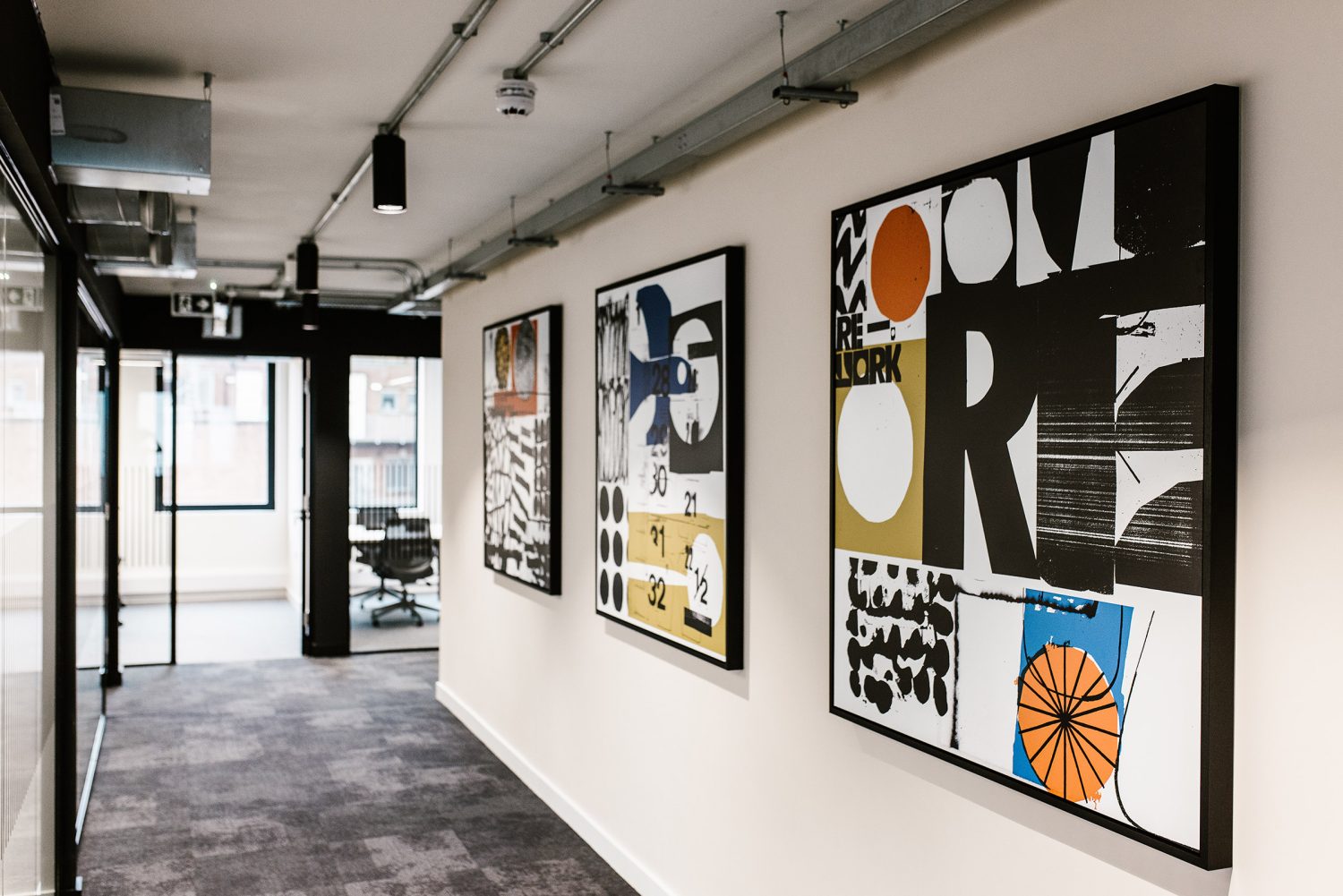
Photography: courtesy Neasden Control Centre.
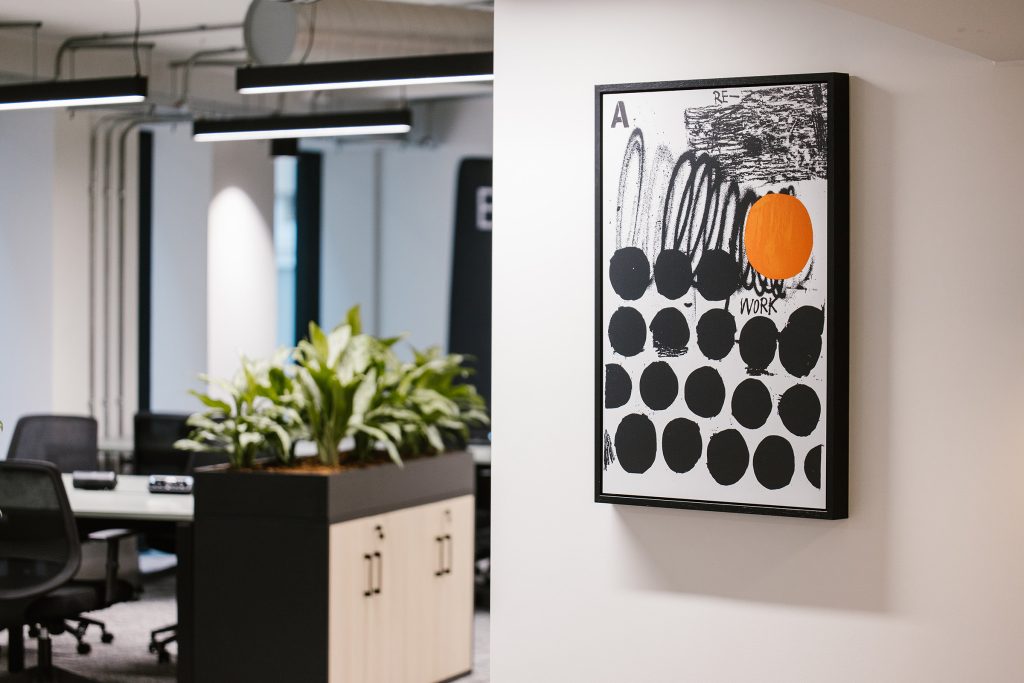
Photography: courtesy Neasden Control Centre.
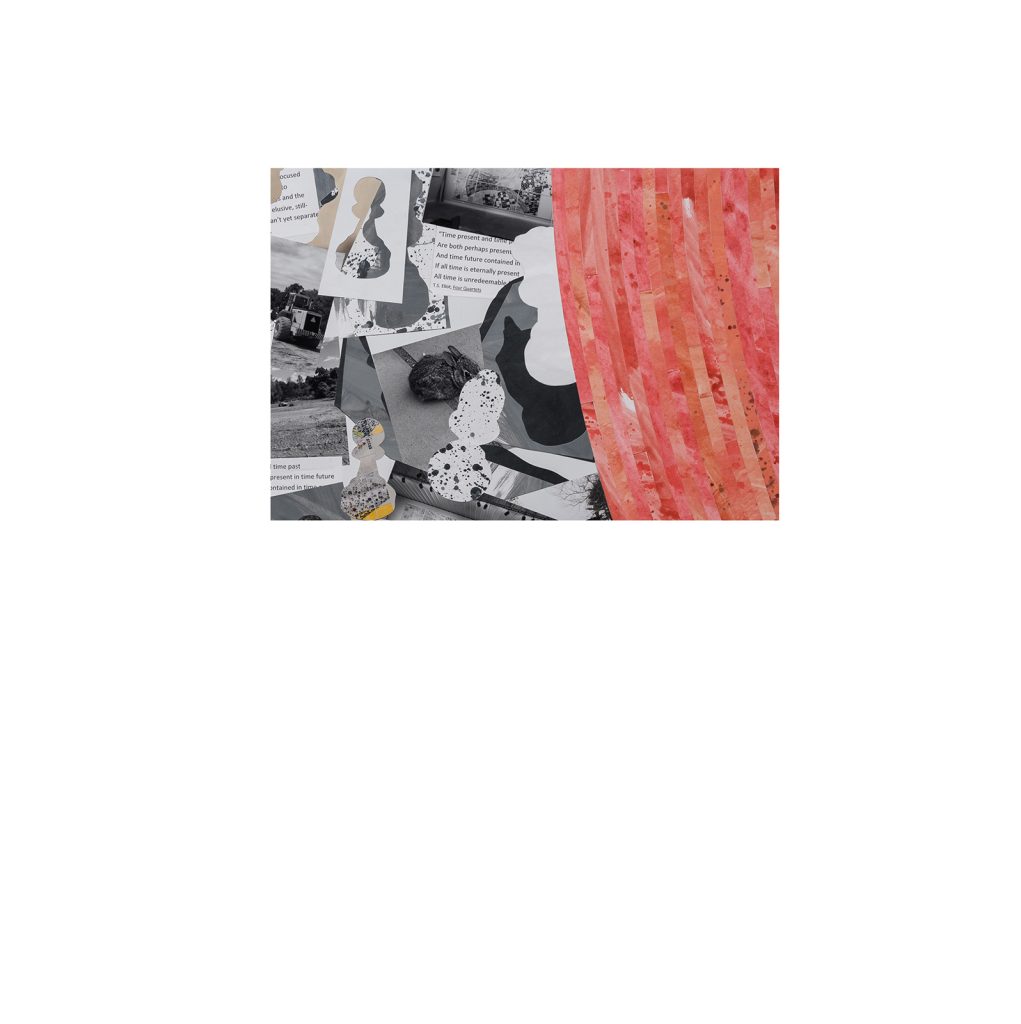
Photography: courtesy Steven Siegel
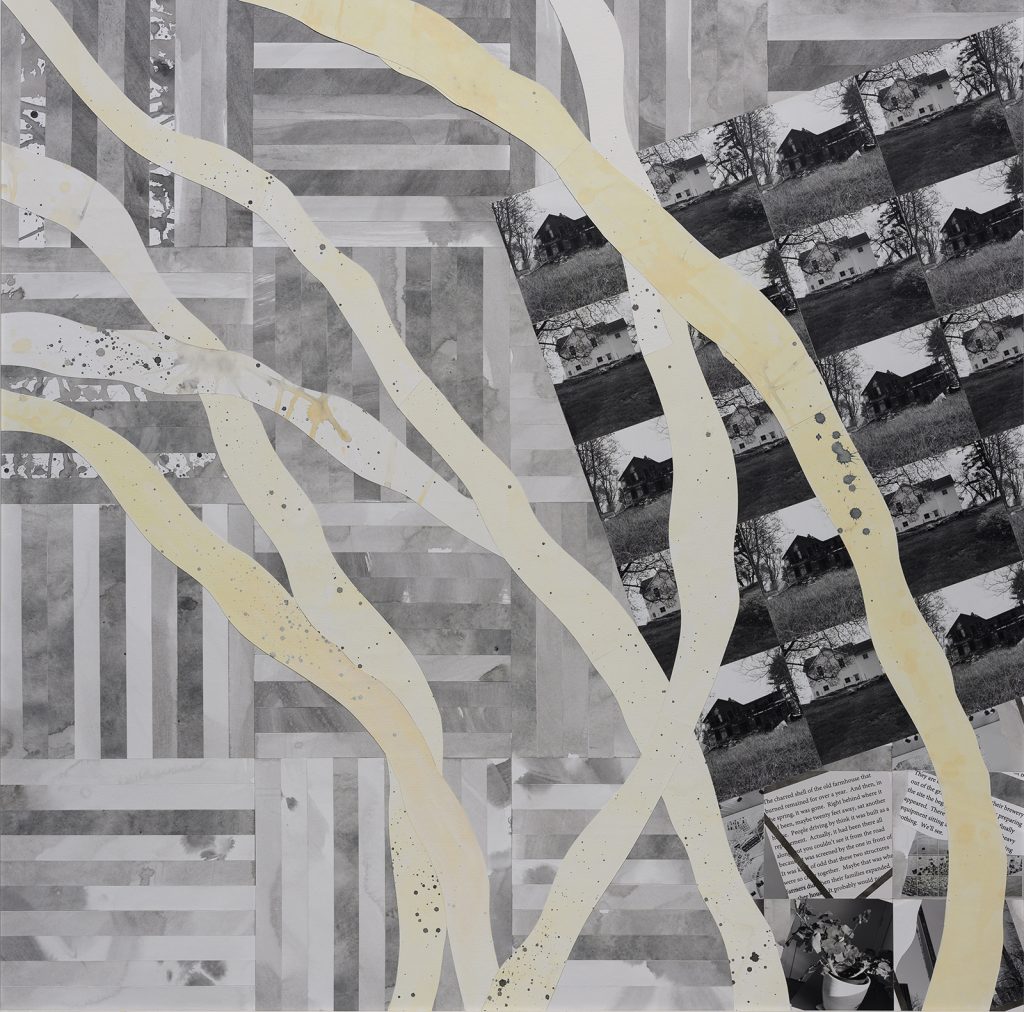
Photography: courtesy Steven Siegel
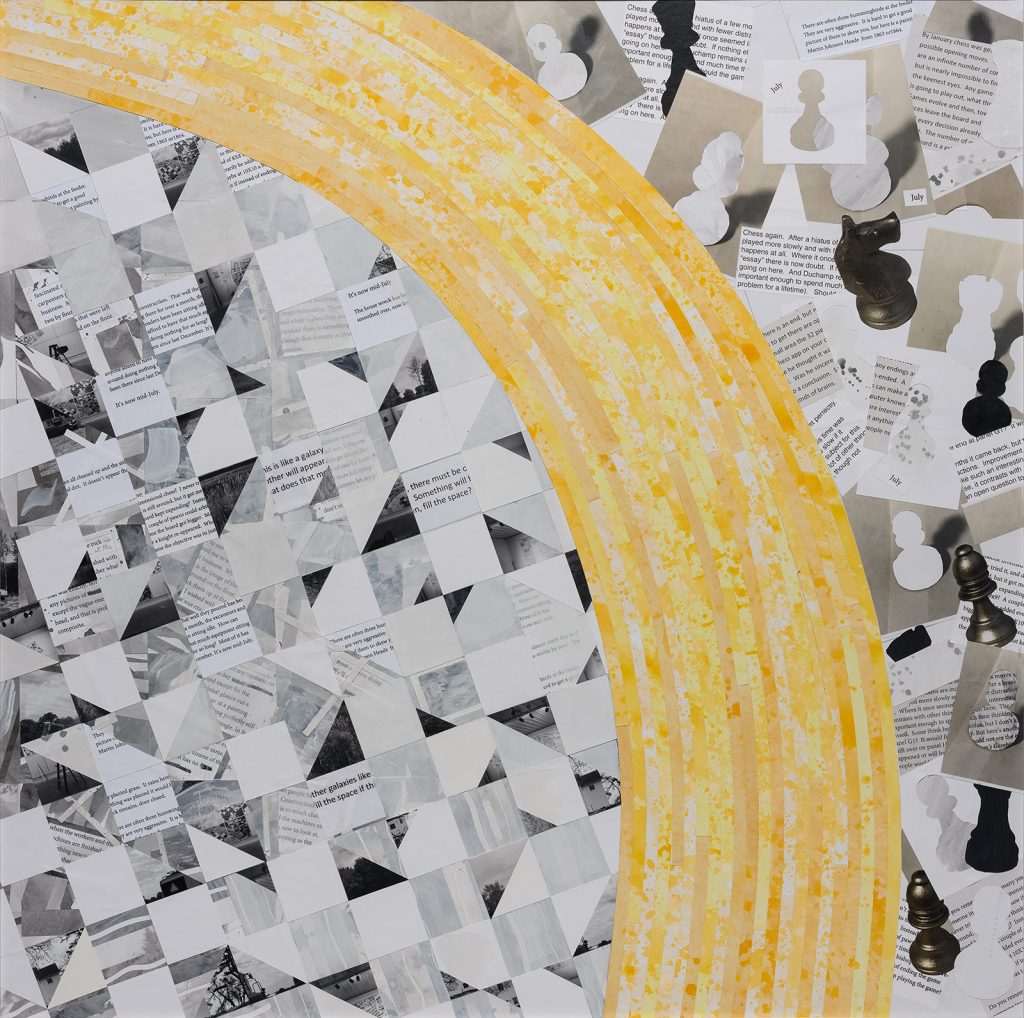
Photography: courtesy Steven Siegel
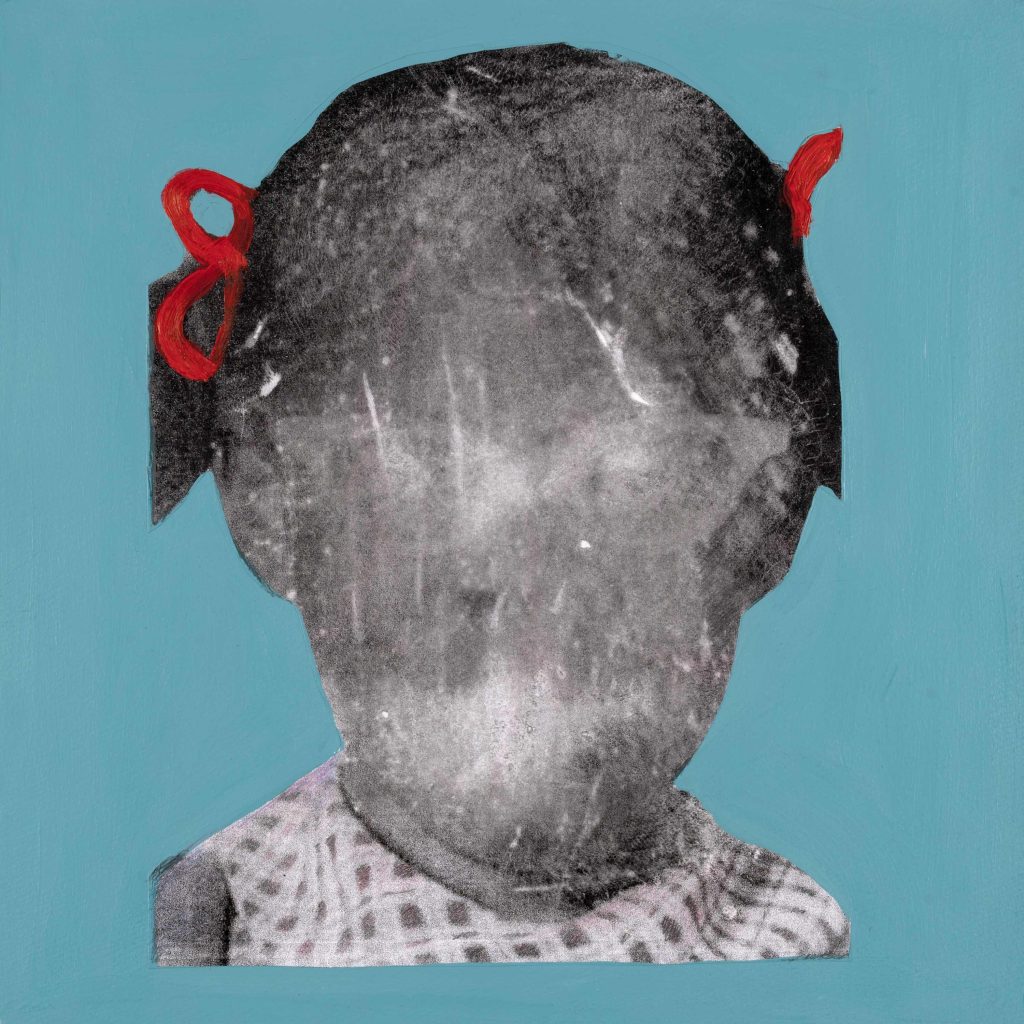
Witness (Little Debbie 016). Image courtesy Deborah Roberts Studio.
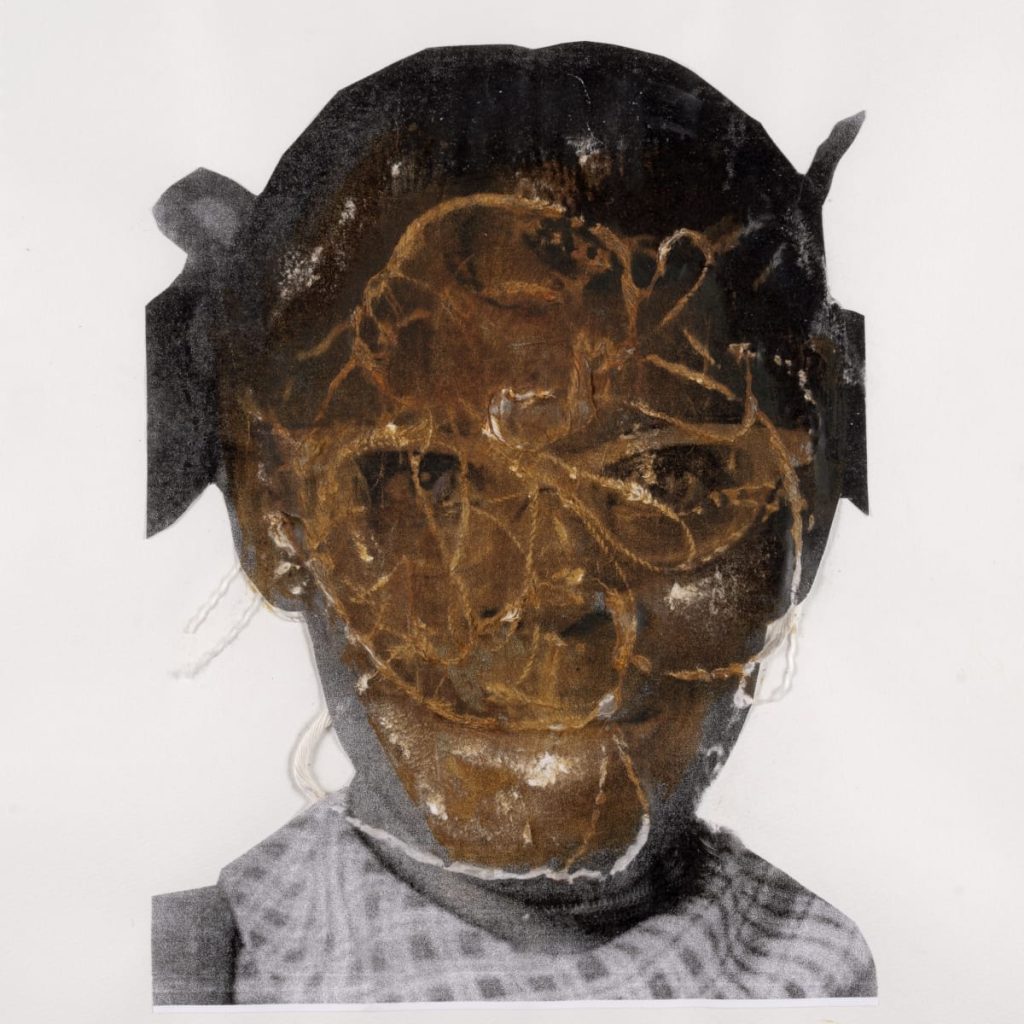
Little Debbie 003. Image courtesy Deborah Roberts Studio.
Today, just a few years after launching, Jones’s magazine has acquired such a following it is hosting the UK’s first conference dedicated to collage art, Contemporary Collage Magazine Live!, in Stoke-on-Trent. ‘Collage is definitely having its moment,’ Jones says. ‘I think many established artists working in other mediums found, or refound, collage as a means of expression, and many of those have continued to use collage in their practice since.’
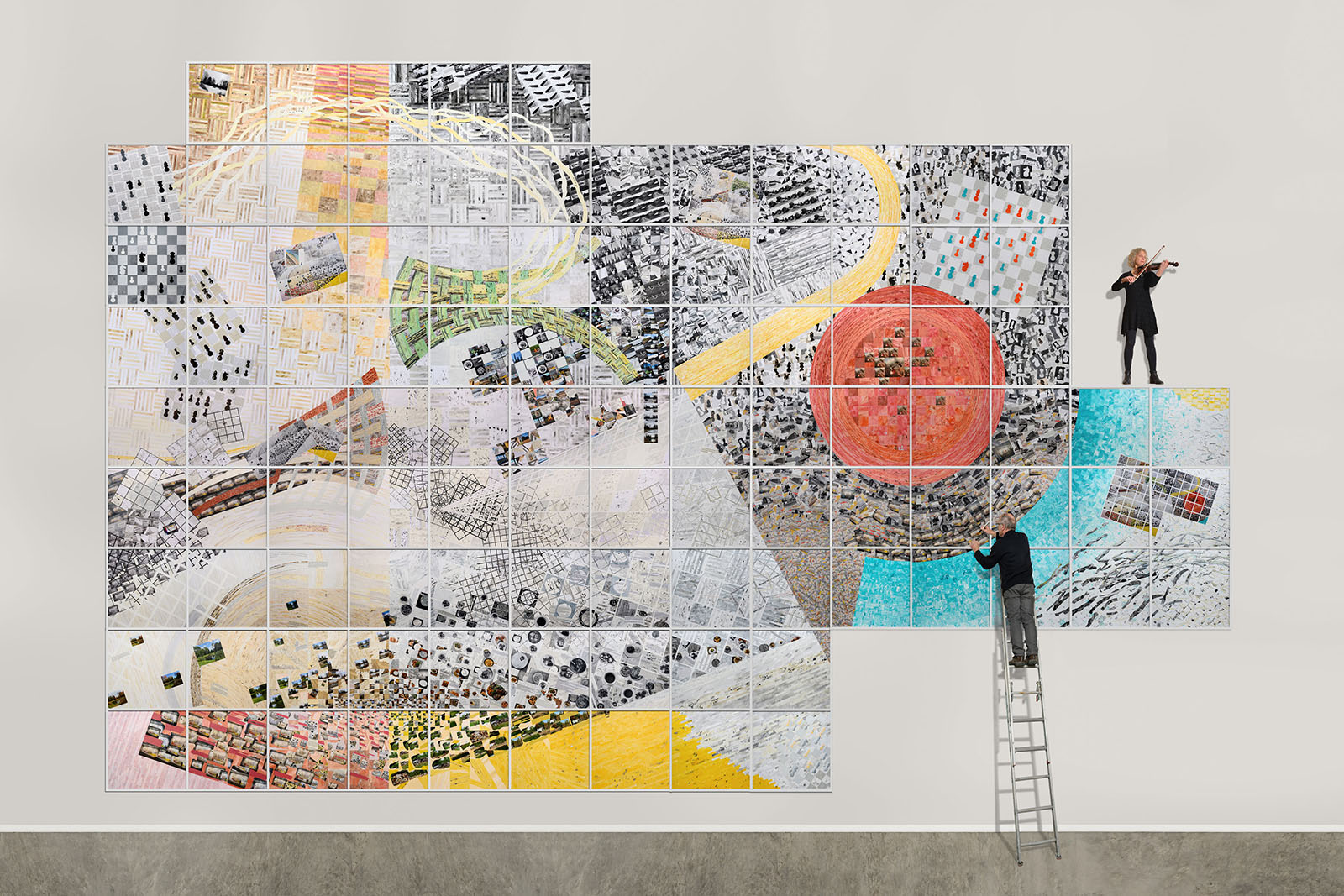
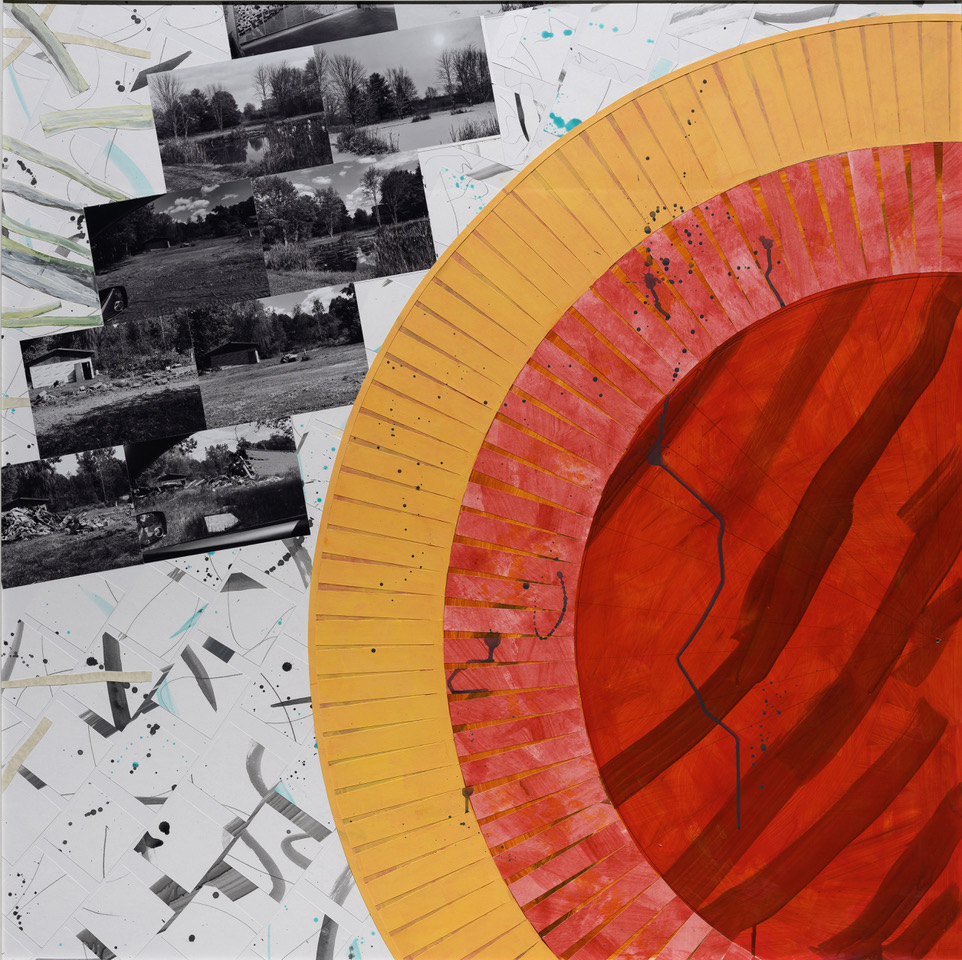
‘Perhaps collage somehow represents a tangential take on the digitisation that has come to dominate so much,’ says US-based artist Steven Siegel. Best known for his public art commissions and site-specific installations made of recycled materials, he’s been producing large-scale collages since 2013.
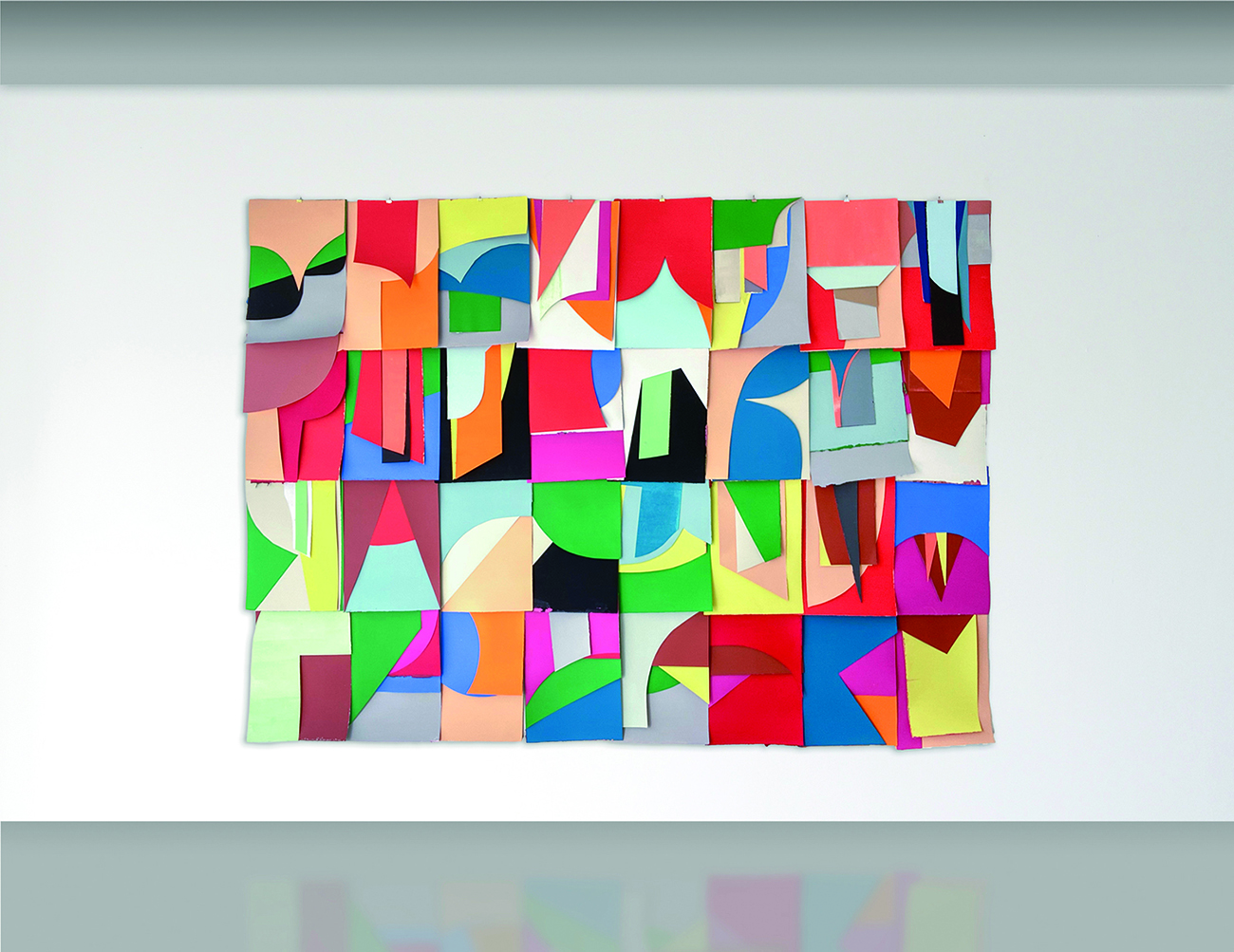
Another convert is UK-based artist Jo Hummel, who has a background in animation but now connects collage to the online world. ‘I think collage resonates strongly with the rhythm of digital culture,’ she says. ‘Its cut-and-paste language feels akin to the way we navigate screens, scrolls, and edits.’
Based on the Isle of Wight, Hummel was first drawn to collage through found materials — pages from vintage books and magazines, paper bags, wallpaper, ‘anything with a strong sense of graphic design or pattern. I’d describe my collage style as meditative, reductive and geometric.’ Source materials like these mean many collage artists tend to work on a relatively small scale. But a growing number — including Hummel and Siegel — are thinking big.
Stephen Smith — who works under the name Neasden Control Centre — also belongs to the category of artists expanding the possibilities of what can be achieved with the medium. Based in Devon, Smith is well known for his experimental approach encompassing painting, drawing, printmaking and installation. He handled the art direction and illustration for the visuals in Oasis’s 2025 Cast No Shadow tour.
Meanwhile US artist Deborah Roberts uses collage to challenge the notion of ideal beauty. Based in Austin, Texas, she combines found and manipulated images with hand-drawn and painted details to create hybrid figures: young girls and, increasingly, Black boys. Les Jones reckons that Roberts’s new, larger works have broken through the traditional glass ceiling for collage, contributing to the recent succession of ambitious collage exhibitions and installations. ‘It’s an exciting time for collage art, for sure.’
He does point out the practical challenges of large-scale collage work, in terms of source material, adhesives, hanging and preservation. ‘This approach brings with it a move away from spontaneity and experimentation to a more considered or planned approach,’ he says. Such obstacles lead some artists to craft and print their own materials.
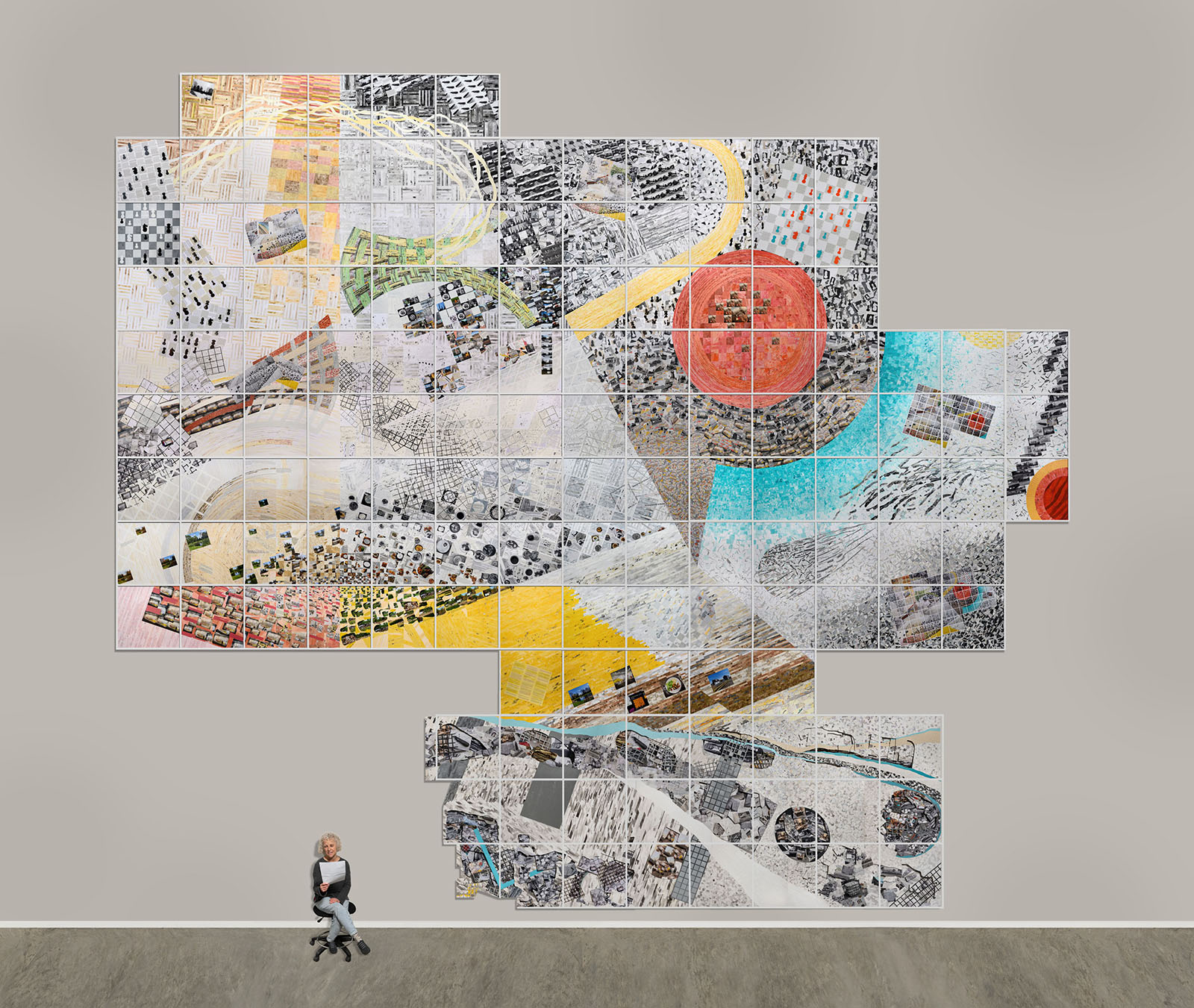
Siegel acknowledges all this prep can be ‘a tedious process. I have finished a piece in an hour. I have finished — or quit — a piece in five years,’ he says. ‘I prepare good quality paper ahead of time with acrylic paint, and when it is dry it is cut with a sharp blade, usually into long strips. This is glued onto any number of substrates ranging from museum board to plywood. Photographic prints are also incorporated and the surface occasionally receives a little paint directly as well.’
Largely, audiences appreciate the effort. Oversized collages invite multiple readings. ‘Works can be viewed at a distance as a whole and also more close-up,’ says Jones, ‘where small details like fragments of typography or images can be discovered.’
As collage expands in profile and size, where does that leave the most audacious creators. ‘I have yet to find a gallery or museum that is courageous, inventive or imaginative enough to take on my largest recent project,’ says Siegel. And what is that? ‘No wall.’