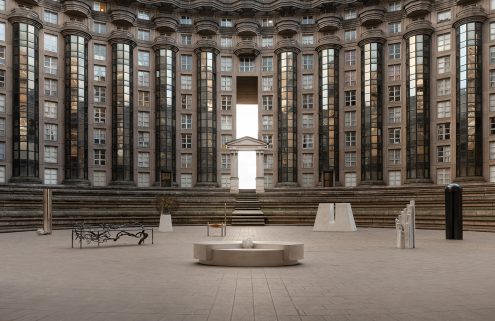
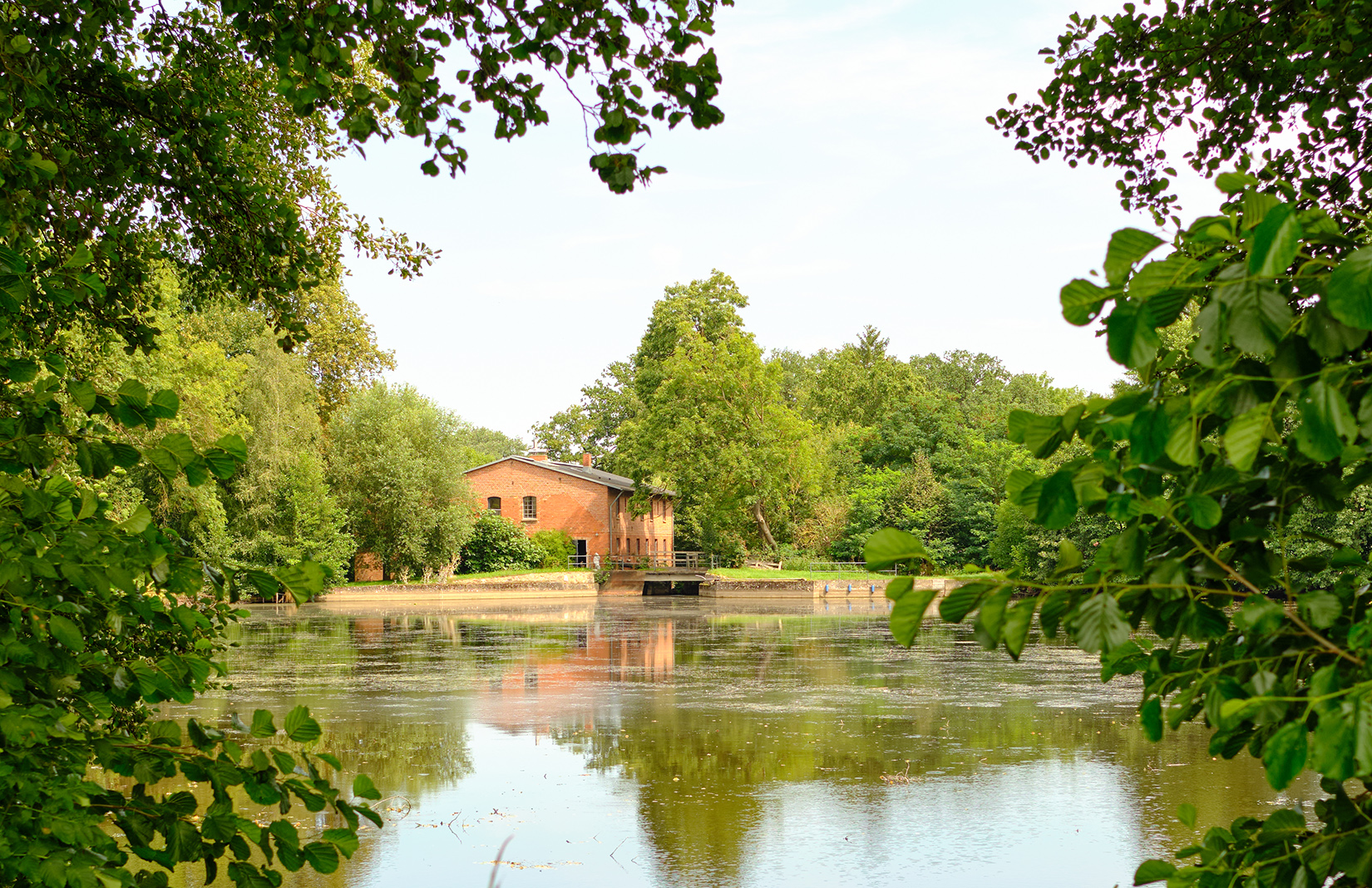
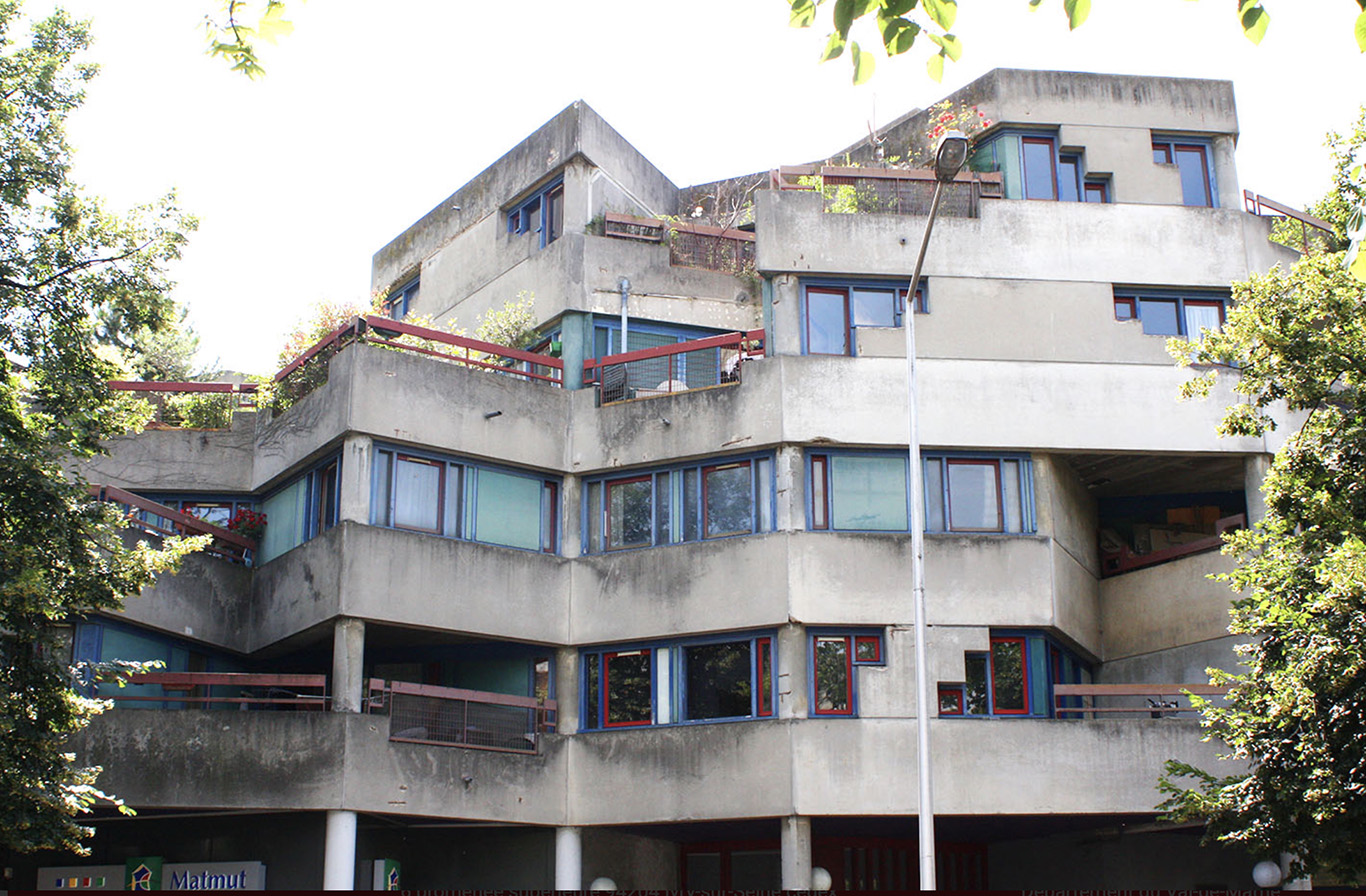
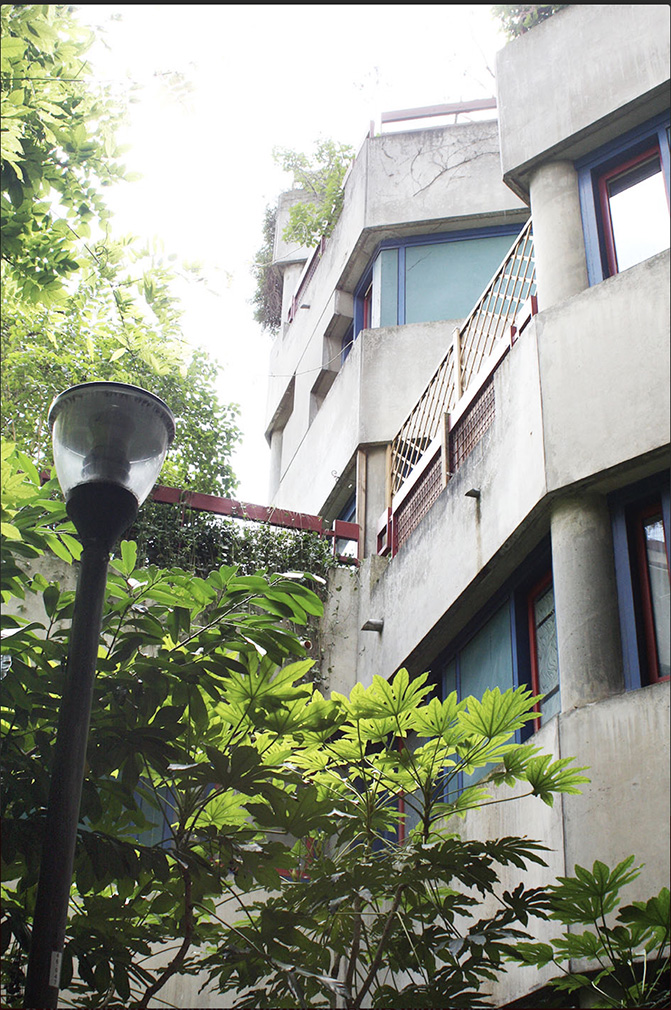
Those who call Paris an open-air museum should head beyond the Périphérique to see how Parisians live in an environment built for today. Take the southeastern banlieue of Ivry-sur-Seine. The postwar social-housing projects that supported the international community here are unlikely to pass for museum-worthy to many, yet the exceptions burst with life. Le Liégat Was built in the early 1970s, after two decades of utilitarian, uniform and often dismal architecture. Immediately, it stood out on the pavements of Ivry, and it still does today.
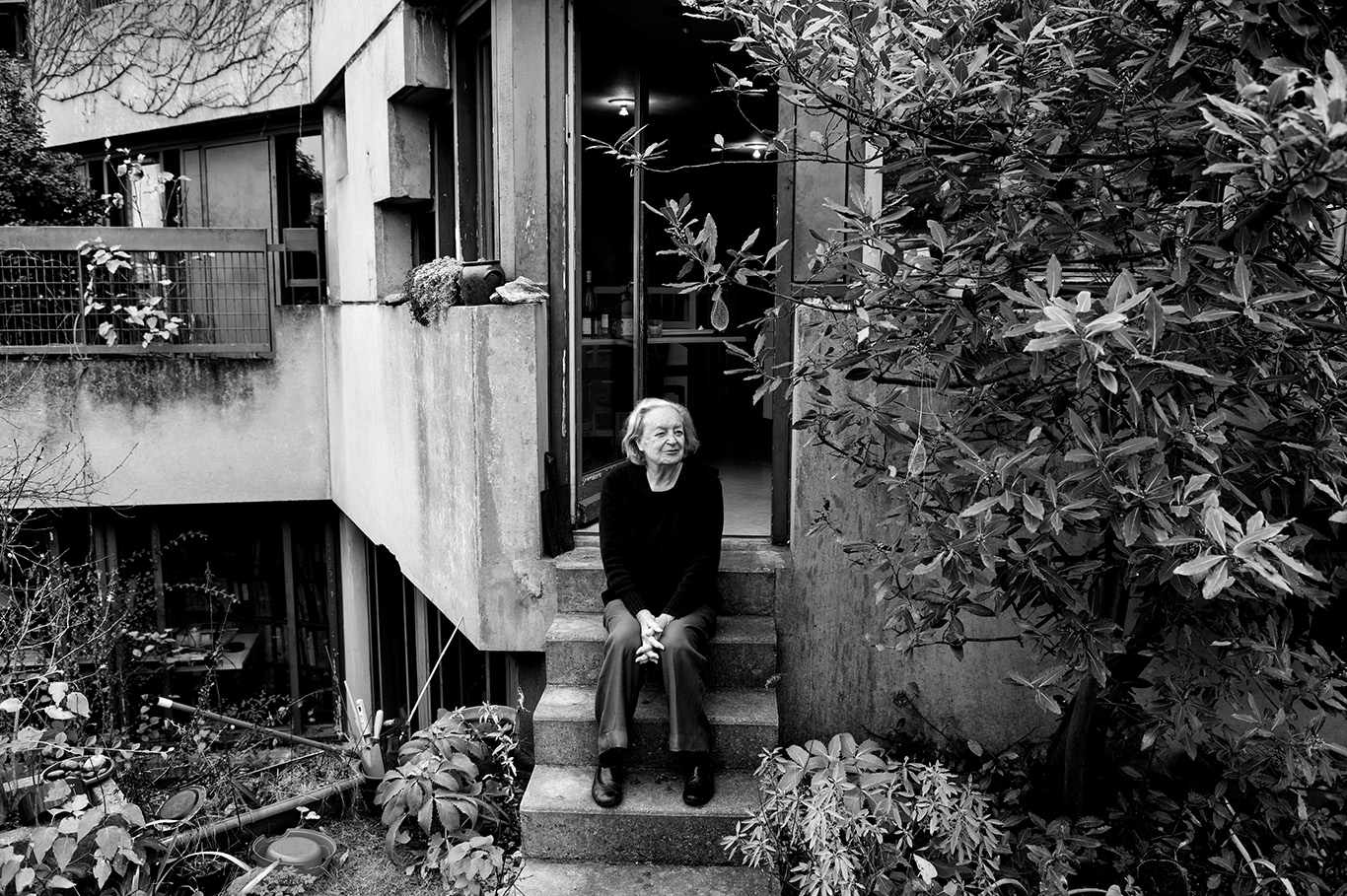
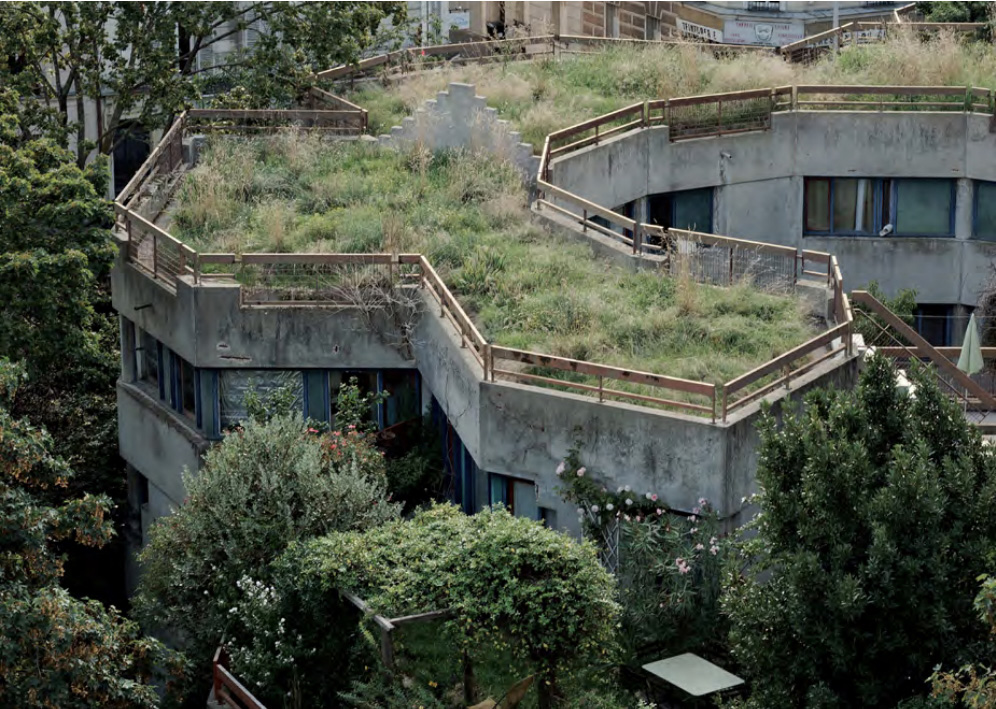
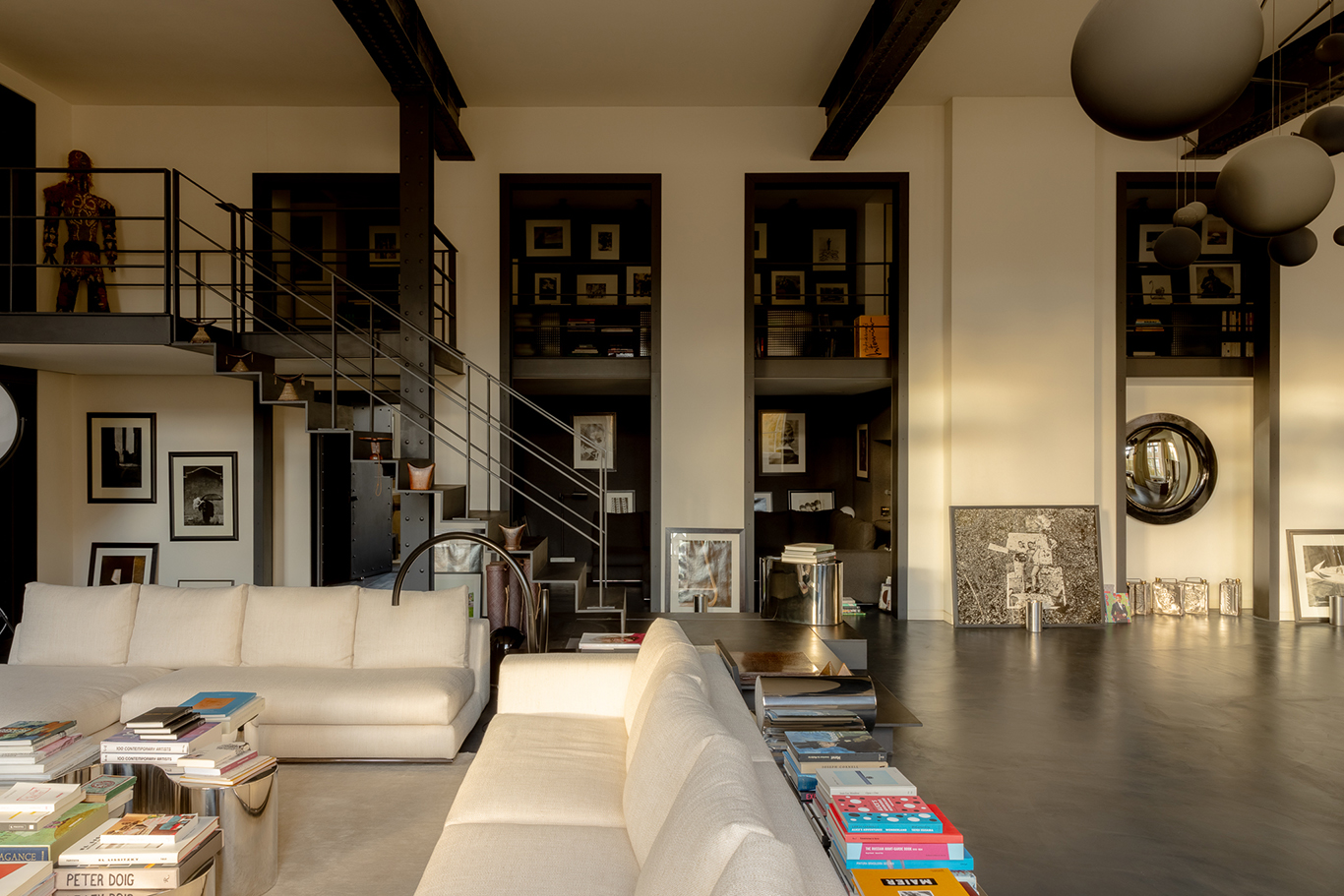
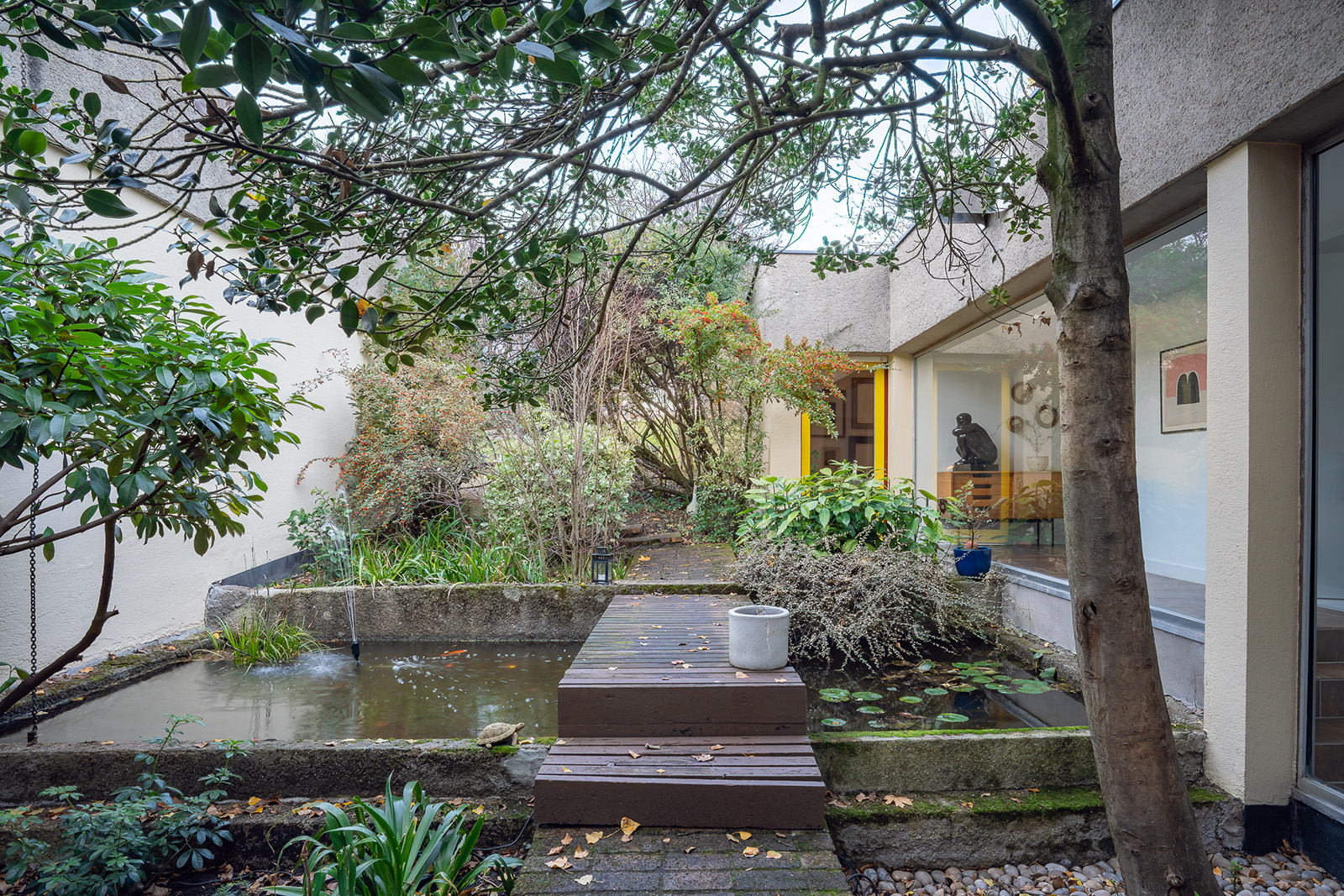
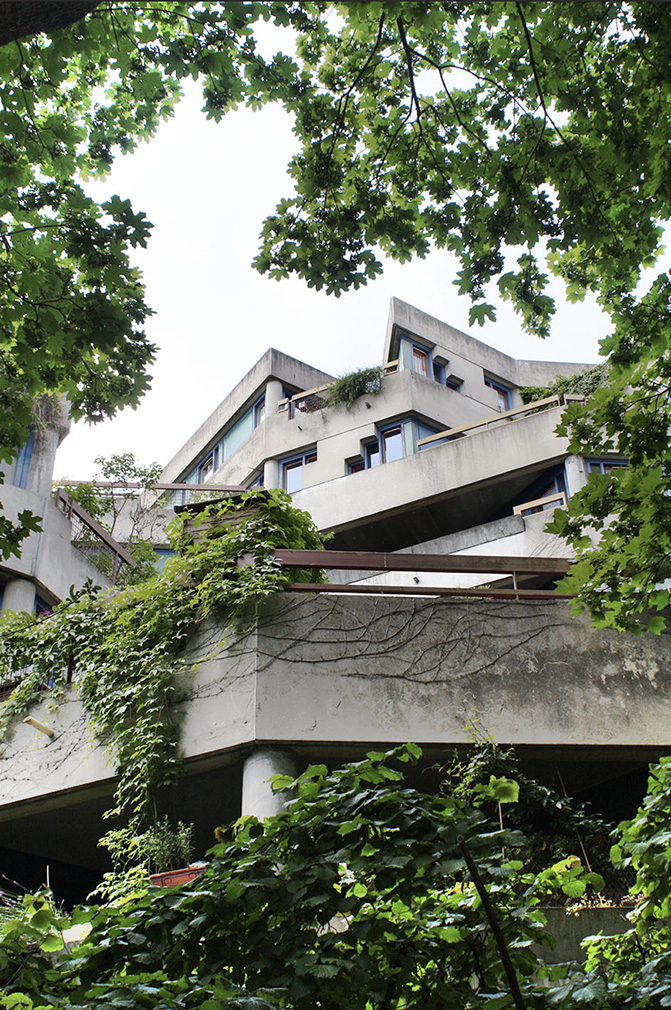
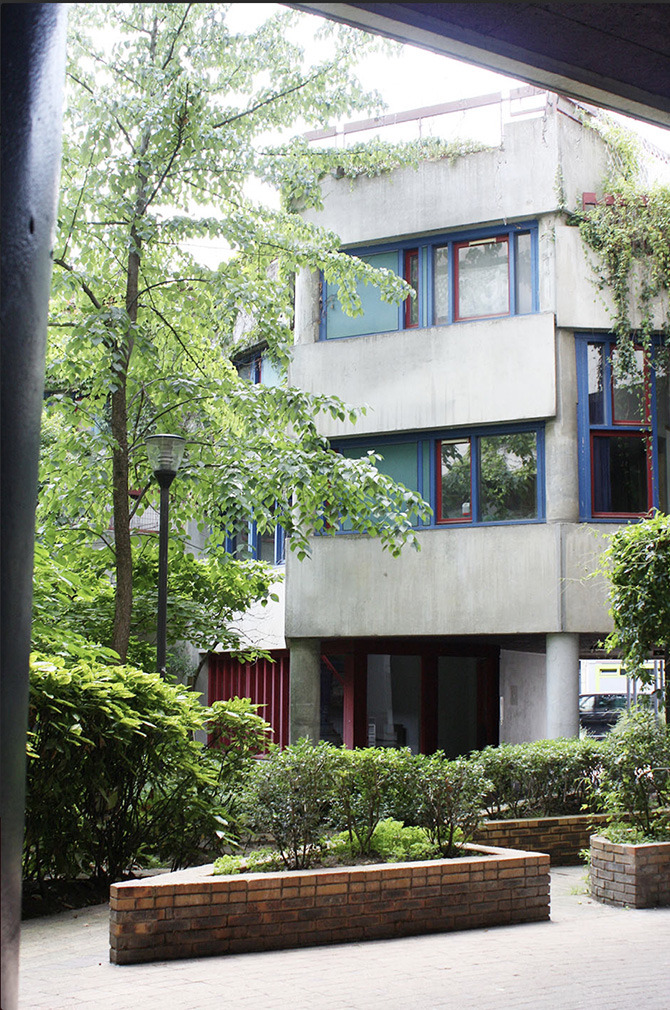
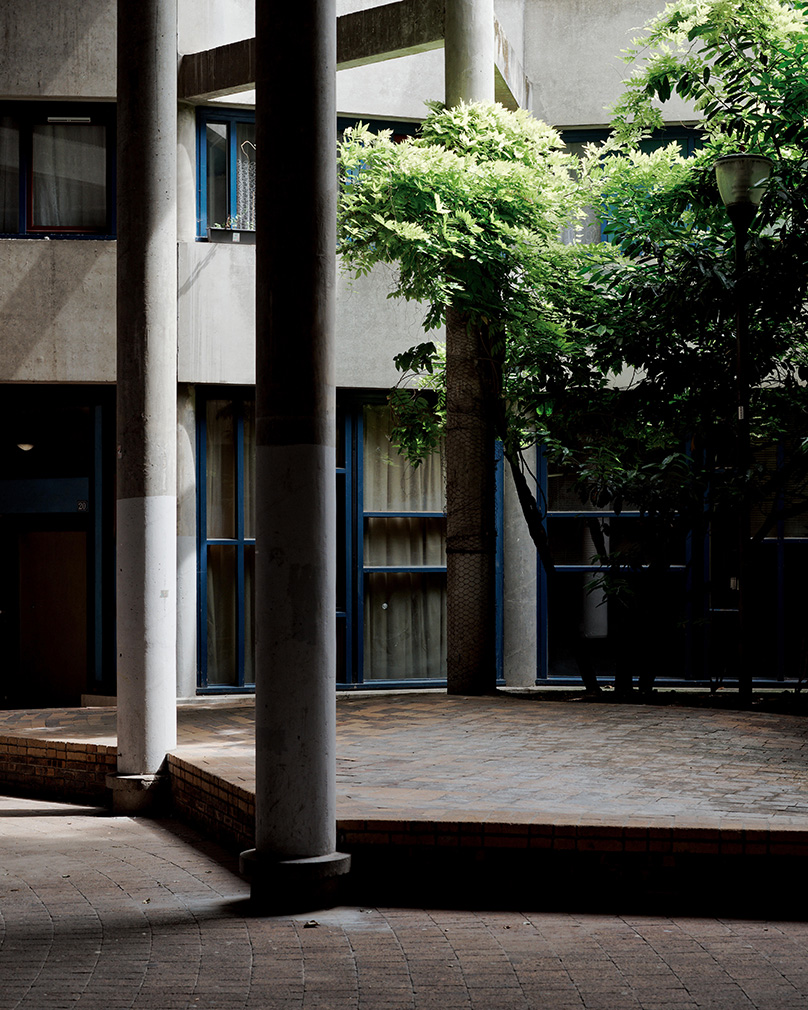
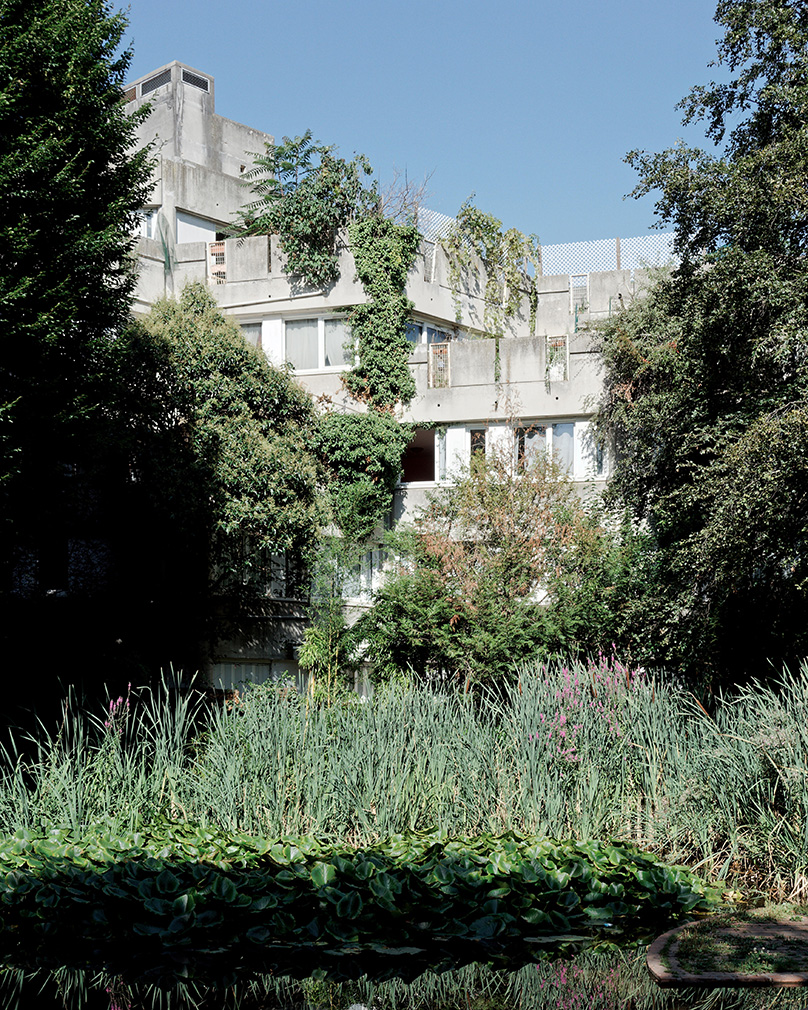
The angular, unpredictable master plan came from the desk of Renée Gailhoustet, an Algerian-born architect who lived and worked locally as the department’s chief architect-planner. Her determination to put the residents at the centre of her designs netted this complex mini city of intricate geometries, incorporating voluminous apartments (double the average ceiling height and floor area for the time) and stepped terraces built for gardens. In the years since it was officially completed, in 1986, the greenery has spilled over terraces and climbed across ceilings. Gailhoustet moved in herself, and stayed for the rest of her life.
To commemorate her free-thinking and spirited style, a new exhibition at the Architectural Association in London celebrates Le Liégat’s design and designer. Curated by Nichola Barrington-Leach, an AA tutor and director of architecture practice NVBL, ‘Renée Gailhoustet: A Thousand and One Ways of Living’ takes over the school’s first floor members’ room and bar until 21 March, when a related monograph edited by Barrington-Leach will become available through the AA Bookshop. The casual installation includes floorpans from Le Liégat’s development and photographs from various eras around the property — as well as models built by the NVBL team. The layout flows onto the AA terrace, where last year Barrington-Leach herself designed an 11-metre hand-sewn canopy called Gravity, anchored by a long stainless-steel table.
Photography: Sacha Trouiller and Valerie Sadoun.
Photography: Sacha Trouiller and Valerie Sadoun.
Photography: Sacha Trouiller and Valerie Sadoun.
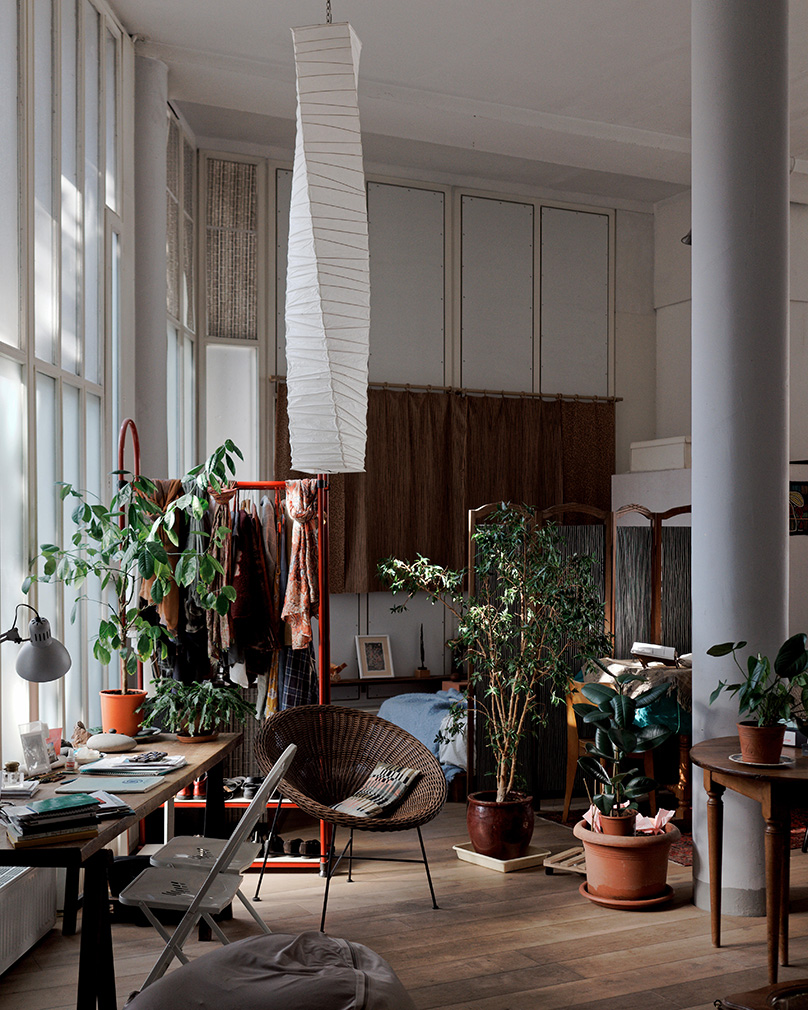
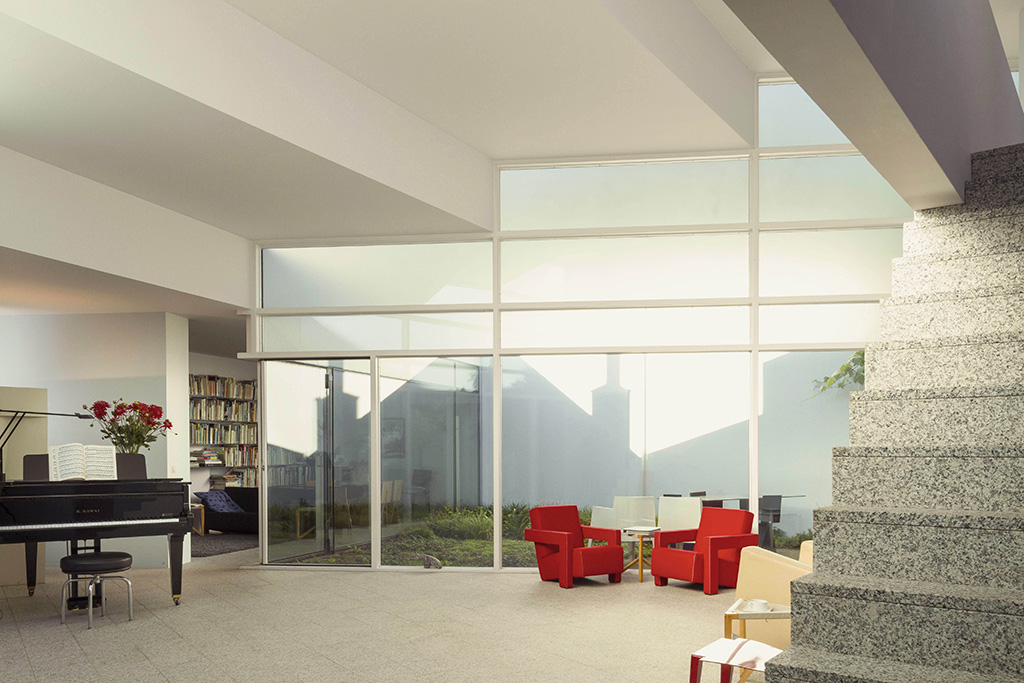
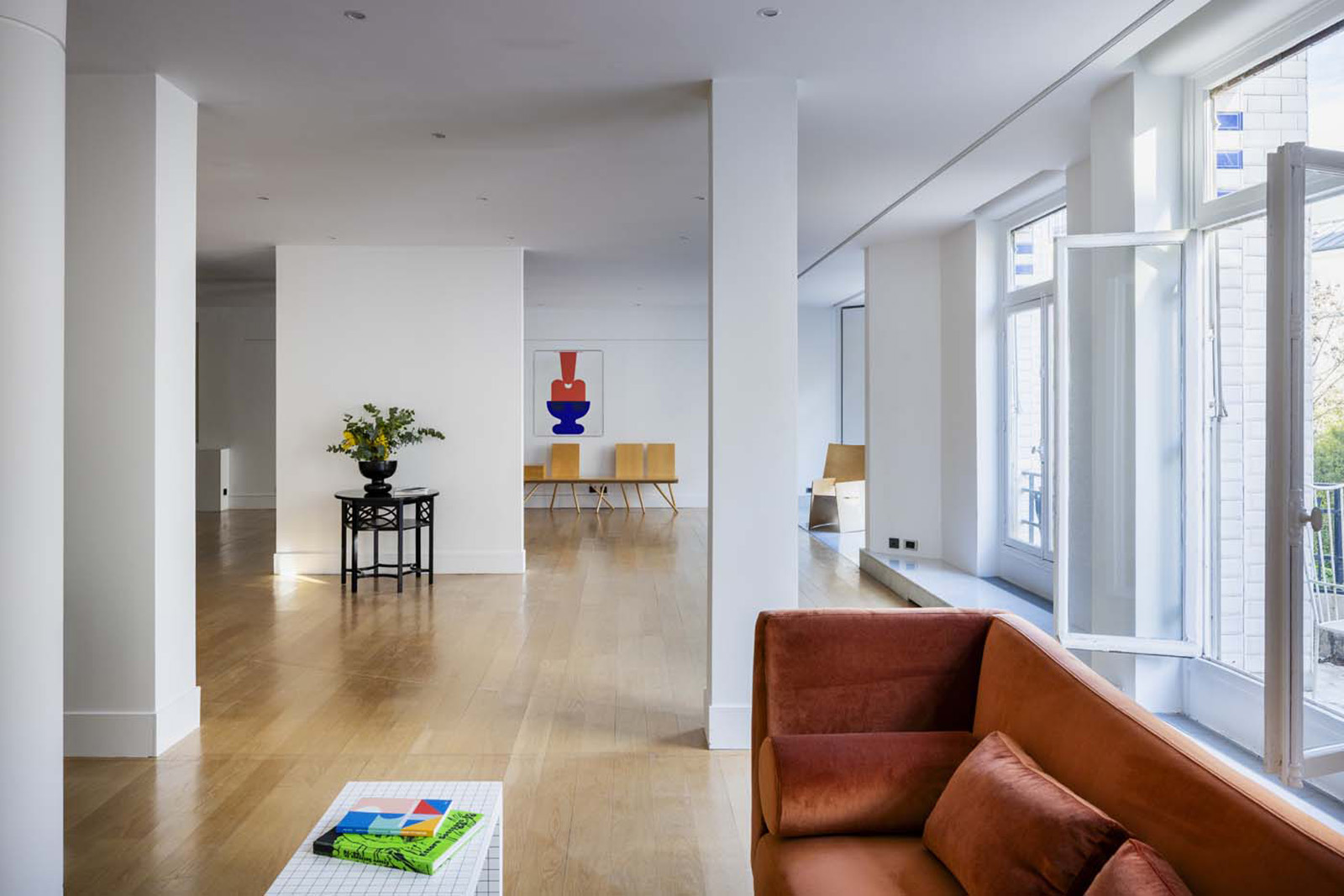
An interior at Le Liégat. Photography: Sacha Trouiller and Valerie Sadoun.
Photography: Sacha Trouiller and Valerie Sadoun.
Photography: Sacha Trouiller and Valerie Sadoun.
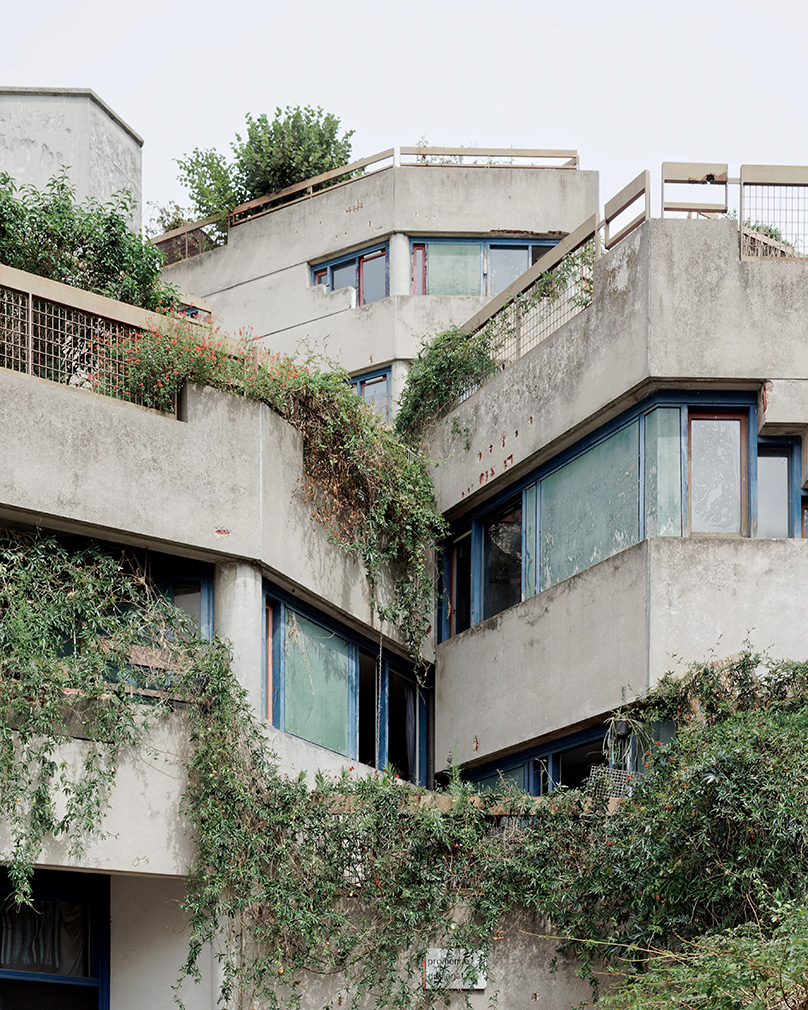
Photography: Sacha Trouiller and Valerie Sadoun.
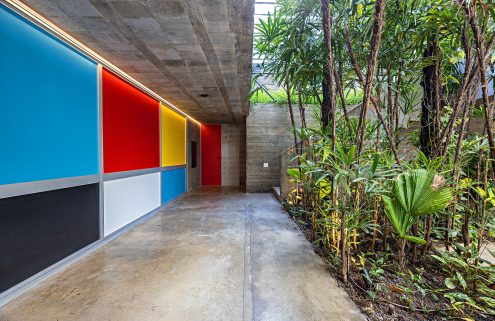
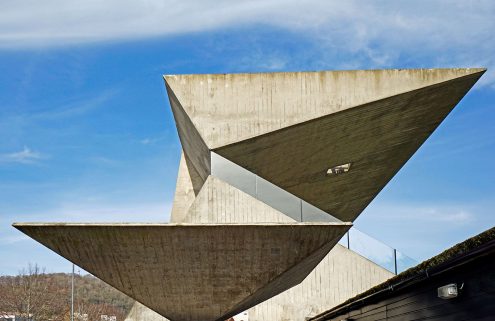
It’s no wonder Gailhoustet chose to live in Le Liégat. Unable to separate her socialist politics and womanhood from her work, she designed for people like herself. Unmistakably brutalist, her scheme nevertheless worked hard to harmonise with the surrounding neighbourhood. It made one large complex seem like independent, interconnected spaces defined by green. Large windows, openness and fluid, polygonal forms defined her interiors and enabled residents to feel part of a larger community. Doors featured only when necessary and generous terraces encouraged socialising. Residents flowed between indoors, outdoors and the surrounding shops.
In 2022 Gailhoustet was awarded the Royal Academy’s Architecture Prize in recognition of a life devoted to social housing. By that time she’d designed more than 1,500 homes around Ivry. She passed away the following year at home — still living in Le Liégat.