At a time when culture, heritage and a sense of belonging have never been more important, cities have the power to bring us together. More than just economic machines fuelling the overarching health of a country’s fiscal performance, the most successful urban hubs also serve as beacons of design, architecture, art and innovation. Here are five to watch in 2026.
Barcelona, Spain
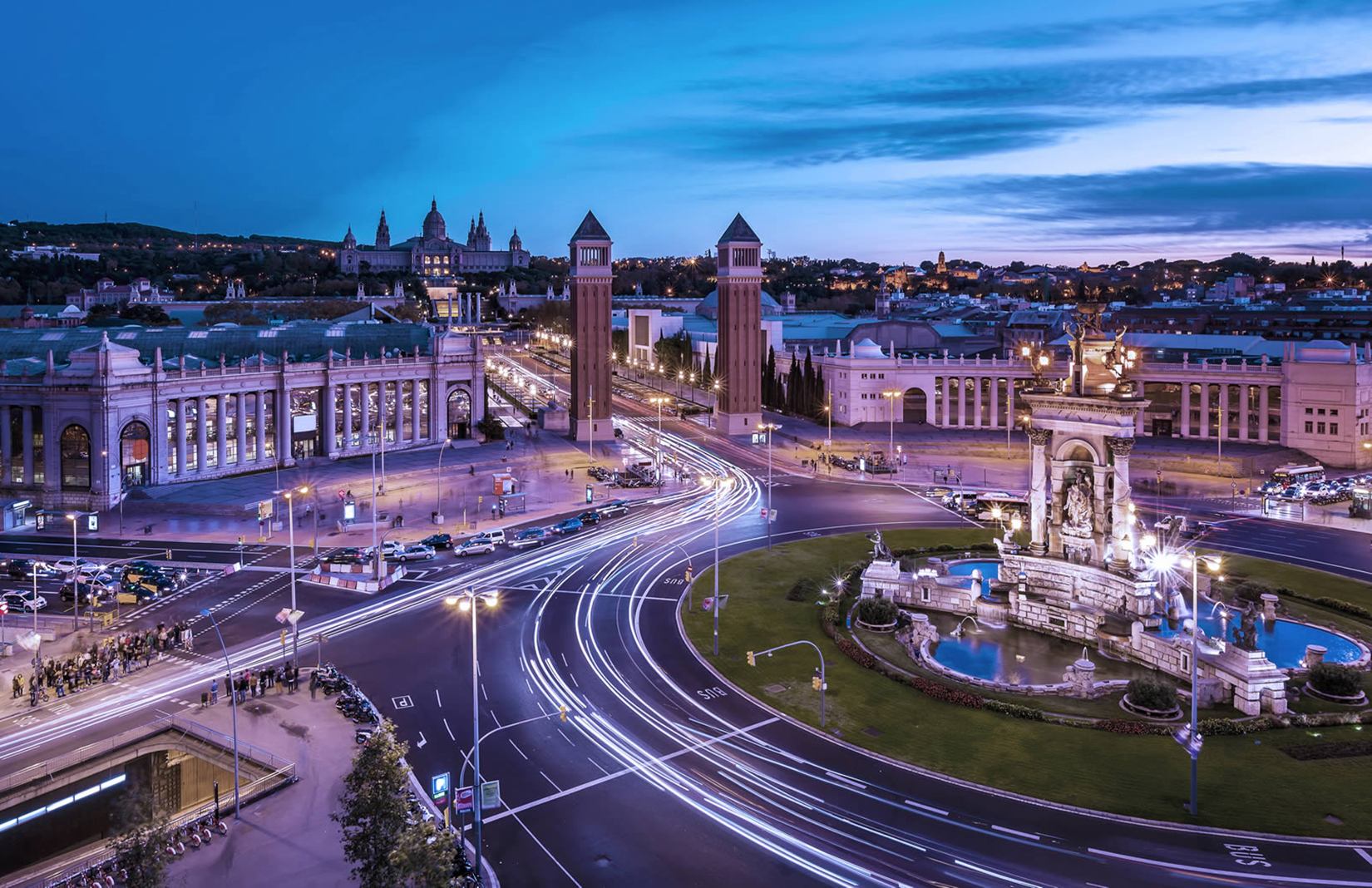
How does a city with iconic historic architecture blend its heritage with modern planning? Barcelona – famed for its Gaudí buildings and modernist design — is doing just that. Designated UNESCO-UIA World Capital of Architecture for 2026, it will demonstrate, in fine detail, exactly how to protect its trademark style while future-proofing through sustainable urbanism.
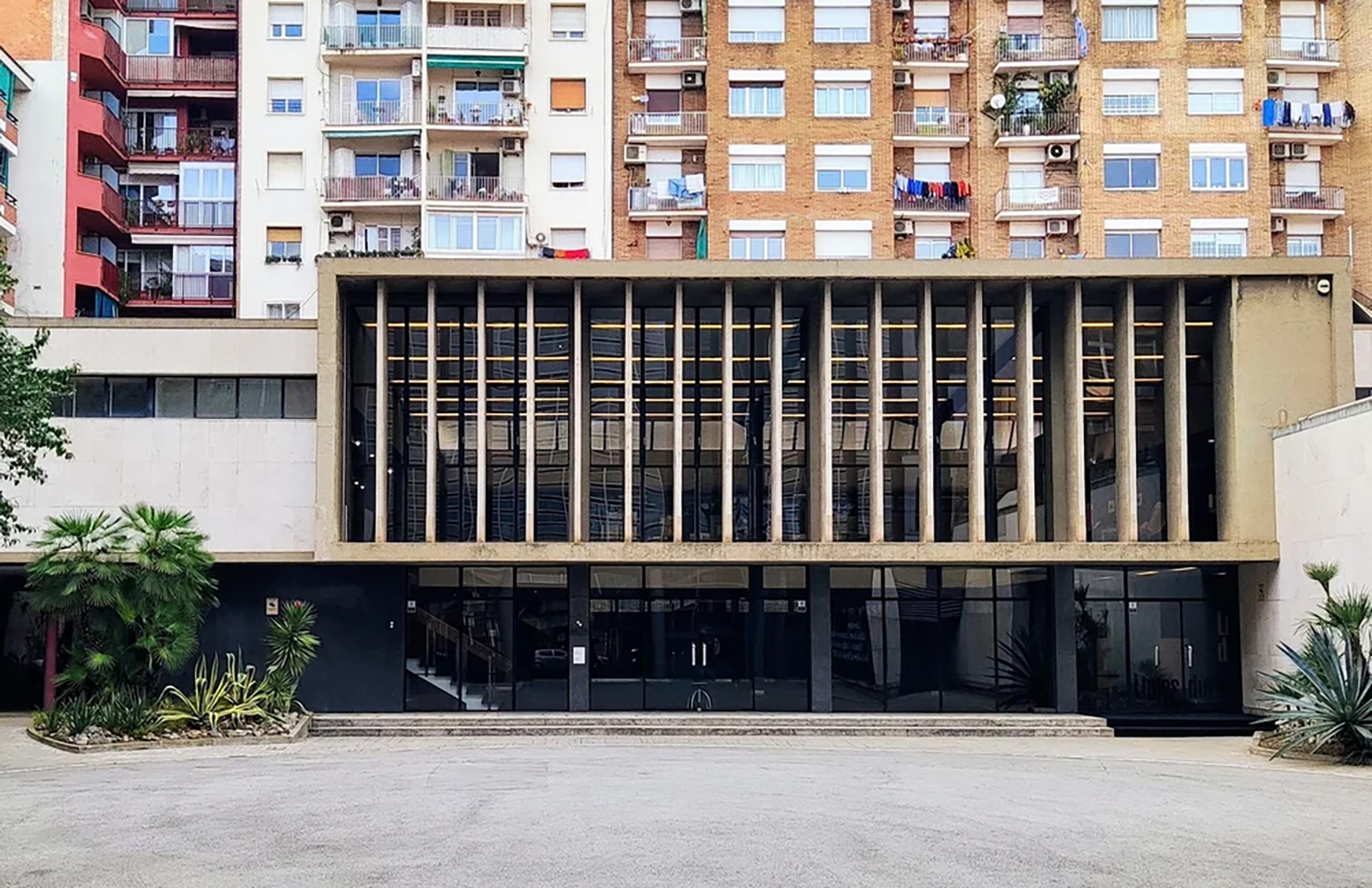
Throughout 2026, Barcelona will host 54 workshops, open-houses, neighbourhood talks and events — and two exhibitions at the former Gustavo Gili building that map plans for Barcelona’s urban transformation. The city is the world’s first to host the UIA World Congress of Architects for a second time — that takes place in June. The redevelopment of Fira Montjuïc, an enclave where heritage monuments meet new-build showstoppers, is at its peak in 2026. And the renovation of Camp Nou will turn a football stadium into a modern, mixed-use venue.
Frankfurt, Germany
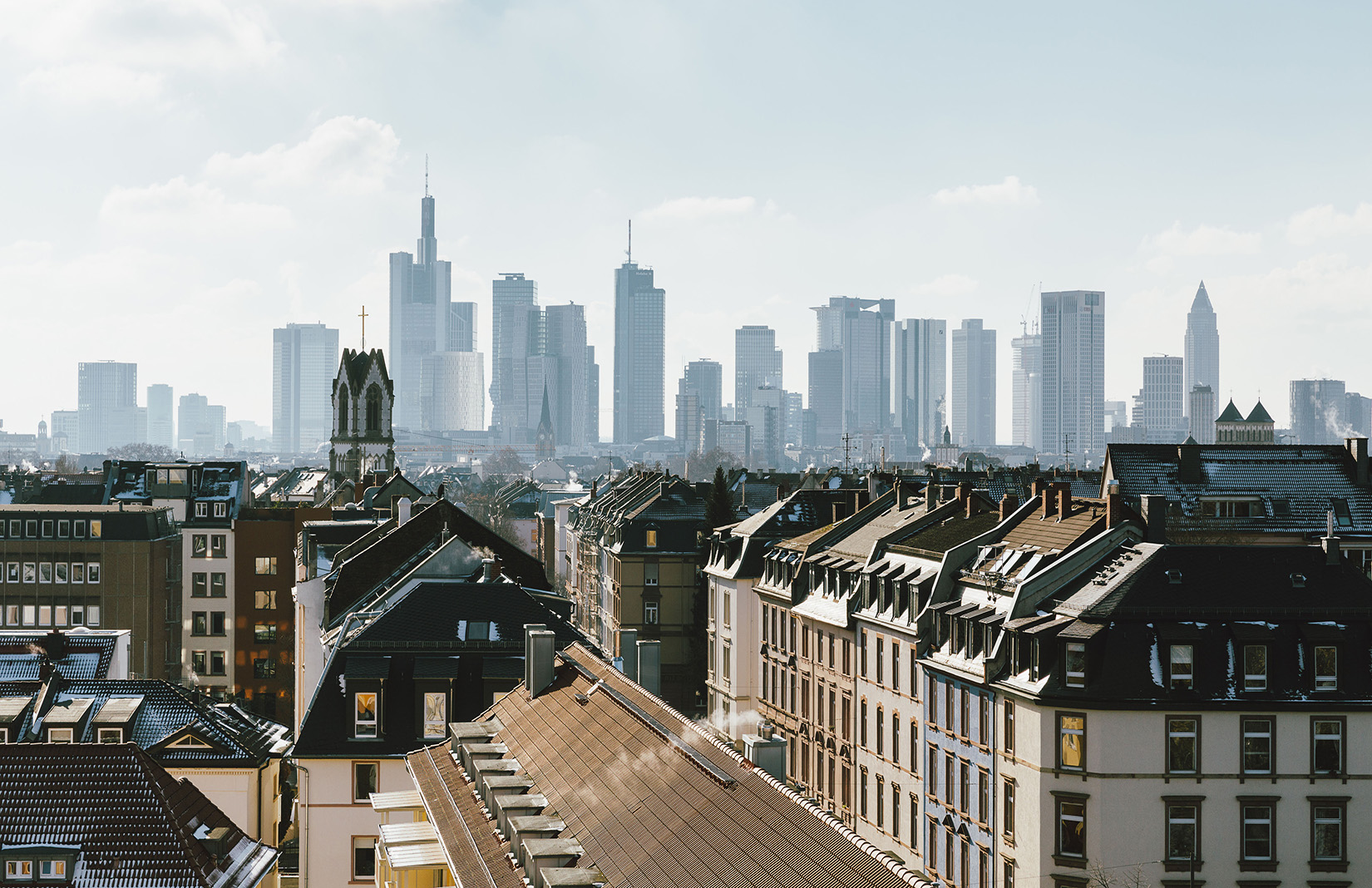
In its stint as World Design Capital for 2026, Frankfurt Rhine-Main is poised to showcase architecture as a tool for urban transformation. Selected by the World Design Organisation as a global case study for how cities can integrate design into everyday life, the city will send its sustainably built, modular, mobile WDC Pavillion to cultural landmarks in the region.
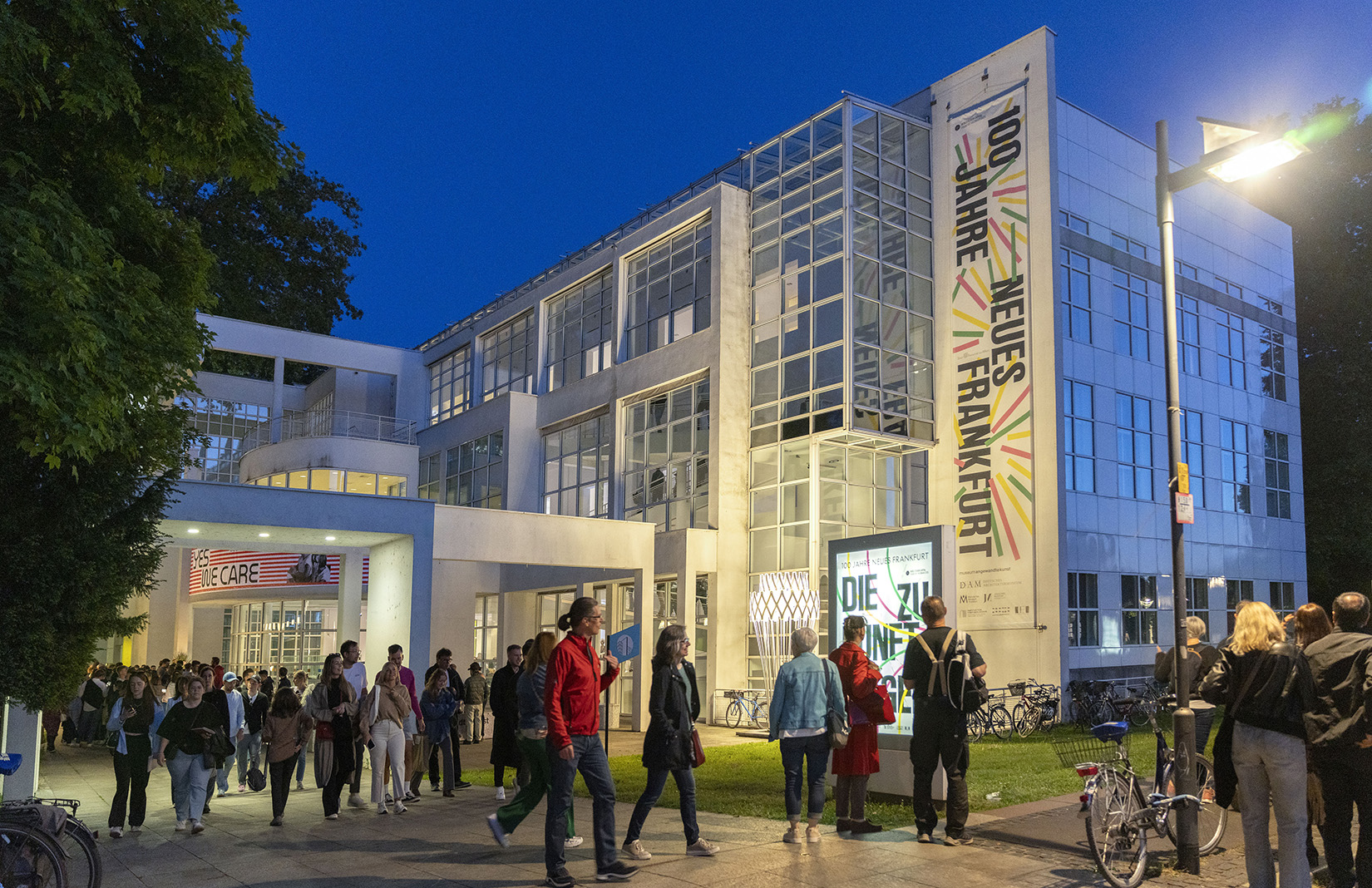
Anchoring the festival is a 10-day international design symposium in June, when the greater city will showcase new brownfield redevelopment schemes, public transport innovations and urban spaces that foster social cohesion. Take OstStern Frankfurt, which saw an underutilised Mercedes-Benz HQ in the city centre transform into a vibrant mixed-use quarter.
Mexico City, Mexico
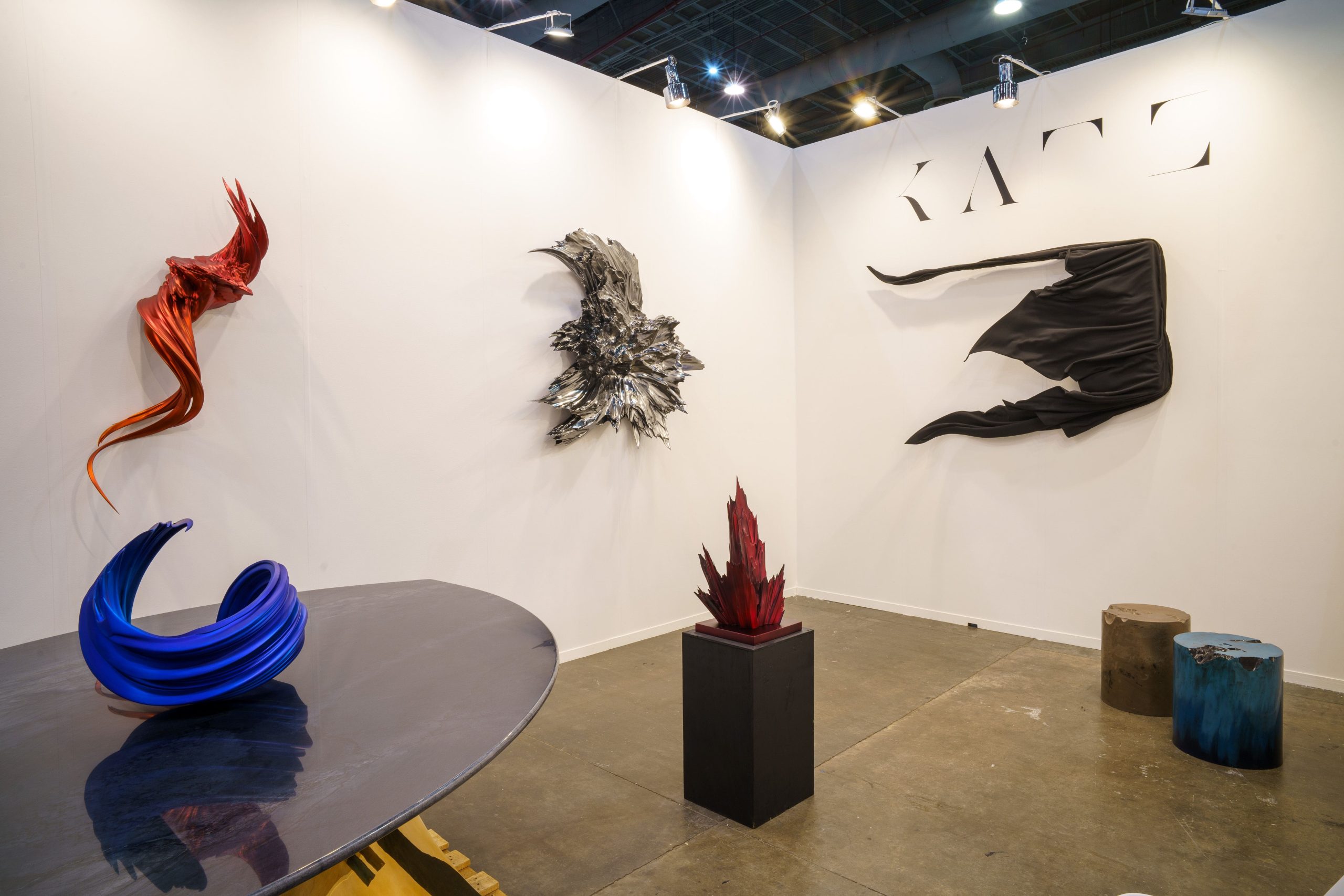
A UNESCO Creative City of Design and a major textile, ceramics and furniture centre, CDMX is home to big-impact architecture like the CENTRO University campus, by TEN Arquiitectos, and the Mercado Roma community market, adapted from an industrial hall by Michel Rojkind. The city will see in 2026 with a full schedule of events and launches. In February it hosts the largest art fair in Latin America, Zona Maco.
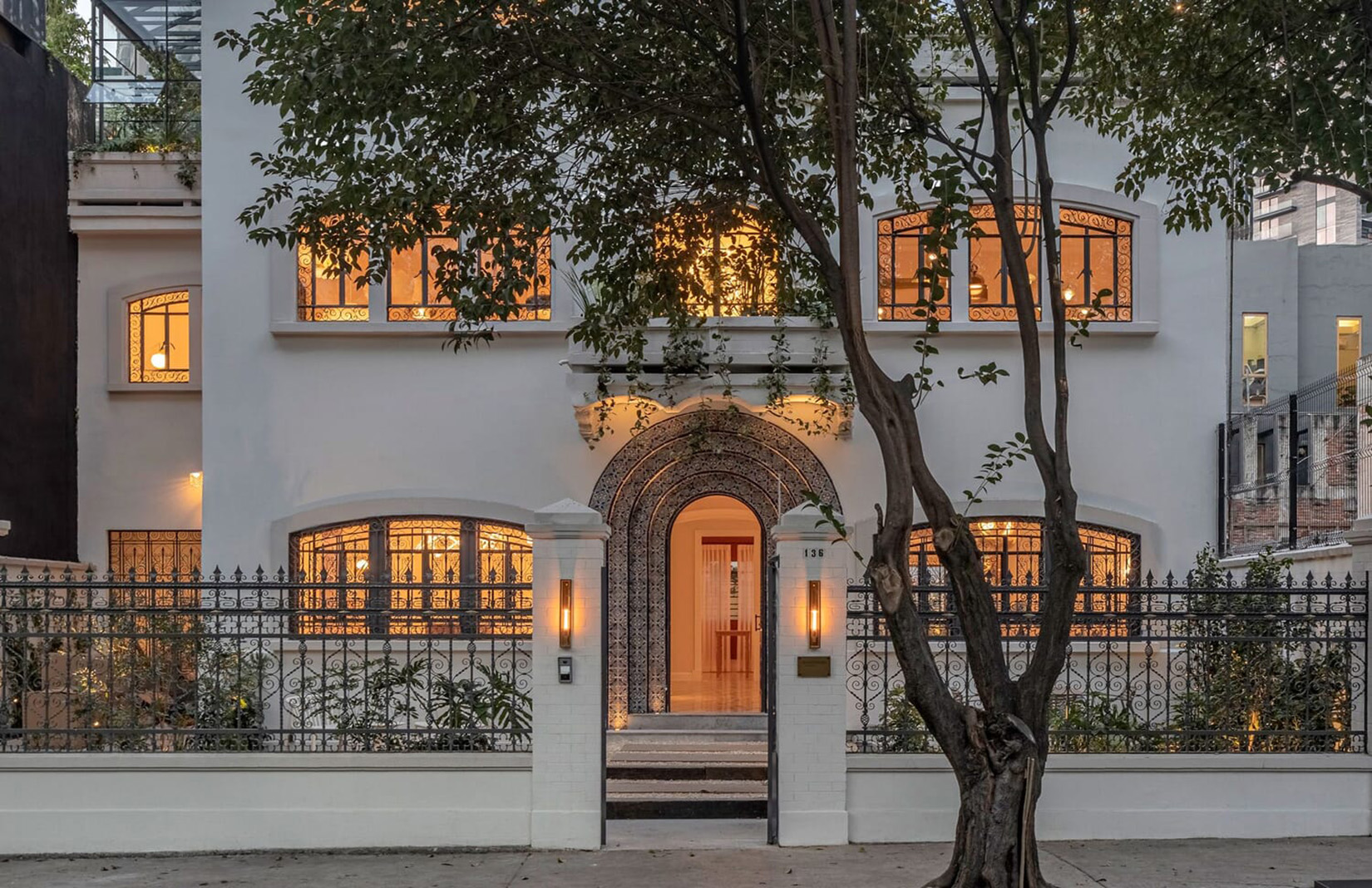
And it welcomes British designer Lee Broom for a creative residency at the historic Diez Company house. The Estadio Azteca redevelopment will bolster liveability just as the recent overhaul of Metro Line 1, Mexico’s oldest, has transformed infrastructure.
Kyoto, Japan
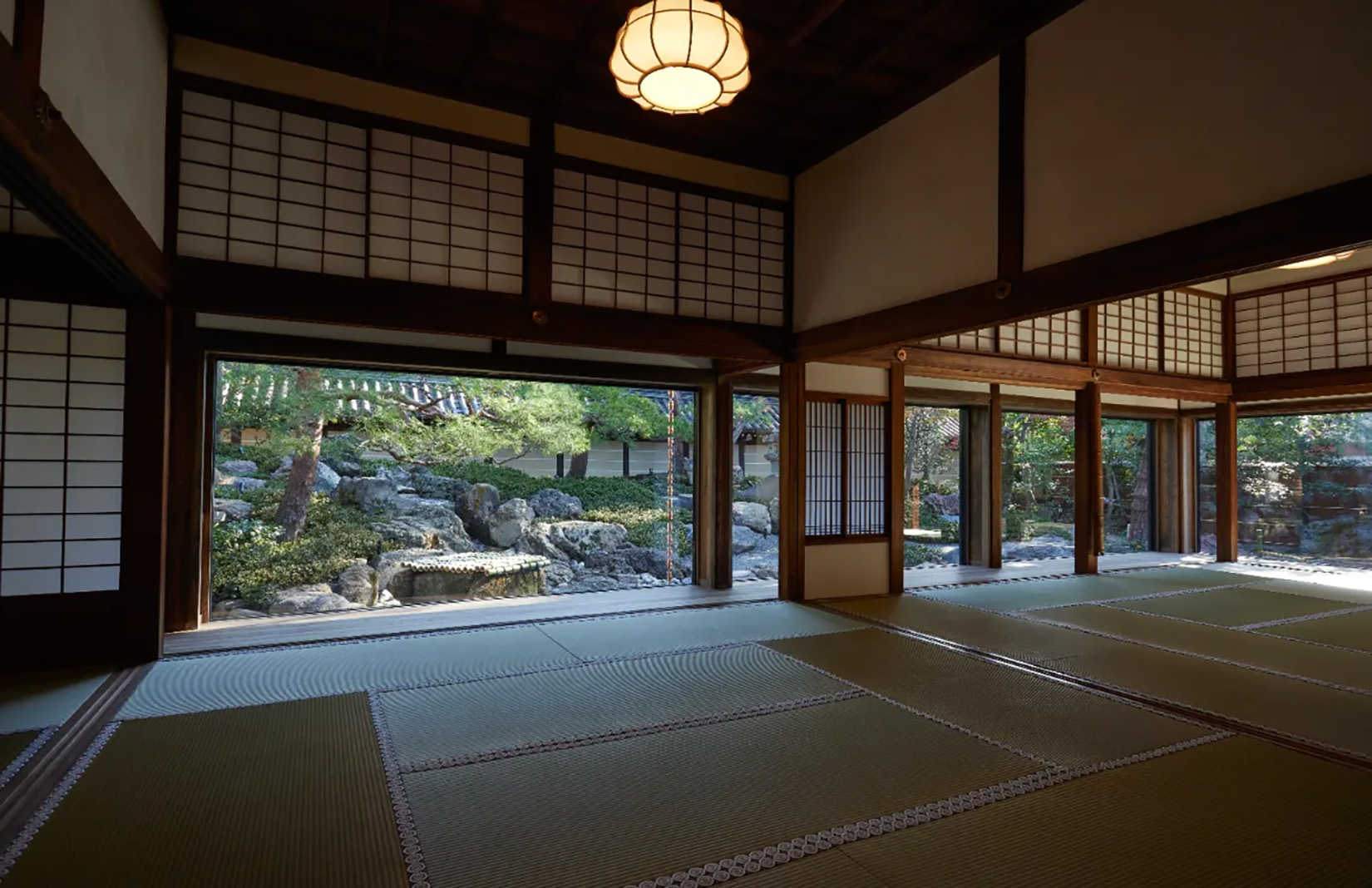
Home to 17 UNESCO World Heritage sites, Kyoto will celebrate the 10th anniversary of one of its biggest festivals in 2026. Bringing together modern art and heritage, the Kyoto Nippon Festival stages immersive theatre and large-scale installations from February to May on the historic grounds of Kitano Tenmangu Shrine. The city will also host an impressive run of exhibitions at the Kyoto National Museum: traditional ceramics, lacquerware collections, archaeological relics and Buddhist and medieval painting.
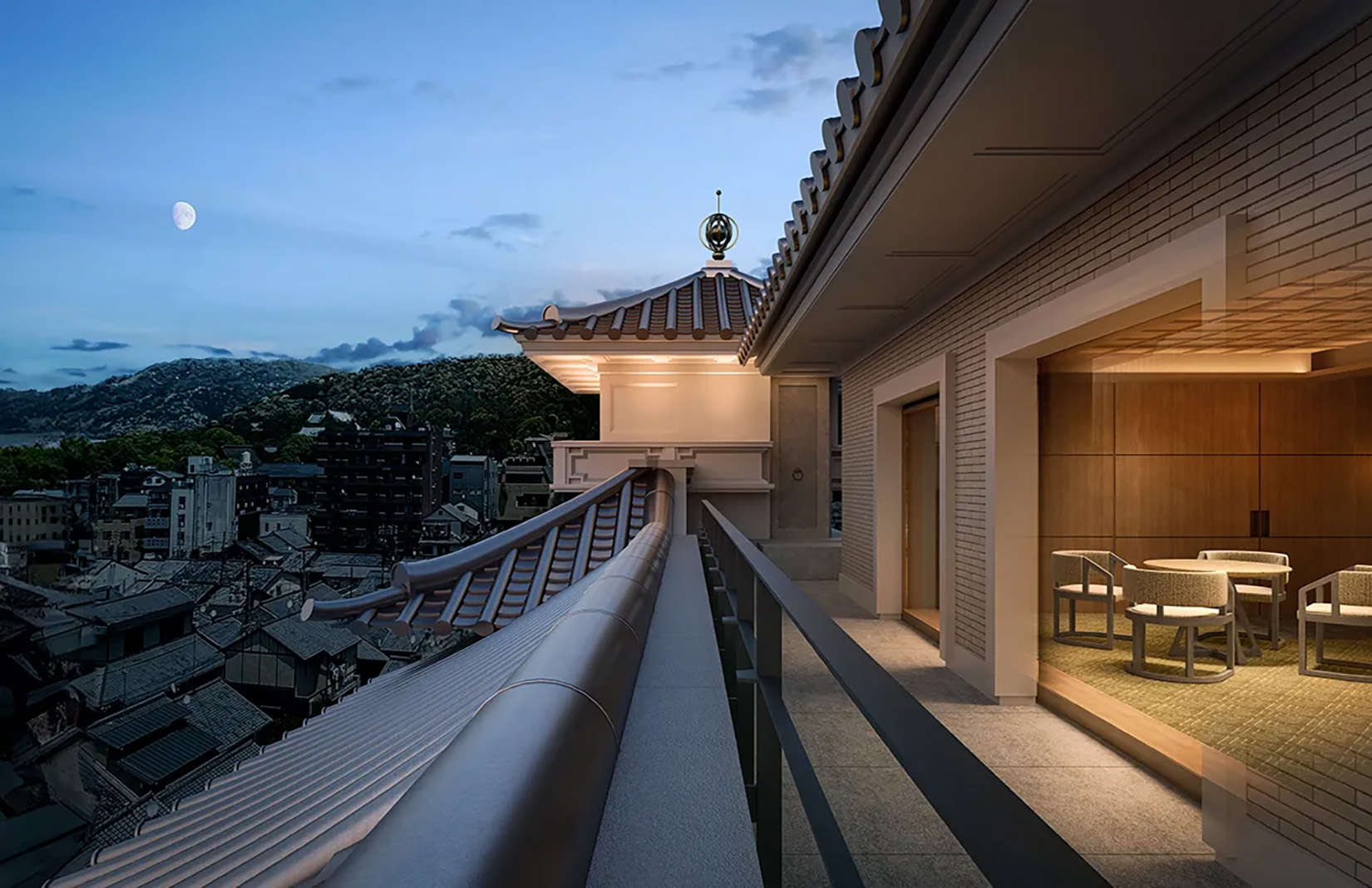
Visitors can book into the new Imperial Hotel when it opens on 5 March in the historic Yasaka Kaikan building — the redesign was led by Tomoyuki Sakakida of the New Material Research Laboratory.
Montreal, Canada
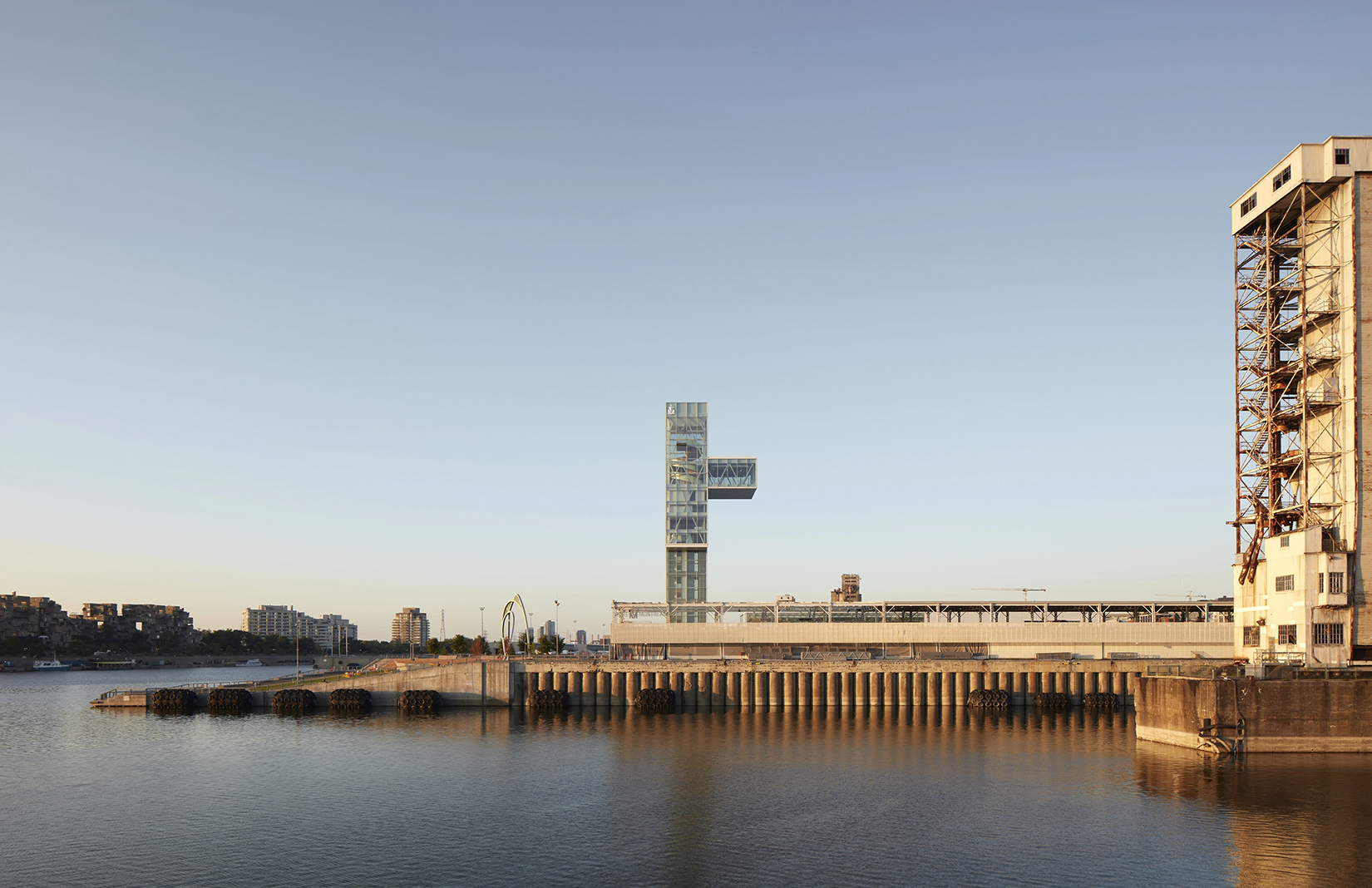
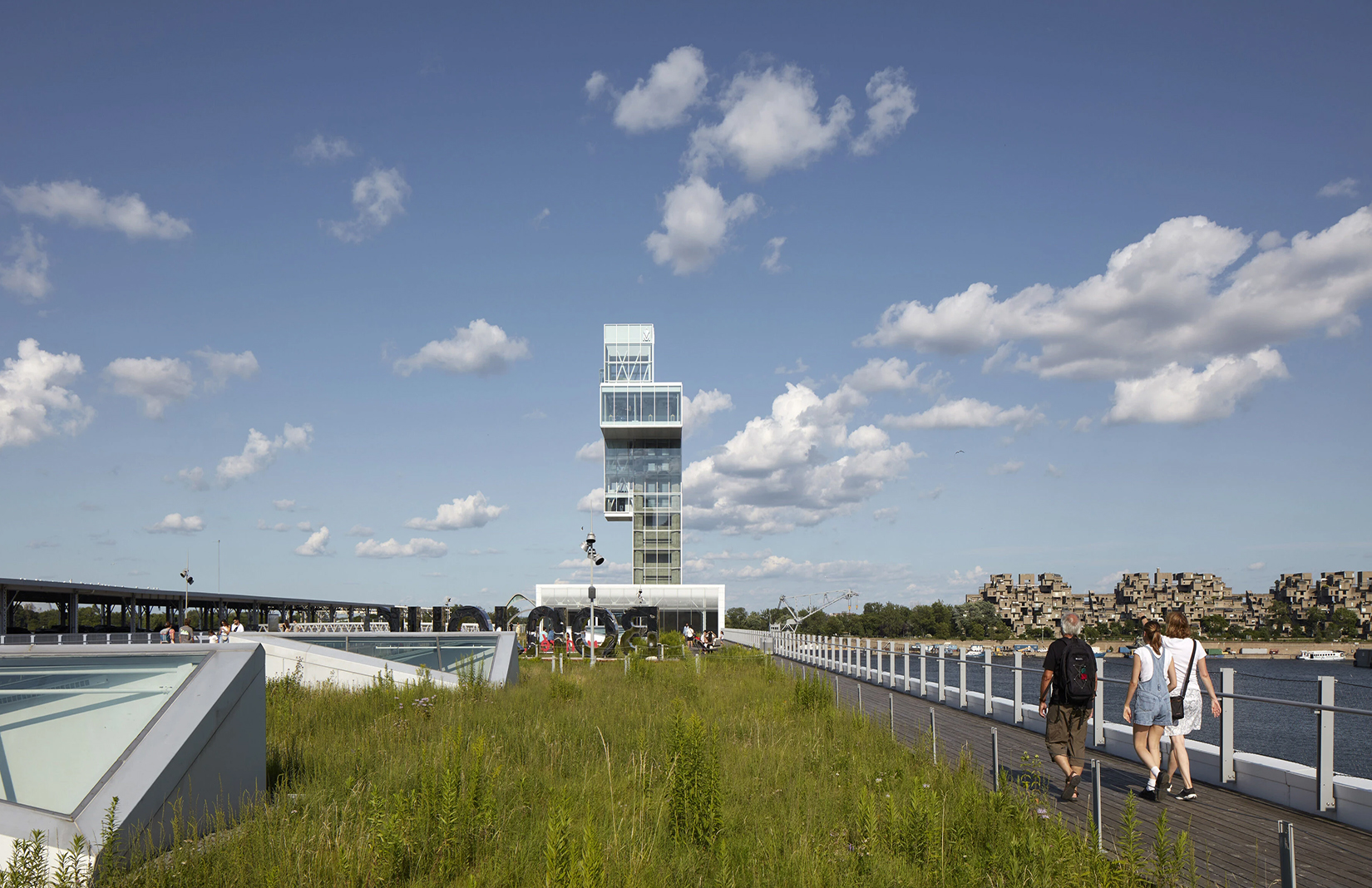
Next year will see the launch of Montreal’s first ever city-wide design week. From 28 April to 7 May, Semaine Design de Montréal will take over the recently reconstructed Grand Quai du Port de Montréal with exhibitions and talks. Architecture and design tours are scheduled throughout town; the public can see inside emerging design studios and explore creative urban interventions. Modular parks and pocket gardens will tour underused streets, and designers will set up bespoke street furniture, AR murals and sculpture across Old Montreal and the Plateau.
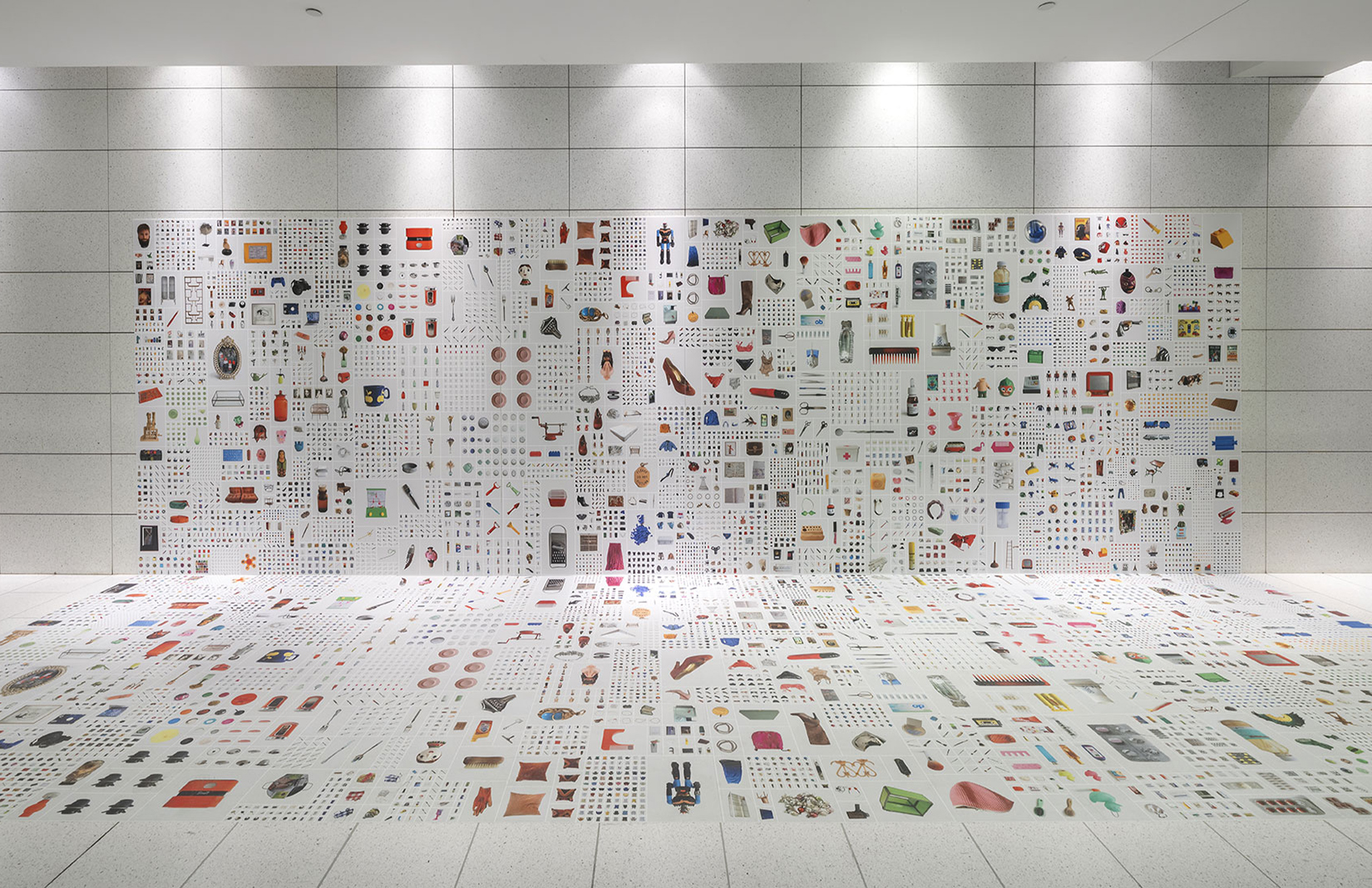
Design labs will pop up in neighbourhoods, where citizens can collaborate with professionals to reimagine parks, streets and public facilities. The city hosts a slew of international design conferences throughout the year, as well as Art Souterrain, where the unique underground concourses transform into temporary art galleries.