Palazzo Ottaviani, Florence
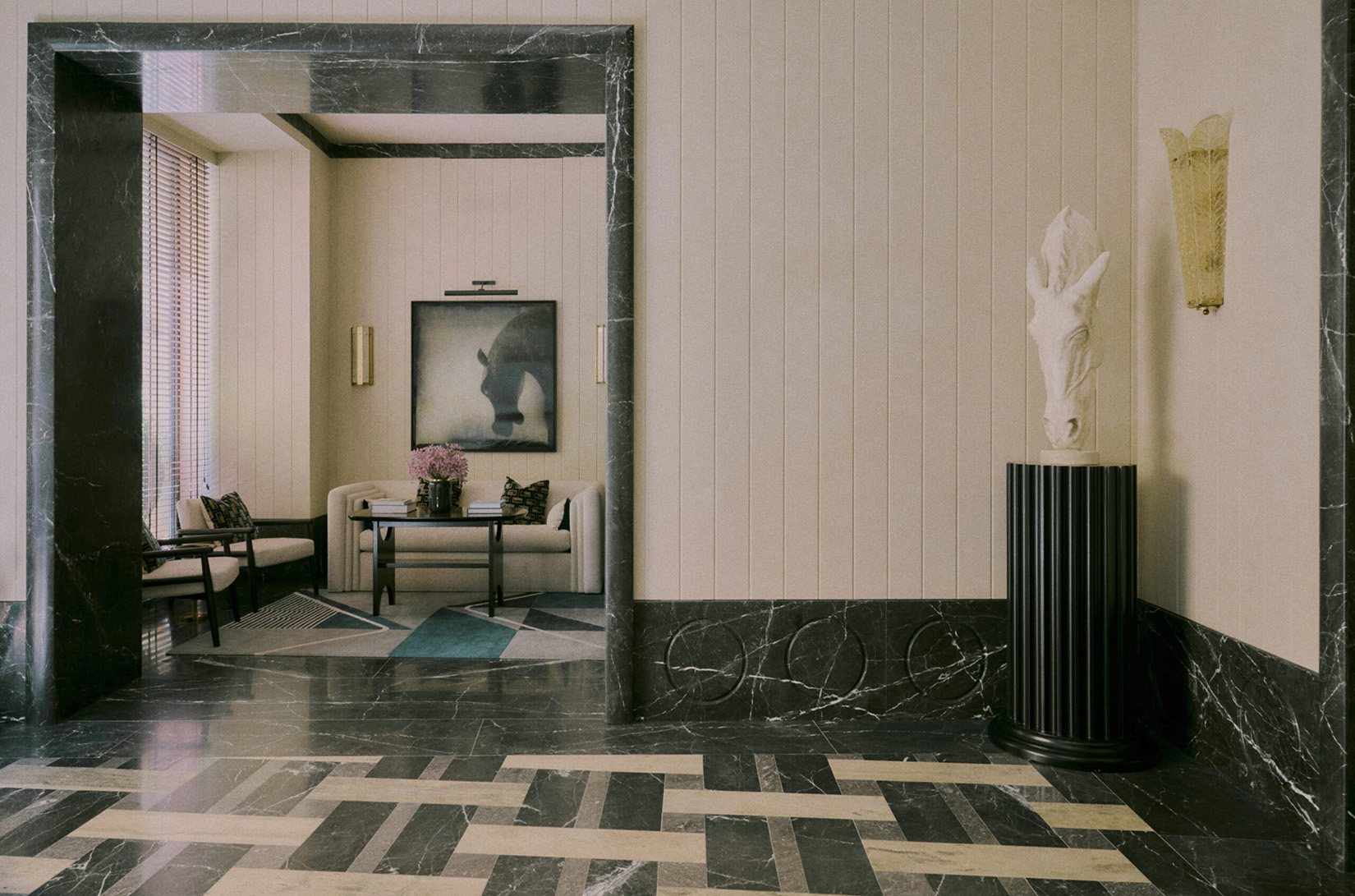
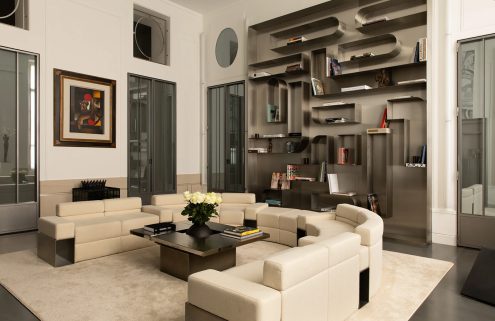
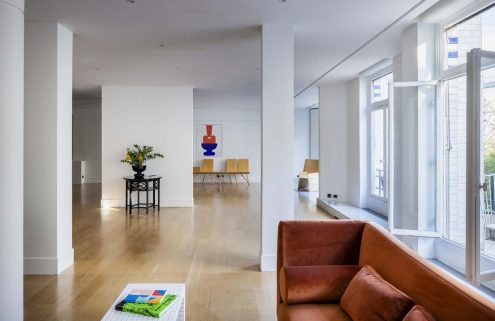
If Ernest Hemingway were around today, he’d book a stay at Florence‘s Palazzo Ottaviani, a stone’s throw from Santa Maria Novella Cathedral. A masterclass in adaptive reuse, the former theatre belongs on a modern Grand Tour. A renovation by architect Luigi Fragola transformed the 1950s rationalist-style rooms into ten apartments inspired by nearby Santa Maria Novella station, designed by Giovanni Michelucci in 1935. Interiors feature rational forms combined with dark marble accents, porthole windows, travertine floors, palissandro wood and neutral-toned fabrics, with hints of blue and gold. At the same time, curated libraries and hidden nooks make it the ideal setting for reading, journaling, perhaps even writing a novel — something Hemingway might have appreciated.
Patina, Osaka
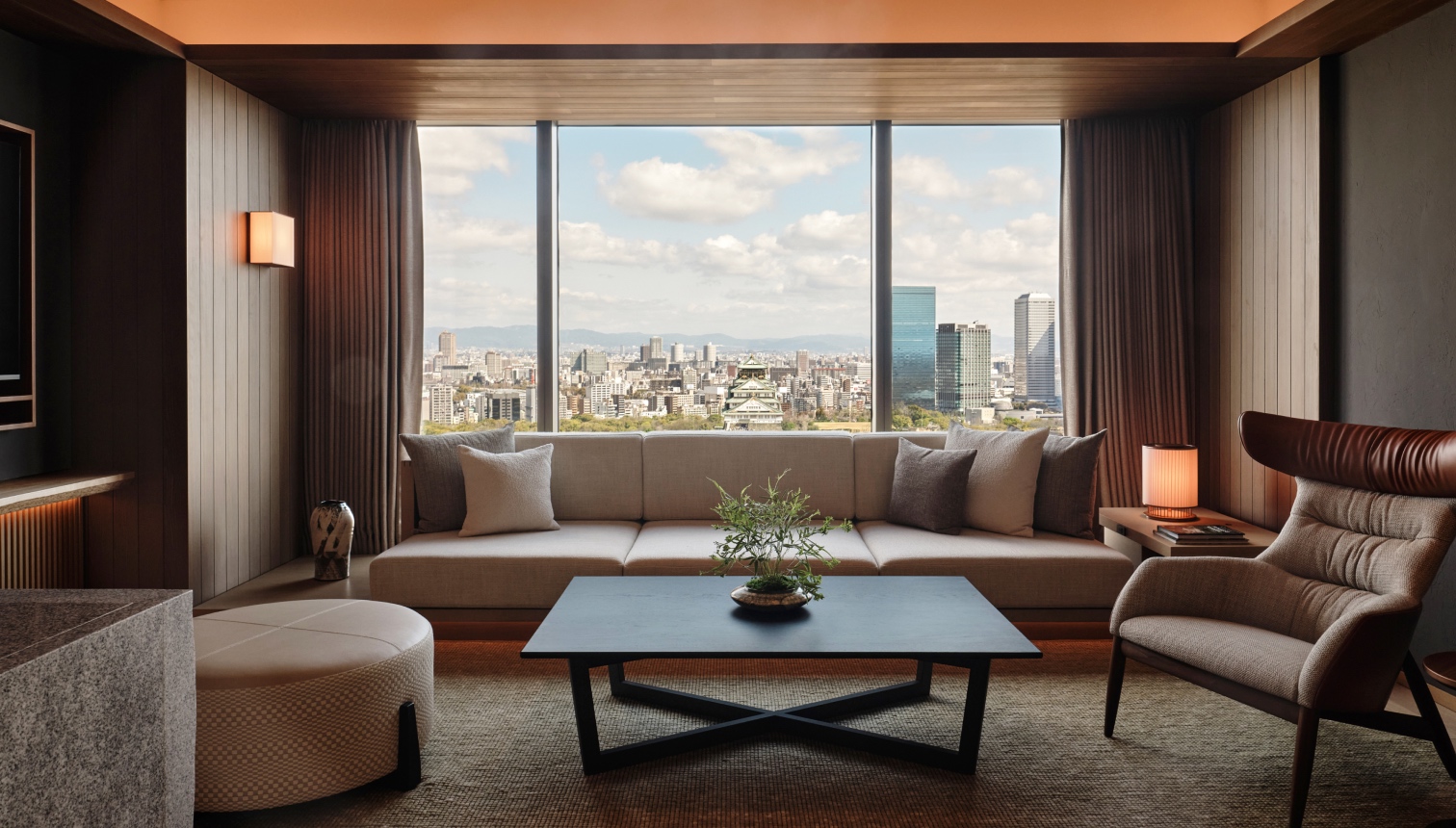
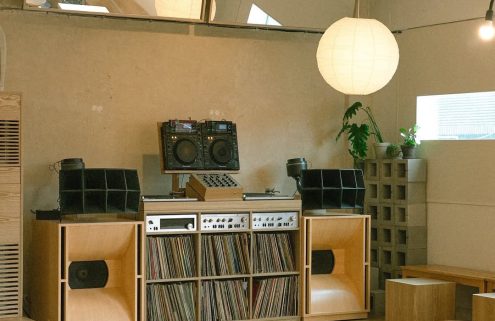
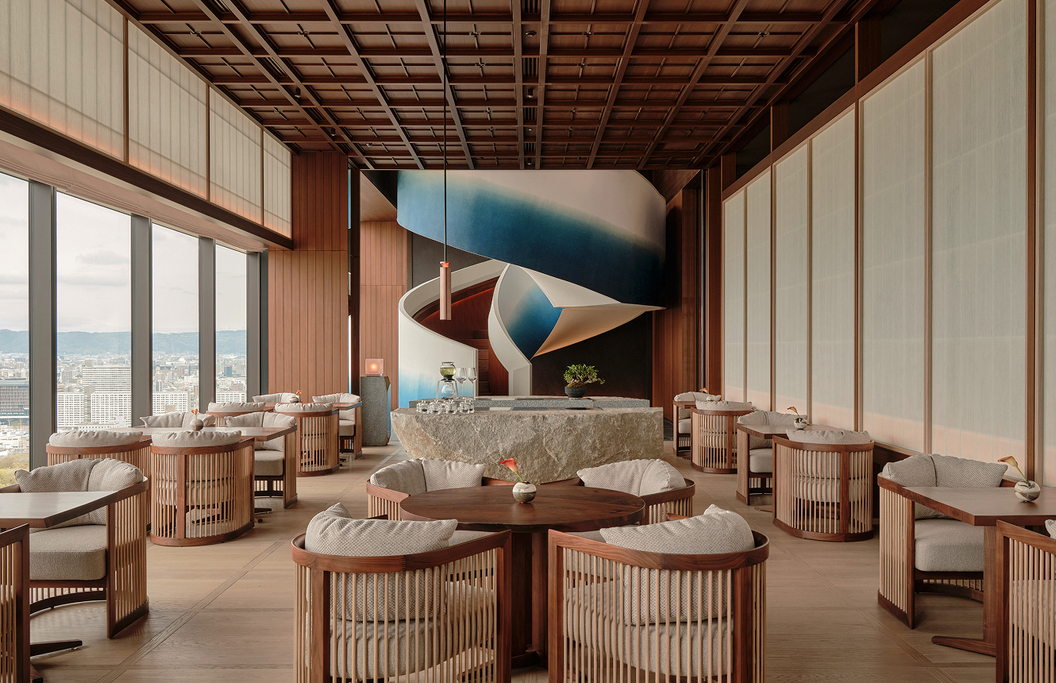
Cosy like a home and groovy like a jazz cafe, Patina is a modern urban escape off the Tokyo-to-Kyoto tourist track. Opened last spring, it’s the second property by new hotelier Patina, following a debut in the Maldives. Overlooking Osaka Castle, the hotel reshapes traditional architecture in distinctly modern fashion. Spacious rooms honour Japan’s legacy of craft: warm wood, hand-finished plaster and washi paper take centre stage, creating a meditative ambience. The dining room is skewed toward community eating and leads out to a terrace lounge called Sonata, with a thoughtfully curated vinyl selection. There’s also a customised listening room created in concert with Devon Turnbull with a hand-built sound system — a rare addition that’s already getting a cult audiophile following.
Telegraph, Tbilisi
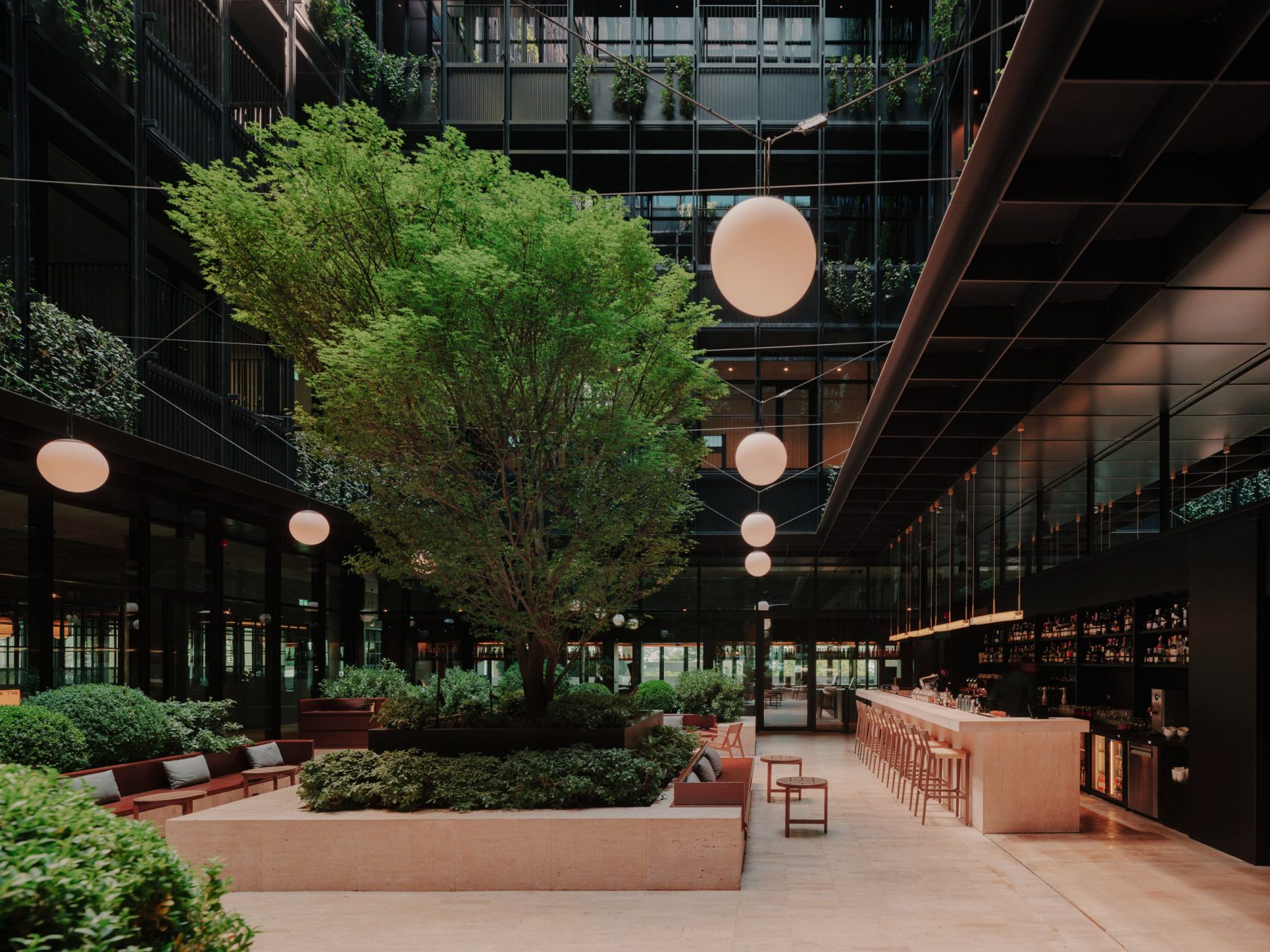
A brutalist post office designed in the 1970s by Georgian architects Lado Alexi-Meskhishvili and Teimuraz Mikashavidze is living a glamorous new life as a lofty hotel, and more. Shanghai studio Neri & Hu brought contemporary edge to the abandoned building’s Soviet heritage, shaping a magnet for the creative scene and this year’s most buzzed-about launch. Natural materials like dark wood, stone and brick smooth out the angular structure. The six floors are arranged around a central courtyard, creating a ‘city within a building’ feel for New Caucasian urbanites, with a maze of corridors reminiscent of Tbilisi‘s winding alleyways.
NABOA, Tulum
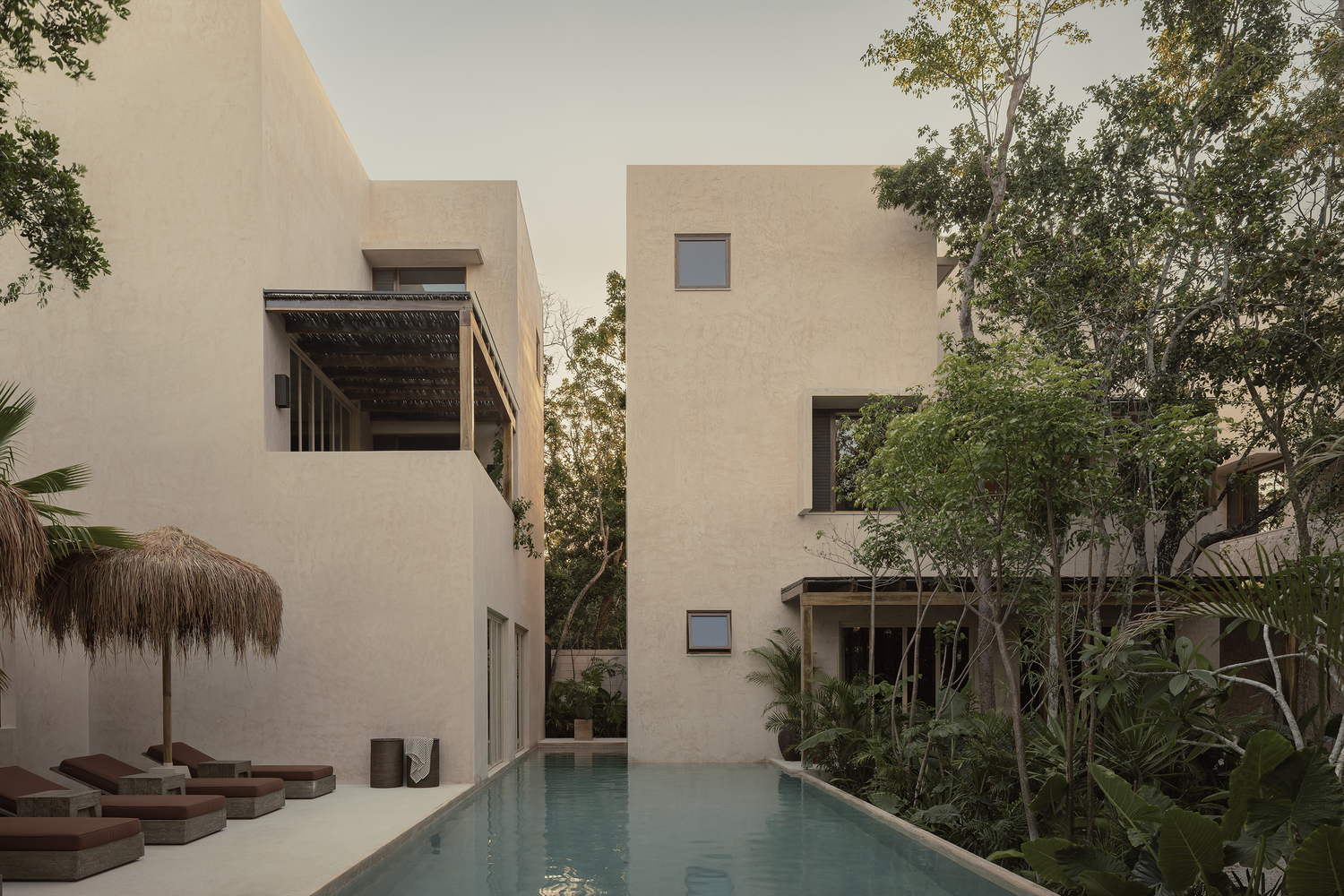
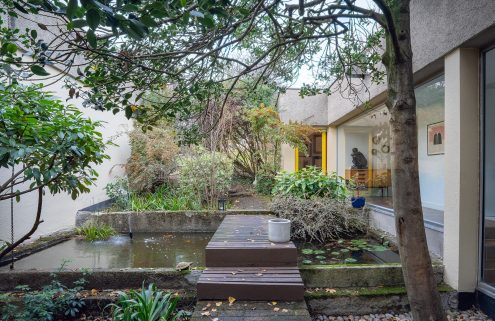
On Mexico’s Yucatán Peninsula, NABOA’s exceptional design rises above its Riviera Maya setting while blending into the dense jungle of the hillside. Designed by Merida practice Jaque Studio and Australian firm Studio Wenden, the remote escape enjoys a symbiotic relationship with the regional flora — its architecture integrates seamlessly with the mangrove and incorporates elements inherited from the Maya. The interiors feature bespoke local artistry, conveying a calm, intimate atmosphere that’s a cut above the Tulum vernacular.
The Eve, Sydney
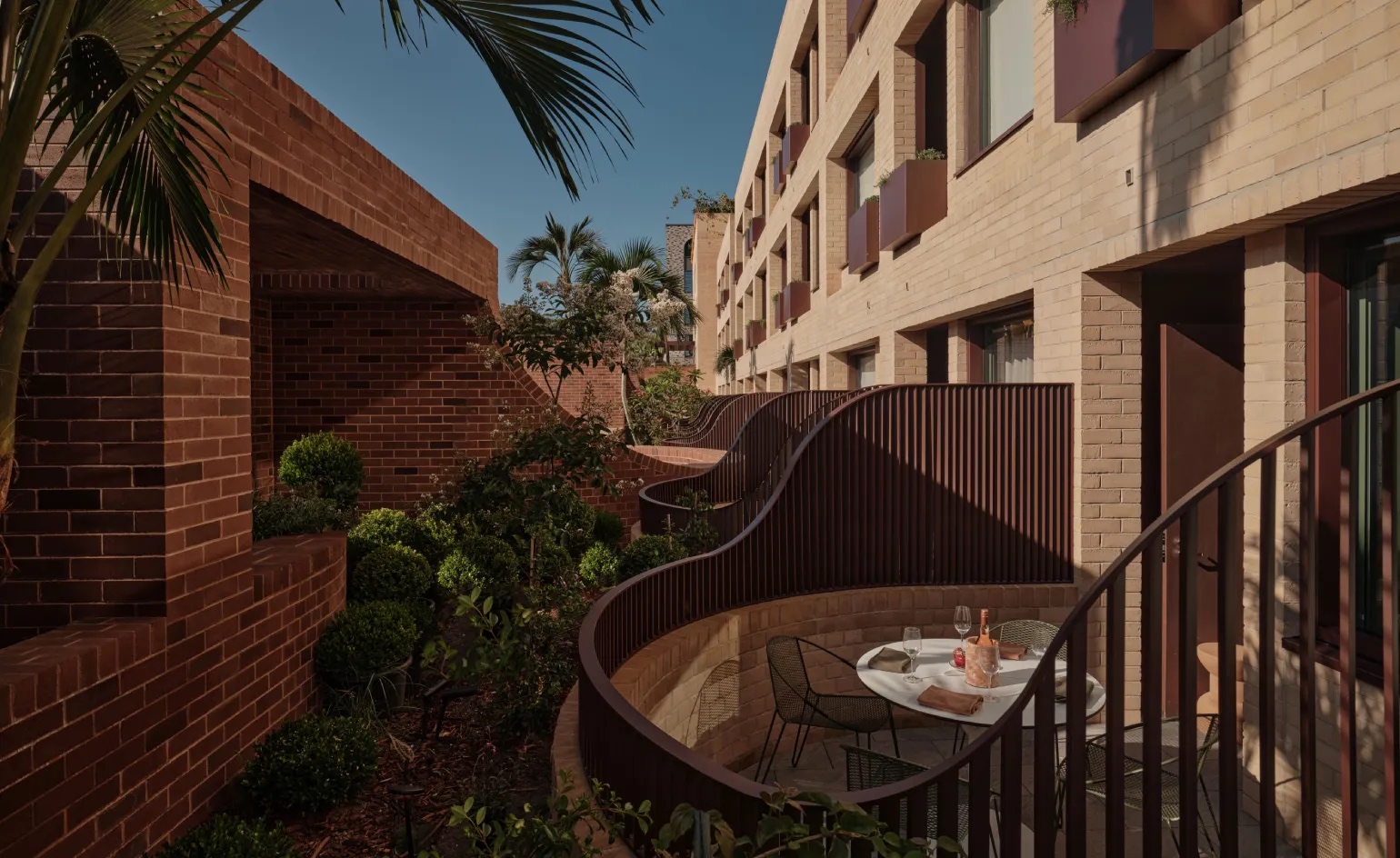
Can a hotel breathe new life into a neighbourhood? The Eve, Sydney‘s latest addition, is certainly trying in Redfern. Set in Wunderlich Lane, a former shopping mall cum lifestyle precinct, the hotel is an ideal base for exploring a lively area informed by cafés, record shops and vintage boutiques. With its design curated by Daniel Baffsky, George Livissianis and Adam Haddow of local practice SJB, the Eve is laidback even for an Aussie joint, with guest rooms and communal spaces in the warm palette of the Australian bush, popping with colourful surprises.
The Plesman, The Hague
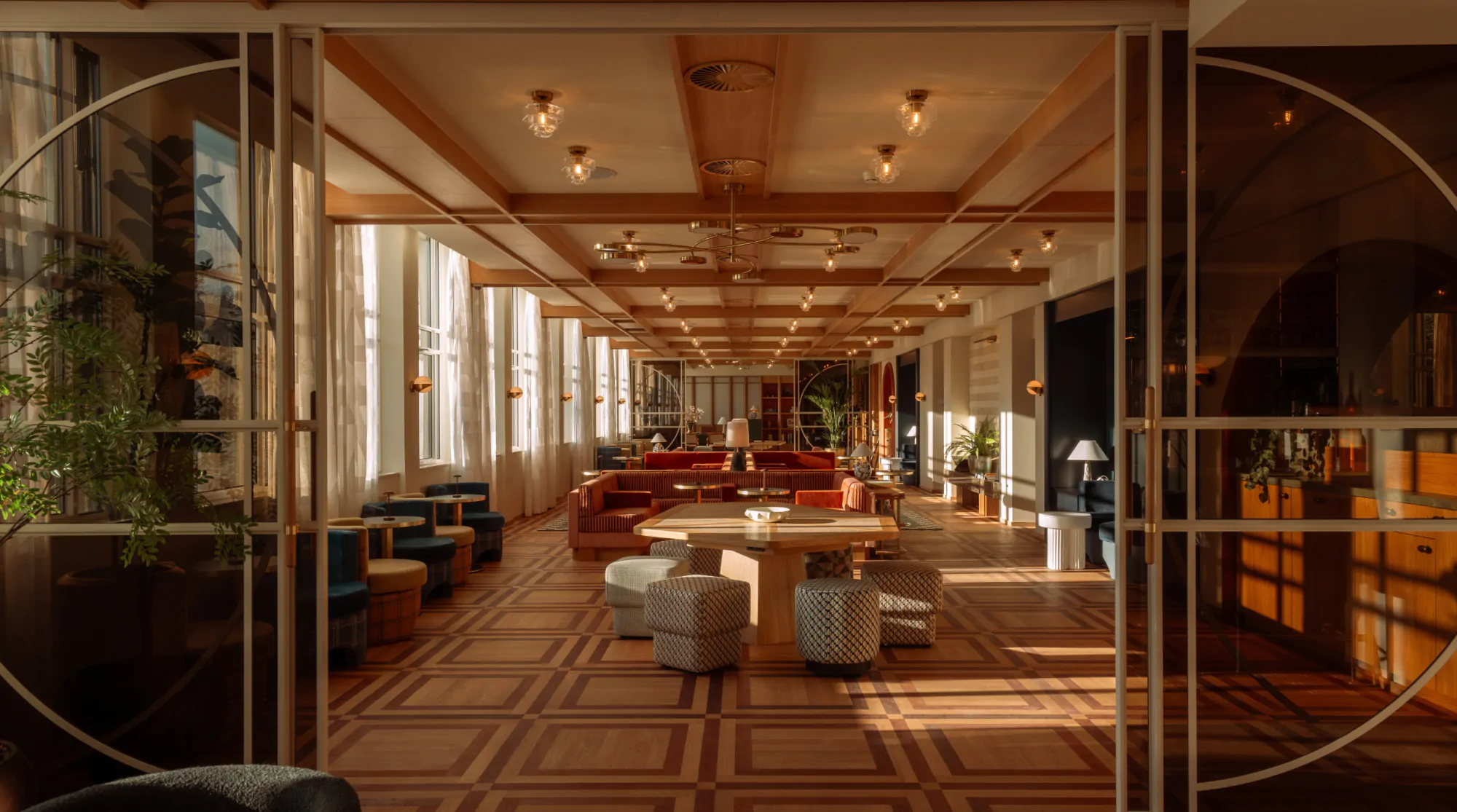
The former headquarters of Dutch airline KLM now houses The Hague’s newest hotel, named after Dutch aviator and KLM founder Albert Plesman. Amsterdam firm Nicemakers revamped the historic building, retaining its distinctive mid-century brick-and-concrete façade and original revolving door. Inside, guests can find the KLM reception desks and portions of the original ceilings. Interiors nod to the art of travel with retro-inspired decor and contemporary transport-themed art, including photographs of the Hollands Spoor train station by Scottish photographer Soo Burnell. One suite takes over Plesman’s former office and the restaurant, Suus, is named after Plesman’s wife Susanna, famous for her dinner parties.
La Fondation, Paris
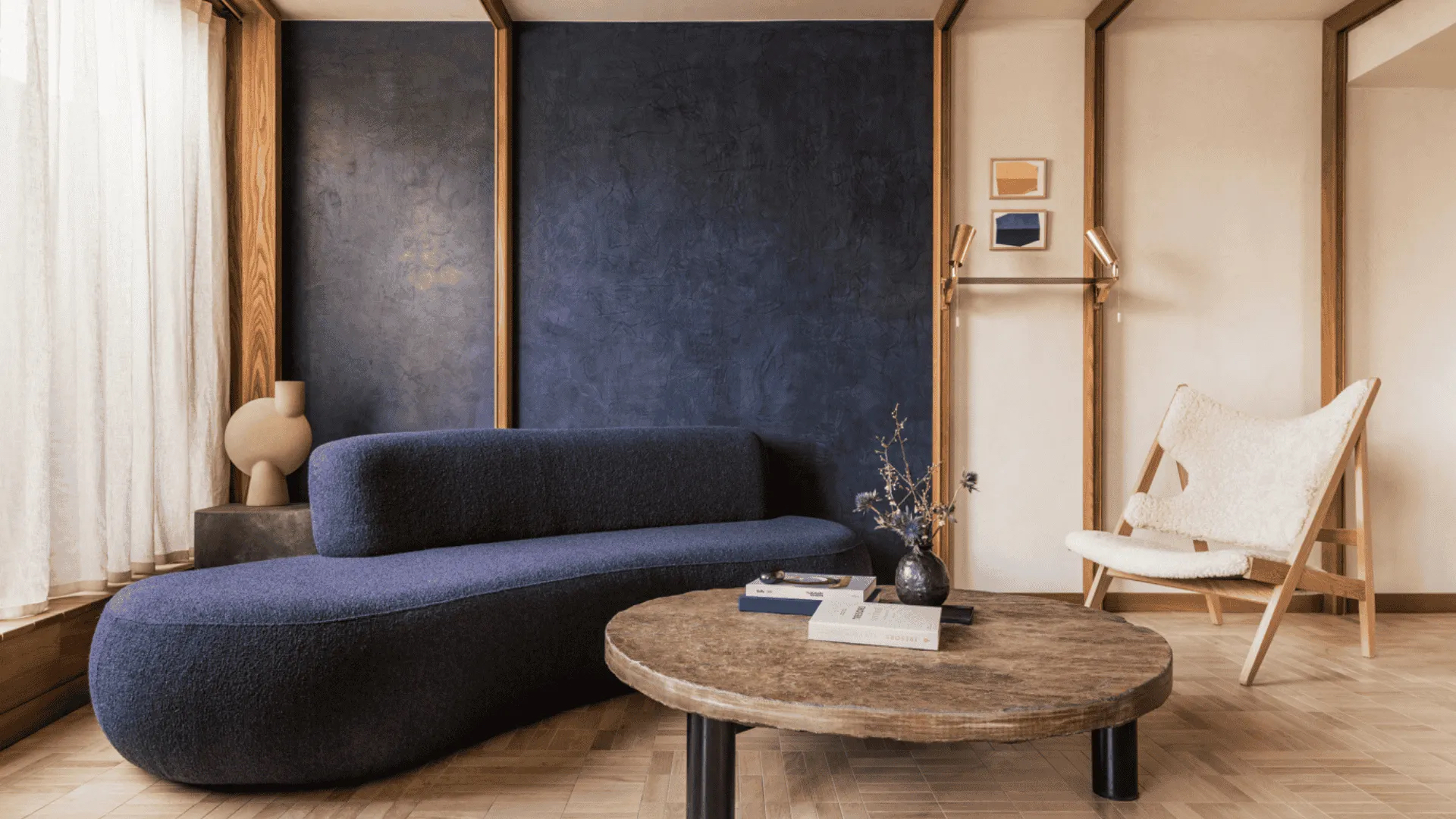
Paris is always a good idea, even better when checking into the most intriguing hotel opening of the year. New York studio Roman & Williams has turned a 1960s car park into La Fondation, a design-led retreat in the city’s northwestern 17th Arrondissement. While its brutalist exterior may seem austere, the lavish interiors are rich and warm, worked up in deep tones and woody elements. At its crown is a rooftop bar with views toward Montmartre. Workaholics can take avail themselves of an office space; fitness buffs get a semi-Olympic pool and climbing wall.
Le Sarto, Megève
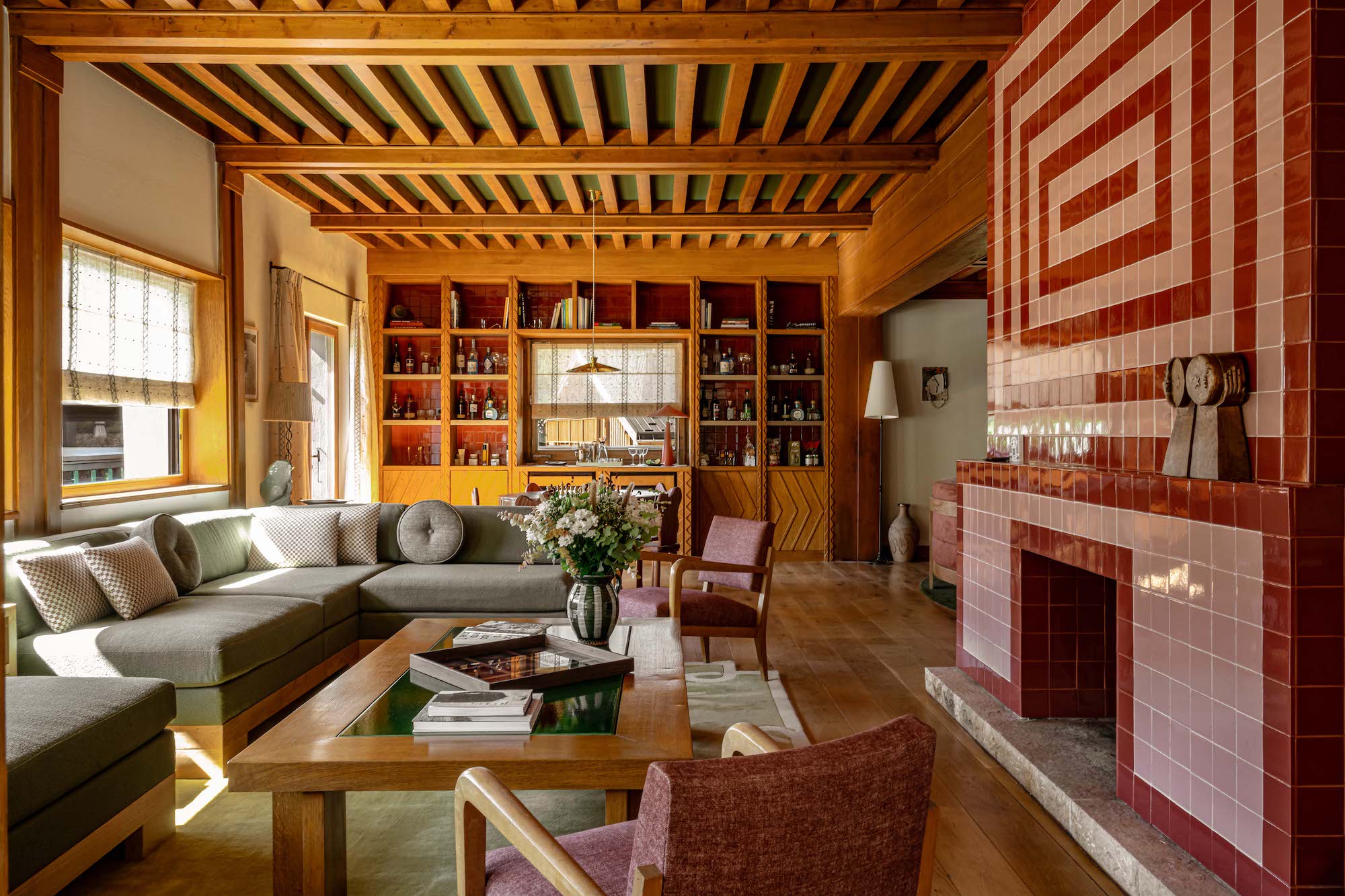
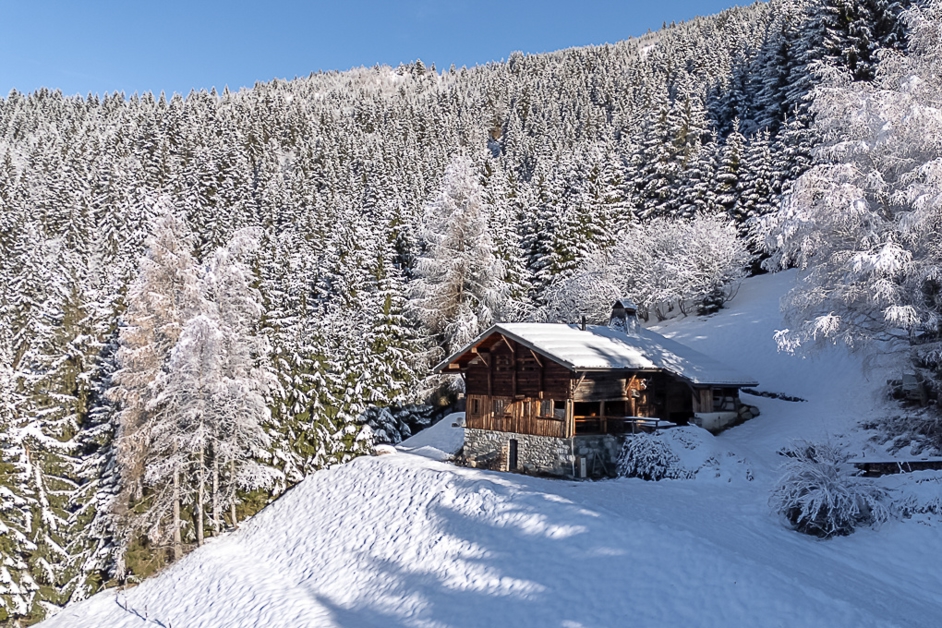
Sleep inside a piece of architectural heritage at the latest private rental by Iconic House. Perched at the edge of the Montée du Calvaire, just above central Megève, the Art Deco chalet was built by Alpine architect Henry Jacques Le Même in 1941 and influenced many ski resorts in the region. A thoughtful revamp by French design studio Claves has preserved the original layout, wooden furniture and facade while adding contemporary, dream-like interventions and artful interest. Claves played on the building’s Savoyard spirit, placing modern pieces by period elements, bringing in vintage objects and amassing contemporary works by Louise Defente, Héloïse Rival, Côme Clérino and MAZ, which contribute whimsical allure.
Hotel Daphne, Houston
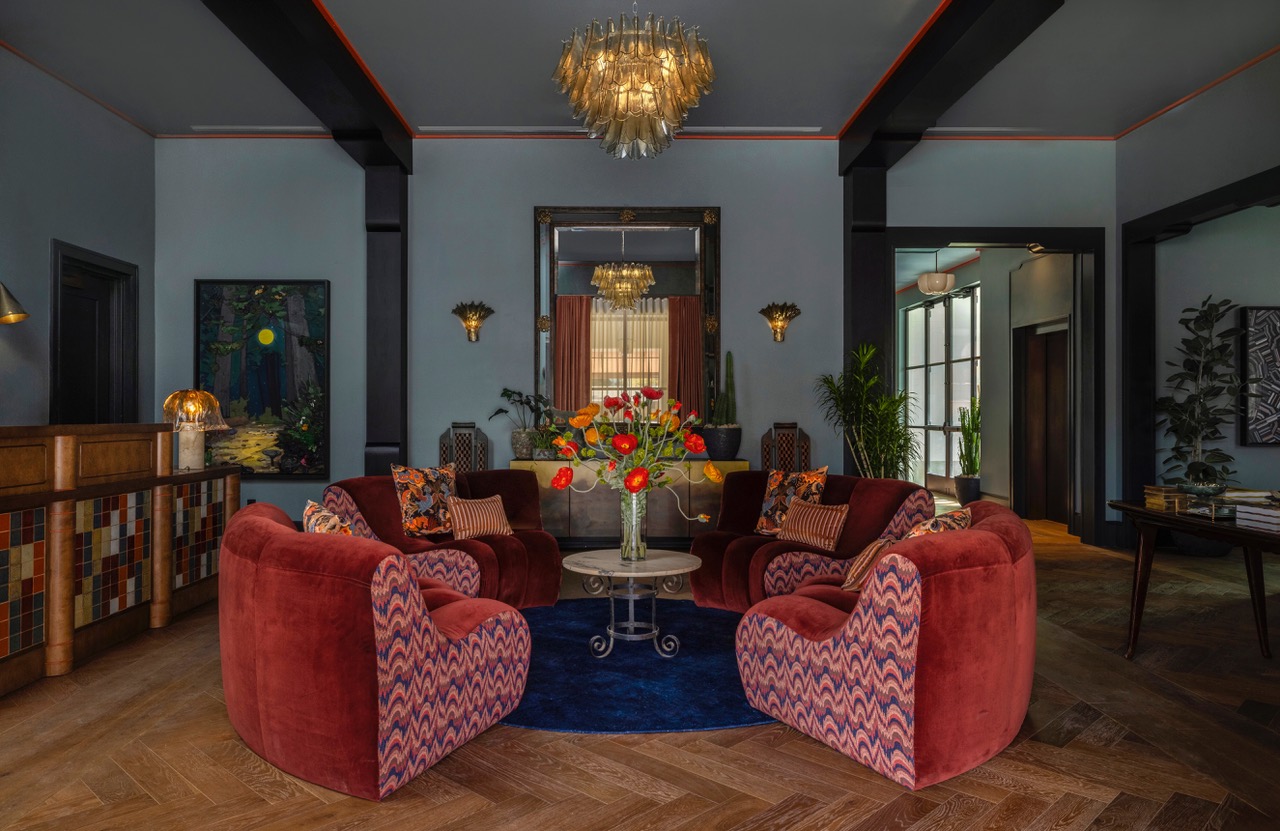
Greek mythology meets Arts and Crafts at this 49-room hotel, opened in the Greater Heights neighbourhood by Bunkhouse Hotels. Named after the daughter of river god Peneus — who was turned into a laurel tree to evade the amorous Apollo — the hotel draws on mythical themes of metamorphosis for its design. Communal spaces are bedecked in jewel tones, vintage decor and bespoke furnishings. They welcome guests and locals, who use the spaces as a sort of community parlour and cultural hub. A curated art program includes more than 160 artworks by Vernon Fisher, Kent Dorn and Alexandra Valenti. The influence of the Arts and Crafts movement extends to the guest rooms, where beds are upholstered with floral velvet headboards, complemented by mohair seating and custom William Morris-inspired carpeting in a Strawberry Thief pattern.
Faena, New York
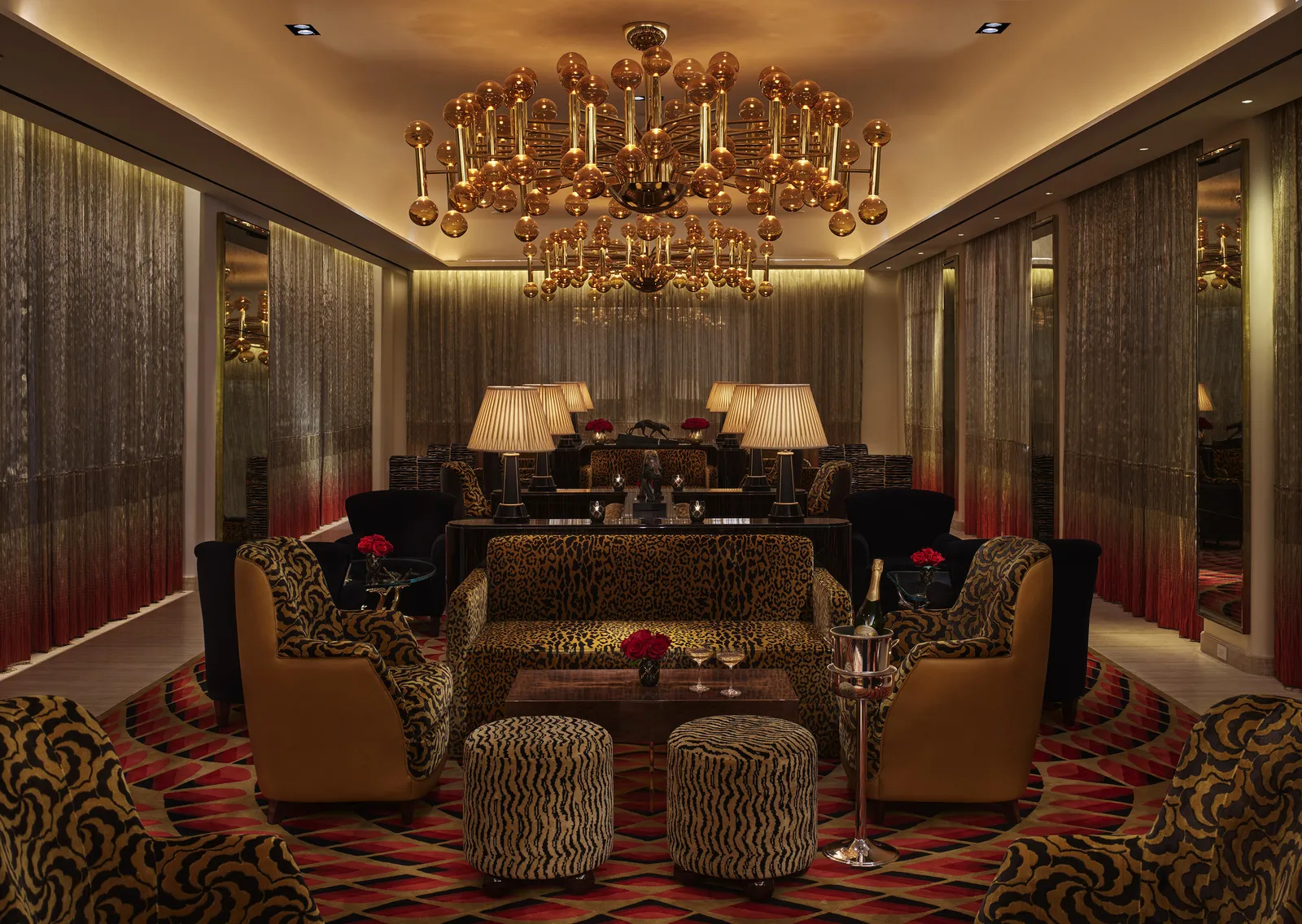
Maximalist, extravagant and sassy, the latest property by Argentine hotelier Alan Faena is hard to miss. The flamboyant West Chelsea stay sits in a Bjarke Ingels-designed high-rise a short walk from galleries like Hauser & Wirth and David Zwirner, with views over the High Line and the Hudson River Greenway. Faena crafted the interiors himself, aided by an in-house team and London interior designer Peter Mikic; they’re typically lavish and outlandish, with a hint of deco flair. A gallery’s worth of artworks includes pieces by Chris Levine, Juan Gatti and Keith Haring — his Montreux Jazz Festival mural guides visitors into El Secreto, an intimate speakeasy.