Not so long ago, the first action of a new homeowner would be to find a loose corner of an old carpet and yank. If there was old oak beneath, it would be immediately exposed, no matter how gappy or warped. If they were renovating, they’d lay new boards forthwith, or call in a cement truck to level and polish a concrete floor.
So why are we so quick now to cover them up? After decades of hardwood worship and cold feet, we’re finally admitting exposed flooring isn’t always easy to live with. The pendulum has swung from stark white interiors toward colour and warmth, and a certain tranche of homeowner who found area rugs and carpet to be dated has rediscovered their virtue. Meanwhile every designer with a loom and a profile is launching an artisanal creation like they might have done a fragrance.
If a good area rug is still a luxurious piece to own, more people see it as an essential luxury — as crucial to a scheme as the sofa. More than a winter warmer or summer softener, it adds what designers call ‘acoustic comfort’, an antidote to heavy feet. On the aesthetic side, it introduces colour and layered texture, a fearless statement or savvy point of view. And it becomes invaluable when zoning an open plan — in public as well as private. It’s the hardest-working piece in an interior.
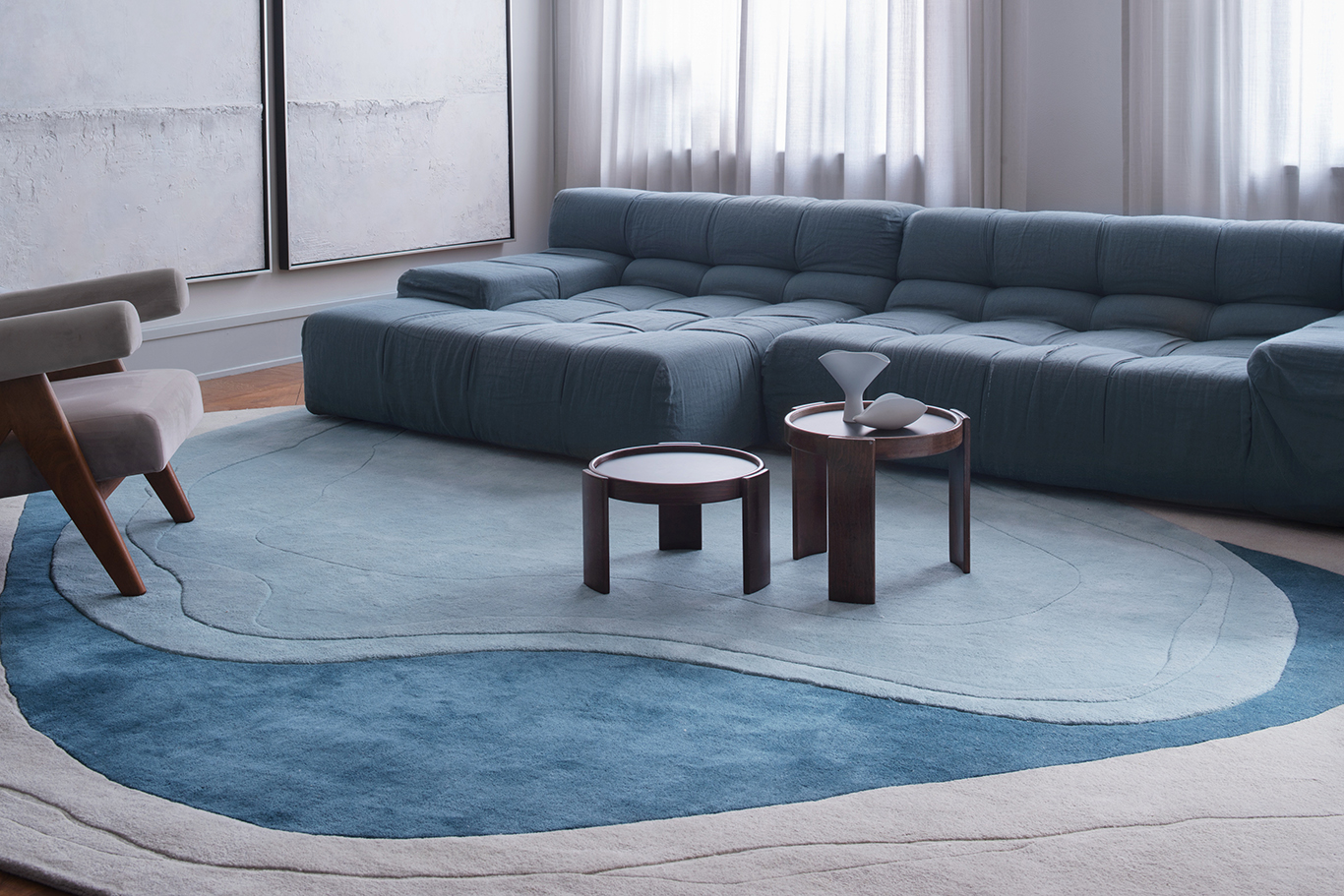
‘After years of minimalism, there’s a renewed appreciation for comfort, colour and softness — and rugs play a key role in that,’ says Malin Glemme, founder and creative director of Layered, a brand out of Sweden, where rug-making has a long and respected history. ‘We’re seeing a clear shift in how rugs are perceived. Rather than being an afterthought, they’re increasingly treated as a foundation in a room.’ While most rug-makers commission and source down traditional paths — Layered rugs are crafted on heritage looms, mostly by women in Greece and India — the look is constantly being adapted with contemporary expressions, so fine craftsmanship is always there while the creative vision is flexible. That often, says Glemme, means pushing colour and scale.
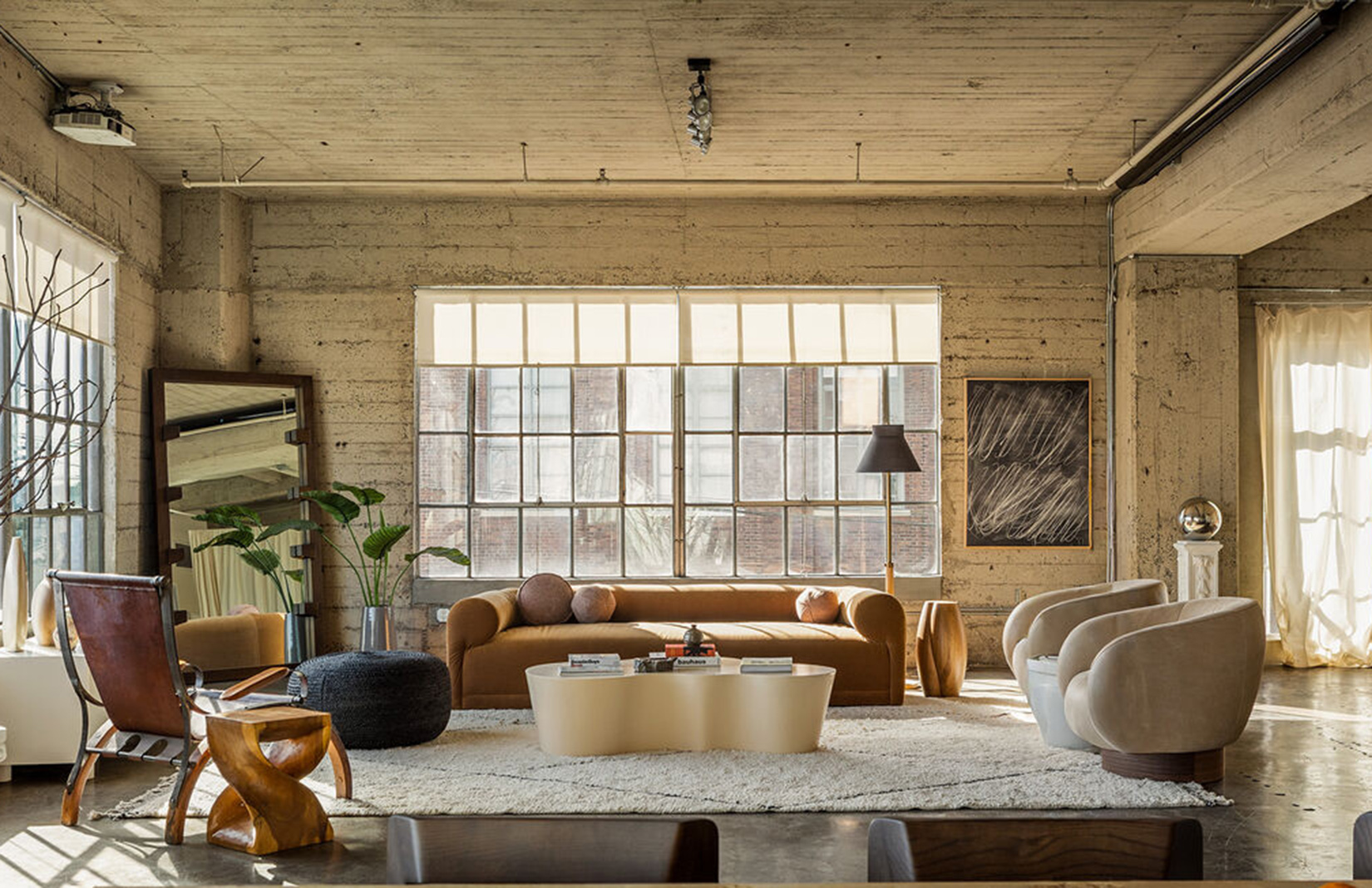
Scale is a major factor in flooring’s new look. Rug-makers are upsizing from the 8×10 and 9×12 standards and pushing out to the walls. At the French heritage brand La Manufacture Cogolin, now part of Tai Ping, demand has soared for extra-large offerings — particularly, says managing director Sarah Henry, in the US, where there is more interior space to navigate. ‘Designers are looking more and more to have the full room feel like part of an ensemble,’ she says, ‘so using a very large rug that includes a couple of separate seating areas, or a seating and dining area, will pull the full room together. And of course it feels more luxurious than a couple of smaller rugs.’
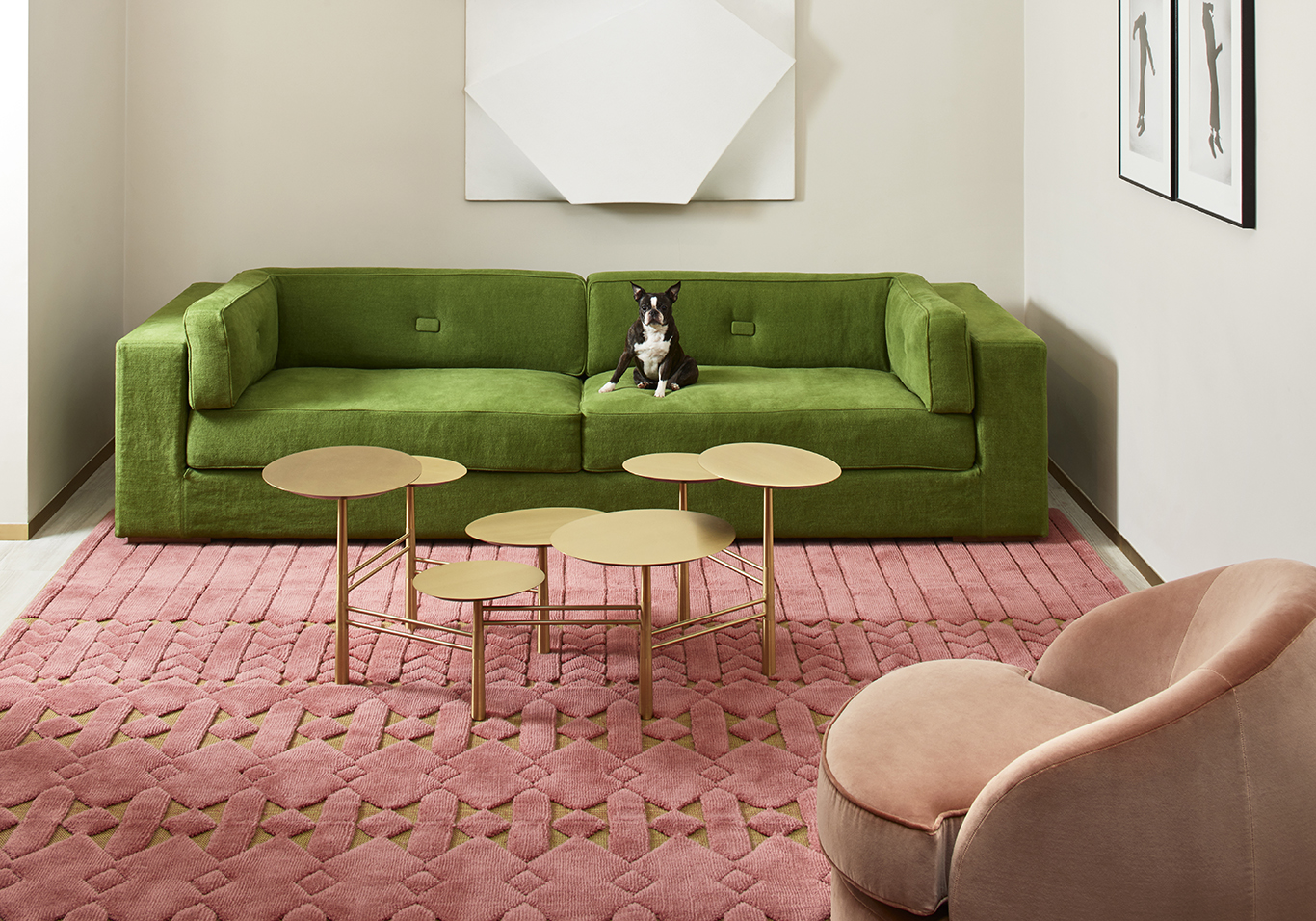
‘The sizes of rugs we are commissioned for our interior designers has grown steadily over the past few years,’ says Dylan O’Shea, cofounder of the ethical rug-maker A Rum Fellow. He puts that down to the growth of hard surfaces and open plans that require zoning and softening. Produced with cofounder Caroline Lindsell, O’Shea’s rugs are highly sought after for voluminous public spaces — like London’s National Gallery, which recently lay a bespoke rug to ground the bookshop within the architecture. The virtuous designs make for good optics, in more ways than one. ‘Many ethical brands were leading with ethics, while design often felt like an afterthought,’ he says. ‘We wanted to completely reverse that, with ethical production simply a given.’
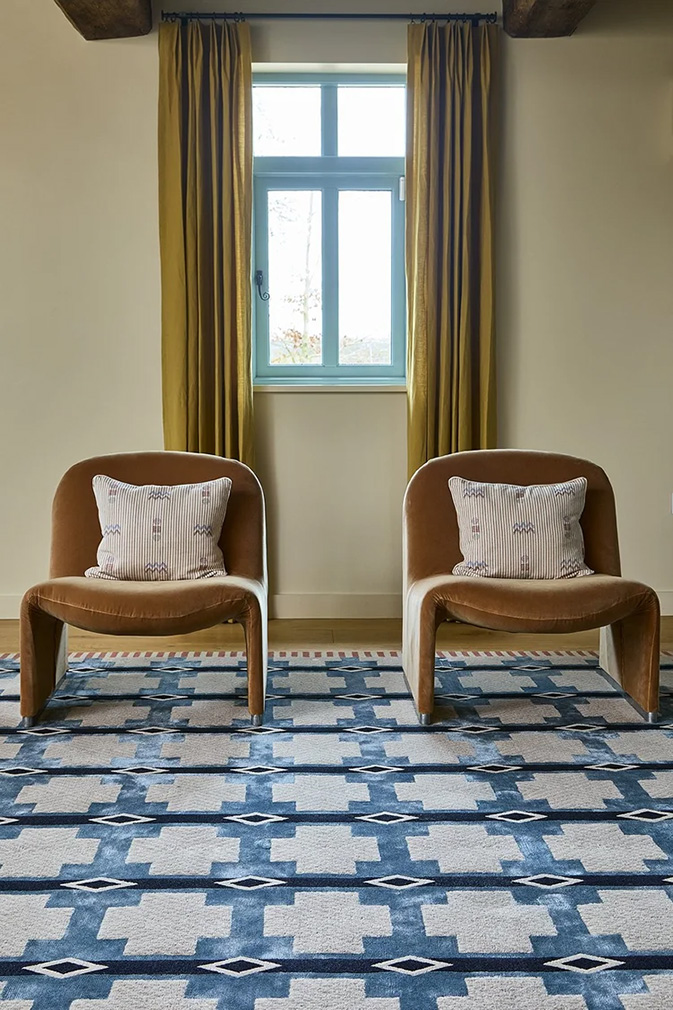
The Hikira hand-knotted rug by A Rum Fellow. Photography: courtesy of A Rum Fellow.
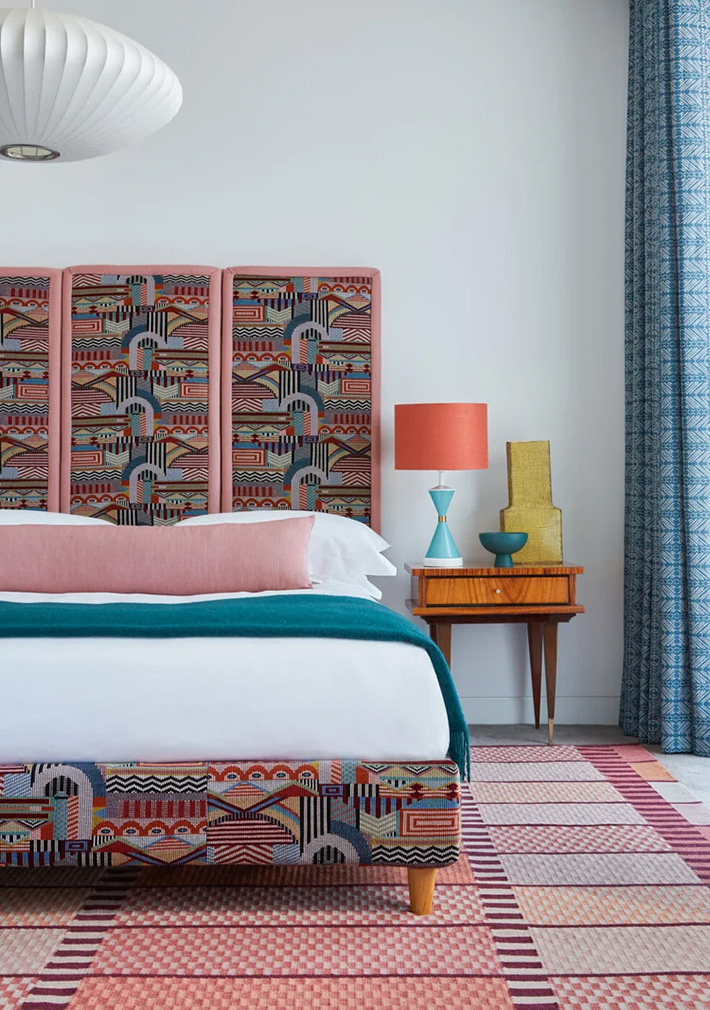
A Rum Fellow’s Komorebi brocade rug. Photography: courtesy of A Rum Fellow.
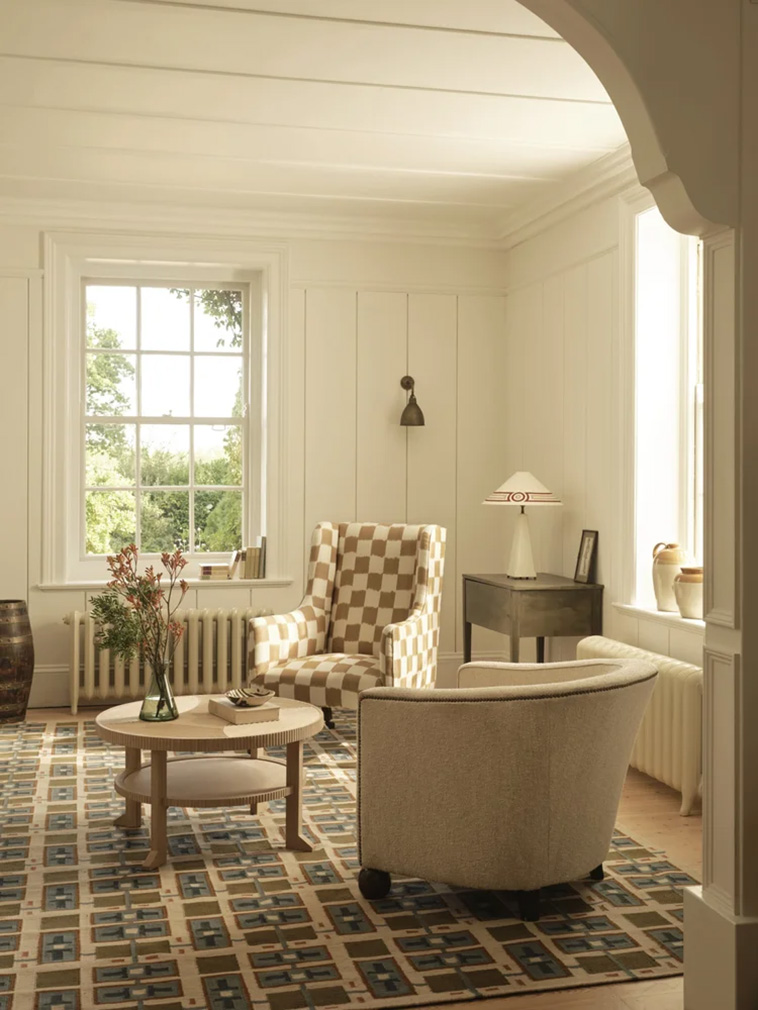
The Ocular Reed flatweave rug by A Rum Fellow. Photography: courtesy of A Rum Fellow.
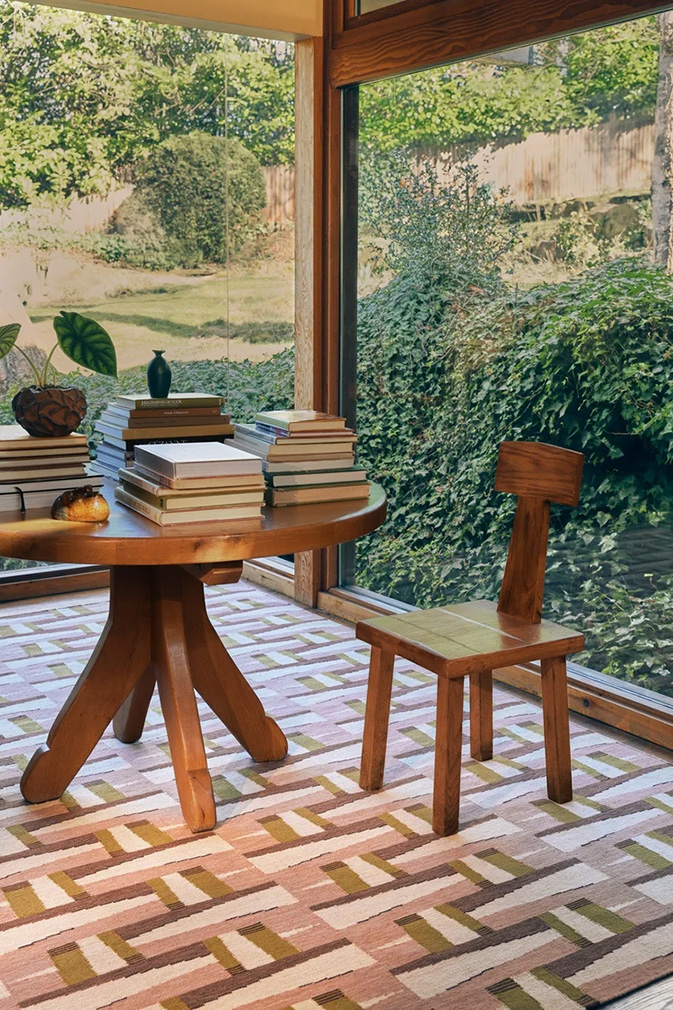
The Trewalla Calluna flatweave rug by A Rum Fellow. Photography: courtesy of A Rum Fellow.
As British manufacturer The Rug Company showed us in the 2000s, nothing captures market interest like a designer collab. Now everybody’s doing it. Film director Luca Guadagnino‘s pop-art rugs for Cogolin inspired think pieces in the press. Fashion designer Bethan Laura Wood’s kaleidoscopic rugs for CC-Tapis have circled on social media for years.
Swedish brand Nordic Knots has become a darling of the flooring world for its affordable style — the company recently introduced a massive 350x450cm wool rug for £595 and a wall-to-wall line starting at £1,050. But teaming with stylish boutique design practices like Campbell-Rey and Eagle + Hodges gets it the most visibility.
‘With a brand like Nordic Knots, it’s not necessarily the investment it can be elsewhere,’ says Alex Eagle, whose garden-inspired limited editions, designed with partner Sophie Hodges, are waiting for a second run after selling out. ‘Like investing in furniture, you want to take your time over a rug, buy one that resonates. It doesn’t have to work with everything but you have to love it. Our collaboration adds a sense of colour, texture and fun.’
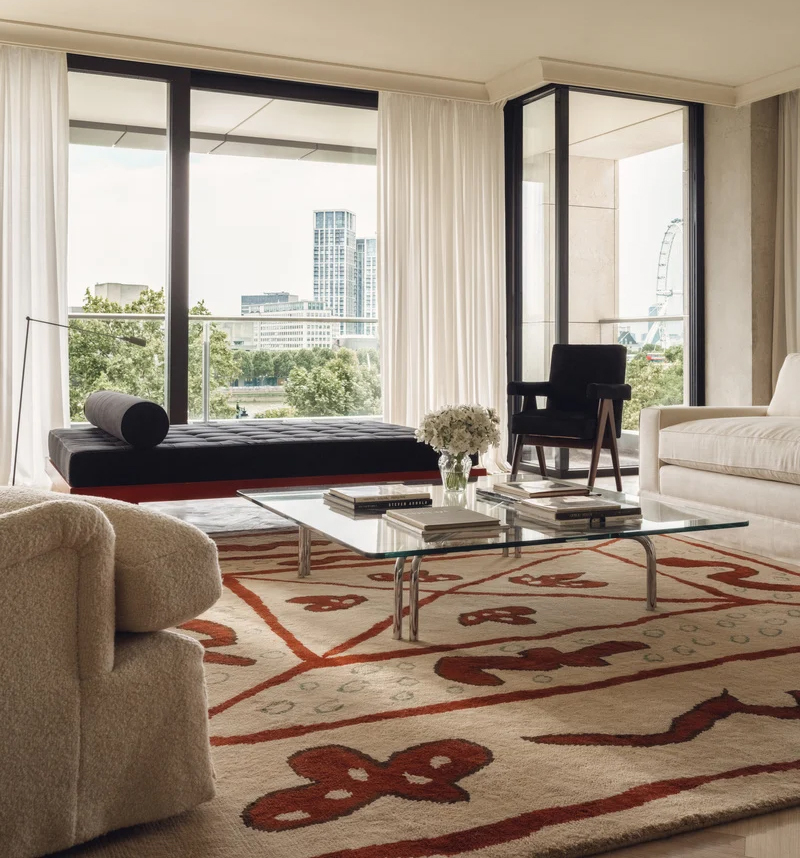
And of course when you buy into a rug collab, you’re getting a twofer — a functional furnishing and the artful consideration of a bold-name designer, who often oversees weeks, nay months, of craftsmanship. ‘Much of a rug’s value lies in what isn’t immediately visible,’ says Glemme of Layered, ‘the hours of work and the expertise behind each piece.’ The bonus? It may actually ease your utility bill in the long run.