Nobody needs reminding that sex sells. Marketeers have gone by this maxim for 150 years. But what is the catchphrase for the massive marketing power of an expletive? Earlier this year when I spoke to New York design dealer Jon Tomlinson about his business Artware Editions, I learned his bestselling item was a snow globe by artists Nora Ligorano and Marshall Reese featuring the suspended letters F*U*C*K. ‘We have a whole vice channel,’ he told me, ‘and those sell very well, quantity wise.’
This should be no surprise to anyone who’s browsed homewares on the creative marketplace Etsy. Despite the increasing acceptability of public swearing, despite the ubiquity of watershed TV, the diminished shock power of ad campaigns like French Connection’s FCUK and Tracey Emin’s shift to figurative painting, swears continue to appear in graphic art and cross-stitch, and they’re cash cows. Some vendors on Etsy report huge interest in crude embroidery when measured against their ‘clean’ work.
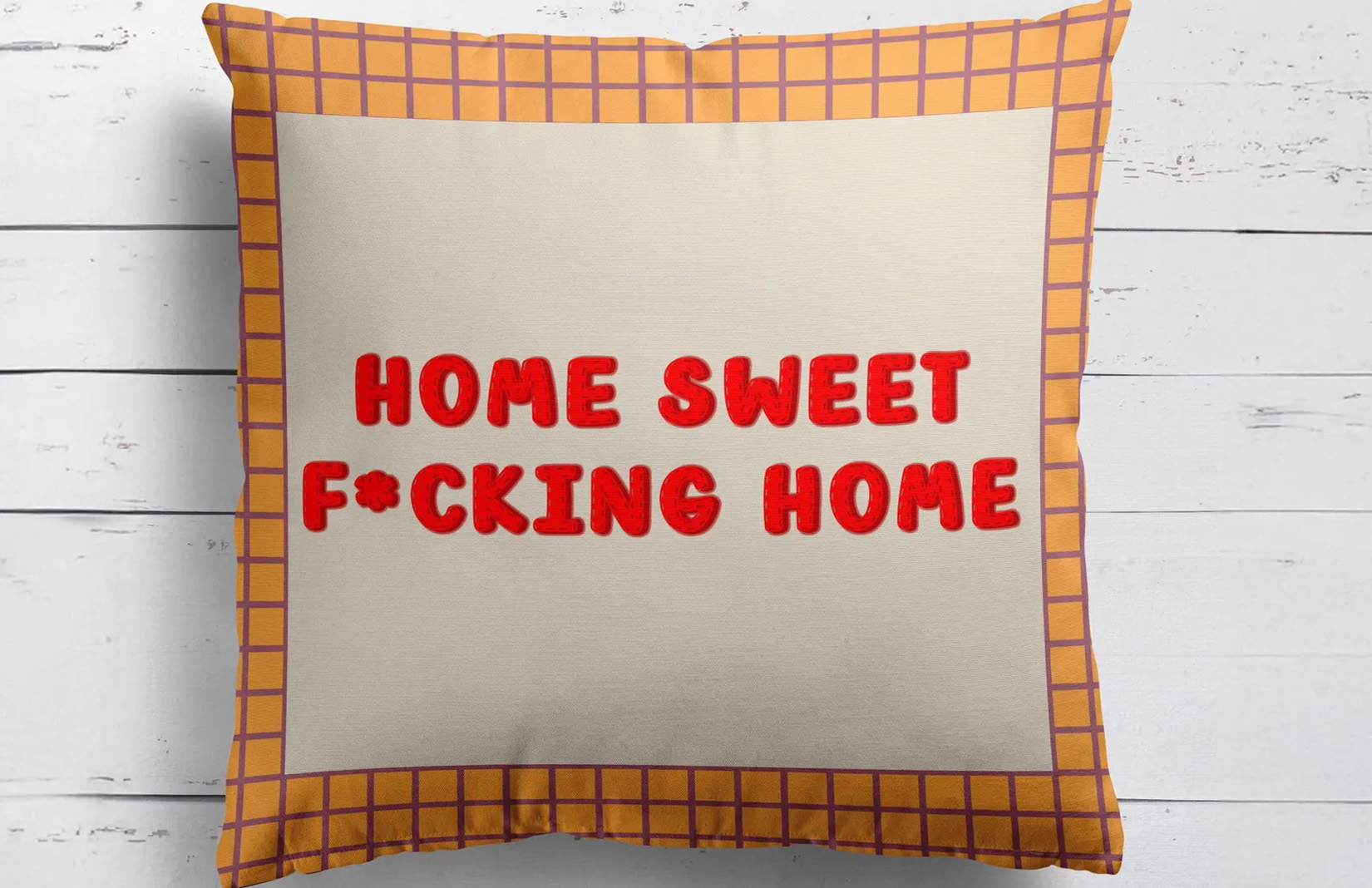
Call it an antidote to those universally mocked textual home-decor statements (see the ‘Live laugh love’ cottage industry). Exhibiting a profanity is a signal you have an edge, a sense of humour and you might be more approachable than most.
‘Swearing is a social lubricant. It can automatically break the ice,’ says Kristy Beers Fägersten, an author and linguistics professor at Södertörn University, south of Stockholm. ‘It sends a signal that “I feel safe with you,” and serves a bonding function.’
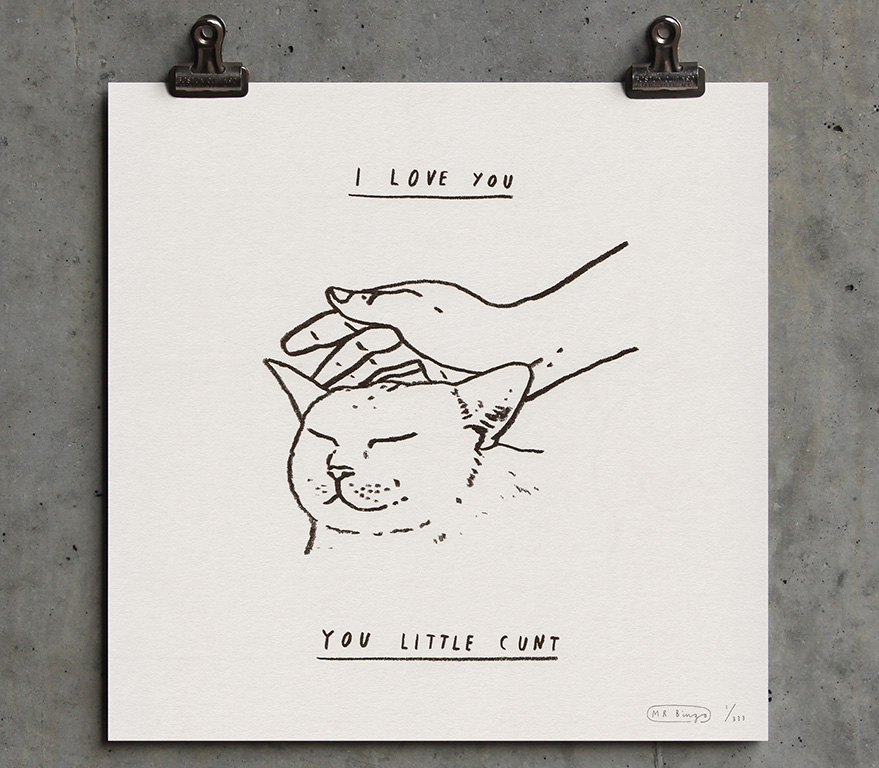
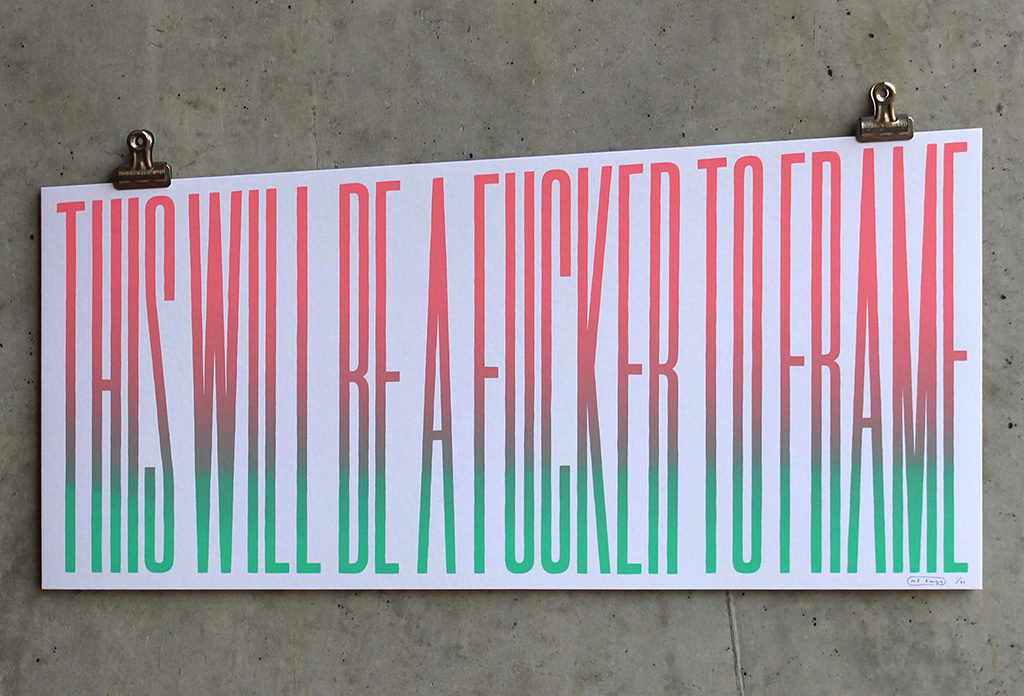
Through her research, Beers Fägersten has learned plenty about the qualities of people who live by the swear. Studies have shown people who swear have larger vocabularies, are more credible. They have a higher threshold for pain. But the most common quality among people who value printed profanity is womanhood.
‘I first discovered this in the period leading up to Christmas,’ she says. ‘My attention was being drawn to lists, and then I noticed these gifts geared toward women, who are traditionally not associated with swearing. We’ve historically been policed for swearing, so marketing swearing products to women to begin with is a bit of a rebellion.’ The female market likely accounts for the domestic nature of most profane design. ‘Home is the environment of women and decoration is expected of women,’ says Beers Fägersten. ‘Having these pillows, posters, tchotchkes can suggest, “I’m not your typical woman.”‘ Men, she says, might not find these products as titillating, because there’s less at stake.
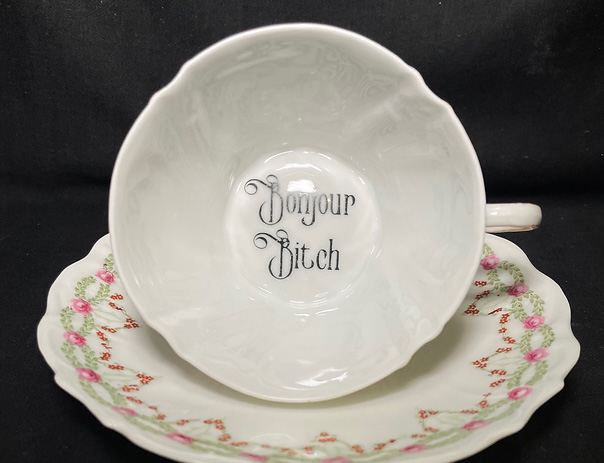
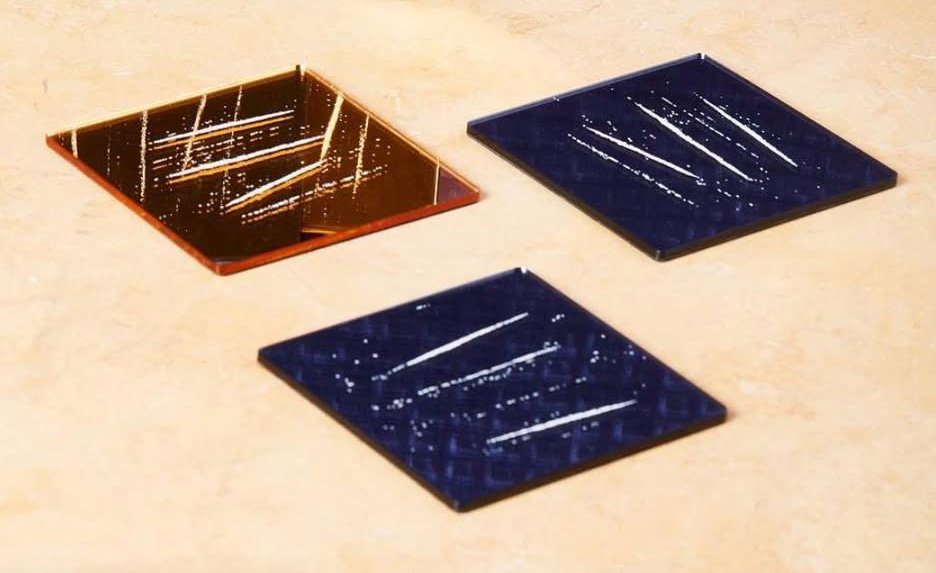
As the stigma of foul language evaporates even among the most decorous middle classes, Beers Fägersten anticipates a tipping point. ‘The only way I know to retain this tension would be if people start to push back on swearing in public,’ she says. To stay ahead of the curve, product designers are getting more creative. Do they expect tasteful women to go for a ball cap sporting a four-letter word? Or will we express ourselves with the unsaid? (Another top-seller at Artware Editions is a set of mirrored coasters by artist Nir Hod ‘lined with digitally printed white powder that has a tactile quality’.) ‘You can tell people’s sensibilities by how they buy into this,’ says Beers Fägersten.
She was recently gifted a t-shirt that says ‘F*ck you, you f*cking f*ck,’ quoting a line of dialogue from the 1986 film Blue Velvet. She’s never actually worn it but says she’ll have it on in Denmark next year at the biennial academic conference of taboo language Swearing in Scandinavia, or SwiSca. The Nordic attendees will surely recognise the words, even if they read less harshly to them. ‘We tend to be interested in other languages, and we have a strange fascination with English because it’s international and cosmopolitan,’ says Beers Fägersten. ‘But it’s also interesting — it looks more like a design than a language.’