With Mediterranean countries undergoing an unprecedented cultural renaissance, the art and design worlds are increasingly turning to the region for a source of new talent with a refreshing approach. Greece, Malta, southern Italy and, further east, Lebanon and Turkey are fostering a new generation of creatives who are shaping both the regional and global stages with a vision deeply rooted in local traditions, while also pushing boundaries. Once unique cultural epicentres, cities like Paris, New York, London and Berlin now share the spotlight with Athens, Cairo, Istanbul and Palermo.
Among these destinations, Beirut stands out. One of the oldest continuously inhabited places in the world, the city has witnessed the rise and fall of the Phoenicians, Greeks, Romans, Byzantines and Ottomans — and the rise, today, of innovative minds imbuing new life into the creative landscape. Even with its backdrop of intense contradictions, political instability and economic challenge, it has become a thriving hub of creativity and a meeting ground for East and West.
Enter Mariana Wehbe who is the founding force of one of the region’s buzziest design events: We Design Beirut, alongside creative director Samer Alameen.
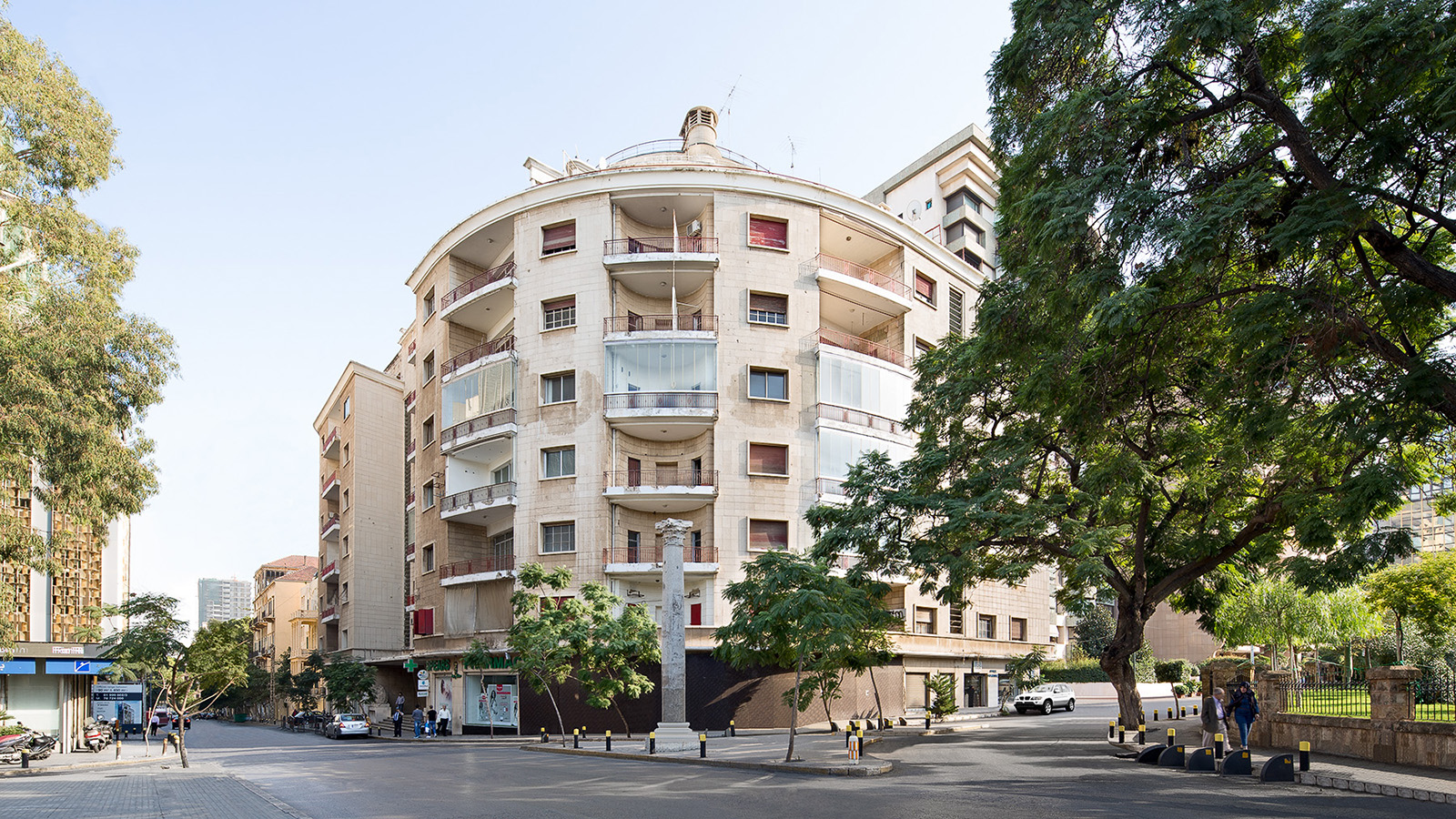
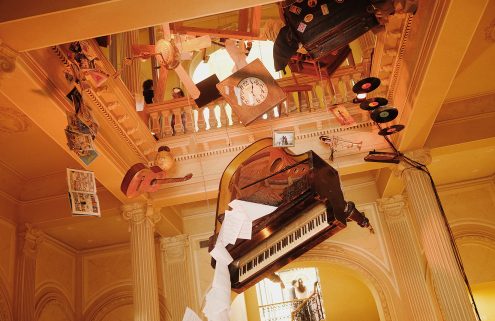
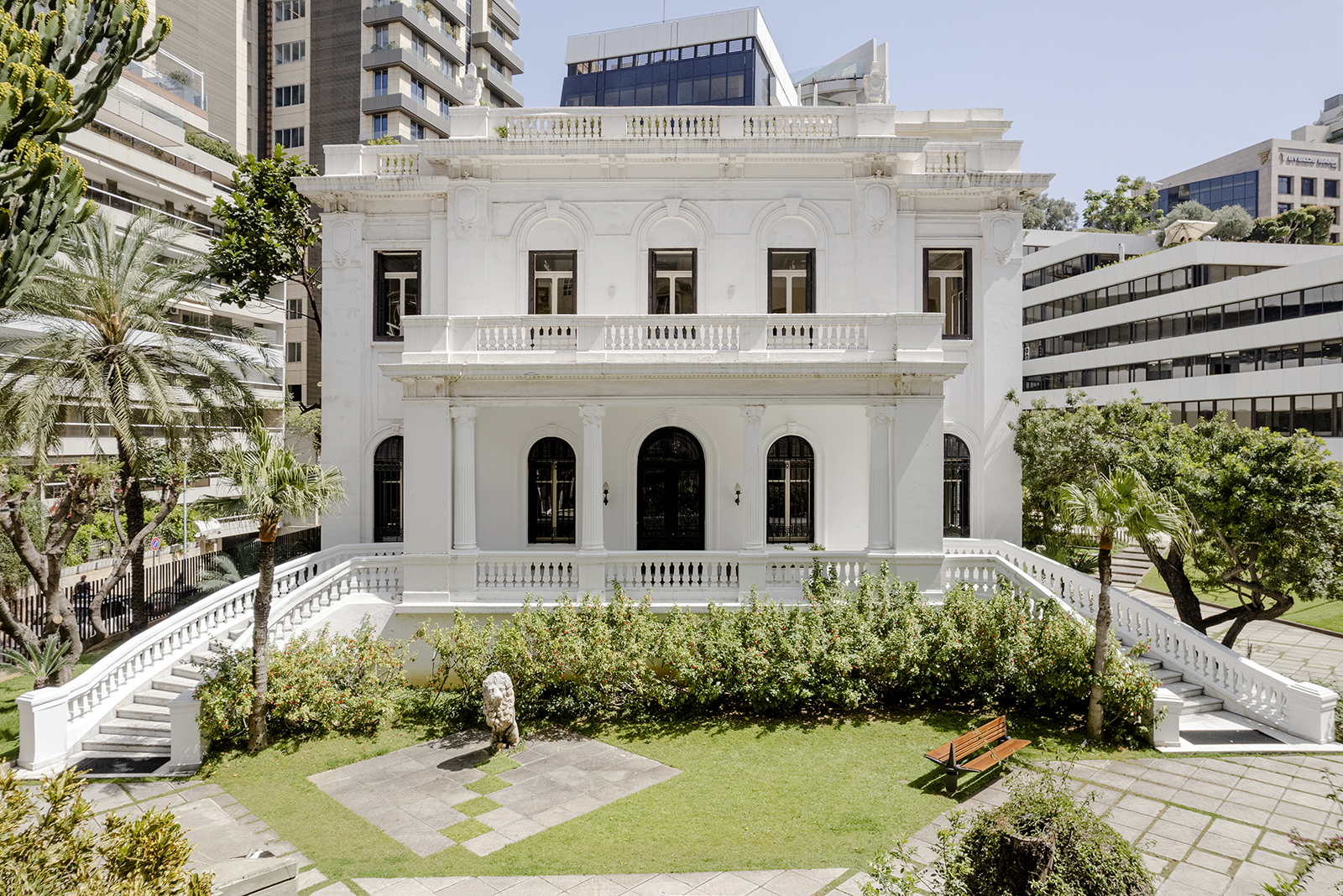
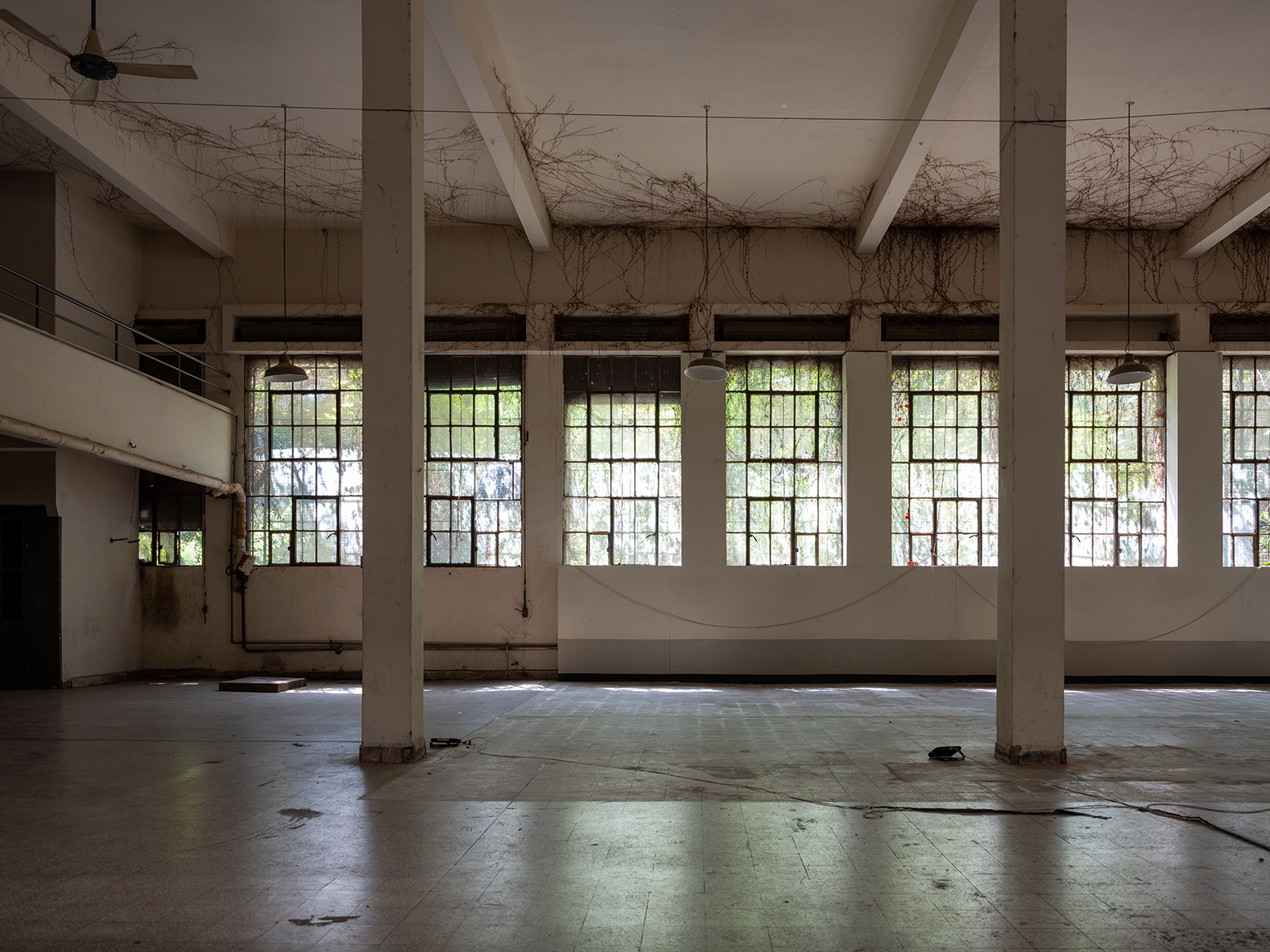
In its second edition, We Design Beirut explores themes of legacy, revival and continuity in locations like the old Abroyan Factory, the archaeological museum Villa Audi and the Roman Baths. Immeuble de l’Union, a modernist landmark in the Sanayeh neighbourhood, will host Union: A Journey of Light, curated by architects Karim Nader and Atelier33. The goal is to kickstart a cultural renaissance with heritage, forward vision and creative collaboration.
We asked Wehbe to talk us through her creative process and Beirut’s creative emergence.
Rosella Degori: Could you walk us through the origins of We Design Beirut? How did the idea come about?
Mariana Wehbe: The idea for We Design Beirut came from a deeply personal place. After 2019, most of our designers seemed to find opportunities abroad, while many of our artisans continued to struggle here at home. At the same time, I was living between Beirut and Abu Dhabi, watching new creative initiatives emerge across the region — yet nothing was happening in Beirut.
When two designers at Saccal Design House approached me about the idea of a design week for Beirut, I was hesitant at first, but a little later, we found ourselves starting this journey that’s been growing into something far bigger than we ever imagined. At its heart, We Design Beirut is about reclaiming our place on the global design map and proving that even in the face of chaos, this city remains a source of creativity, magic, and hope.
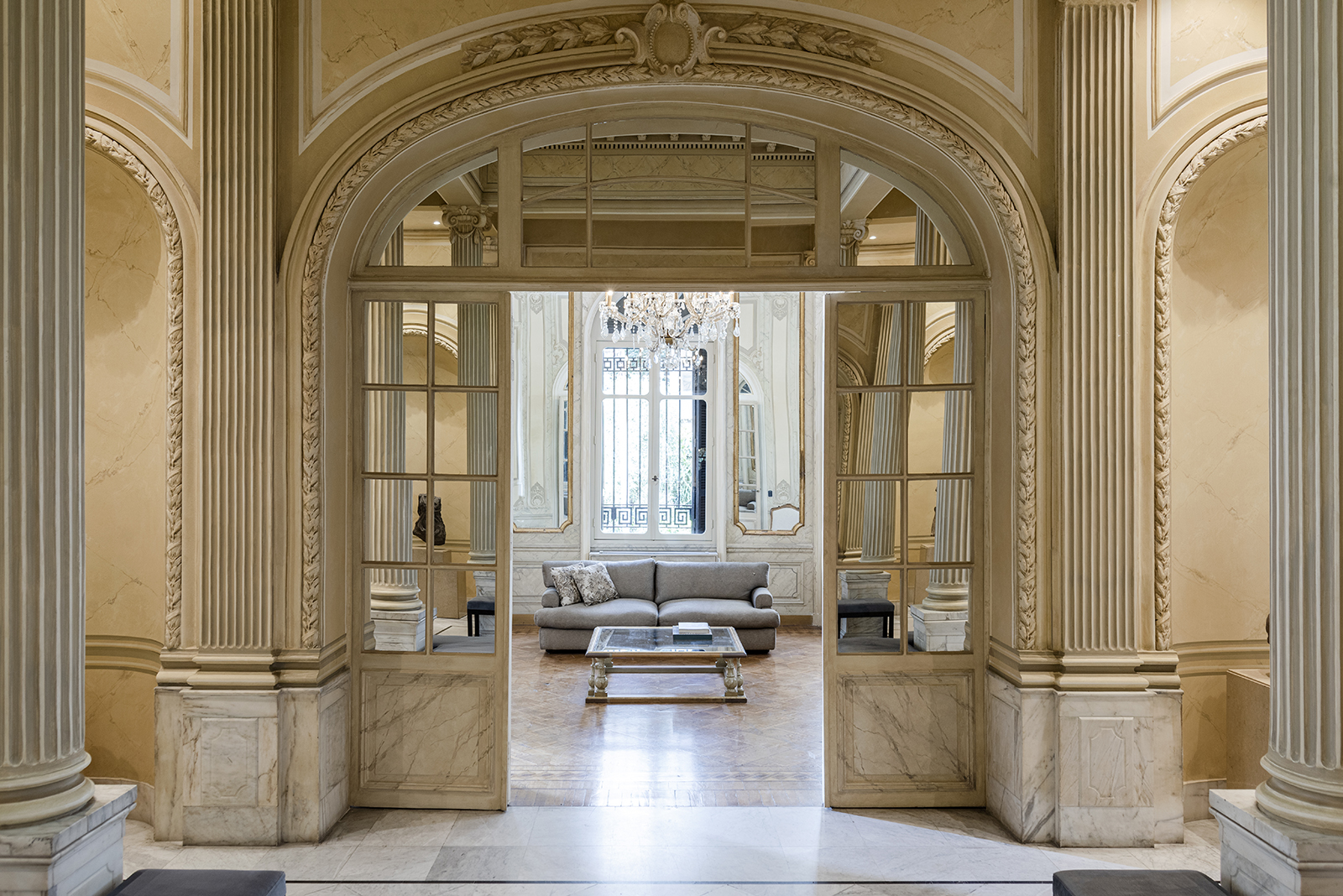
RD: What does the city represent in today’s cultural landscape, both regionally and globally?
MW: This is a city with its own DNA shaped by centuries of history, pain and perseverance, and by an immense love for beauty. It’s the same land where the Phoenicians discovered the colour purple from the murex shell, a hue that became a symbol of royalty and power across the ancient world. It’s where Byzantine artisans layered complexity into form and function, leaving behind traces of craftsmanship that still echo today. That creative impulse, that ability to transform hardship into beauty, is woven into the fabric of this place.
RD: Some exhibitions will take place in historic cultural buildings open exclusively for the event. Could you explain the selection process?
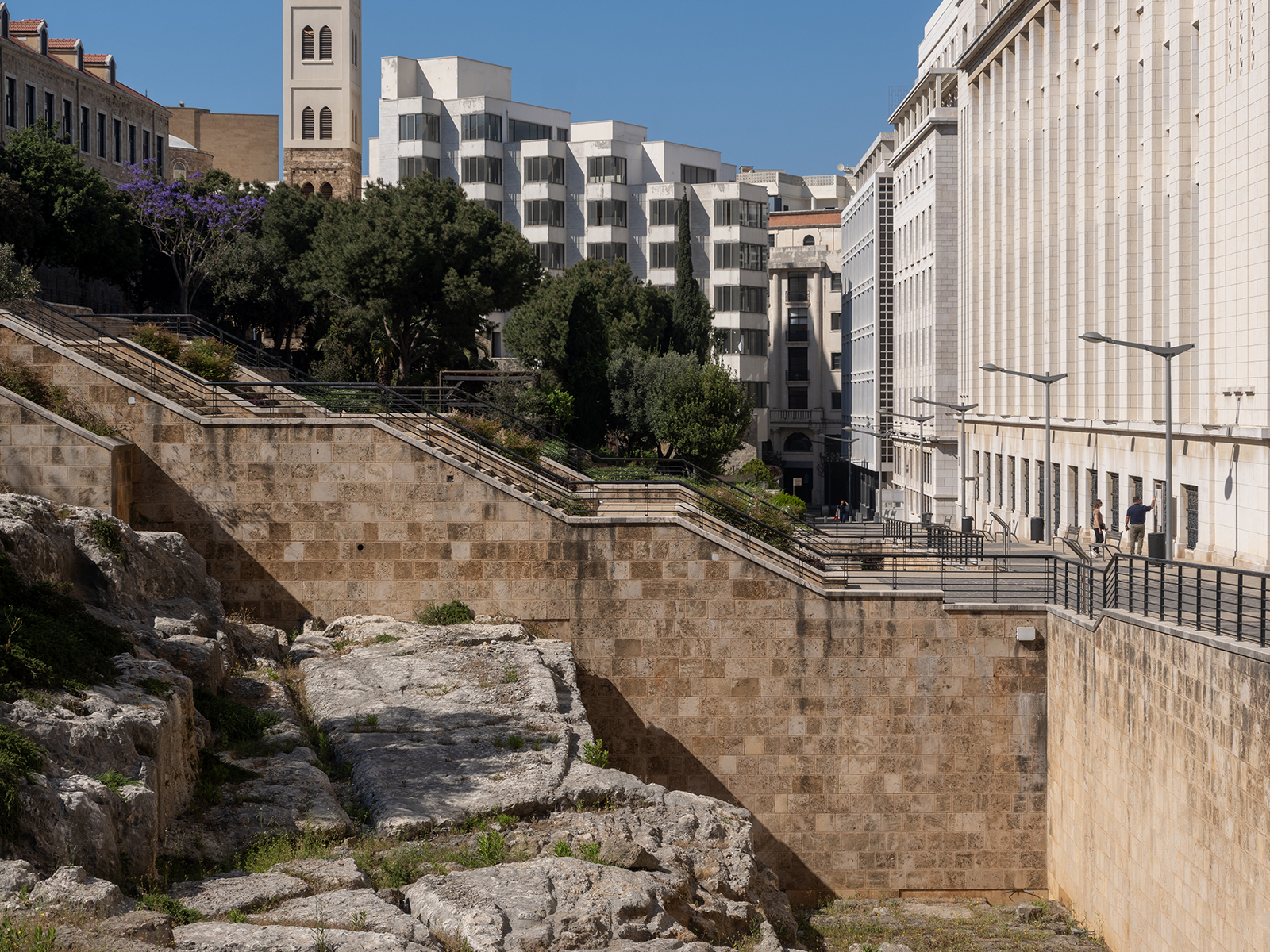
MW: For me, the spaces are as important as the exhibitions themselves. They are characters in the story we are telling. This year, that story carries even deeper weight, as it marks 50 years since the start of the Lebanese Civil War. We felt it was essential to address that chapter — not by glorifying the past but by revisiting spaces that witnessed pain, resilience and transformation, and allowing them to speak again.
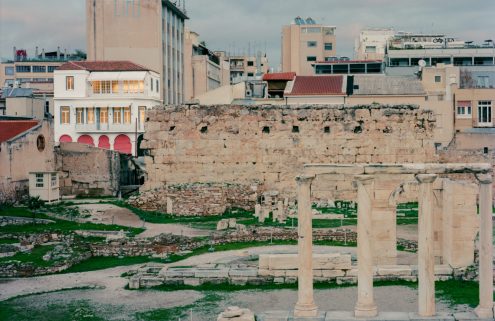
Take, for example, the Roman Baths — over 2,000 years old, once a place of cleansing, ritual and renewal. I feel that, in many ways, we too are in need of a kind of cleansing, to heal, forgive and move forward. These ancient stones remind us just how old we are as a people and how fleeting our time here is — that wars and hatred do us no good when we are but a speck in the sweep of history.
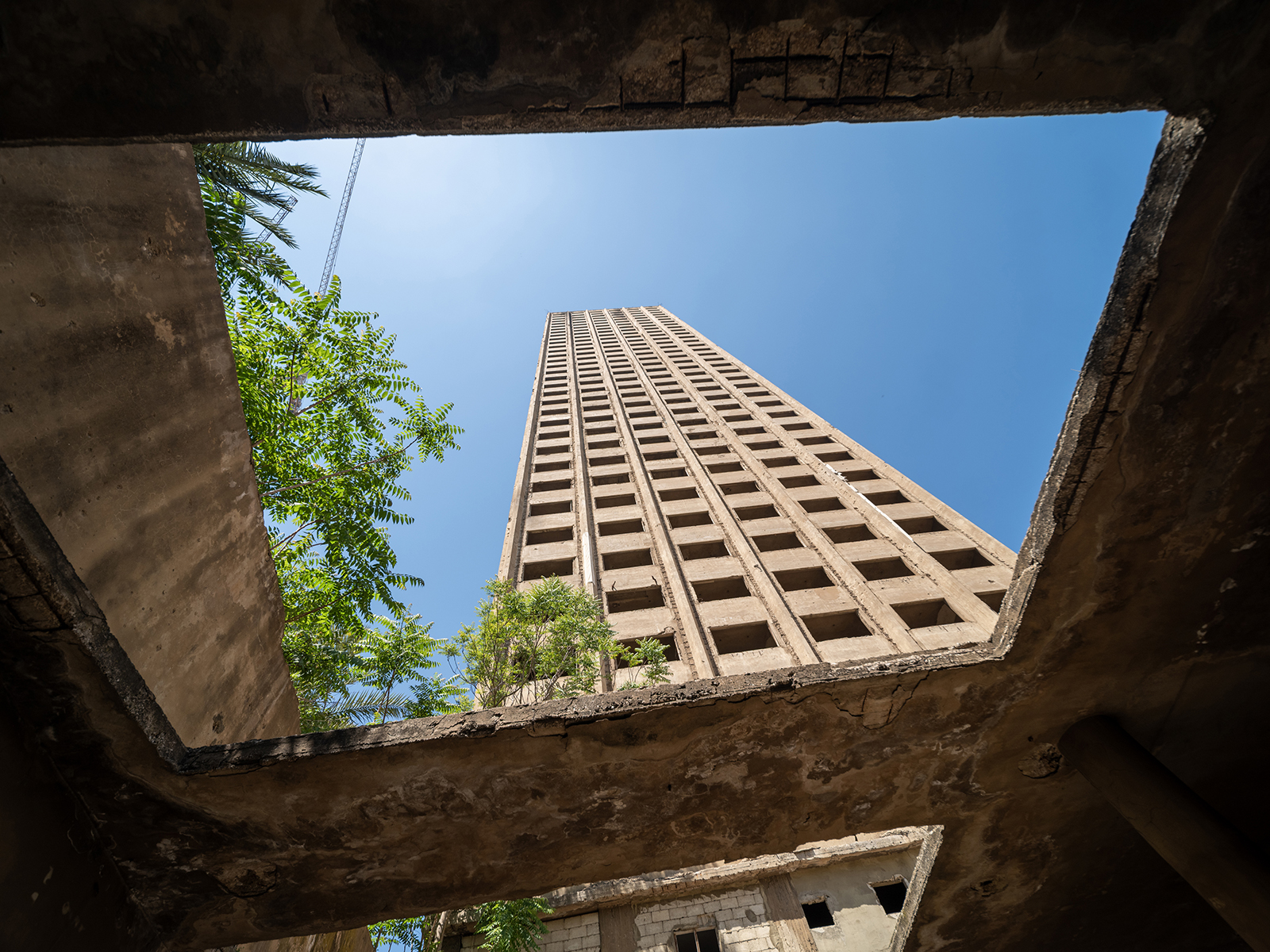
RD: One event, the Design in Conflict student exhibition, takes place inside Burj El Murr, a Civil War military site. Given the current situation in the region, how can WDB connect with these circumstances? What is the role of design in today’s climate?
MW: Design has never existed in a vacuum. It reflects the world around us. Holding an exhibition inside Burj El Murr, a building that symbolises both conflict and paralysis, forces us to confront questions about memory, power and the possibility of transformation. In today’s climate, with so much instability in the region, design becomes a way of resisting despair. It offers new narratives, proposes solutions, creates dialogue. In conflict, design is not about decoration — it’s about survival, healing and imagining futures that politics often fails to provide.
RD: WDB provides a platform for students and emerging talents to showcase their work. What role do you believe they play in shaping Lebanon’s cultural and artistic landscape?
MW: If I’m going to dream about what the future of this country can be, it’s only possible through our youth. Empowering them, giving them a space to create alongside us, isn’t just important, it’s our responsibility. They carry the ideas, courage and imagination that will shape what’s next for Lebanon.
RD: Lastly, how does this edition of WDB differ from the previous one?
MW: The first edition was a leap of faith, a way to show that Beirut could hold space for something like this. This time it’s different. It feels bigger, but also more rooted. The city is our stage, and with every space we activate, you feel both the chaos and the magic of Beirut. You’ll see history and modernity colliding, you’ll see students and masters side by side. It’s less about proving ourselves and more about letting Beirut’s energy take over — unpredictable, messy, but always inspiring.