There is a sense of creative urgency throughout Beirut. You can feel something simmering, ready to erupt as the city claims its place on the global art stage. Galleries, cafes, restaurants and showrooms are springing up everywhere, breathing fresh life into the city and many who once left are now returning, eager to be part of this creative renaissance that embraces its past in building its future.
The second edition of We Design Beirut, over a week in late October, reflected this momentum as designers, architects and artists gathered to celebrate. Founders Mariana Wehbe and partner Samer Alameen opened some historic sites previously closed to the public, and filled them with art as a way to connect the local community to their cultural heritage.
The Abroyan Factory
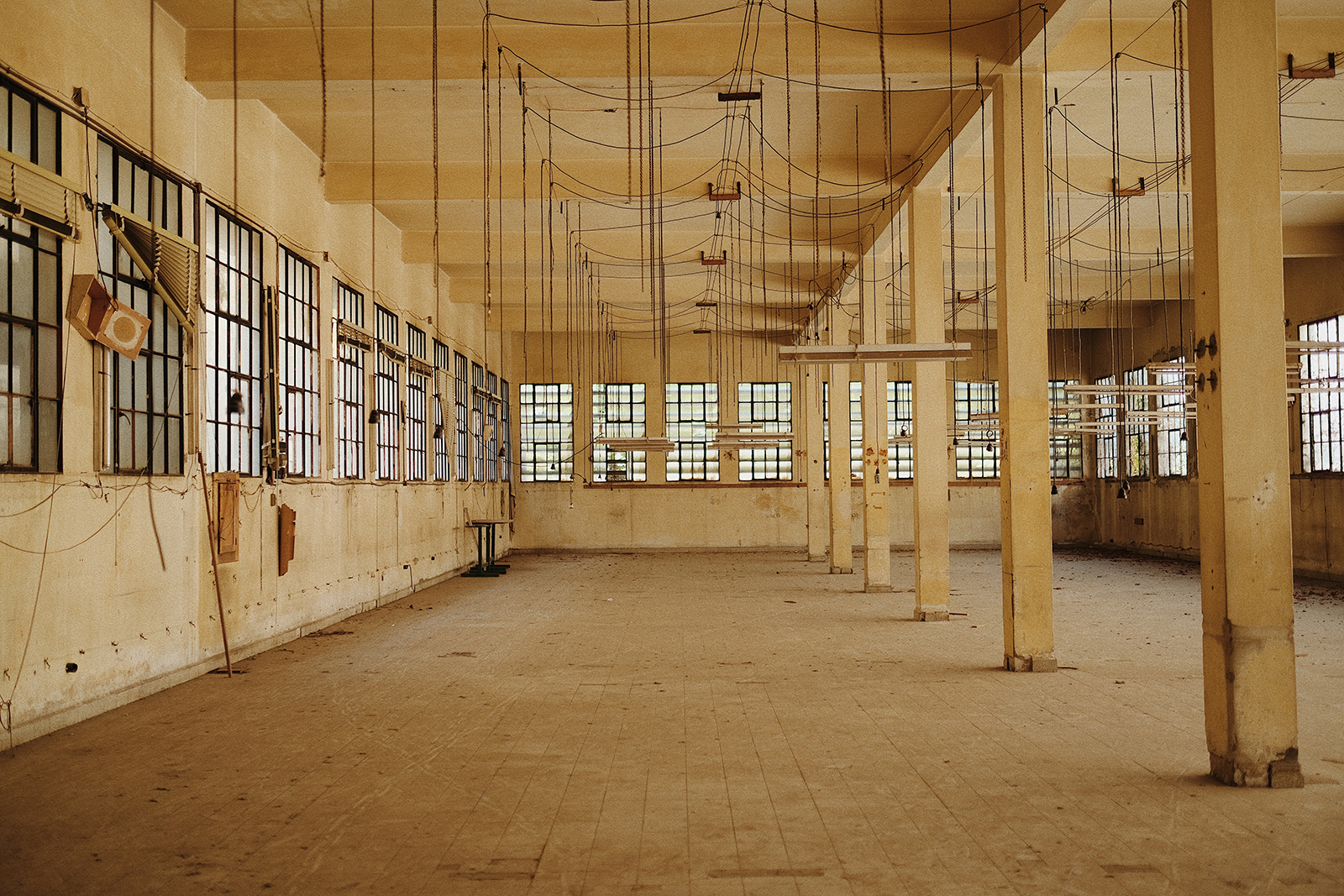
This sprawling textile plant from the mid-20th century, now shrouded in greenery and sunlight, became the stage for three collective exhibitions honouring Lebanon’s craft heritage – Métiers d’art, Threads of Life and Skin of A City. The installations worked toward reshaping and preserving Lebanon’s artisanship with photography, textiles and the human form.
Ahmed Amer, Texured Love
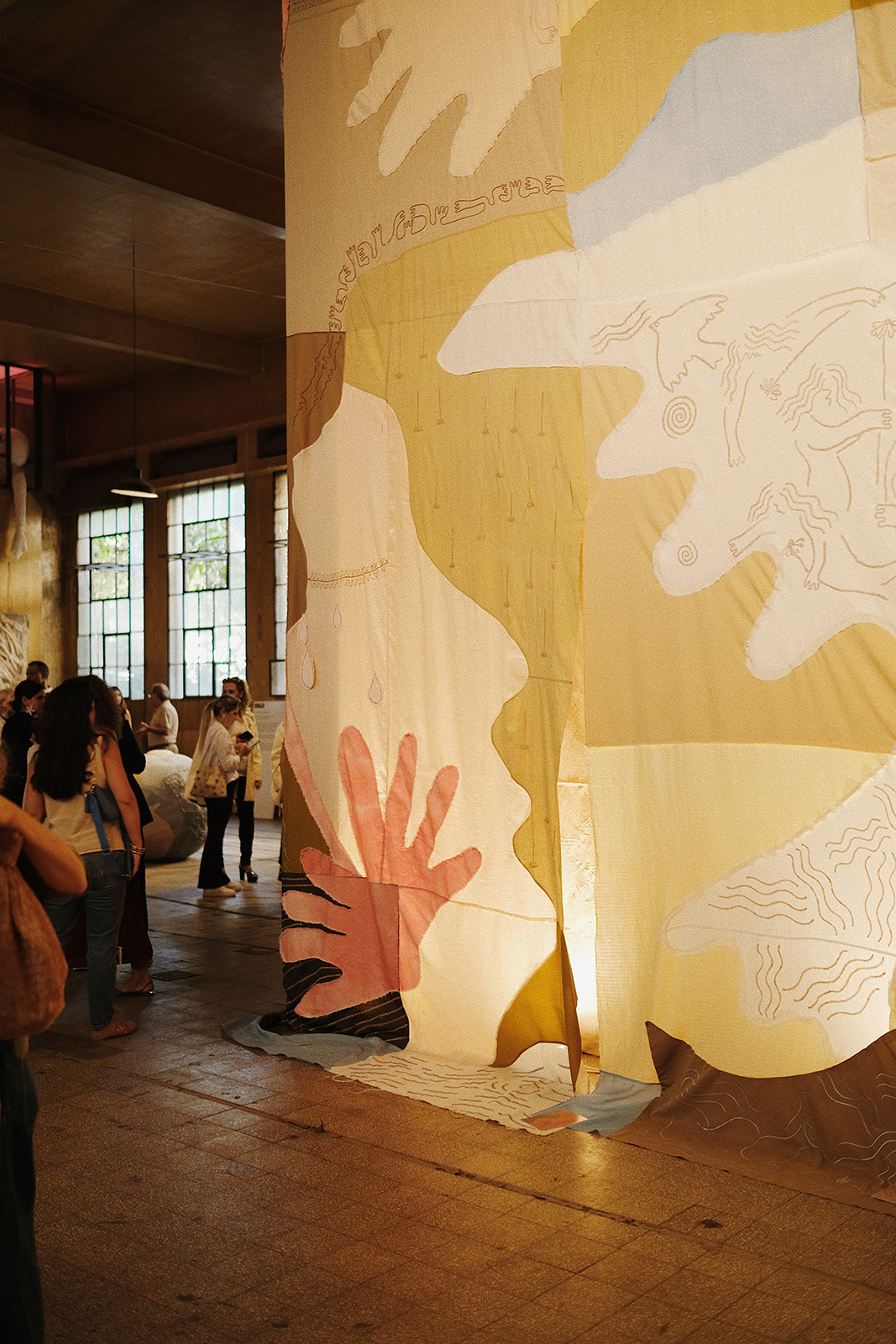
A monumental cloth mural by Ahmed Amer, Textured Love rose from layers of dead-stock fabric, embodying resilience, memory, transformation, belonging and hope.
Salim Azzam, An Embroidered Dream
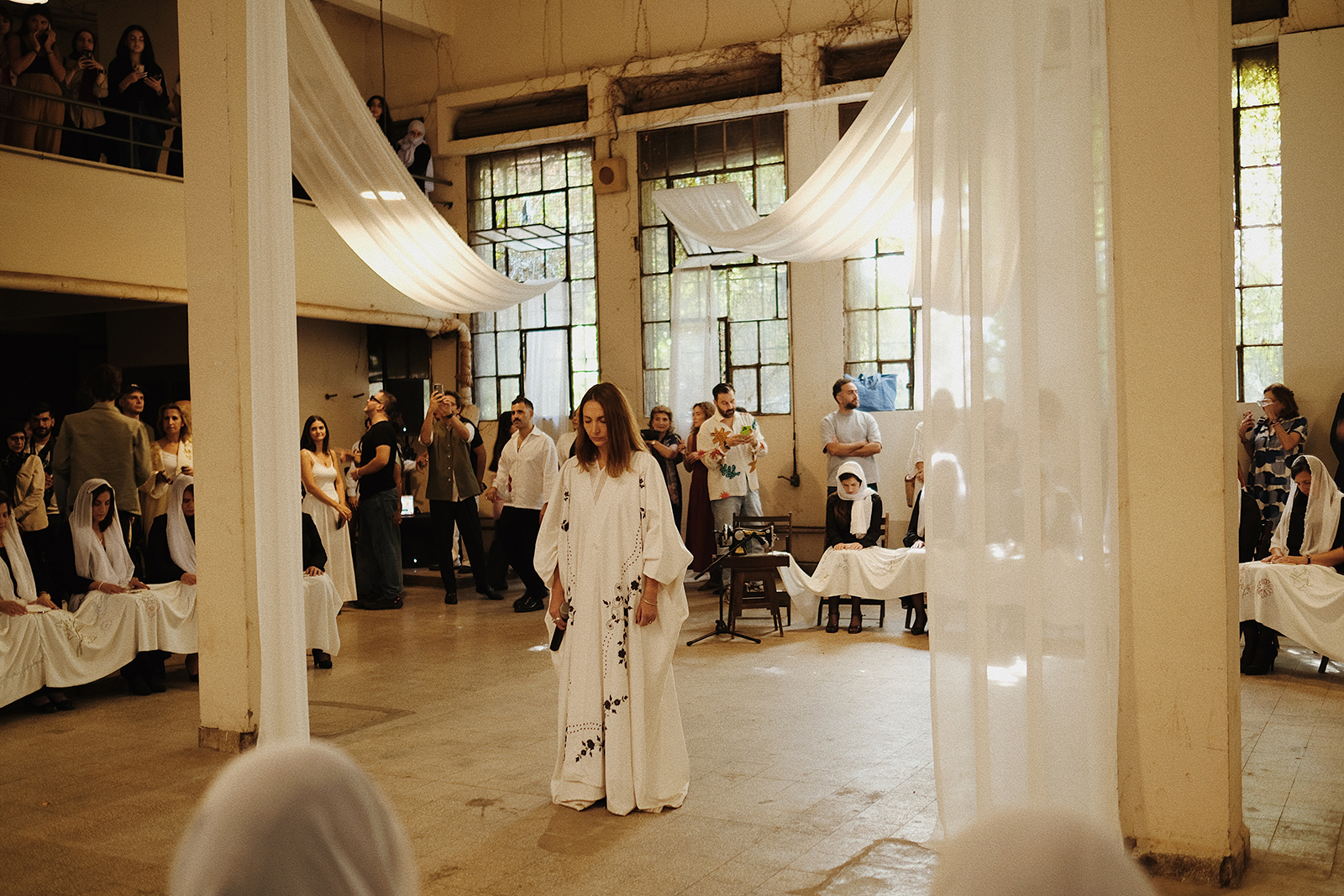
Fashion designer Salim Azzam‘s moving performance An Embroidered Dream was a tribute to the needlework traditions of Mount Lebanon. Throughout the installation, female artisans joined singer Lynn Adib in chanting a dreamlike lullaby composed by Wassim Bou Malham. The factory’s industrial walls were softened by draped silk to absorb the music.
Roman Baths
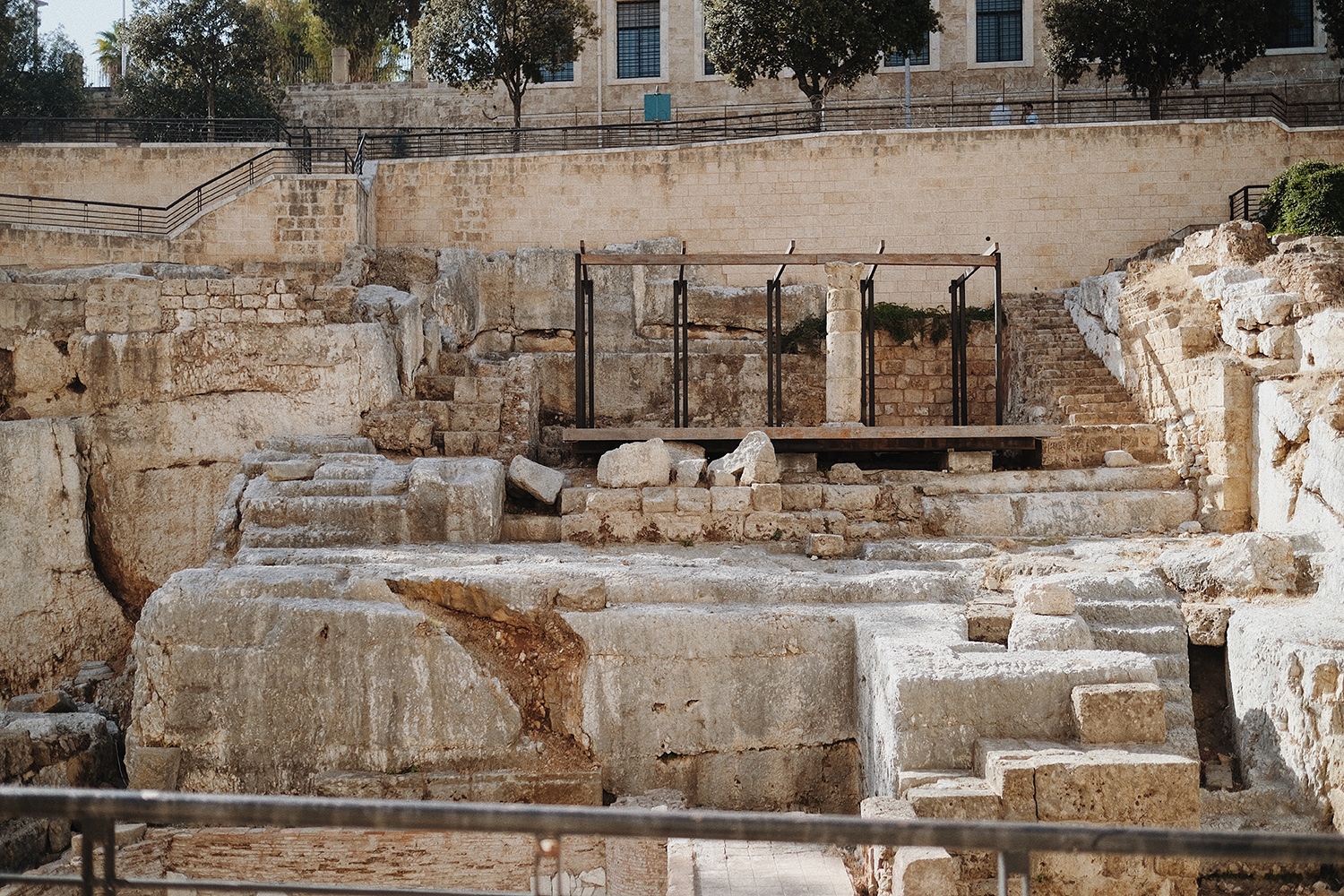
At the Roman Baths, a symbol of Beirut’s rich history in the heart of downtown, Nour Osseiran curated Of Water and Stone – a show sponsored and produced by Stones by Rania Malli – orchestrating a scenic display in which marble and water glistened in the sun. It brought a deeply historic site into the present moment.
Omar Chakil, Memory Upcycle
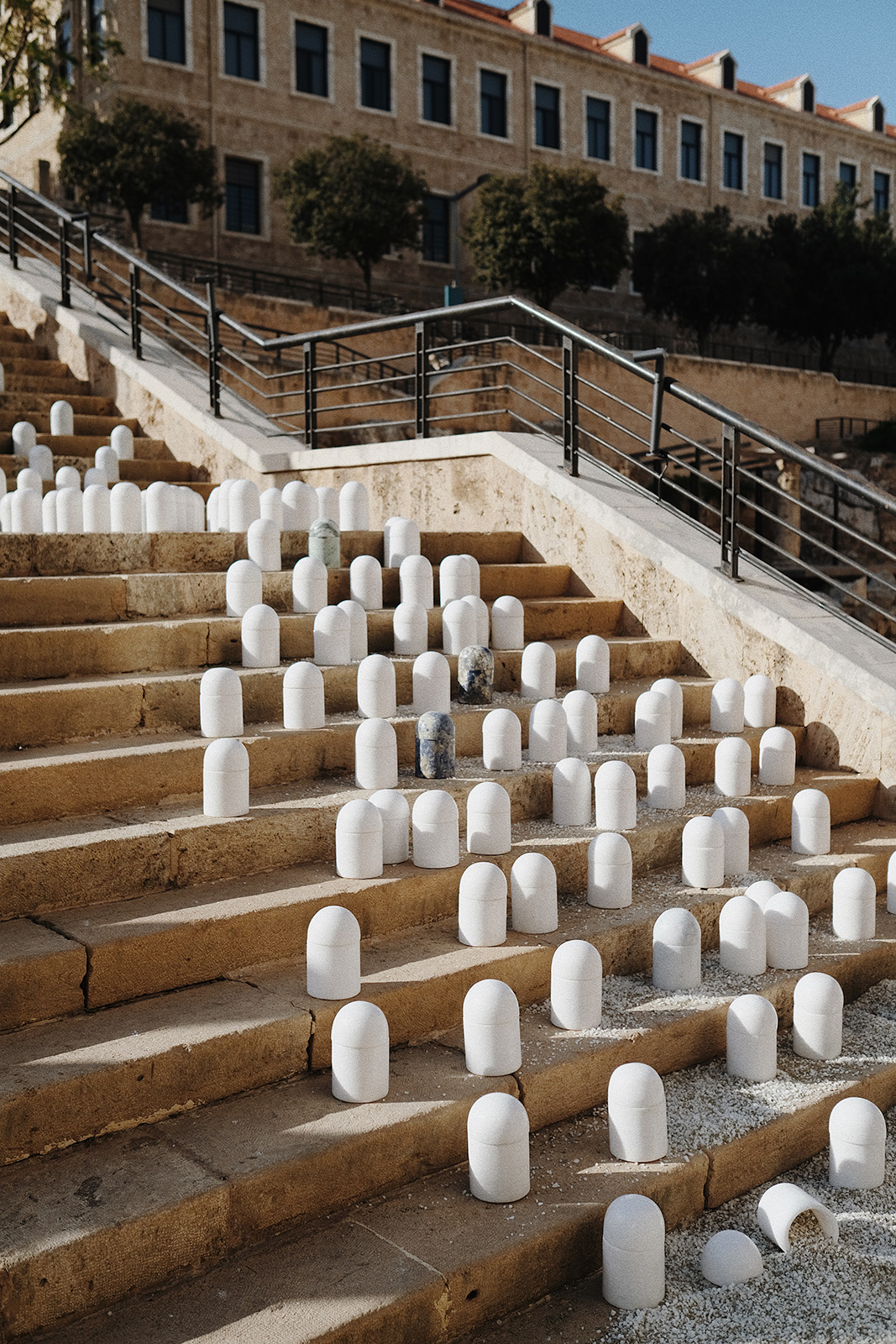
Artist and designer Omar Chakil’s Memory Upcycle featured 700 stone boxes filled with salt and thyme. They appeared to tumble down the staircase of the Roman Baths like water flowing during one of the region’s ancient bathing rituals.
Éditions Levantine, Daughters of Berytus
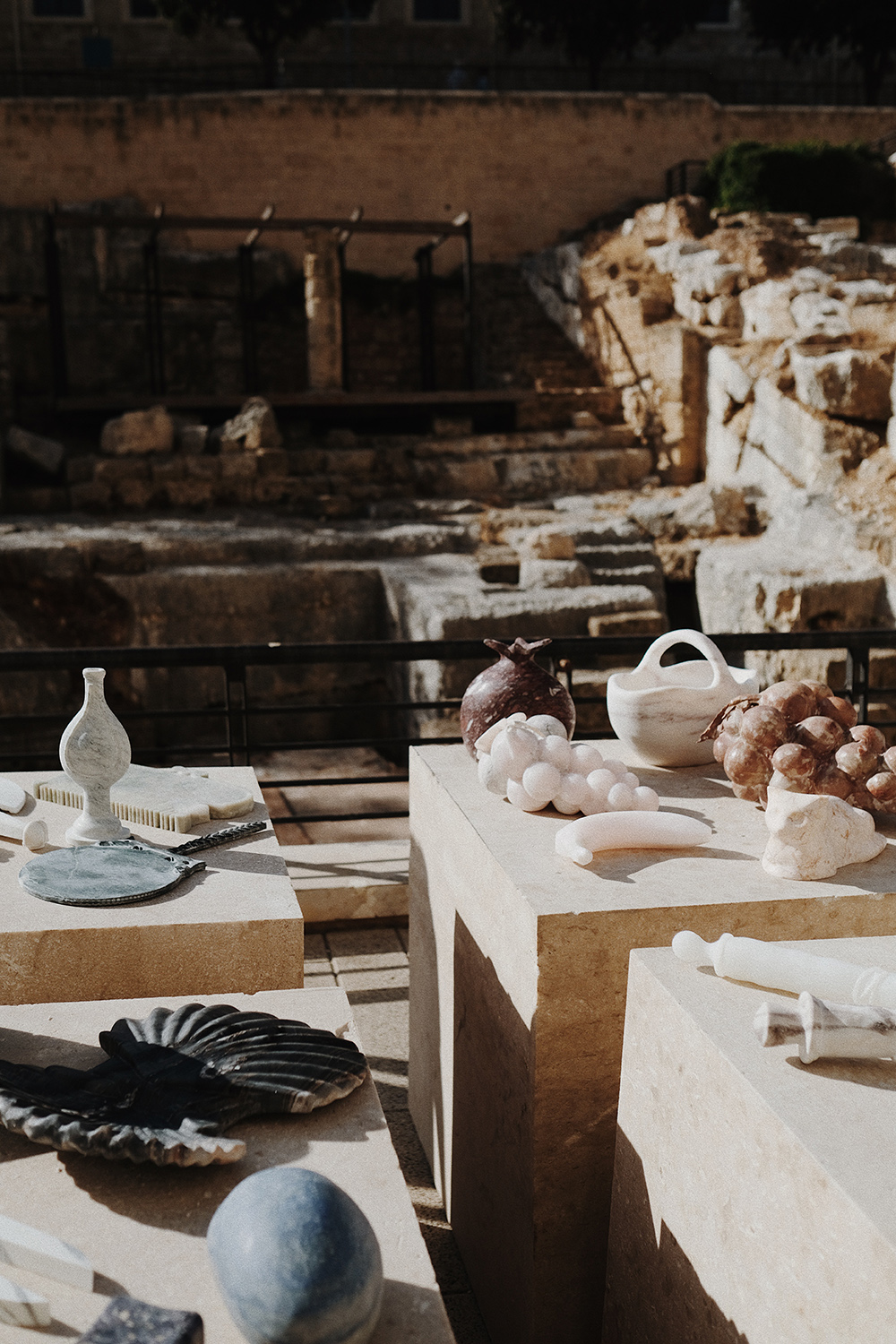
This celebration of Levantine women introduced four marble objects that represent four timeless archetypes: Barbara the Healer, Mariam the Bride, Theodora the Poetess and Martha the Mother. The stories of these women unfolded through a tablet, mirror, bowl and zither — objects they once handled, made from stone they walked during Roman times.
Jeffrey Meawad, Stillae
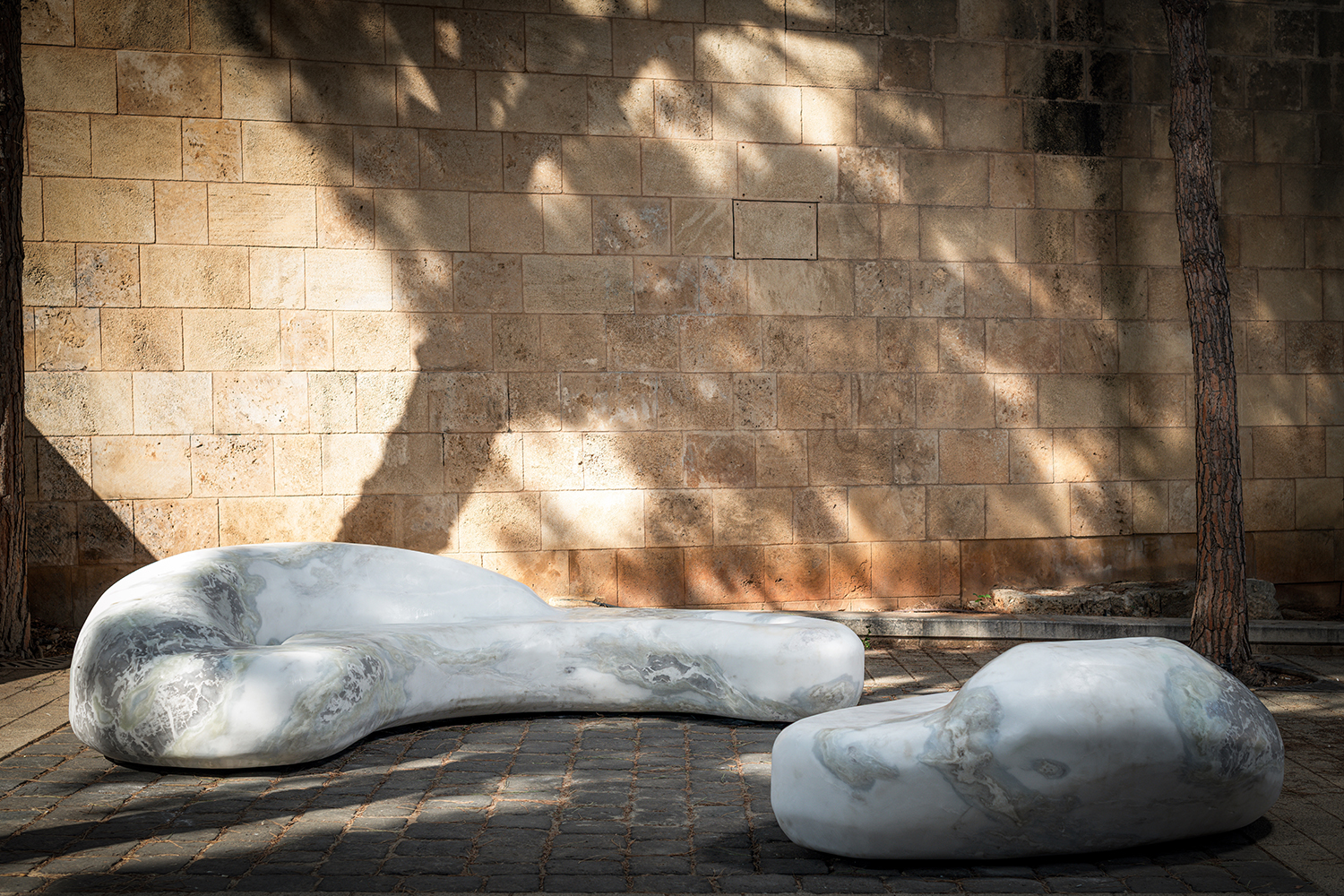
Jeffrey Meawad’s Stillae, named after the Latin word for water droplets, channels the spirit of Roman Baths as lively gathering places, designed to spark conversation and foster community. Sculpted in a fluid marble shape, it evokes how water slowly shapes stone.
Design in Conflict, Burj El Murr
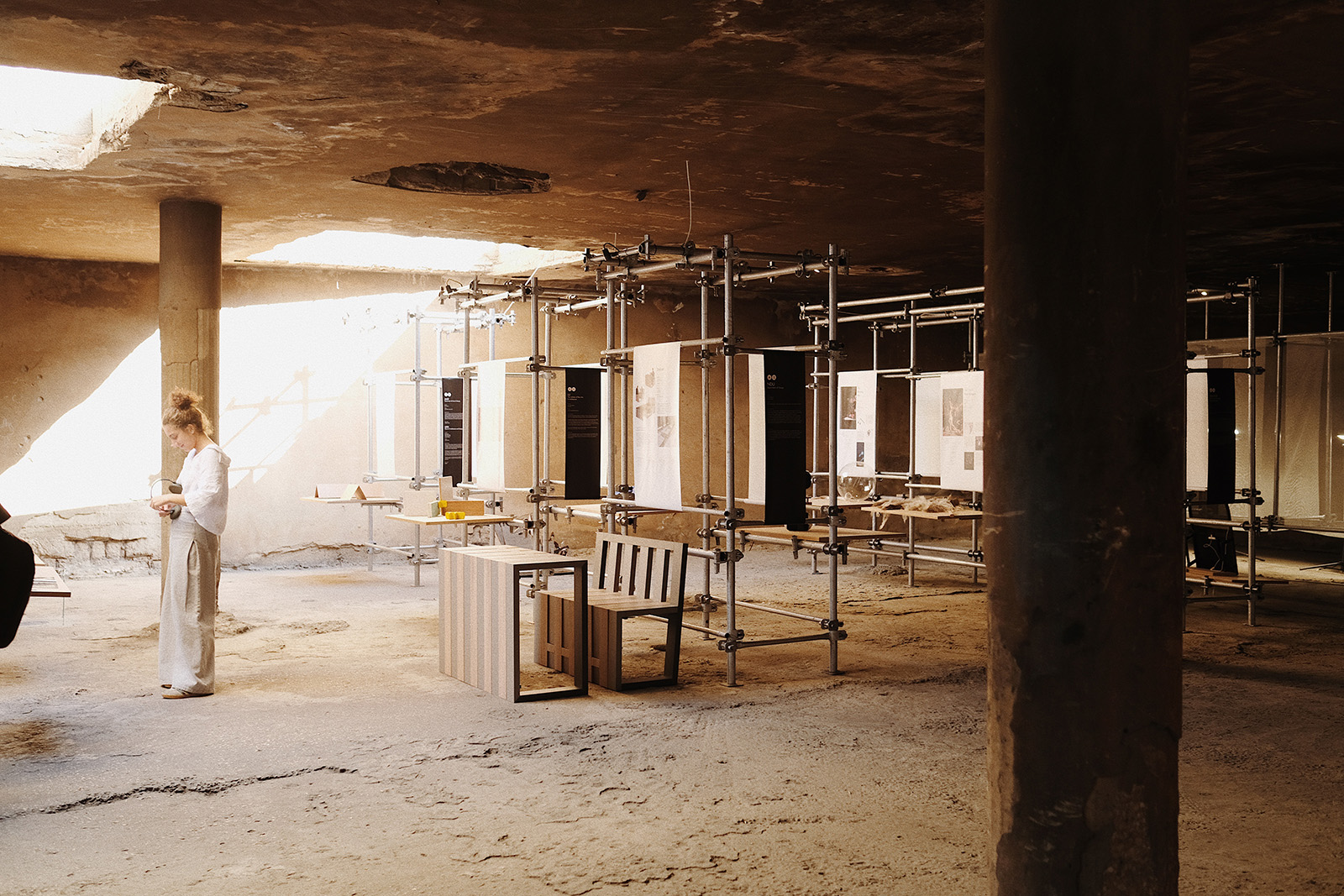
In Achrafieh, the student exhibition “Design in Conflict” showcases how students from nine Lebanese universities grapple with conflict, breathing new life into the concrete backbone of Burj El Murr, which was once a military outpost and is now a symbol of creative renewal.
A project by Phoenicia University students Mira Khalifeh and Diana Shougri reimagined the historic Christian Quarter in the city of Tyre, highlighting the empty voids left behind by war and transforming loss into a living experience.
The scars of Tyre became ‘opportunities for renewal’ for Zainab Armouch of Lebanese American University, who incorporated ruins into flexible structures and reversible additions that preserve recent history.
‘I think architects and designers are the first responders to a conflict,’ said Teymour Khoury, co-curator of the show alongside Yasmina Mahmoud, Tarek Mahmoud, and Youssef Bassil. ‘So of course it is a set of factors and parameters that we, as architects and designers, have to deal with, and that are very much embedded in the urban fabric.’
Union: A Journey of Light, Immeuble de L’Union
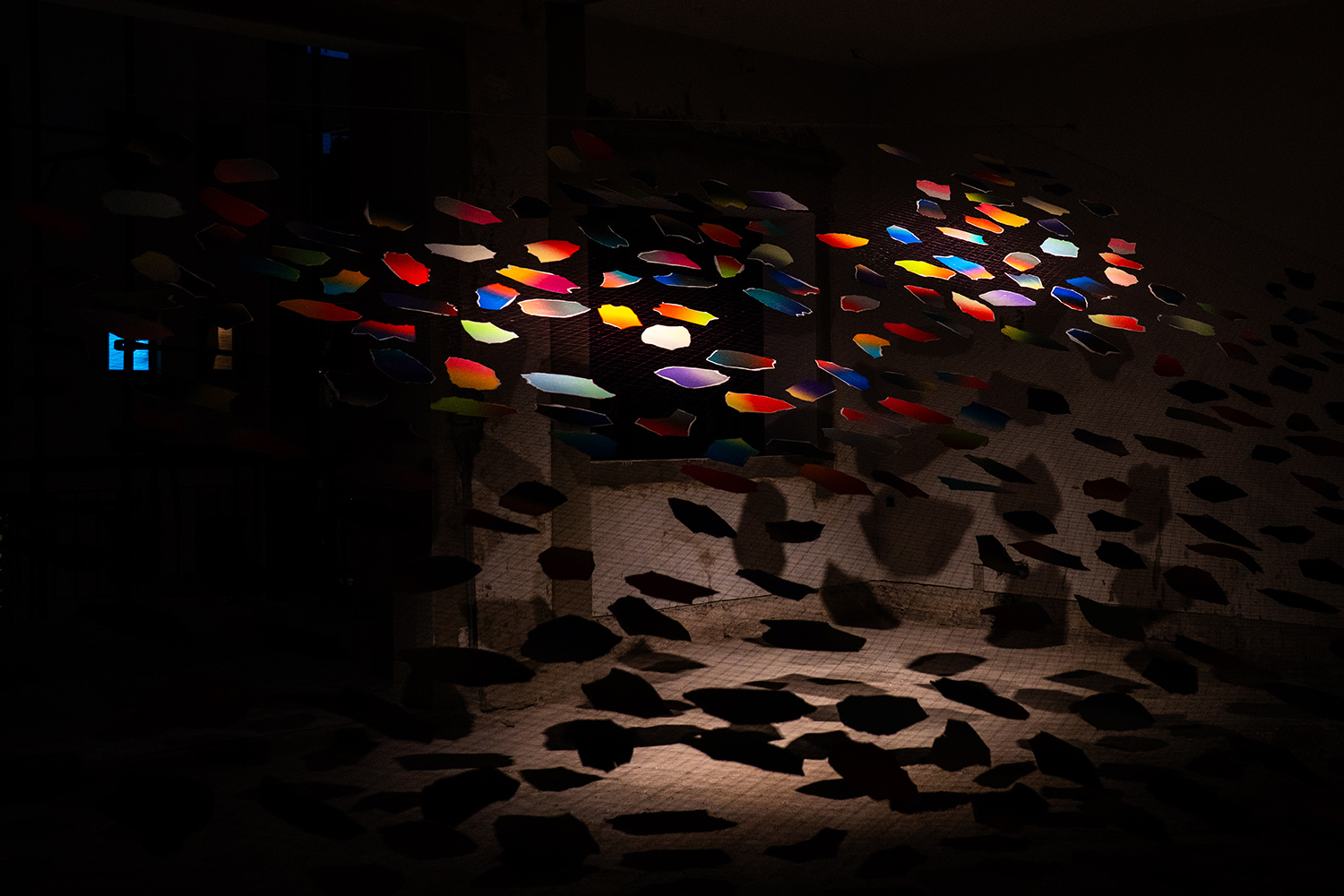
In Sanayeh, the restored modernist landmark Immeuble de L’Union provided a living canvas for Union: A Journey of Light, curated by Karim Nader Studio & Atelier33. The exhibition charted Beirut’s urban evolution with installations that energised the building’s raw spaces.
From Alfred Tarazi’s City of Musk, a sculpture of aluminium jars sparkling in the basement, to the delicate gradient of Much Peace, Love and Joy by Japanese studio SPREAD, the atmosphere gets lighter with each floor, rising toward the rooftop as a sign of hope.
Totems of the Present & the Absent, Villa Audi
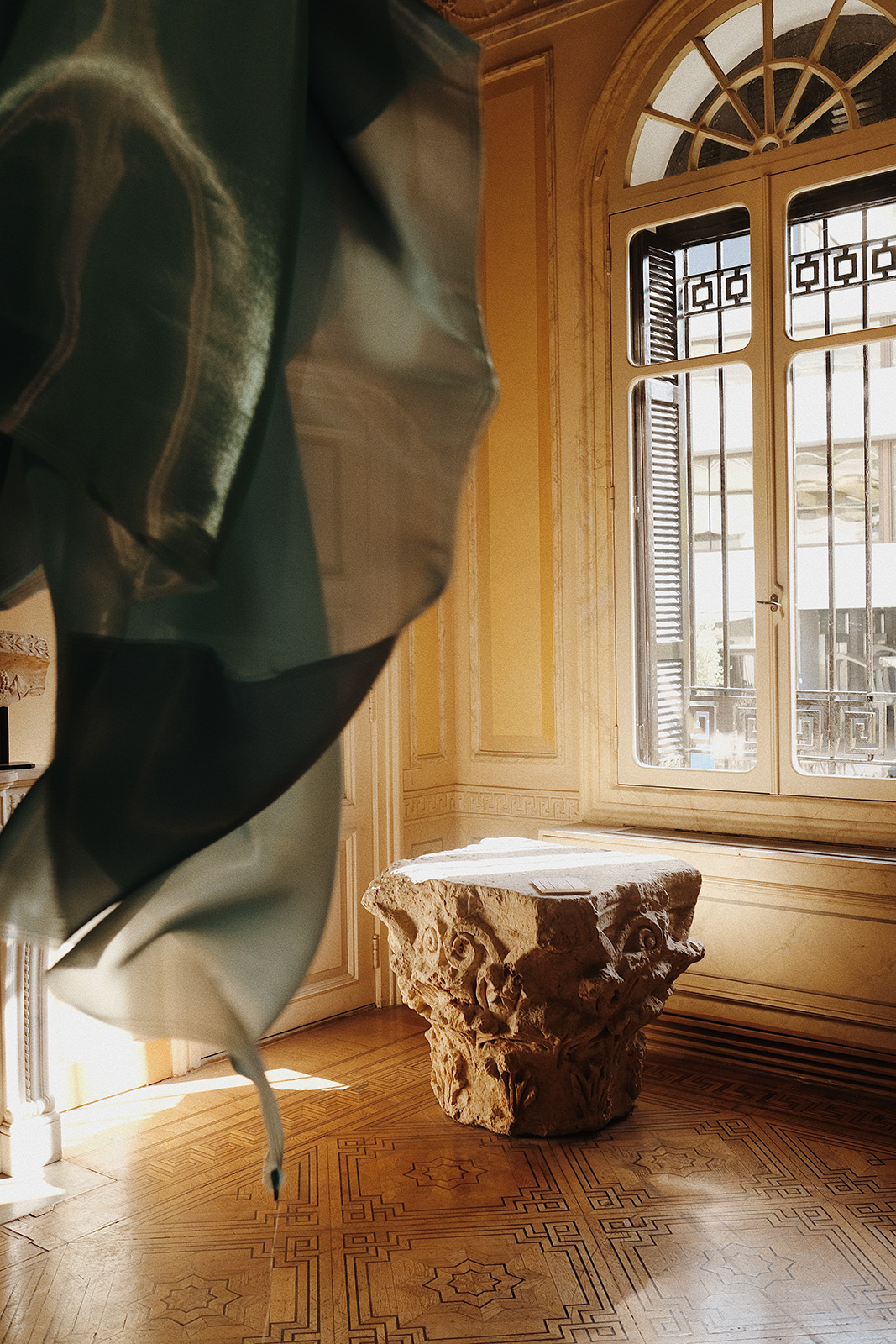
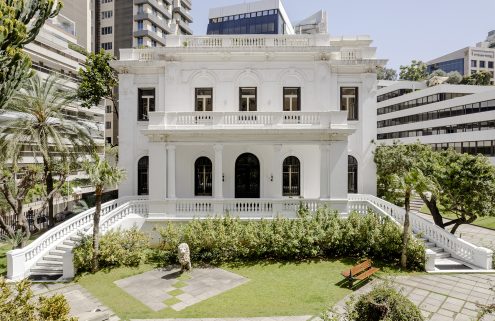
In the neoclassical Villa Audi, artists confronted the trauma of loss and journey of rebuilding after the 2020 port explosion in Totems of the Present & the Absent curated by Gregory Gatserelia.
Fashion designer Lara Khoury’s Bound to be Free organza totem flowed across a sun-drenched room. ‘When the explosion happened, I didn’t want to stay in Lebanon anymore, and I decided to take a sabbatical to look for a new home,’ she says. ‘The first destination was Egypt, which turned out to be a beautiful journey for me because I met my husband.’ Her piece is a response to a memory — ‘this moment when I was on the boat with the blue waves and the wind on my face. I was so afraid of what was going to come next. However, it also came with a lot of freedom, as I knew it would be a new beginning.’
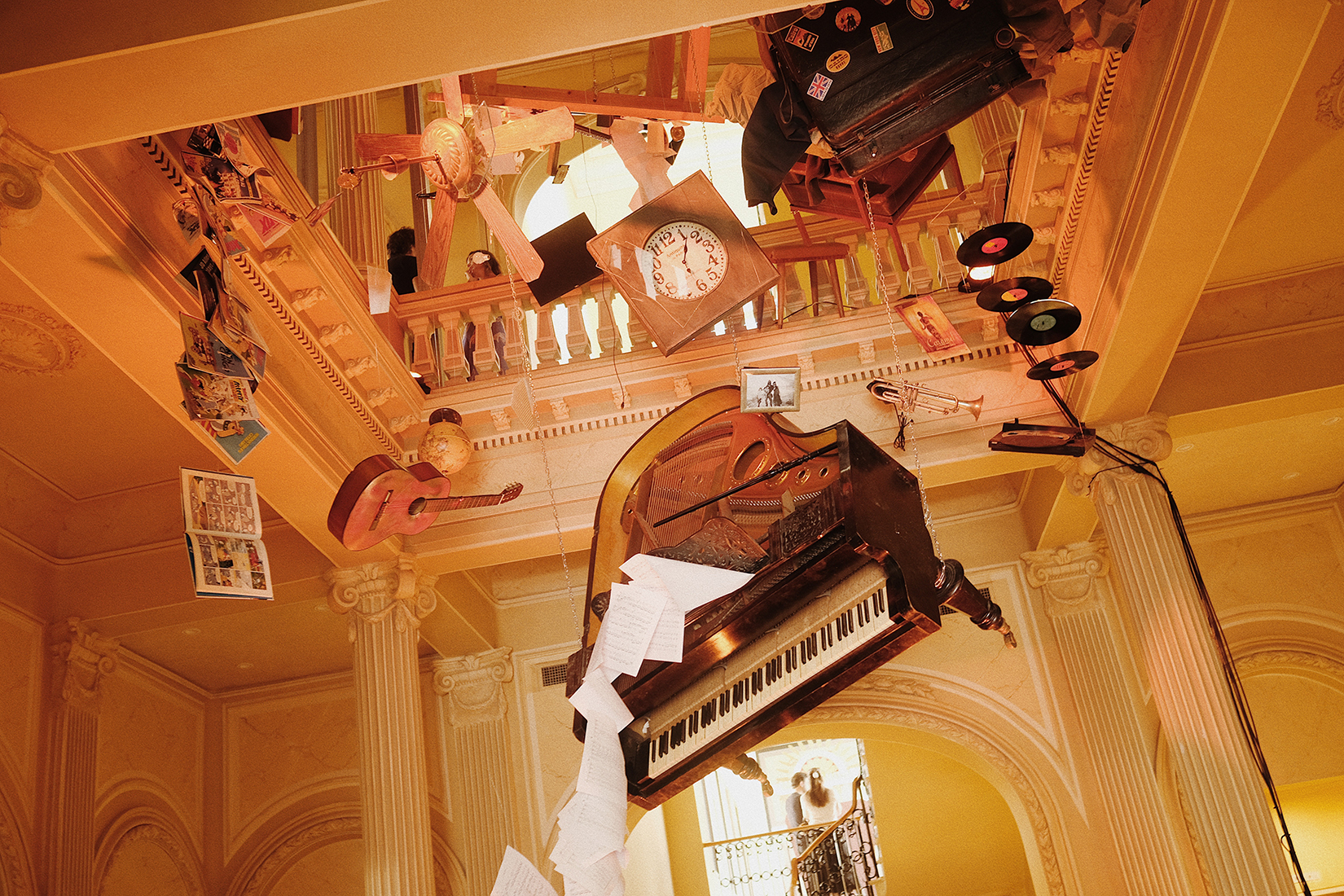
Khaled Mouzanar, 18:07 — When Gravity Was No More
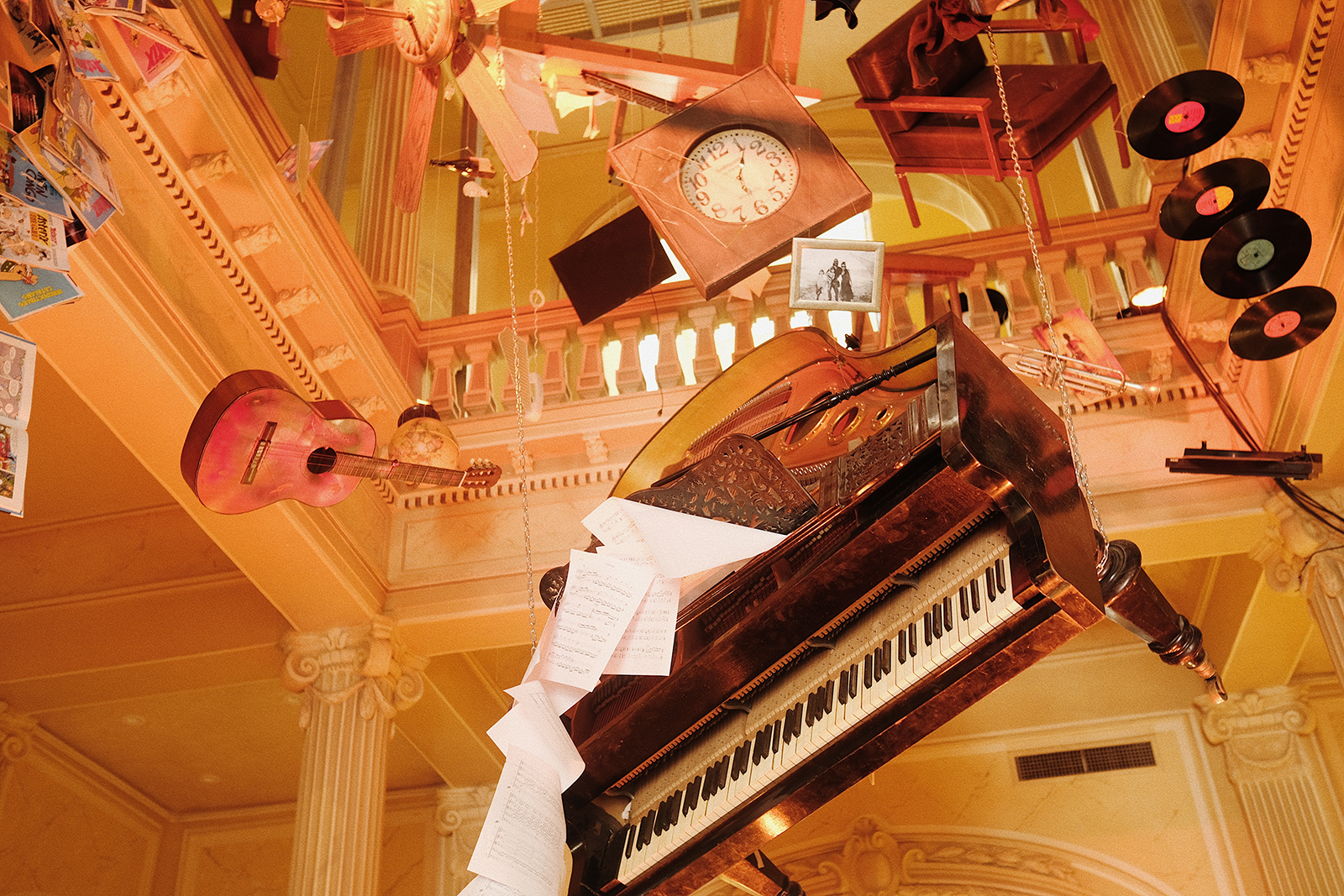
Design as healing force was a main theme of artist Khaled Mouzanar’s striking installation at the villa’s entrance. Mouzanar depicted his office space as it was blown apart in the port explosion. ‘It was a big, traumatic event in our lives. I wanted to reconcile with it, to freeze [my personal objects] in a moment before they were destroyed, before they hit the walls, before they were torn apart. I didn’t want them to be something dark, but positive instead.’