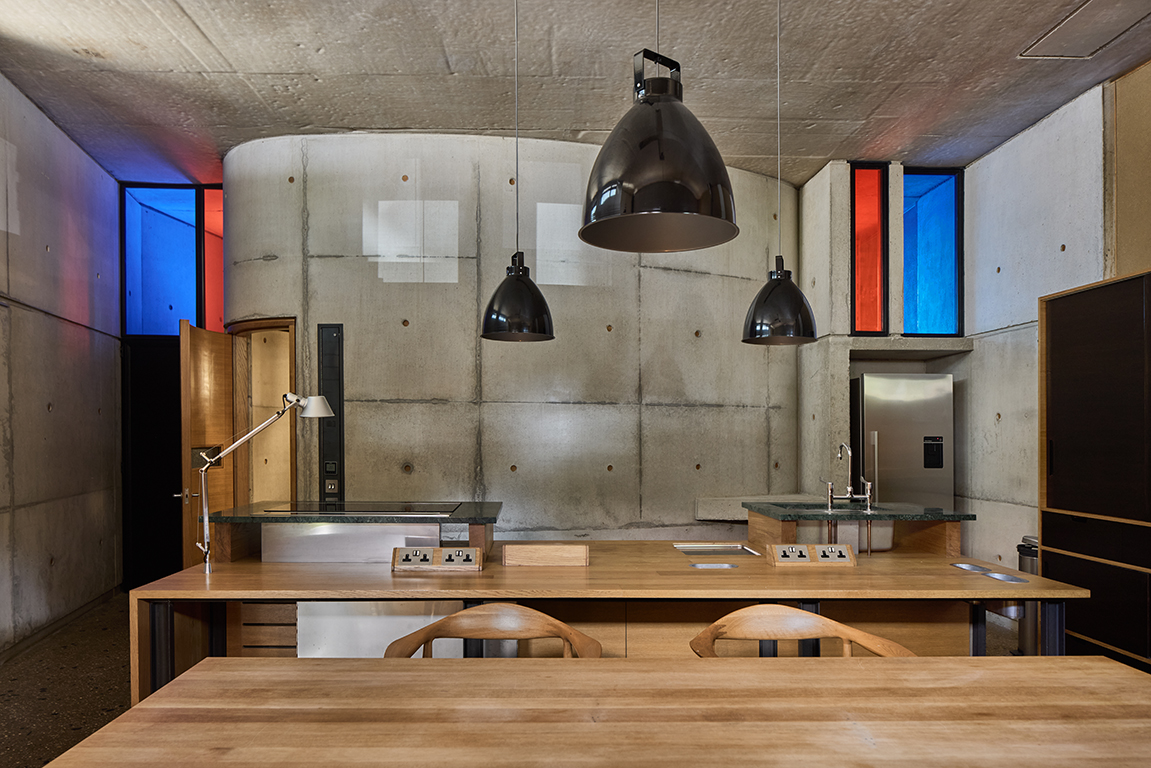
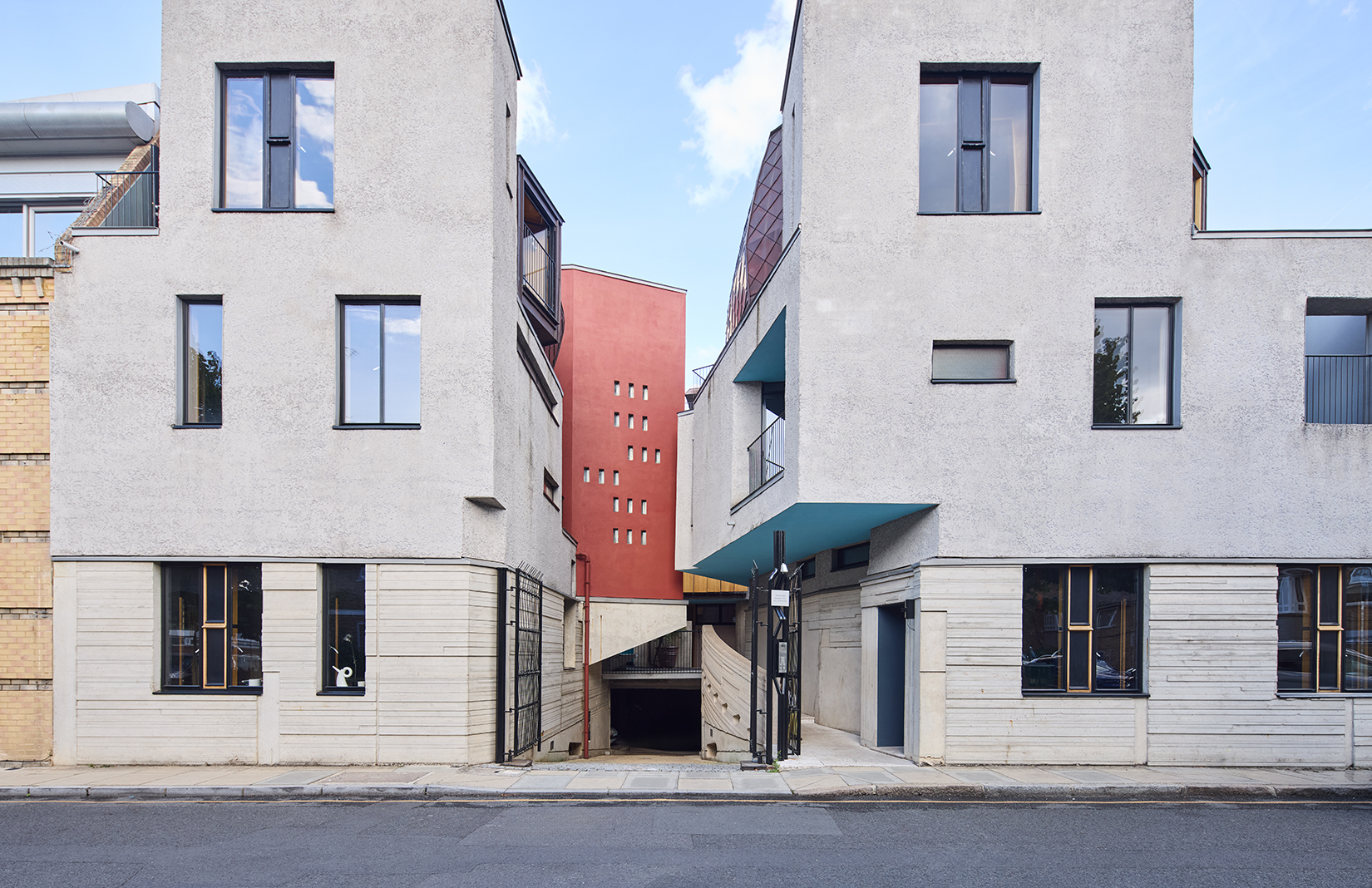
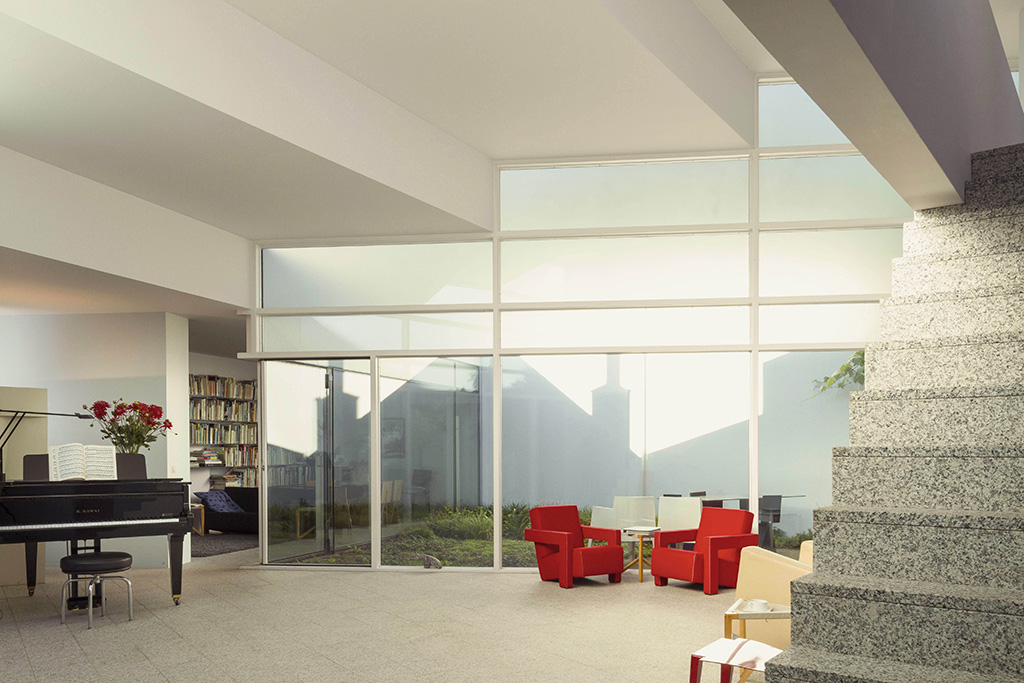
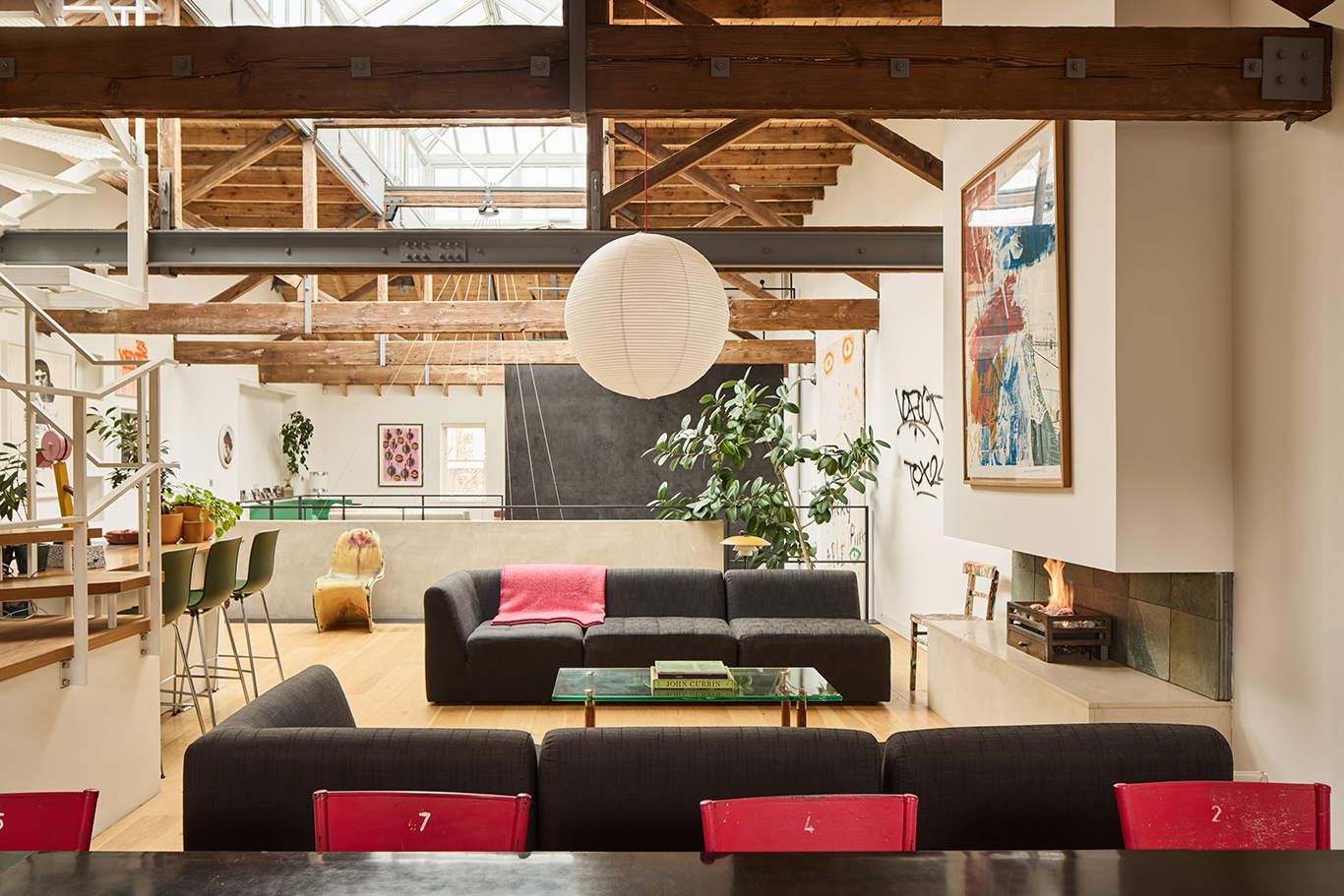
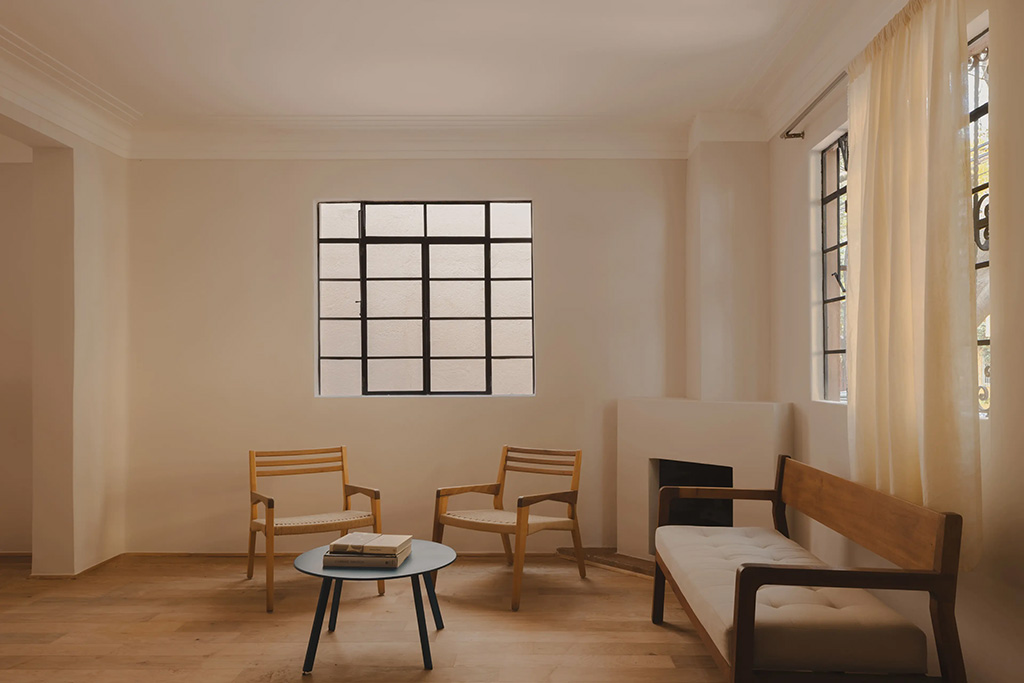
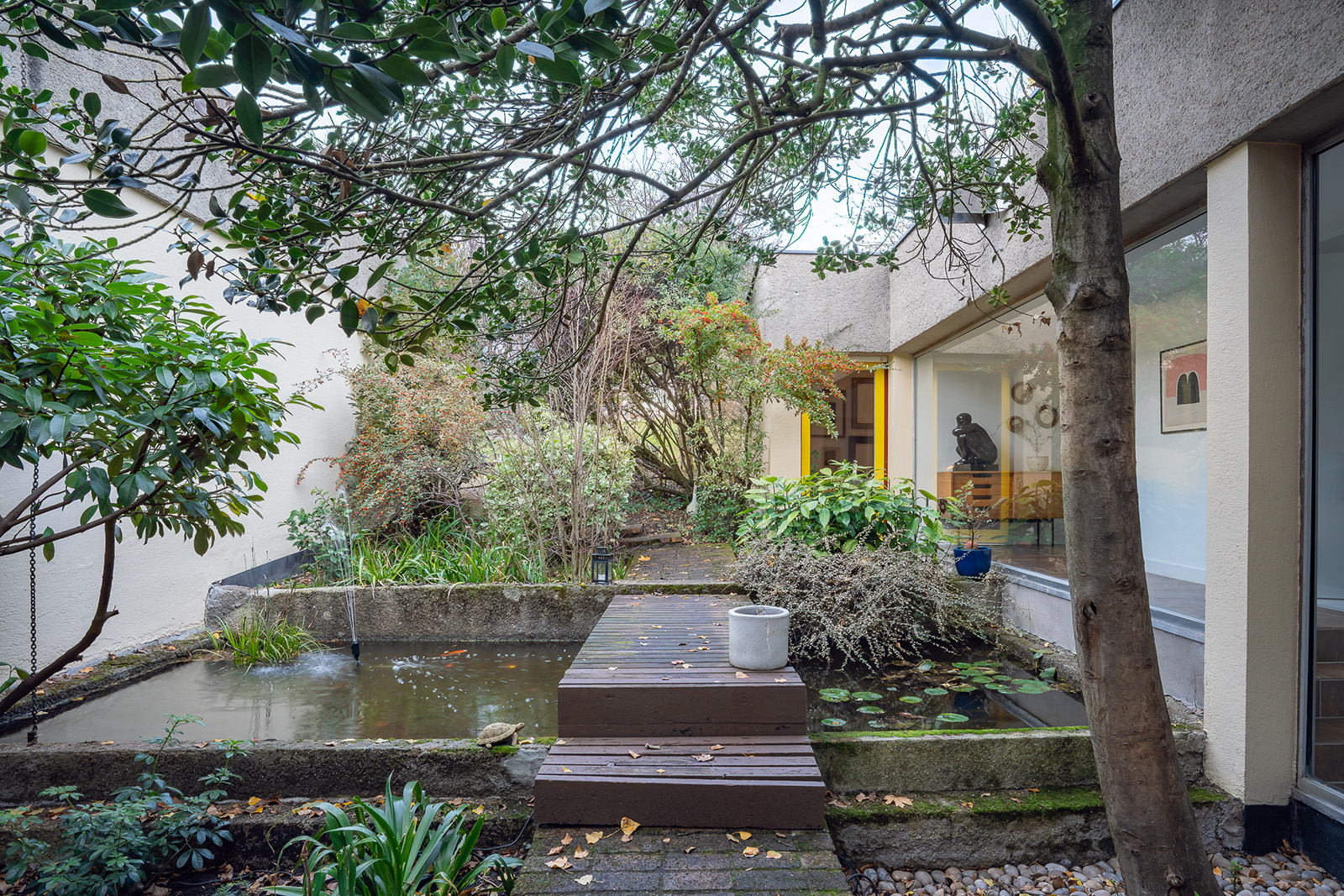
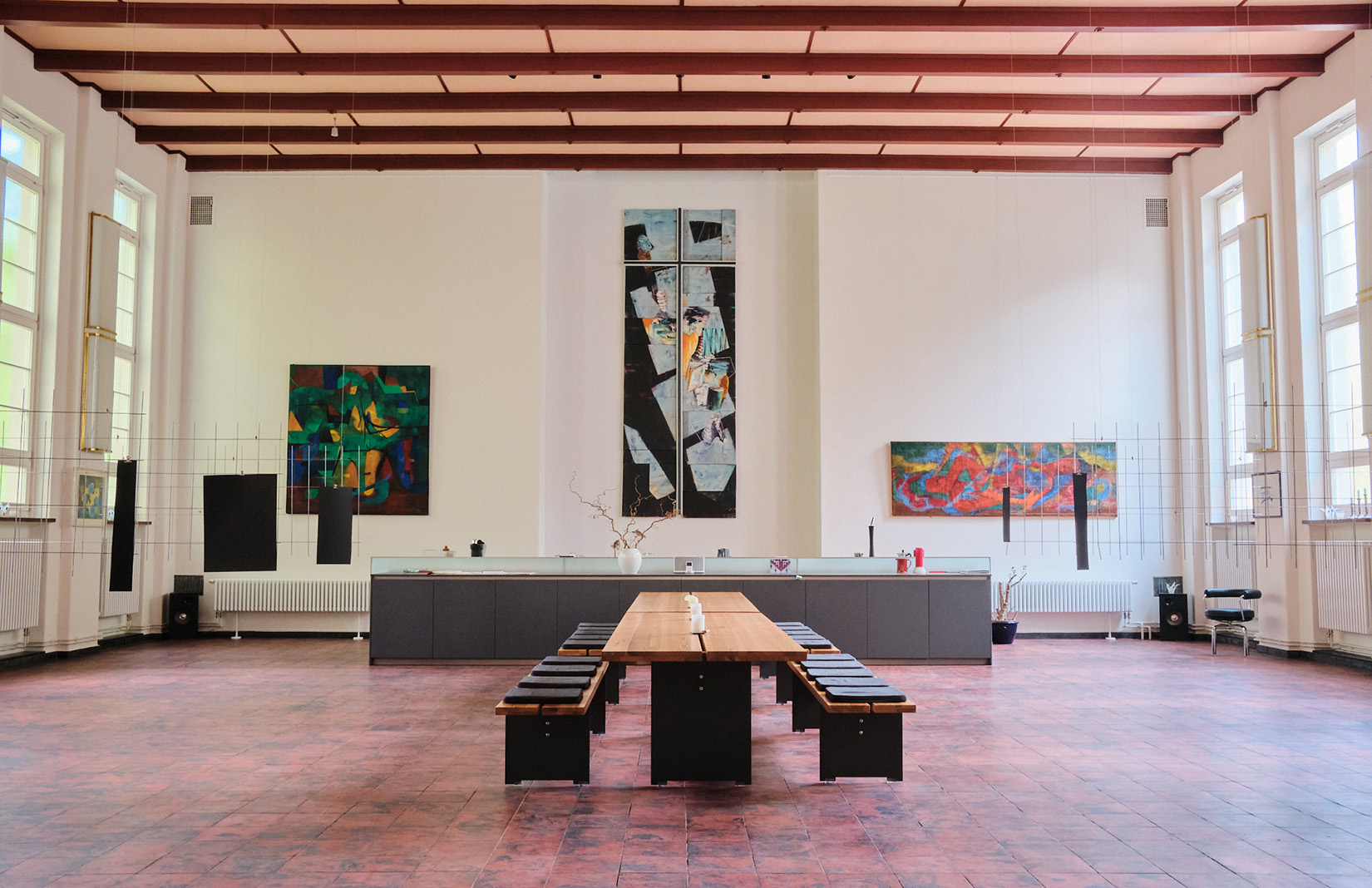
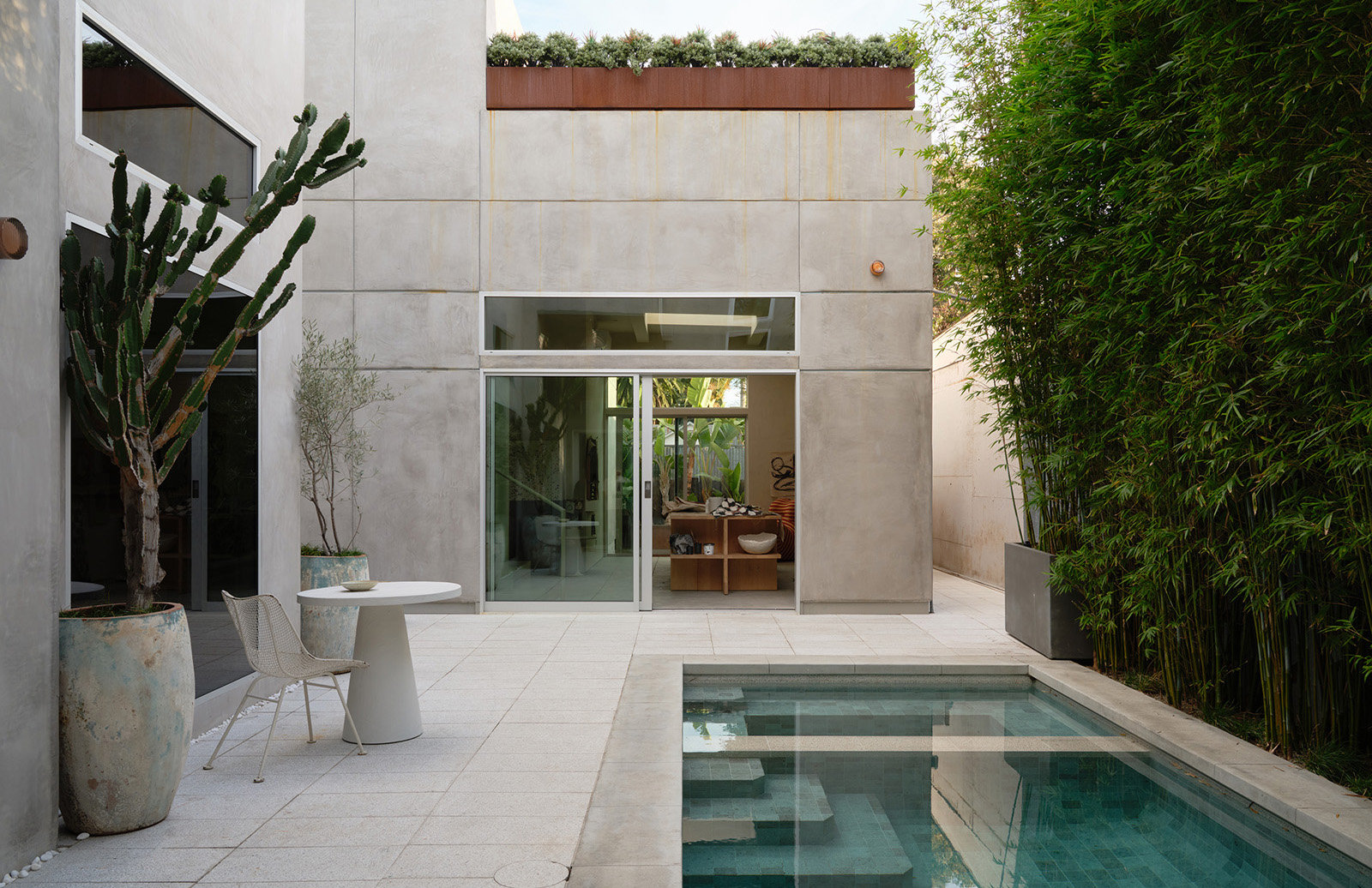
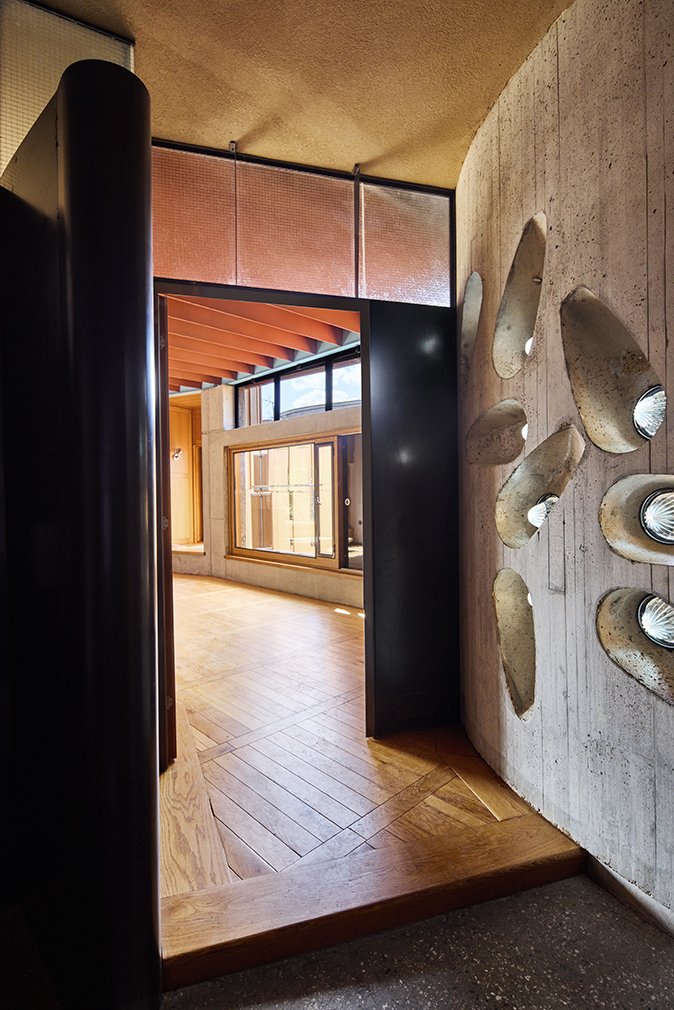
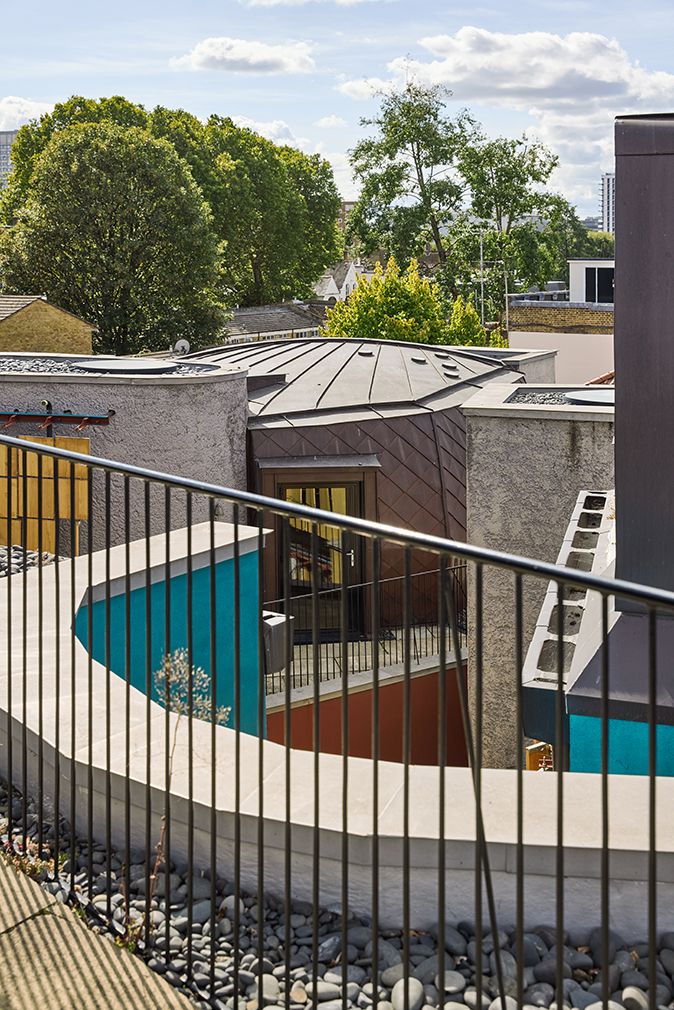
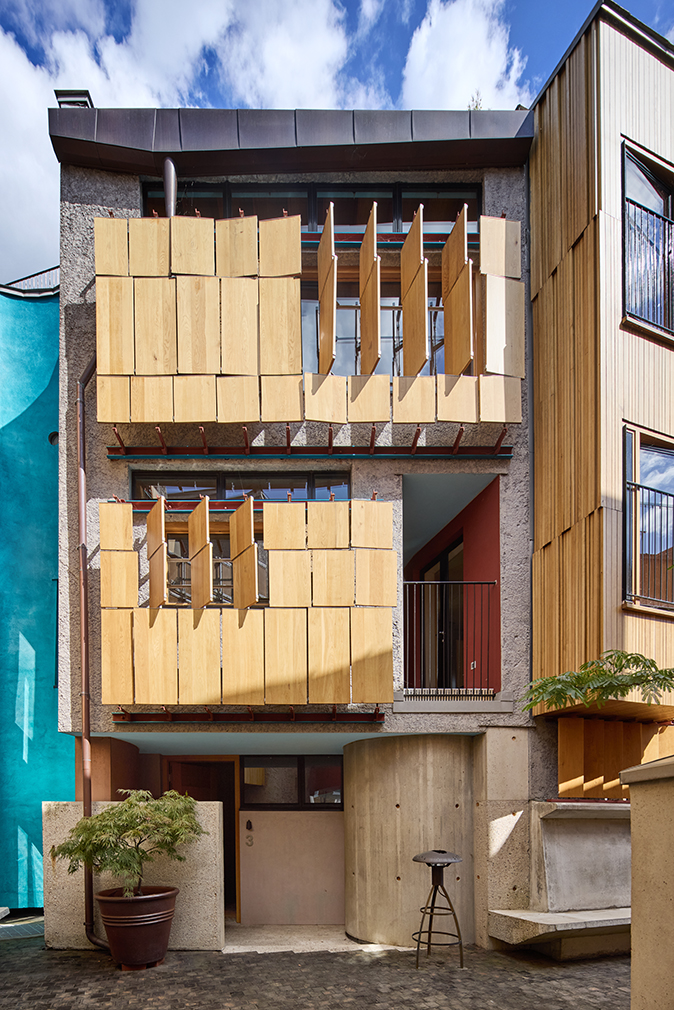
Walmer Yard is less a development than a piece of urban choreography. Conceived by architect Peter Salter in Notting Hill, London, the four-house ensemble is arranged around a wood-block courtyard inspired by Venetian precedents, where concrete, timber and coloured glass establish a carefully modulated sequence of light and movement. It was built a decade ago on the site of a former Victorian warehouse, and has become a touchstone for contemporary British architecture, recognised with a RIBA London Award in 2017.
Photography: courtesy of Hemingway + K.
Photography: courtesy of Hemingway + K.
Photography: courtesy of Hemingway + K.
Photography: courtesy of Hemingway + K.
Photography: courtesy of Hemingway + K.
Photography: courtesy of Hemingway + K.
Photography: courtesy of Hemingway + K.
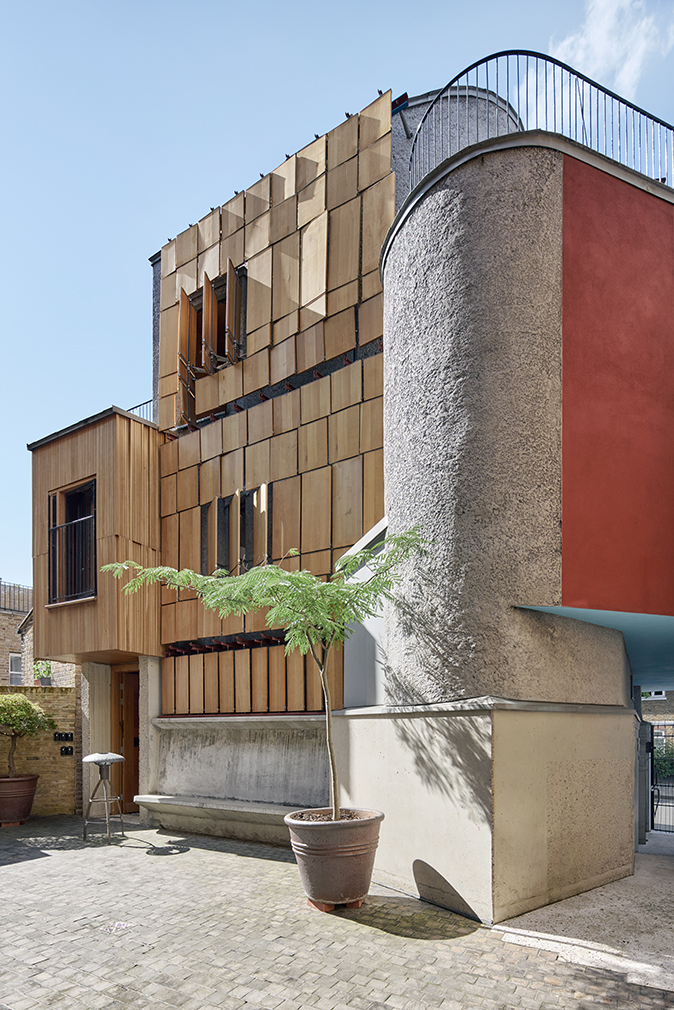
Photography: courtesy of Hemingway + K.
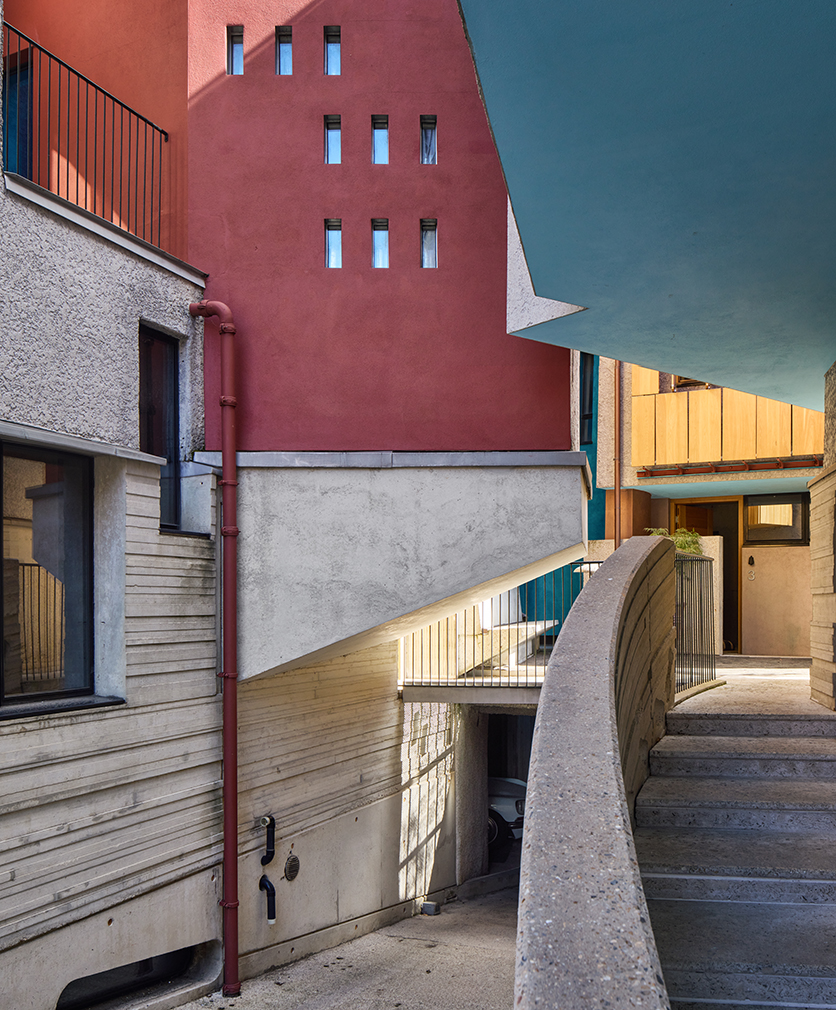
Photography: courtesy of Hemingway + K.
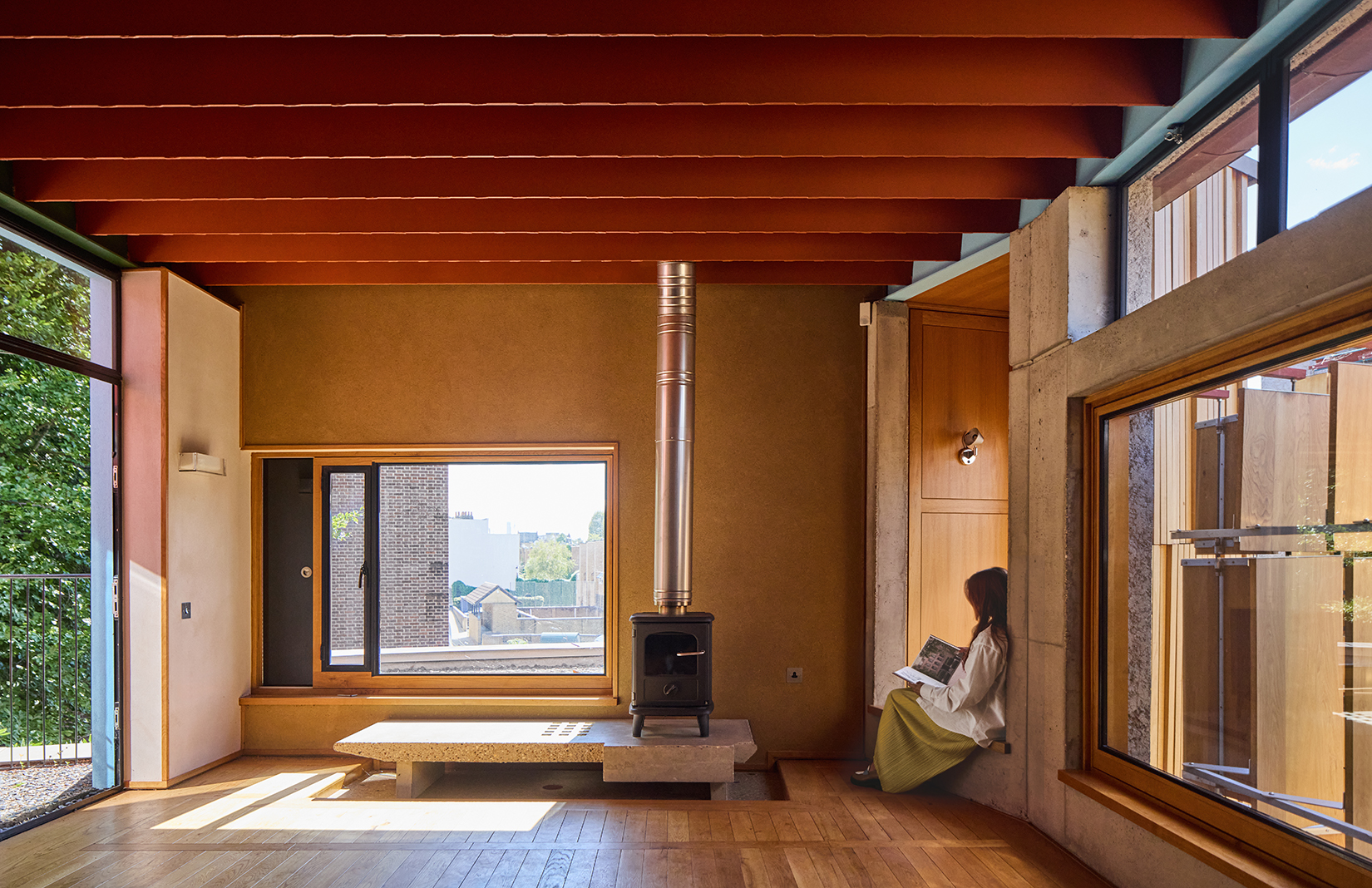
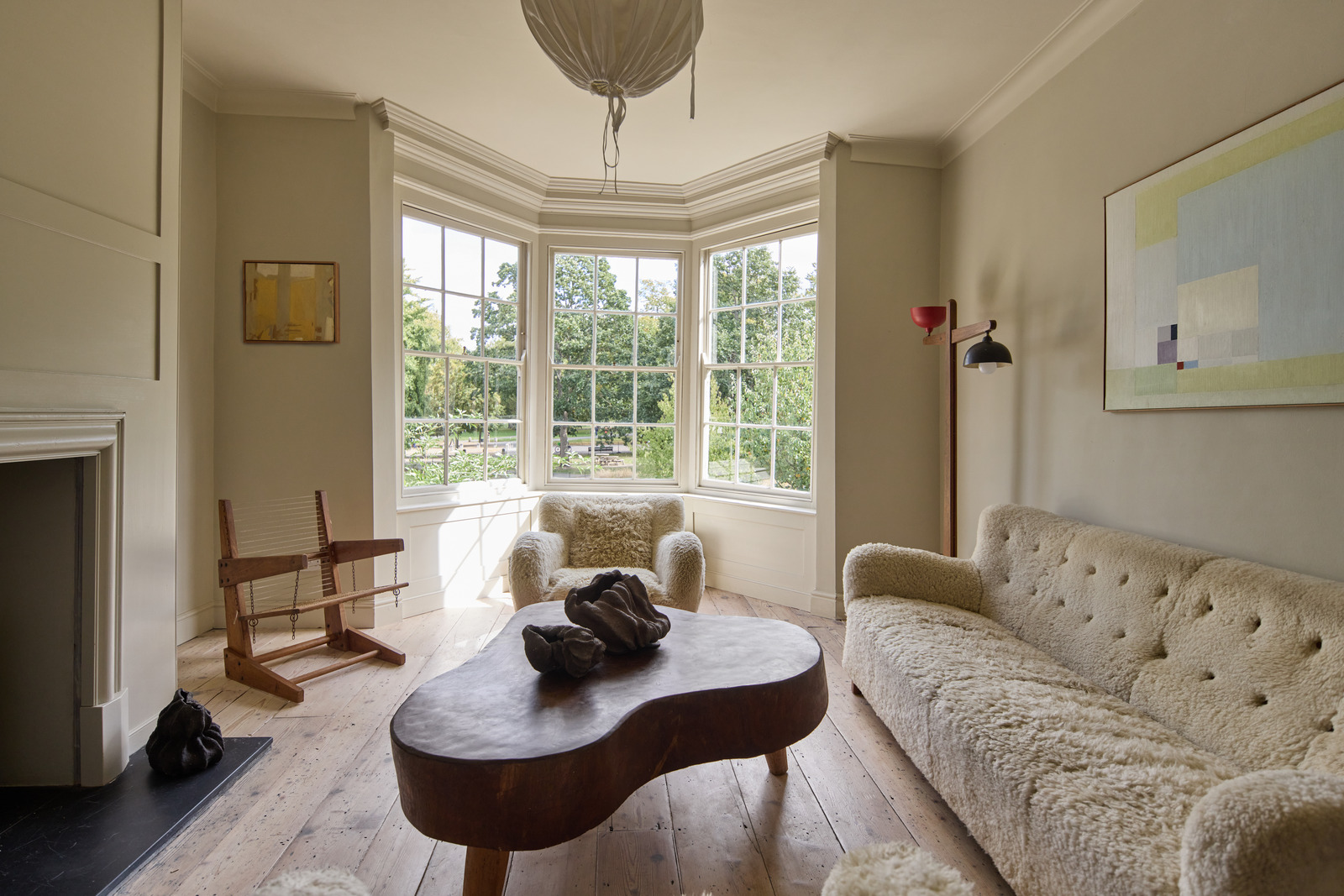
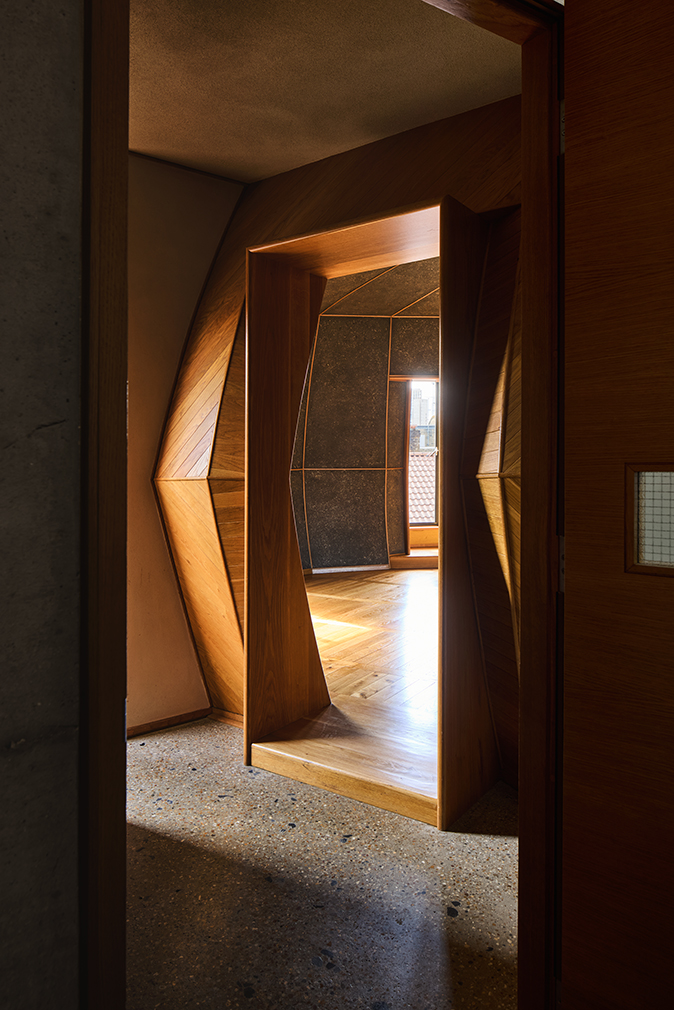
These two offerings in the development embody distinct variations on the architectural theme. Walmer Yard I, a 2,320sqft two-bedroom house, stacks living spaces vertically. A generous kitchen and dining room sit at street level while a double-height living room above is shaped by a yurt-like ceiling and prismatic lenses that fracture natural light. Two en-suite bedrooms occupy the first floor, with terraces extending north and south and a flexible lower-ground room suited to study or media use.
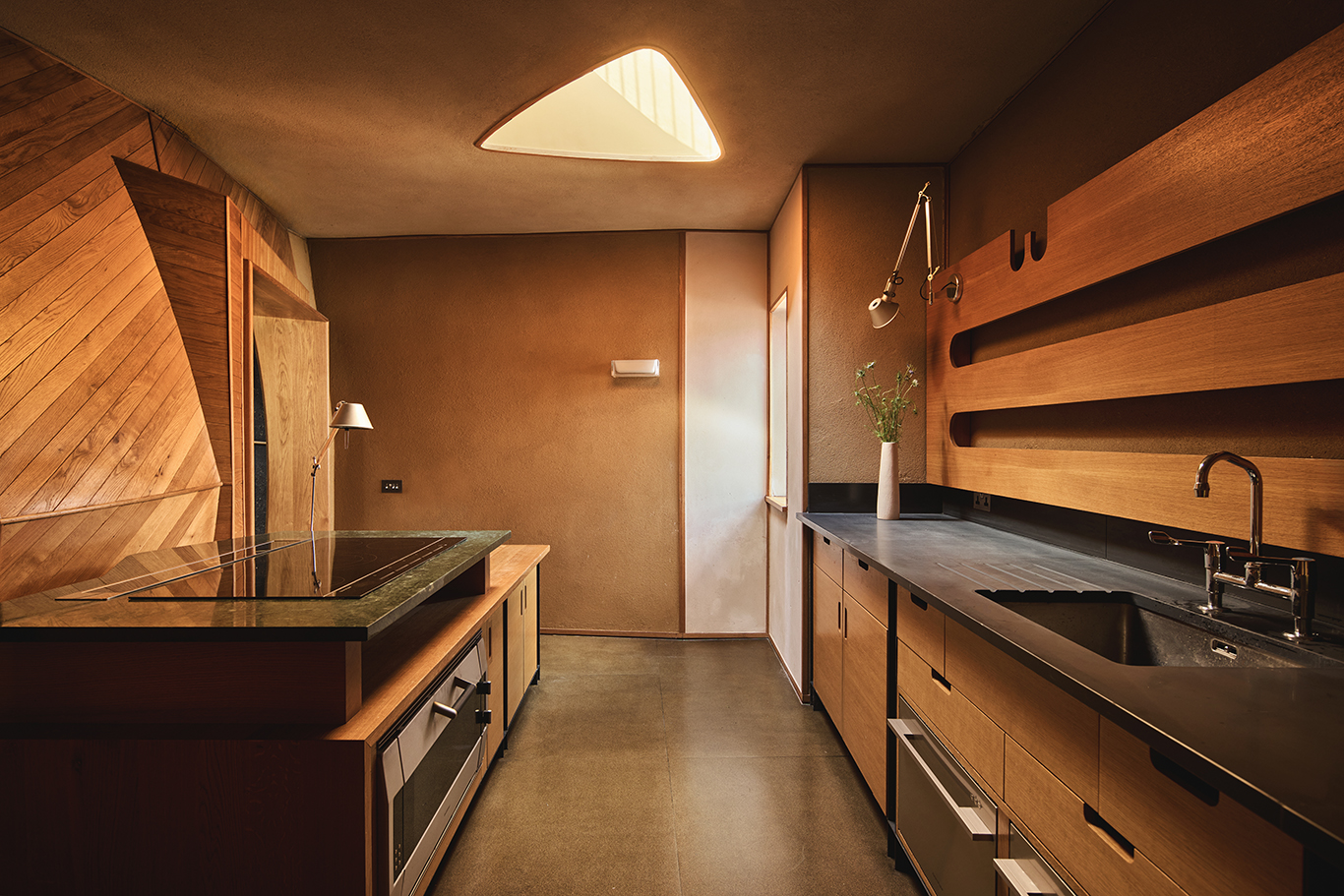
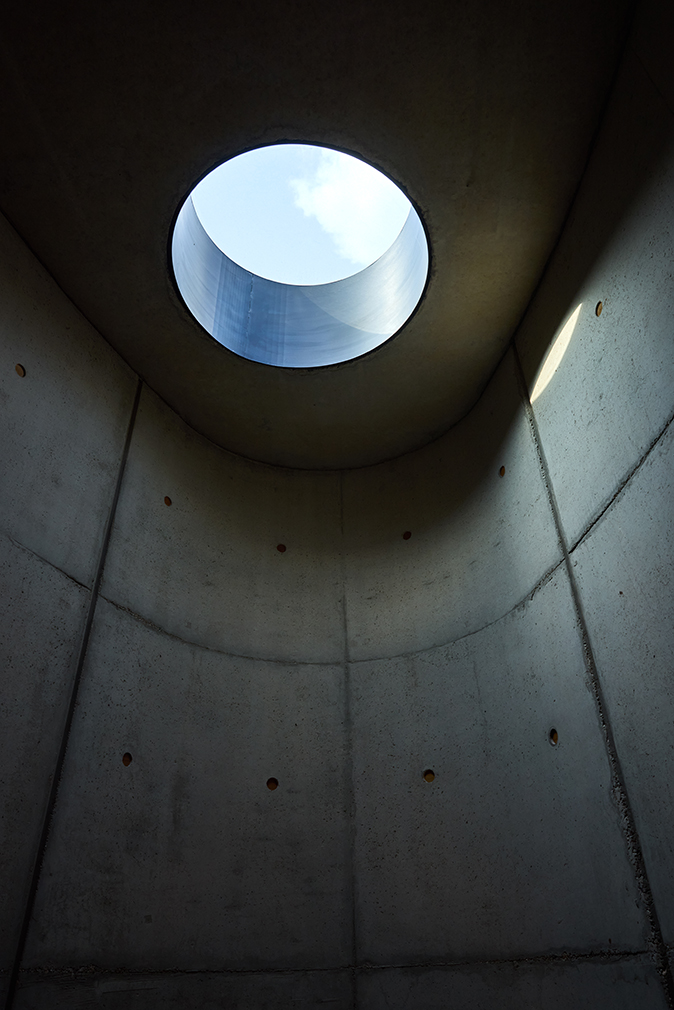
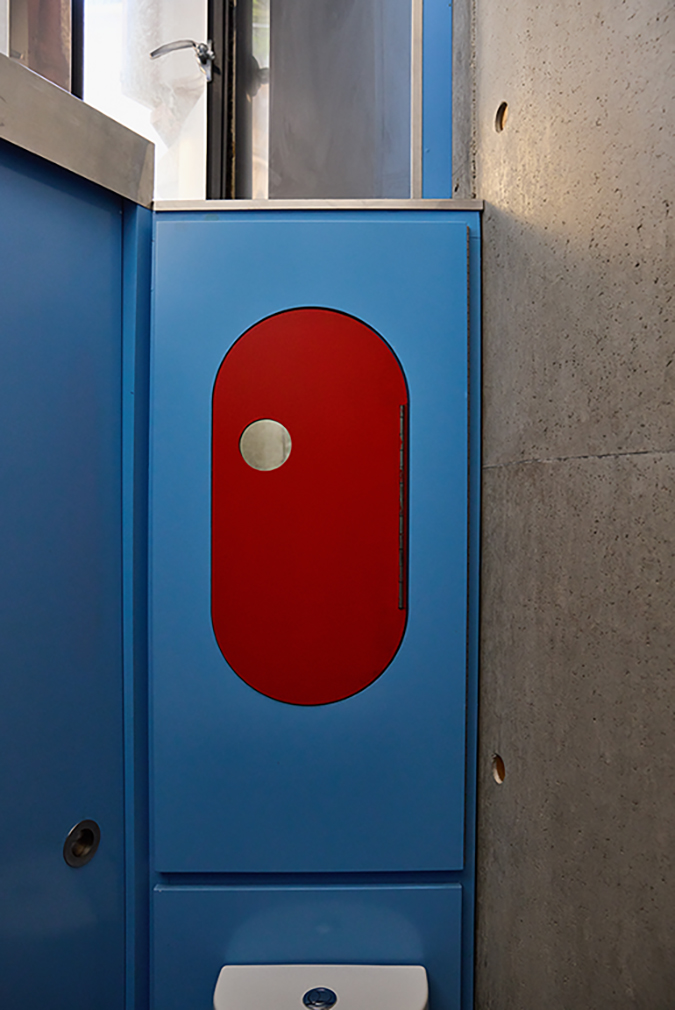
Walmer Yard III, larger at 2,737 square feet, unfolds laterally across three main storeys. Four en-suite bedrooms are distributed to encourage visual exchange through coloured glazing, while the principal living floor combines kitchen, dining and sitting spaces beneath a domed oculus that draws light deep into the plan.
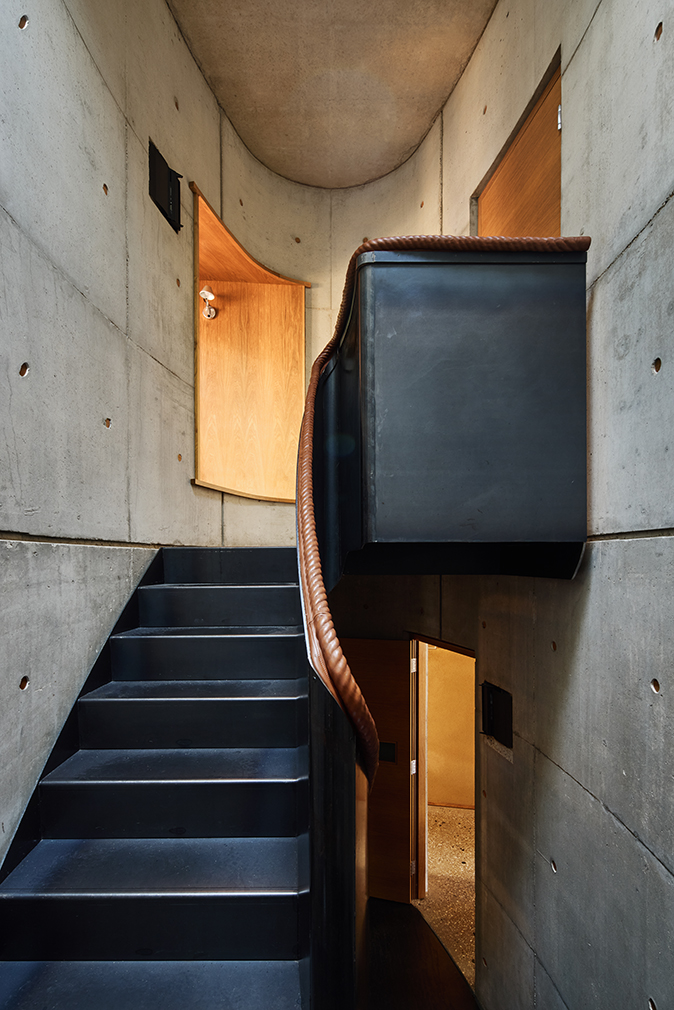
Both houses share the same material palette of exposed concrete, clay walls, oak joinery and custom steelwork, reinforcing the sense of a coherent architectural village. Walmer Yard I is listed for £2.75 million and Walmer Yard III for £3.25 million, both with Hemingway + K.