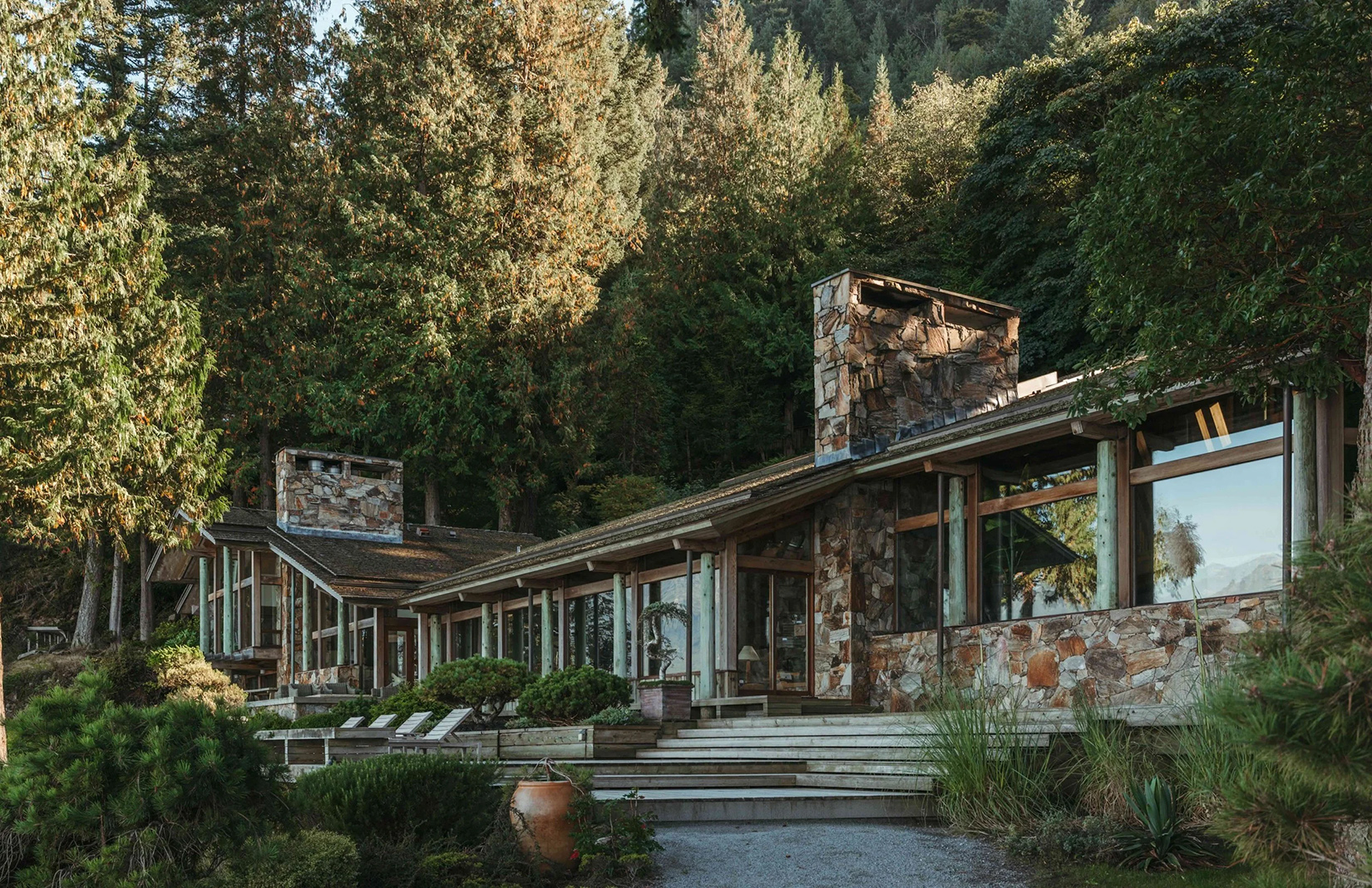
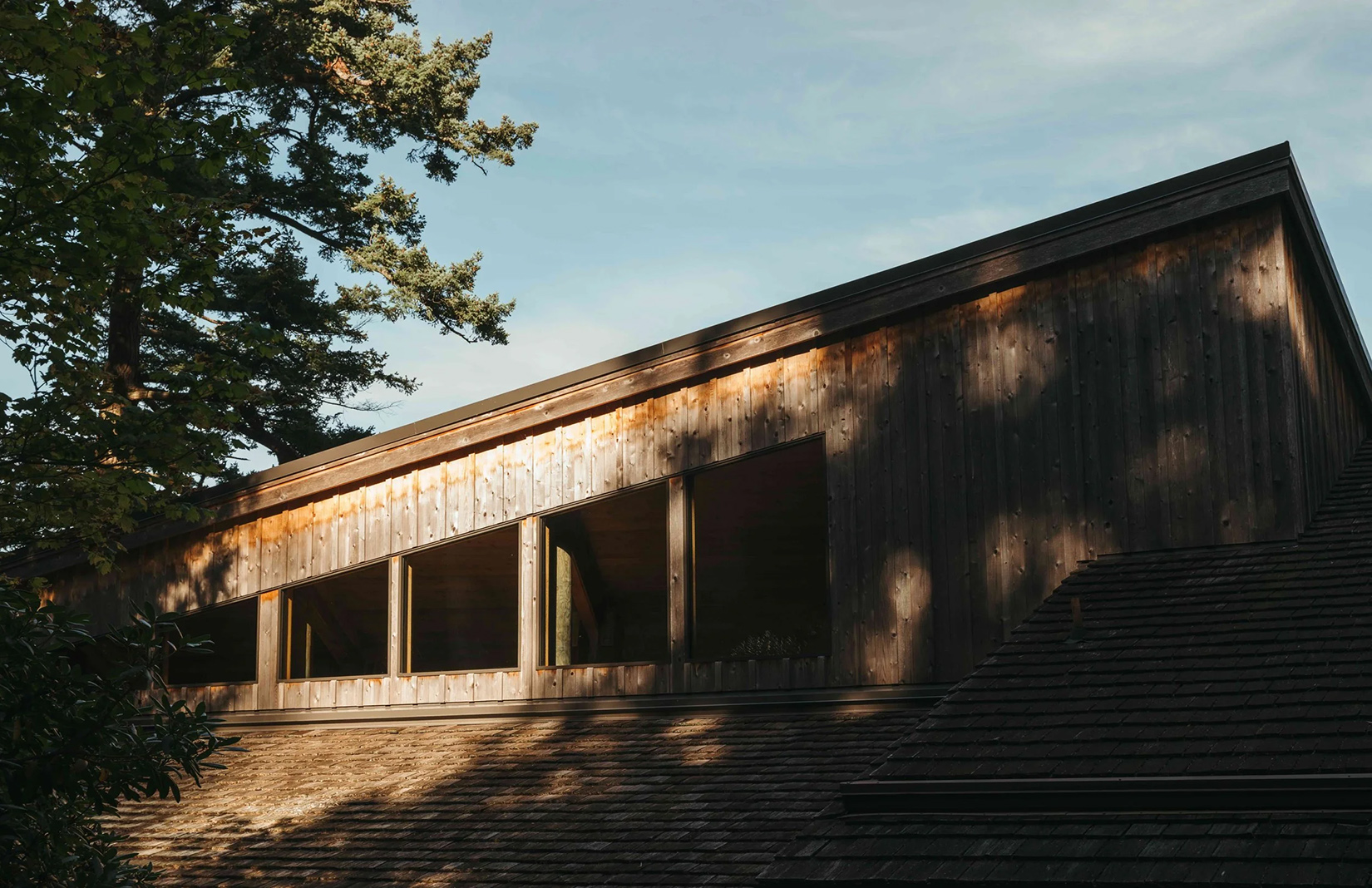
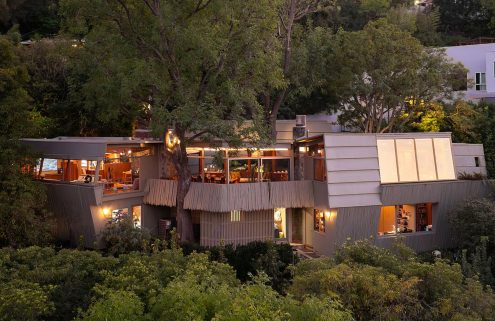
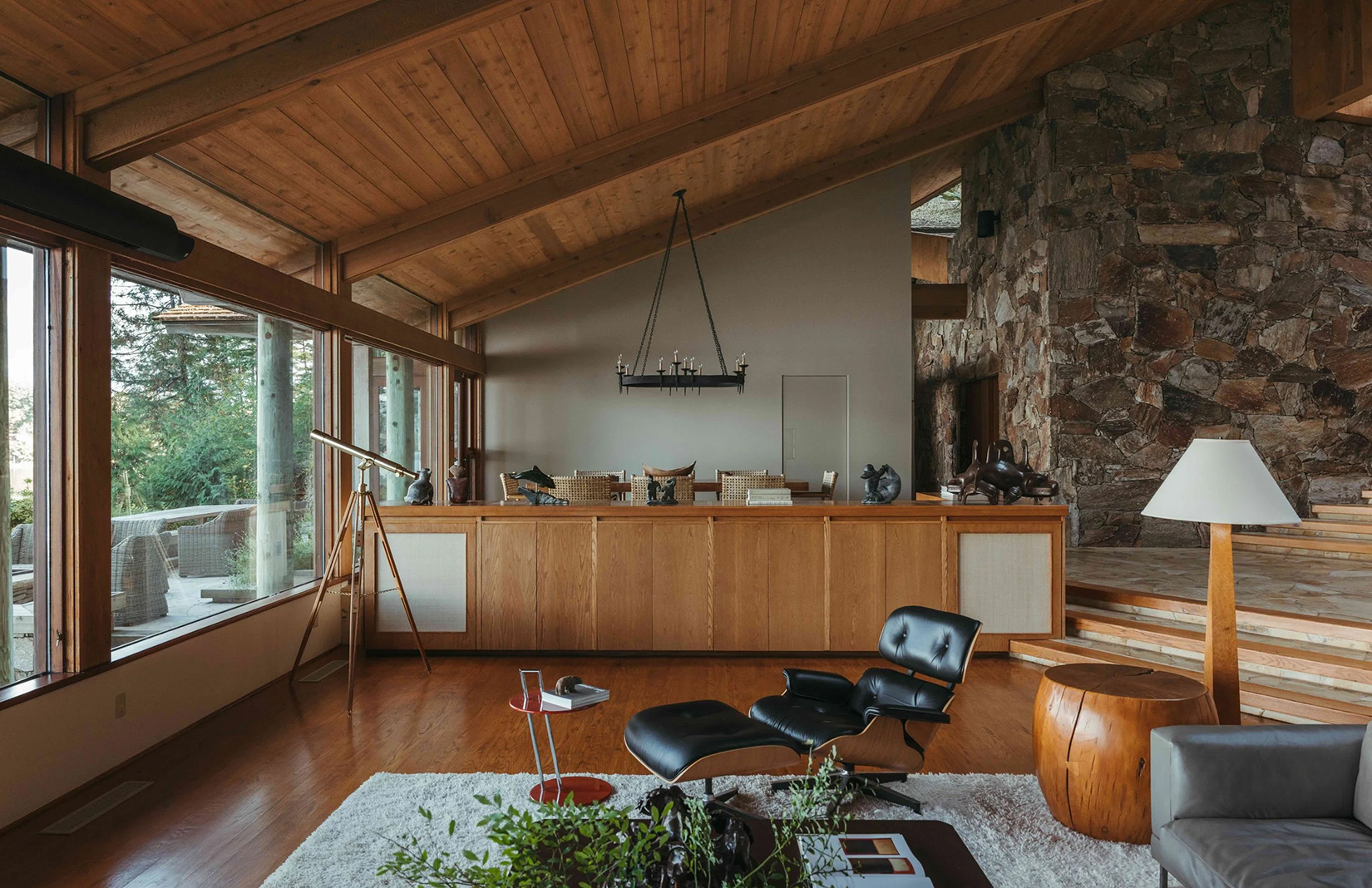
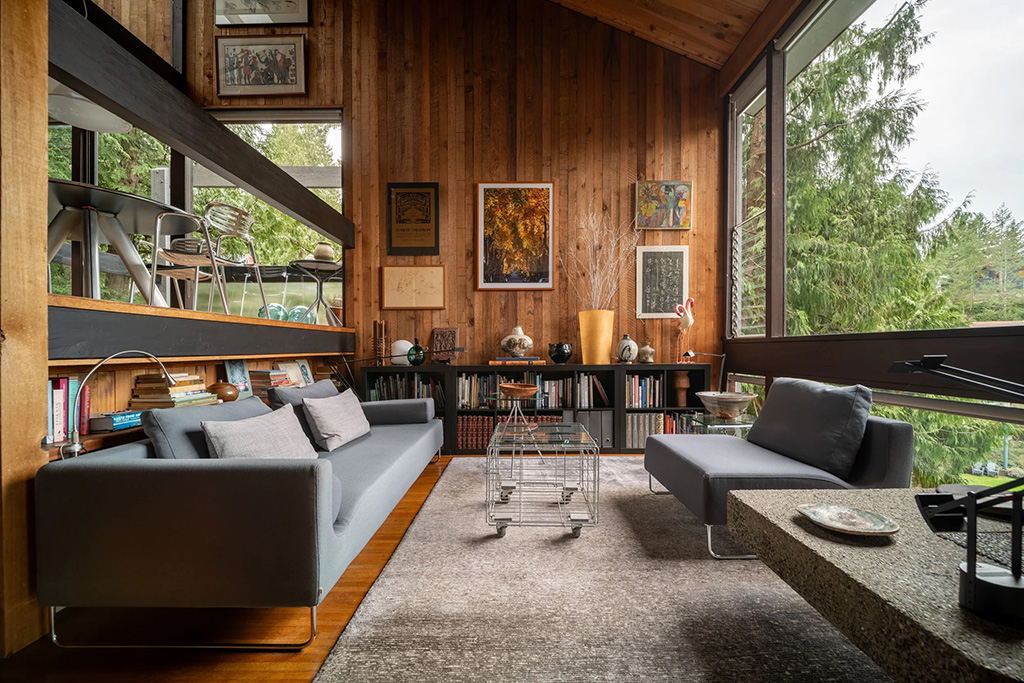
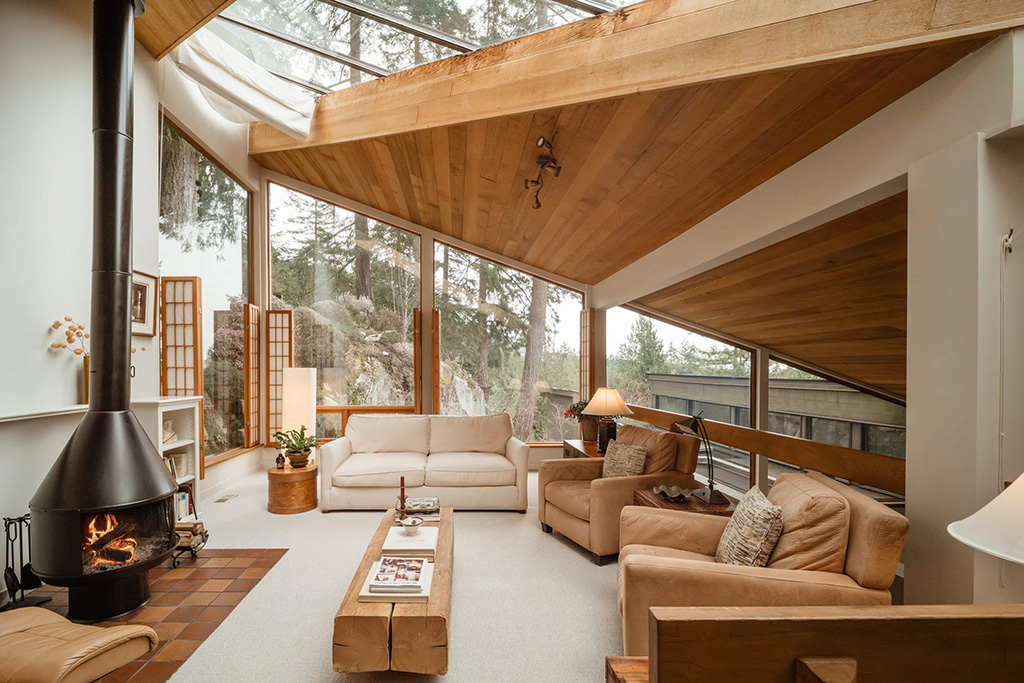
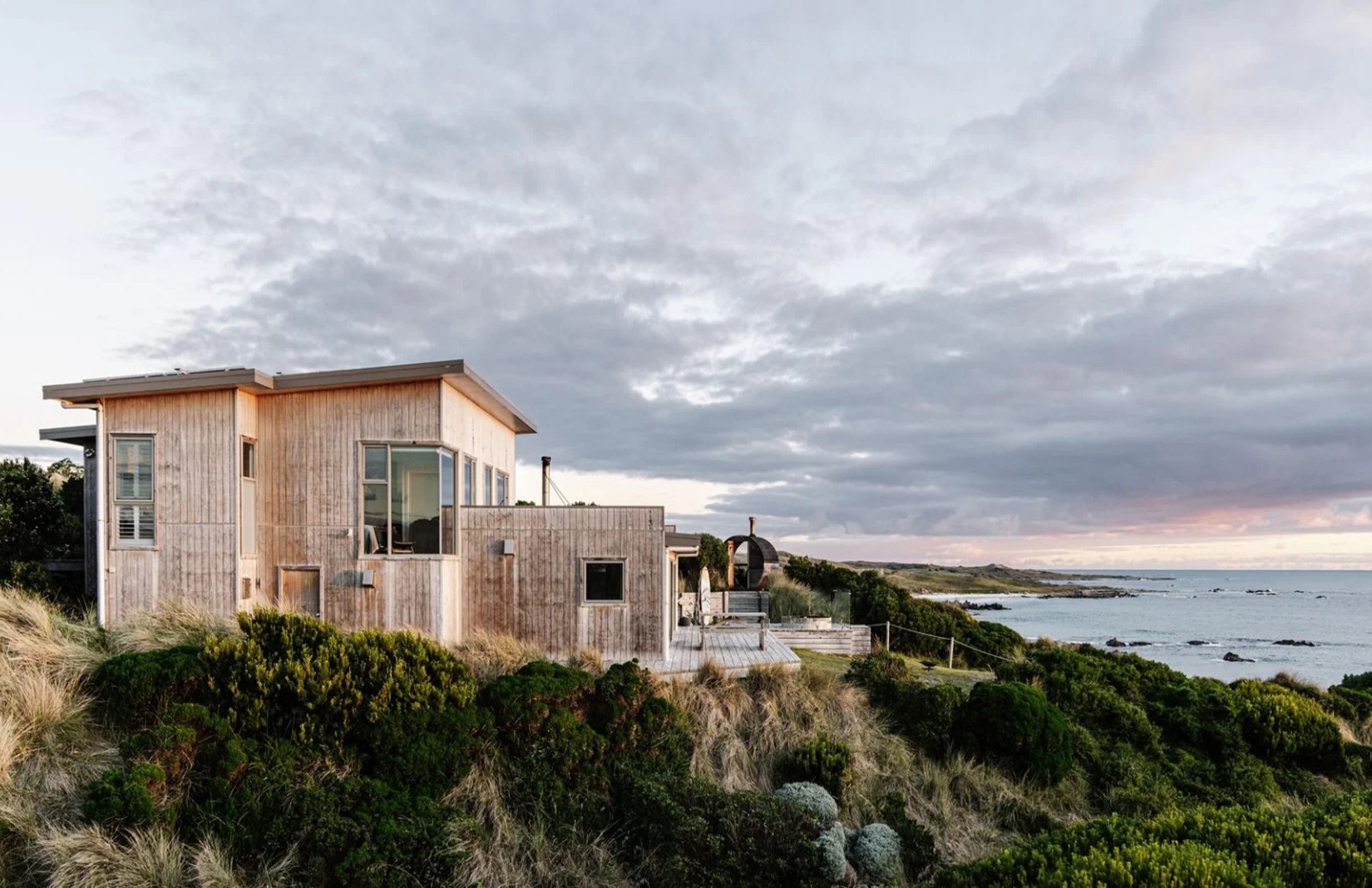
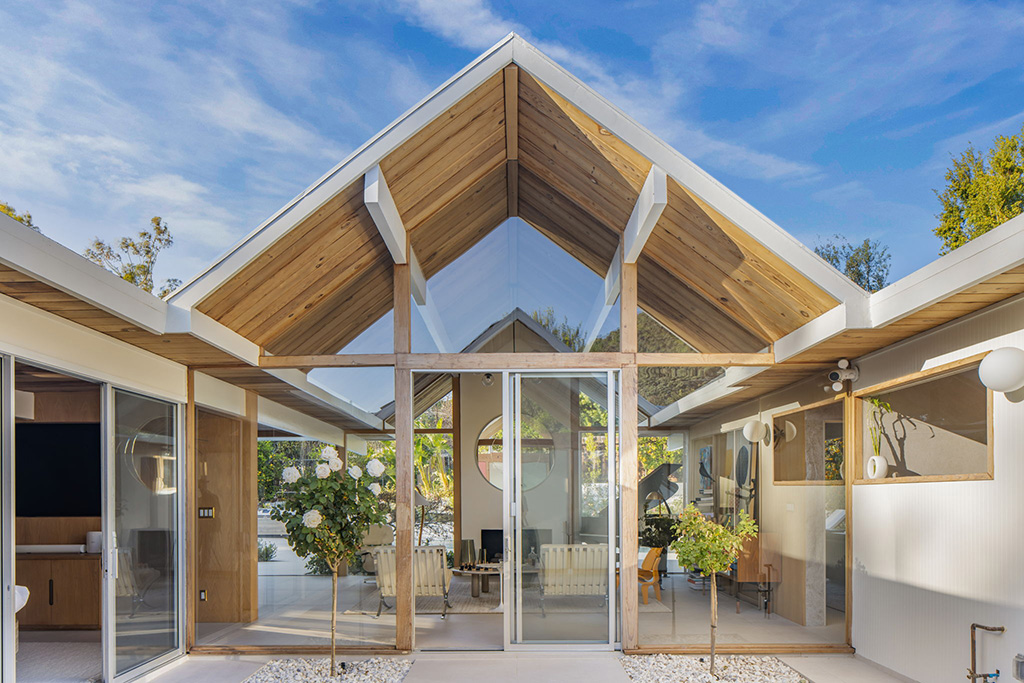
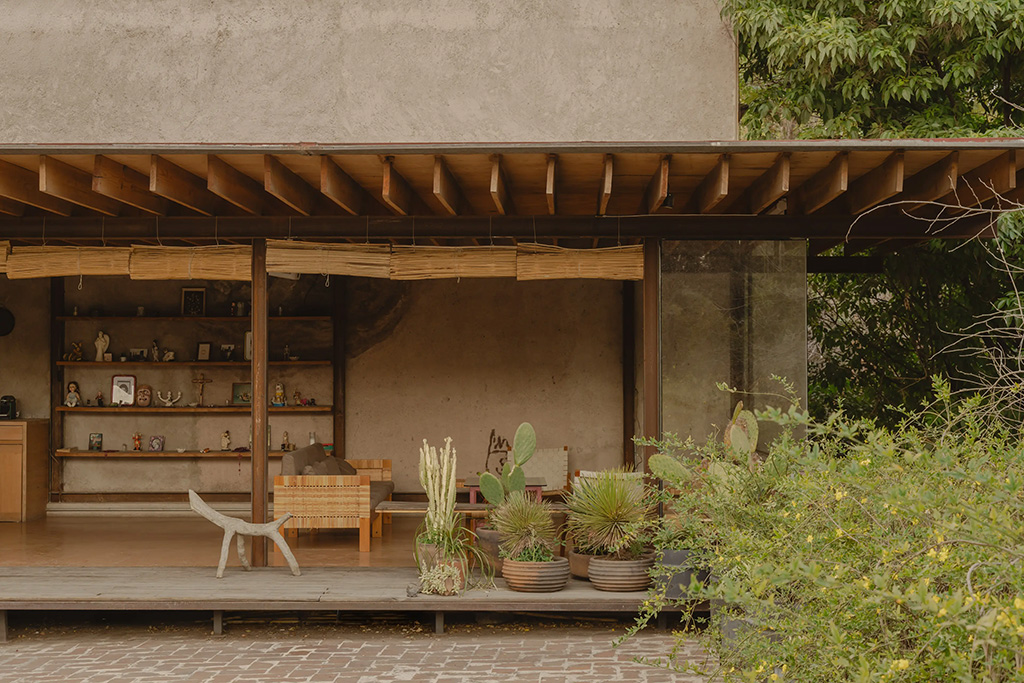
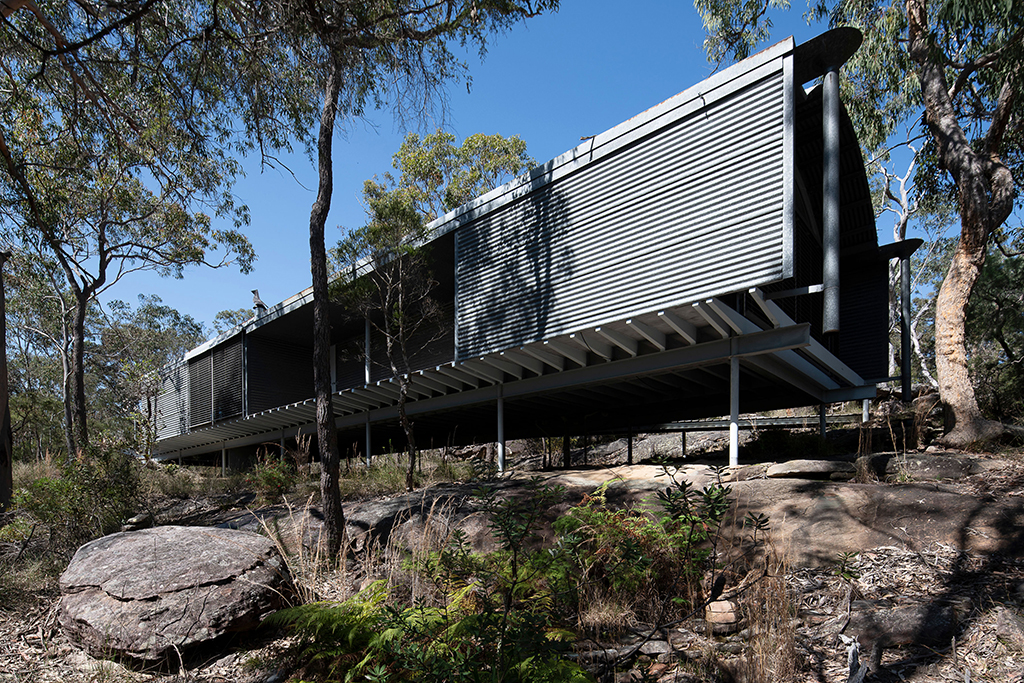
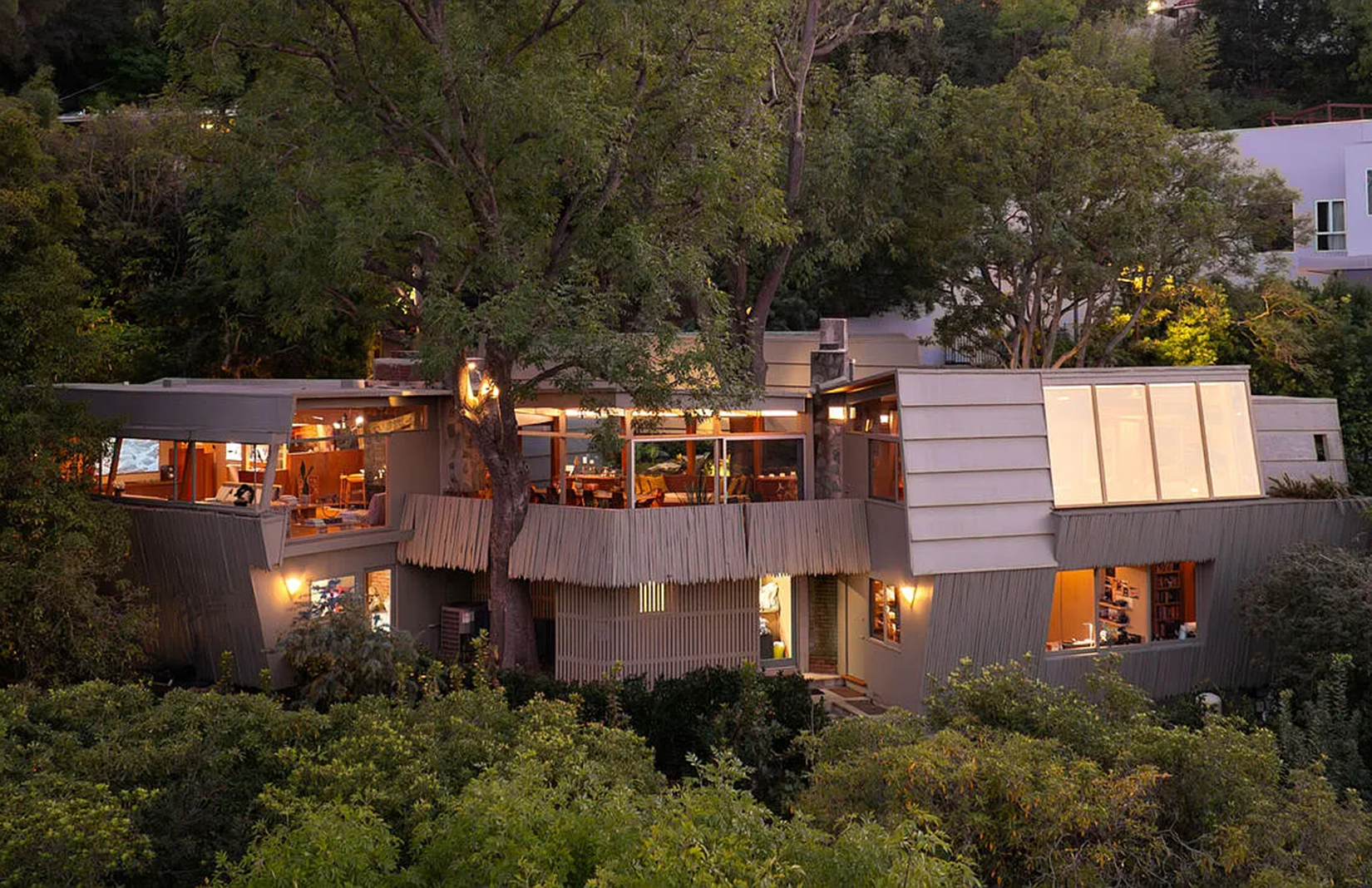
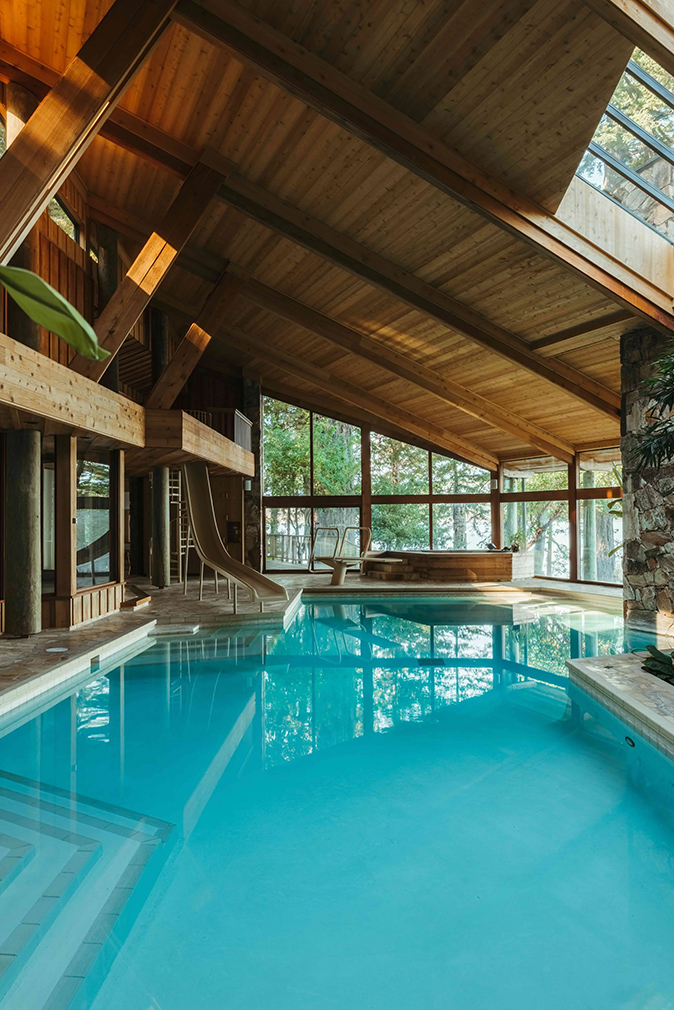
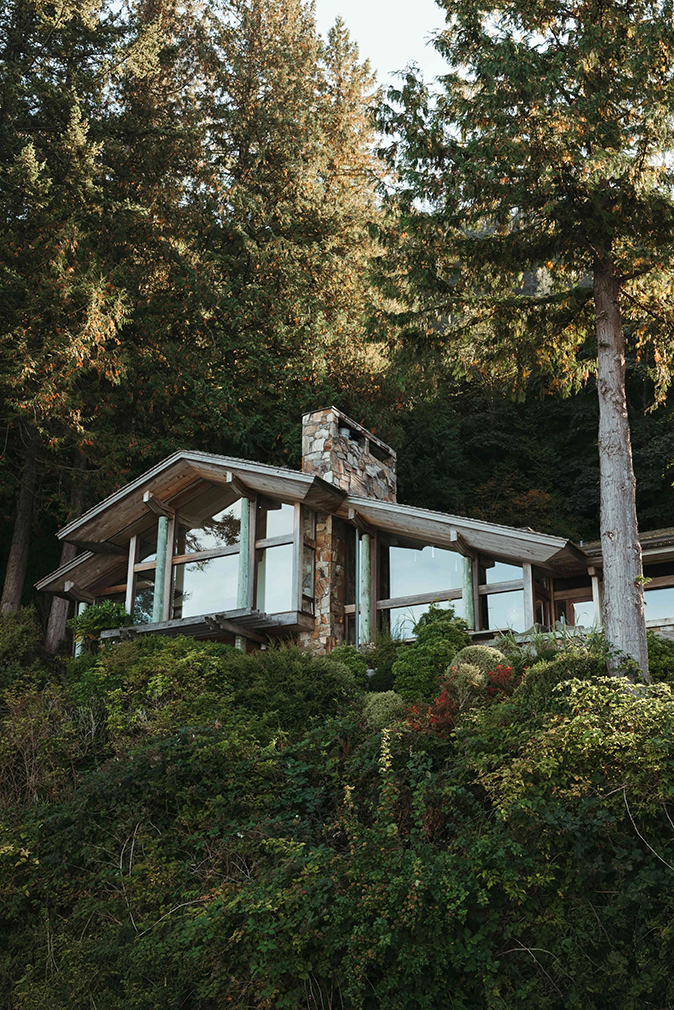
Set on more than 23 acres at Hood Point, Bowen Island, the Morse House is a defining work of West Coast modernism by Thompson, Berwick & Pratt Architects, the ‘Vancouver School’ practice that shaped much of British Columbia’s modernist heritage. Completed in 1982, the 21,526sqft residence stretches along nearly half a kilometre of private shoreline north of Vancouver, its structure rooted in concrete, heavy timber and cedar.
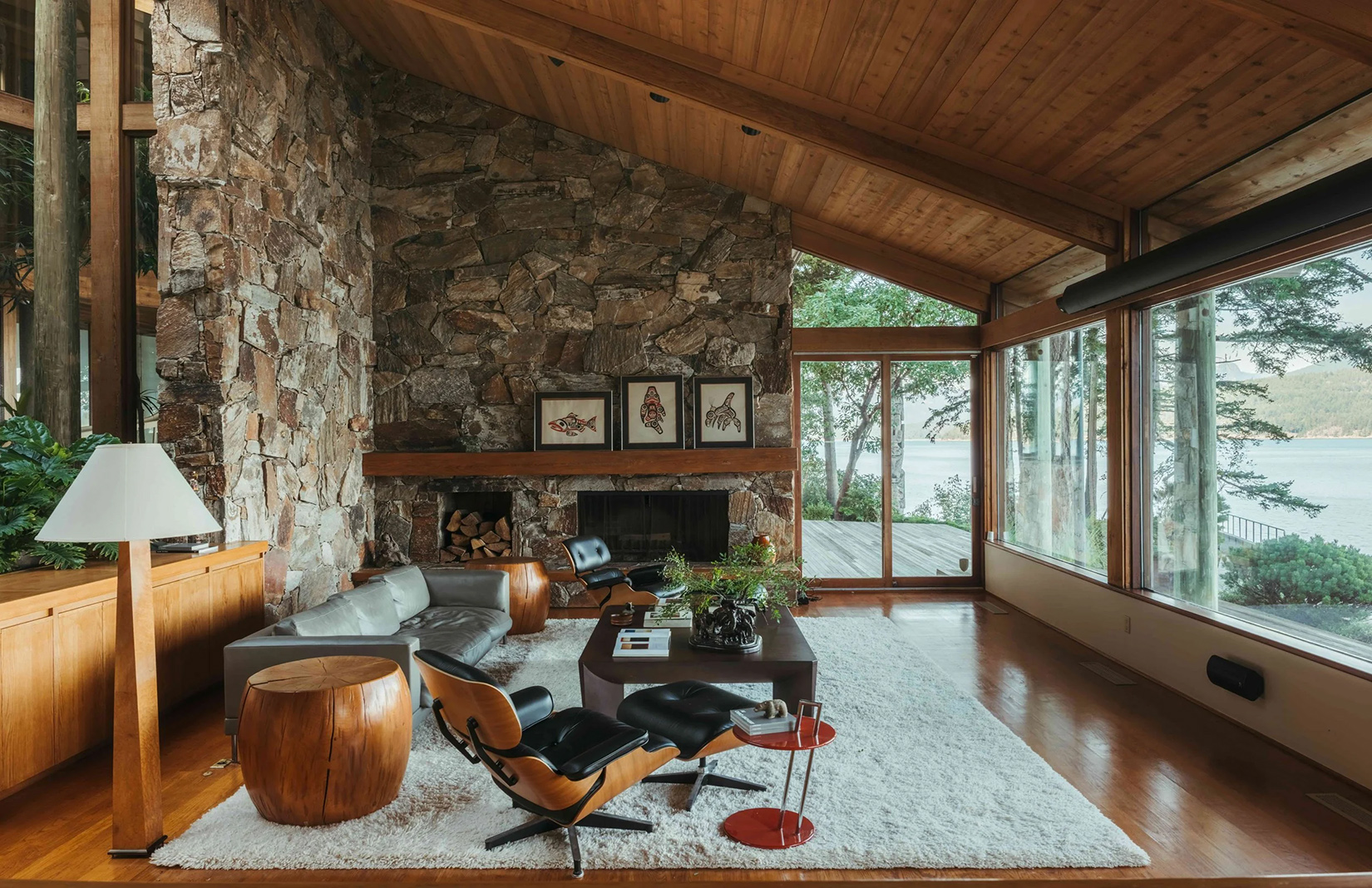
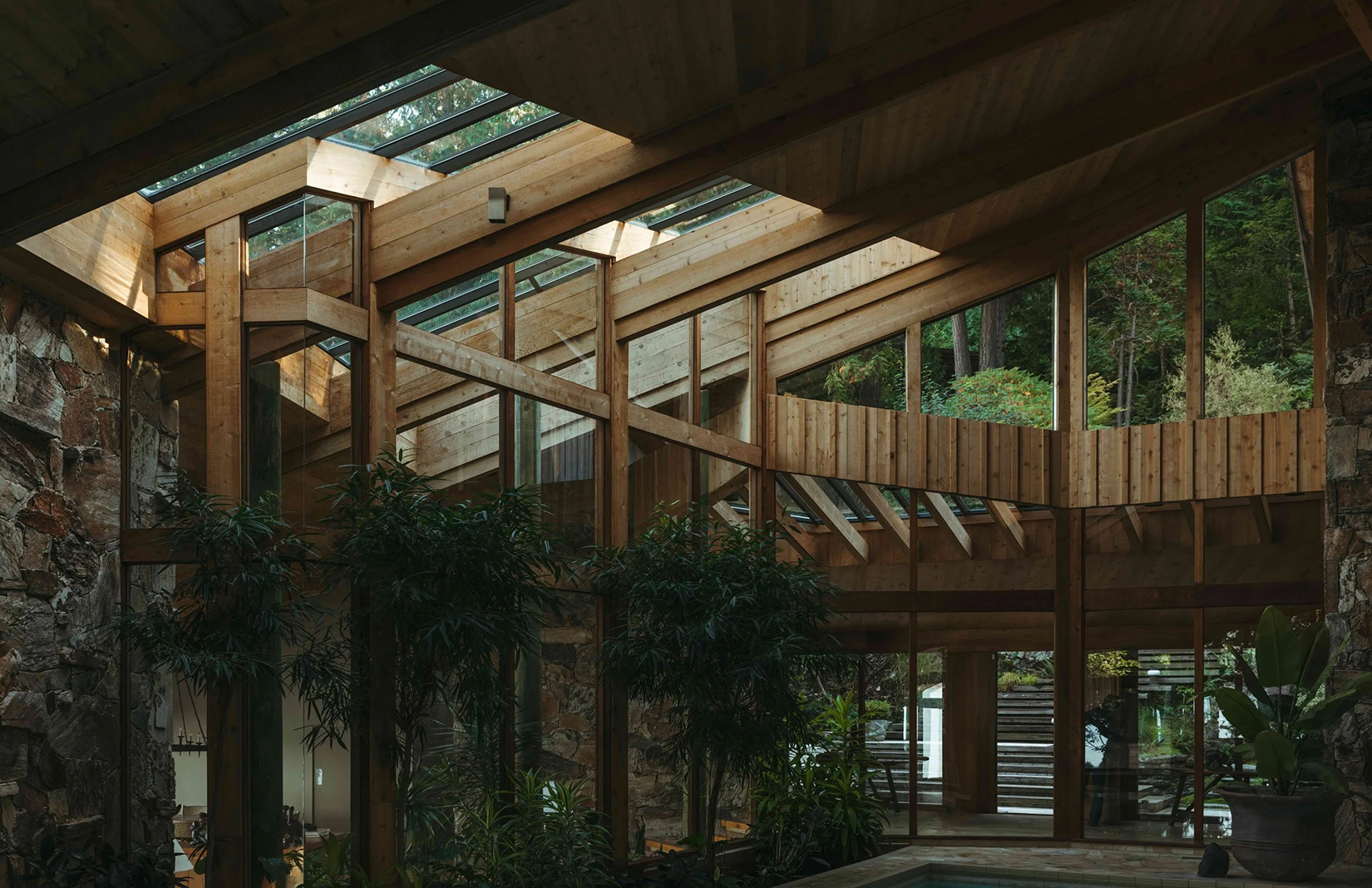
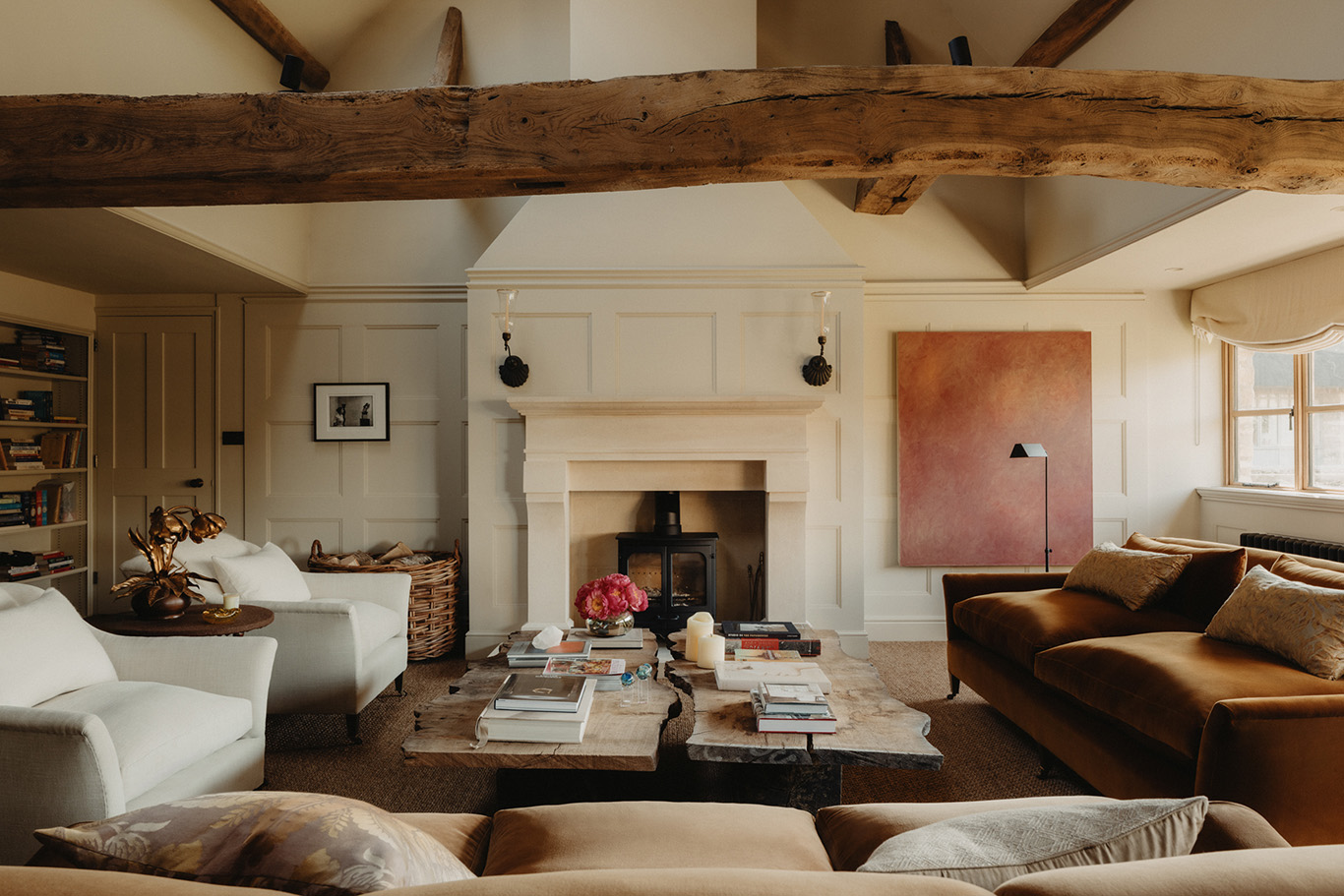
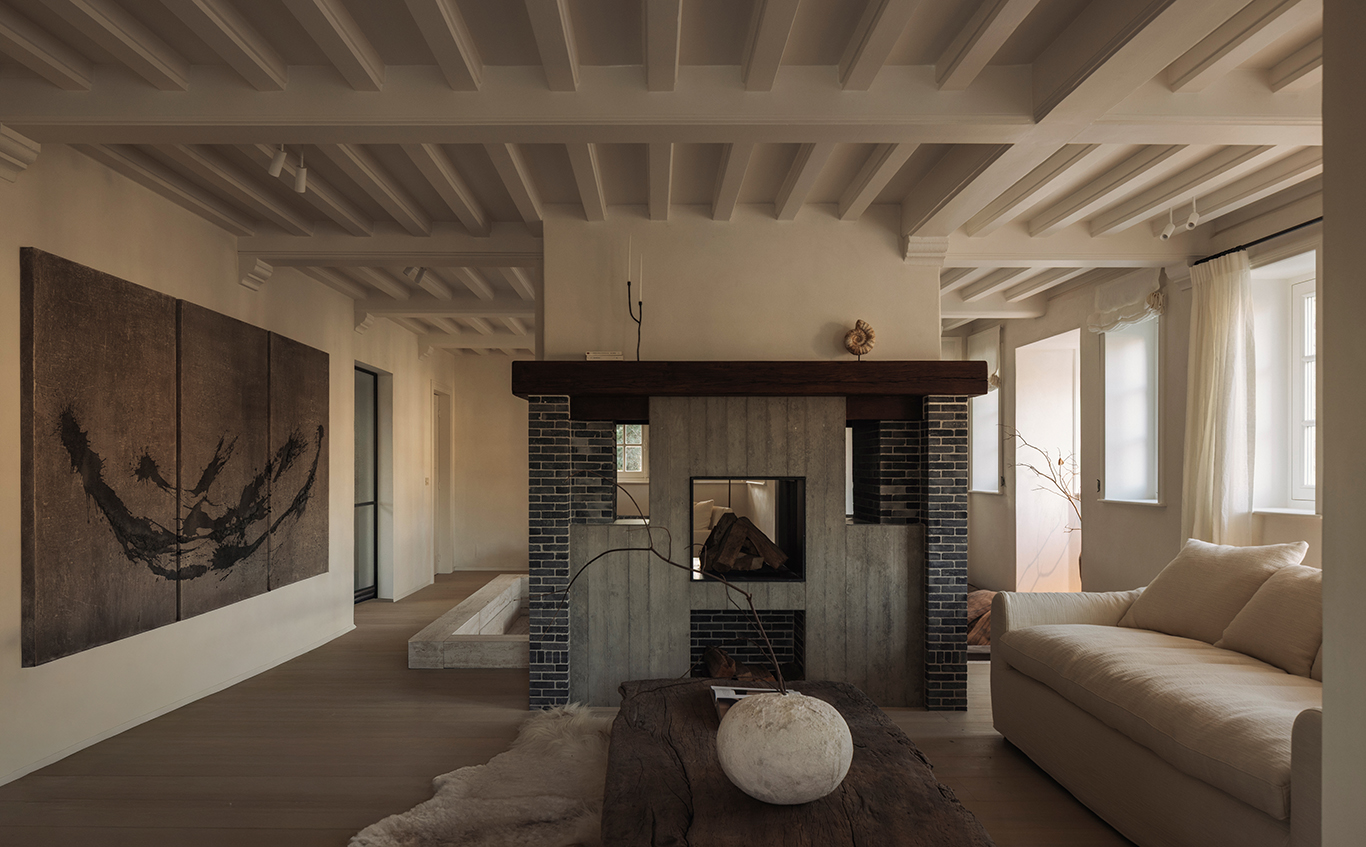
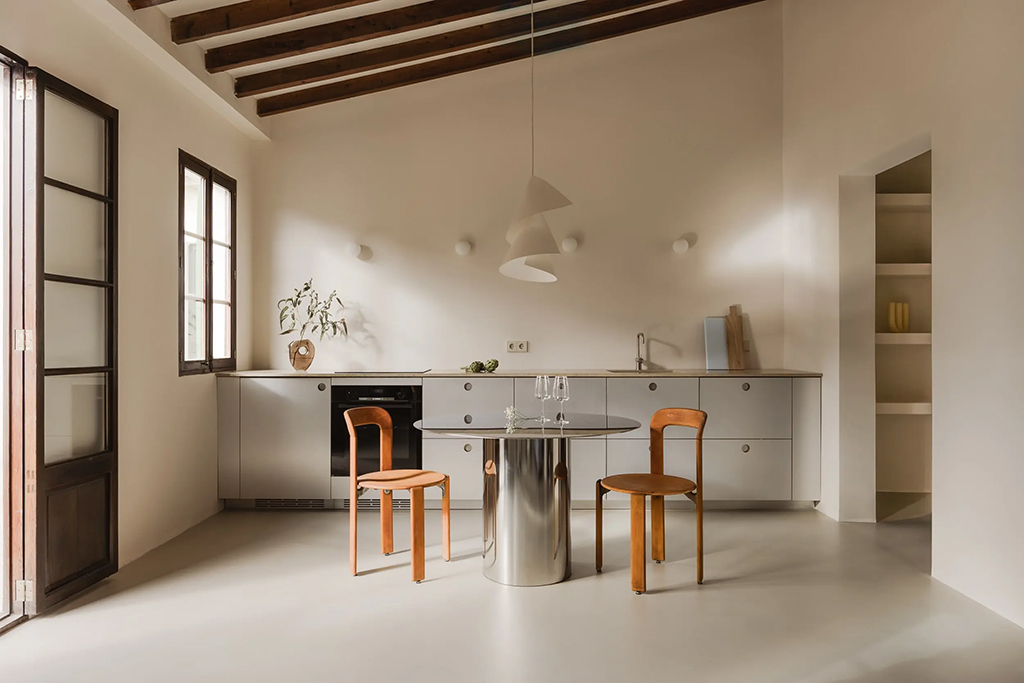
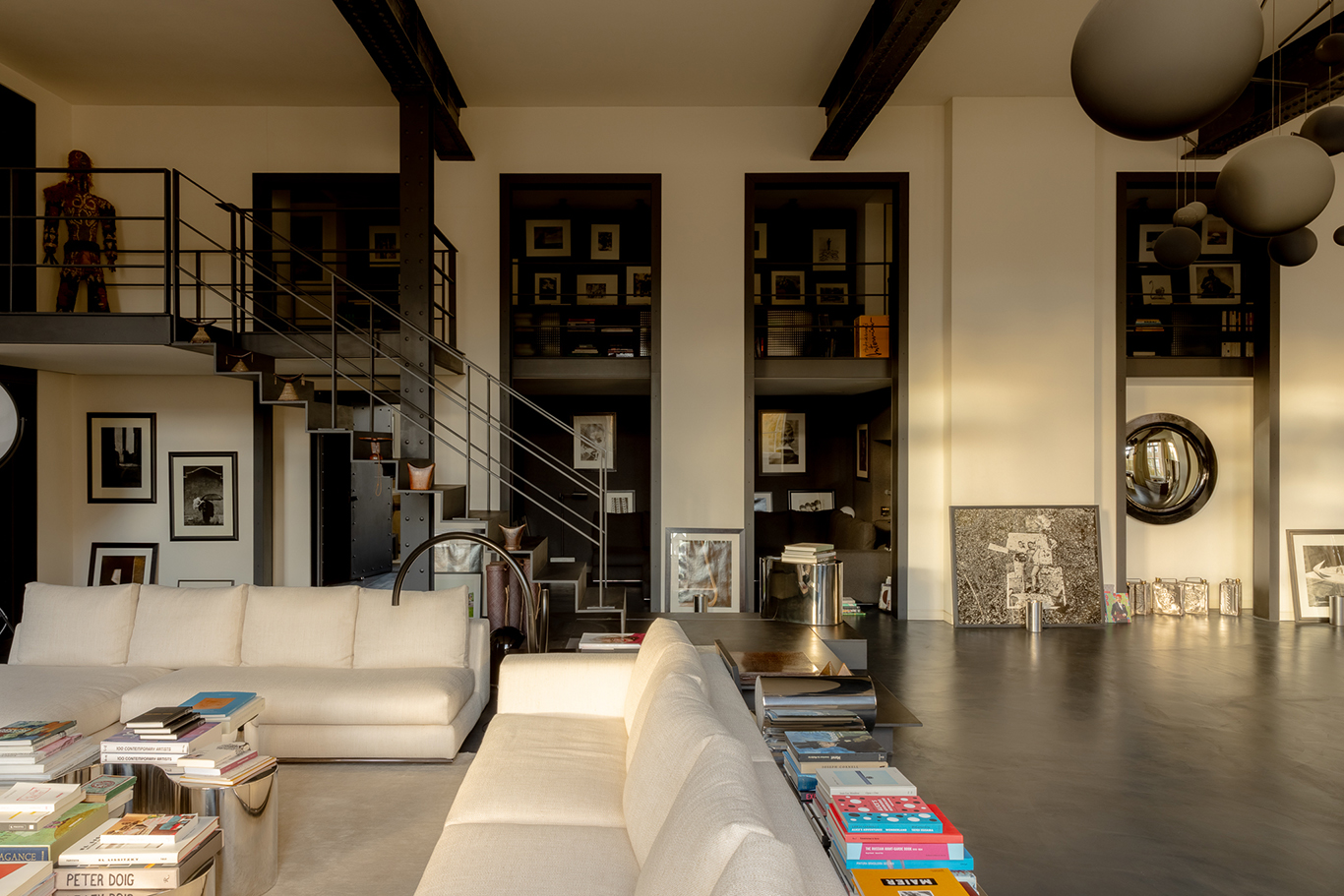
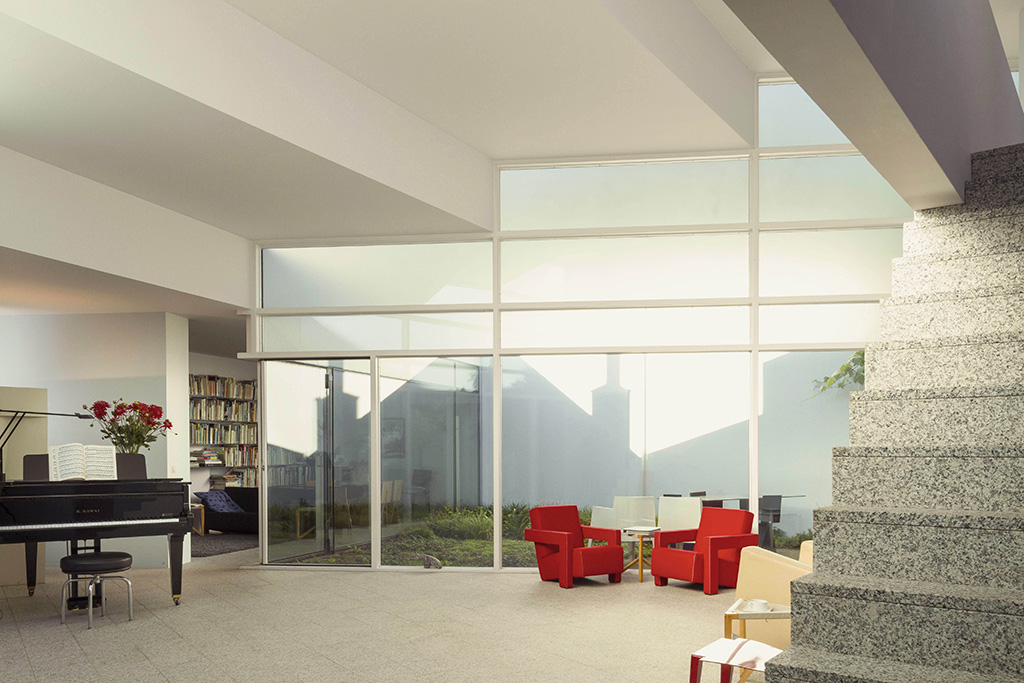
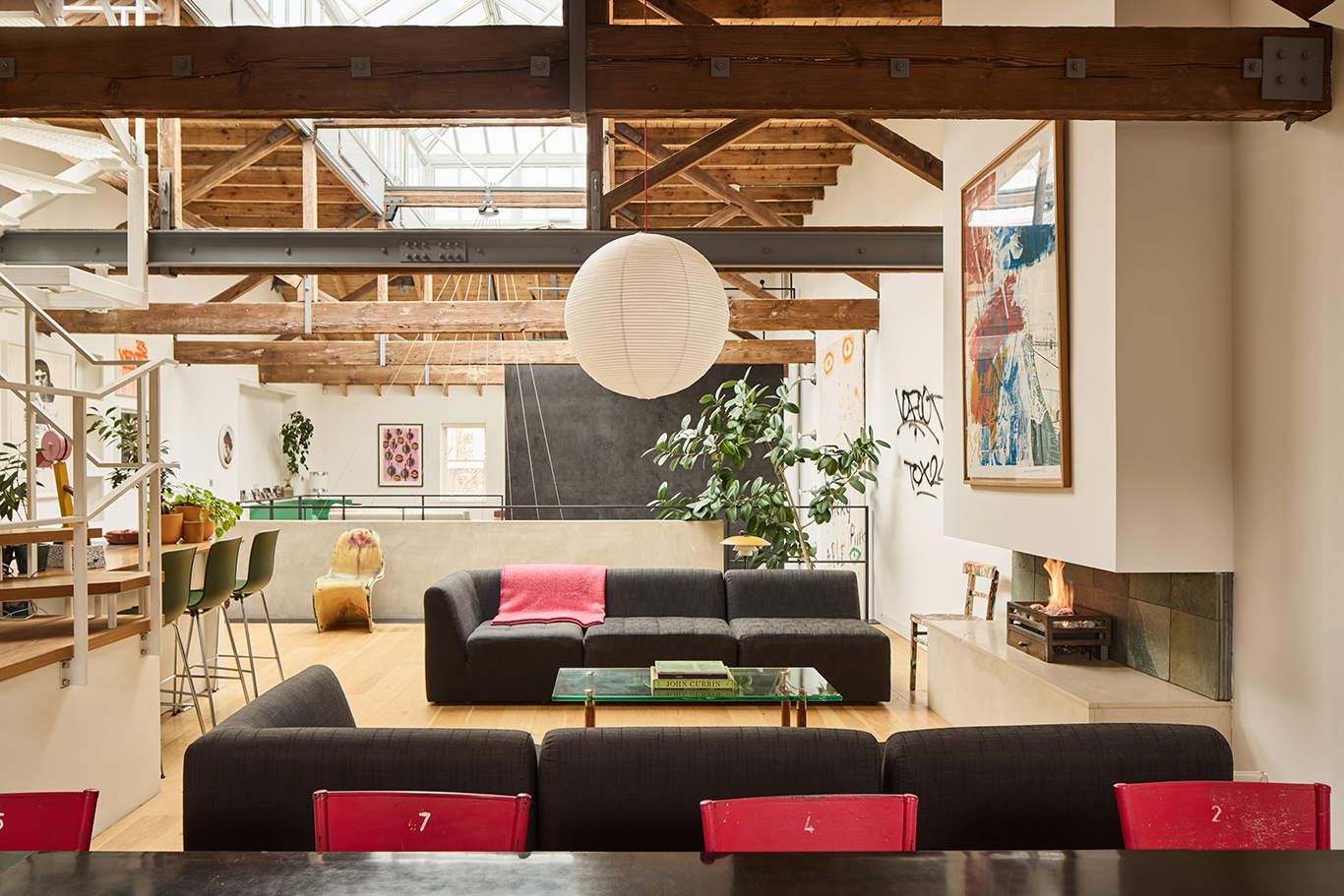
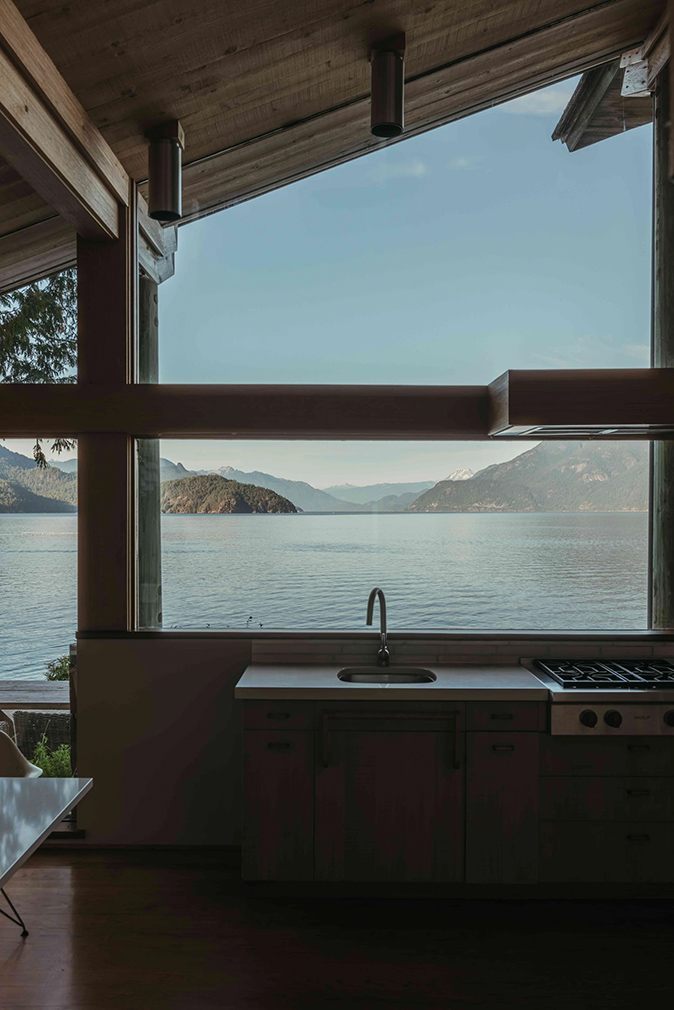
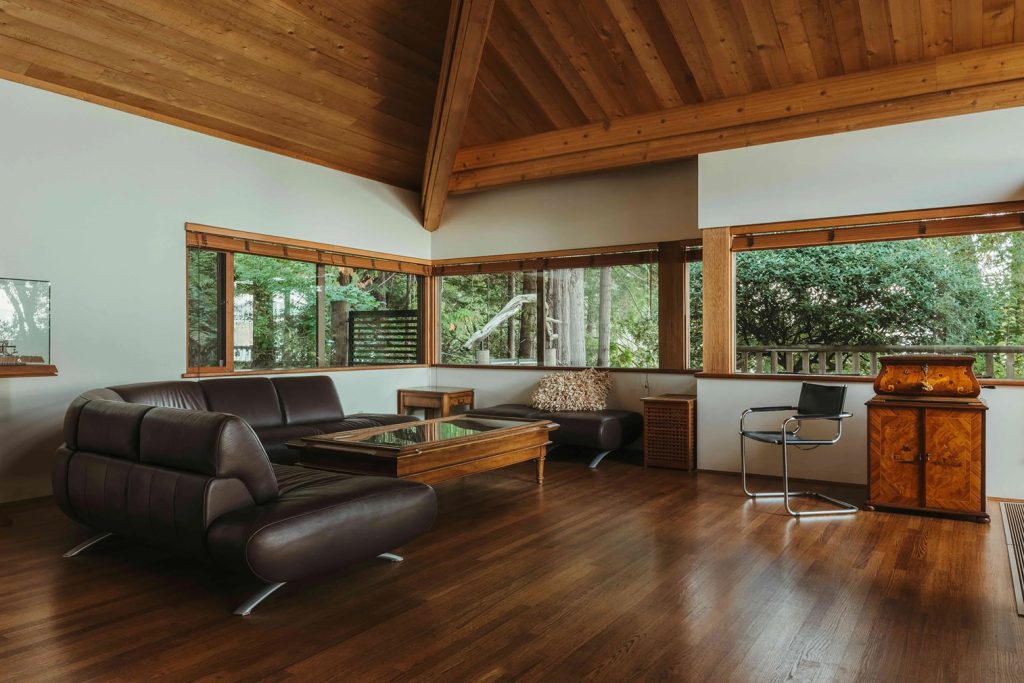
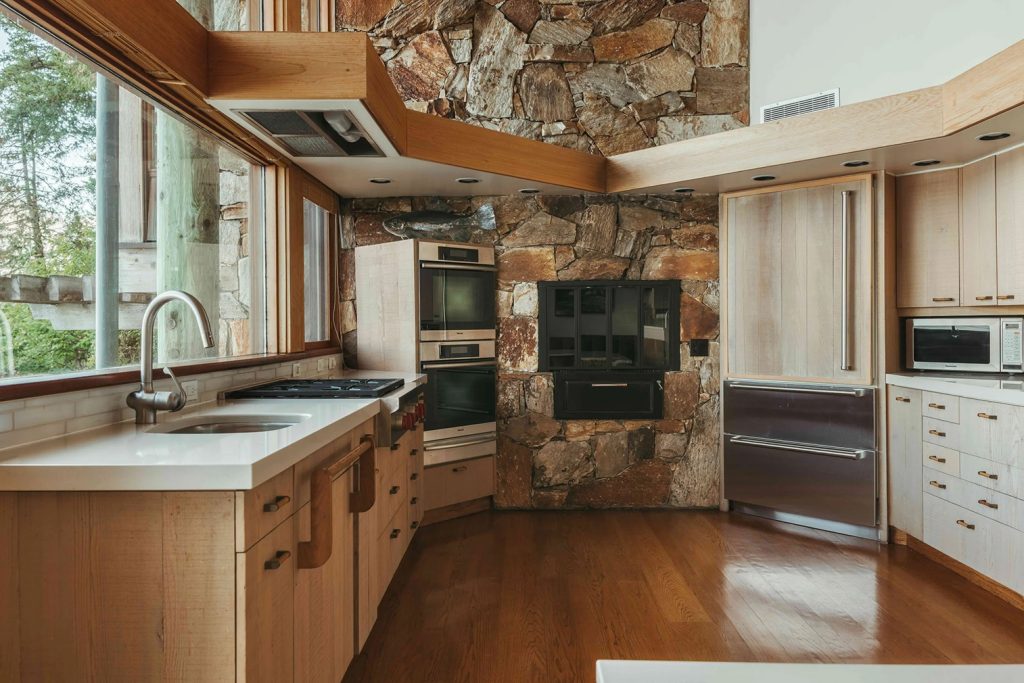
The house is one of the last residential properties by TB&P, and was built in line with their philosophy of harmonious scale, material and landscape. Its vast glass elevations frame panoramic views across Howe Sound toward the mountains, while the concrete columns and post-and-beam construction lend it permanence and warmth. Interiors are balanced by handcrafted millwork and an evolving art collection, with spaces designed for private family life and large gatherings.
Photography by James Han.
Photography by James Han.
Photography by James Han.
Photography by James Han.
Photography by James Han.
Outside, a 55,000-gallon ocean-view pool, broad terraces and a private floatplane dock connect the property directly to the water. From here you can reach downtown Vancouver in 15 minutes by sea plane.
Commissioned by the Morse family and long held by art collectors from the Campbell family, the estate has been captured on the big screen, appearing in The Russia House (1990) and Double Jeopardy (1999). At the intersection of architecture, landscape and cinema, it remains one of Canada’s most significant private coastal homes and it is currently on the market for $9.65m.