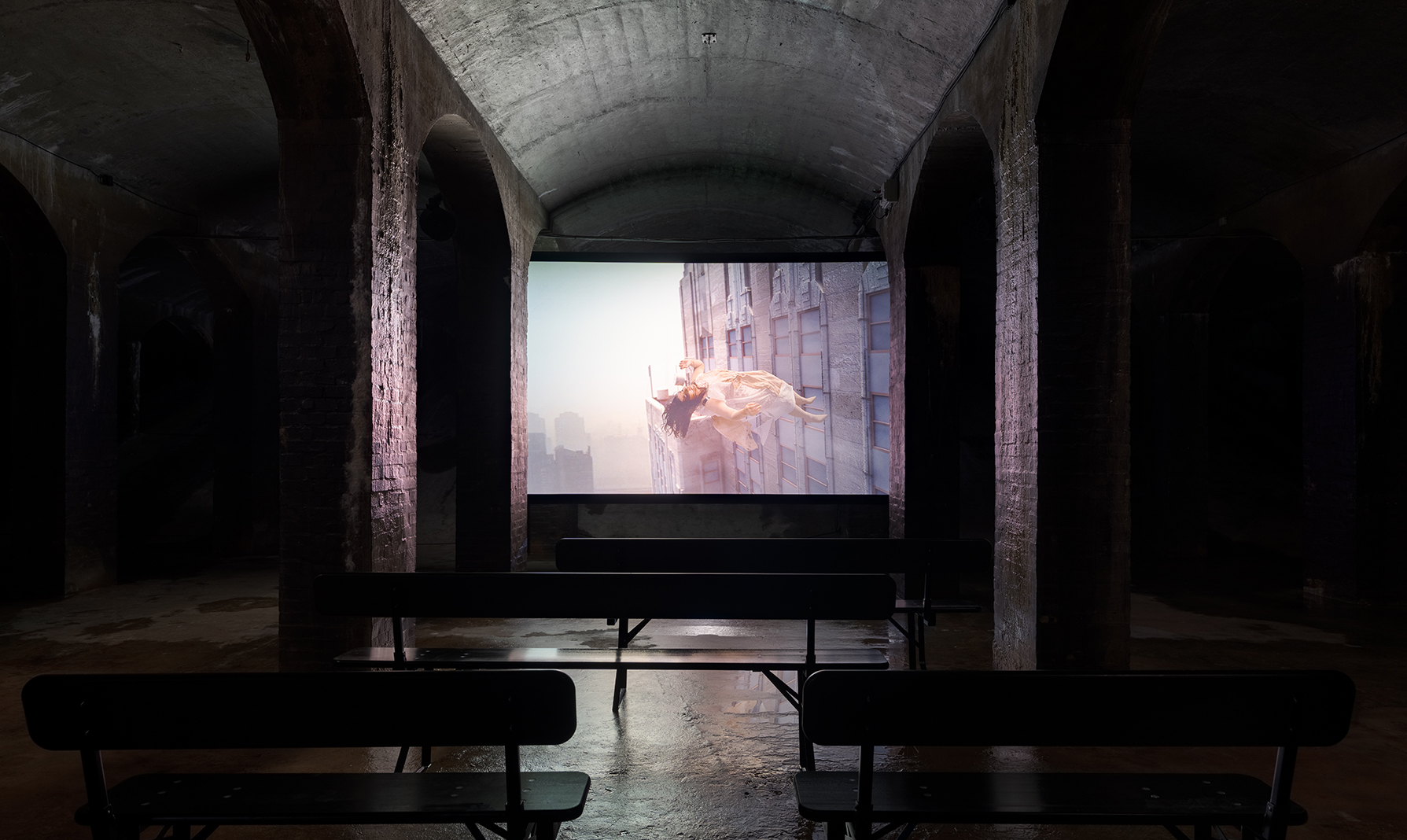
The old water reservoir at the centre of Copenhagen’s Hundepark has operated as an underground exhibition space for years. This weekend, as Cisternerne transforms into an atmospheric cinema for Seven Deaths, the video opera by Marina Abramović (and co-starring Willem Defoe), we’re celebrating the new wave of independent screening rooms improving the way we experience film. Offering more than entertainment (you can get that on your platforms at home), these revamped theatres treat spatial design as a cinematic language, blurring the lines between gallery, installation and show space. Here are four favourites.
Bio Rio, Stockholm
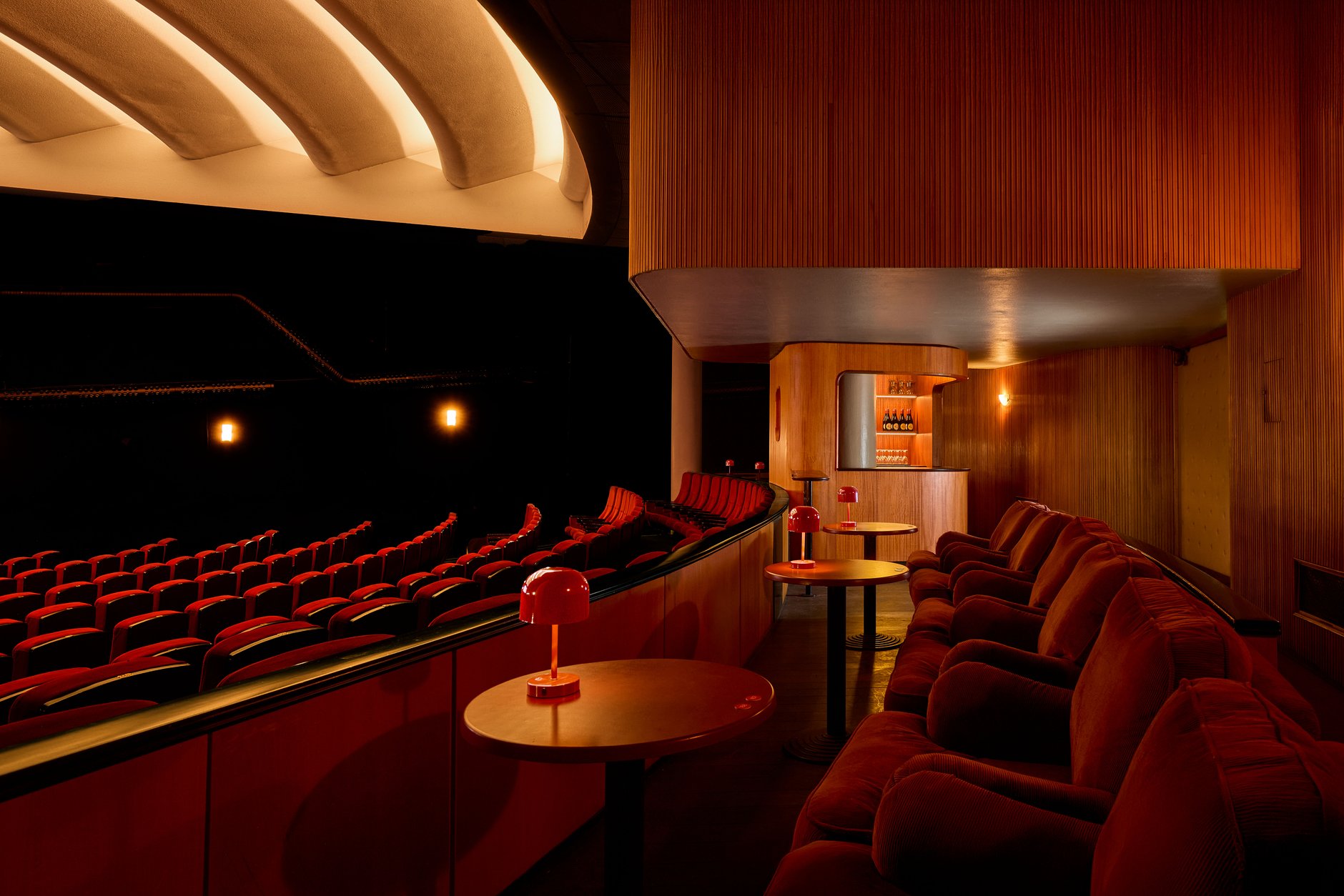
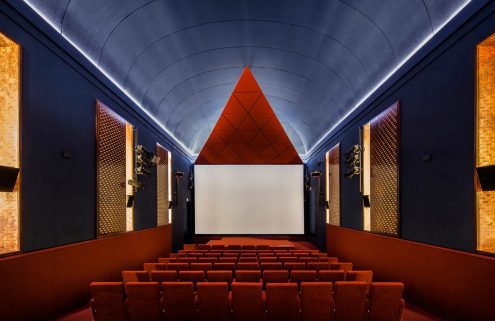
Built in 1943, arthouse cinema Bio Rio is one of Stockholm’s few remaining single-screen theatres. It recently underwent a refurbishment by architecture studio In Praise of Shadows, which honoured its historic features — the charming neon-red sign, velvet seats and wood panelling. The renovation added a restaurant and a salon bar, creating a community hub for film enthusiasts.
Kino International, Berlin
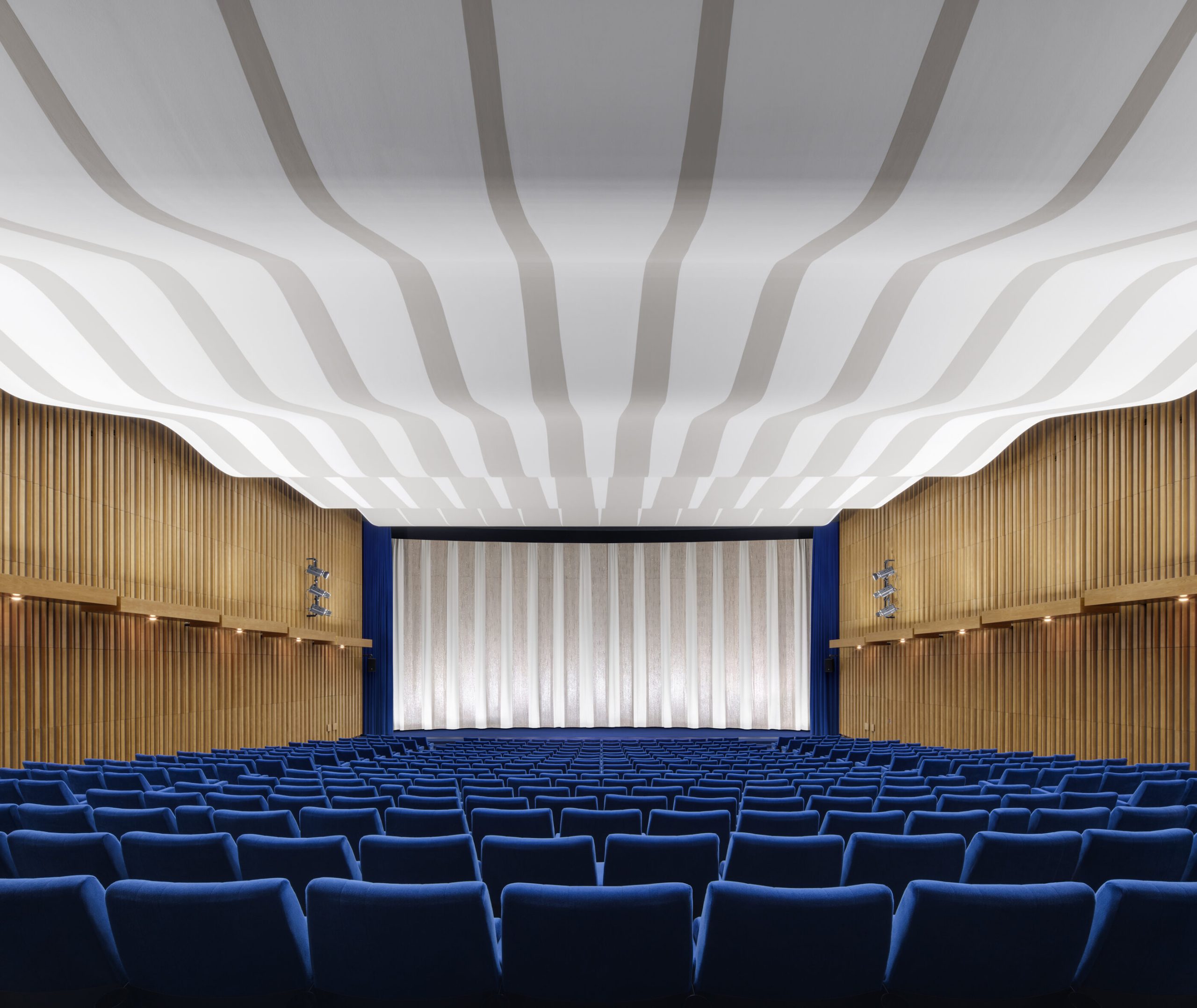
Berlin’s monumental Kino International recently reopened after a two year restoration by Dickmann Richter, who restored to glory Josef Kaiser’s original 1963 modernist design. The 500-seat cinema was celebrated for its crystal chandeliers and wave-shaped ceiling and became a landmark of independent and LGBTQ+ cinema; the renovation has reaffirmed its status — not only as an architectural icon but as a cultural anchor.
Haikou Gaoxingli Insun Cinema, Hainan
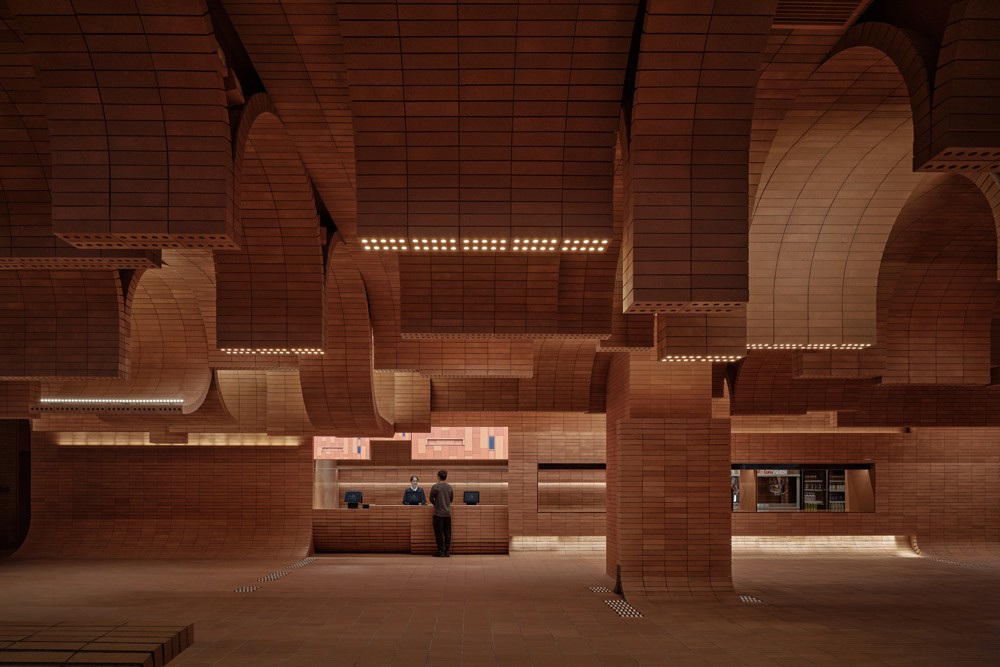
A new entertainment space for Hainan Island’s coastal capital, the Haikou Gaoxingli Insun Cinema and Coffee Bar was completed in 2024 with interiors by Hong Kong designers One Plus Partnership. In the lobby, stacked brickwork creates flowing walls, ceilings and seating that echo the coastal landscapes outside. In the screening rooms, gently curved wooden forms, pastel tones and soft lines combine to create a dreamlike cinematic experience.
The Underground Cinema
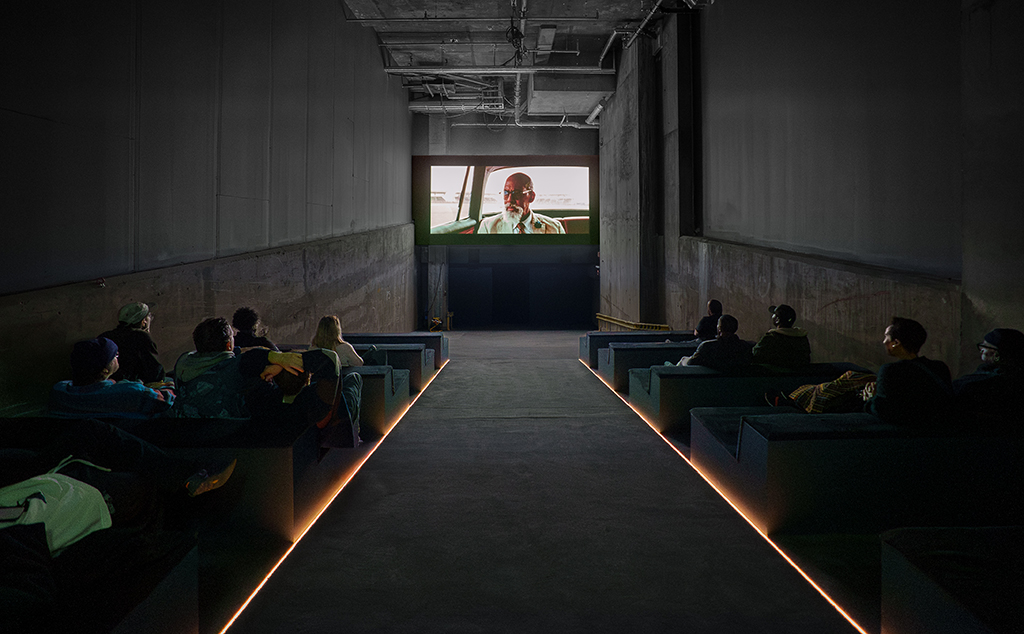
Fashioned from a basement exhibition room in 180 Studios, the Underground Cinema was inaugurated earlier this month with a screening of artist-filmmaker Kahlil Joseph’s BLKNWS: Terms and Conditions. The space was adapted by Sean Bidder into a cosy, intimate setting for the 113-minute film, itself an adaptation from Joseph’s 2019 Venice Biennale presentation, and will change with coming features.
Le Louxor Cinéma, Paris
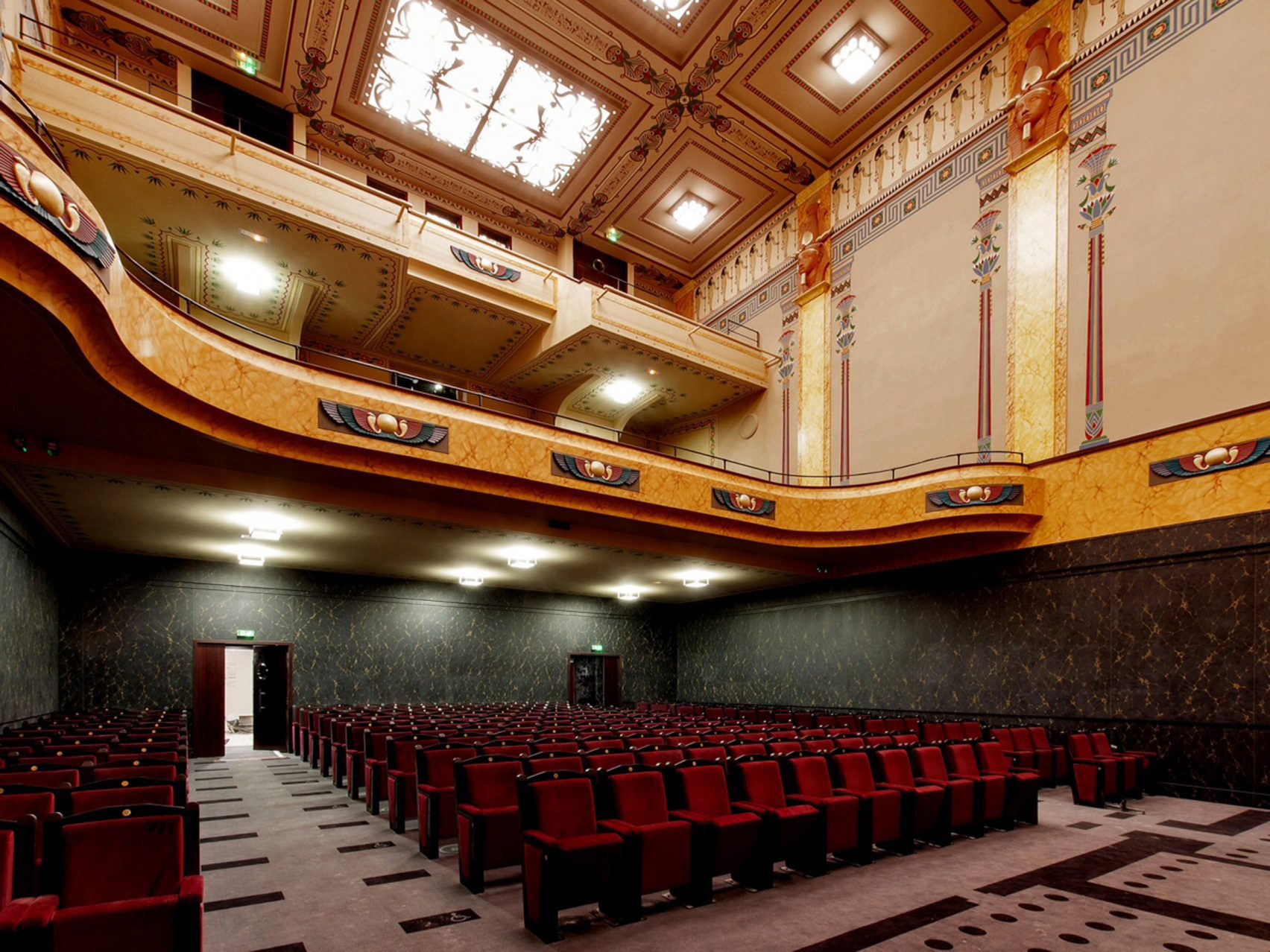
Located in Paris’ Barbès district, Le Louxor is a landmark of Art Deco design, famed for its Egyptian-inspired motifs. Saved by local activists and purchased by the City of Paris in 2003, it was meticulously restored by architect Philippe Pumain and heritage specialist Christian Laporte. The reopening in 2013 revealed its deco grandeur behind renewed facades, plus an exhibition space and terrace bar.
Cisternerne, Copenhagen
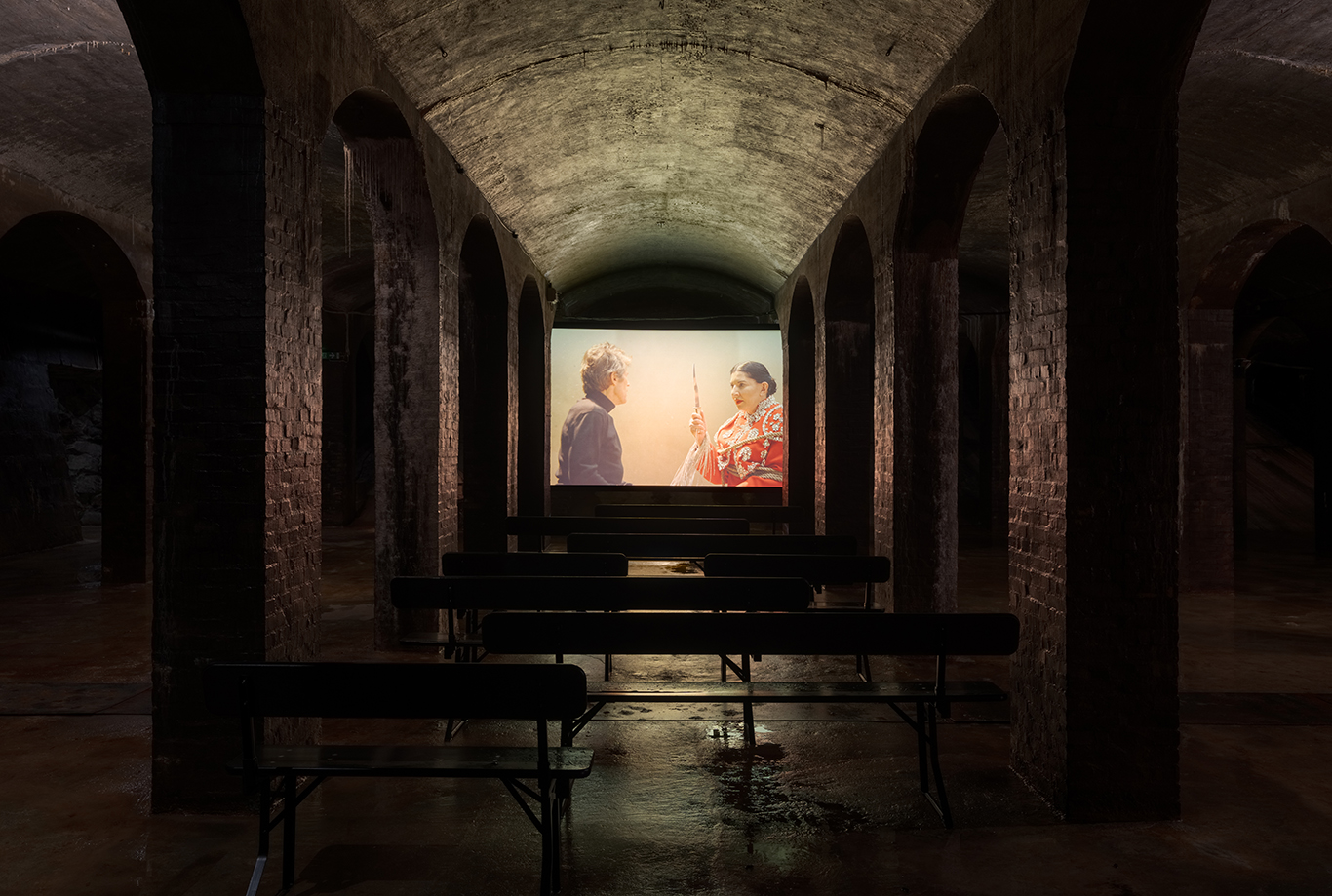
Marina Abramović’s Seven Deaths is screened across seven distinct rooms at this dark, echoing subterranean exhibition space, unfolding spatially and temporally. With support from Willem Defoe, Abramović reinterprets seven historic arias memorably performed by Maria Callas throughout her career. The tragic series unfolds over approximately one hour; the spectacle will run through November 2026.