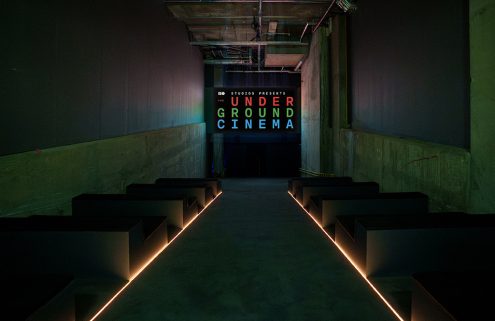
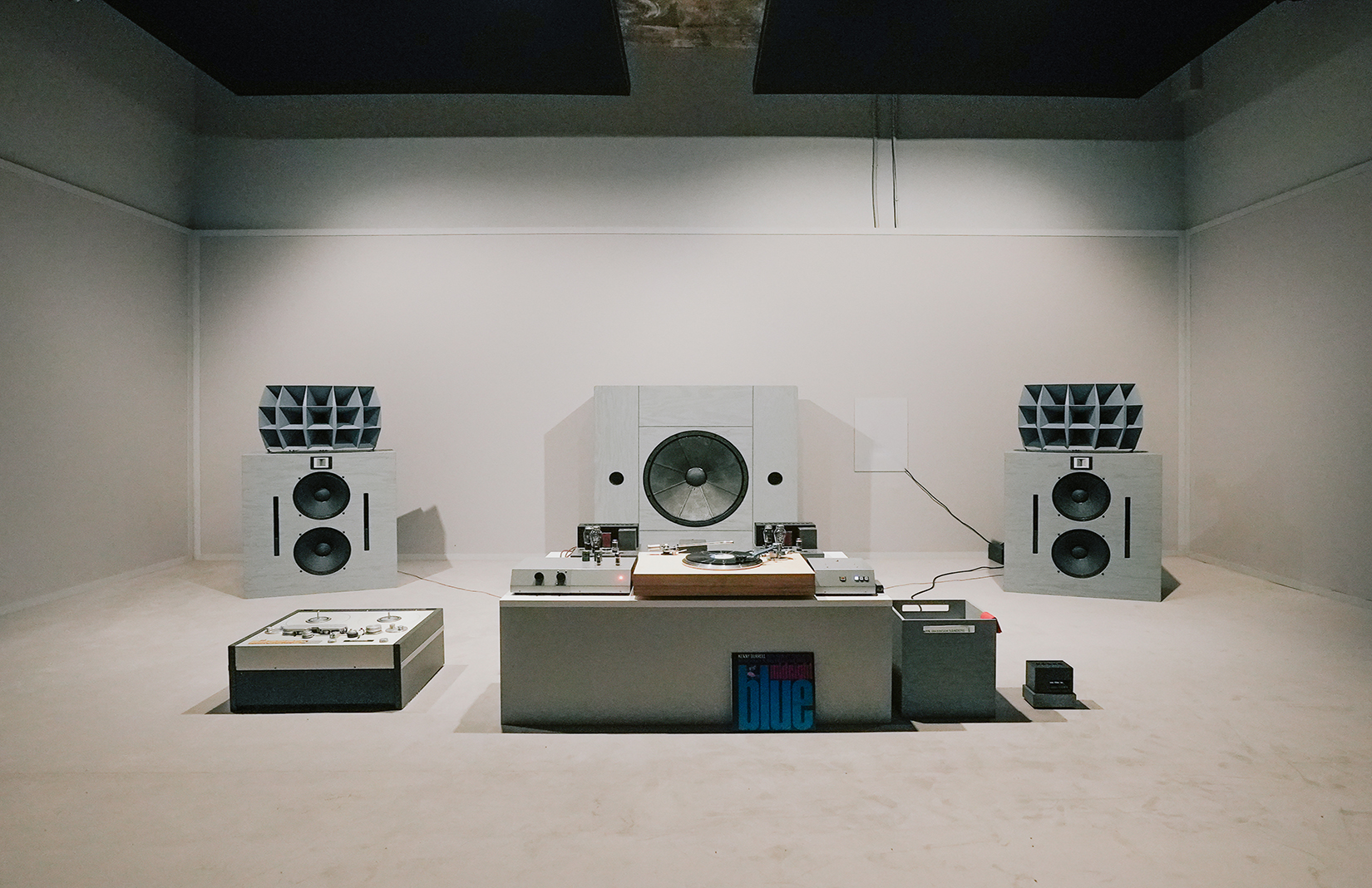
The OJAS listening room at 180 Studios in London isn’t your average after-work hang. An intimate grey-on-grey room softened with carpeting and noise-dampening panels, it seats about 30 people on low, legless loungers. There’s no bar, no mingling. Guests sit facing a wall of horn-loaded speakers and amplifiers installed by the New York audio engineer Devon Turnbull, aka OJAS, which produce rich stereo sound. At the centre sits a pedestal for a turntable and, leaning against it, selections from the vinyl collection of Charlie Dark, a London DJ.
Dark has a following at the clubs where he performs. But in this cosseted space he’s playing the fan in a way, introducing listeners to the risk-taking, genre-spanning playlists of Theo Parrish, a DJ’s DJ and producer from Detroit. Over two hours, he explains the secrets of a Parrish set. ‘It starts gently, taxis off the runway, reaches altitude — then you’re experiencing some turbulence while he throws in some experimental curveballs.’ Dark plays snippets of some two dozen records: a funk track from the 50-year-old Trinidadian label Kalinda; a rare 1974 track recorded by Herbie Hancock in Japan. Bobbing his head, infected by the beat, he tries to verbalise what we’re all feeling. ‘This is music that provokes a conversation, a call and response,’ he says. ‘As a DJ, you’re always playing for people. Not at people.’
Dark muses aloud that his performance is coming off as a lecture. Far from it. This session of pure listening for listening’s sake — rather than selling records or tickets — is what we’ve all been craving since streaming marginalised the radio DJ and limited personal connection in the listening realm. Even dance floors, says Dark, ‘have become less about connection and more about showmanship’. Dark insists his audience meet one another, say hello, share a sentiment. ‘I want to recapture a place that’s about connecting, community, education, revolution… and expand what that dance floor experience can be.’
Music goes back as long as humans have felt joy, misery, tedium and love. It’s a cornerstone of our civilisation, a force for human connection, enjoyed in more ways than one can count. Saying you don’t care for music is almost like saying you’re not fond of food. Yet we seem to have arrived at a moment when quality varies and noise dominates. Among audiophiles, a return to vinyl has fuelled demand for niche and retro speaker systems, boosting interest in listening bars and hushed jazz clubs. When even those experiences seem too buzzy, minimalist options like the OJAS room strip away the excess.
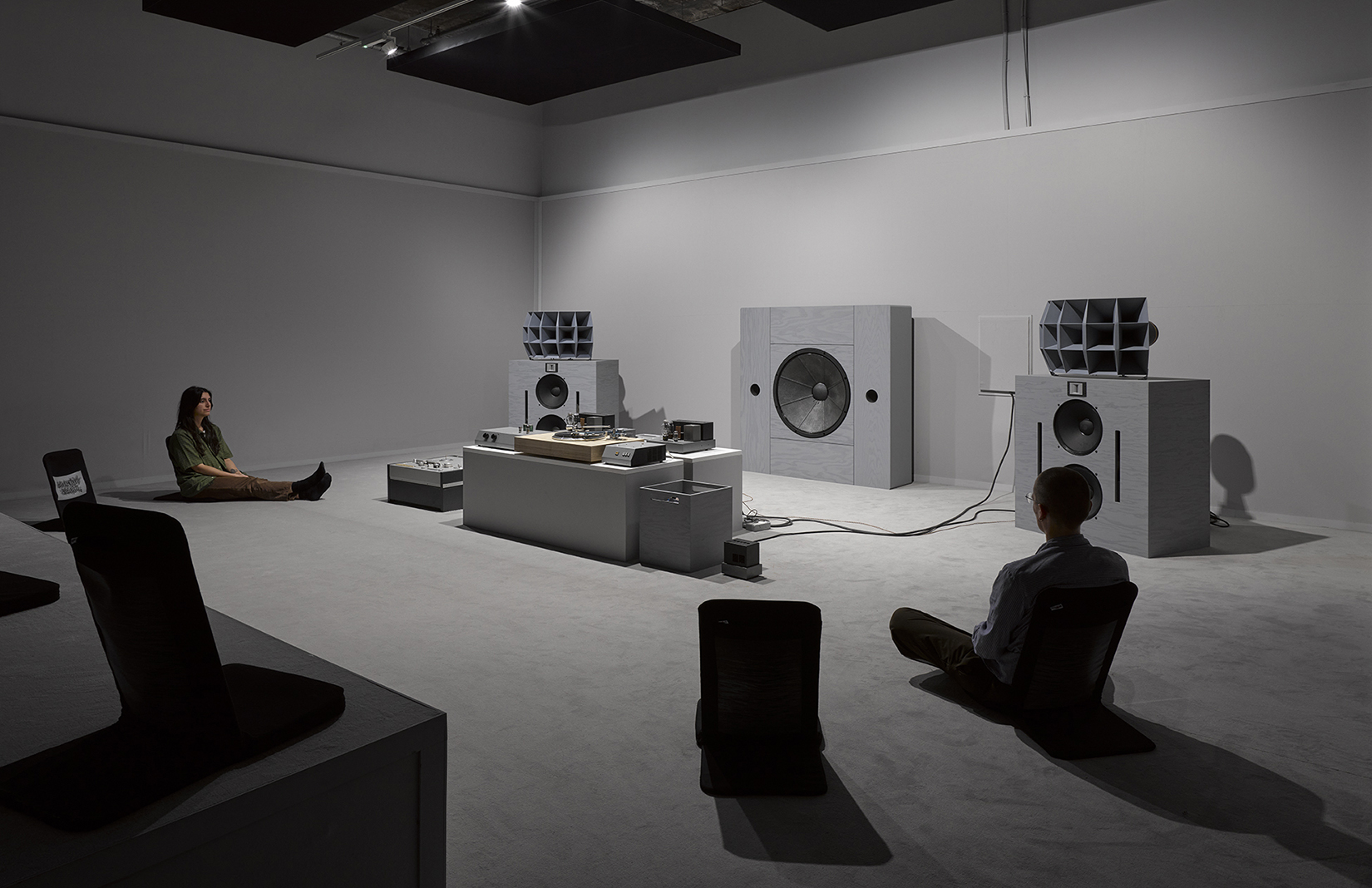
It’s a slow burn, but it’s catching on. Earlier this month Turnbull installed a handmade audio system in New York, where it will complement the Art of Noise exhibition at the Cooper Hewitt Design Museum, on show until July. The HiFi Pursuit Listening Room Dream No.3 offers a lush, textured ‘sonic experience’ designed to trigger memories and emotion. Keeping with the theme of the exhibition, musicians and audiophiles will host discussions on the role of design in music consumption over the past century.
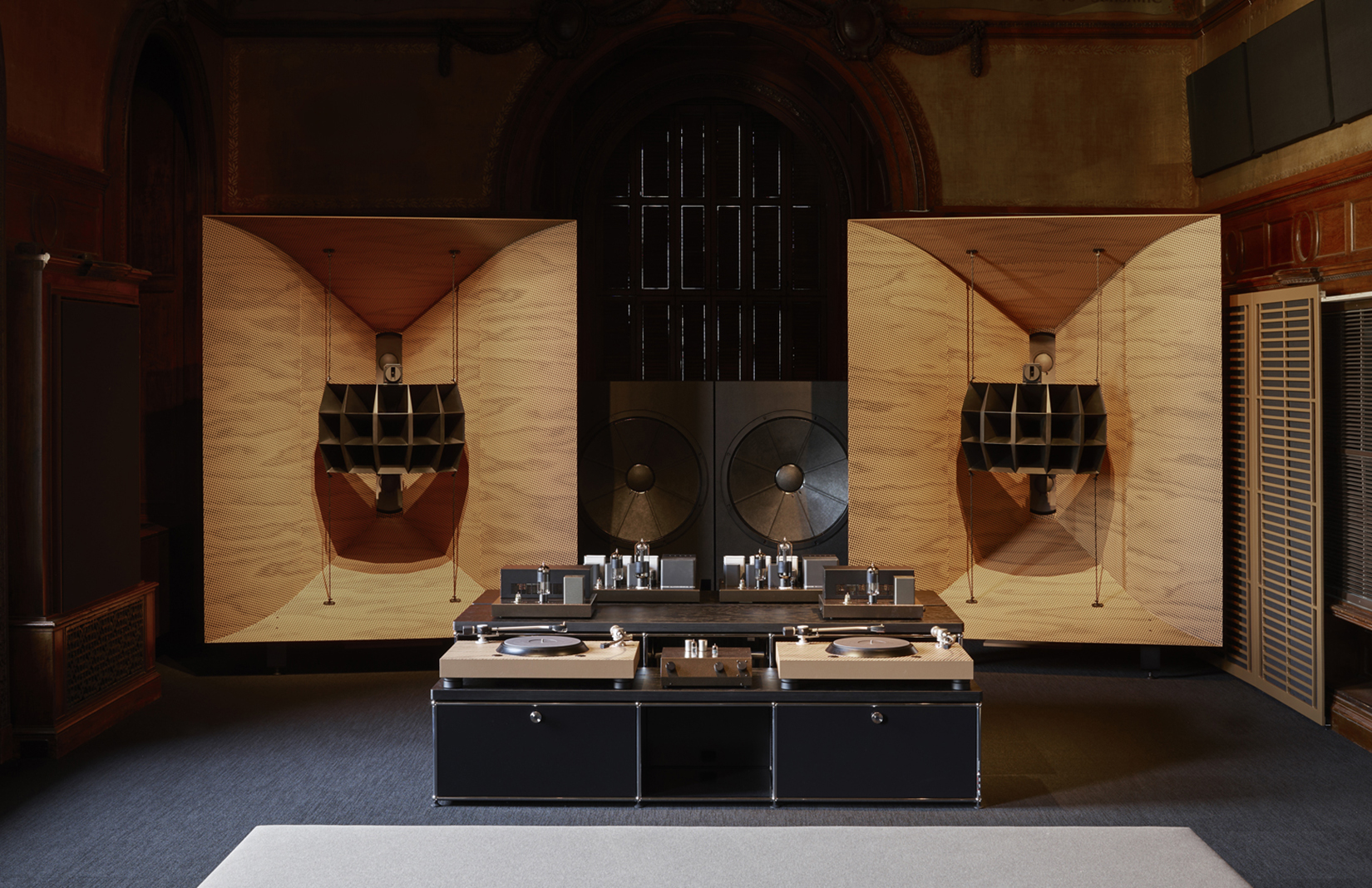
Downtown at the landmark hotel Nine Orchard, spaces have been set aside for art viewings, round-tables, record-releases, live jazz and, in the East Room, listening sessions with OJAS’s new Klipsch speakers.
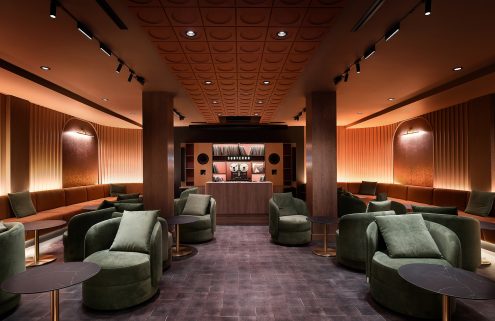
And in Montreal the new Sonolux hotel has designed audio-visual appreciation spaces throughout the building. The hotel’s resident DJ stages a full album-listening every night in the Subterra audio lounge.
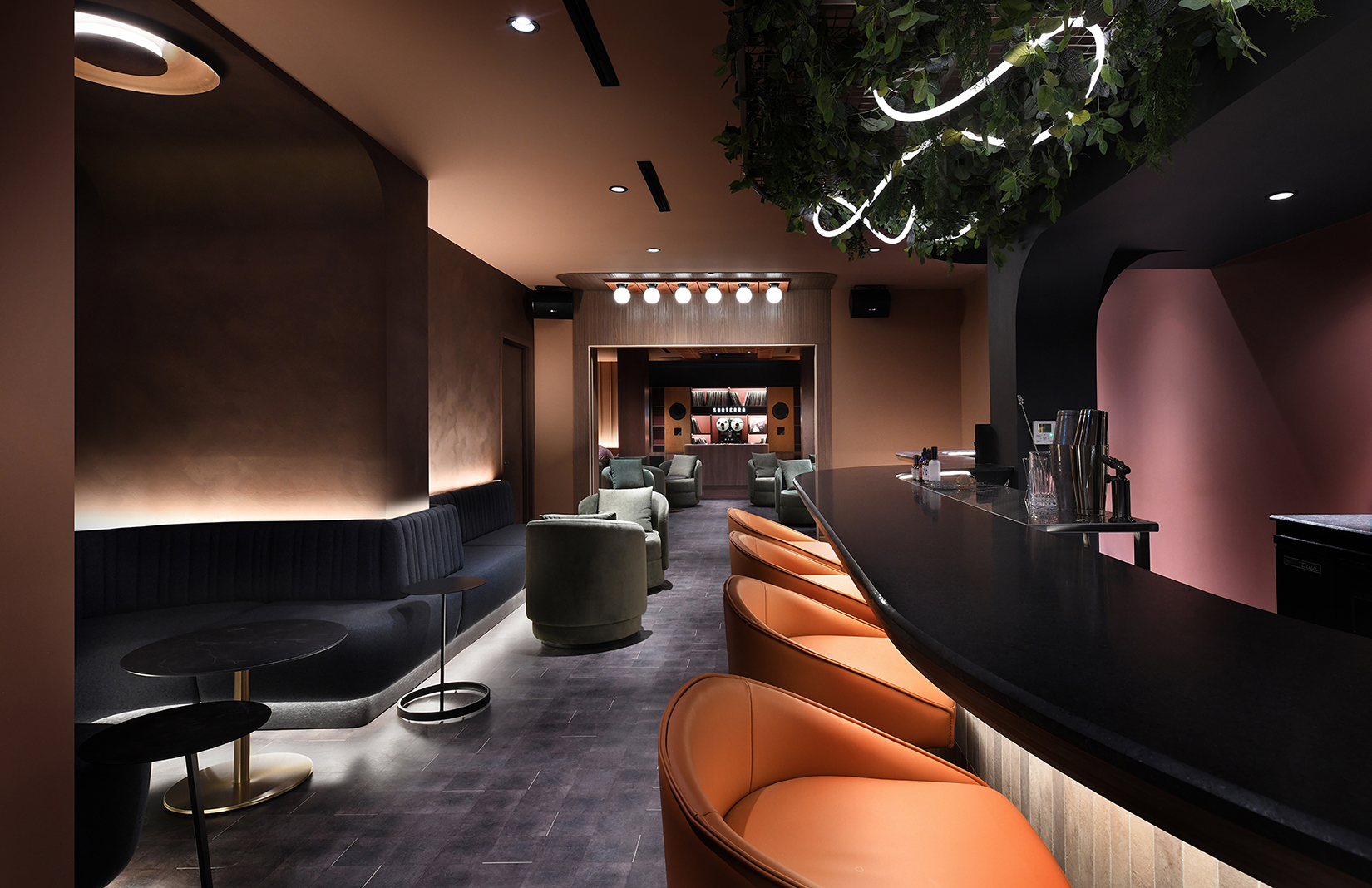
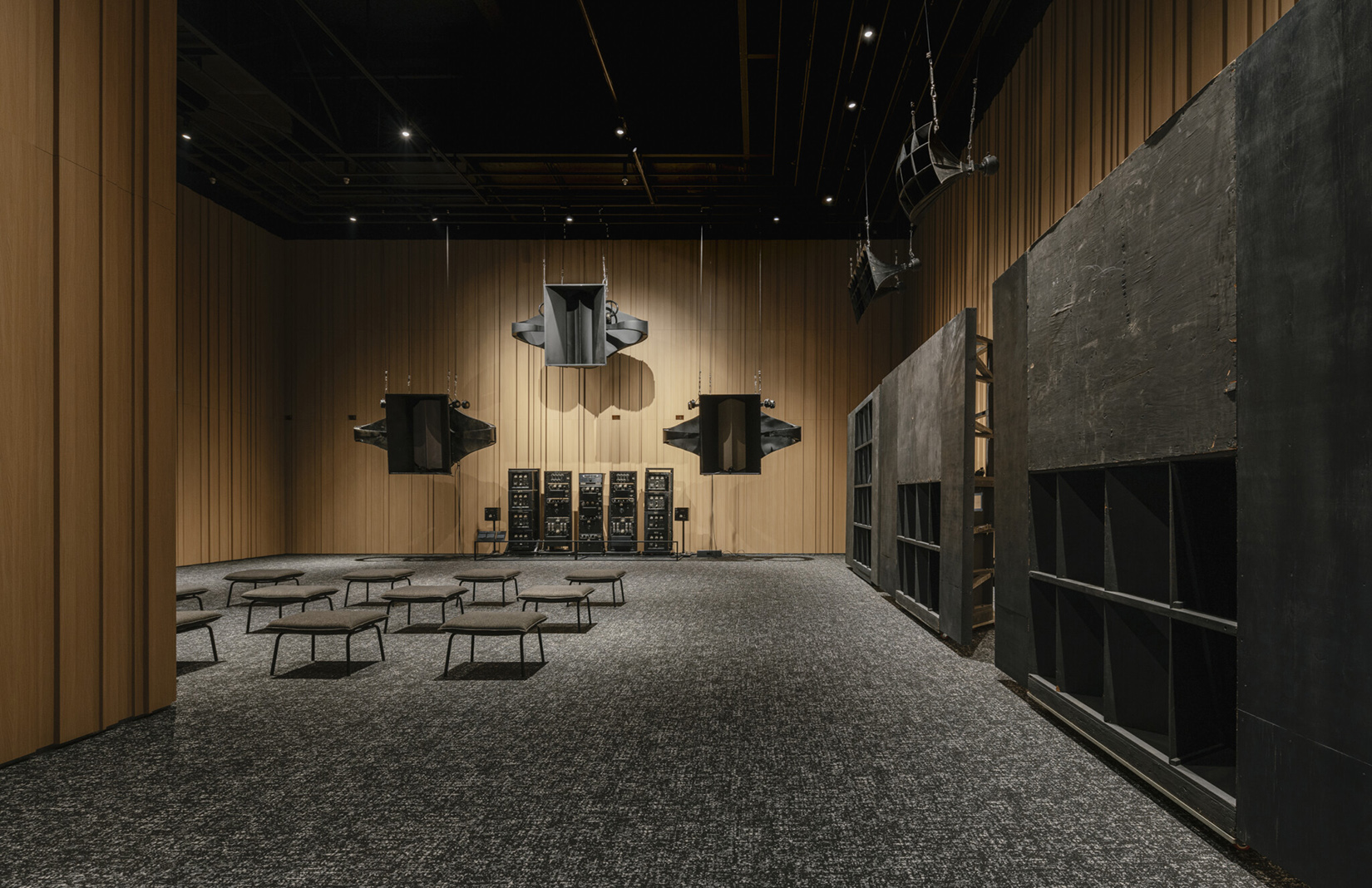
Sticklers might see hotels as commercial endeavours no different from the now-ubiquitous listening bar, using high spec audio to sell food, drink and prestige. For them, there are operations like Audeum in Seoul, arguably the world’s first museum devoted to audio art. Influenced by Japanese traditions of kissa and the South Korean culture of deep listening, it incorporates light effects, fragrance and even gentle breezes to enhance the listening element — what the museum calls jung eum, or ‘good sound’.

The architect Kengo Kuma shrouded Audeum’s building in aluminium tubes, like 20,000 slender organ pipes or metallic bamboo shoots — he calls it ‘an architectural instrument that brings humans back to a natural state, allowing them to experience all five senses’. Wood panelling and fabric are draped throughout the interior to help transmute light and sound, so the heritage hi-fi equipment can entrance without annoying.
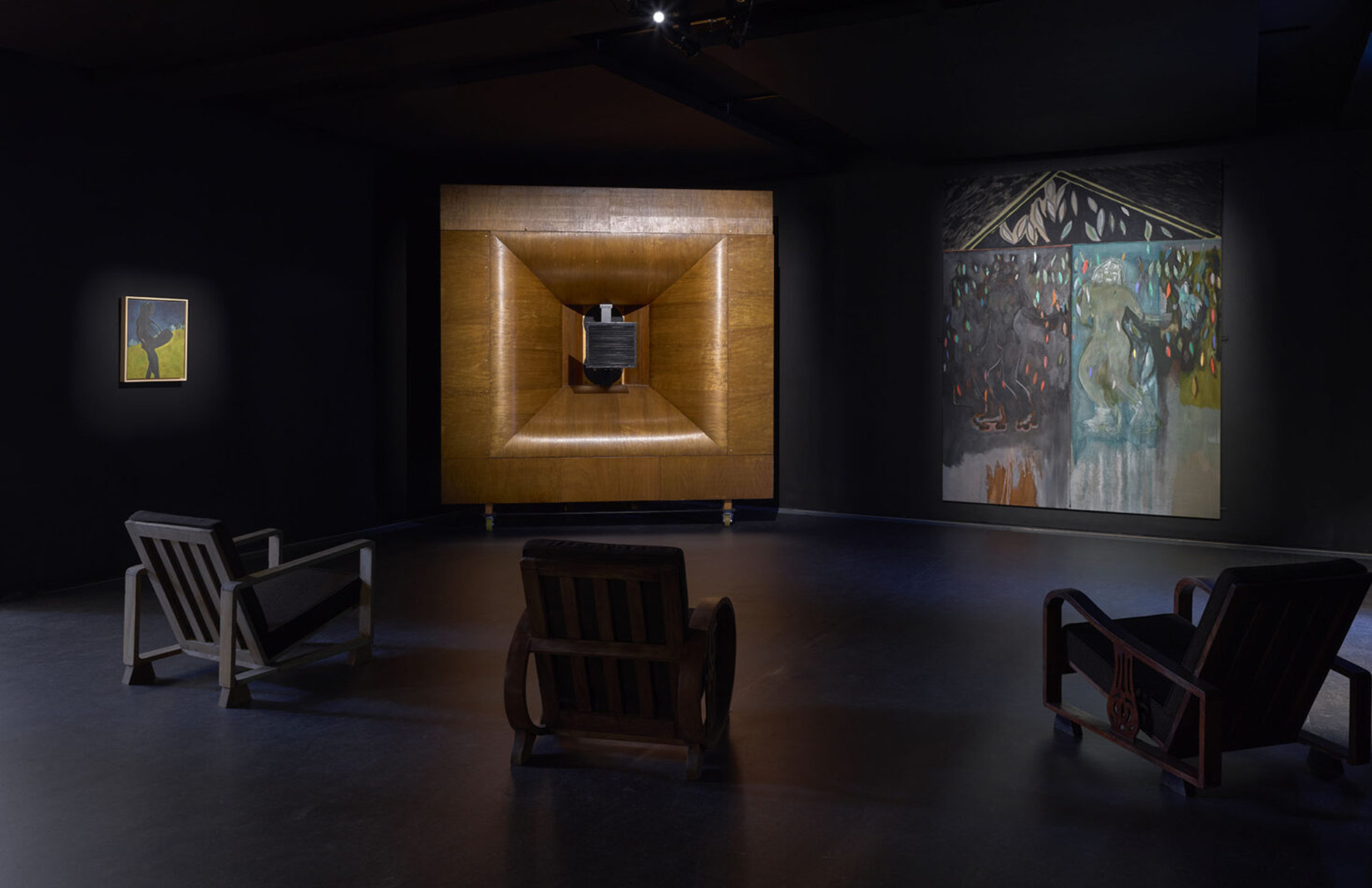
Back in London, a historic sound system is the lynchpin of Peter Doig’s new exhibition at the Serpentine Gallery. Called House of Music, the exhibition displays epic canvases in rooms fitted with immense wooden Klangfilm Euronor analogue speakers, of the sort once seen in performance halls of the mid 20th century. Restored by audio maestro Laurence Passera, the system broadcasts favourite records from the artist and his musical friends — soul, jazz, soca, calypso, steelband funk — and adds a sensual layer to act of looking. On a recent Sunday, children rushed over to peer into a speaker’s deep crevasse. Their elders lounged in wood easy chairs. Even a dog roamed around, wagging his tail.
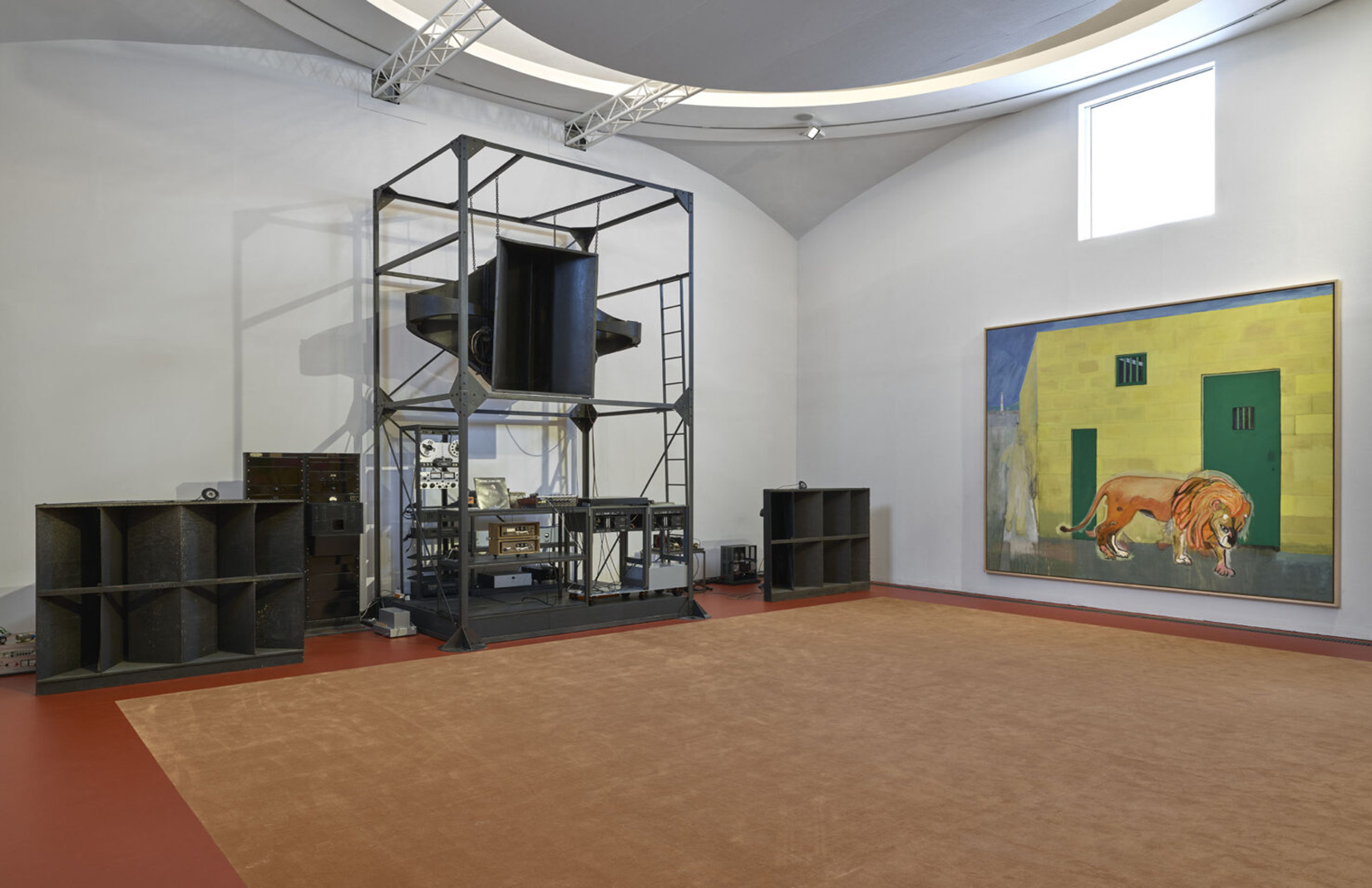
Doig, who attends the hour-long Sound Service music sessions held every few evenings in the central gallery, said layering music this way can be ‘a gateway to enjoying other art forms’. He hopes to take the exhibition on the road. ‘It’s a good idea for Trinidad. Looking at paintings isn’t really part of the culture there, but music is.’
As the day’s Sound Service began, the artist Olukemi Lijadu lay Minnie Ripperton’s Lovin’ You on the turntable and dropped the needle for a crowd sprawled on the carpet like nursery children. Presumably many felt nostalgia — not only for a sound system few had experienced since childhood, but for the way its exquisite sound made them feel.