Long before digital production, architects and engineers were shaping music through walls, volumes and materials. Today, a new generation of studios is rethinking that relationship by questioning how space can be an extension of sound. These studios reflect a growing awareness that creativity doesn’t happen in isolation from the environment. Natural light, raw textures and even the surrounding landscape are drawn into the recording process, softening the once windowless, bunker-like typology of the traditional studio.
Soulwax, Belgium
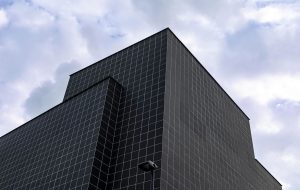
The historic city of Ghent is home to Studio Deewee, designed by minimalist architect Glenn Sestig. The project brings together production, living and an archive under one roof: a monolithic tower with a blind chequered-granite facade. Designed for the Deewee brothers — better known by the noughties DJ alias ‘2manydjs’ — the space centres on a subterranean recording room, while above, a vast vinyl archive transforms the studio into a living catalogue of musical history. Fully networked throughout, the design allows music to be played and recorded in every room, collapsing boundaries between listening, making and living.
Real World Studios, UK
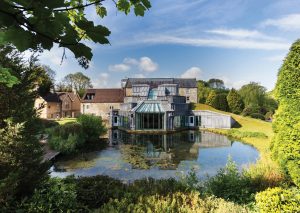
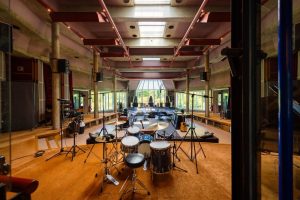
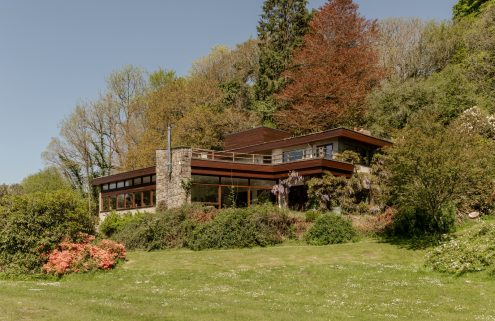
Enveloped in Wiltshire countryside, Real World Studios was conceived by Peter Gabriel in the 1980s and developed with architects Feilden Clegg. The collaboration reimagined the conventional sealed studio as a space rooted in its natural surroundings. The complex evolved from a converted mill into a purpose-built facility shaped equally by acoustics and environment. Overlooking water through vessel-like windows, the space has hosted artists including Amy Winehouse, Arctic Monkeys and Guns N’ Roses.
Wool Hall, UK
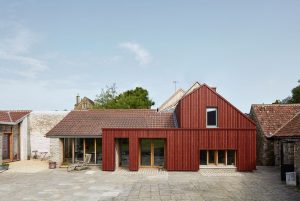
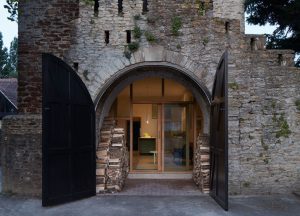
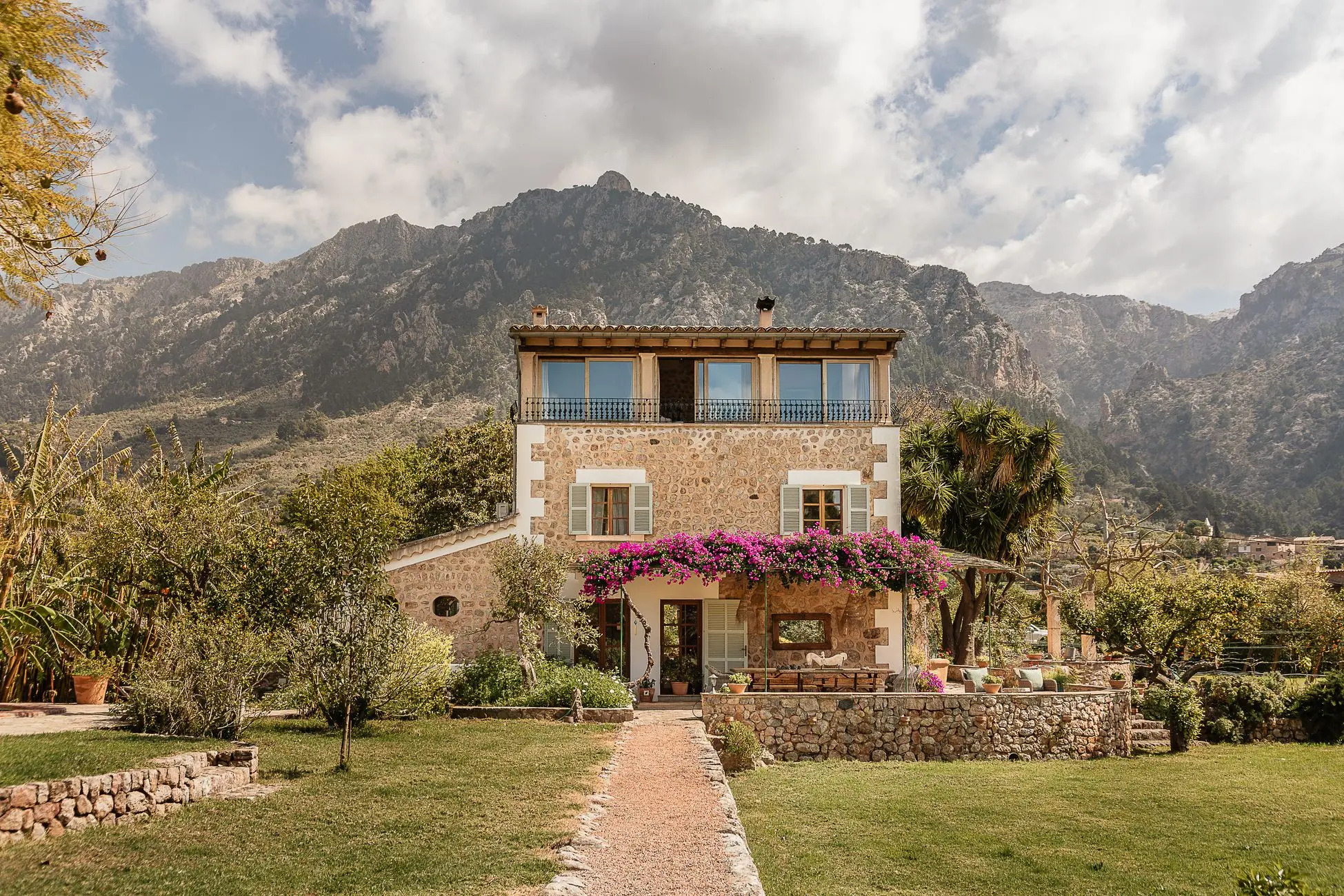
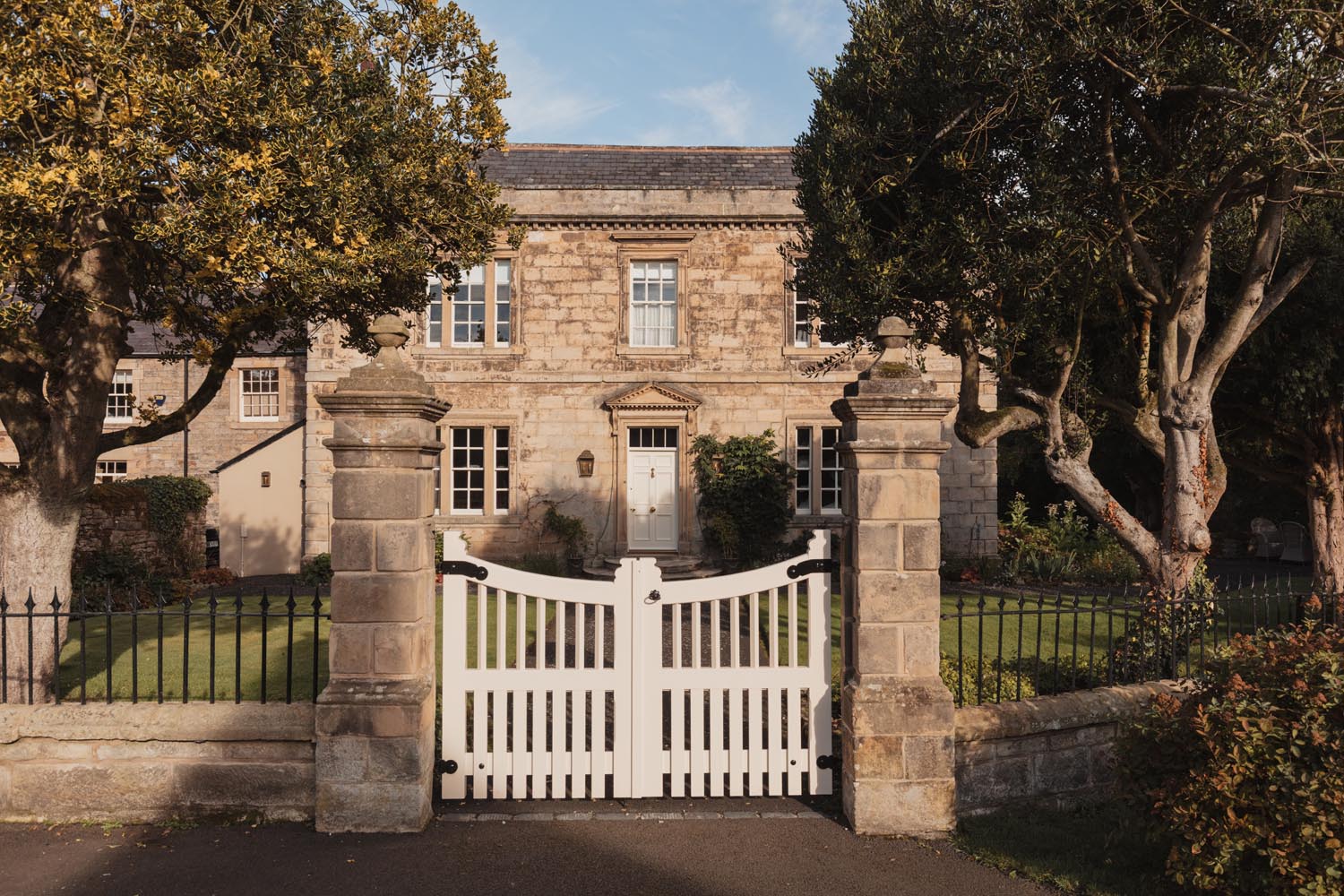
Originally built in the 1580s as a wool-trading hub, Wool Hall later evolved into a celebrated recording studio owned by Tears for Fears and Van Morrison. Artists including The Cure, The Smiths and Joni Mitchell recorded in its stone walls. After years of passing between private owners and undergoing multiple conversions, Wool Hall has been restored by Tuckey Design Studio. Carefully stripped back and sensitively reworked, the building was transformed from a neglected structure into a layered home and studio. Original architectural features — such as its distinctive semi-circular entrance — have been preserved and celebrated, balancing heritage with modern living to create a richly atmospheric space where centuries of history inform contemporary creative production.
Pur, Turkey
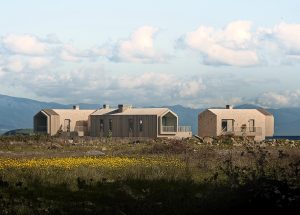
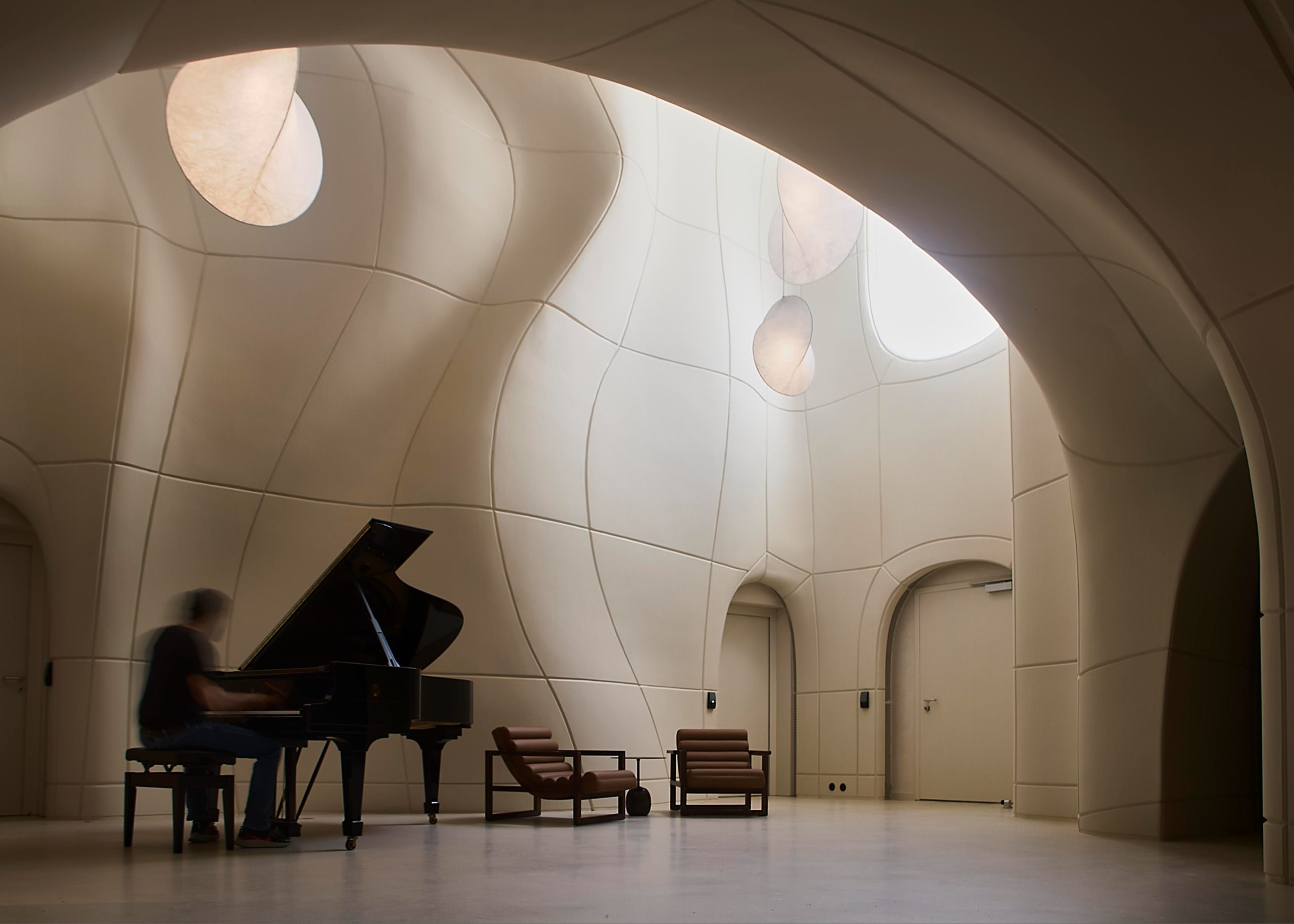
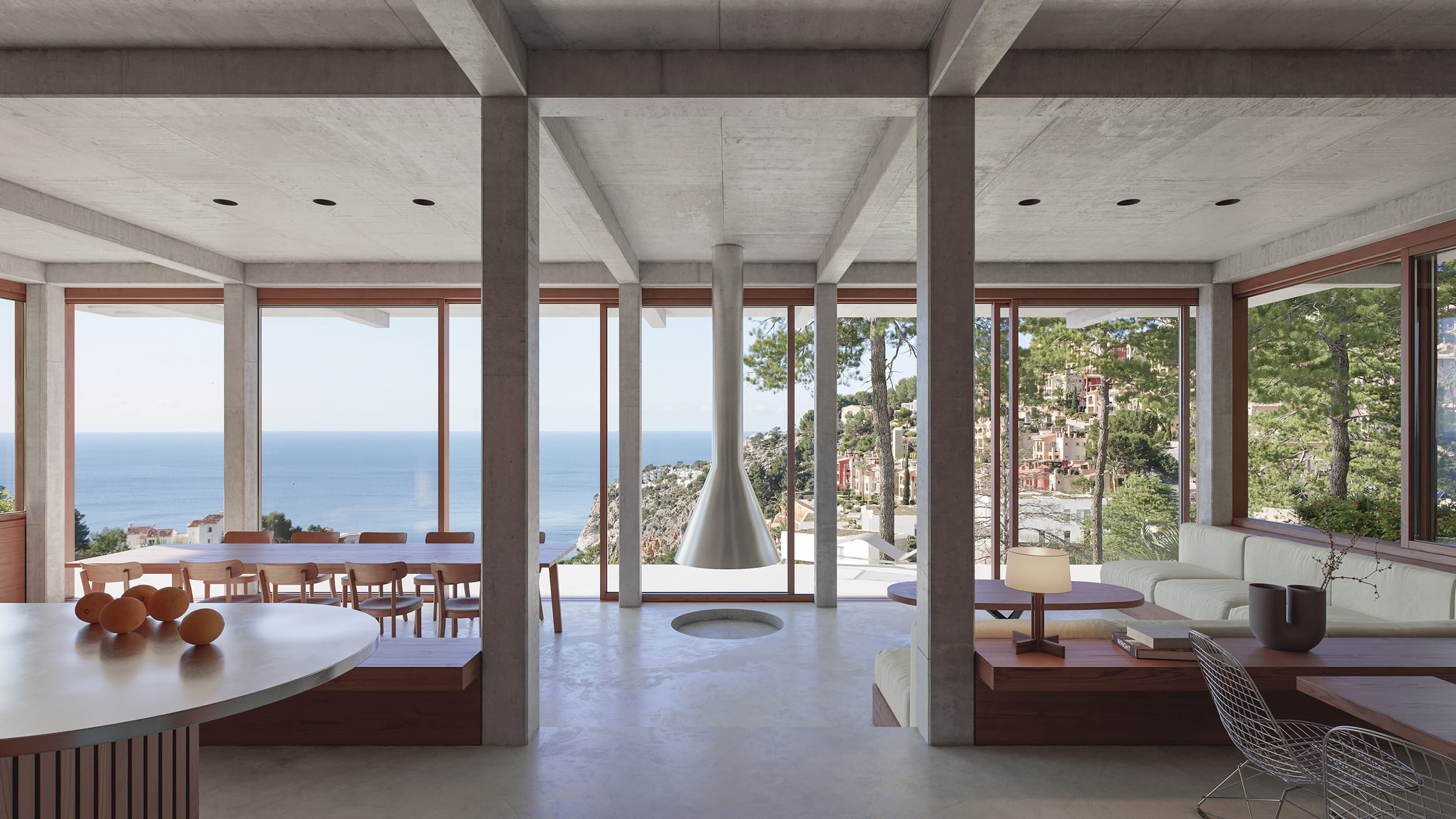
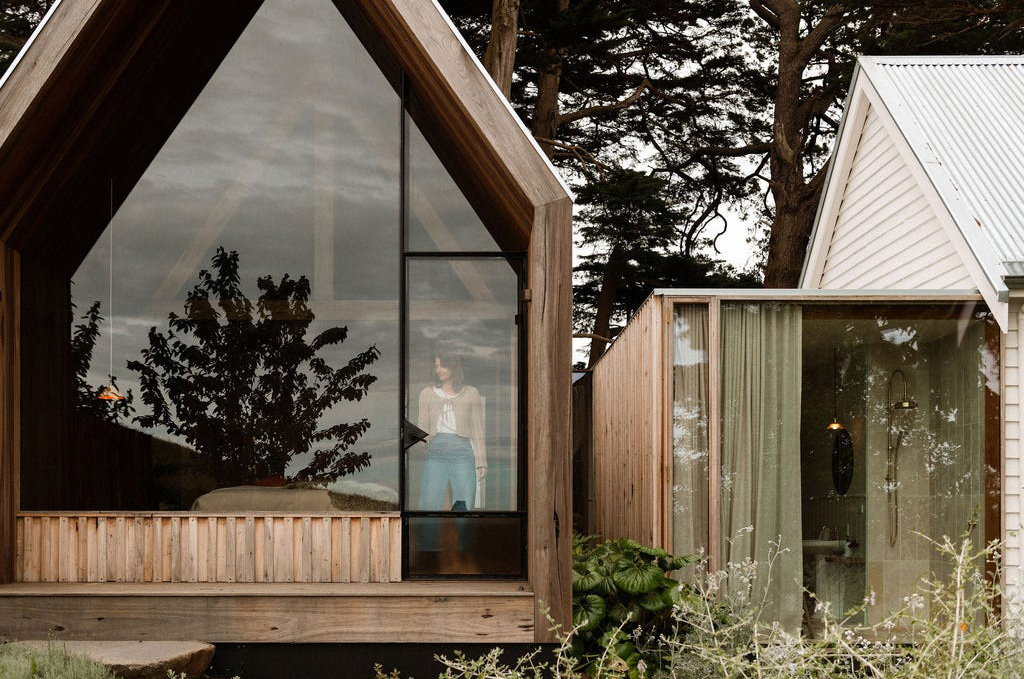
Framed by the sea, stone and olive groves of Turkey’s Aegean coast, Pur was recently designed by Istanbul practice SOUR as a dialogue between sound, environment and architecture. Conceived as a space deeply rooted in its landscape, it has a tactile timber exterior that gives way to a fluid, cocoon-like interior shaped by soft, organic forms — a transition that echoes the textures and rhythms of the Mediterranean. More than a recording studio, it also functions as a residential retreat for artists. A space where creative production is shaped by its surroundings.