During the bleakest days of the year there is something life-affirming about art that can’t be contained by a gallery, that requires the energy of the outdoors to say its piece. Where landscapes are devoid of colour, it brings life, to a brisk winter walk it brings purpose. And without the clutter of foliage it calls out from the deepest corners of the landscape. In dull weather, outdoor art lends the feeling of excavation and discovery. And for those who take some persuasion to get outside in the cold, who find the warmth of an indoor gallery puts them to sleep rather than stimulates, it’s the type of outing that saves the weekend.
Middelheim Museum, Antwerp, Belgium

It has the rather elaborate distinction of being the world’s ‘first public permanent open-air sculpture museum’ (it turned 75 this year), but Antwerp’s wild, wooded idyll makes space for pioneering contemporary art with plenty of moving parts alongside its more classical statuary. Each year the museum acquires new, cutting edge work, from a revered ‘Bridge Without a Name’ by Ai Weiwei to an obscure political statement in off-cut marble. And it stages temporary exhibitions with multi-hyphenate artists like Monster Chetwynd, who’ll occupy the grounds next spring with sculptures and performance pieces that align with Middelheim’s emphasis on nature and wellbeing. A neon-lit concrete bunker at the entrance serves as an exhibition space and bar, with its own schedule of performances.
Winter bonus: the mist over the landscape, viewed from the park café.
Hakone Open-Air Museum, Hakone, Japan
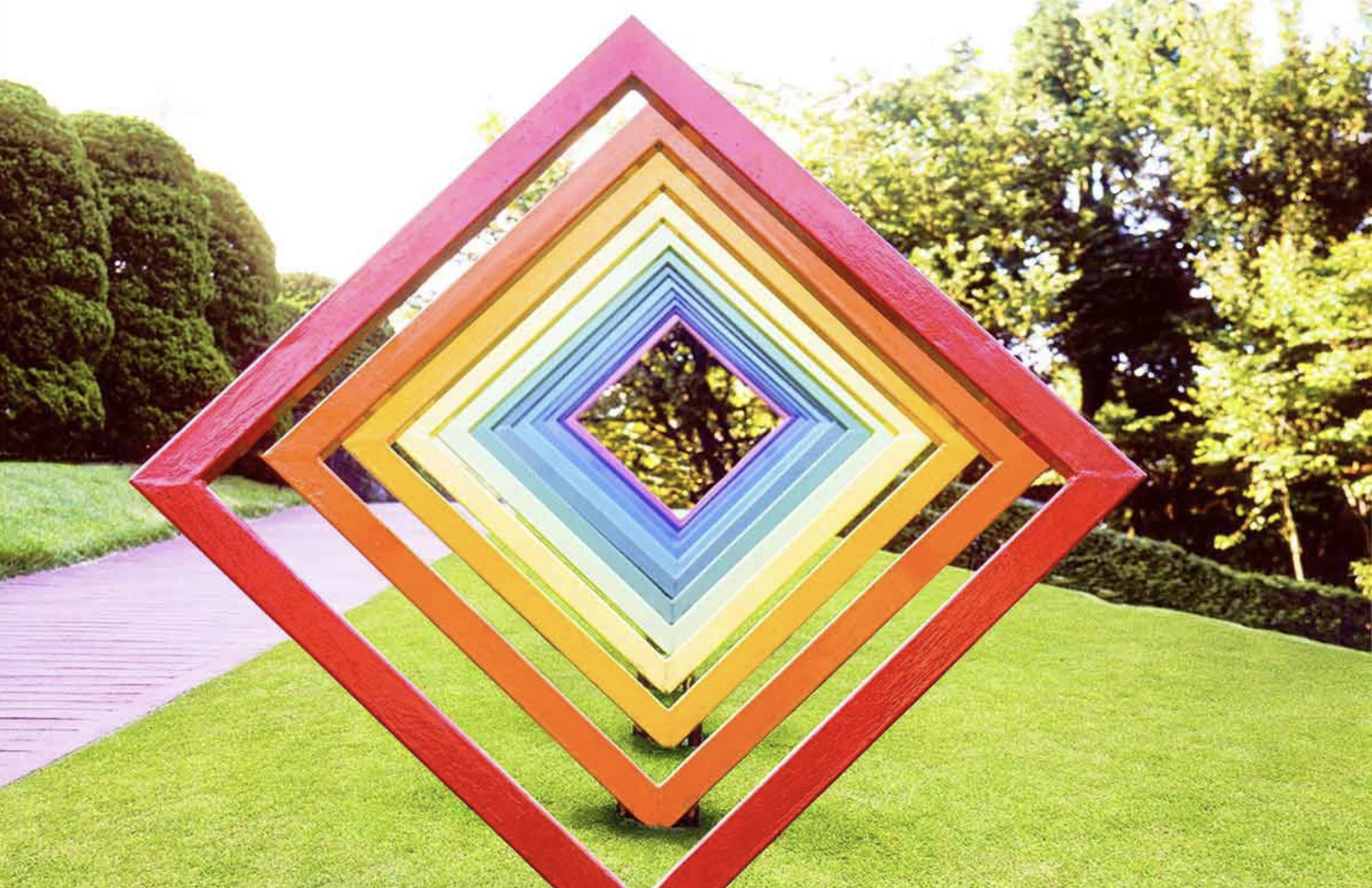
A daytrip here from Tokyo is doable but realistically you’ll want to spend more time. The national park that surrounds Hakone’s Museum lies beneath Mount Hakone, with Mount Fuji in the distance and hot springs in every direction. After doing the rounds, from Marta Pan’s floating masses to the Picasso pavilion and the flagship symphonic experience by Gabriel Loire, visitors partake in the onsen baths, and normally choose to spend the night. Hakone hosts one of Japan’s first outdoor art collections, and many of the pieces were sourced from the European canon — so they trace the history of sculpture from an Eastern perspective.
Winter bonus: the view to Mount Fuji by morning; the illuminations after dark — visitors can borrow lanterns to explore.
Chateau La Coste, La Cride, France
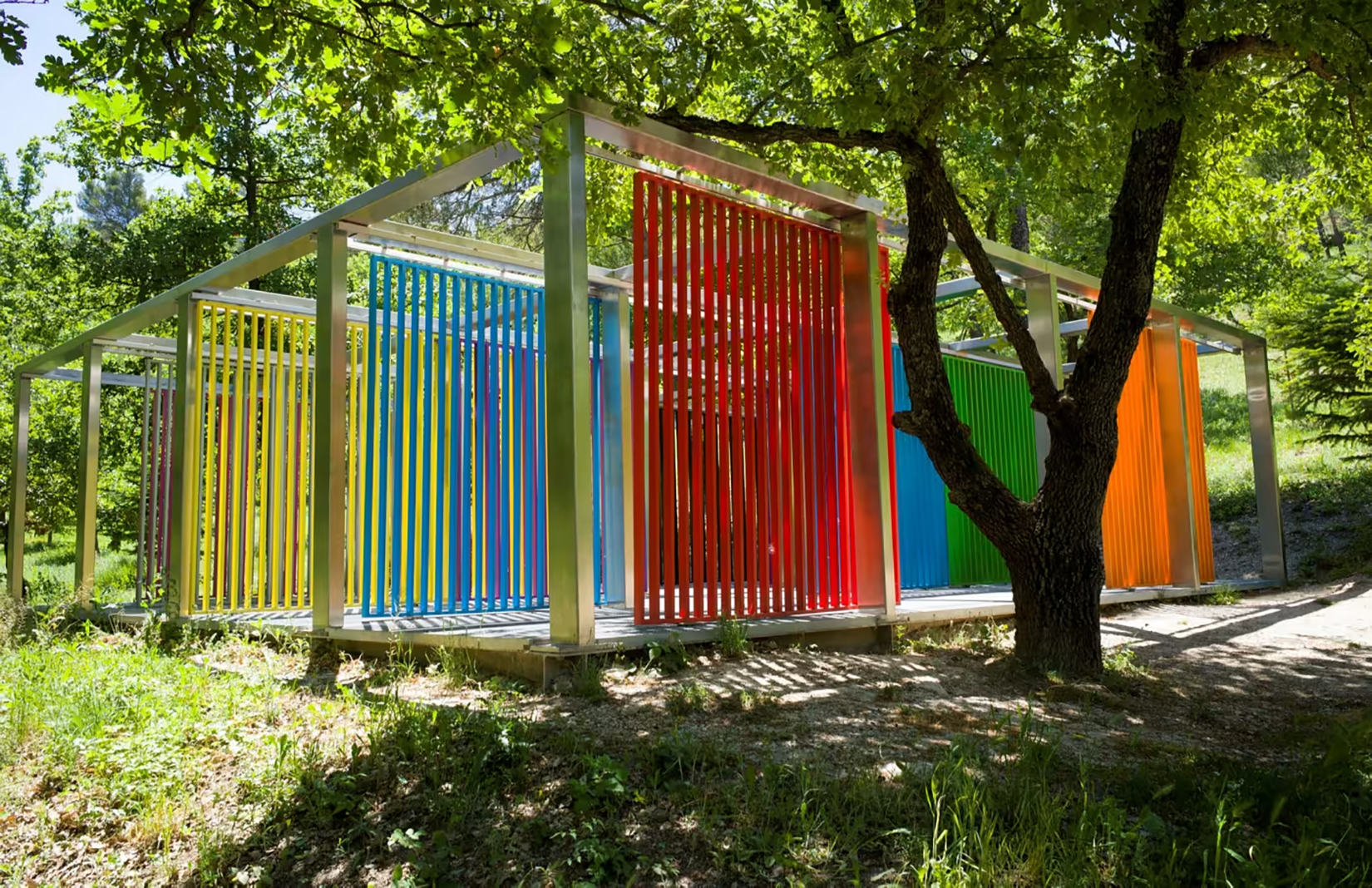
This rambling property in the hills above Aix-en-Provence has grown from a private wine estate into a luxury resort with a Michelin restaurant and spa, but the villa might fade into the background if not for the art and architecture promenade, leading to satellite galleries and exhibitions across the domaine. It’s here that Richard Rogers completed his final building, a drawing gallery that cantilevers over a 27-metre hill (curation favours boldface names like Tadao Ando and Renzo Piano). Daily guided visits lead you inside for stupendous views over the Luberon, as well as to the requisite Calder and Bourgeois, each perched daintily in shallow ponds. Sculptures in oak, brick and stone settle into the landscape while Liam Gillick’s ‘Multiplied Resistance Screened’ employs colourful powder-coated screens that reverberate against the light and landscape.
Winter bonus: the four pavilions looking out to the vineyards through full-height glass, programmed with art and photography from the 1980s to the present.
Glenstone, Potomac, USA
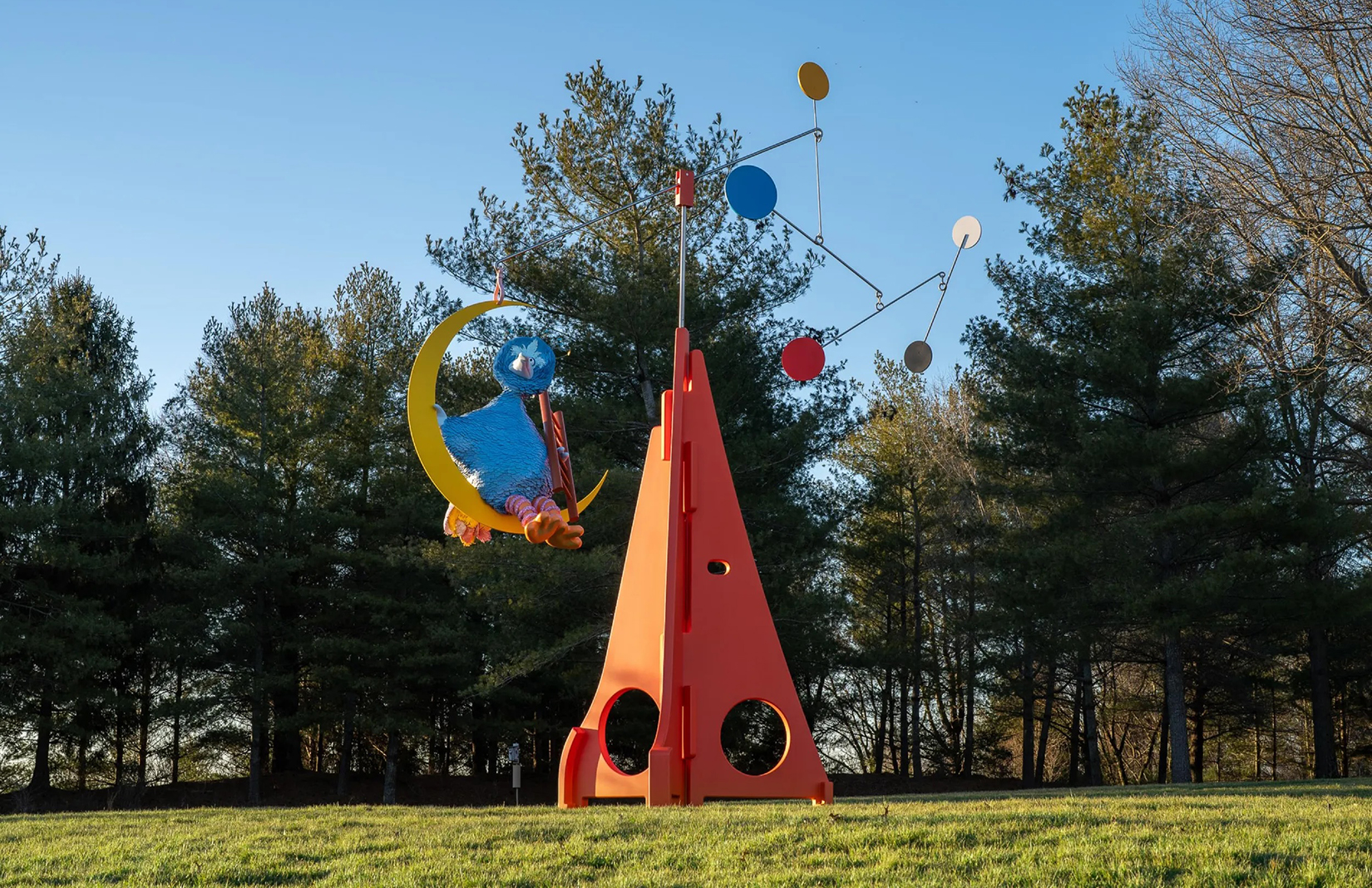
Summer is too steamy for Glenstone, located across the Maryland border from Washington DC. Winter is much more sensible for taking in this amazing breadth of artwork created since the Second World War. It’s spread out far and wide in order to lower crowd density and enable prolonged, meaningful encounters with art, and the Maryland countryside is a revelation, all wildflowers and fruit trees and views that extend miles in winter to manicured hobby-farms. Jeff Koons’ Split-Rocker floral sculpture has acres to itself. A towering, dreamlike mobile by Alex Da Corte outdoes Calder with joyful colour and movement. And if the weather deteriorates, a series of monolithic white-brick pavilions contain unforgettable riches to hold your gaze — from an Yves Klein blue sponge relief to a snappy Bruce Nauman neon to a roomful of Richard Serras — with wide banks of glass through which to gaze outdoors.
Winter bonus: the daily guided nature walk — far more comfortable in January than July.
Ekebergparken, Oslo, Norway
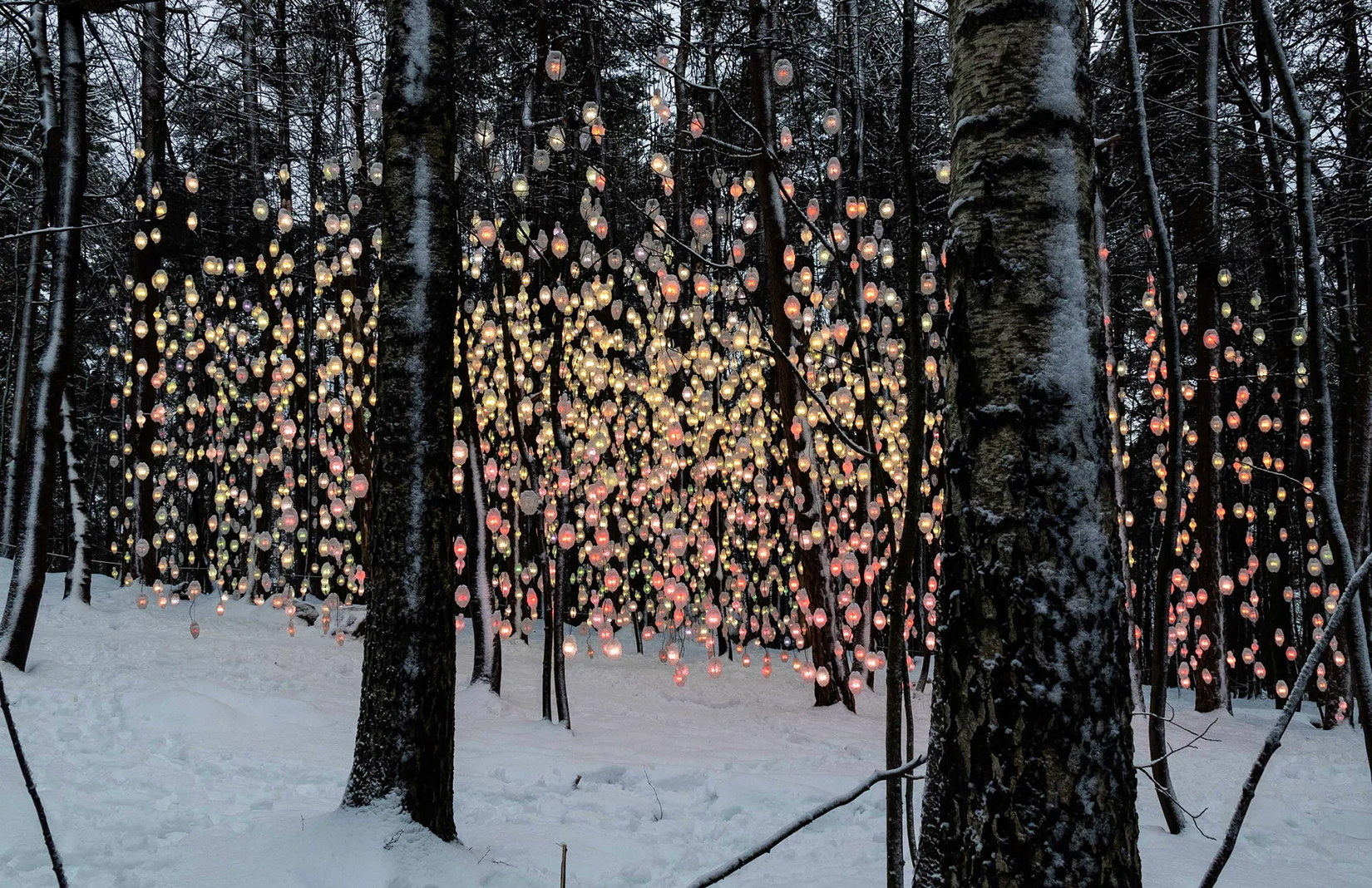
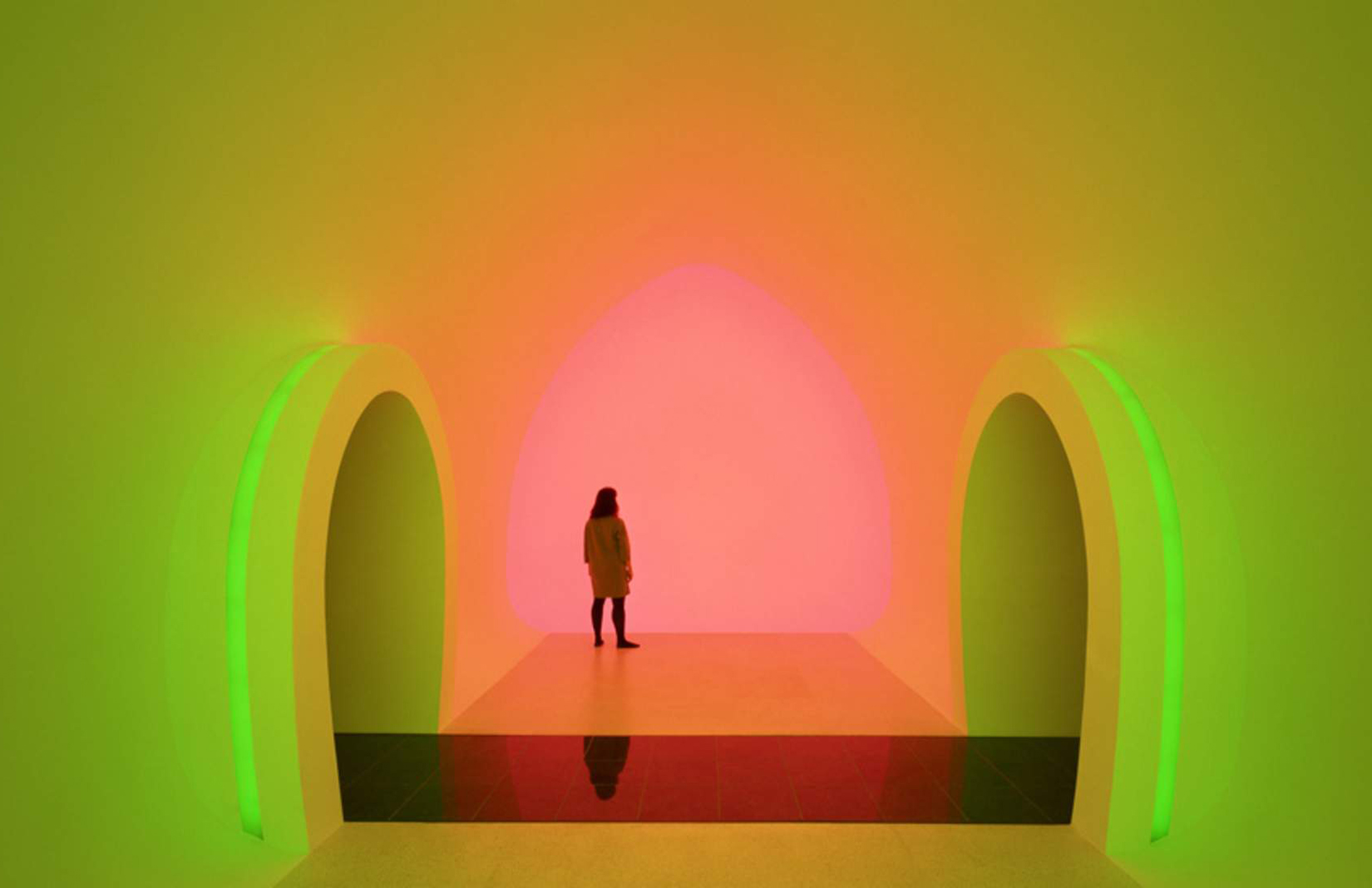
In terms of visibility, Ekebergparken is only the second or third sculpture park in Oslo, but as one that is constantly evolving with art by working artists, it is constantly demonstrating its cultural heft. To commune with its installation you need to navigate 63 acres of forest overlooking the city, on walking trails dwarfed by Norway spruce and Scots pine — an experience central to the park’s commitment to ‘spiritual and moral well-being’. Look up and you might catch the celebrated Louise Bourgeois ‘Couple’ in their reflective embrace, or the conflicted body on a concrete diving board that is Elmgreen & Dragset’s ‘Dilemma’. Years ago Ekeberg secured the nation’s first ‘Skyspace’ by American artist James Turrell: an ascetic stone room with an oculus to the sky. And at this dusky time of year, Pipilotti Rist’s ‘Nordic Pixel Forest’ brings joy with its forest of LED video points, mounted seven metres above the ground and synchronised to four original music compositions.
Winter bonus: mid-afternoon ‘sunset sessions’ at Turrell’s Skyspace.
Jupiter Artland, Edinburgh, UK
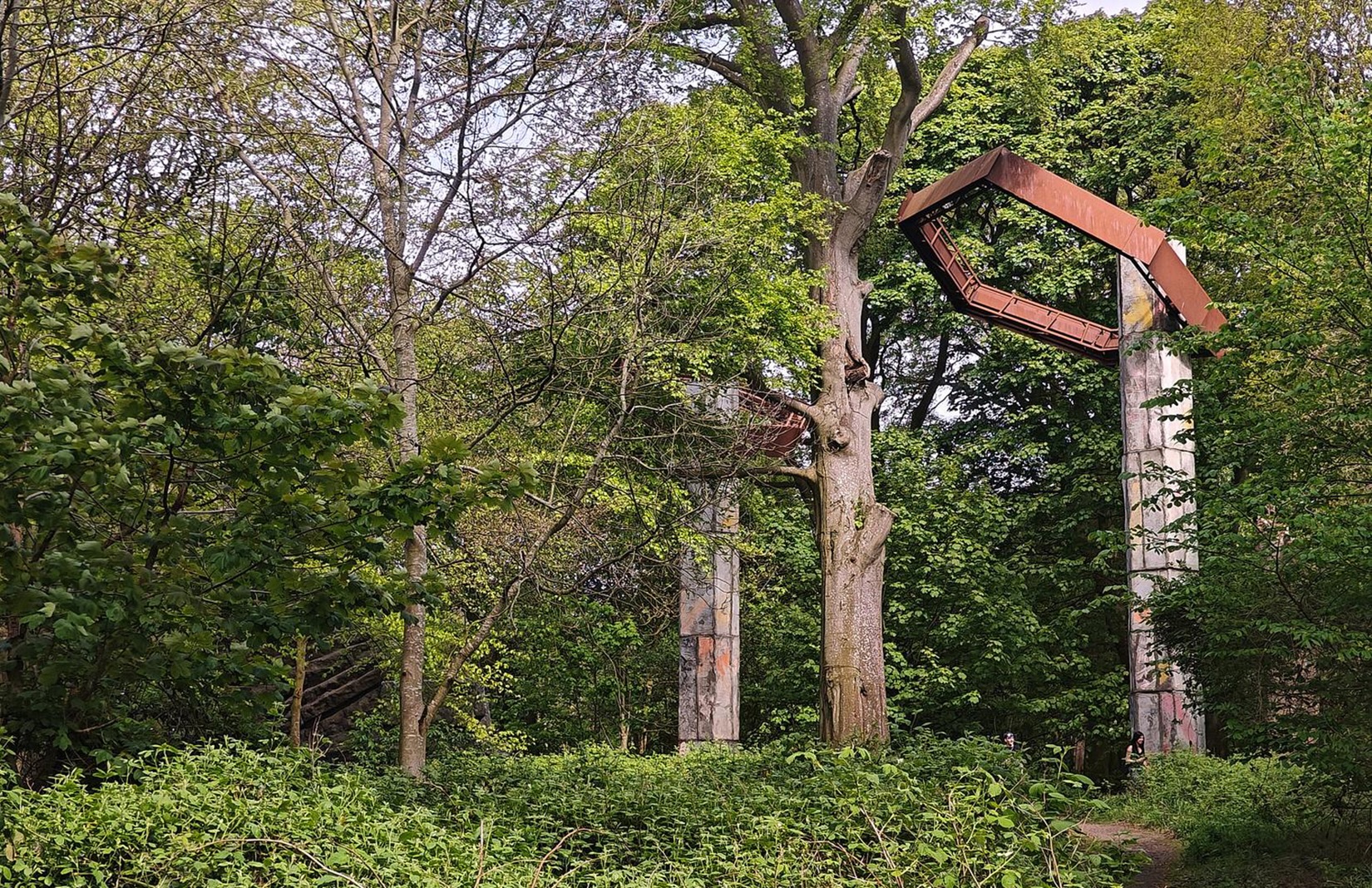
It creates some dissonance when the super-rich open up their rambling estates to edify ‘the little people’ with marble torsos, earthworks and colossal lacquered monuments. So often, though, they are marvellously devoid of vanity — as at Jupiter Artland, the 100-acre estate of Robert and Nicky Wilson outside Edinburgh. Nicky has commissioned work specially for the site (Charles Jencks’ ‘Cells of Life’ steps across the lawns in captivating tiers) and acquired more, so that guests could roam the grounds like treasure-hunters. Phyllida Barlow’s concrete and scrap-metal ‘sky frame’ teeters in concert with gnarly beech trees; Antony Gormley’s diaphanous steel matrix straddles a wildflower meadow. What sets Jupiter apart is the couple’s total devotion to contemporary art and ancient landscape, and conversations between both.
Winter bonus: the polar bear dip in the pond by Jencks’ grassy terraces, Sundays 11am-12pm.