What is the first thing you notice when you walk into a space? Chances are, it’s more than mere aesthetics, even if you don’t consciously realise it. We live in a multi-sensory world where everything from scent to sound can significantly impact how we feel. Certain smells have the power to instantly transport us back to moments in time, unlocking memories that shape how we feel about a place in the present. The texture of some materials can evoke a sense of grounded security whereas others might feel cold, harsh or unappealing.
In our homes, workspaces and specialised environments like hospitals and care centres, our senses play a critical, often subliminal, role in how we connect with the places we pass through over the course of our lives. And a growing number of designers and architects are proving that a multi-sensory approach not only boosts wellbeing for the end-user but also drives tangible returns.
‘I am so appreciative of our senses, how they guide us through the world and how we can design to appease them,’ says Franky Rousell, founder of sensory-led interior design studio Jolie. Rousell was born deaf and only began hearing at age five, after undergoing corrective surgery. ‘I have a heightened sense of smell because of this early hearing loss, and I am really aware of anything I do hear because I was void of it for so long.’
Projects including Victoria Riverside, a major residential scheme in Manchester, and the Nest, a sensory-led restaurant in Frankfurt, use bespoke landscaping, ambient music and ‘fragrancing’ to engage end users without overwhelming them.
A light touch is important, says Rousell, because different people will have varied reactions to sensory cues based on their personal experiences. ‘Some people might have a negative association with a fragrance that is deeply encoded in their memory bank. We can’t control that, so everything we do is very subtle — a quiet ribbon in the background so that people often don’t even consciously notice.’ At the Nest she infused spaces with aromas like green fig, juniper, cedar, sandalwood and citrus.
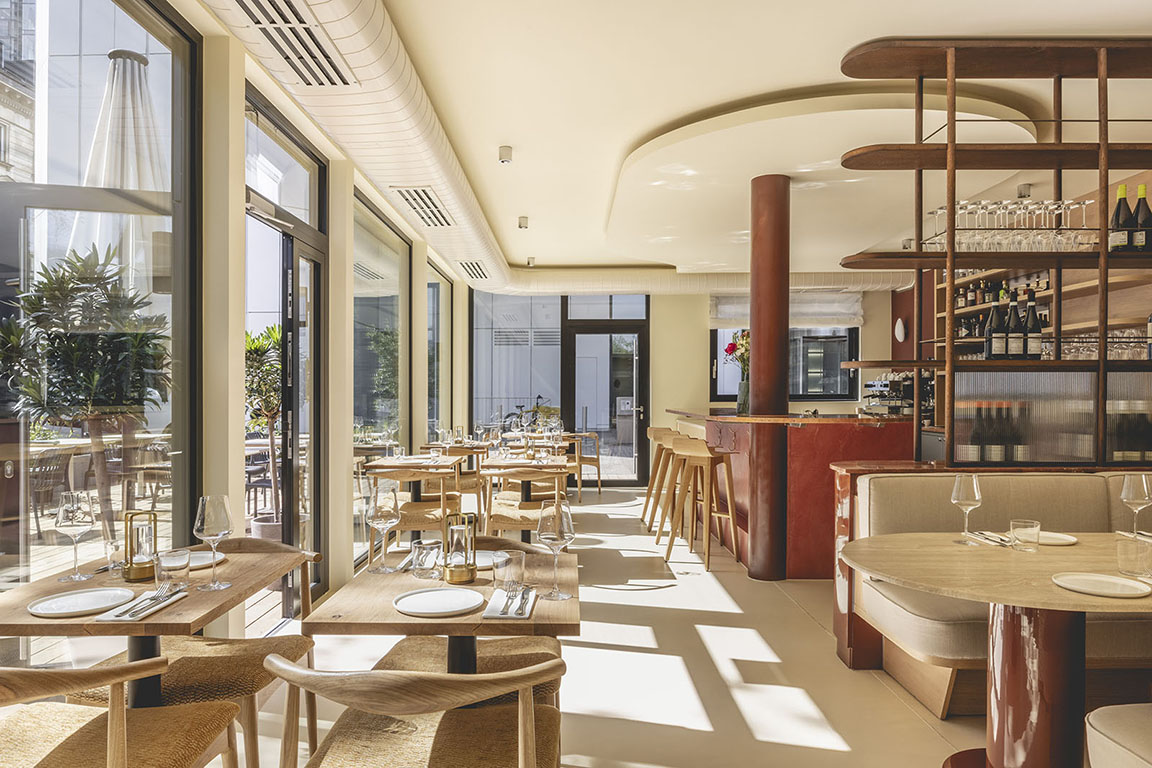
These cues, Rousell adds, are designed to help people feel intuitively more connected to the built world around them. ‘Our emotional connection to a space happens in under a second,’ she says. ‘Around 90% of that initial reaction is based on how we feel — which mainly stems from how our senses engage with a space before we even realise.’
Appealing to that intuition can be lucrative. Jolie’s in-house research, supported by a team of neuroscientists, suggests that multi-sensory environments are up to 70% more memorable than visually led spaces. ‘If you turn your back on four other senses, you’re missing out,’ says Rousell. ‘Sensory design pushes up perceived value, looks more expensive and encourages people to stay in a space longer because they feel emotionally attached.’
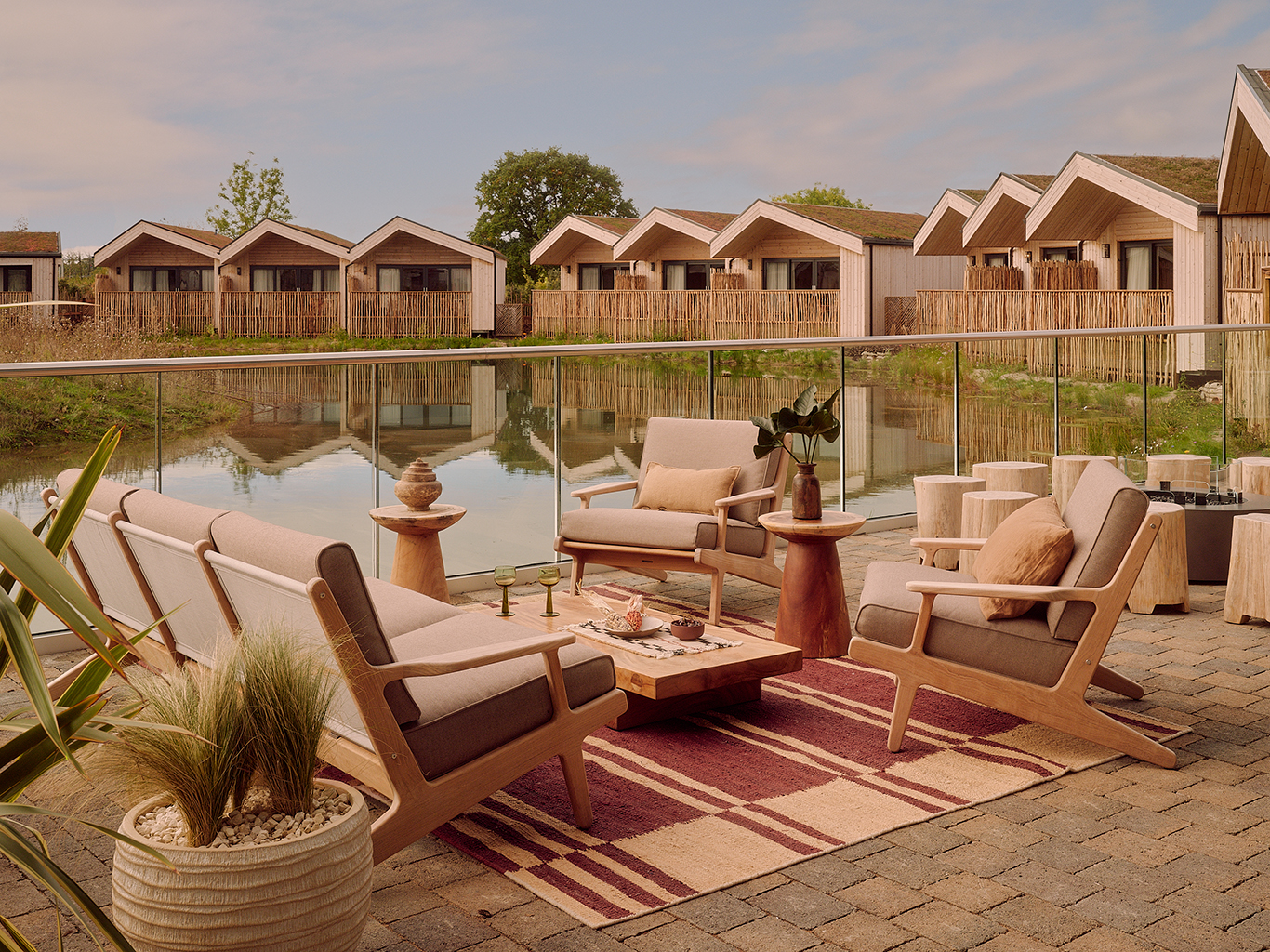
Emotional attachment comes with huge benefits for the end user, which increase the more impaired their senses.
Carpe Diem Dementia Village in Baerum, outside Oslo, is a prime example. Designed to offer the best possible quality of life for residents, its sensory design brings comfort, fosters a sense of community and even sparks recollections. ‘For the residents, the senses are a shortcut to their memories,’ says Camilla Heier Anglero, partner at Nordic Office of Architecture and designer of the 180,000sqft scheme.
The gardens are home to over 7,000 non-poisonous plants that residents can touch and smell, and a water feature that changes the soundscape. These are important, says Heier Anglero, because they distinguish between spaces and zones. ‘We used different sounds and materials for a range of outdoor spaces, including one where there is an echo quality. This makes part of the village feel more like being in a city or urban environment — the sort of place many of the residents used to live in and therefore what is most comforting and familiar to them.’ The scheme also makes use of different materials underfoot to help people work out location by feel — some pathways use gravel, others small rocks, grass or sand (the latter is particularly effective for evoking childhood memories).
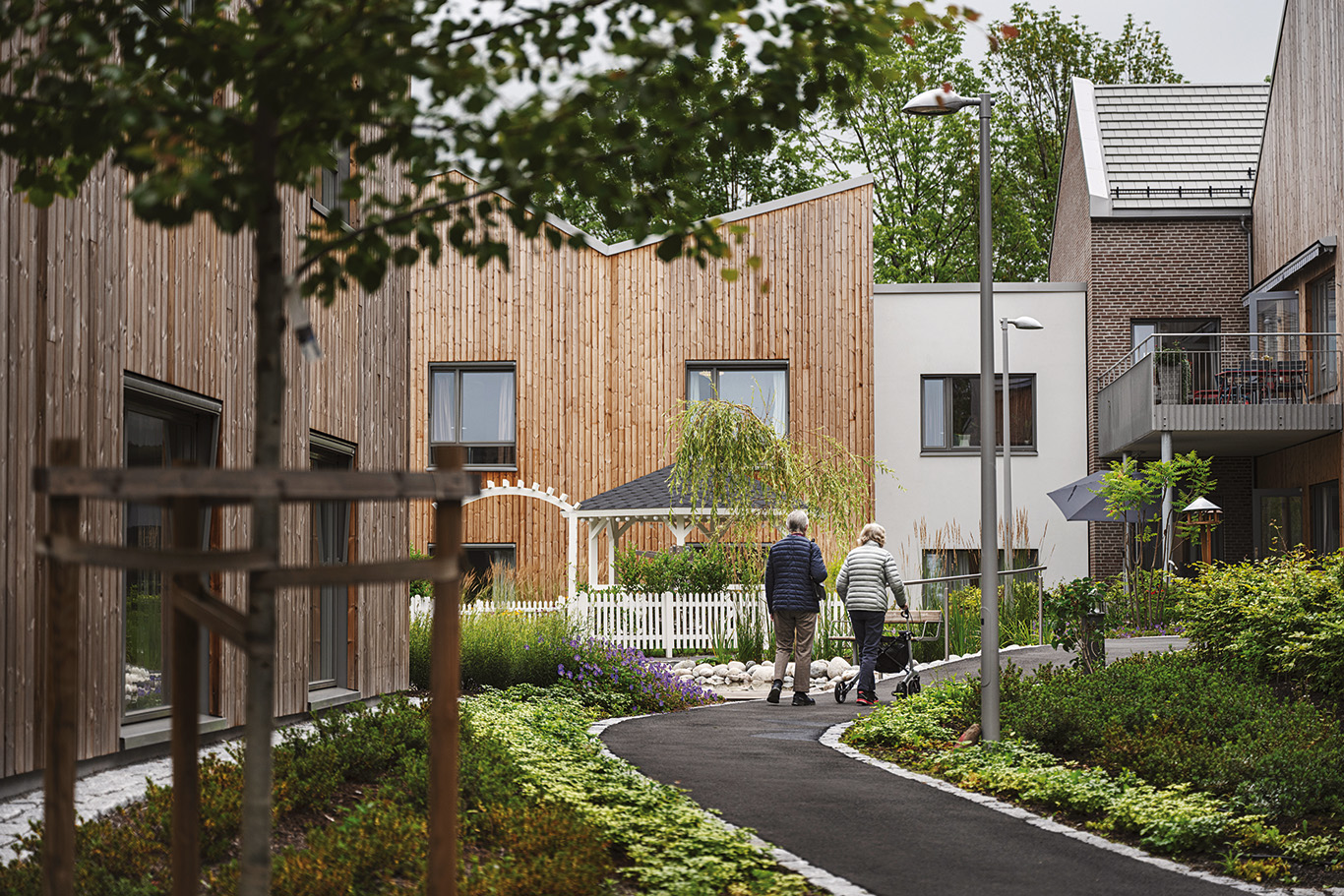
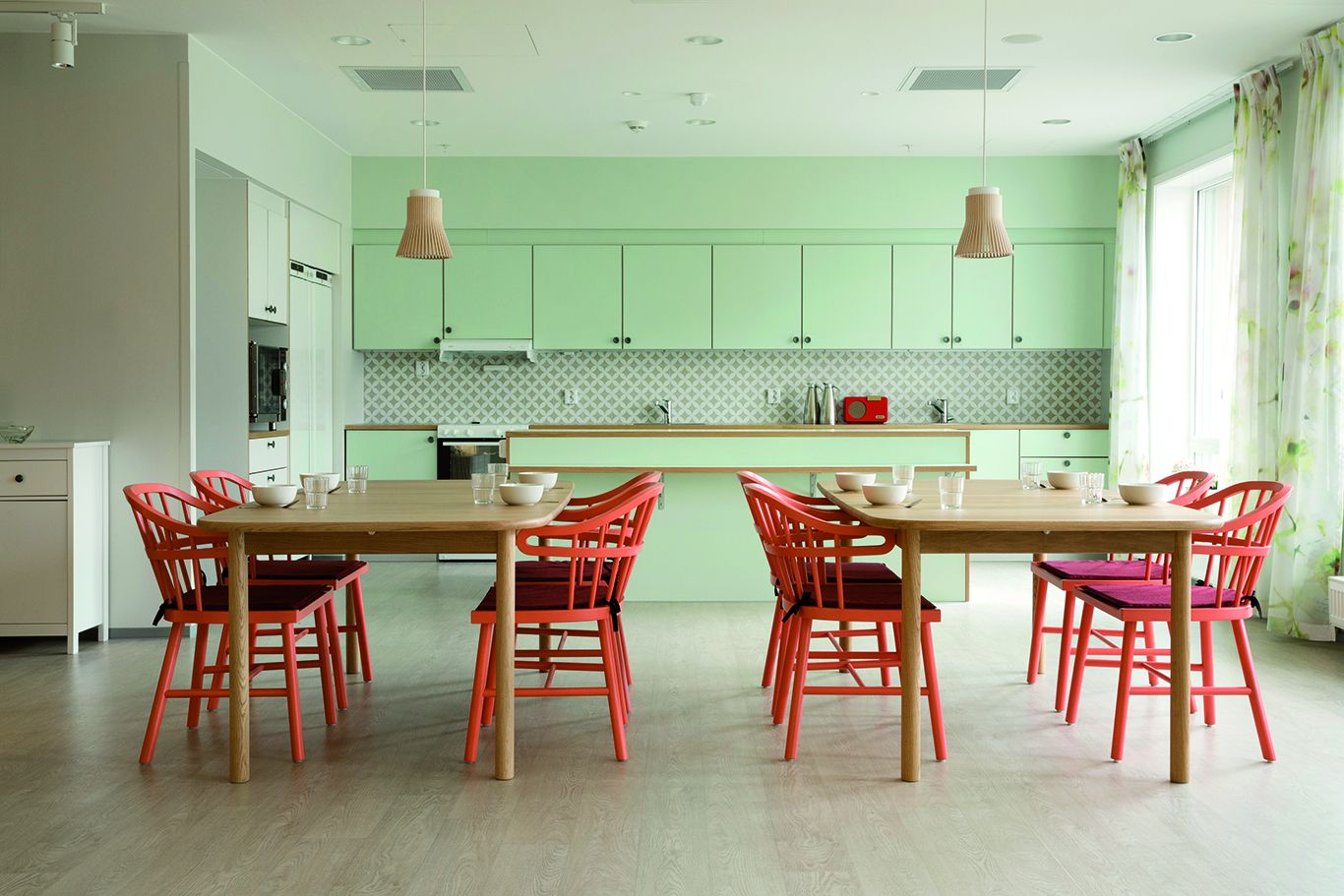
Carpe Diem’s 136 communal housing units (an additional 22 high-intensity care units are reserved for residents who need them) are designed to look and feel individual. They are arranged around communal areas with kitchens where residents and their visitors can gather. The reception area feels like a hotel; staff wear plain clothes, not white coats; and medical equipment is kept out of public spaces where possible. ‘Care centres often have a human scent,’ says Heier Anglero, but we have done everything we can to eliminate that by keeping the medical side of the village in the back office.’
Heier Anglero considers sensory design the pinnacle of ’empathetic architecture’. ‘For some people this will be the last place they live. If we can reduce stress levels, move away from an institutional feel and create individual rooms that look out into nature through ambitious, brave design, we should.’
The same goes for neurodiverse spaces. ‘Good sensory-led design can make places less anxiety-inducing,’ says Ben Channon, head of inclusive environments at engineering practice Buro Happold. ‘The biggest misconception is that inclusive design is just about accessibility. It’s about so much more than that. Patterns are a good example. They can be excellent for bringing life to spaces, but if done wrong they can be overwhelming even for someone who considers themselves neurotypical. For neurodivergent people bright, harsh patterns can be really disorientating, so softer, nature-focused designs are a good option.’
Adaptable lighting, well-considered layouts and intuitive signage are all part of Buro Happold’s inclusive design remit. The practice is also a staunch advocate for sensory maps, which detail which spaces are loud, quiet or bright within a gallery or museum. By offering predictability, they help create environments that are welcoming to all.
And what about when sight is impaired? In 2024, a nine-storey affordable-housing building for the visually impaired opened in Chicago. Designed by LBBA Architects in consultation with blind architect Chris Downey, the Foglia Residences incorporate customised under-cabinet lighting, black light switches against white walls and textured flooring for wayfinding.
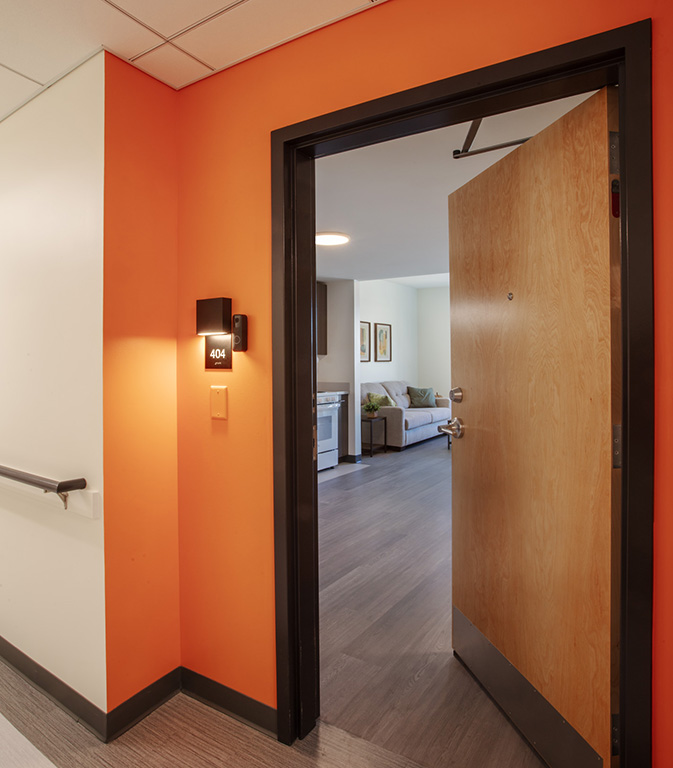
This kind of design is ‘everything’ to someone who cannot rely on sight, says Jolie Studio’s Rousell. ‘You can absolutely stir an emotion in someone without sight by considering other senses including texture and scent,’ she says. ‘The fingertips of someone whose vision is impaired are their eyes in the world. A tactile, fragranced sensory environment can help someone find a place that feels truly comforting.’