Architectural salvage has been around for millennia. But it took a couple of students in Glasgow to make it chic.
When studying at the Mackintosh School of Architecture in the early 1990s, Maria Speake and Adam Hills witnessed the horror of demolitions on their doorstep. ‘We just couldn’t believe we were seeing materials and building components of significant value routinely discarded to make way for new replacements, often of lesser quality. It was madness. It wasn’t just about unnecessary waste — it disregarded the common sense that used to underpin historic construction.’ So says Speake in Retrouvius, her new book about their business, philosophy and design.
The company Retrouvius was born in 1993, the name a portmanteau of ‘retro’ and ‘Vitruvius’, the Roman architect and designer. For Speake and Hills, re-use connotes something unloved becoming valuable again. ‘Who can deny that feel-good factor?’ she asks. ‘Re-use celebrates age as a visceral narrative — a counterbalance to the blandness of newness.’
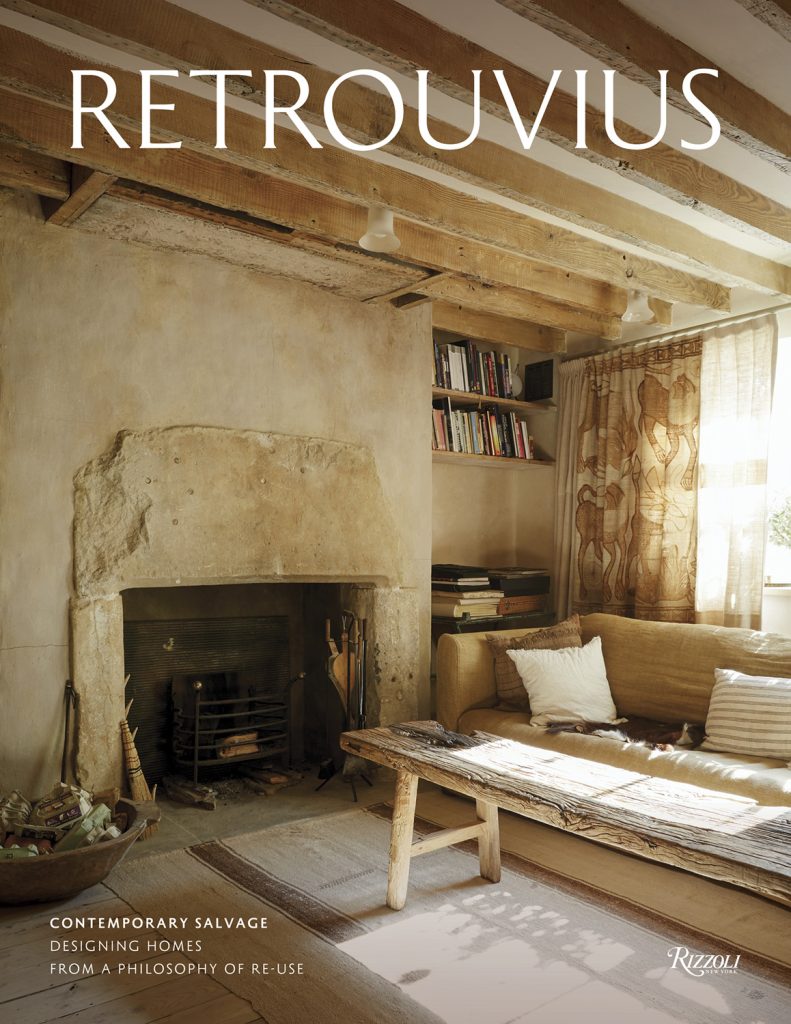
Retrouvius book cover. Rizzoli.
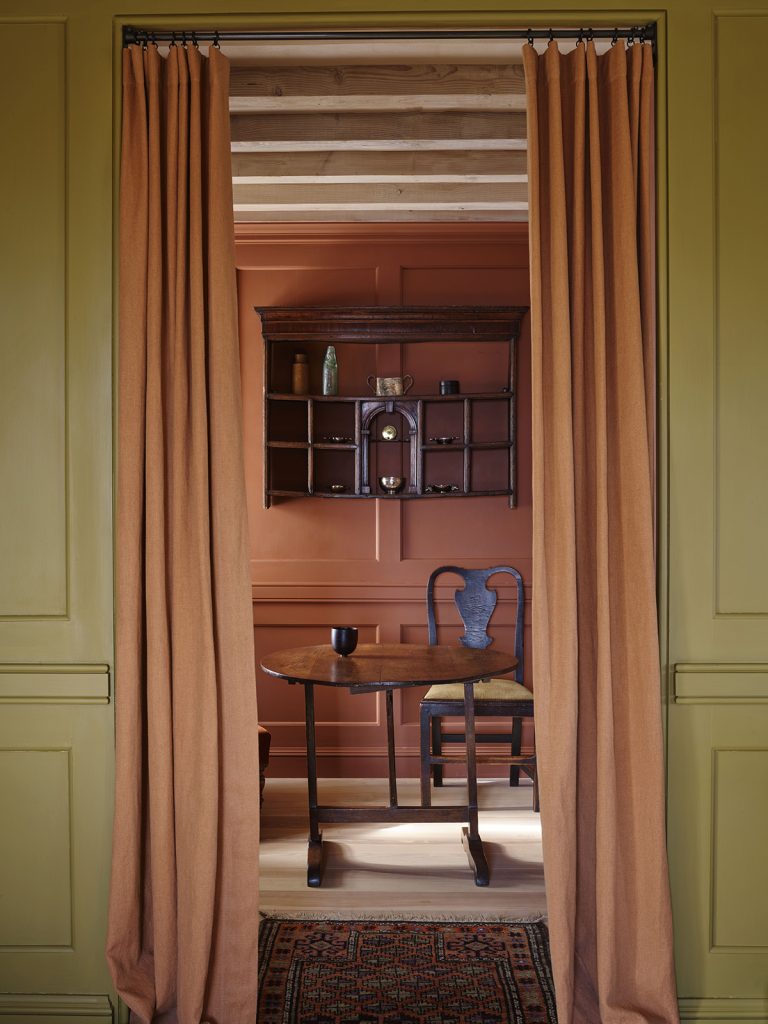
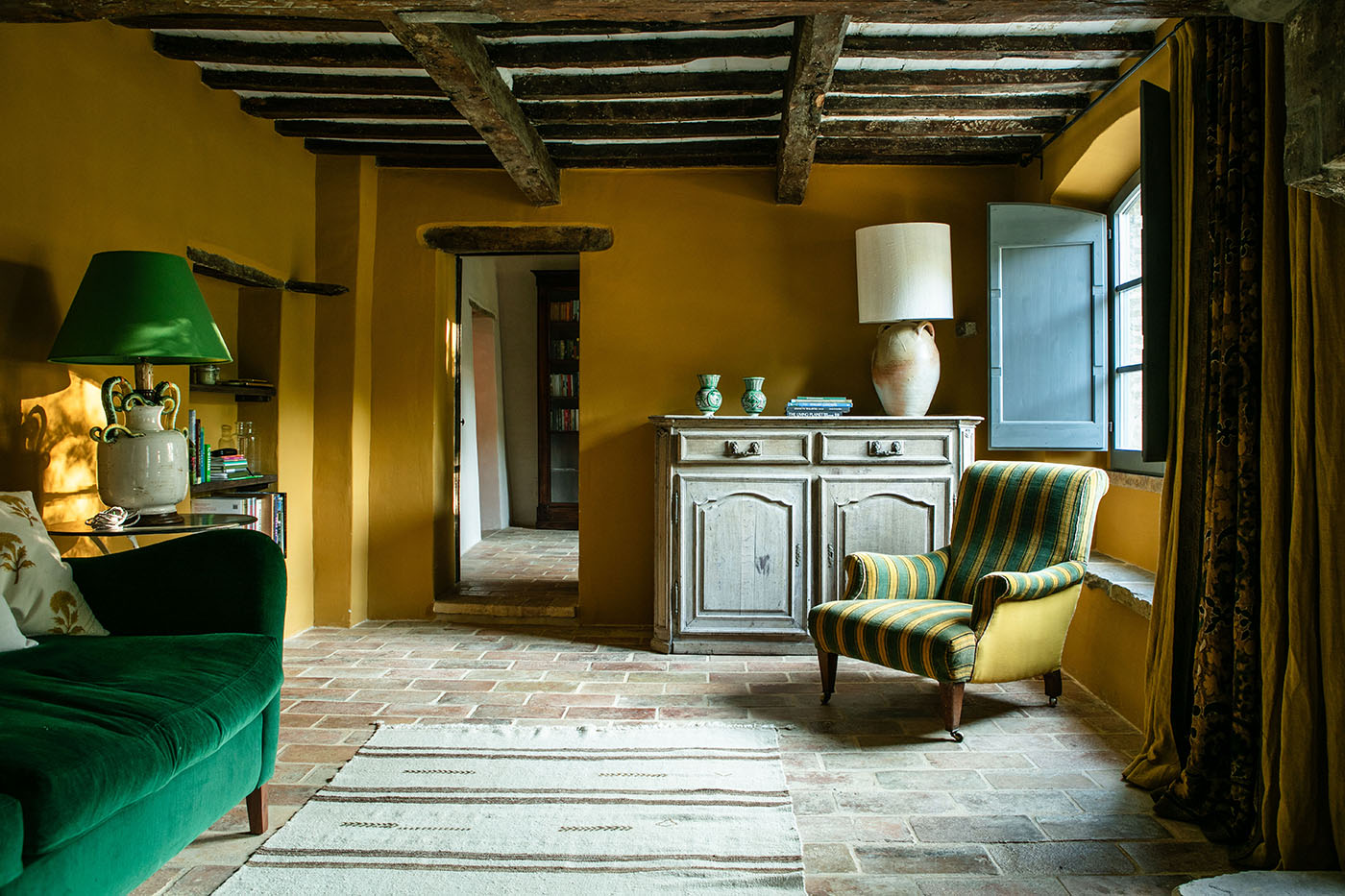
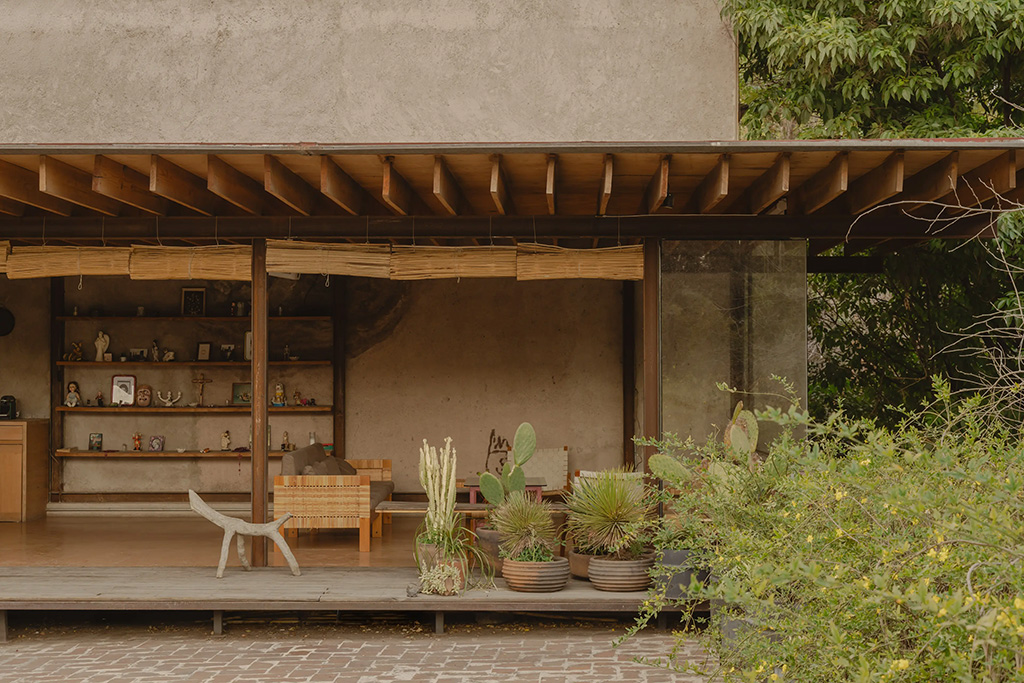
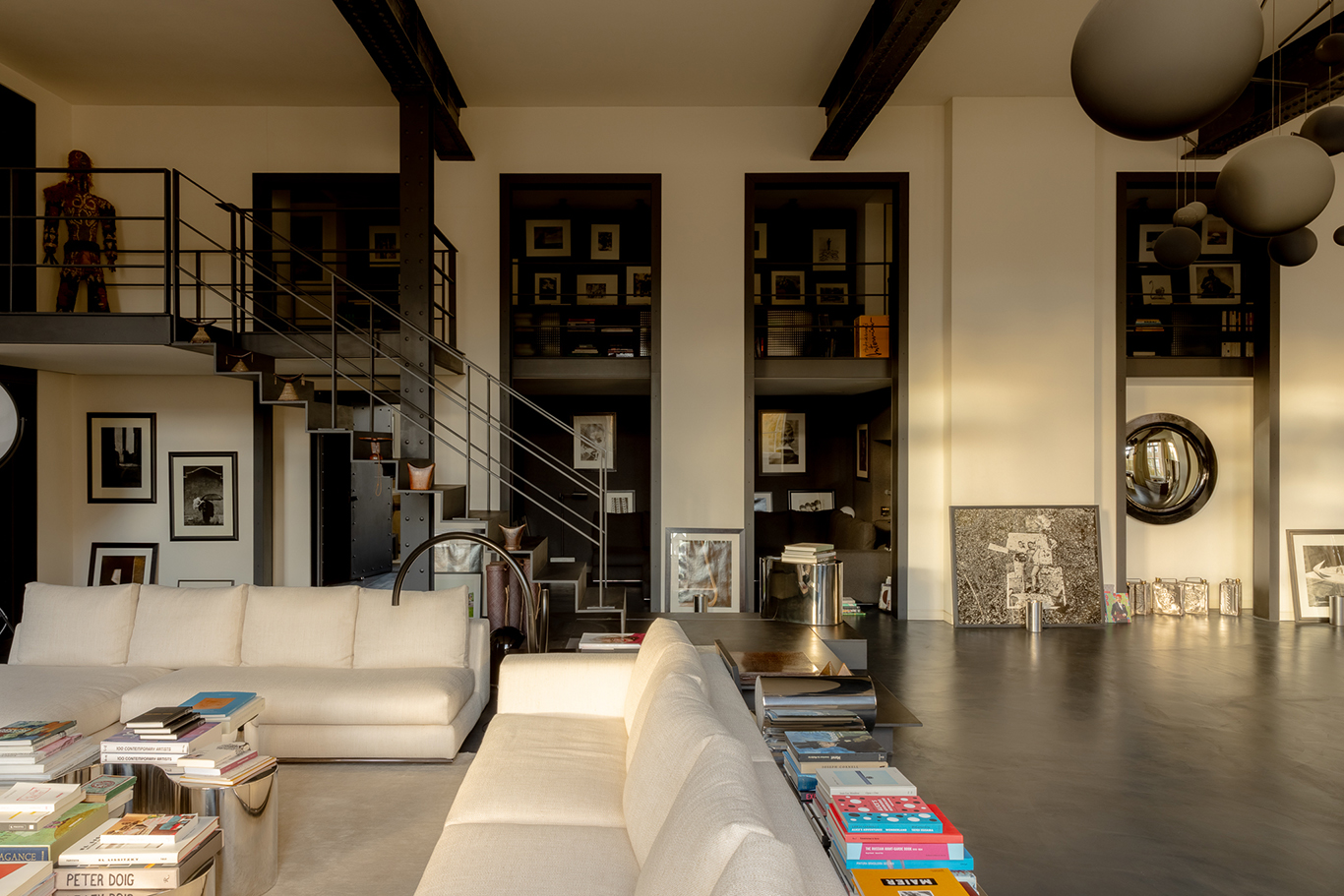
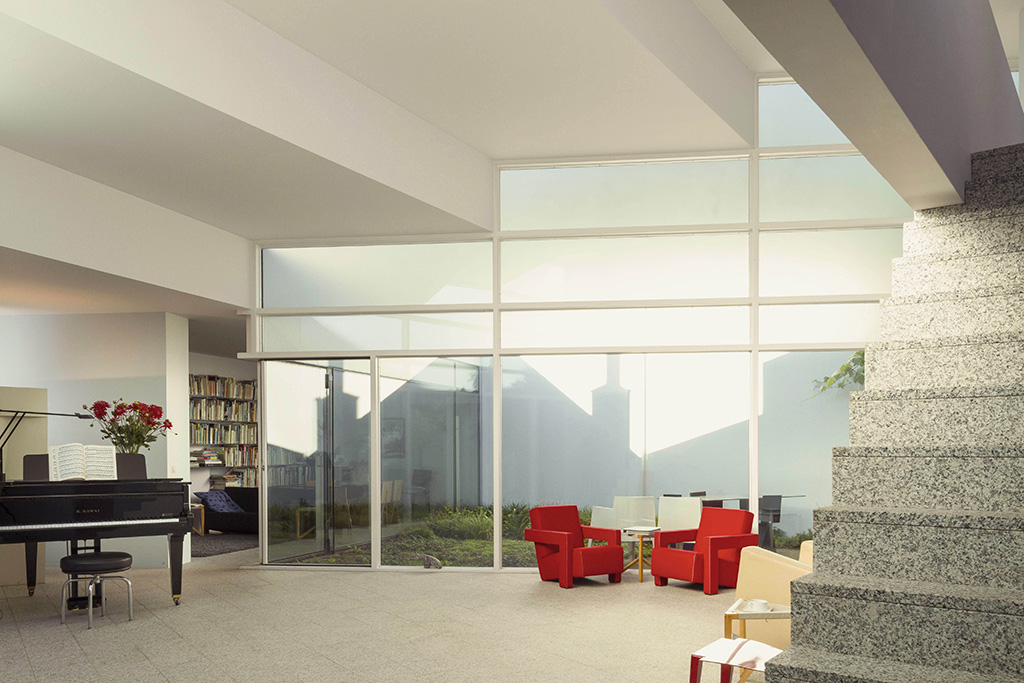
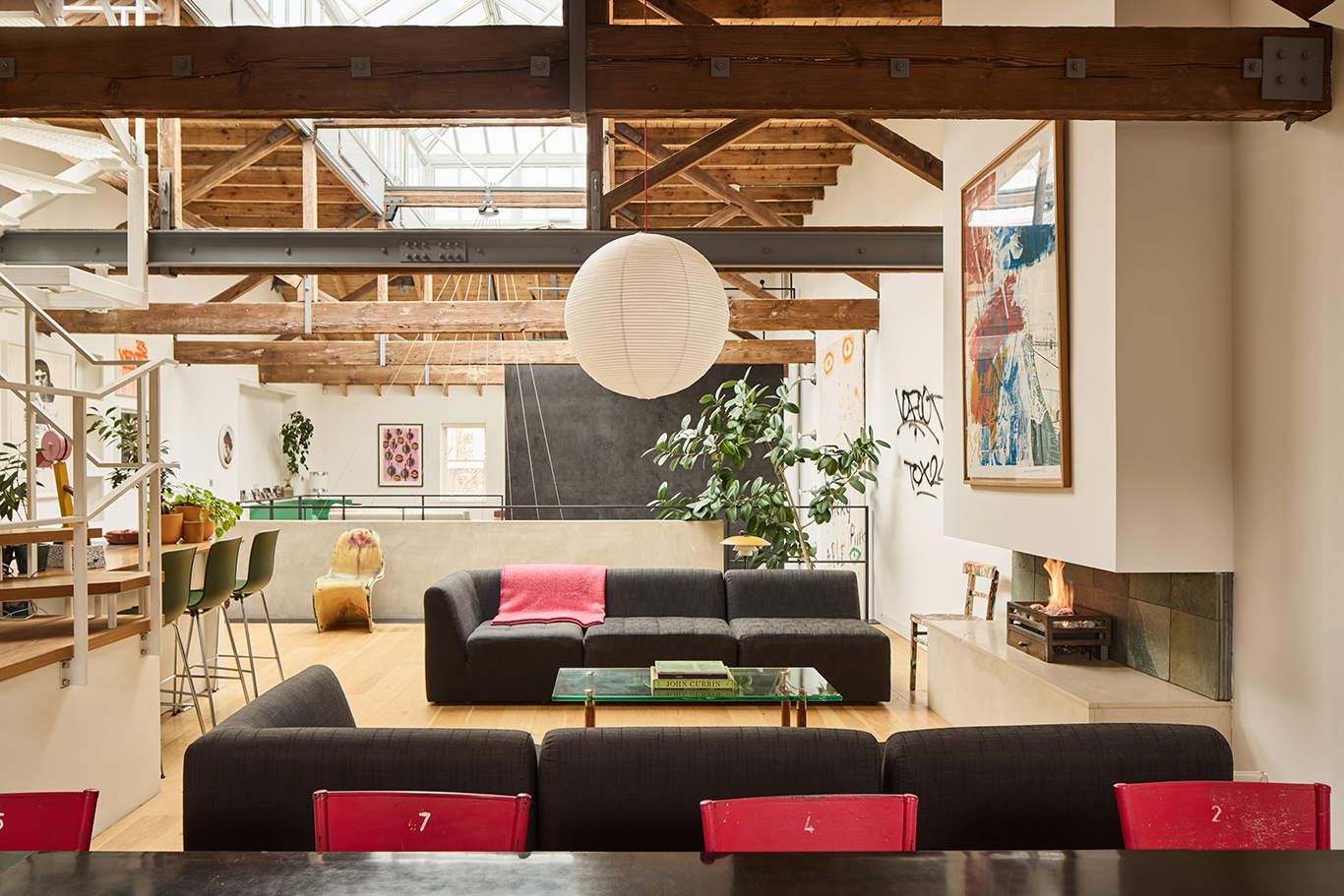
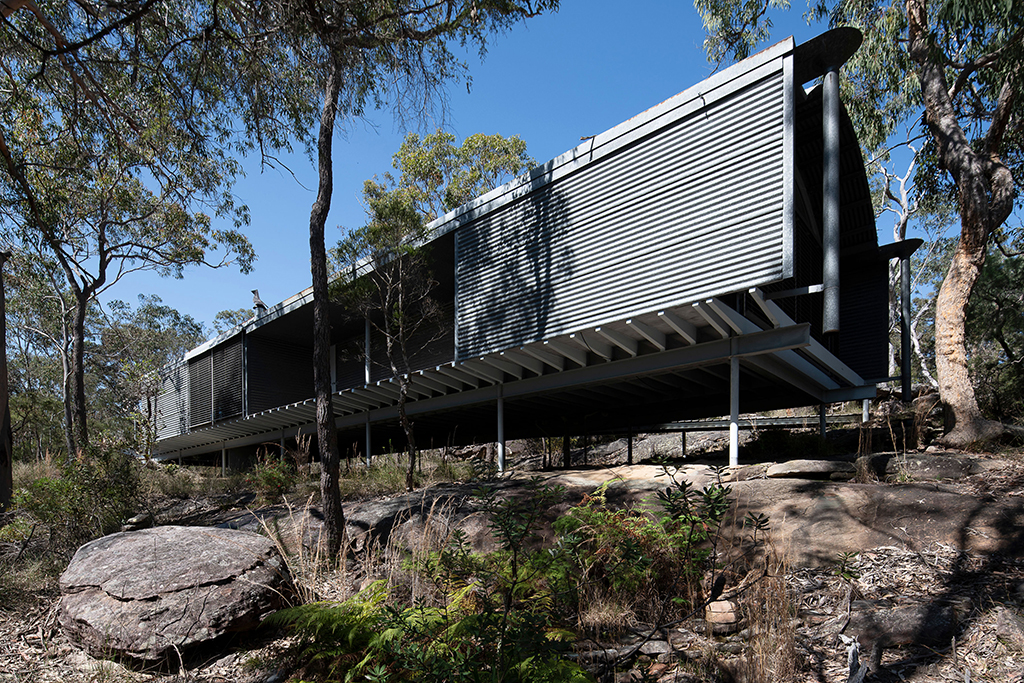
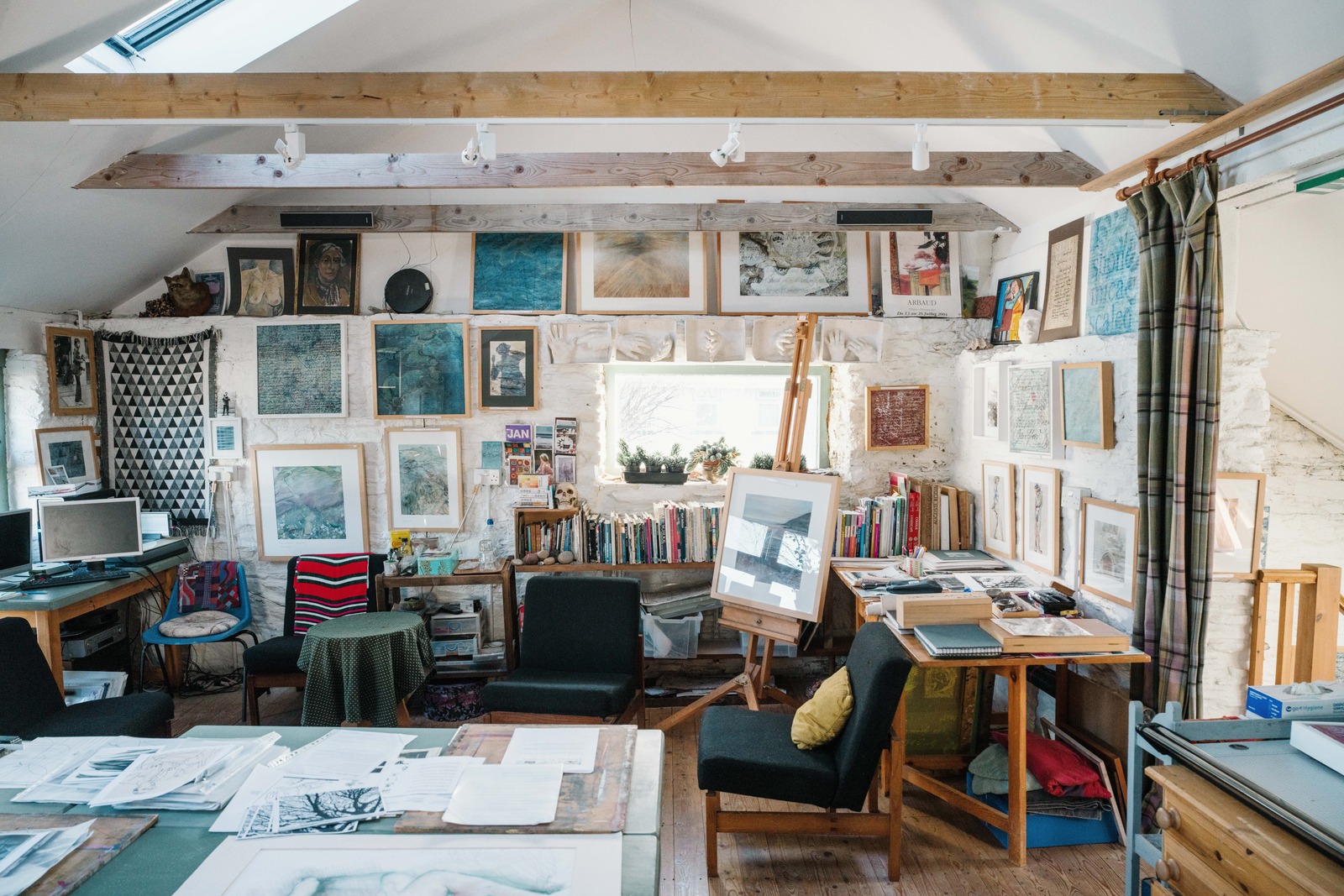
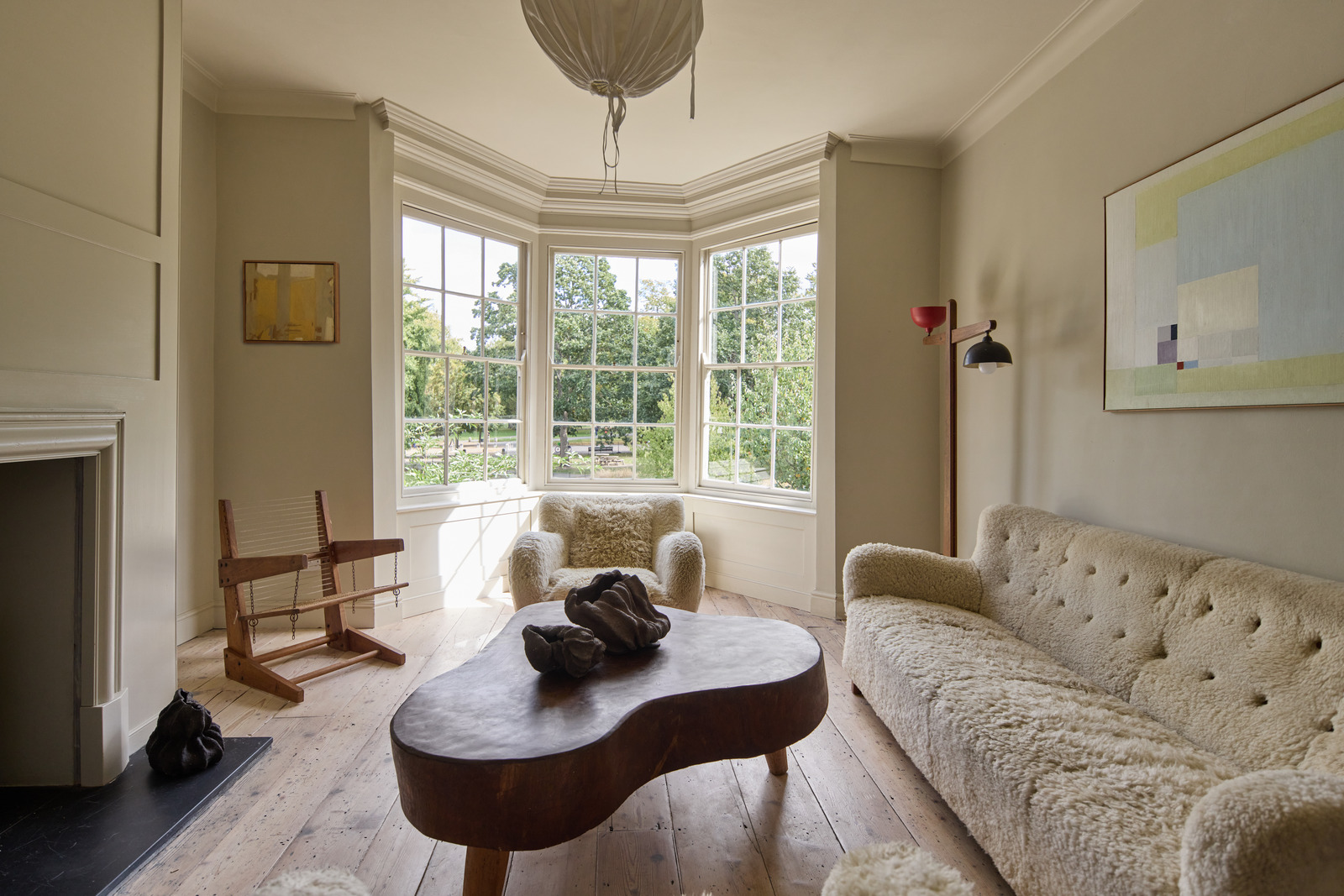
Photography © Simon Upton courtesy Rizzoli.
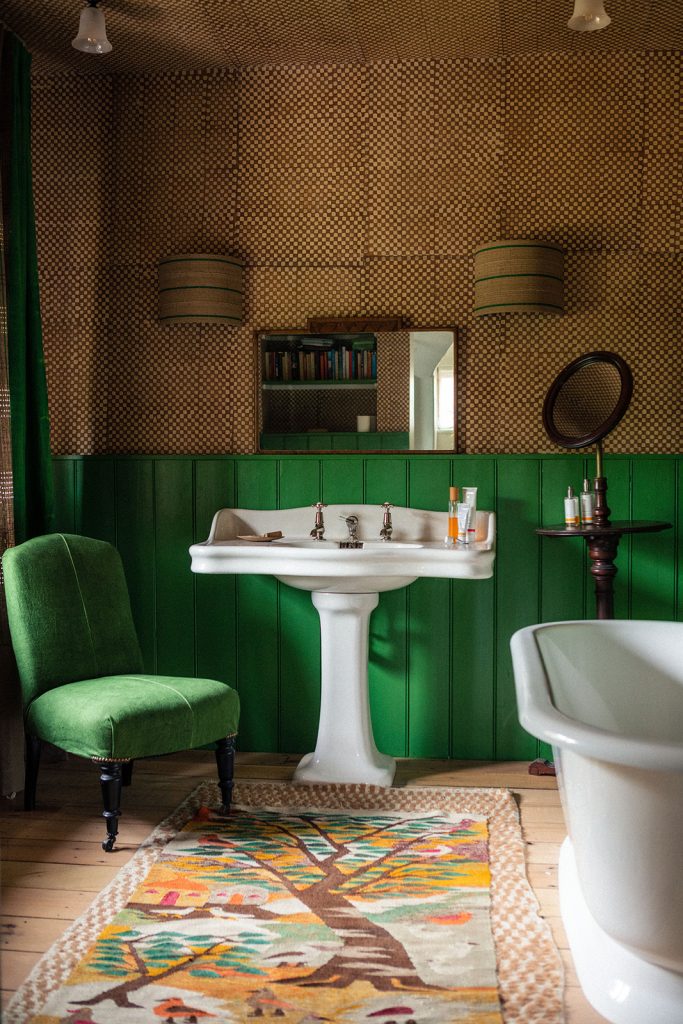
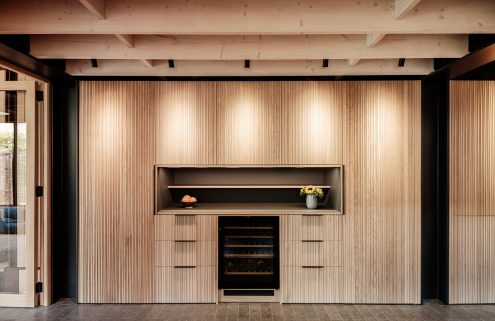
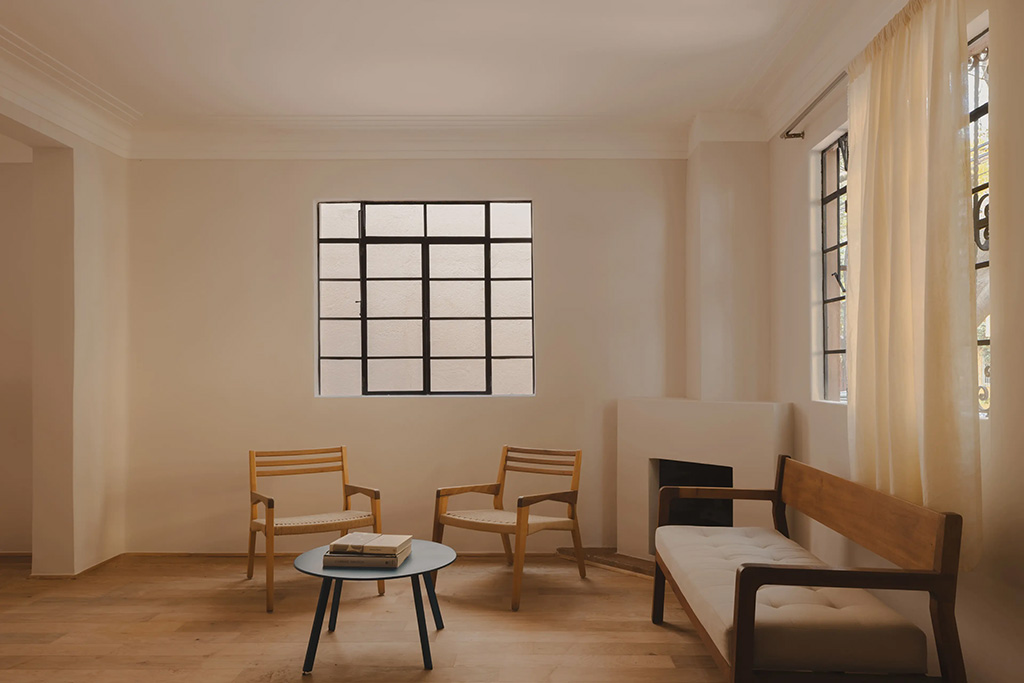
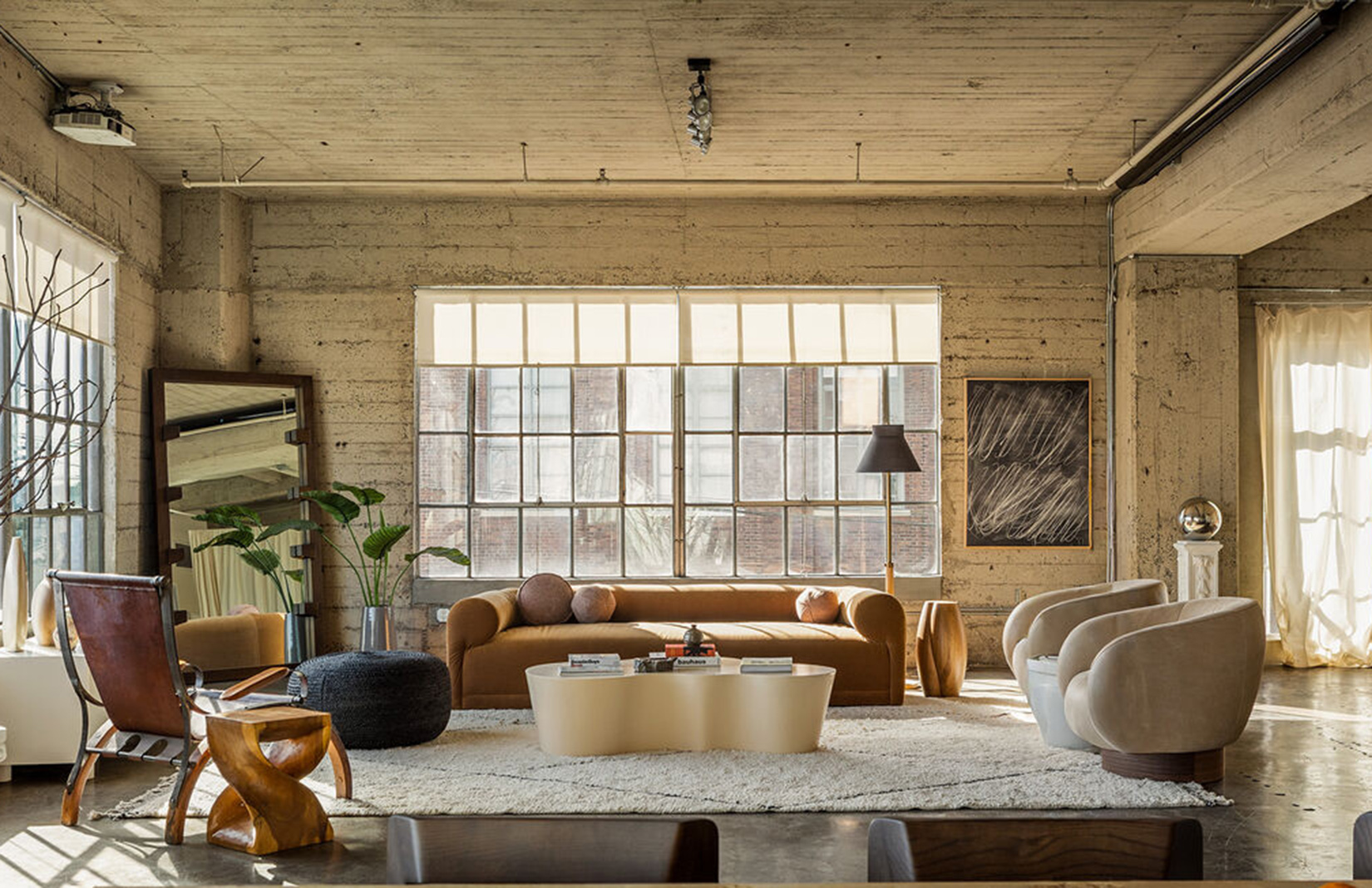
Photography © Theo Tennant courtesy Rizzoli.
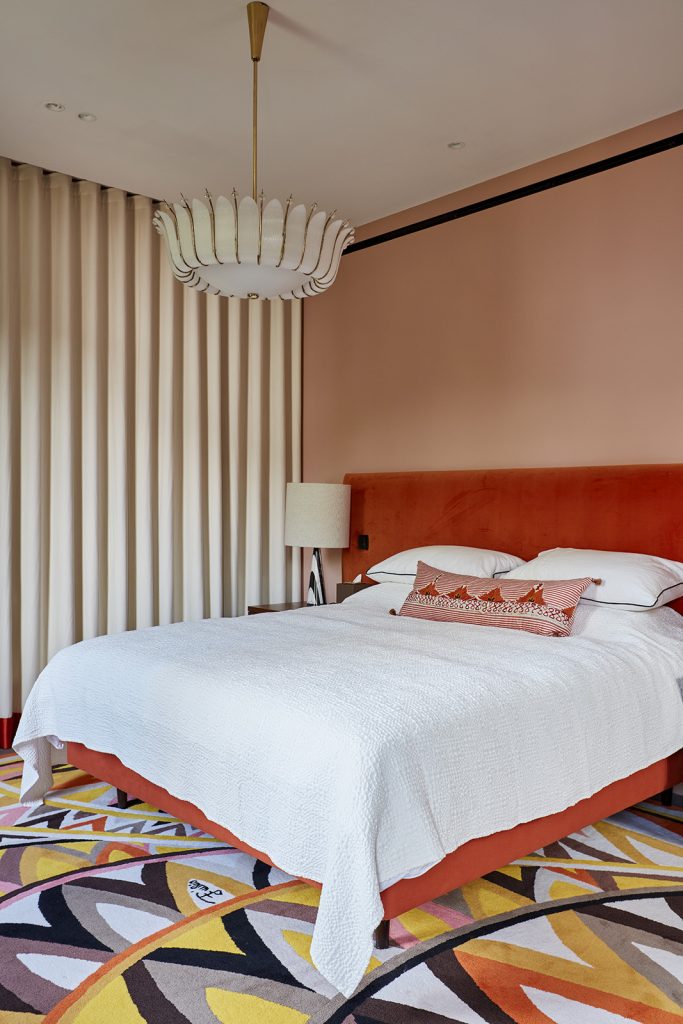
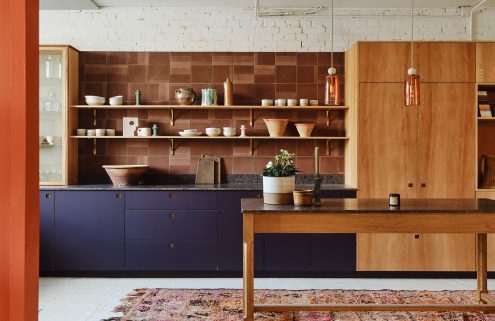
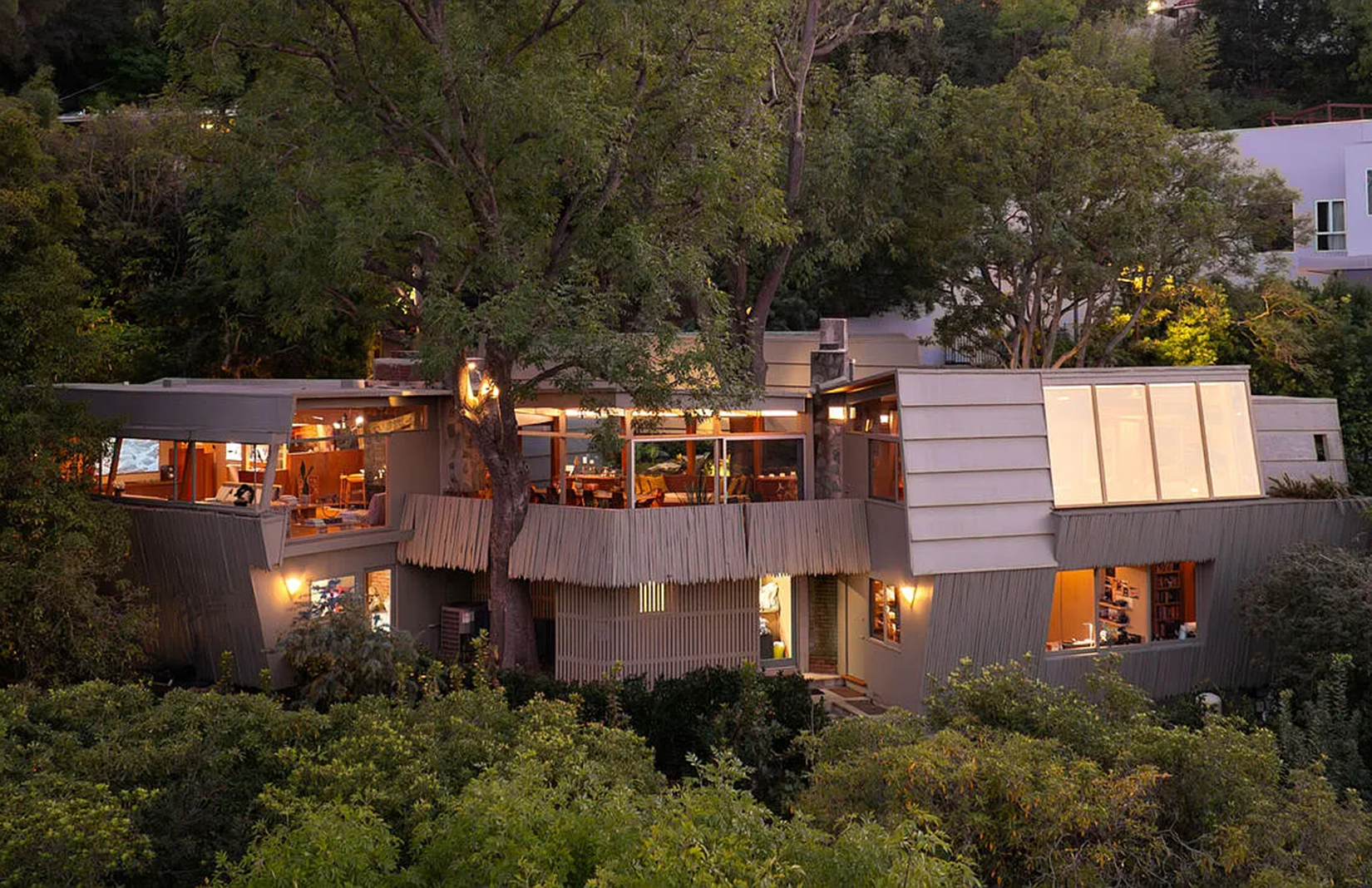
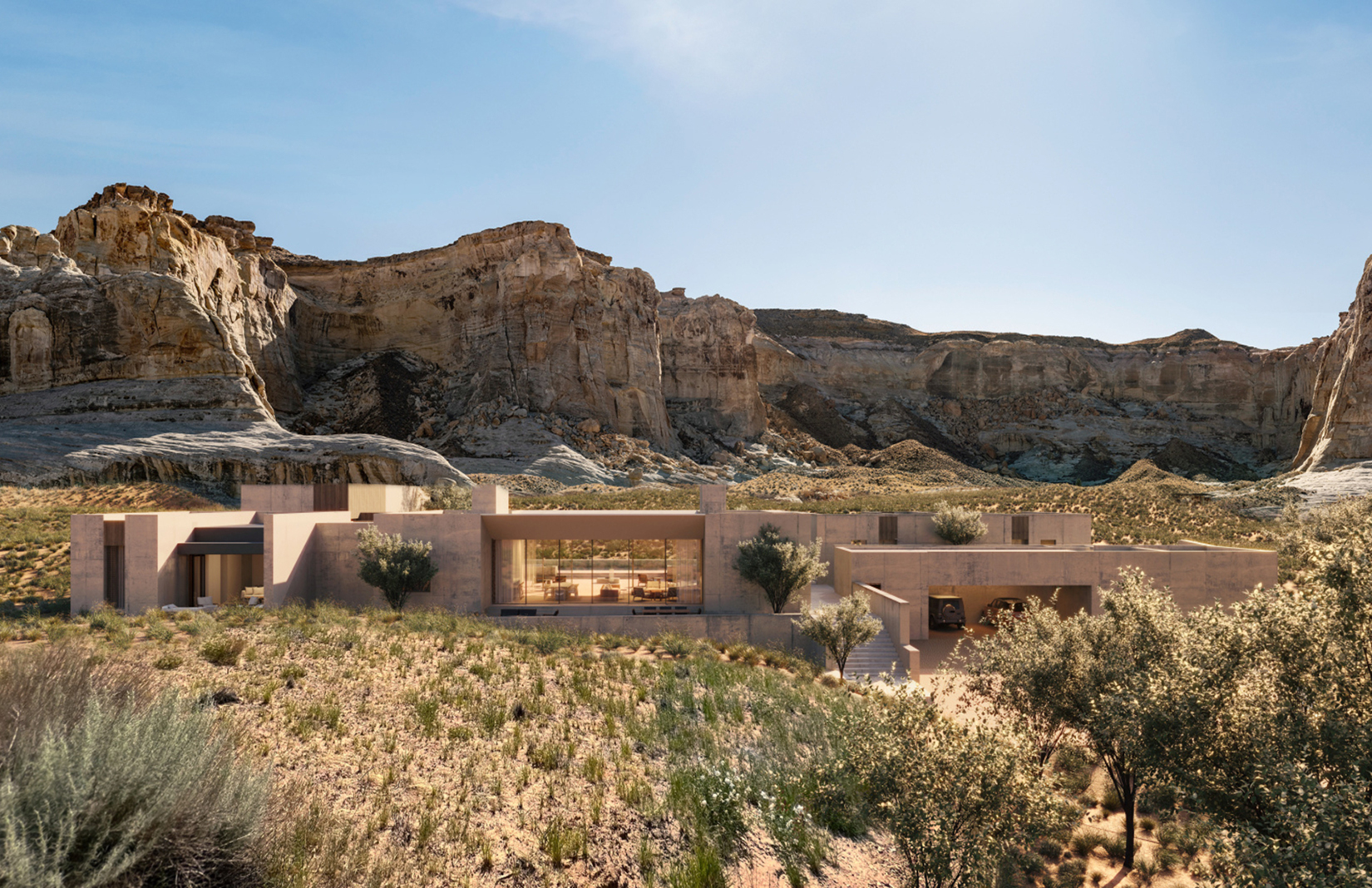
Photography © Tom Fallon courtesy Rizzoli.
Mary Miers, who had recently set up Scotland’s Buildings at Risk Register, recalls in the book meeting the duo. ‘Back in Glasgow, their flat, with its bathroom papered in faded music scores, vintage cigarette machine, and Gothic bookcases assembled from an organ casing, introduced me to a bohemian modernism I hadn’t encountered before… Somehow, the two of them managed to be both fogey-ish and cool.’
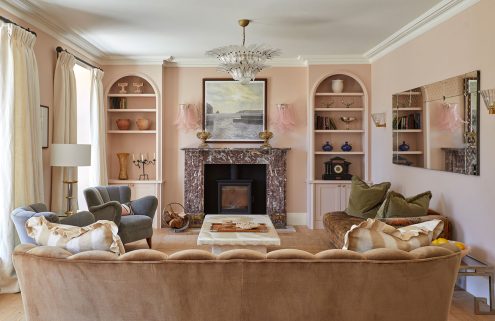
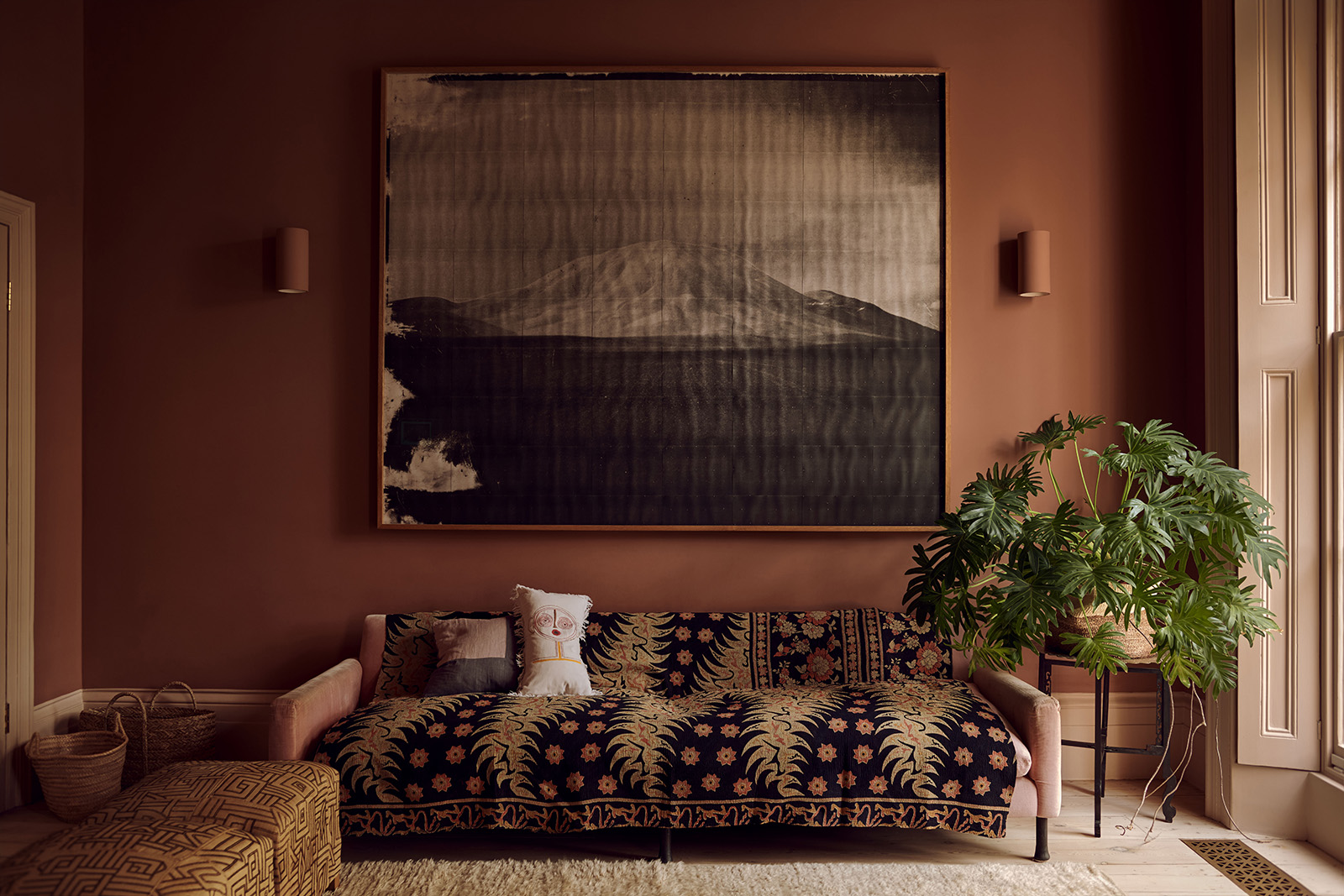
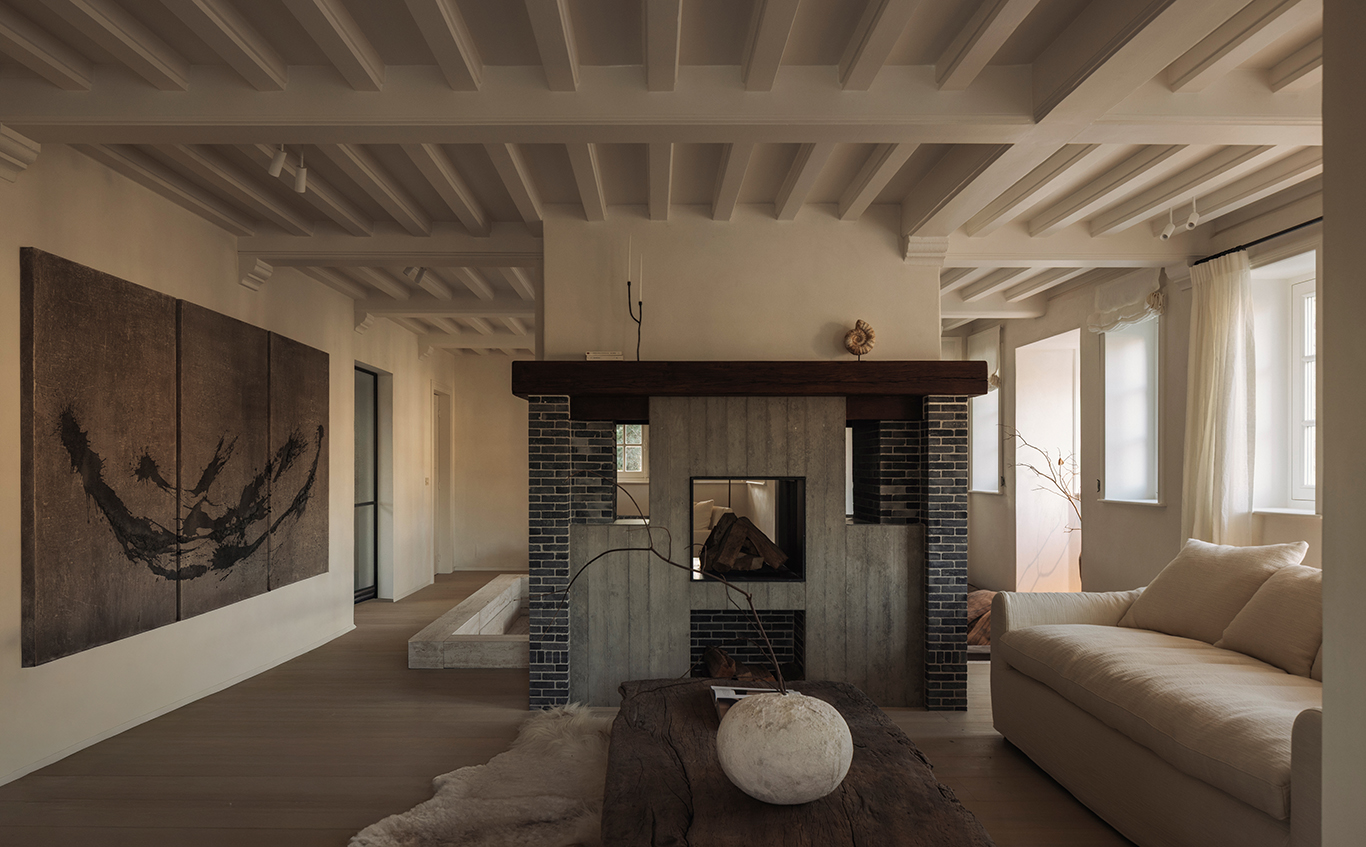
The business moved to London in 1997, with Speake spearheading the interior design side. So once Hills and the team have rescued materials, furniture, lighting and fixtures, she gives them new life and sometimes new purpose in her schemes. In one apartment designed around an internal courtyard, for example, Speake brought in windows from Giles Gilbert Scott’s Battersea Power Station. The book showcases 14 such projects from the past 10 years. Each is an expression of the Retrouvius ethos, aesthetic and connection with current mores. As design journalist Emma Crichton-Miller notes in her chapter, ‘Public appreciation has grown exponentially for the tactile and the handmade.’
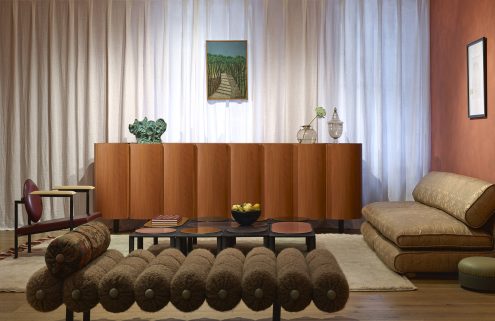
What’s more, she adds, ‘One of the emphatic strands within contemporary interior design over the last 20 years has been the rise of eclecticism. Rather than create interiors that reproduce the style of a specific era, increasingly designers and clients recognise the value of mixing antique and modern, of mixing different materials and moods.’
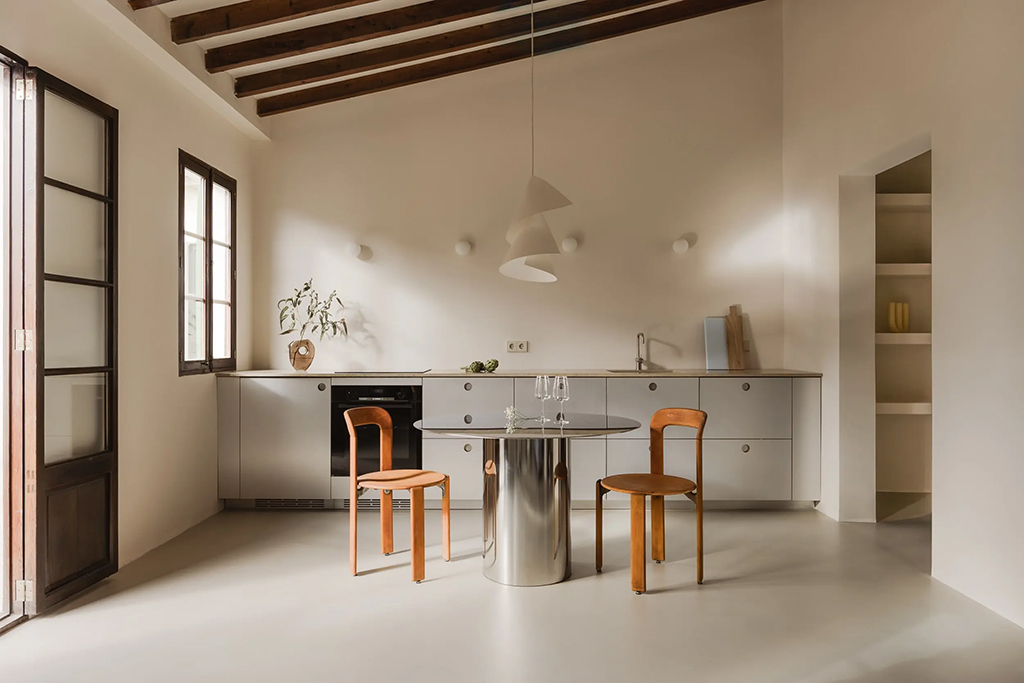
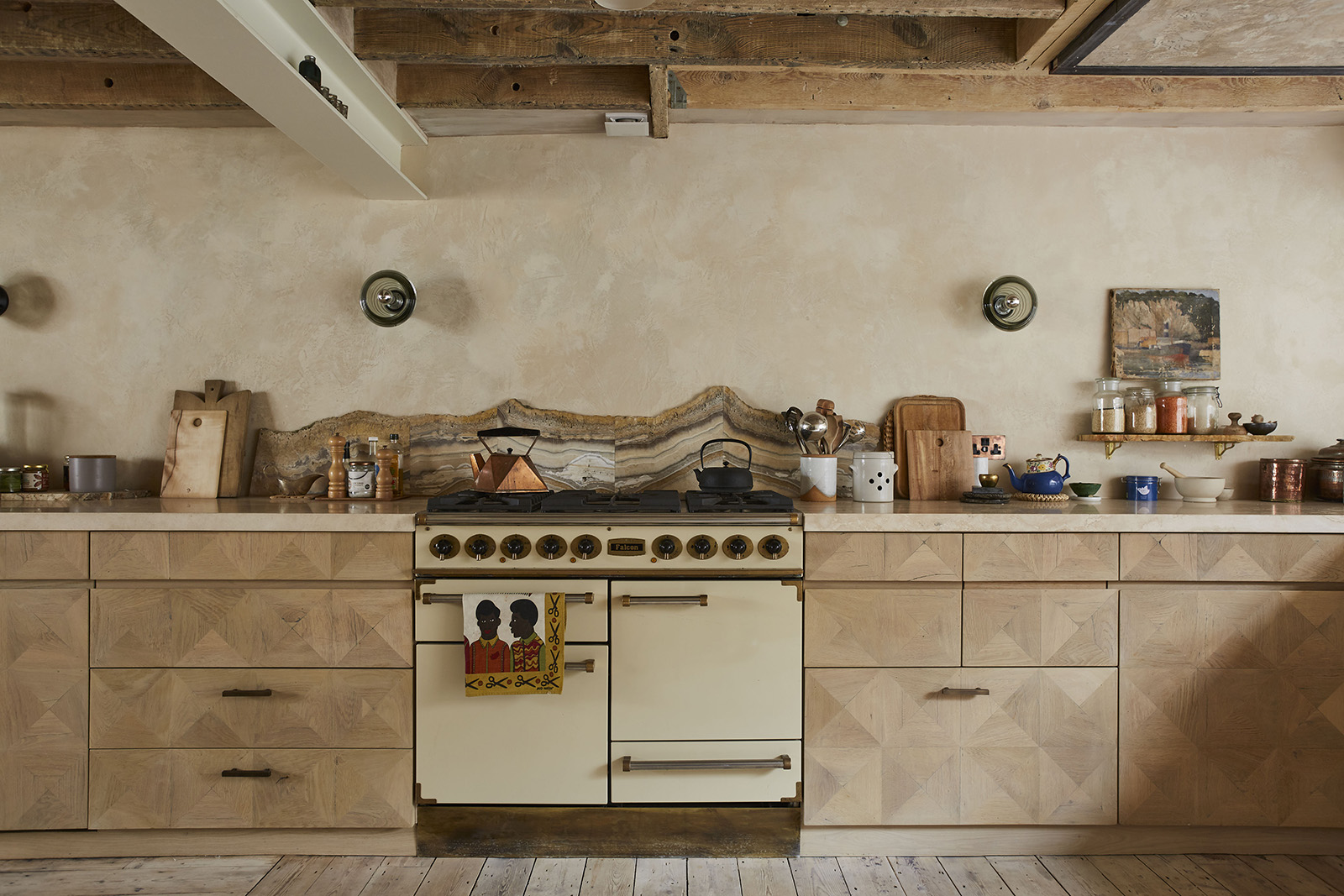
And sometimes the introduction of a piece of salvage is so subtle, only the trained eye will spot it. In a St John’s Wood townhouse, the kitchen floor is composed of parquet from two different buildings; the weave is a two-tone ladder design that minimises waste. And in a house near Portobello Road in West London, the kitchen’s wood cabinets are actually made from reclaimed geometric oak parquet.
Speake believes her design approach works particularly well in new-builds. ‘I always find that you have got to bring in some language, narrative, age, story, patina, something that helps relax it, because otherwise you are going to have to wait quite a long time before it settles into itself.’ And while her aesthetic might not be for everyone, the philosophy around re-use can make fresh-out-of-its-packaging interiors look gratingly out of touch.