The homes that drew the strongest attention in 2025 shared a quiet common ground. Across countries, eras and scales, readers were consistently drawn to architecture shaped by place — buildings anchored in land and history rather than novelty. These were homes that felt lived with, not just designed, and where restoration, reuse and restraint carried more weight than reinvention.
From fortified castles and Renaissance manors to modest coastal cabins and urban lofts, this year’s most viewed properties reflect a collective interest in buildings made to last. They reveal a preference for homes that feel accumulated rather than curated, and for landscapes that play an active role in daily life. Together, these 11 properties offer a snapshot of how and where our readers are imagining life now.
Côtes-d’Armor, Brittany, France, €2.95m
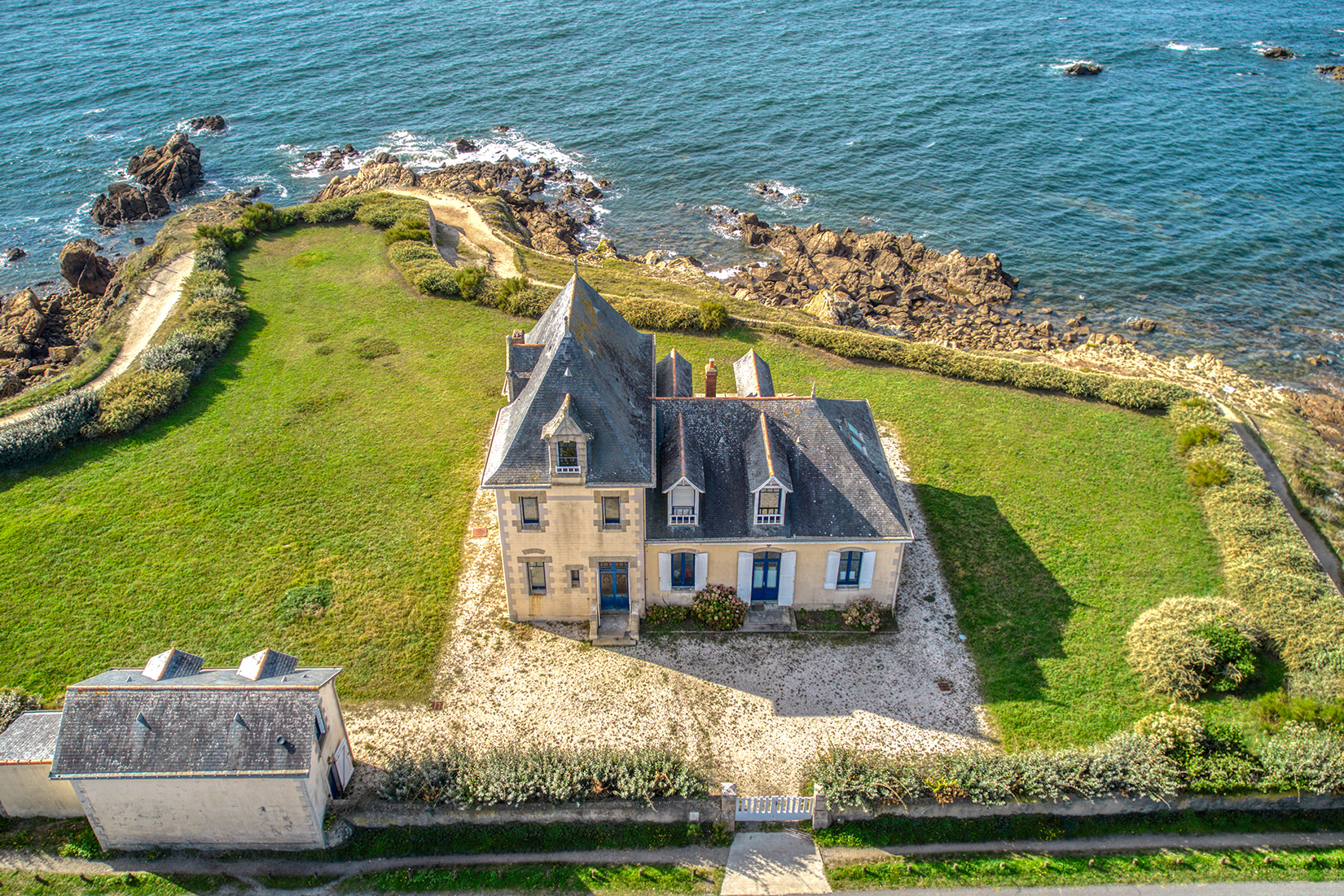
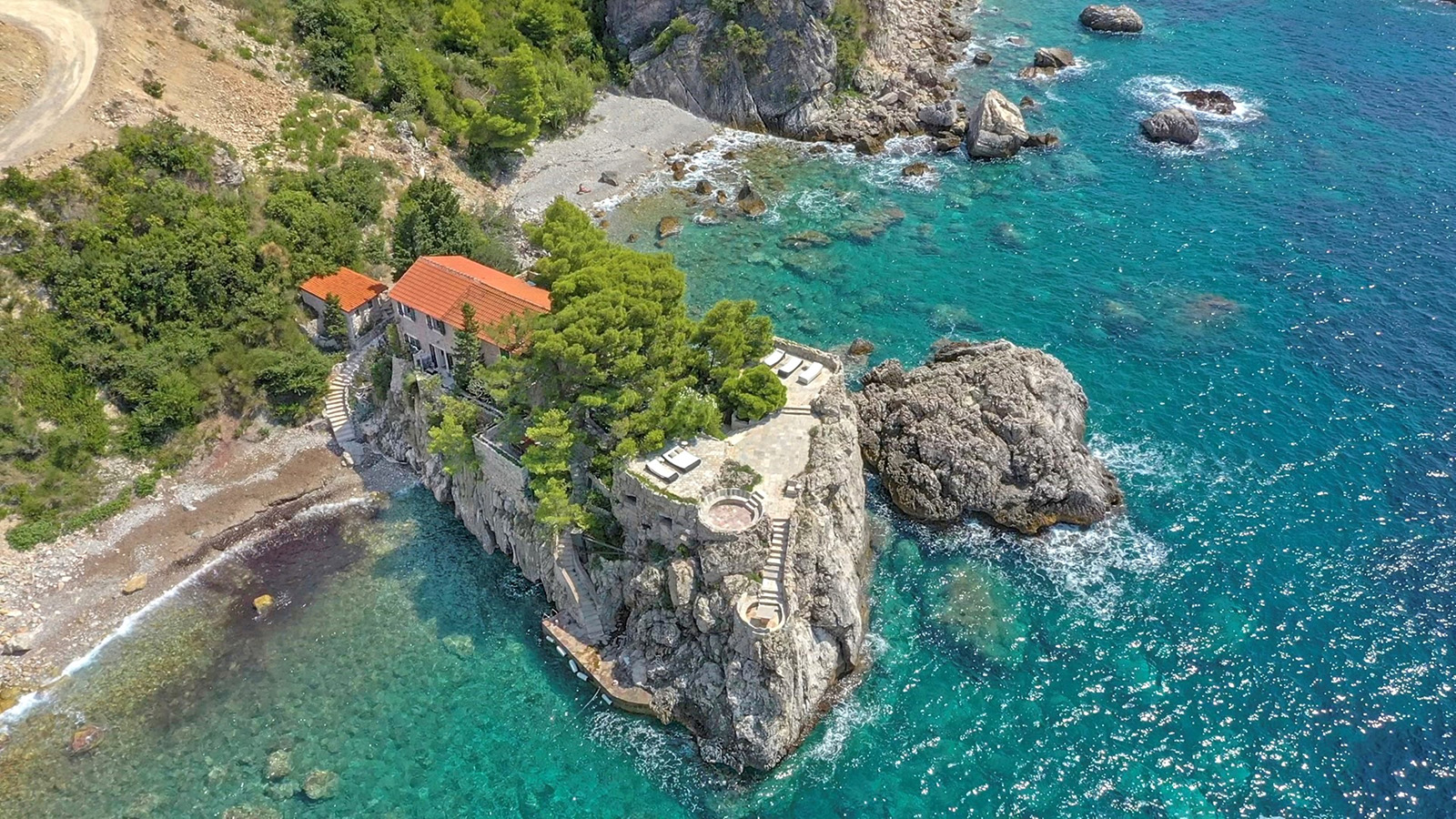
Positioned at the meeting point of land and water, this early 20th-century villa looks directly across the Channel. Living spaces are arranged to follow light and horizon, with the sea present from most rooms. The relationship between house and setting is constant, shaping a way of living guided by weather, tide and season.
Llémana Valley, Catalonia, Spain, €630,000
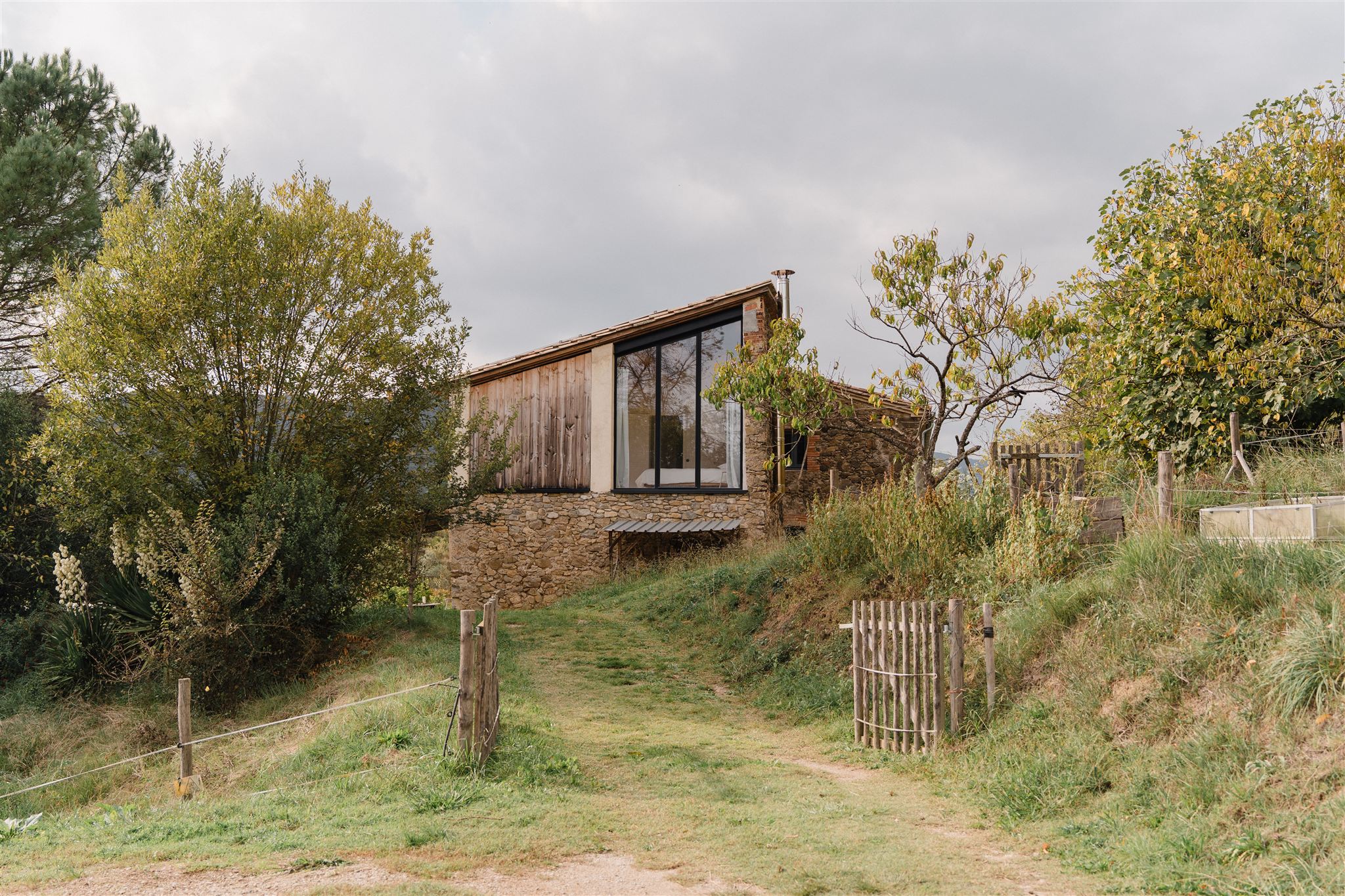
Set across four hectares in northeastern Spain, this restored farmhouse remains closely tied to its agricultural setting. Thick stone walls, vaulted interiors and original detailing anchor the building in its rural past, while later changes allow the house to be used comfortably today. Open fields, woodland and distant hills place it firmly within a working landscape rather than apart from it.
NoHo, New York City, USA, $8.995m

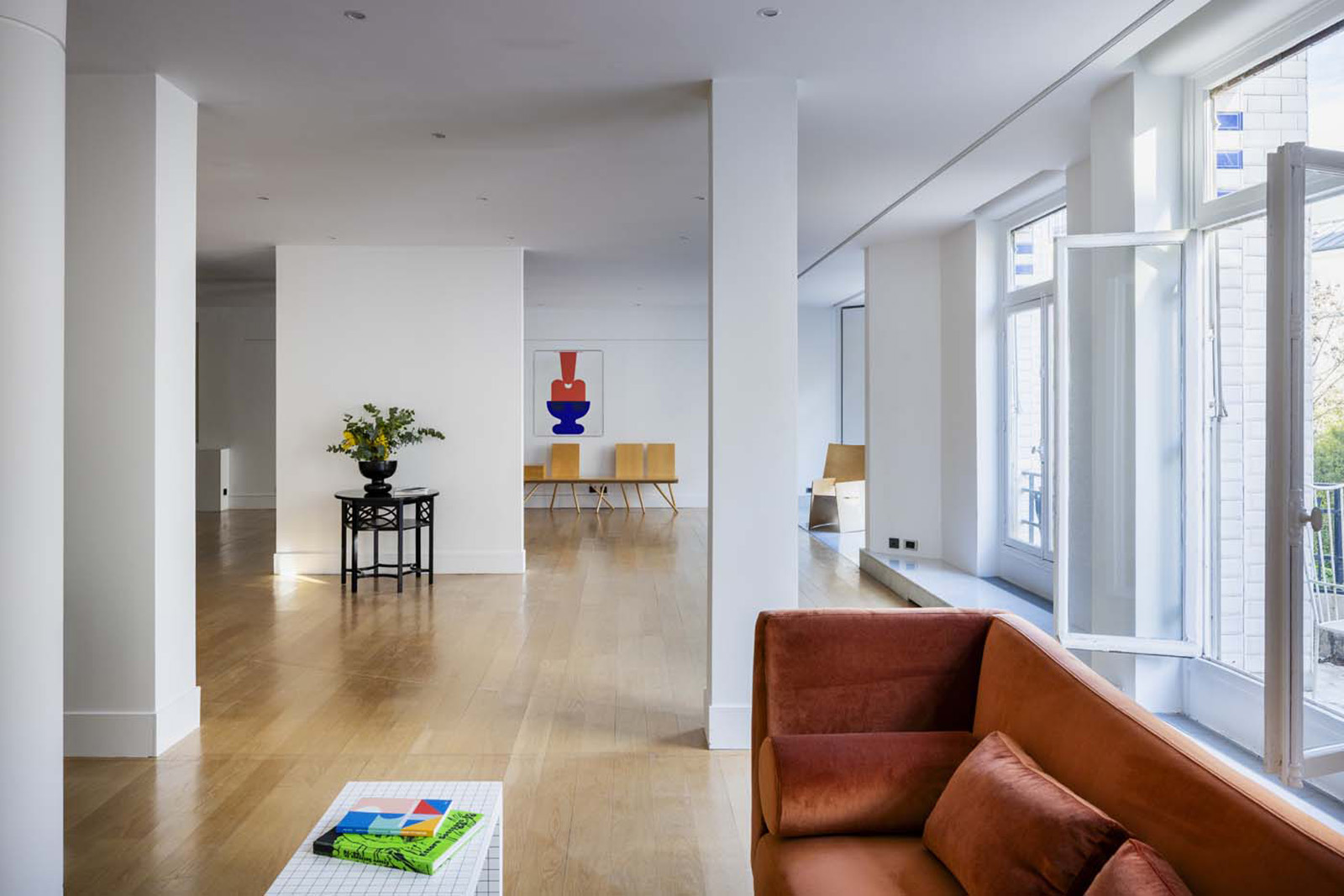
Occupying the upper floors of an 1893 Renaissance Revival building, this NoHo loft brings historic craftsmanship into dialogue with modern urban living. Ornate plasterwork, oversized windows and carefully restored details sit alongside contemporary finishes. The result is a space that retains its architectural identity while functioning effortlessly as a private residence in the city.
Pays de la Loire, France, €649,000
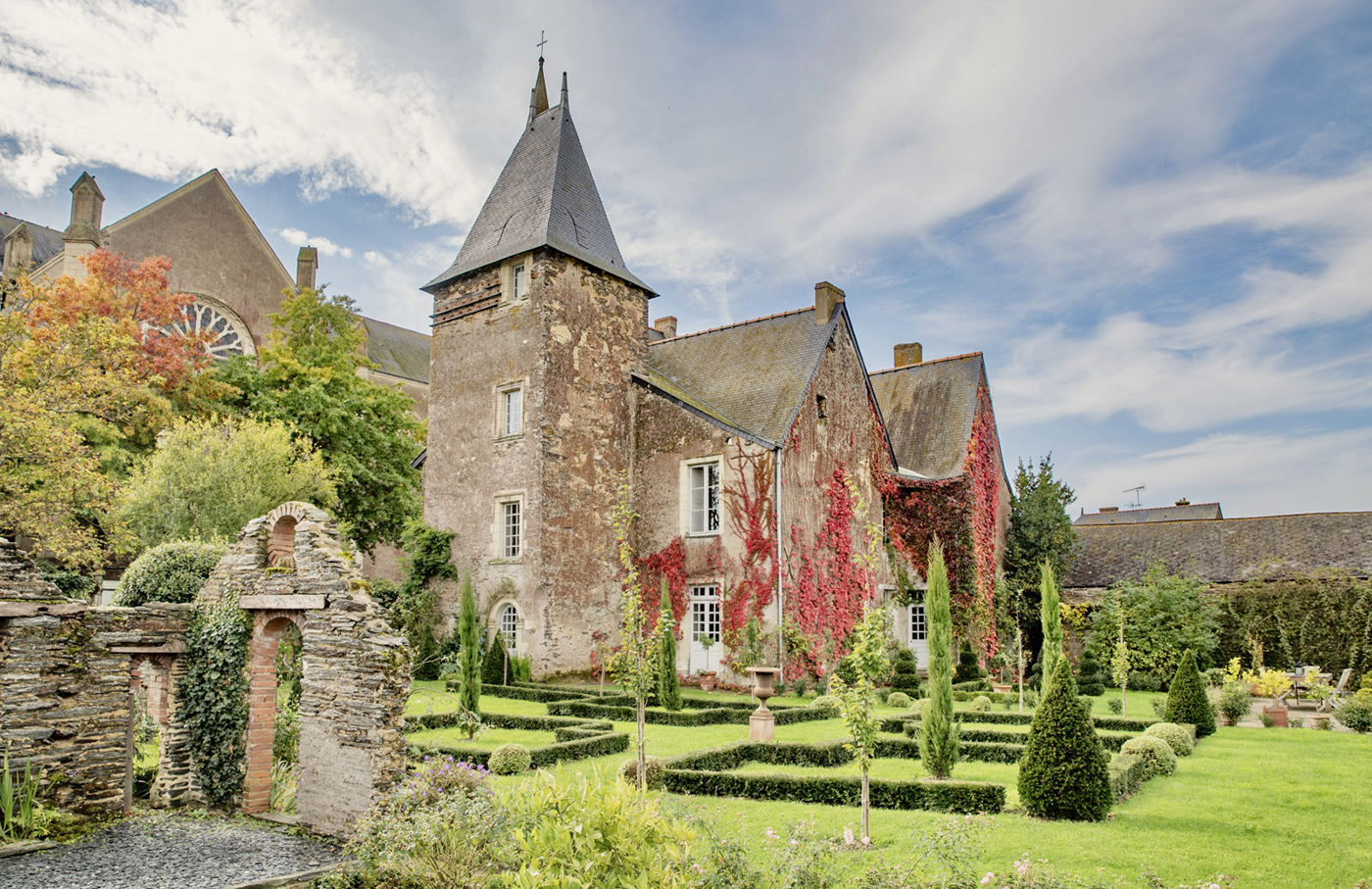
With origins in the 15th century and later expansions dating to the Renaissance, this manor house offers a rare opportunity to inhabit French architectural history at a domestic scale. Period fireplaces, stone staircases and walled gardens define the property, while restoration work has ensured the house remains practical for daily life.
Enfants Rouges, Paris, France, €1.05m
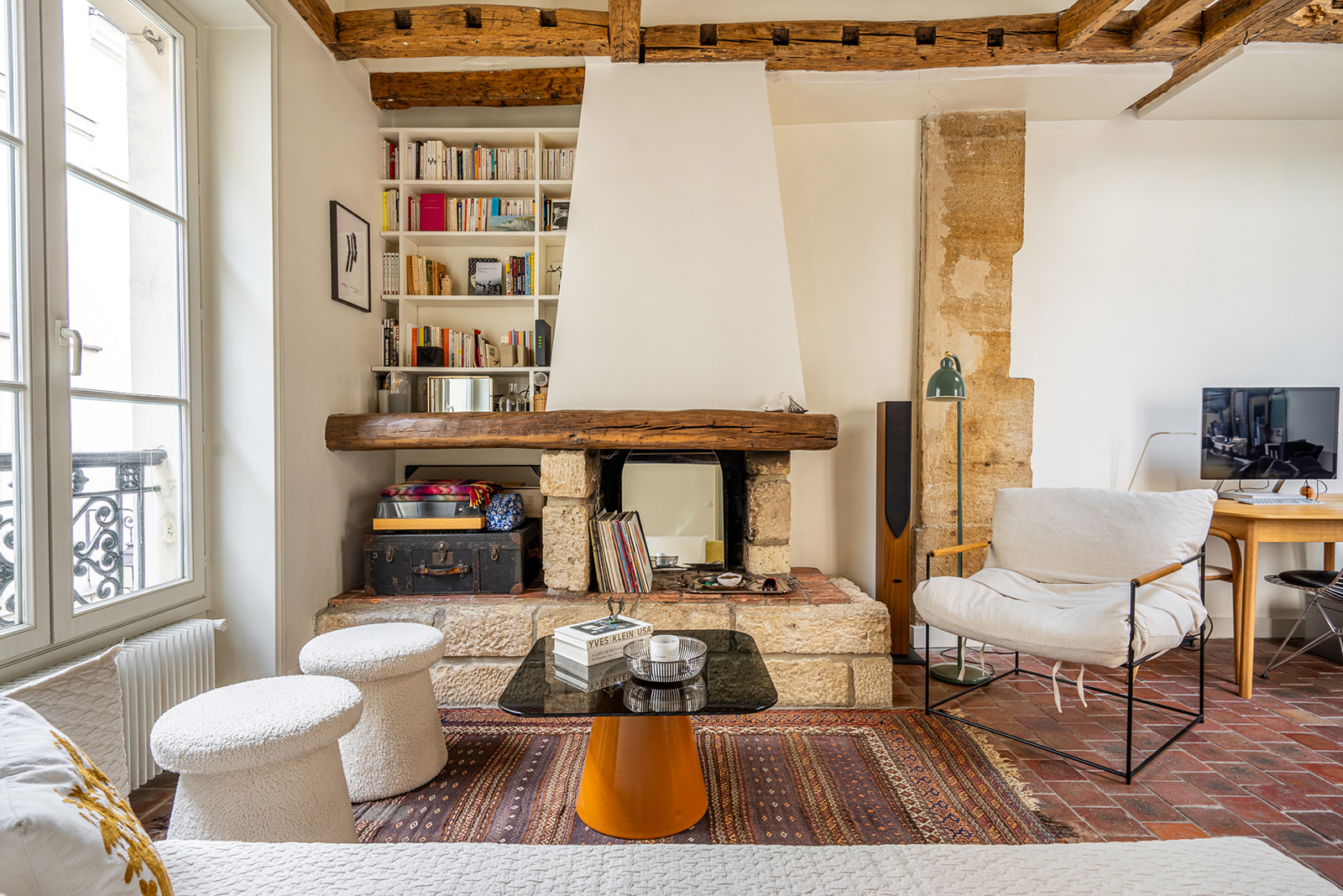
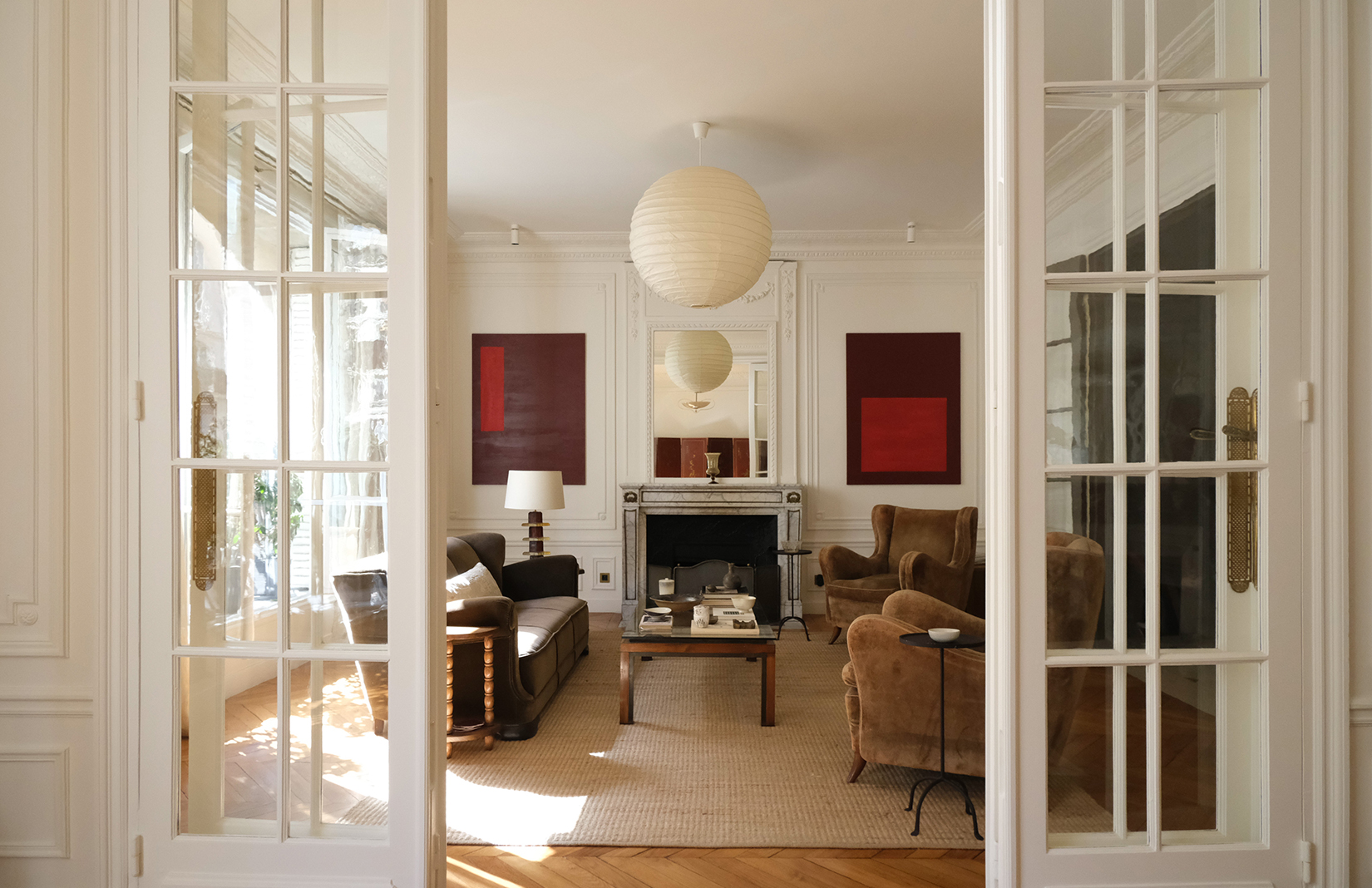
In an 18th-century building at the centre of Le Marais in Paris, this compact apartment retains a strong sense of its origins. High ceilings, terracotta tiles and a working fireplace create a tangible link to the past, while the updated mezzanine and contemporary kitchen support modern living. The balance between old and new feels deliberate and restrained.
Eyragues–Châteaurenard, Provence, France, €995,000
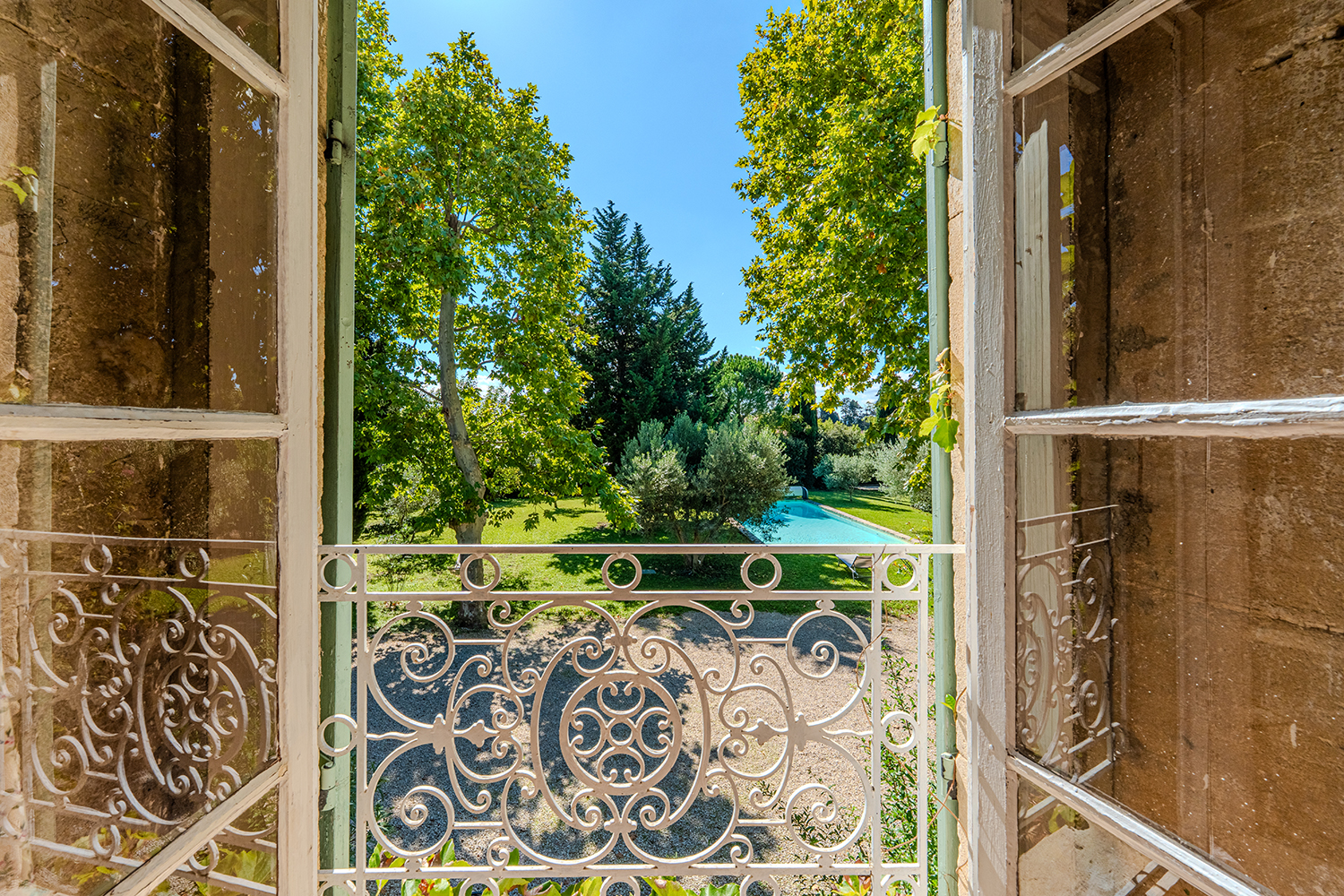
Surrounded by mature plane trees, this Provençal farmhouse unfolds across generous interiors and landscaped grounds. Thick masonry walls and traditional proportions define the architecture, while a swimming pool and shaded terraces extend life outdoors. The house reflects a long-established regional language, shaped by climate and routine rather than trend.
Berwickshire, Scottish Borders, Scotland, £3.25m
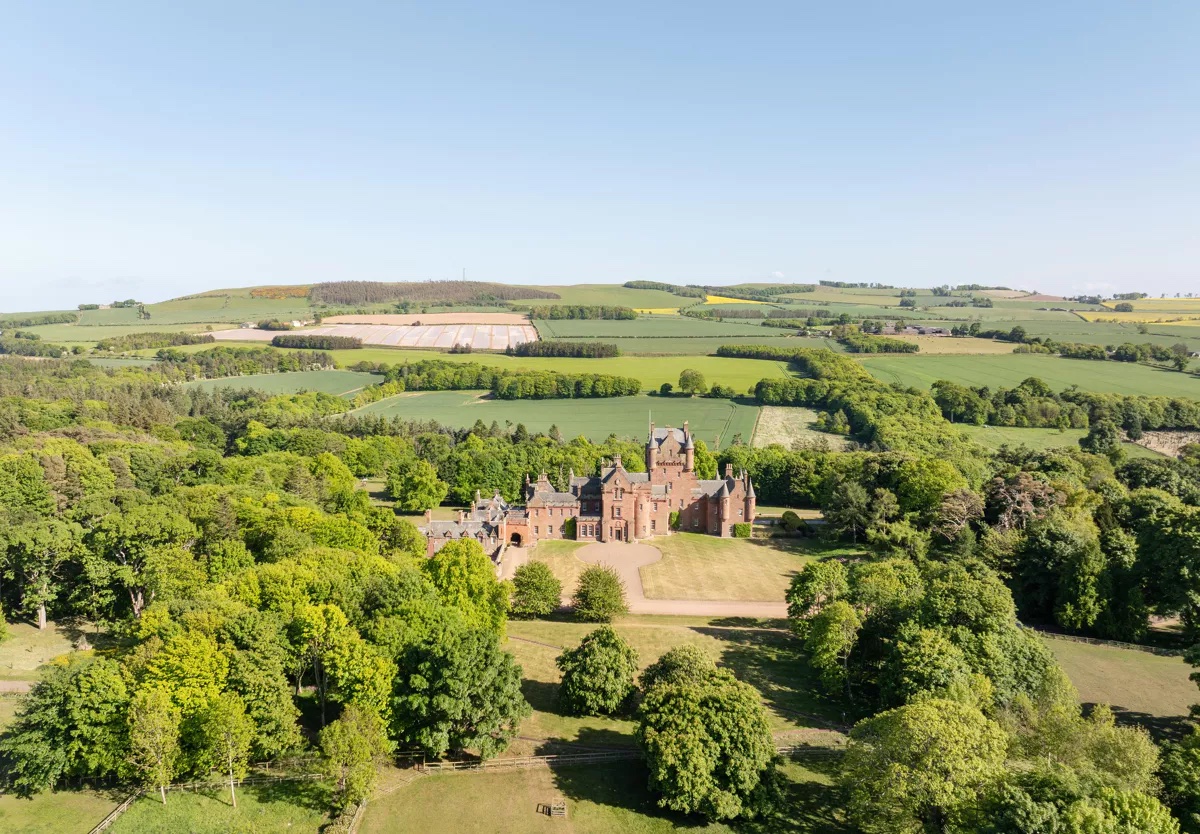
Designed by James Gillespie Graham in 1845, Ayton Castle stands as a definitive example of Scots Baronial architecture. Turrets, battlements and formal rooms are balanced by expansive parkland and woodland across a 160-acre estate. Its scale is considerable, but its appeal lies in its clear architectural identity and setting.
West Møn, Denmark, DKK 4,500,000
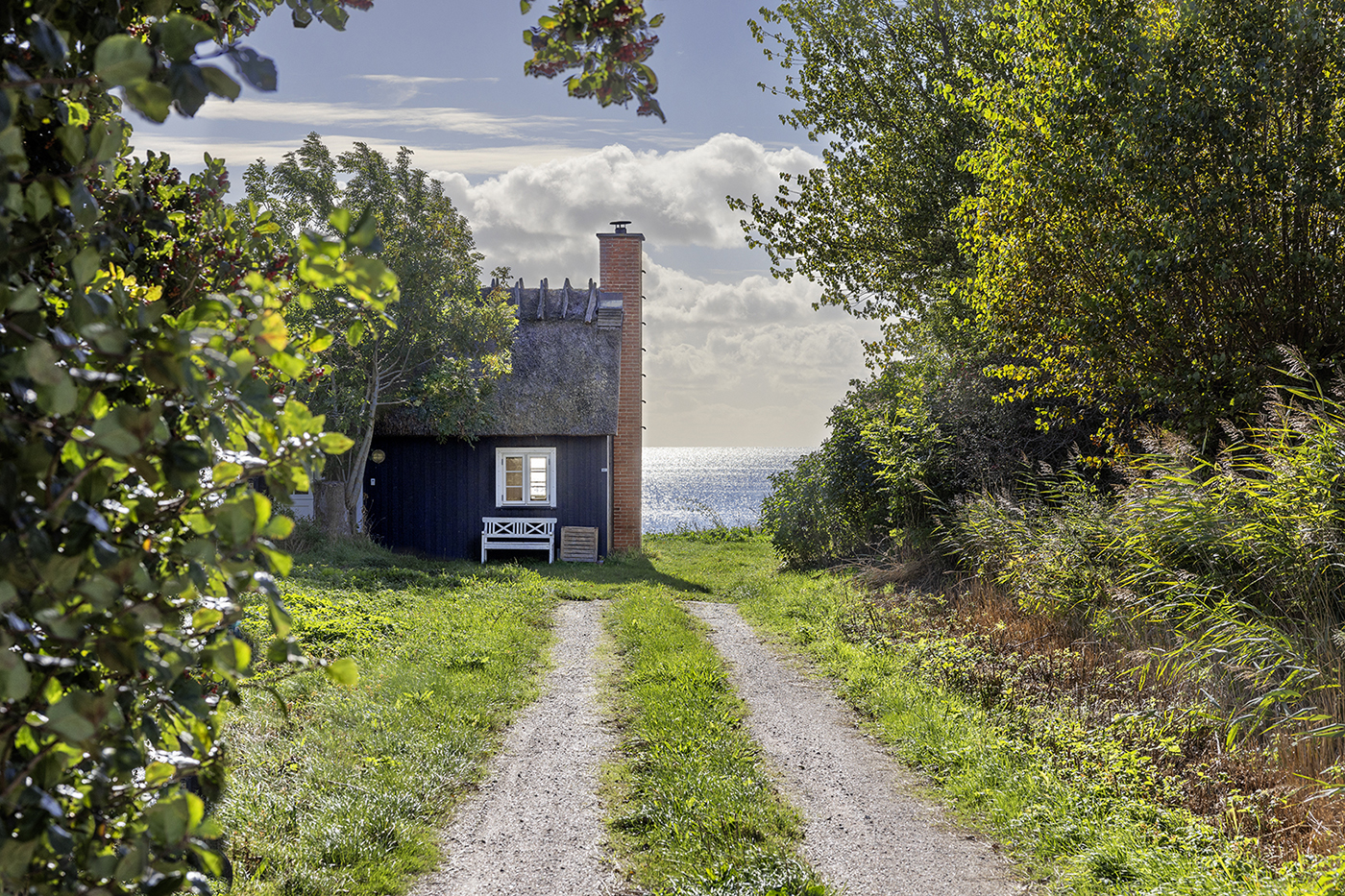
Compact and direct, this black timber summerhouse sits just metres from the Baltic Sea. Built in 1985, the structure prioritises simplicity, with a modest footprint and uninterrupted connection to the water. Its popularity reflects a broader appreciation for small-scale architecture that offers proximity to nature.
Smedjebacken, Dalarna, Sweden, SEK 3,995,000
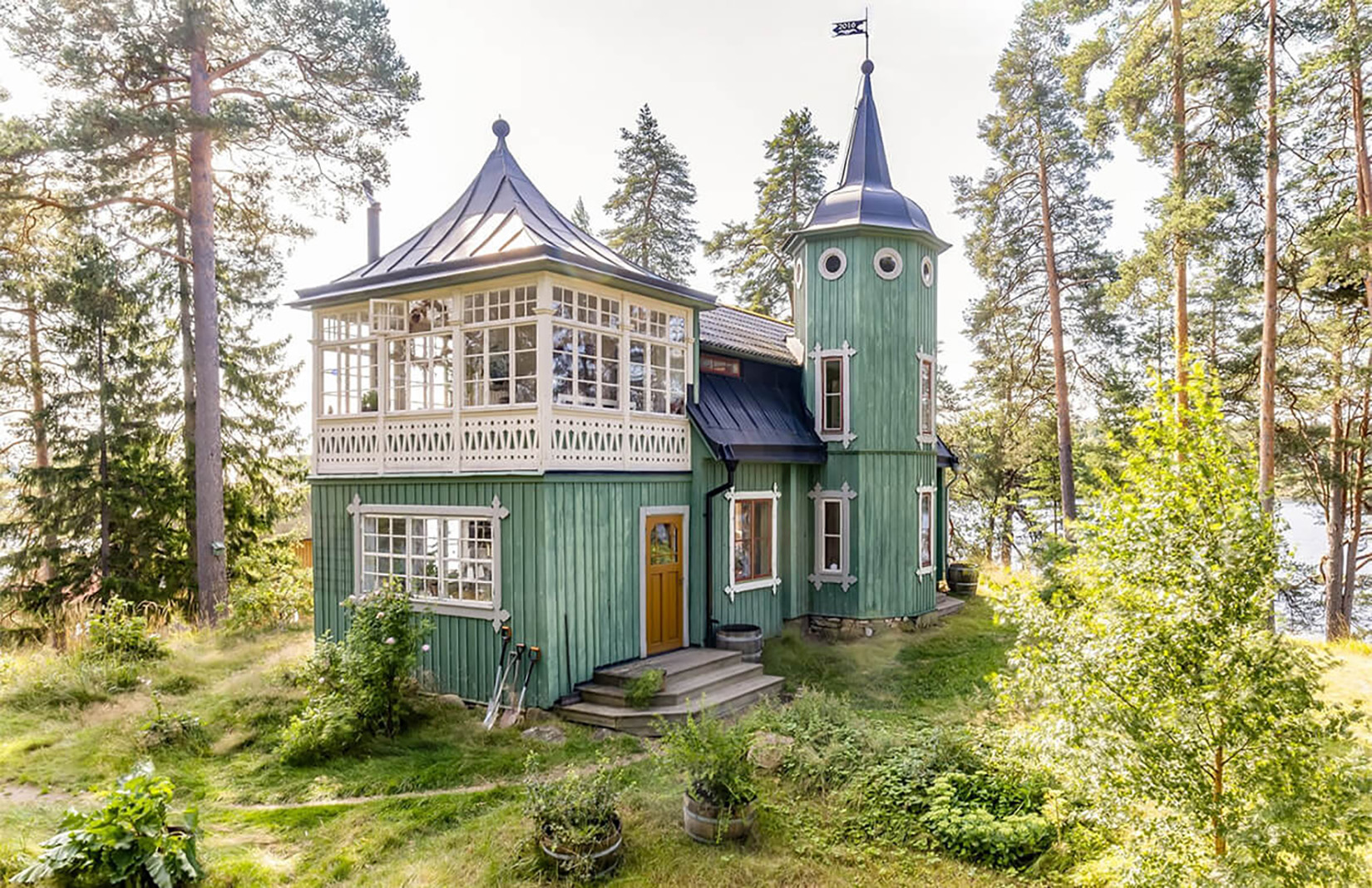
This private island spans approximately 8,000sqm and includes a 19th-century house and a traditional boathouse painted in kurbits motifs. Surrounded entirely by water, the property offers complete seclusion while remaining within reach of Stockholm. Architecture here is secondary to landscape, reinforcing the appeal of ownership defined by space rather than size.
Kinloch Castle, Isle of Rùm, Scotland, £POA
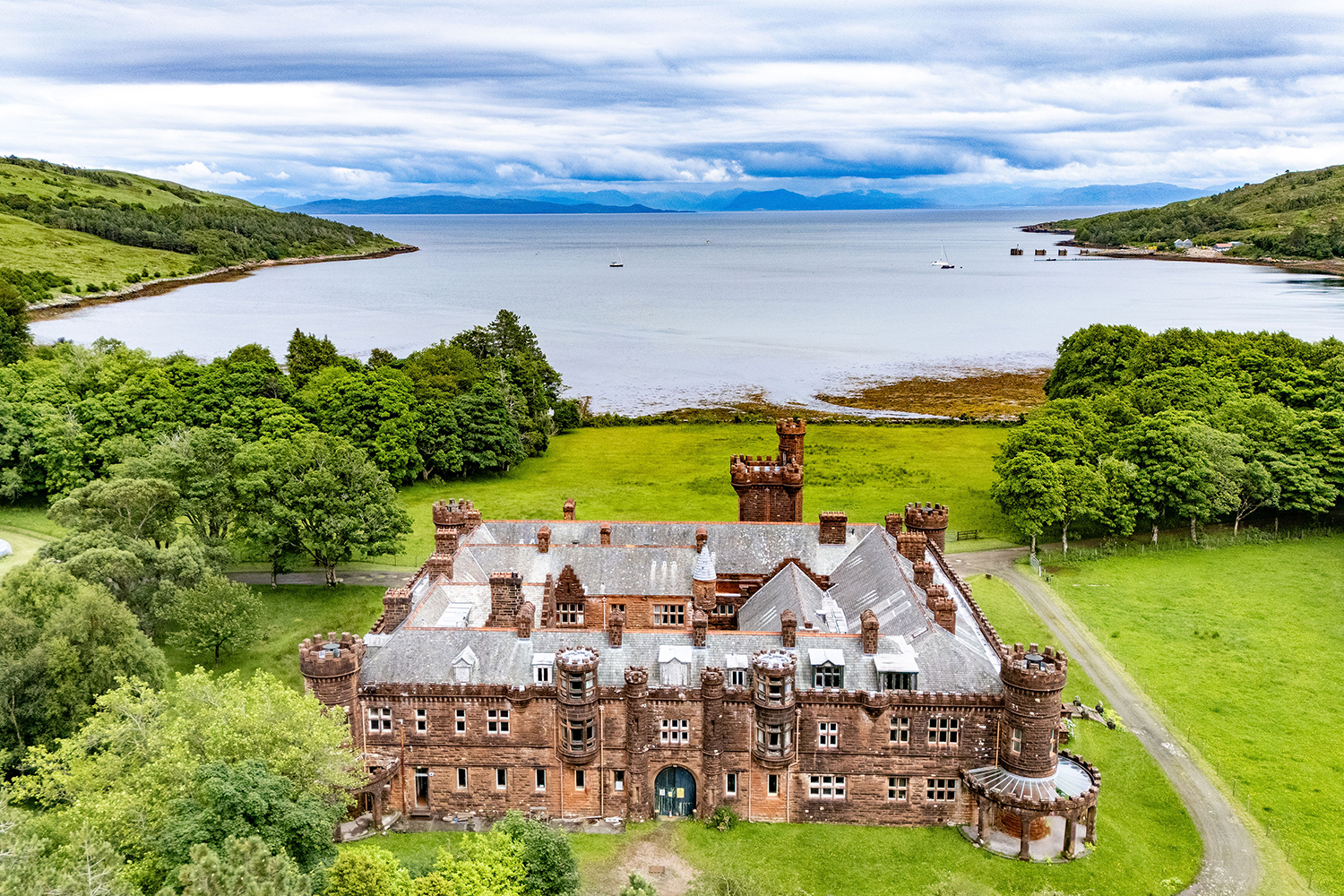
Set within the dramatic landscape of the Inner Hebrides, Kinloch Castle occupies more than 13,000 acres on the Isle of Rùm. Built in the late 19th century, the Edwardian Arts and Crafts residence is accompanied by formal gardens, woodland and shoreline, with views stretching across the Sound of Rùm. Its scale is matched by its sense of isolation — a rare example of a fully self-contained estate shaped by land as much as architecture.
Södermanland, Sweden, SEK 32,000,000
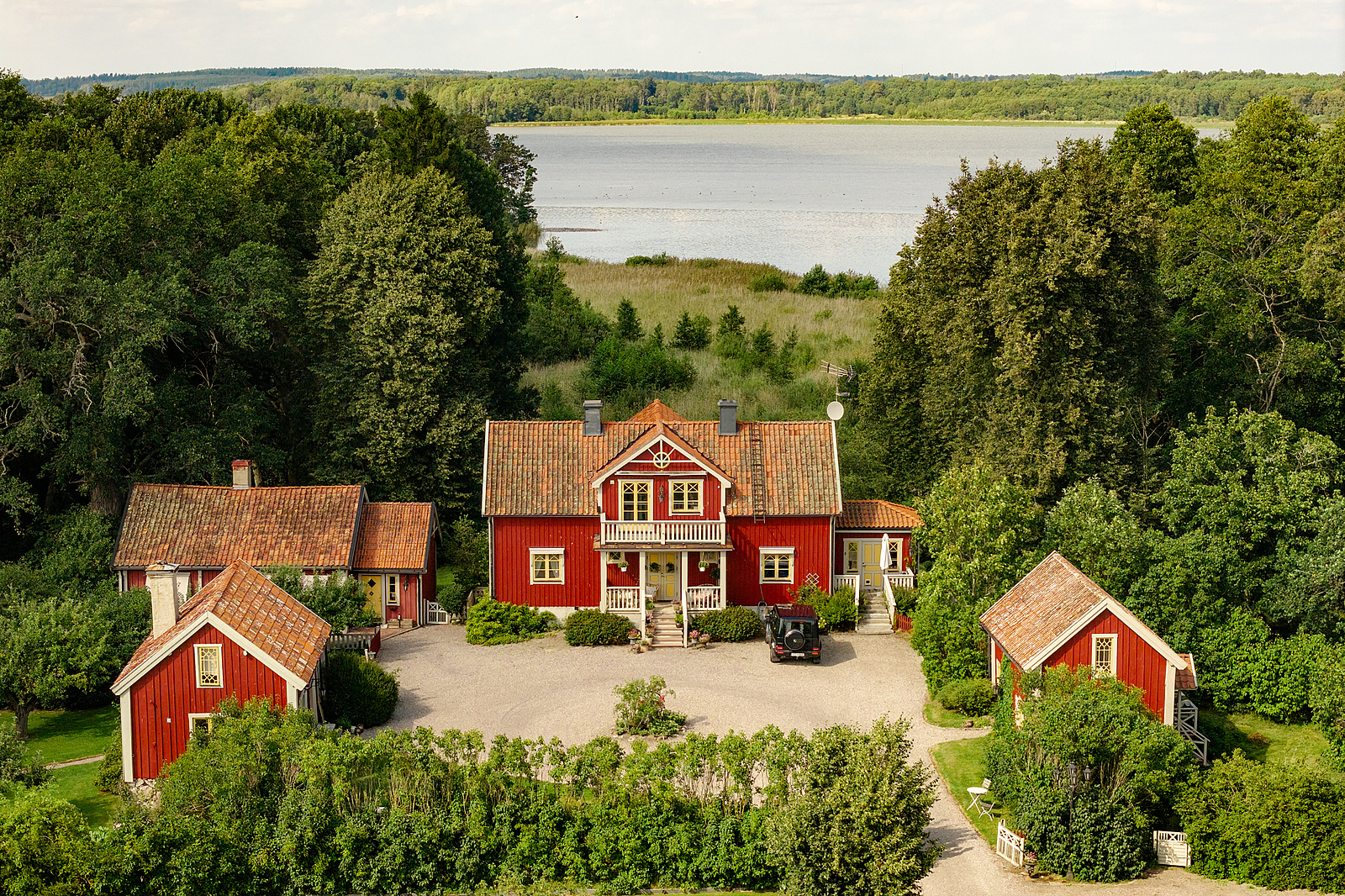
Arphus Gård is a working estate that brings together multiple dwellings, extensive equestrian facilities and productive land. Traditional timber buildings have been updated with modern infrastructure, including ground-source heating, ensuring the estate functions as a contemporary rural enterprise. It stands as an example of adaptive reuse at a landscape scale.