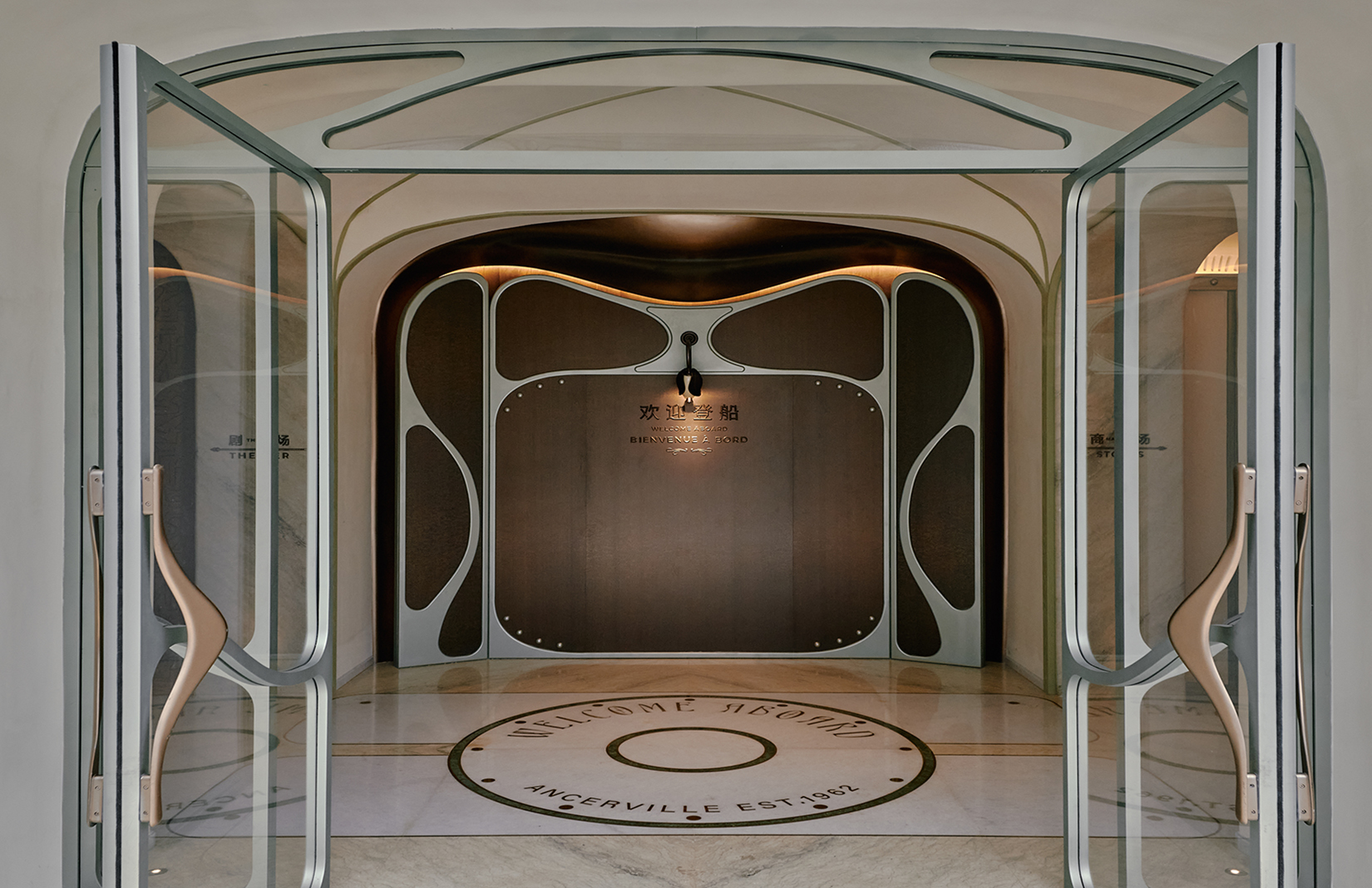
While it is not unusual to see a mammoth ship docked in Shekou harbour, the port area of Shenzhen, this 551-foot, 770-passenger luxury liner is no transient guest. Ancerville is permanently moored here, repurposed as a vessel for culture: part boutique hotel, part theatre, part retail promenade. Renovated by Chris Shao Studio, a practice with offices in Shanghai and New York, it pays homage to the history of ocean liners with curved and riveted additions both new and art nouveau.
Once a modest fishing village, the setting is as symbolically charged as the ship itself. Shekou was the birthplace of China’s first Special Economic Zone, a government testing ground for a more global outlook.
‘The destination allowed far greater political flexibility and free-trade economic policies to attract foreign investment,’ says Shao. ‘Since its 2003 restructuring, Shekou has rapidly evolved into a cultural and creative hub.’ Landmarks include the white-aluminium Design Society building, with its own V&A satellite.
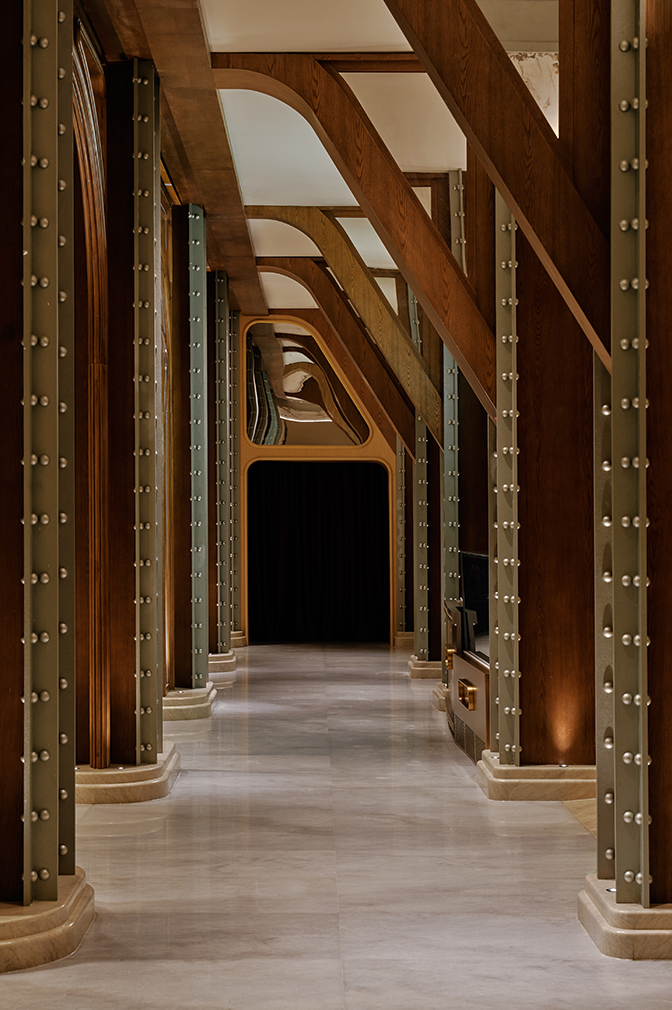
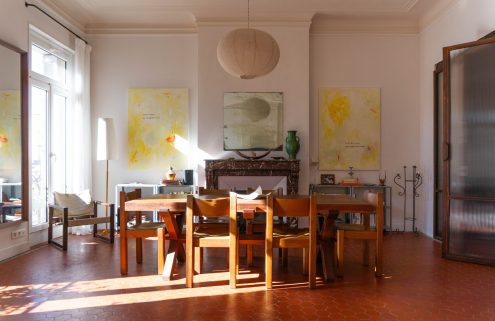
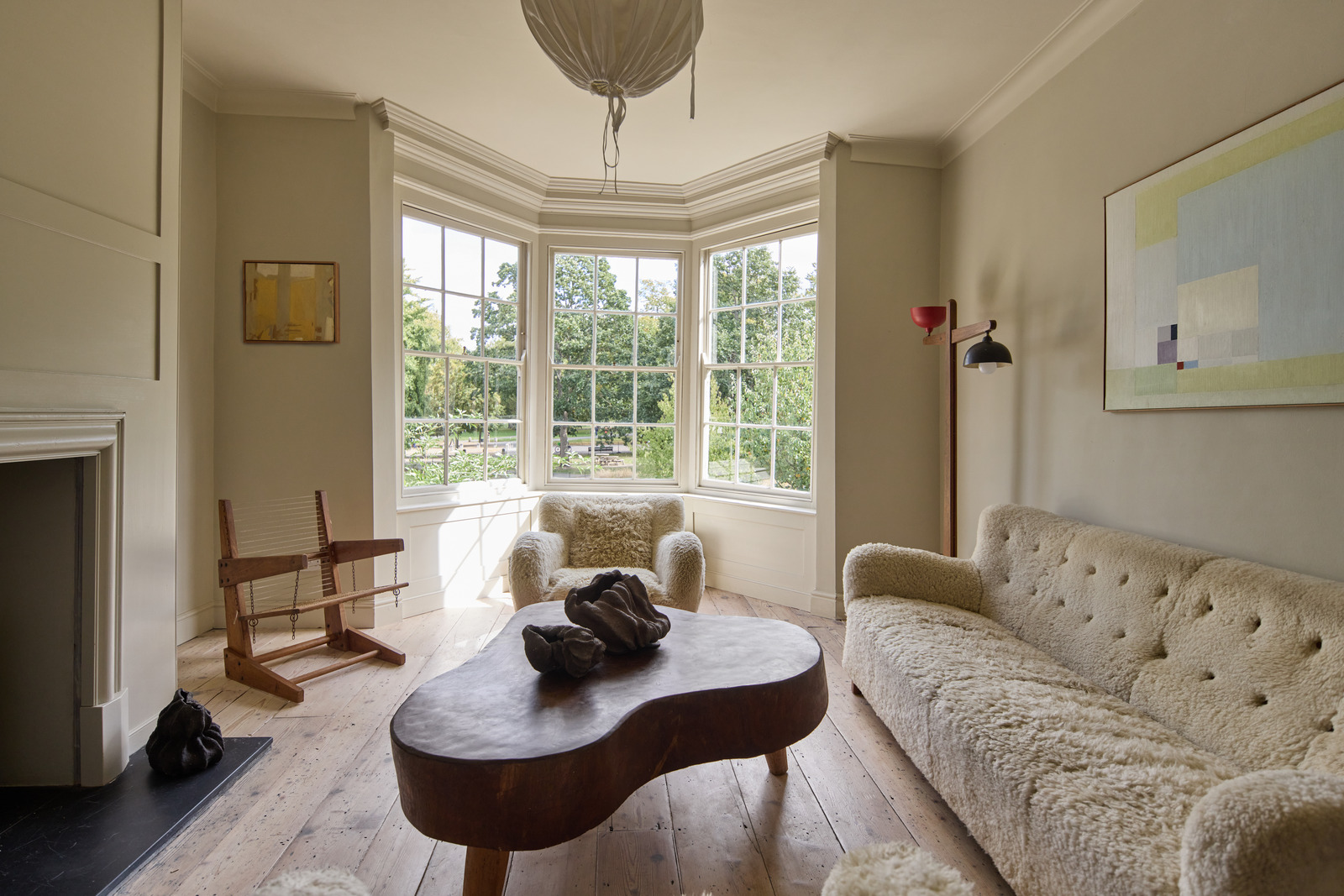
Photography: Zhu Hai, courtesy of Chris Shao Studio.
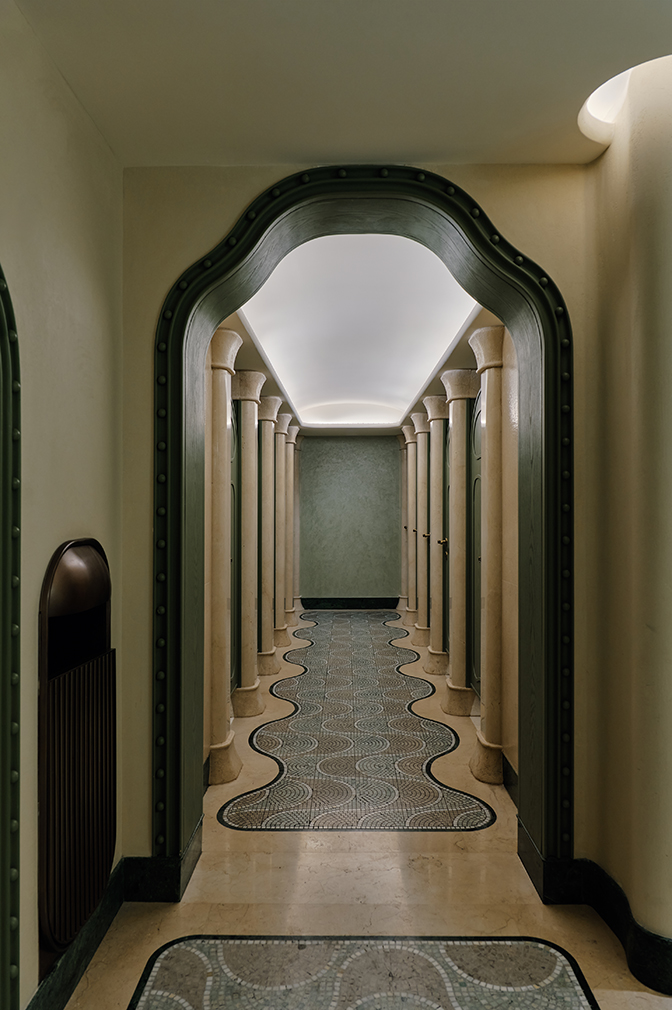
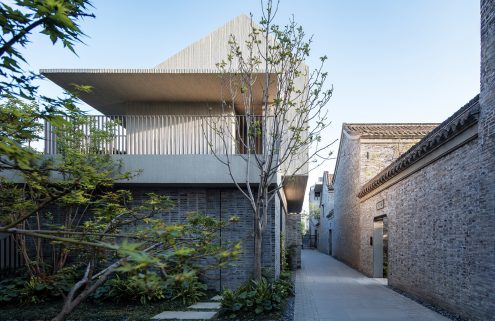
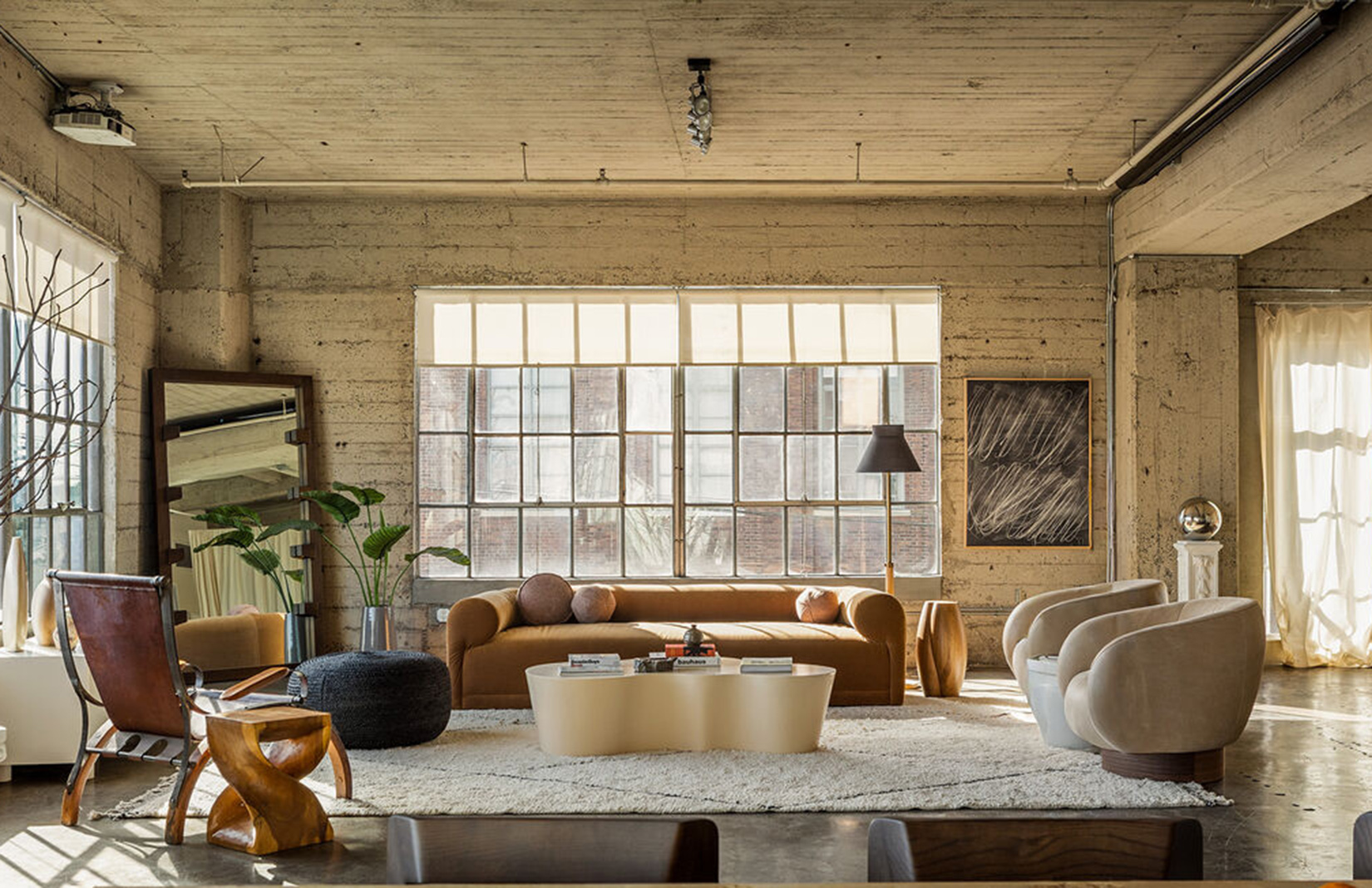
Photography: Zhu Hai, courtesy of Chris Shao Studio.
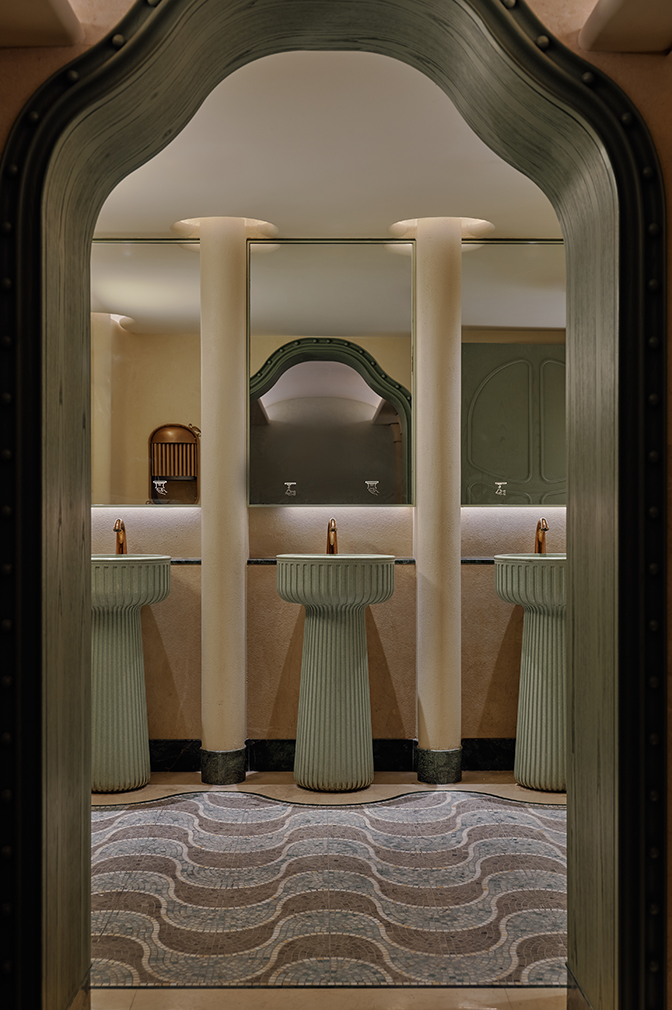
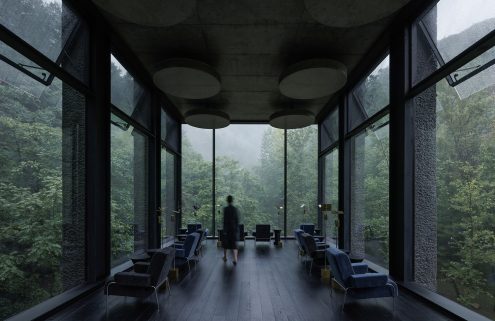
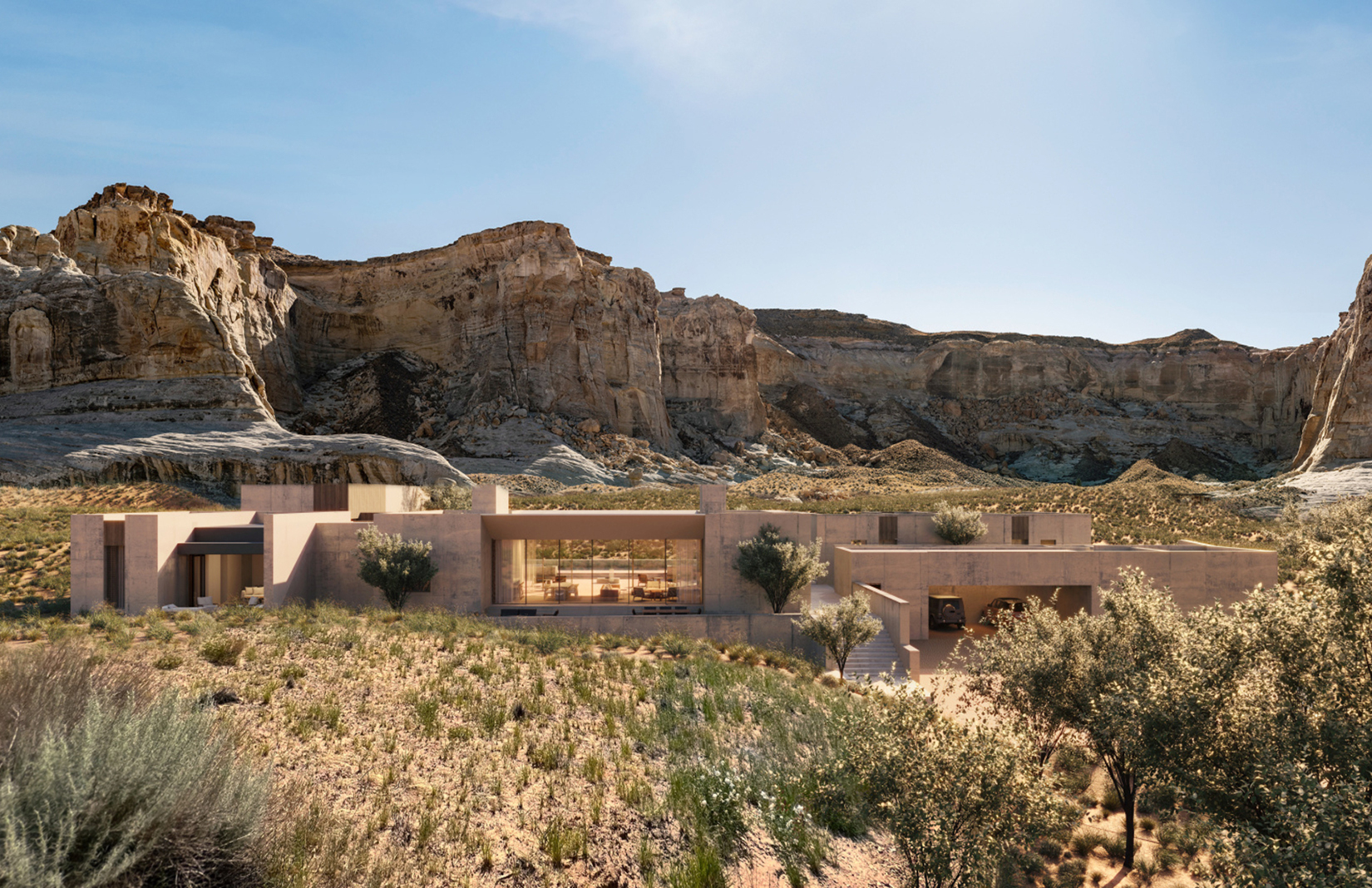
Photography: Zhu Hai, courtesy of Chris Shao Studio.
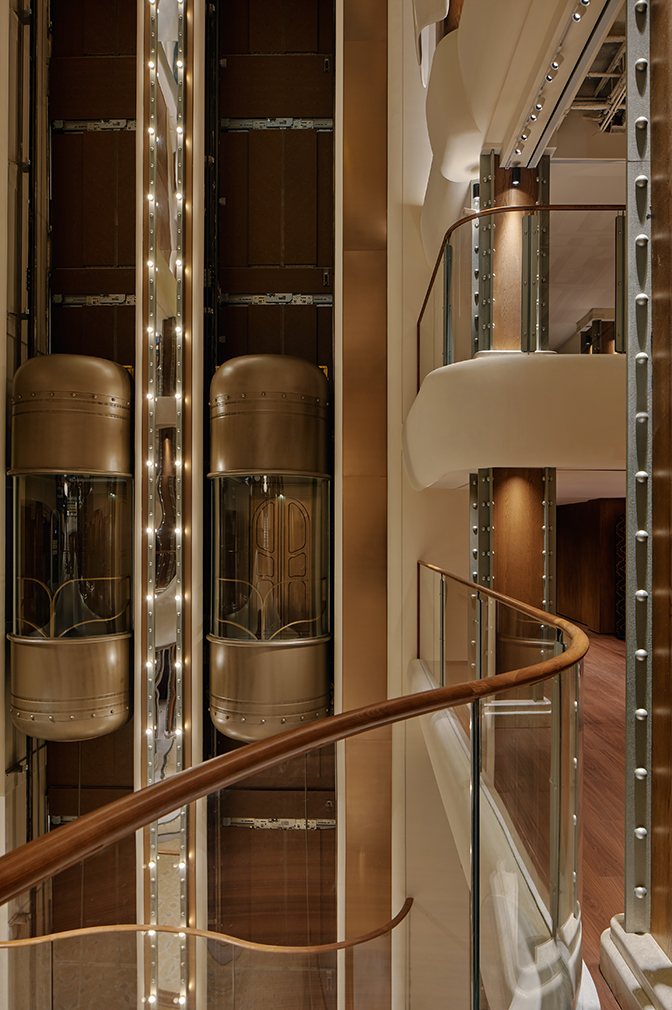
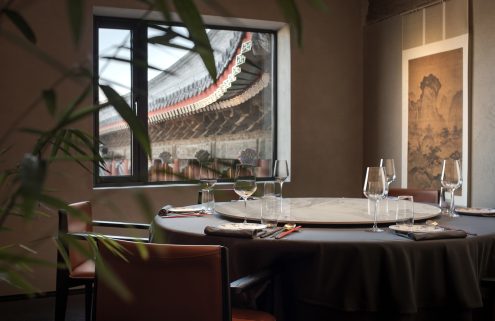
Photography: Zhu Hai, courtesy of Chris Shao Studio.
Photography: Zhu Hai, courtesy of Chris Shao Studio.
This spirit of transformation makes Shekou a safe harbour for Ancerville. Like the district, the ship too has serious pedigree and history. Originally built for the French shipping company Paquet in the mid 20th century, it was considered revolutionary in its day, designed to resemble a yacht rather than a traditional ocean liner. ‘By establishing regular routes from France to Morocco, the company opened new corridors of commercial exchange,’ says Shao.
Over time, it was sold, then converted into a passenger ship in the 1970s, sailing to the Canaries, Madeira, West Africa and South America; it ferried Chinese labourers working on the Tanzania–Zambia railway and famously rescued passengers from a burning liner off the Canary Islands. After a brief stint in Australia in the 1980s, it transferred to the Chinese state as MS Minghua, the ‘Spirit of China’. After Eastern, Western and utilitarian refurbishments, its last incarnation presented a blank canvas with a freshly painted white exterior set against a green hull.
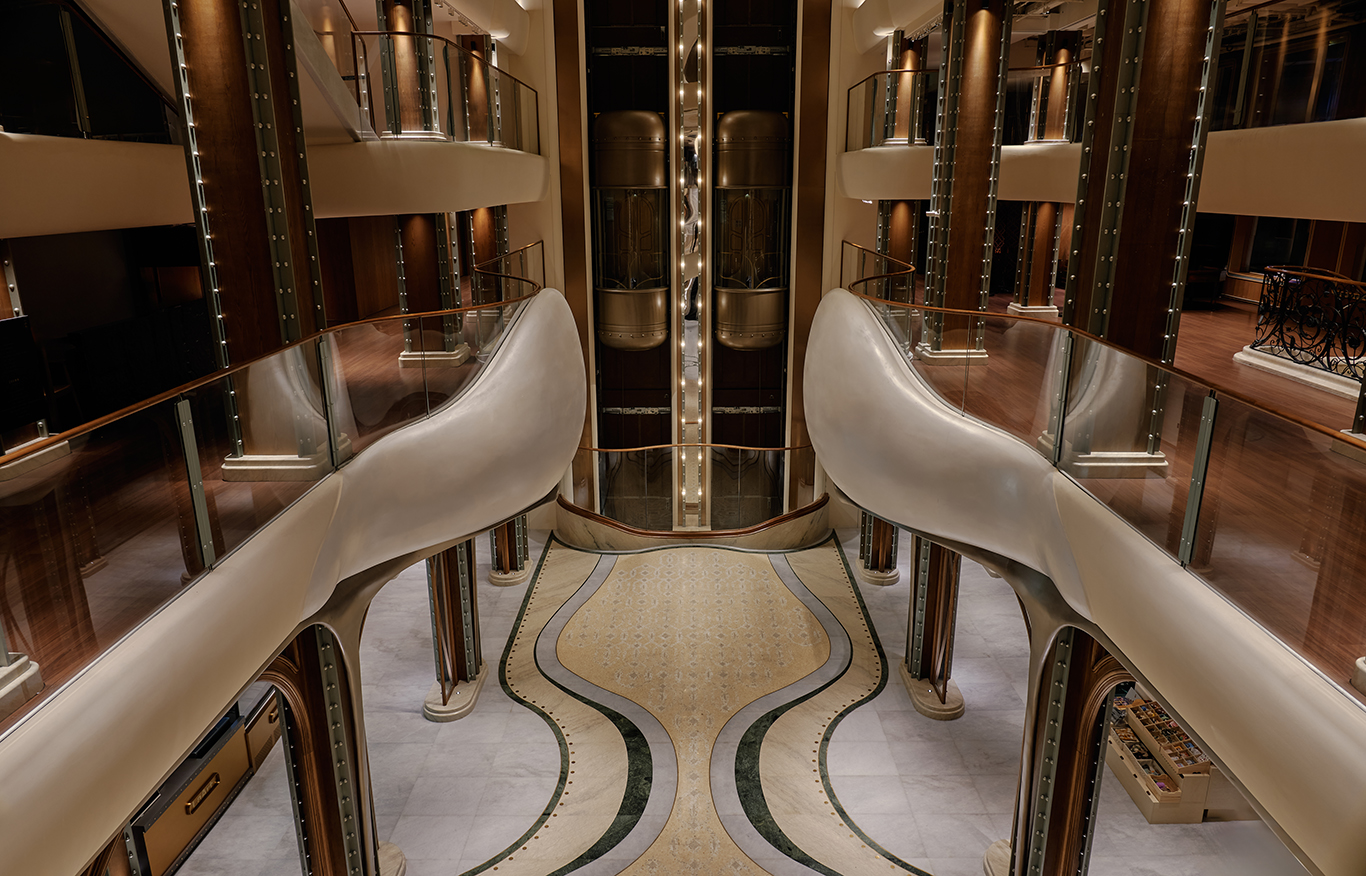
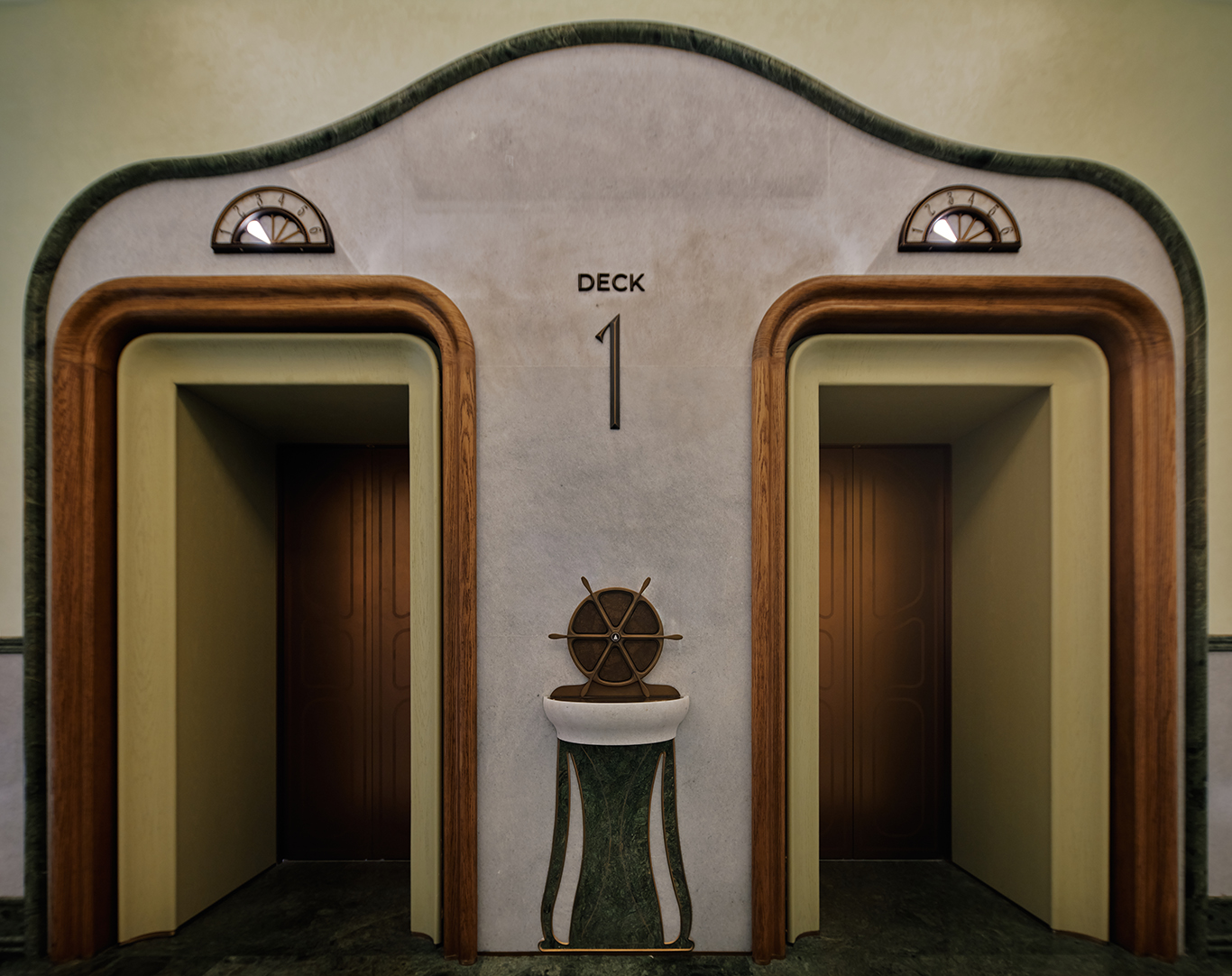
Shao has not erased that layered history but rather re-scripted it elegantly. The liner now houses multiple boutique hotels, waterfront dining, French and regional Chinese restaurants, dessert-only cafes, theatres and music rooms — much like the cruise ship it never was. Design-wise, it borrows some of the most expressive hallmarks of art nouveau, reinterpreted with theatrical flair. The interiors are enhanced with unconventional expressions like silver-studded pillars and sweeping architectural curves. The sculptural lighting is deployed to awe, its repetition creating rhythm, texture and symmetry.
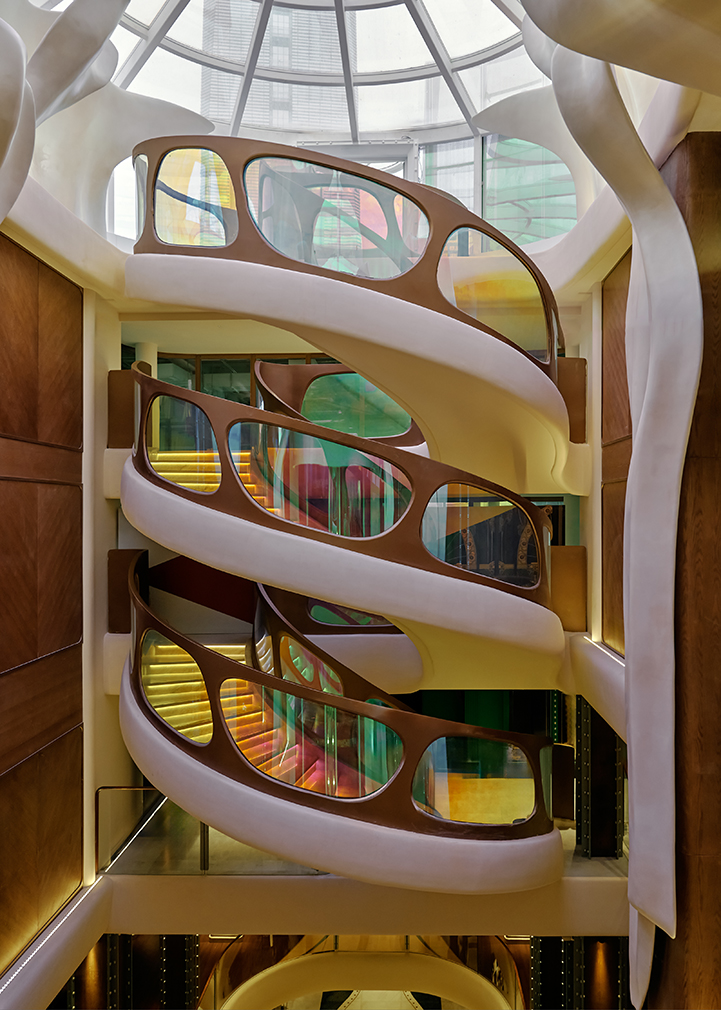
At the ship’s heart is an escalator with a monumental bronze flower stem rising on either side — less a means of circulation than a narrative device. ‘The ship shifts dramatically from level to level, and we wanted to simulate a sense of metamorphosis,’ says Shao. ‘It becomes a surreal vessel, transporting you from one world to another.’ Its form is deliberately ambiguous, at once skeletal and organic: a rib cage, a boulevard of canopied trees, even a nervous system rendered in motion.
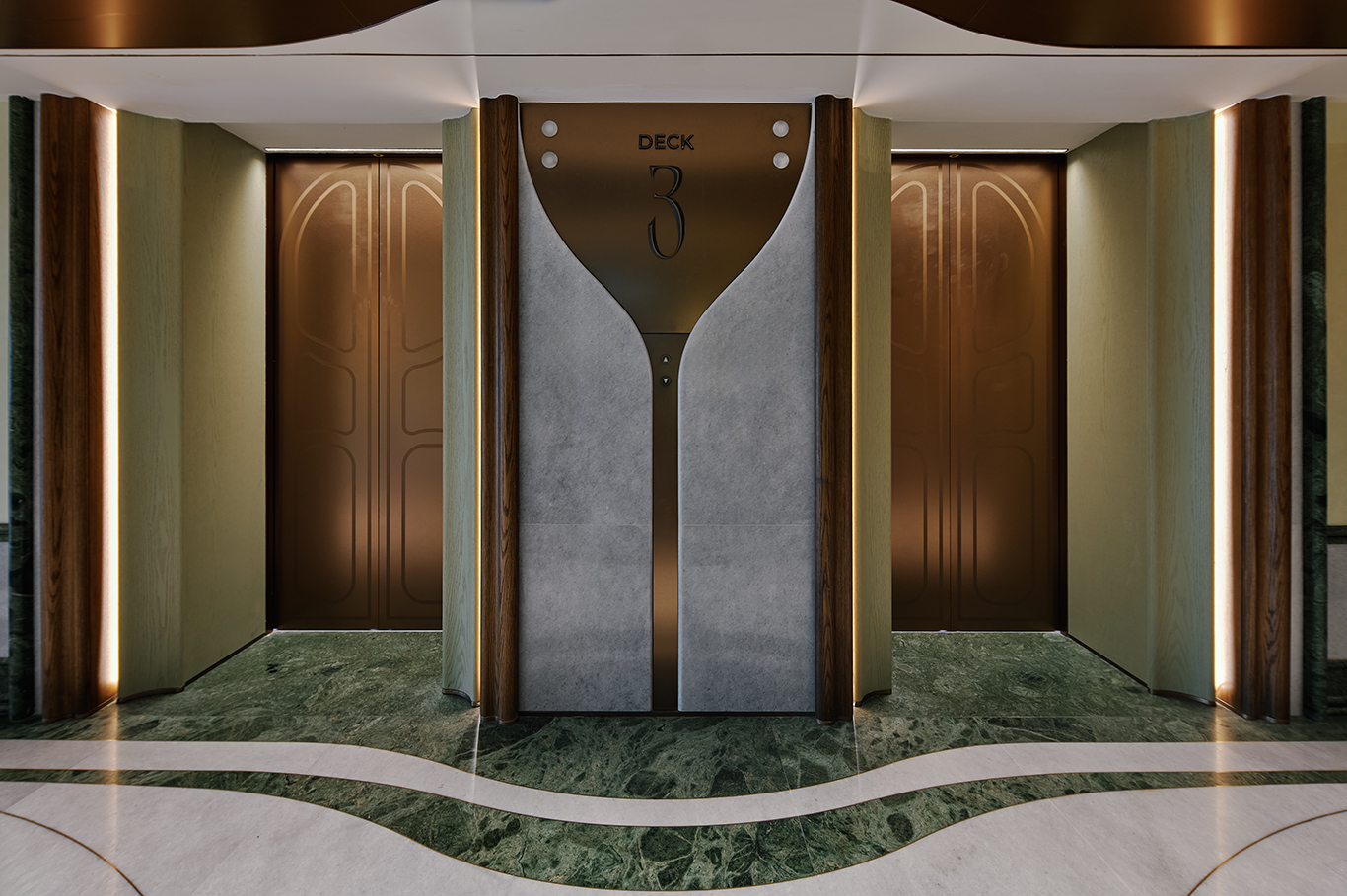
Much of the original flooring has been carefully preserved, the historic tiles restored where possible and faithfully replicated where necessary. ‘Ancerville is a multicultural hub that interweaves history and modernity,’ Shao says. ‘It’s a place for people to flow between theatre, dining, jazz bars and retail.’ A ship no longer at sea, yet still unmistakably in motion.