For decades Europeans have been fascinated with design from the Latin American world. Brazilian modernism and contemporary Mexican architecture enjoy massive interest, which translates to tourism. Ecuador? Despite a circle of elite, internationally heralded architects operating in cities like Quito and Guayaquil, the built landscape is virtually unexplored by Europeans.
‘The country is often portrayed through issues like increasing crime, drug trafficking and corruption, however, there is much more to Ecuador than this,’ says Francesco Russo, an architectural photographer based in London and Venice. ‘Using architecture as a thread, we would like to present a different narrative.’
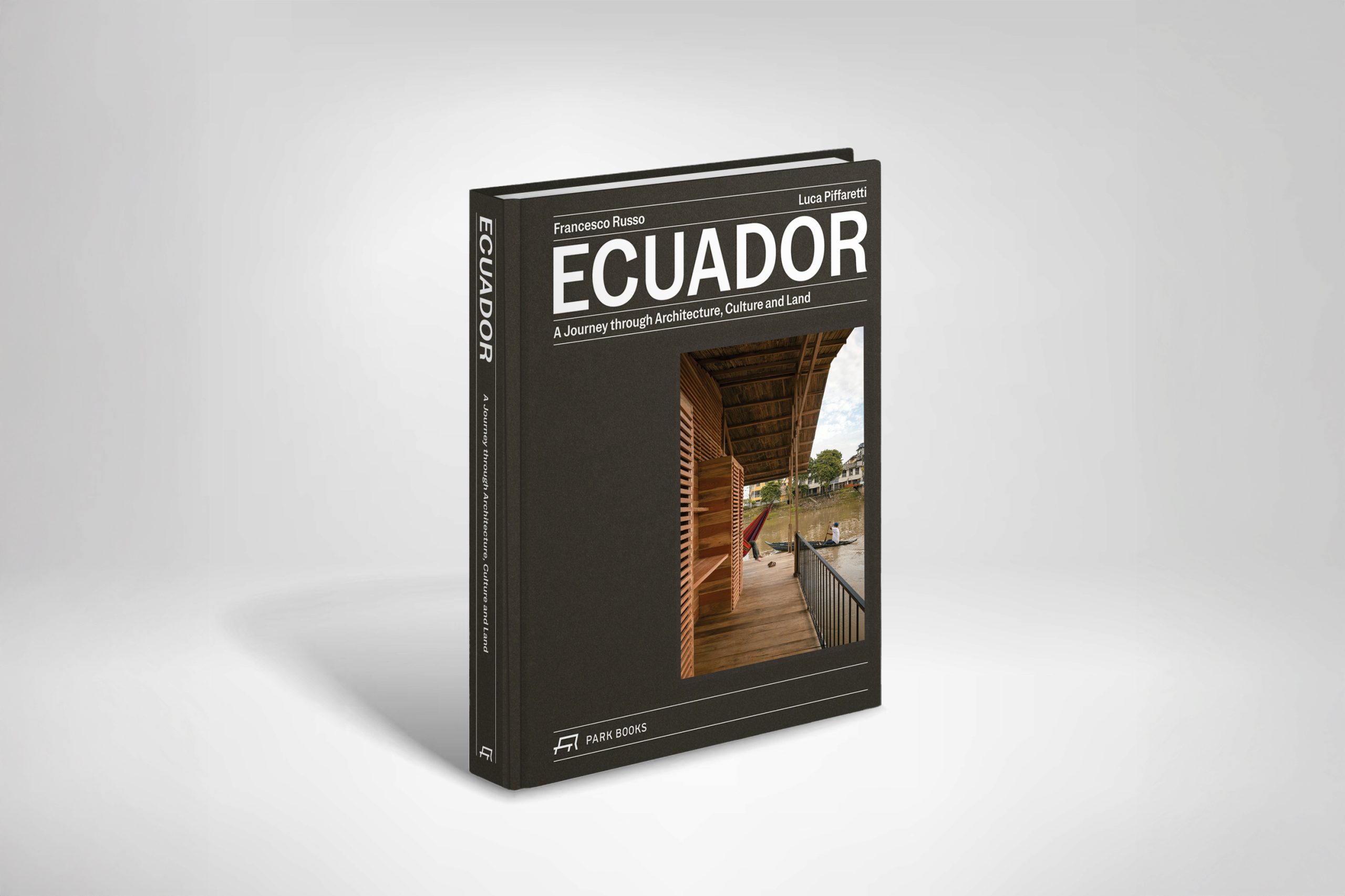
Along with photographer Luca Piffaretti, Russo spent 109 days documenting cultural, commercial and residential projects in this small South American nation. While his visual narrative highlights the materiality and technical expertise in Ecuador’s contemporary landscape, Piffaretti’s photographs bring a documentary lens to the social and natural contexts. Together they form Ecuador: A Journey through Architecture, Culture and Land, a hardback photobook published with help from an ongoing Kickstarter campaign.
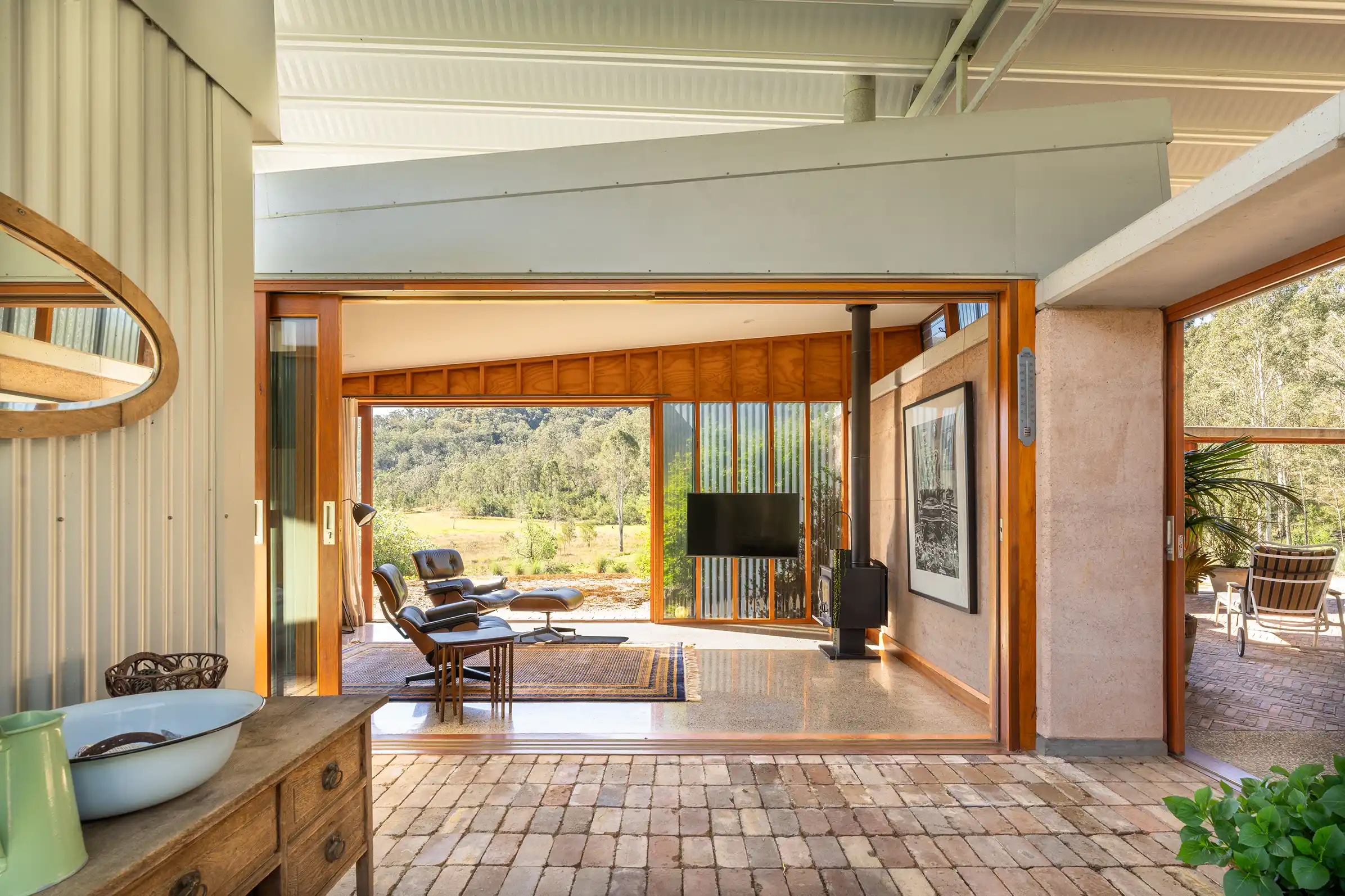
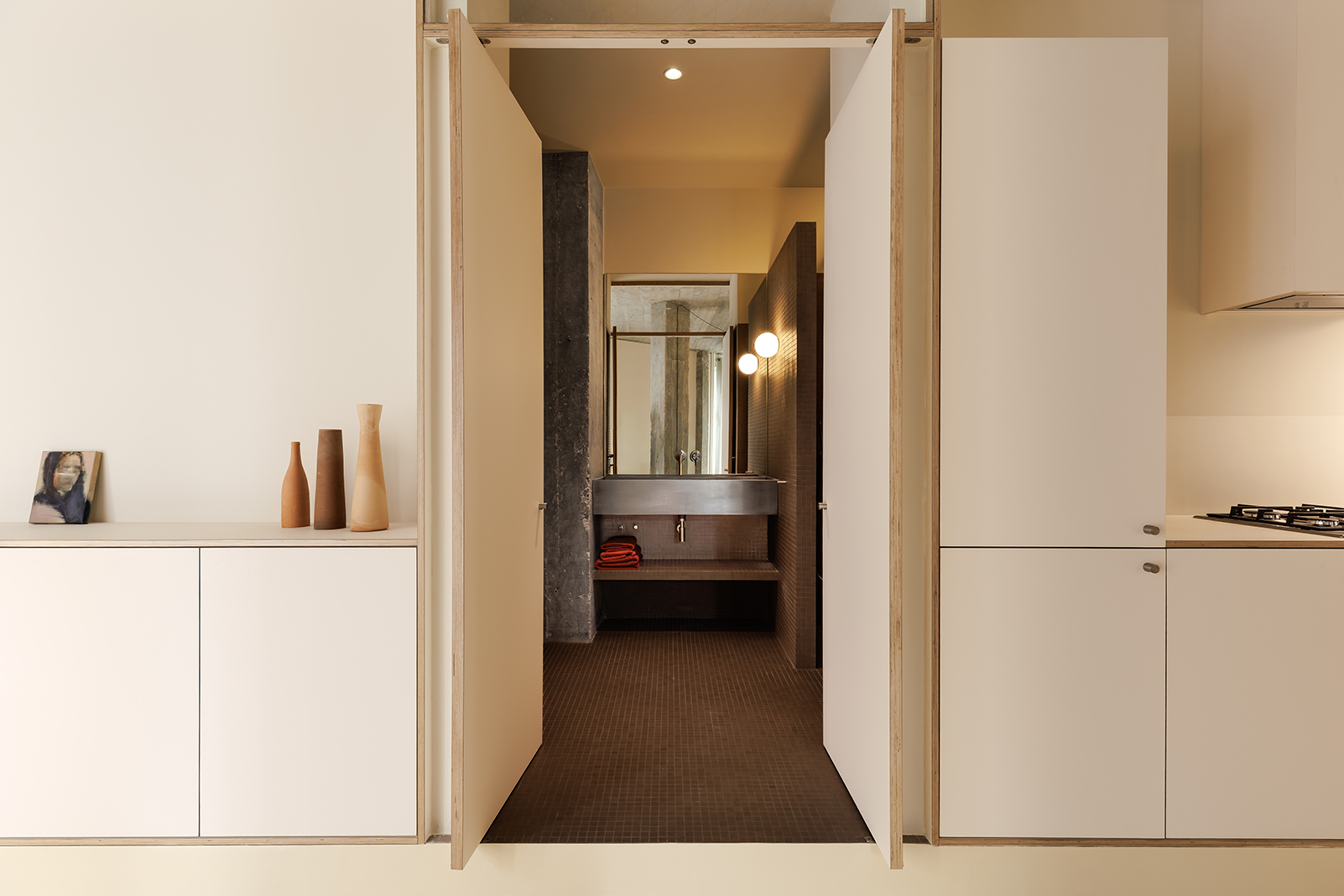
Squeezed by the Amazon, Andes mountains and Pacific, and slow to develop, Ecuador was able to leap over mistakes made by wealthier nations in the 20th century. Its architectural language today reflects the complex topographies of these diverse regions — tropical vegetation; 6,000-metre volcanoes; Amazonian rainforest. ‘Against this backdrop,’ says Russo, ‘contemporary Ecuadorian architecture reflects a dialogue between tradition and innovation, local resources and modern techniques, and social responsibility and aesthetic ambition.’

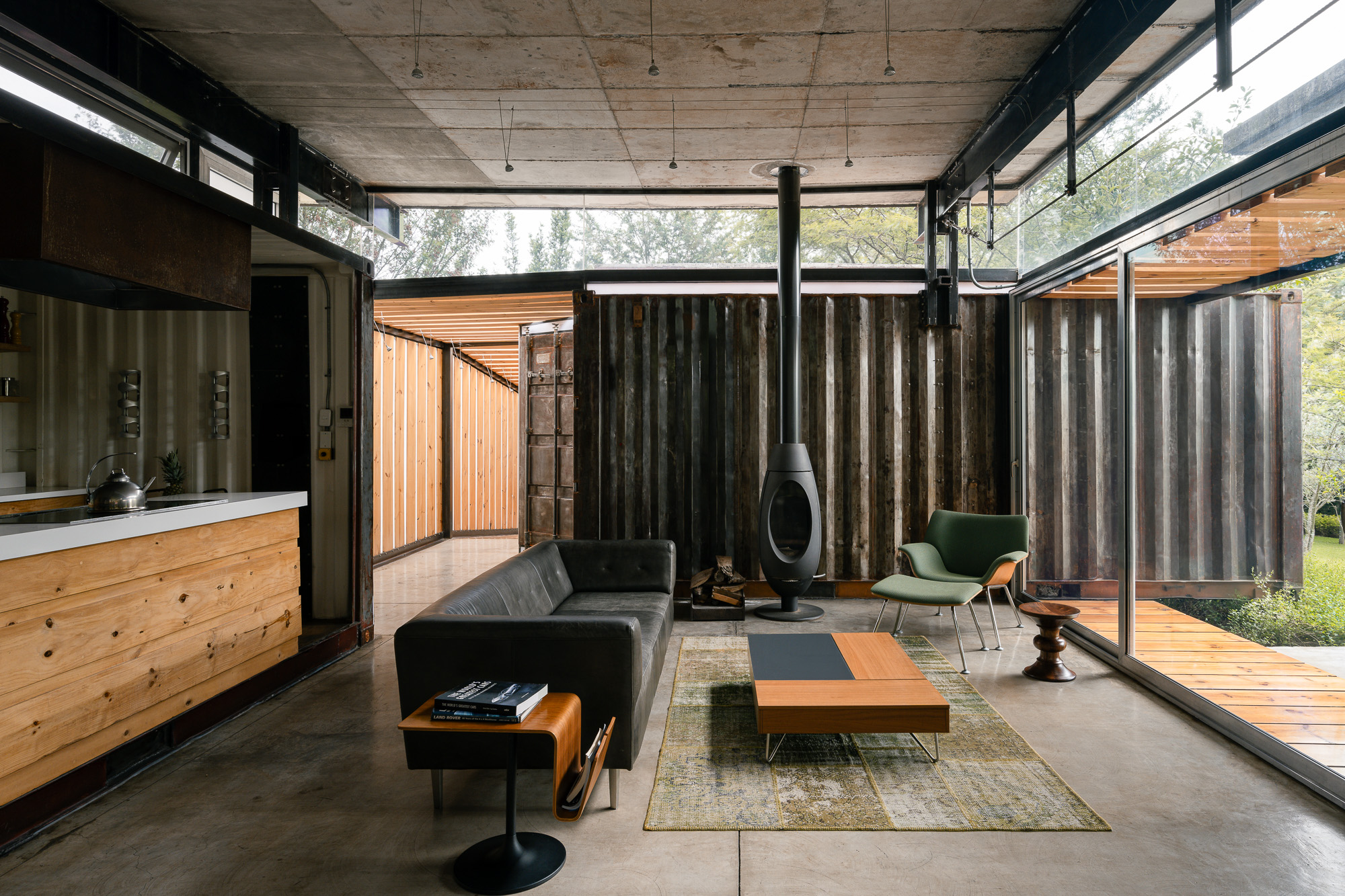
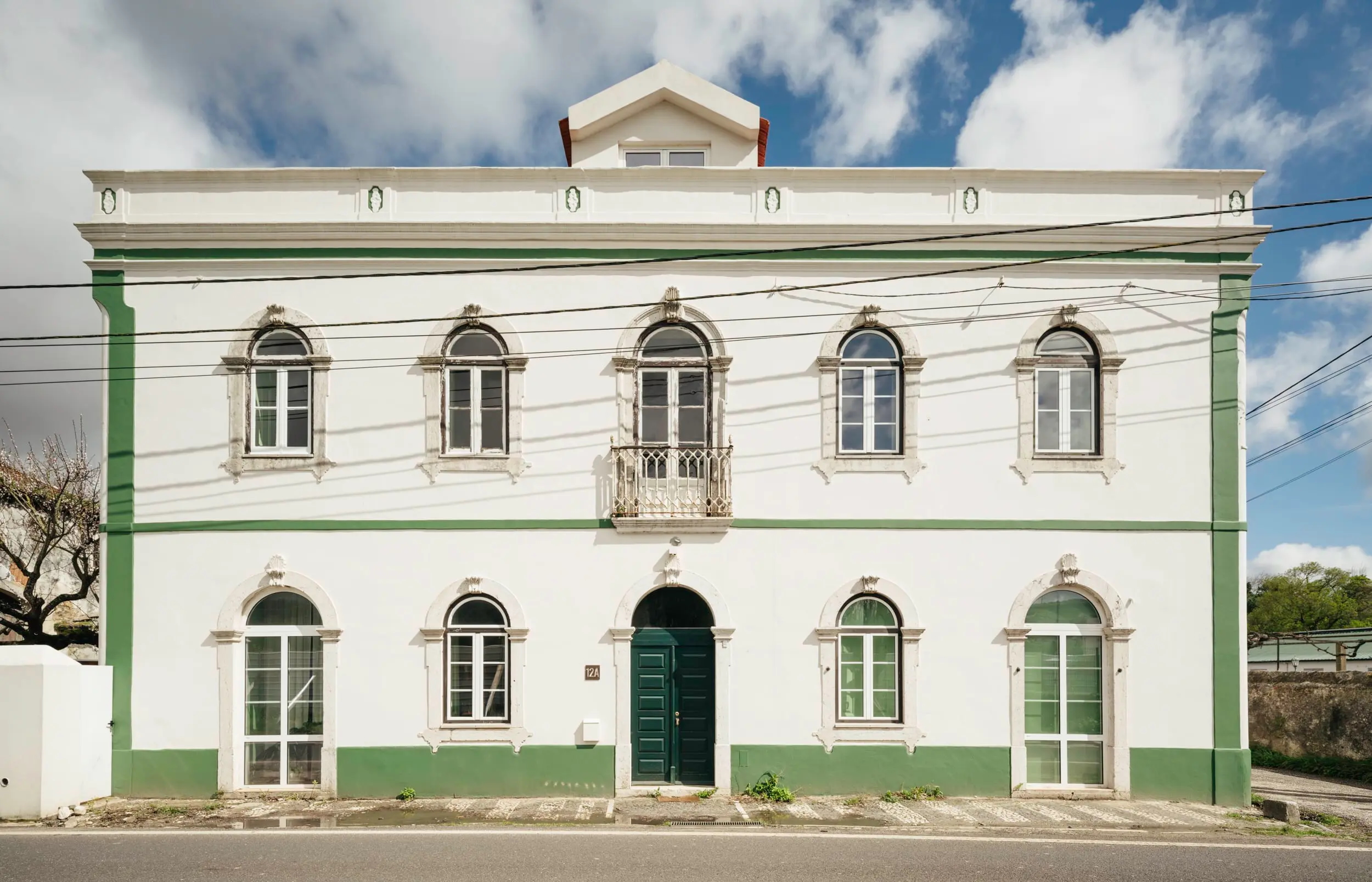
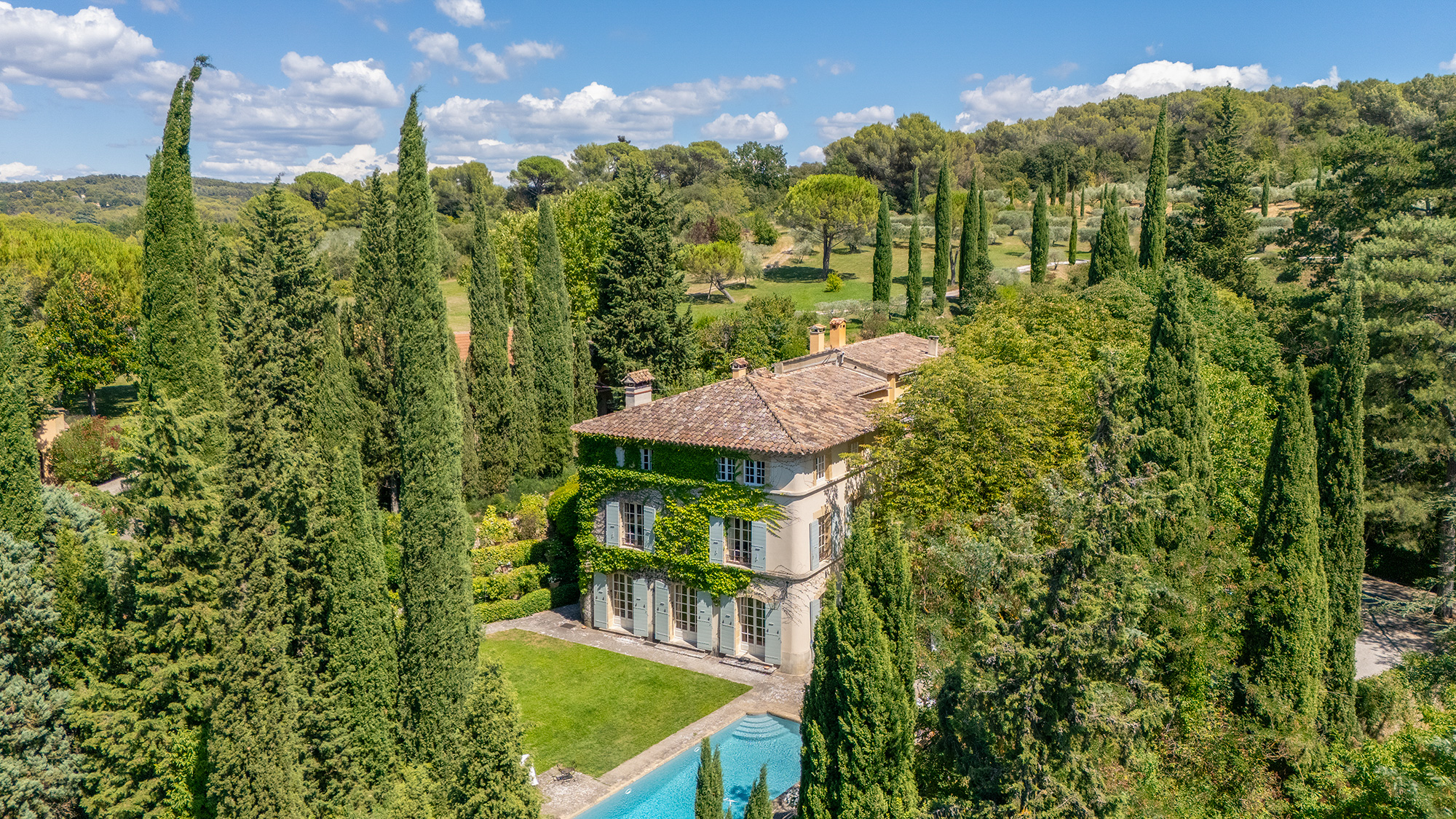
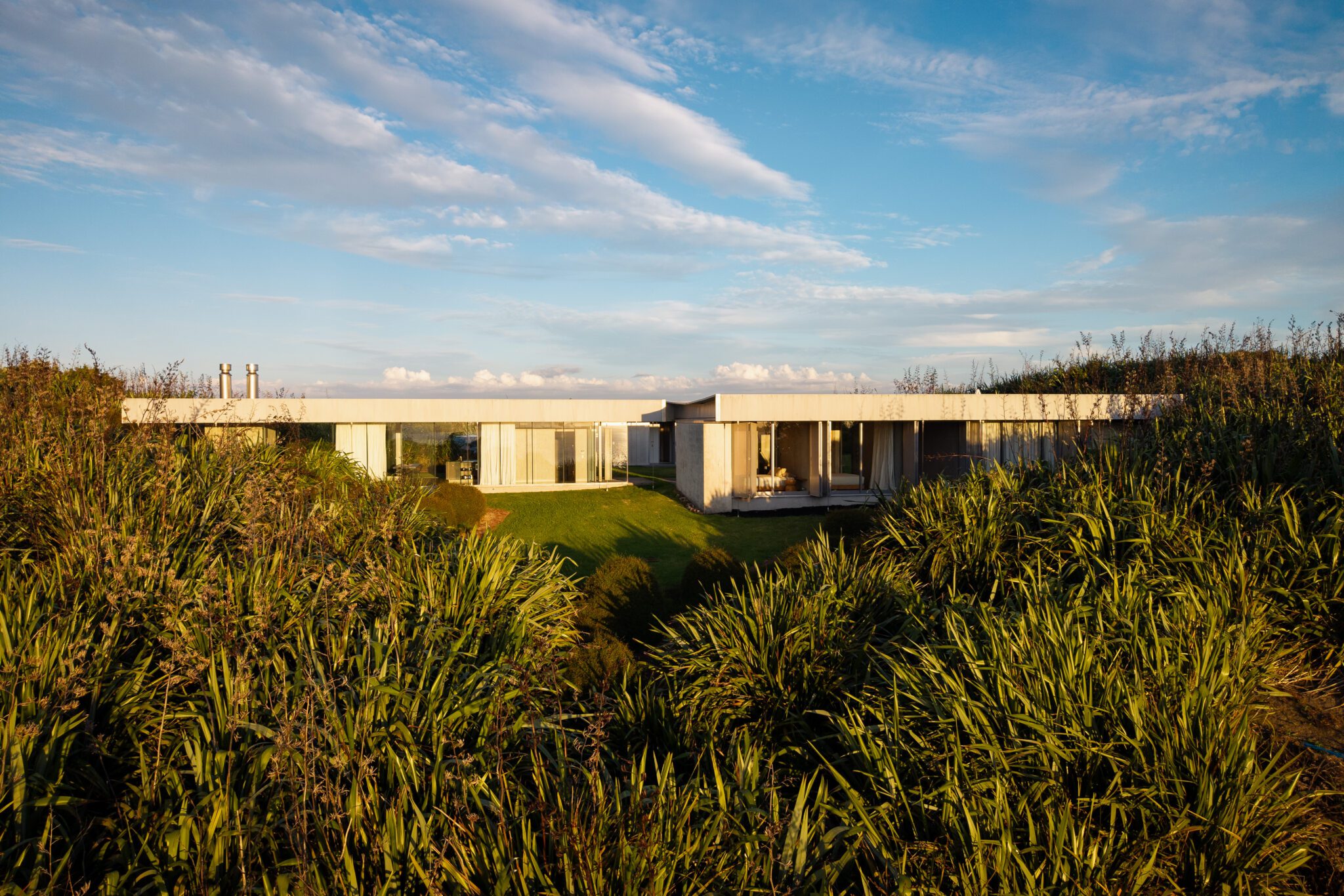
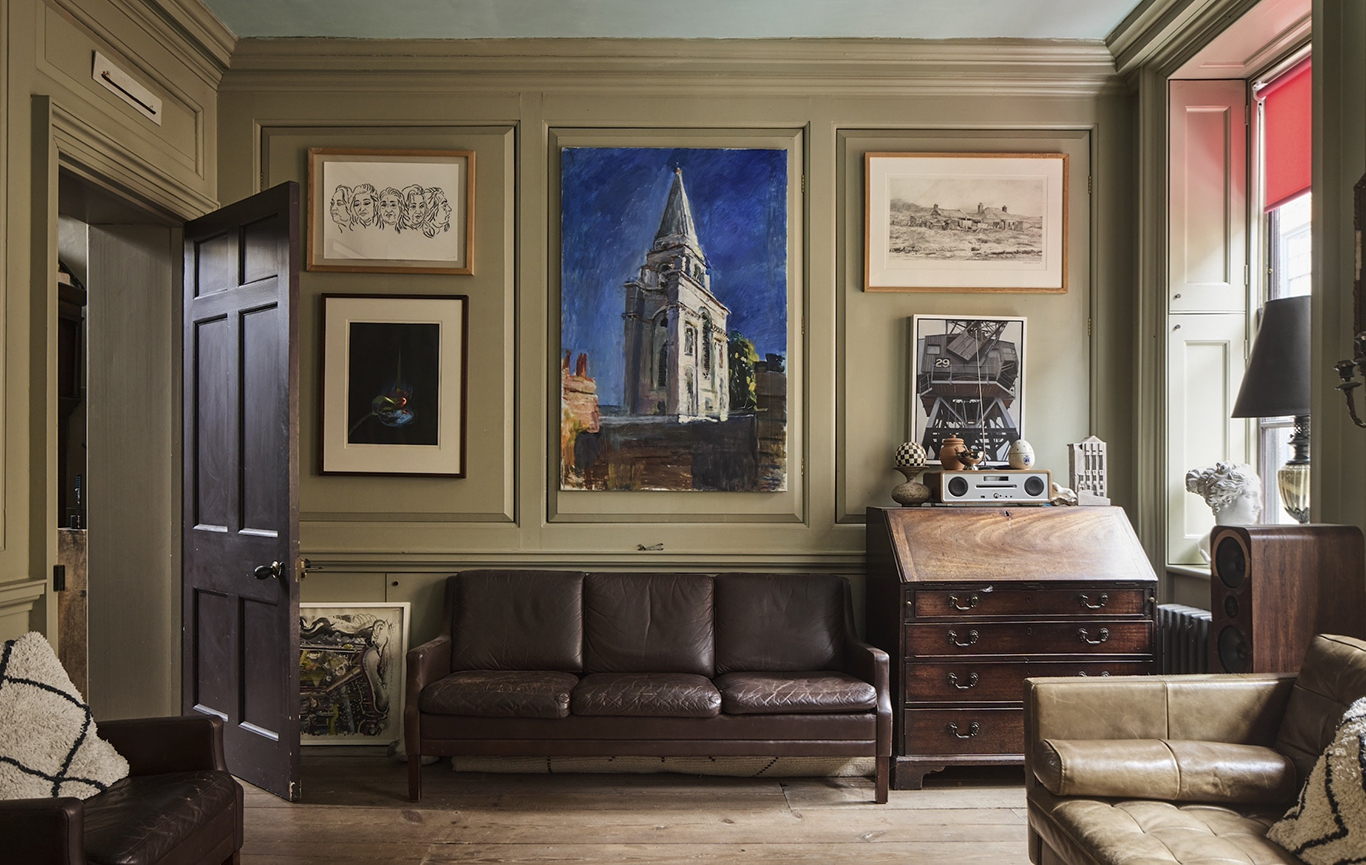
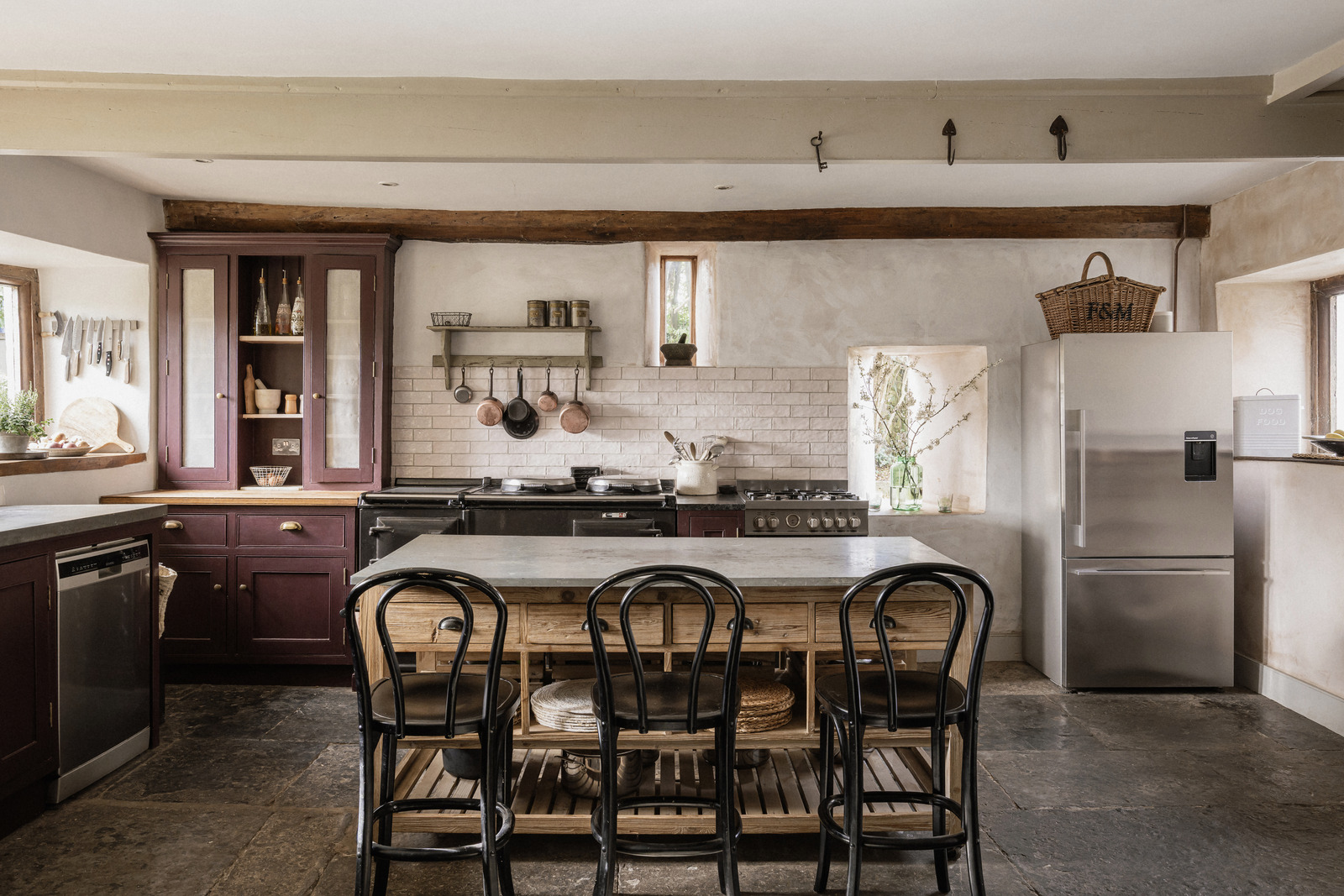
Casa Perucho by Pedro Calle and El Sindicato Arquitectura. Photography: ©Francesco Russo

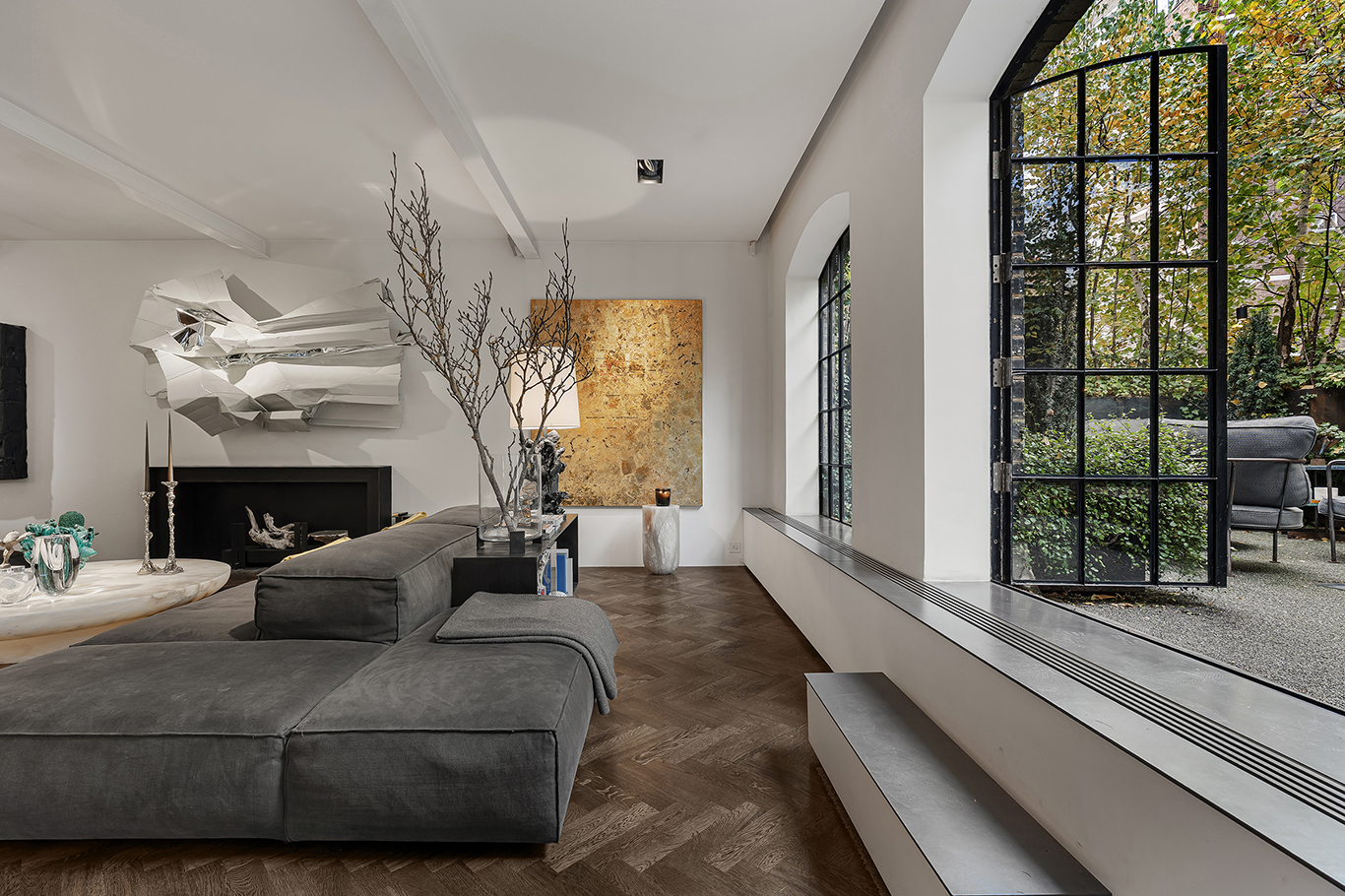
Conjunto La Tola by MCM+A. Photography: ©Francesco Russo
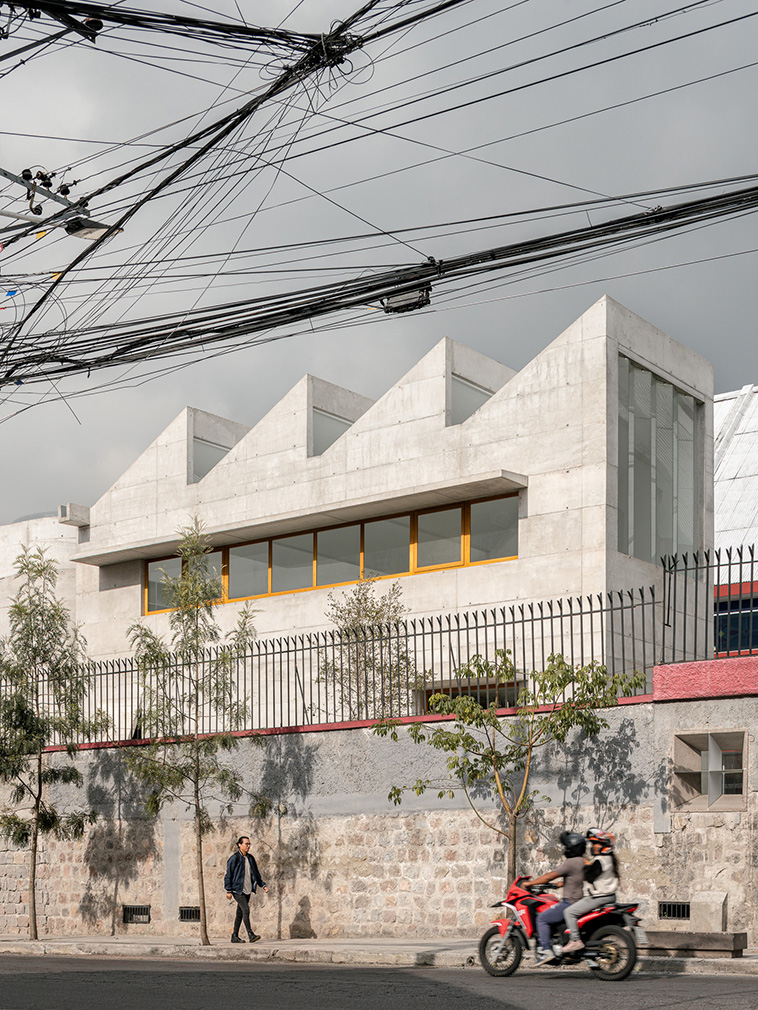
Edificio de Artes Spellman by Studio BLUR. Photography: ©Francesco Russo

Sula by Diana Salvador. Photography: ©Francesco Russo

El Pigüe by Mestizo Estudio Arquitectura. Photography: ©Francesco Russo

Russo Casa en el Carrizal, by Daniel Moreno Flores and Sebastián Calero Larrea. Photography: ©Francesco Russo
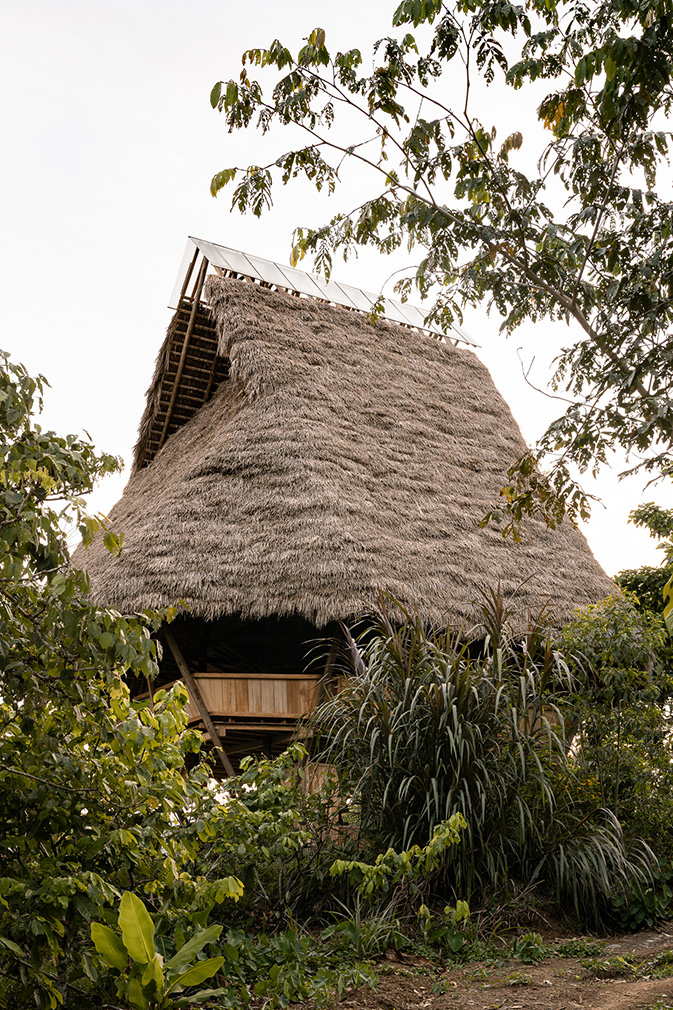
Biblioteca Comunitaria Yuyarina Pacha by Al Borde. Photography: ©Francesco Russo
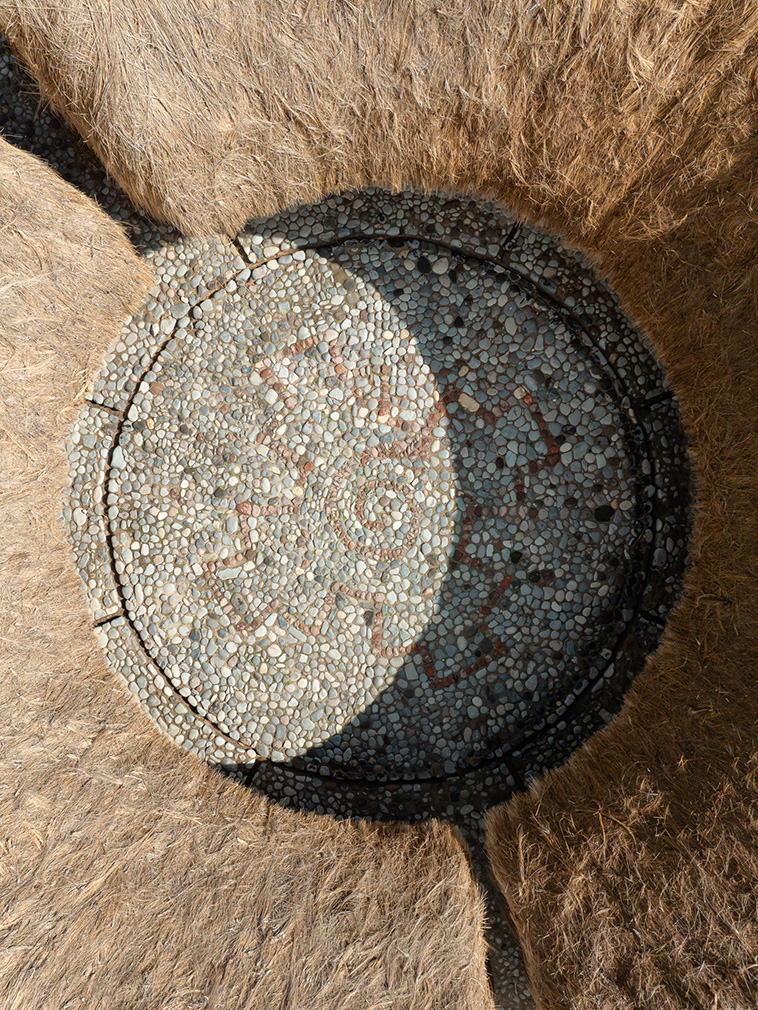
La Cabina de la Curiosidad. Photography: ©Francesco Russo
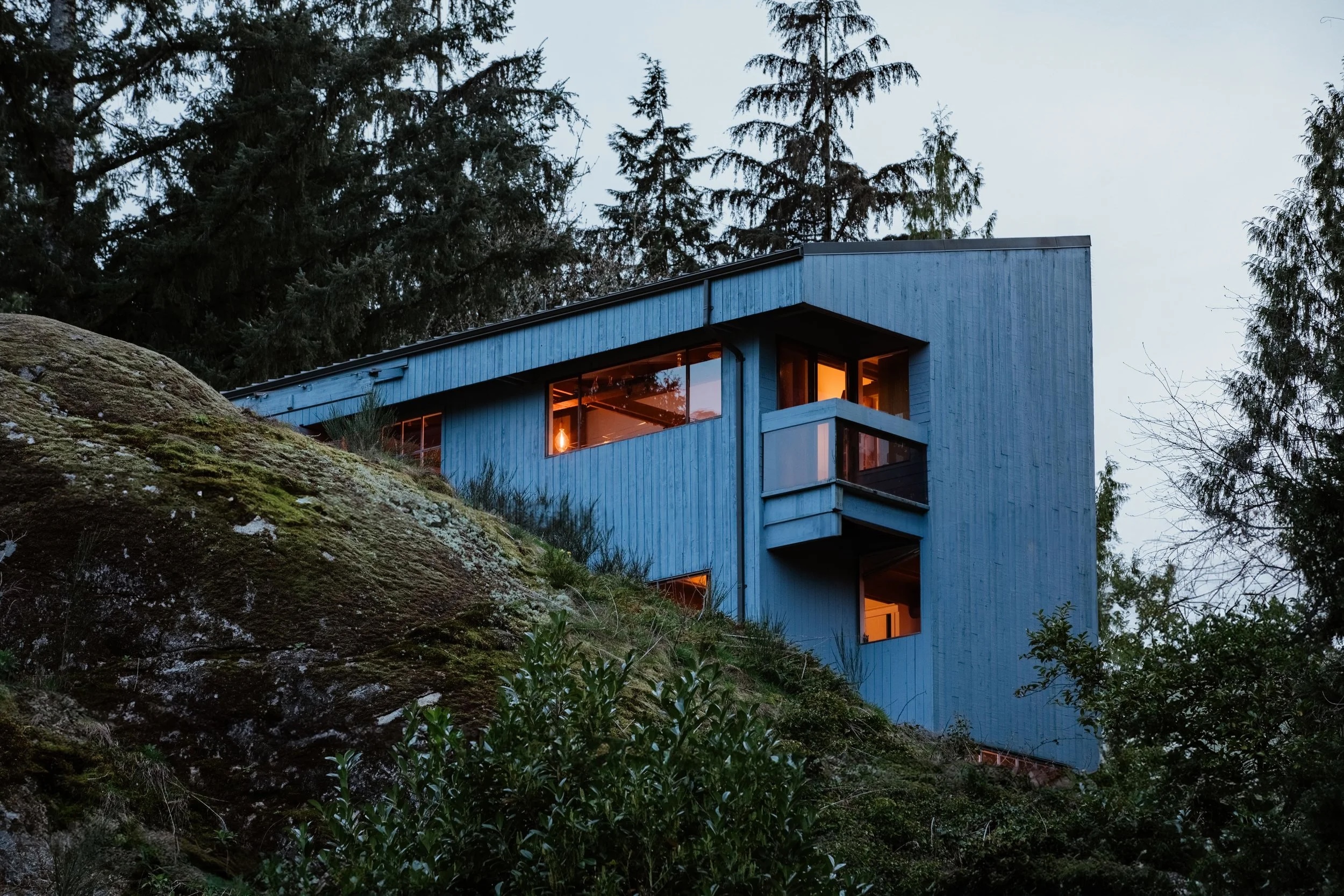
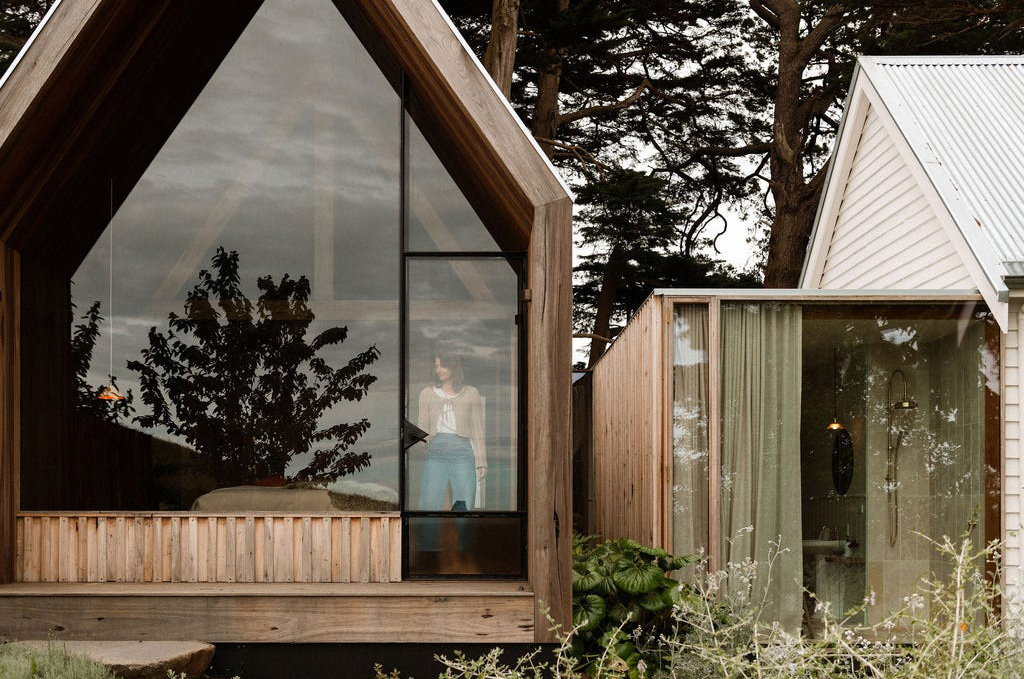
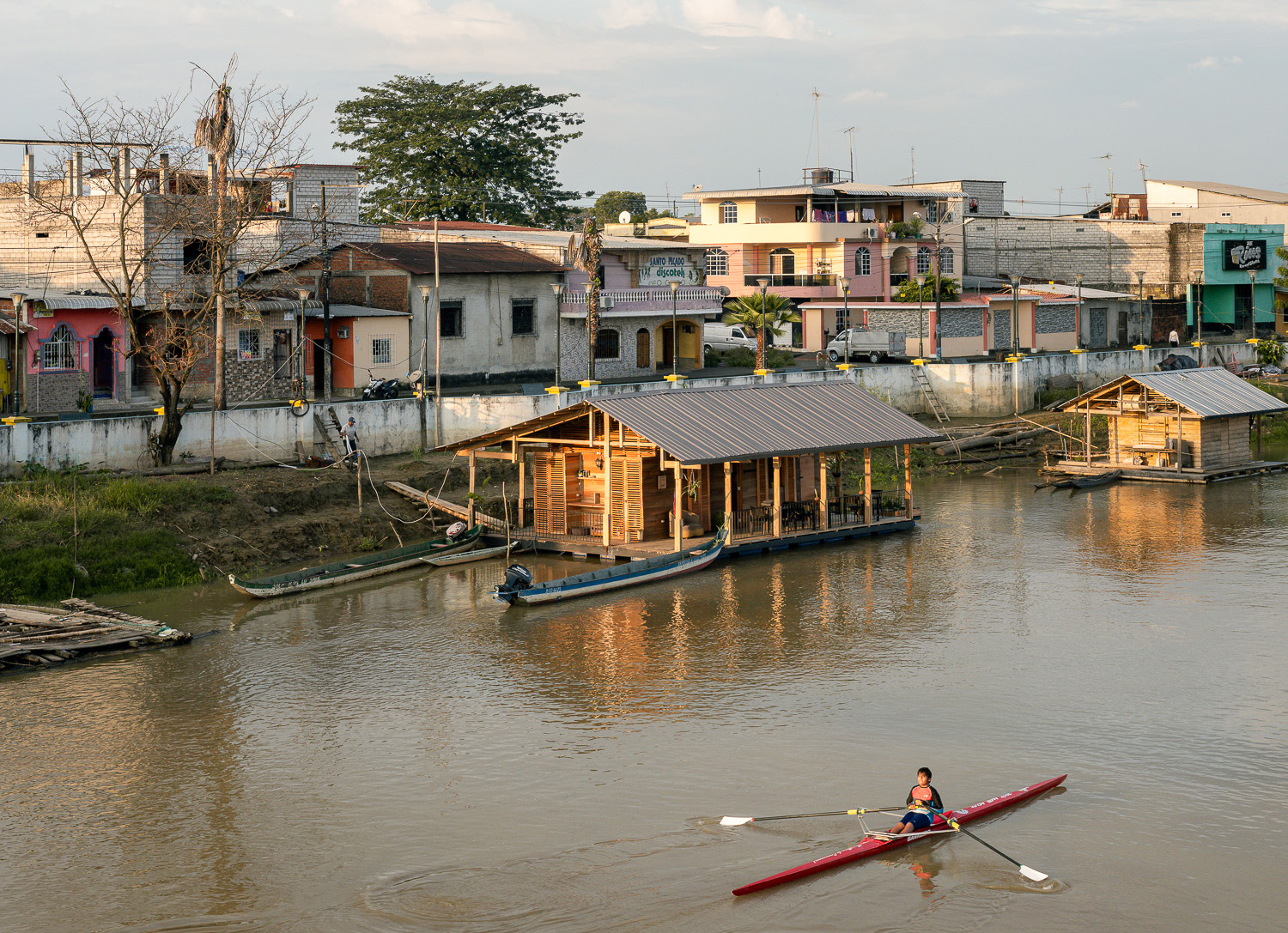
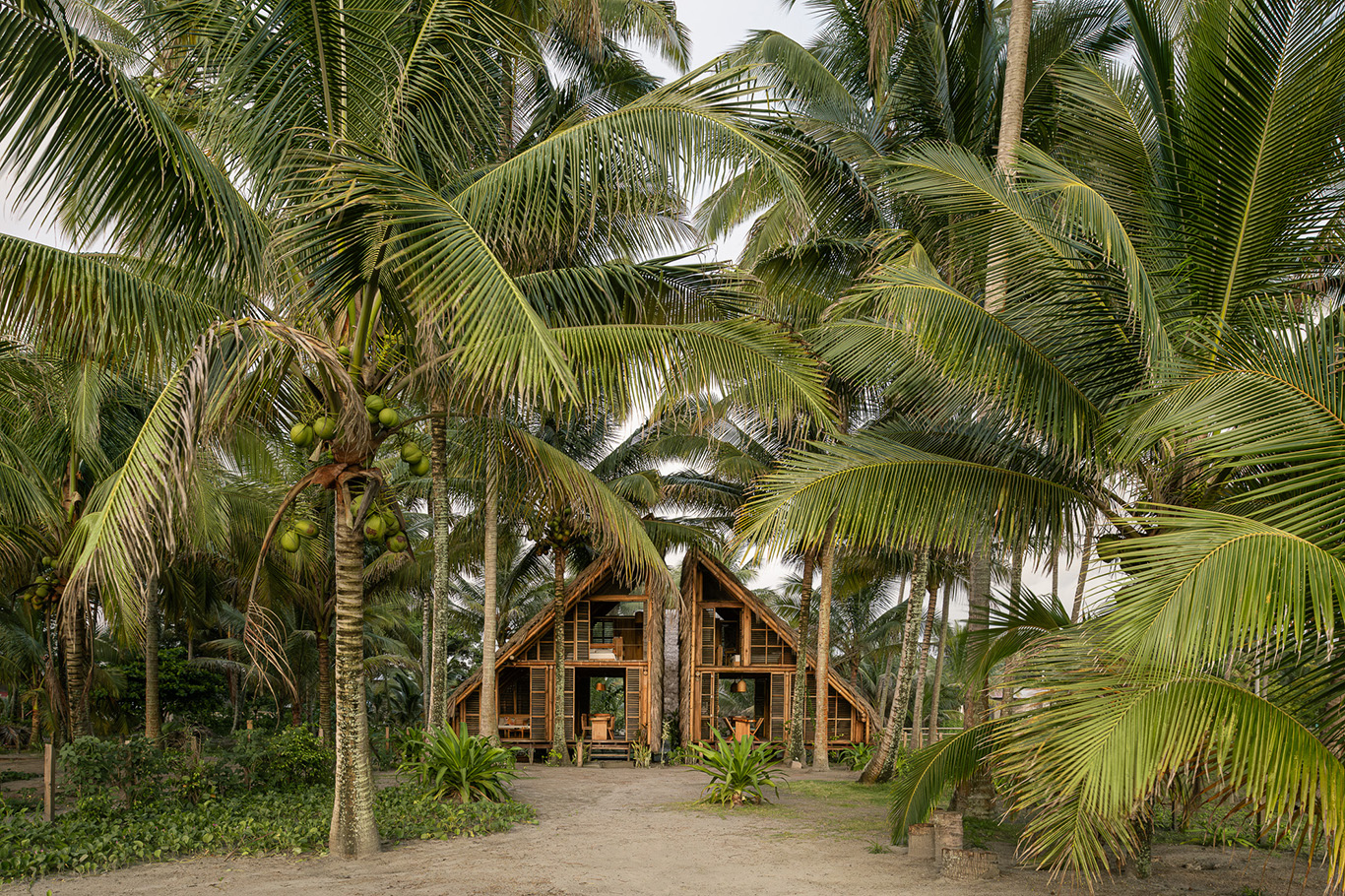
The photographic edit captures more than 40 structures, both intimate and communal. Responding to ecological and social differences, they blend vernacular construction techniques and locally sourced materials with innovative design solutions that address climate and topography. And they serve communities across economic divides. Take La Balsanera, a floating house built in Babahoyo by Natura Futura and Juan Carlos Bamba — it thrives on a flood-prone riverbank by buoying alongside a stepped agricultural tract. On Portete Island in the country’s north, RAMA Estudio built Casa Toquilla using locally sourced materials to address the coastal climate.
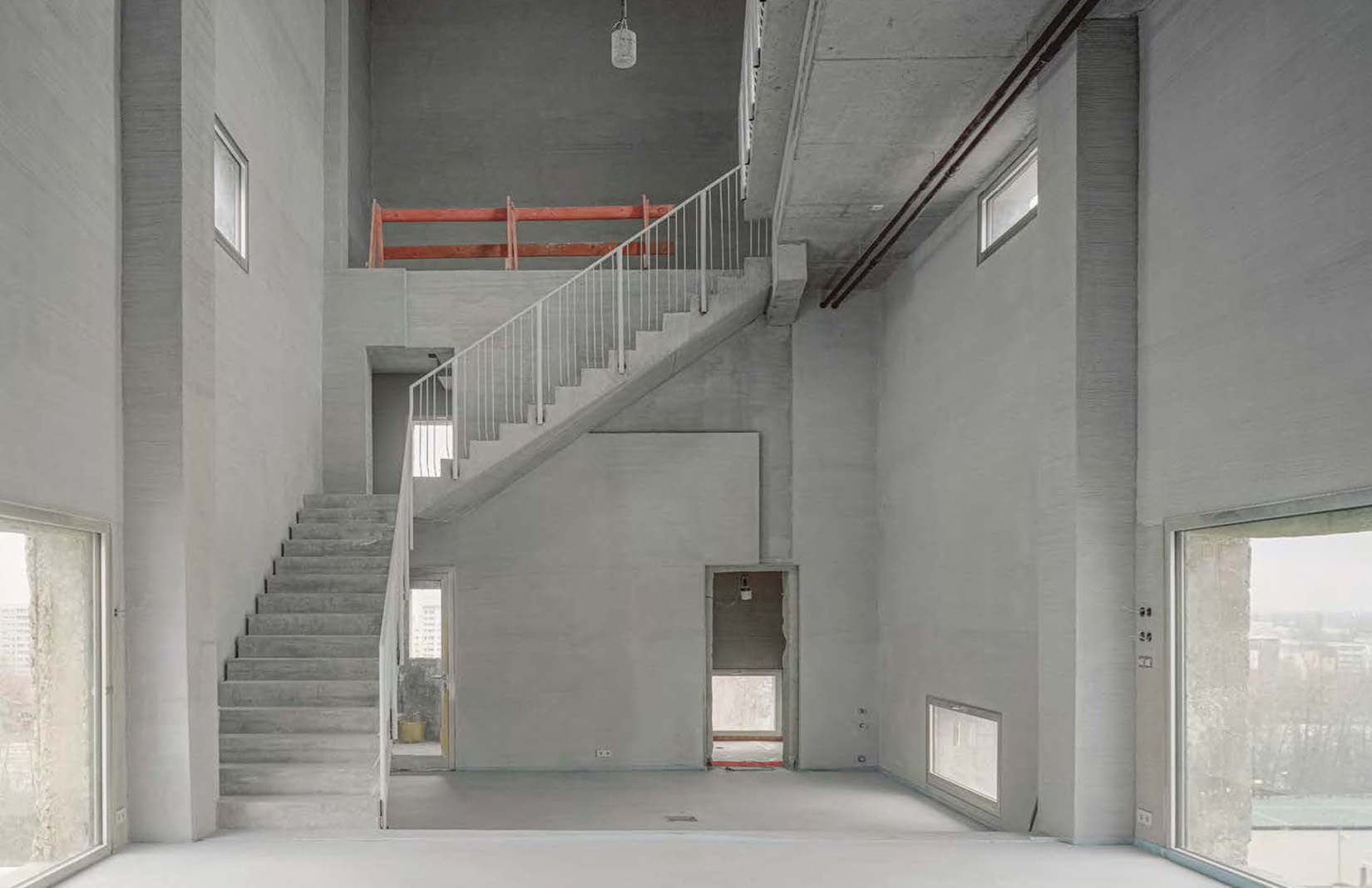
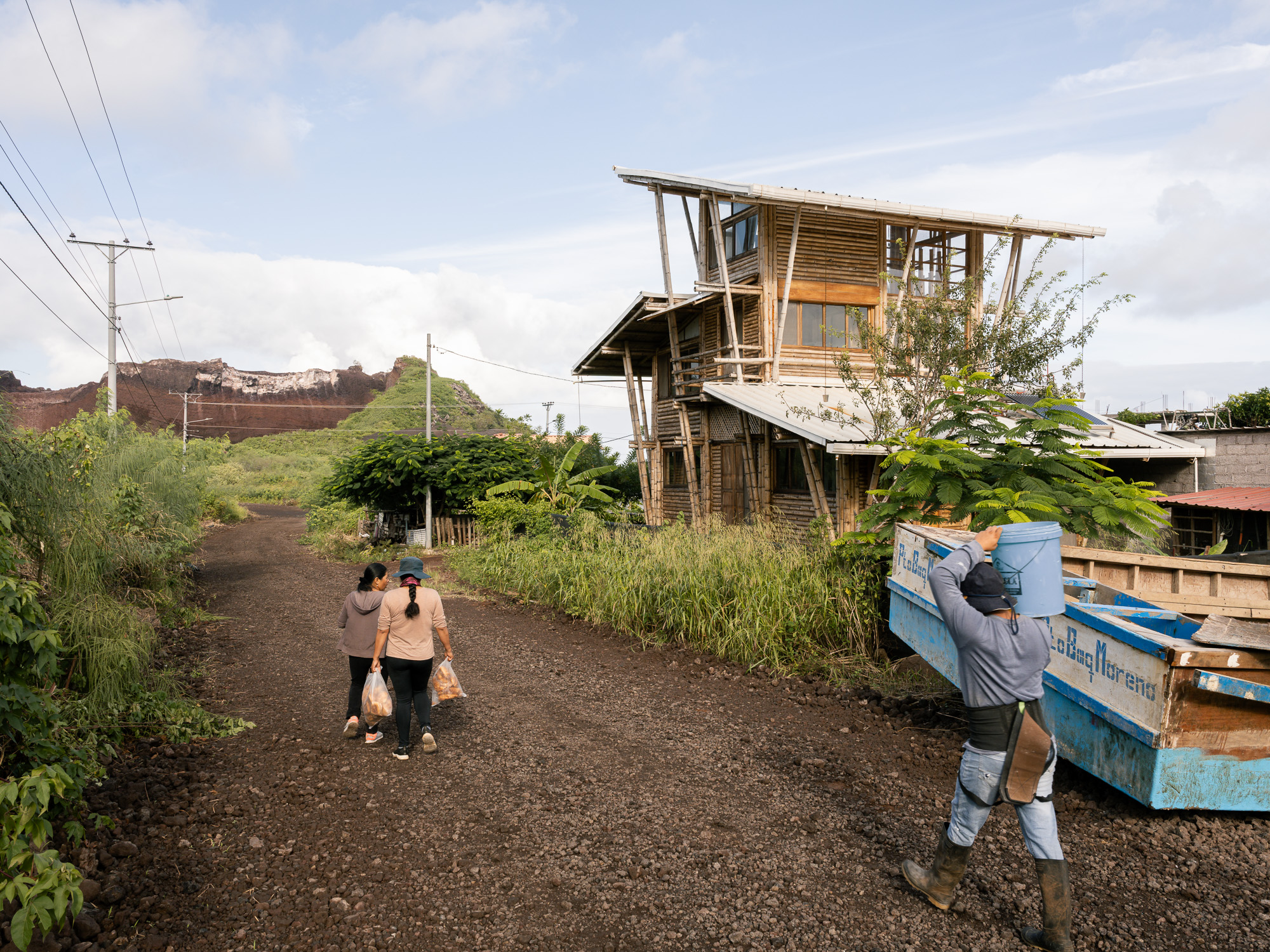
In Quito, Edificio de Artes Spellman by Studio BLUR integrates modernist design with artistic and educational functions, creating flexible spaces for creative production and urban interaction. And on San Cristóbal Island in the Galápagos, Casa Endémica by EseColectivo blends modern, ecologically sensitive architecture with the fragile island ecosystem.
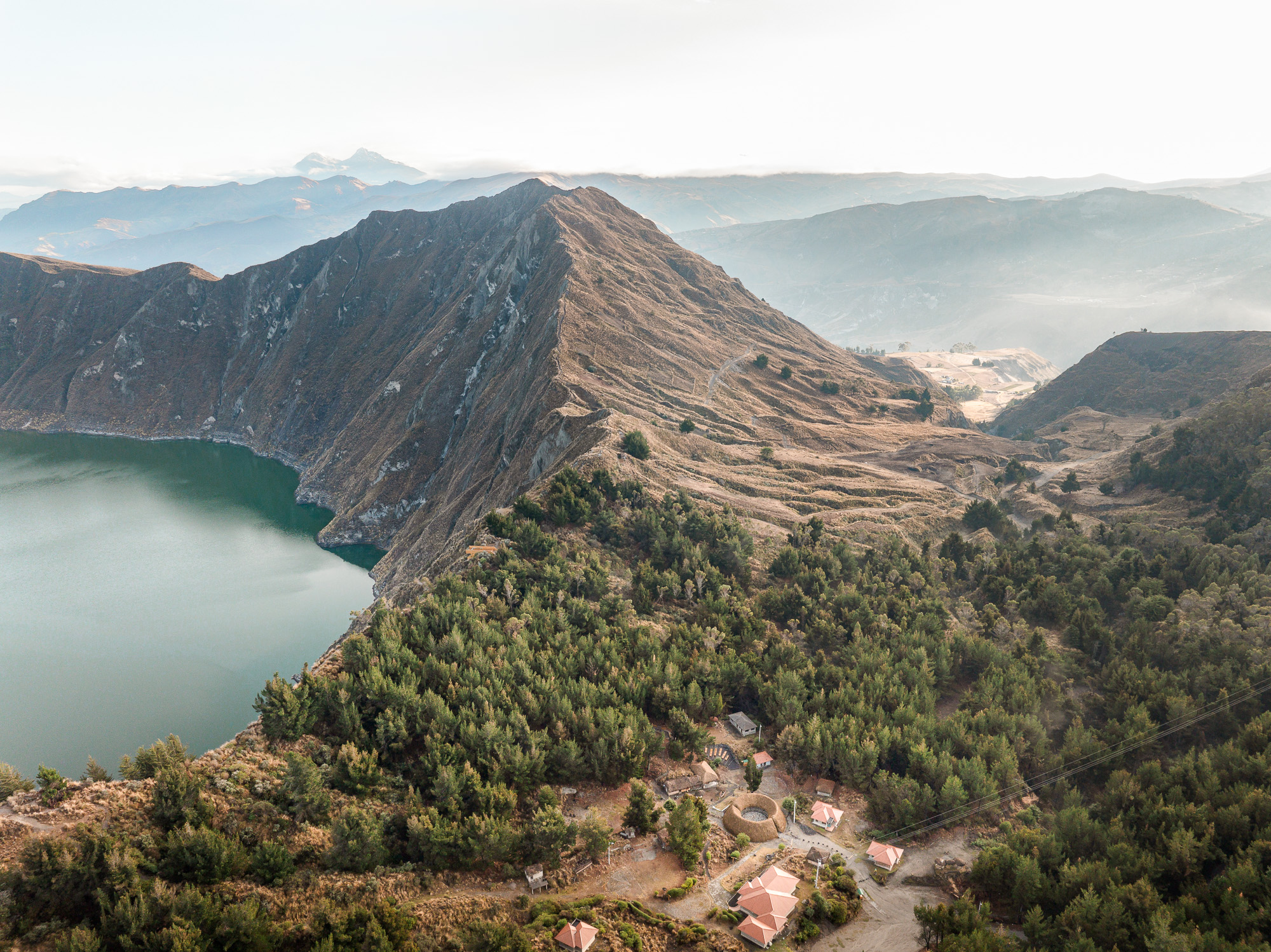
Elsewhere the duo profile community projects with social impact in remote areas like Huaticocha and Quilotoa — spaces to practice traditional craft and celebrate local culture that are ‘contextually attuned’. They tell a story of engagement between architects, clients and geography and highlight the critical role of architecture in shaping the country’s future.
‘The research reflects a broader narrative of resilience and forward-thinking design, showcasing how architecture can meet contemporary needs while respecting the past and responding to the environment,’ says Russo. ‘Architecture in Ecuador is a catalyst for positive change, sustainability and cultural identity.’