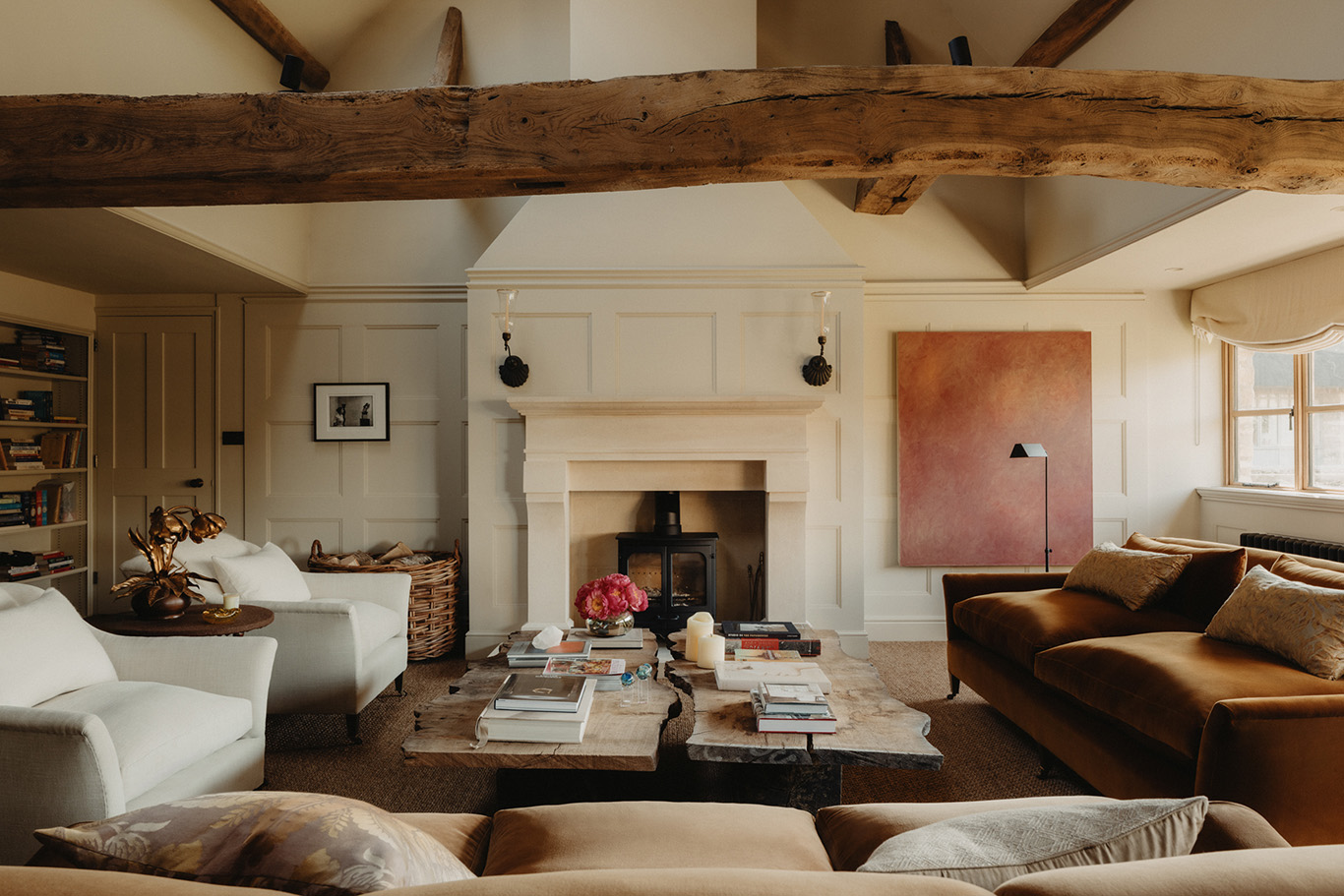
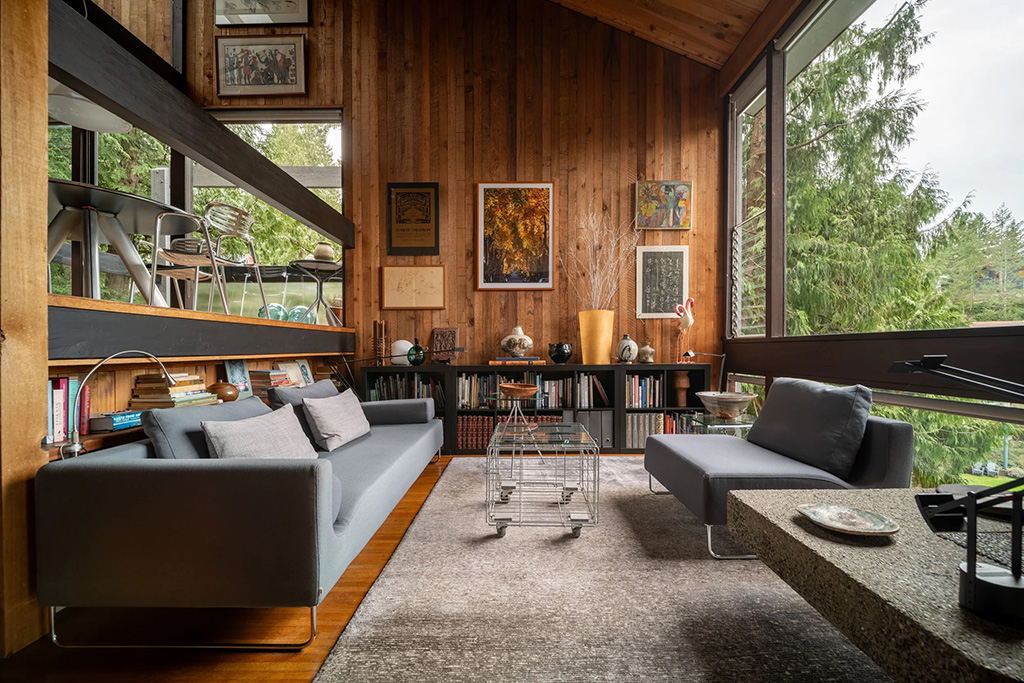
Good playground design uses colour intelligently but also shape, volume, texture and material. Taken together, an eye-catching play-space encourages adventure, feeds imagination, nurtures bonds and hones problem-solving skills. Here are a few incredible creations, enthusiastically sampled by the extended Spaces family.
Welcome Little Stranger, Genk, Belgium
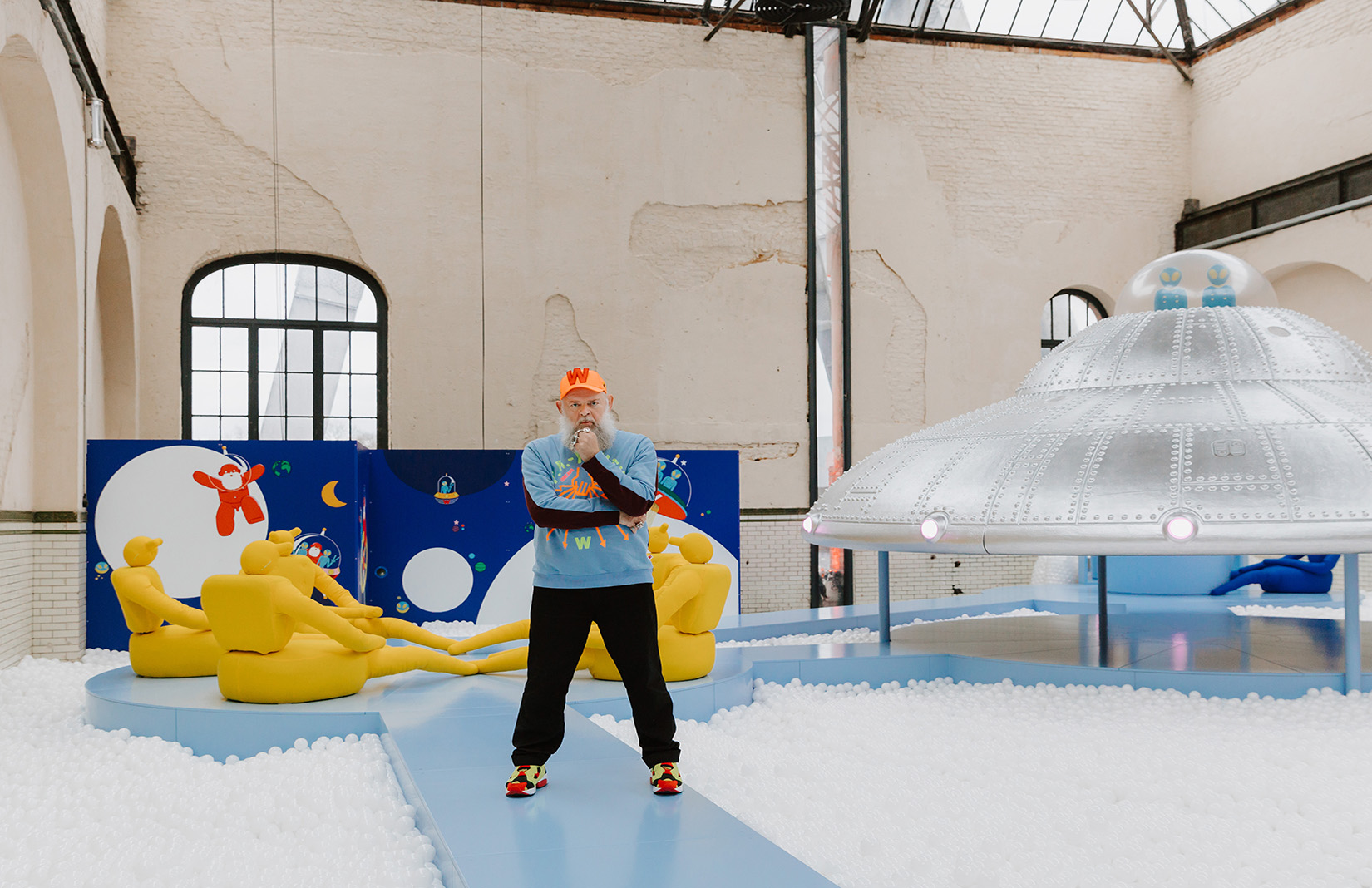
Ahead of Momu‘s blockbuster Antwerp Six exhibition, fashion designer Walter Van Beirendonck applied his exuberant style to an indoor space-themed playground at the C-mine creative campus in Genk. The interactive soft-play is aimed at children four and up and exposes them to fantastical works by local artists and designers.
ArtPlay Pavilion, London, UK
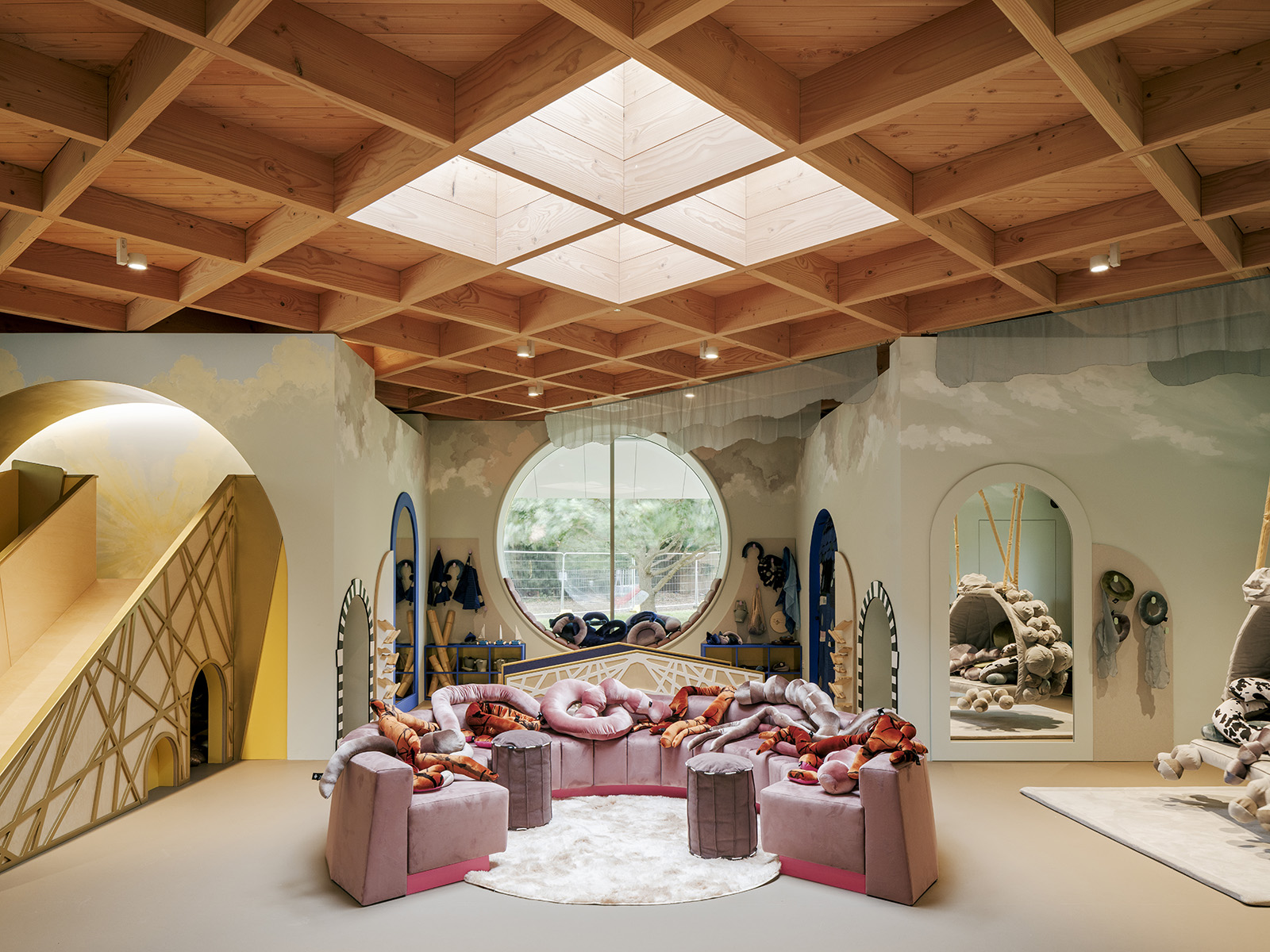
Last year the British architectural duo Carmody Groarke unveiled a children’s pavilion in the three-acre heritage park belonging to the Dulwich Picture Gallery. The all-weather play space is a ‘hinge’ between the Grade II-listed gallery and the wooded gardens, faced in gently stepped Douglas fir. Interiors are composed of functional nooks and corners for discovery. To make the pavilion feel part of the whole, the architects designed large glazed oculi slung with upholstered window seats. Deep painted-metal canopies offer shelter and shade on the exterior.
Breakwater, Jamestown, USA
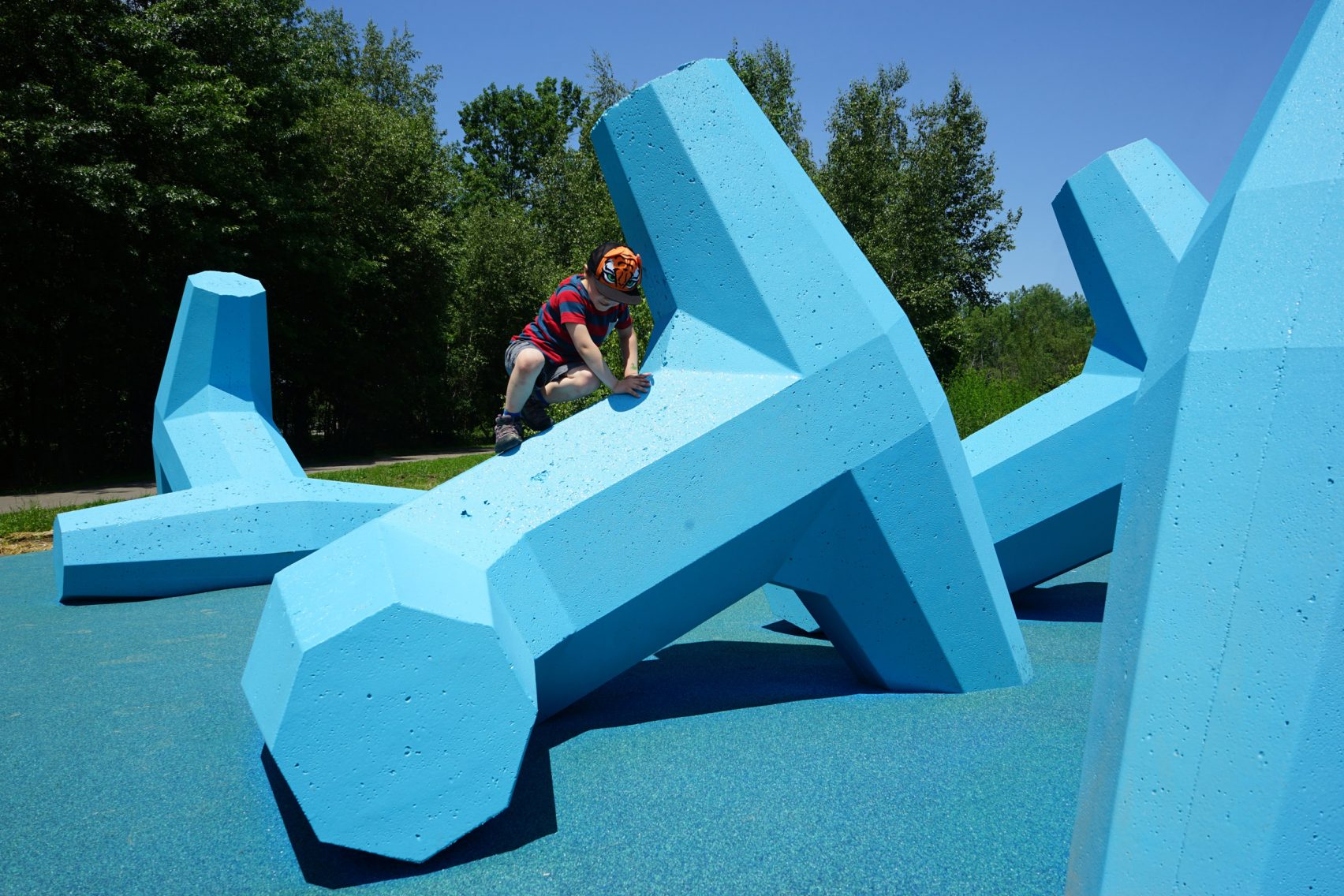
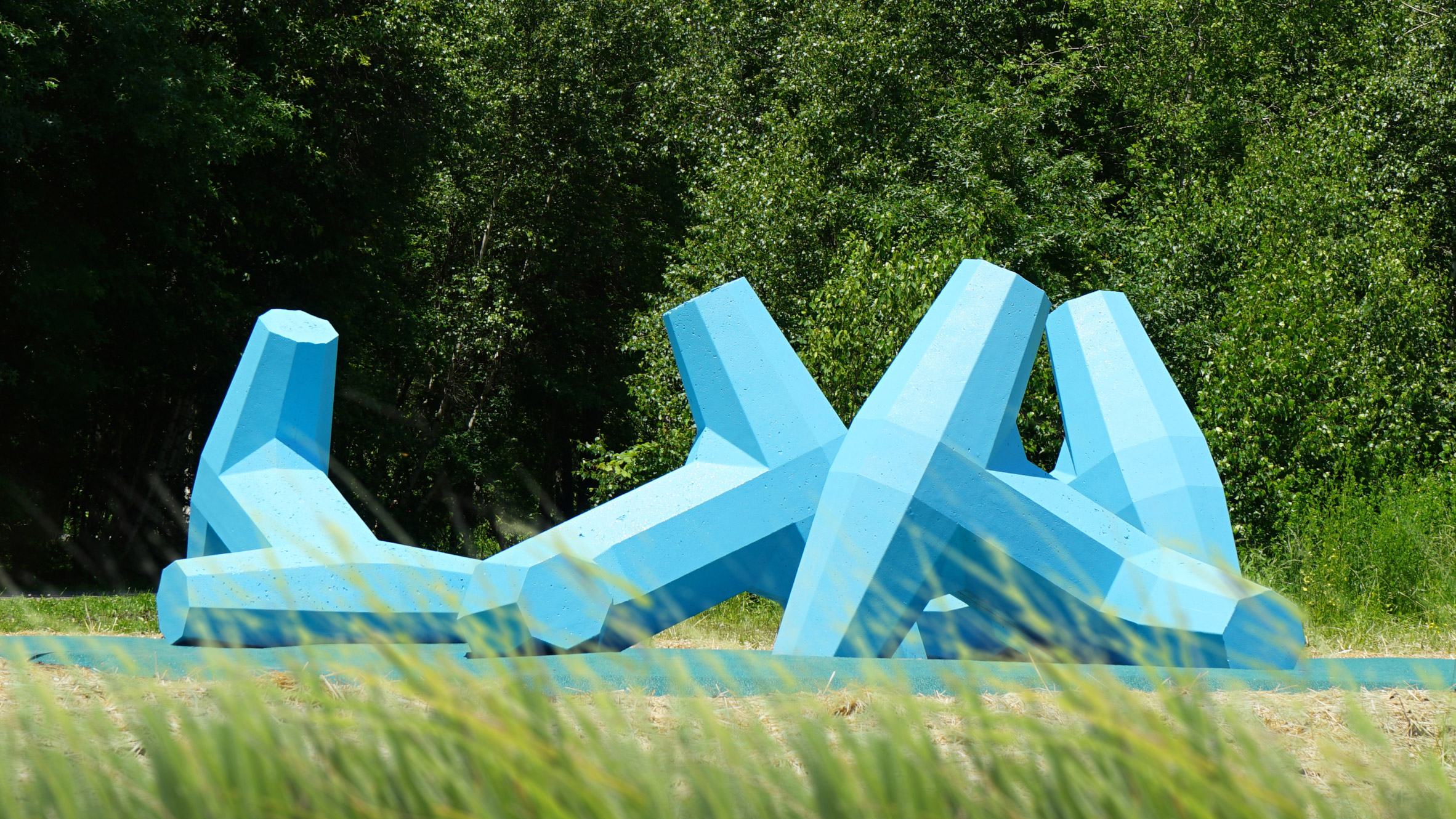
Canadian artists Julia Jamrozik and Coryn Kempster are known for ‘social infrastructures’ that foster playful public interactions. Several years ago they inaugurated Breakwater in a New York State park, using brightly painted pre-cast concrete masses called ‘dolosse’, like those typically used around piers and sea walls. Placed in an interlocking formation on a soft rubber base, the seven-tonne blocks make a comfortably low climbing frame — and a pleasing open-air sculpture referencing maritime imagery. The blue polyurea coating provides a tactile surface for sliding, lounging and climbing.
Playrise play gym, worldwide
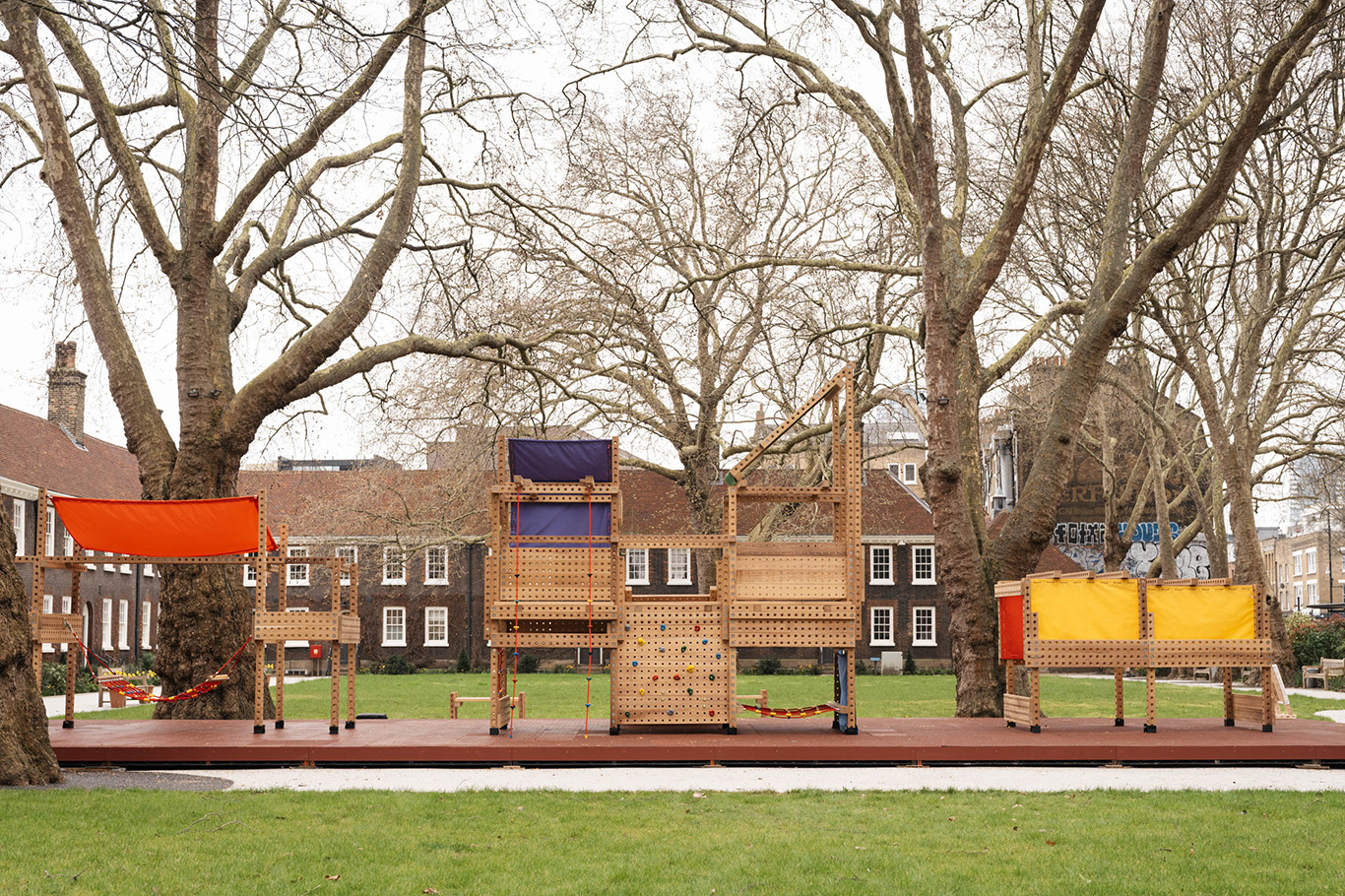
Alexander Meininger, founder of the new charity Playrise, travelled to humanitarian relief sites in Africa to consult on his new playground concept. Working with engineers and the socially responsible architecture studio OMMX, he designed a modular, sustainable playground concept in beams and planks of iroko wood, selected for its endurance, performance and insect-resistance in arid environments. Easily reconfigurable with nets, monkey bars and basketball hoops, a prototype was temporarily installed at London’s Museum of the Home last week, showcasing its remarkable ability to improve young lives quickly, cheaply and beautifully. It’s currently en route to a refugee camp in Ethiopia, where it will be tailored on site.