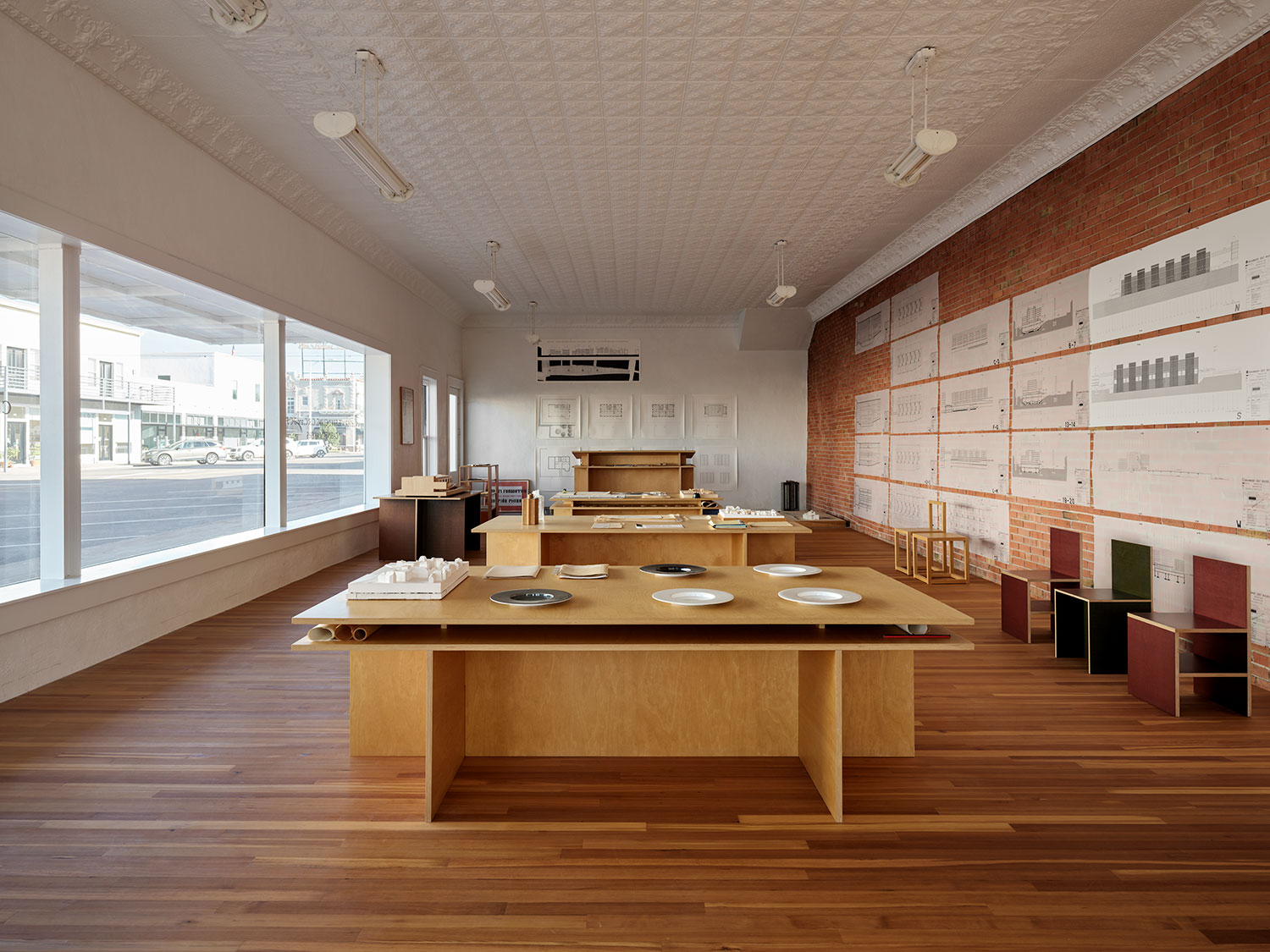
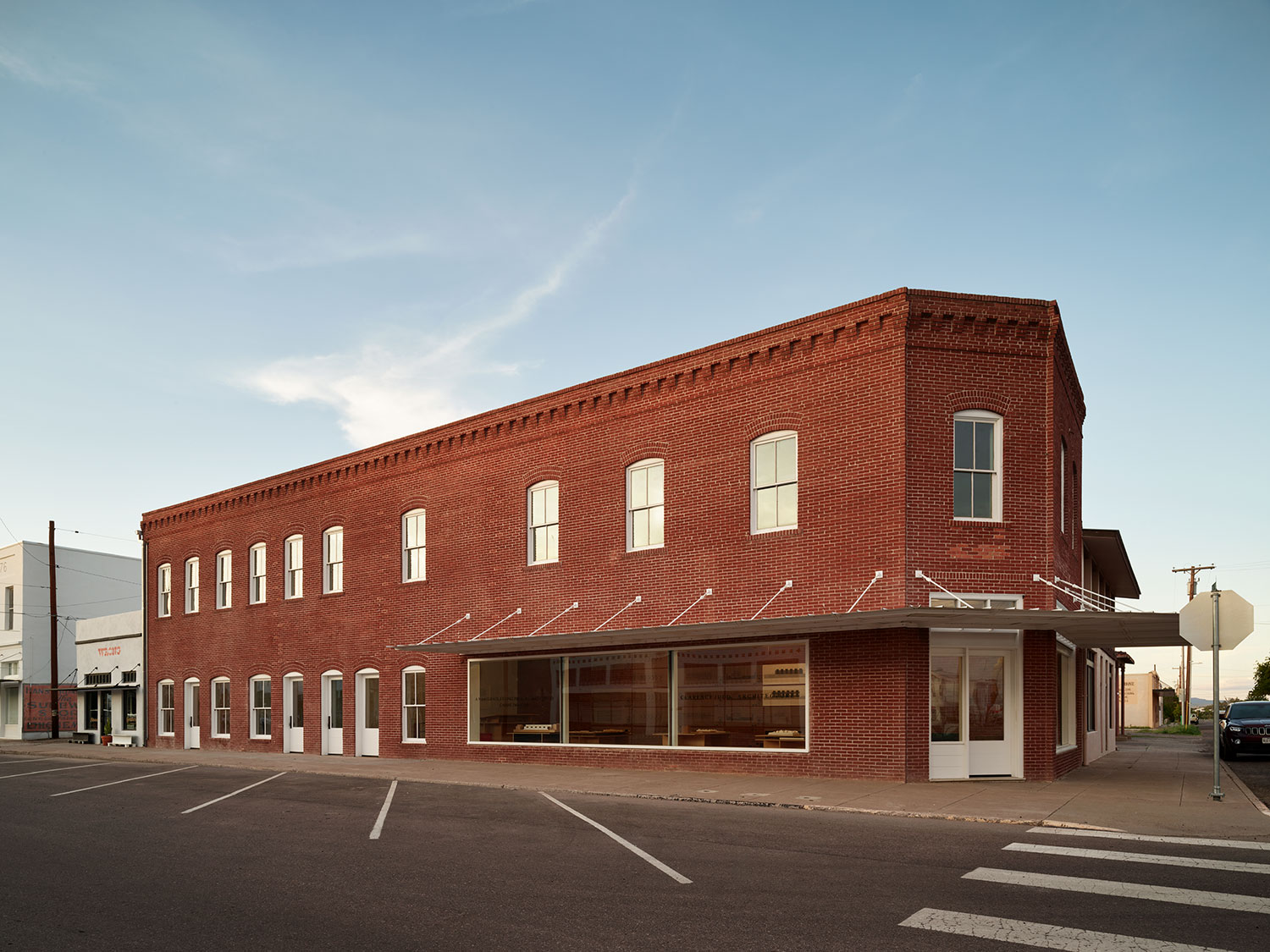
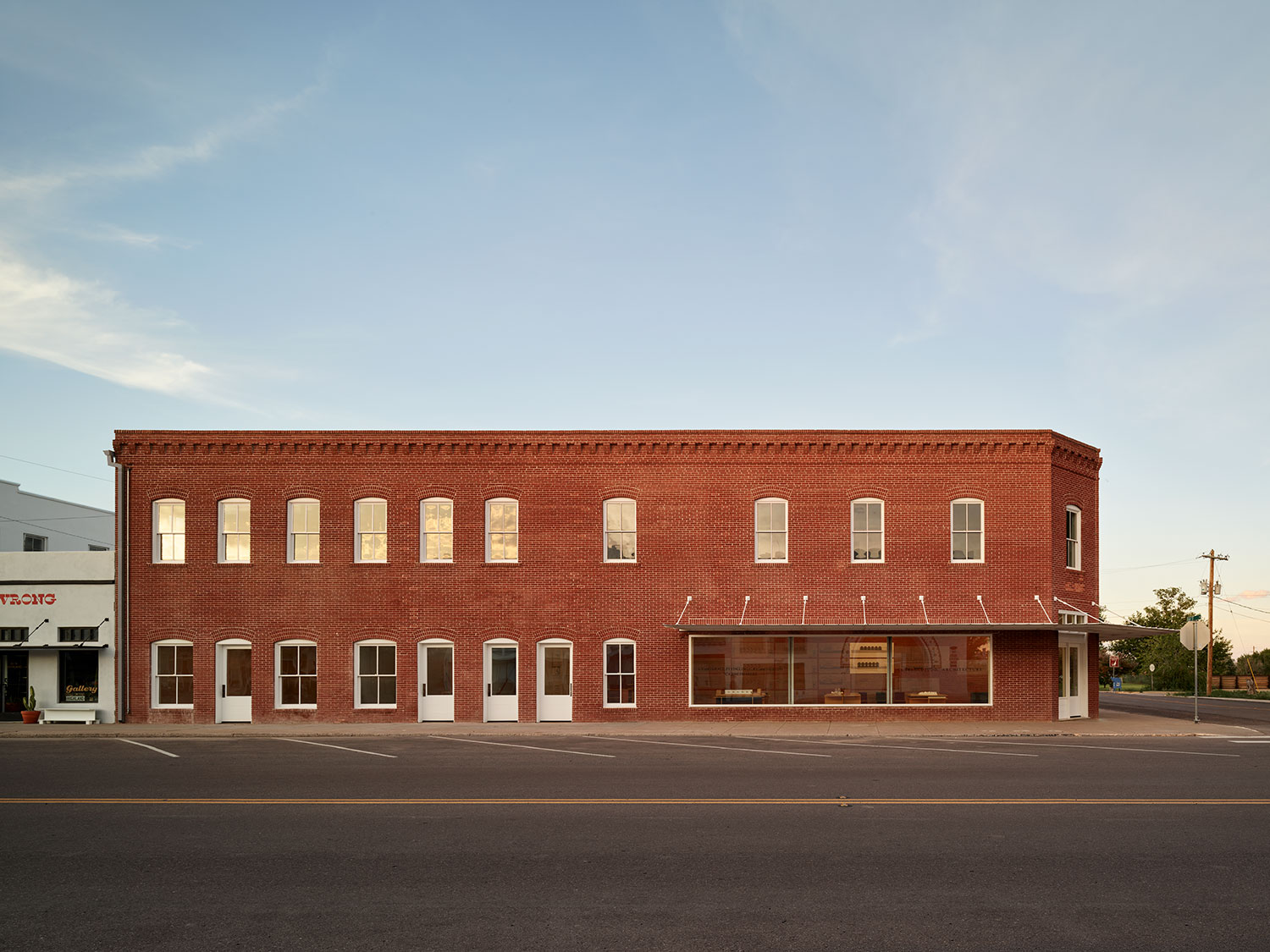
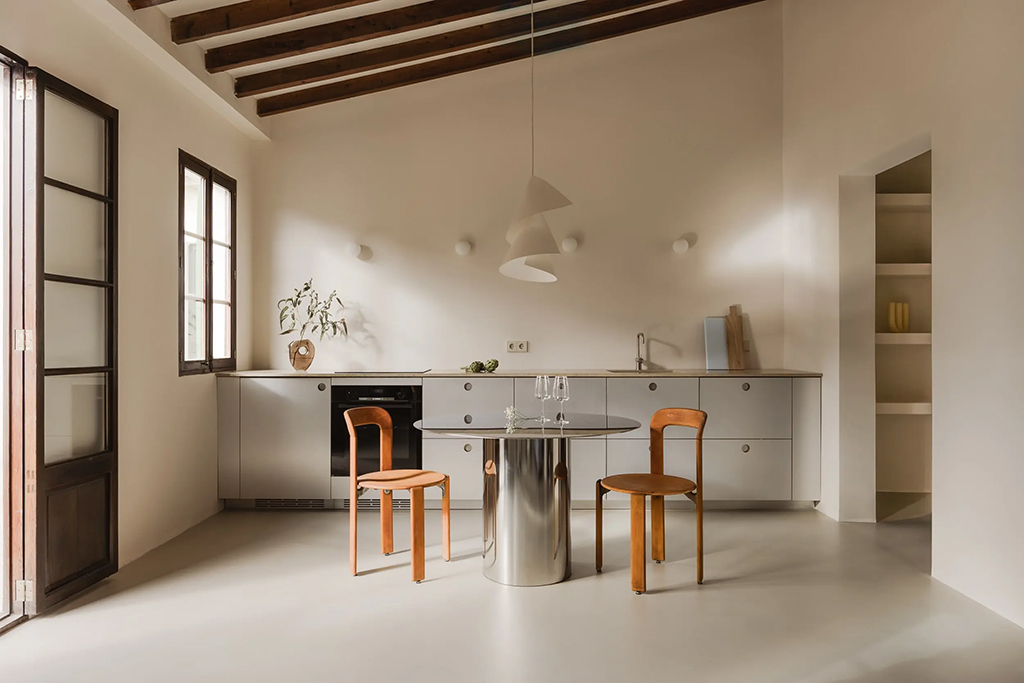
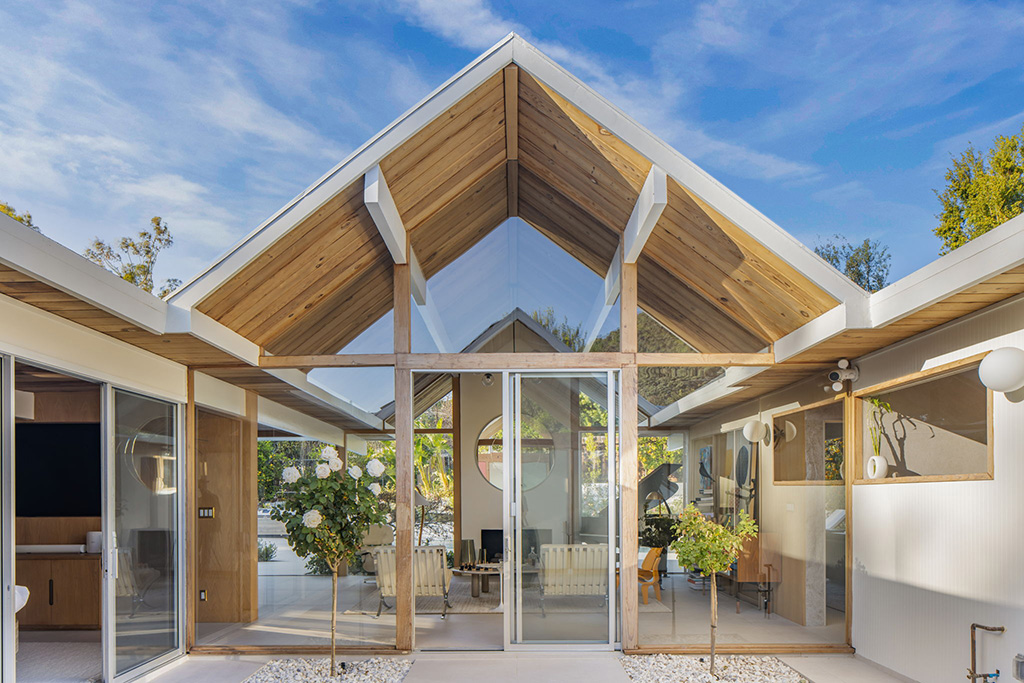
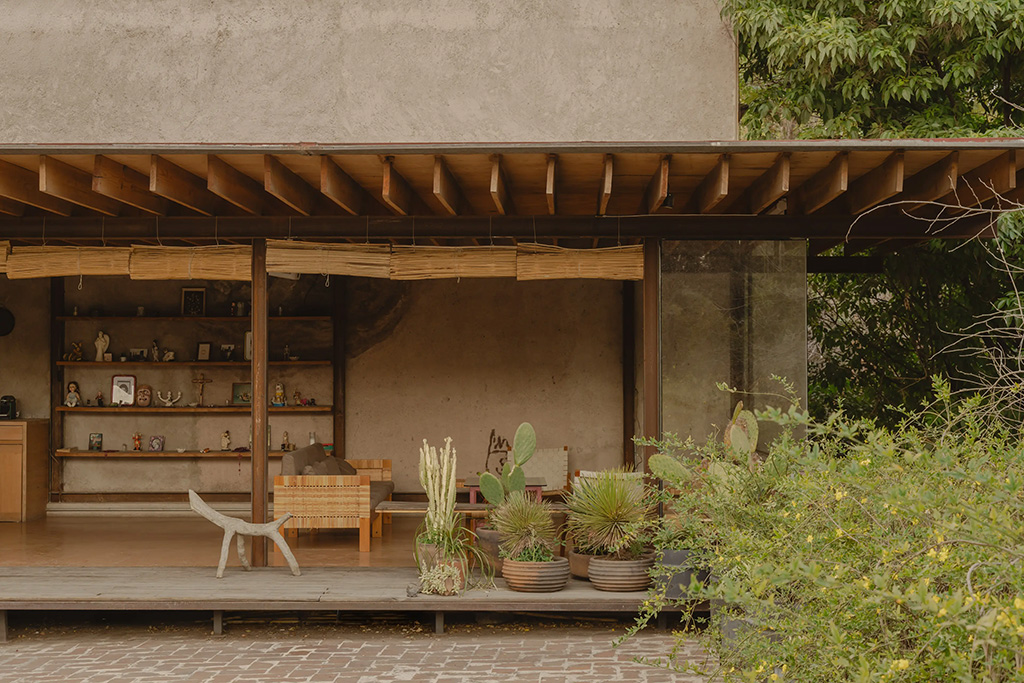
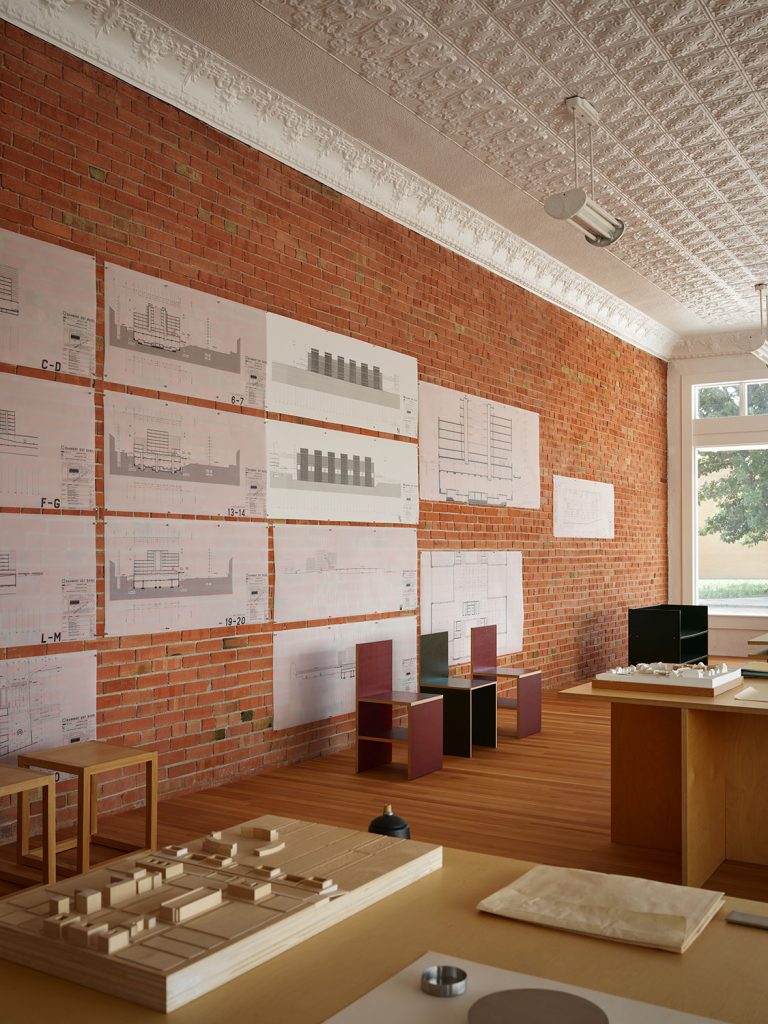
Devotees of Donald Judd know him for more than his mounted masses of steel and plexiglas. A polymath and early practitioner of adaptive reuse, the artist spent as many hours as an architect, designer, critic and preservationist. These talents took flight in Marfa, at the desert base he conscientiously developed in his retreat from New York’s gallery system. And they’re especially evident at his Architecture Office, the 1907 shop he restored and repurposed in 1990, four years before his death.
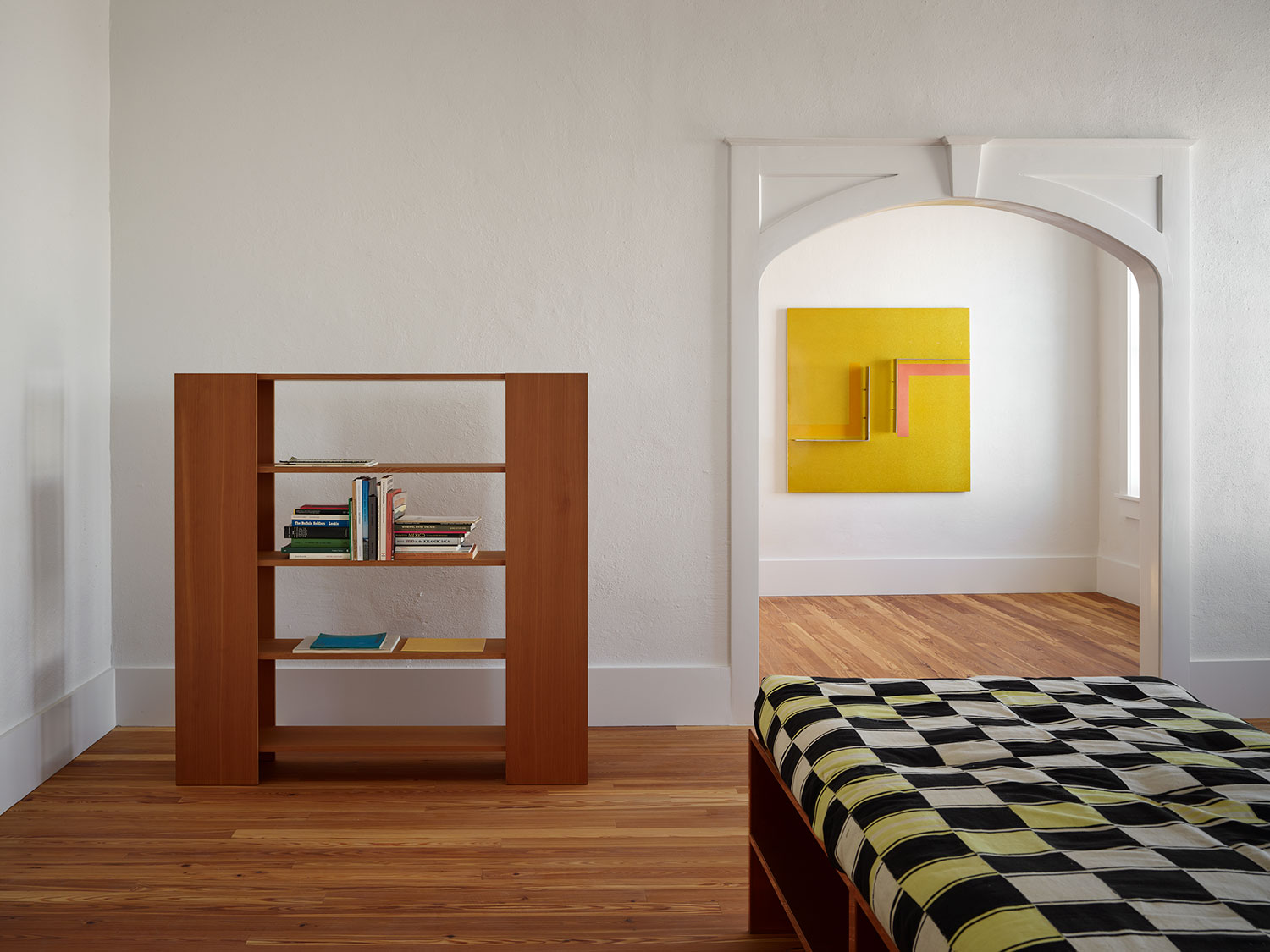
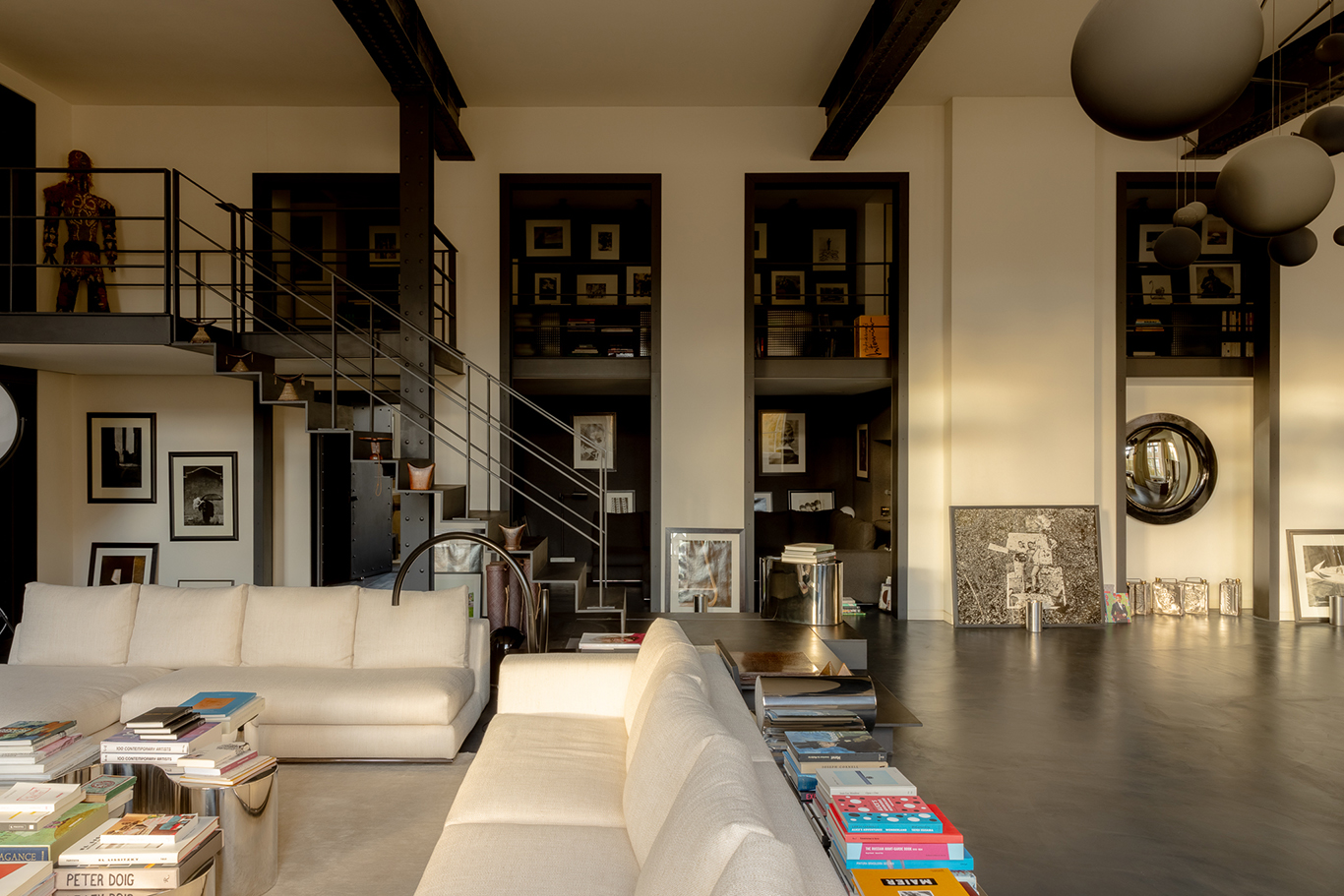
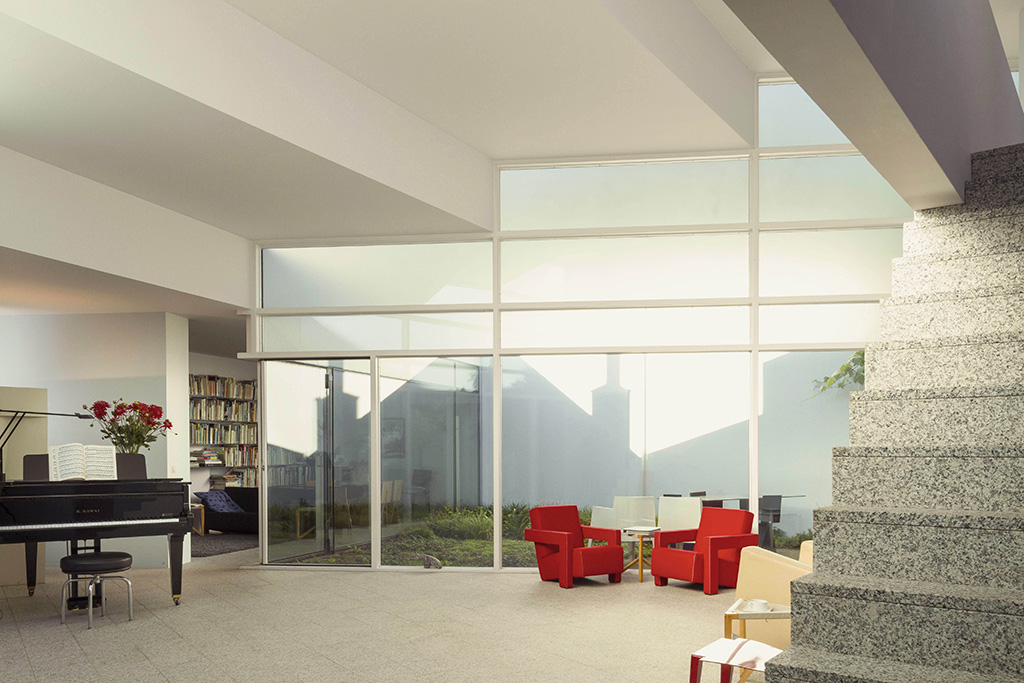
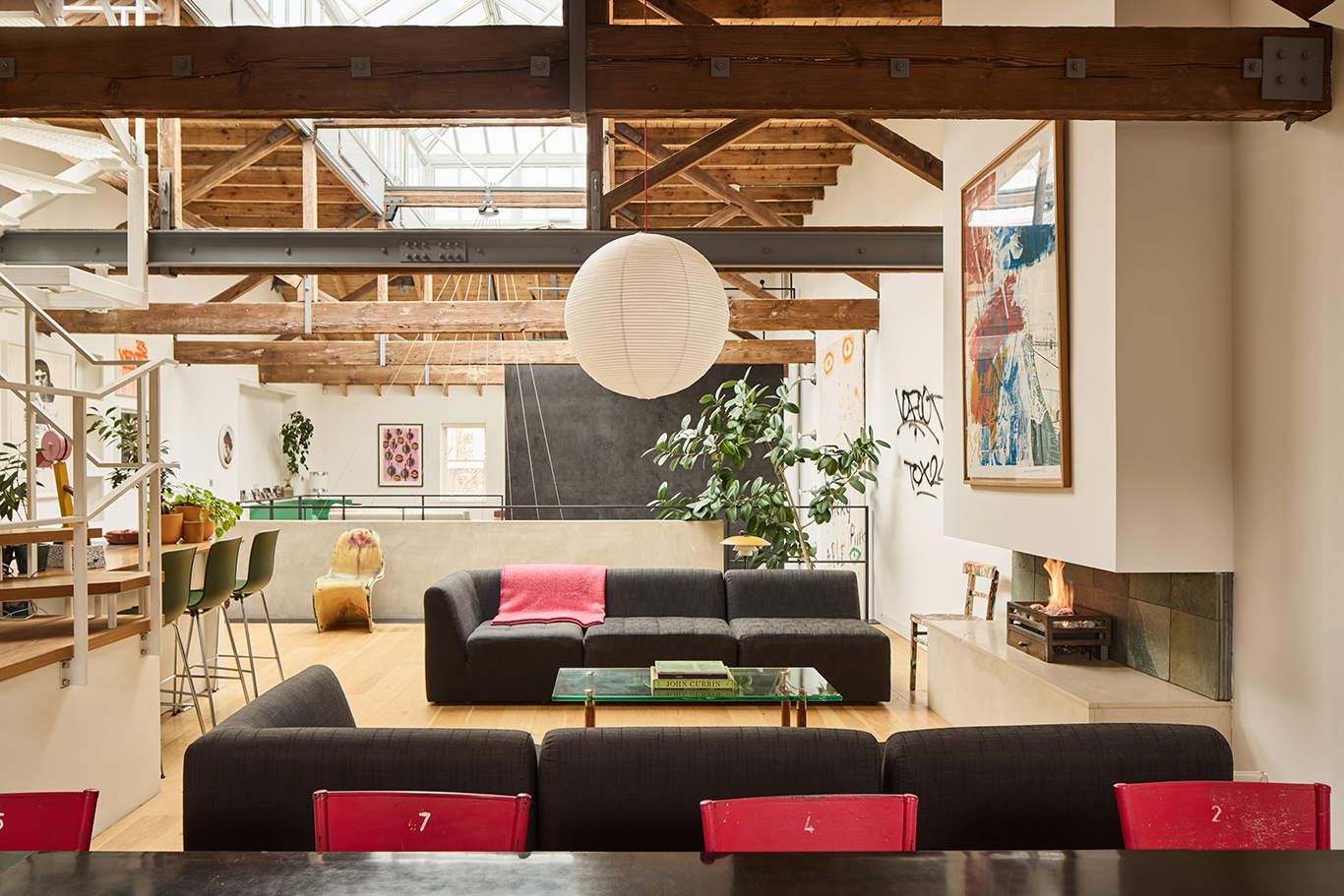
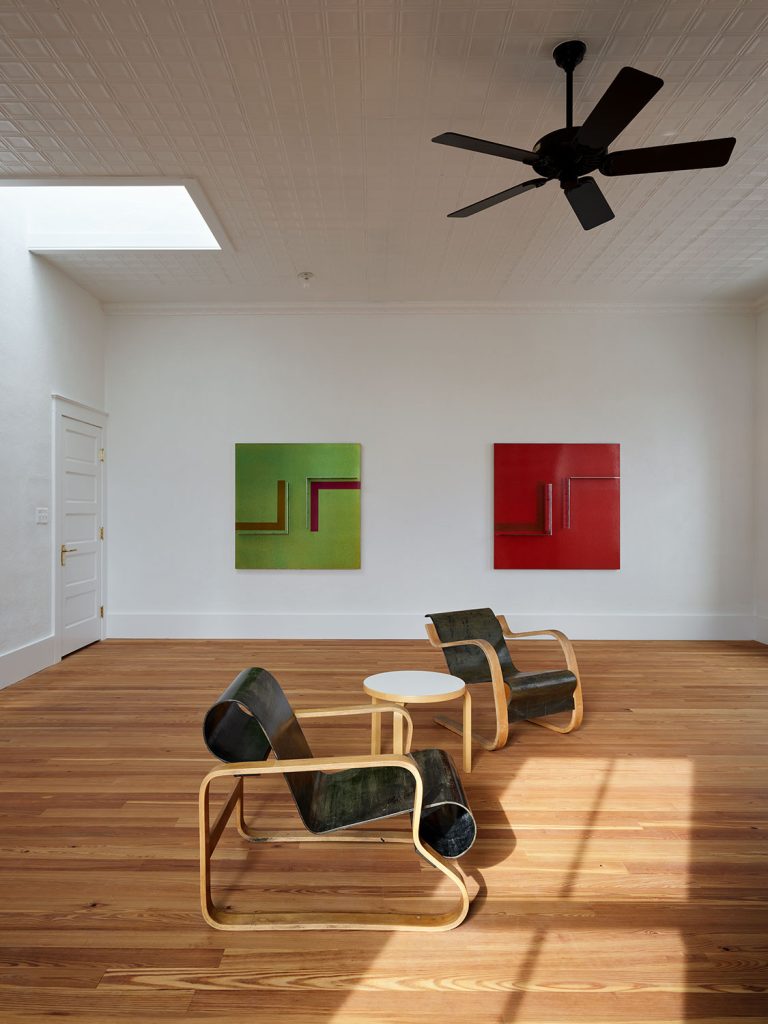
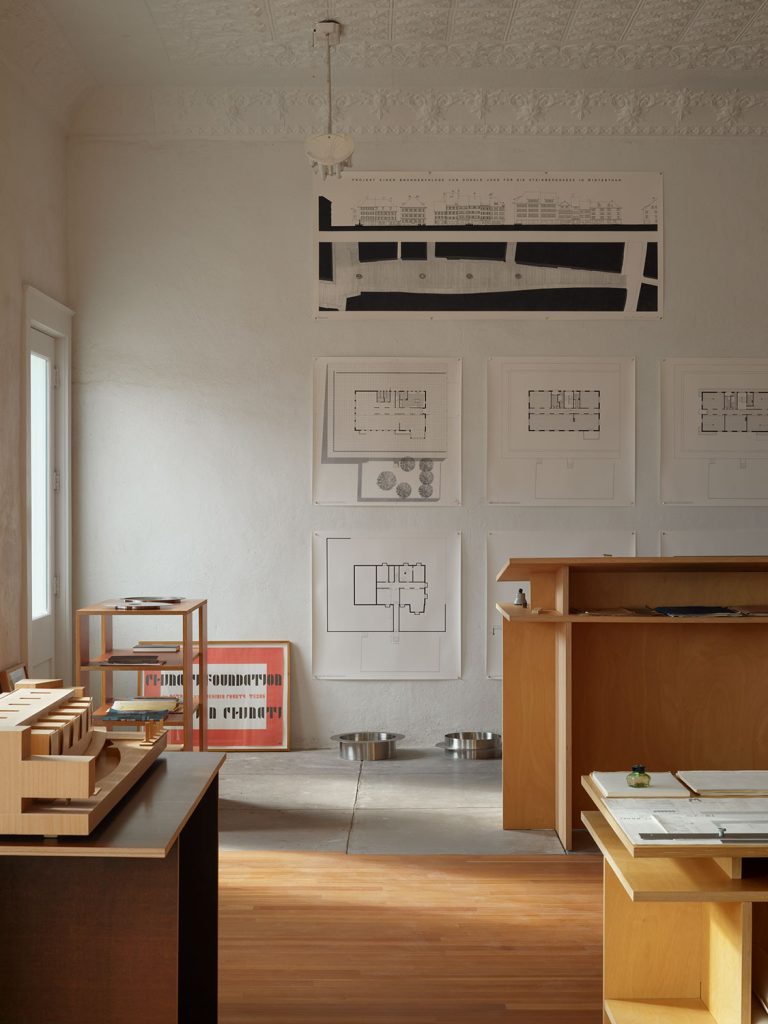
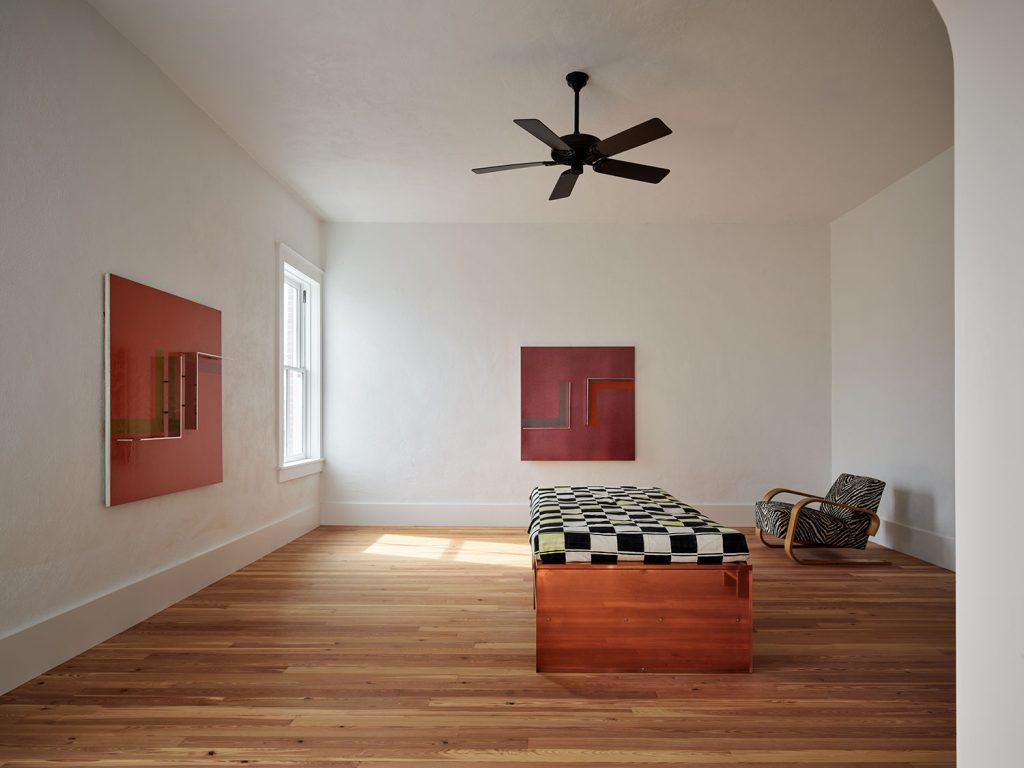
A prominent Marfa landmark and a cornerstone of Judd’s legacy, the 5,000sqft brick structure functioned as a furniture-making studio and an anchor for his architectural practice; in the living space upstairs he displayed a collection of John Chamberlain paintings and Alvar Aalto design. ‘He believed that the preservation of art and architecture is the preservation of history, and that the ability to experience a culture physically is the best way to understand it,’ says Flavin Judd, Donald’s son and director of the Judd Foundation. To that end, Flavin appointed Troy Schaum and Rosalyne Shieh of Schaum/Shieh to undertake a more contemporary restoration. The newly preserved — and infinitely more efficient — office will formally open for public tours on September 20.
Photography: Matthew Millman
Photography: Matthew Millman
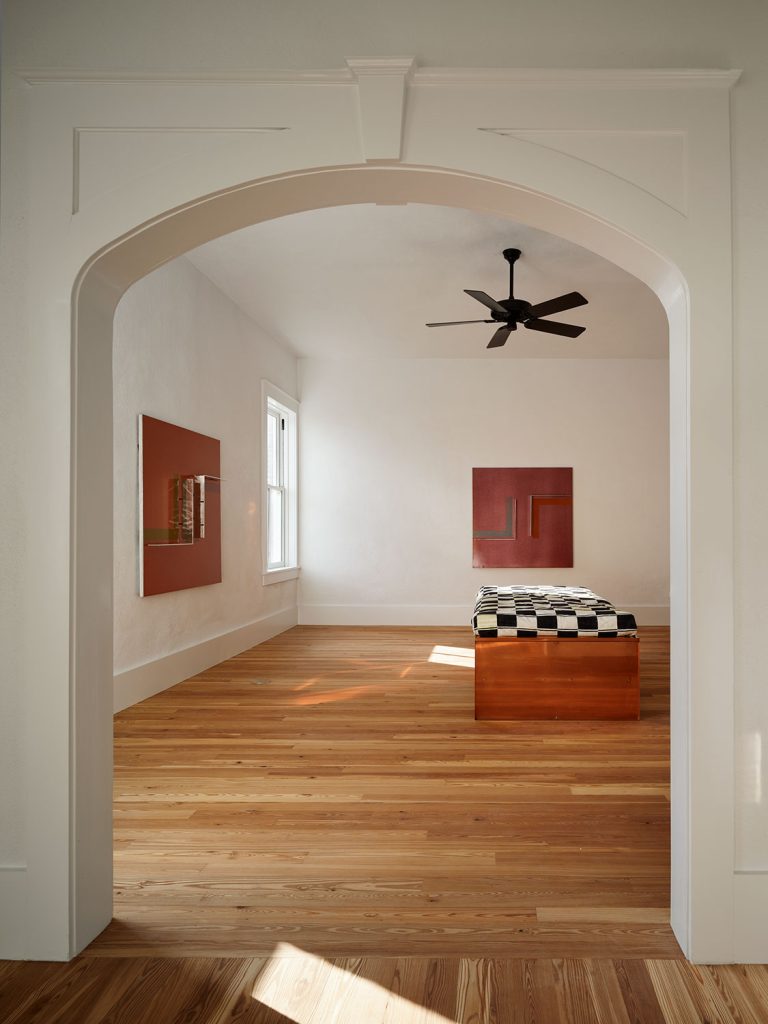
Photography: Matthew Millman
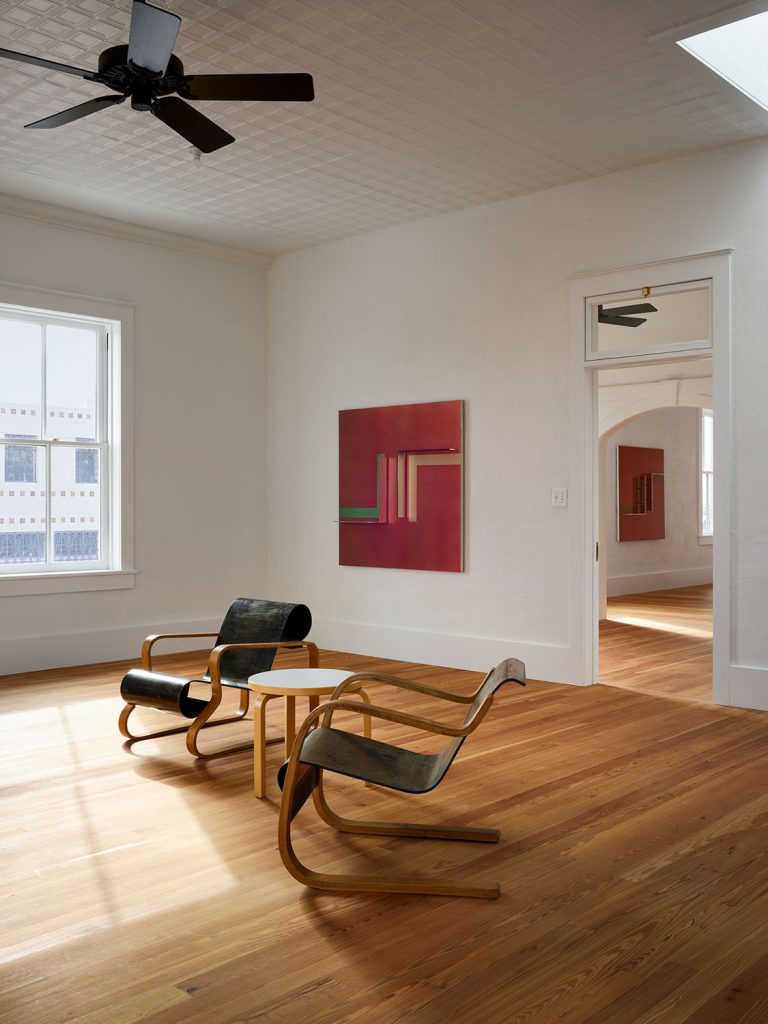
Photography: Matthew Millman
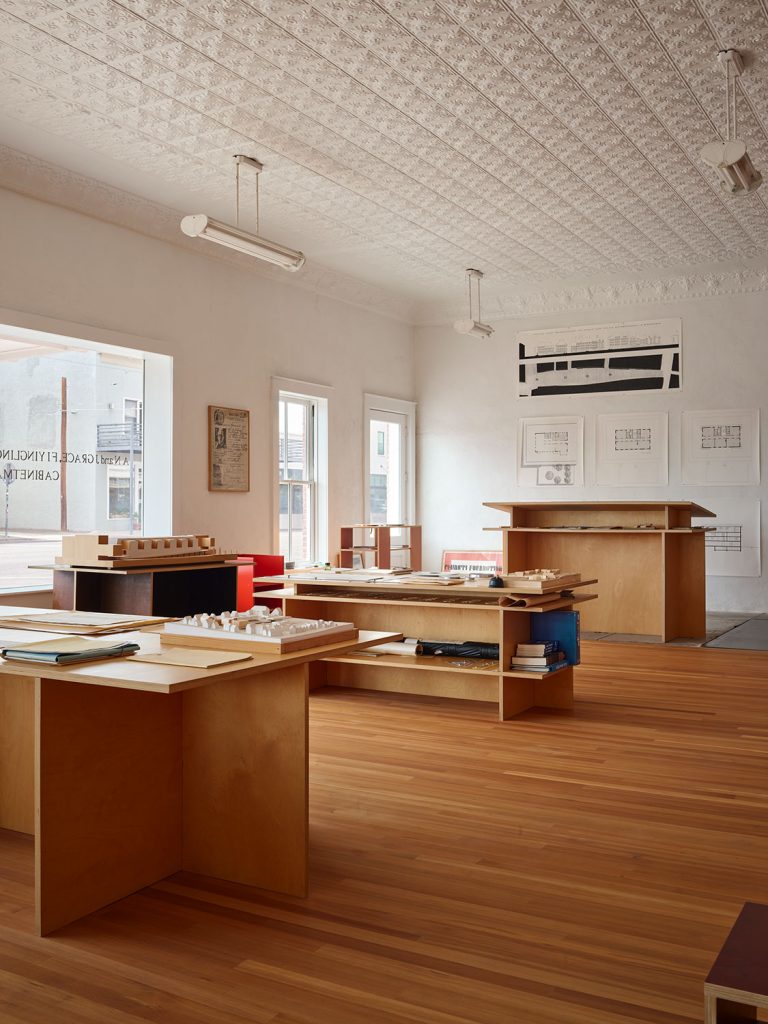
Photography: Matthew Millman
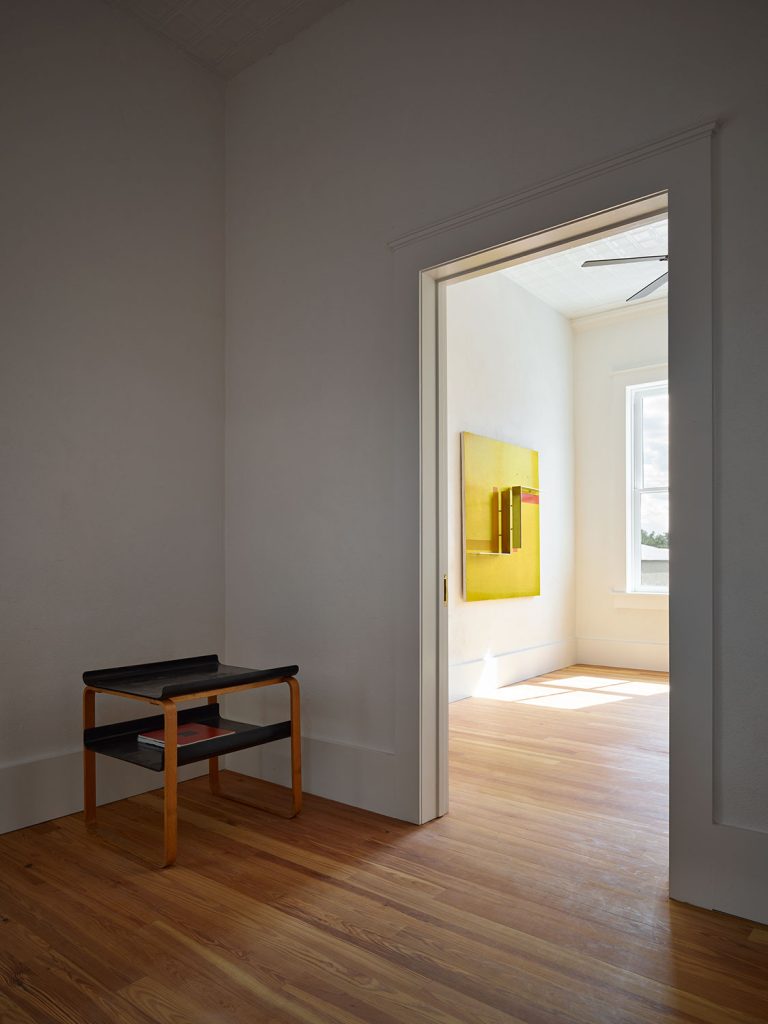
Photography: Matthew Millman
Photography: Matthew Millman
Photography: Matthew Millman
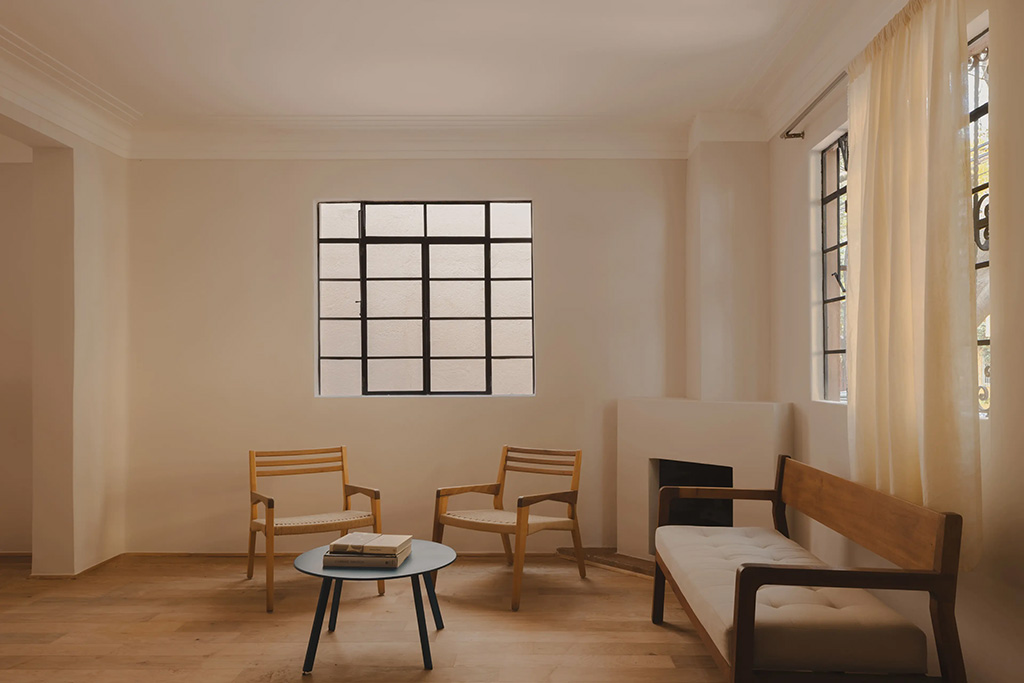
Schaum/Shieh collaborated with niche experts on rebuilding the failing brickwork, leaky windows, rotting woodwork and expansive glass storefront. ‘We worked closely through many mock-ups and sampling until everyone was comfortable with both the efficacy of the technical solution but also the intangible qualities that are trickier to describe without witnessing them,’ says Shieh. Given the remote desert location, they found passive climate-control solutions that would maintain Judd’s collection when nobody could be there. And after a 2021 fire tore through the building, they did it all again, and better.
‘We have learned through this work that strategically not doing something is much more difficult than producing the new,’ says Schaum. ‘… It is conceptually much more challenging to work through measured restraint. These are projects in which, if we are successful, our hands as designers will leave little trace.’
The Architecture Office is offering a guided-visit programme with access to Judd’s architectural models, building plans, design prototypes and furniture — and to the second-floor living space with his furniture collections. An open house on September 20 will include a community celebration and special extended hours.