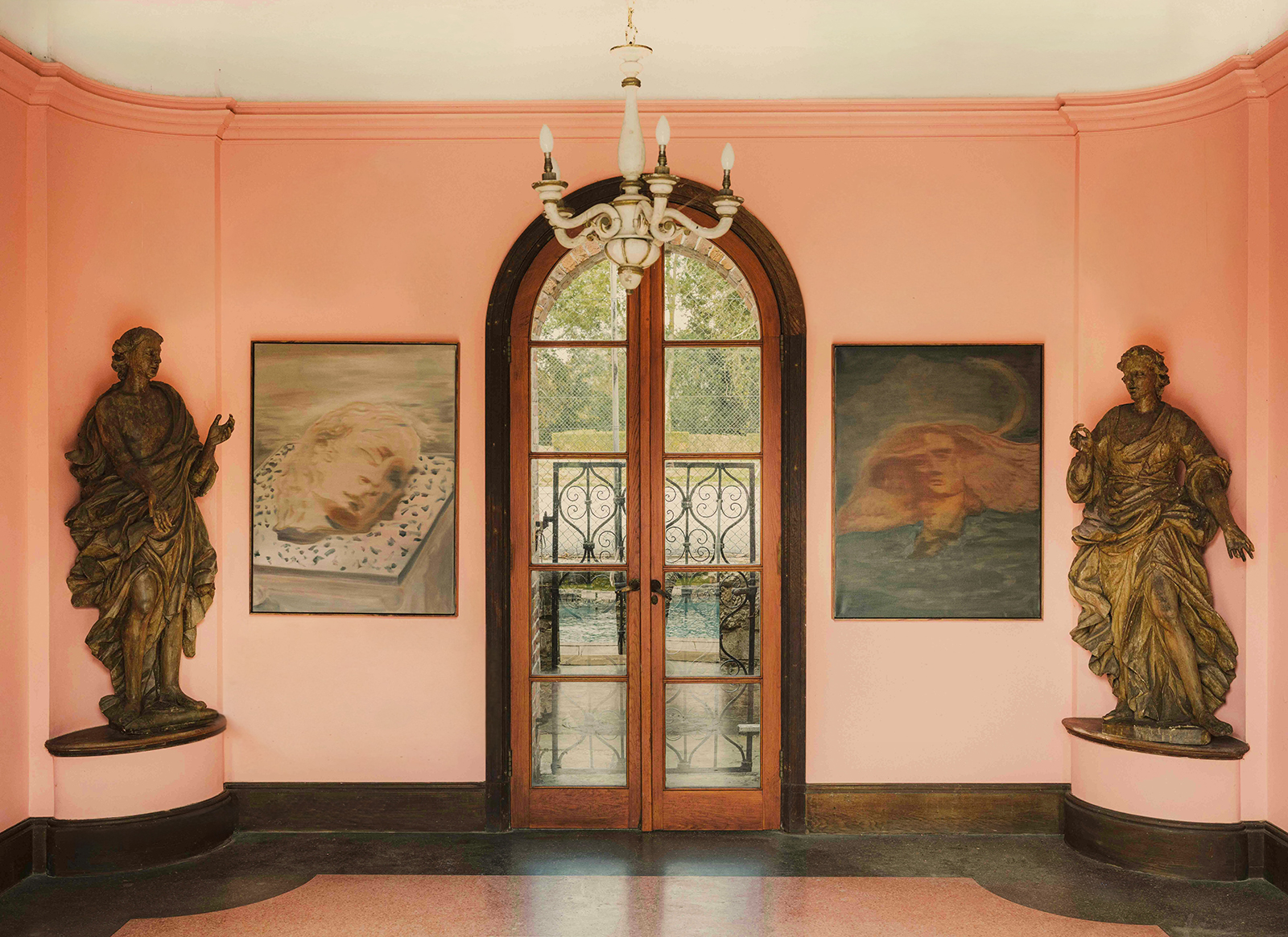
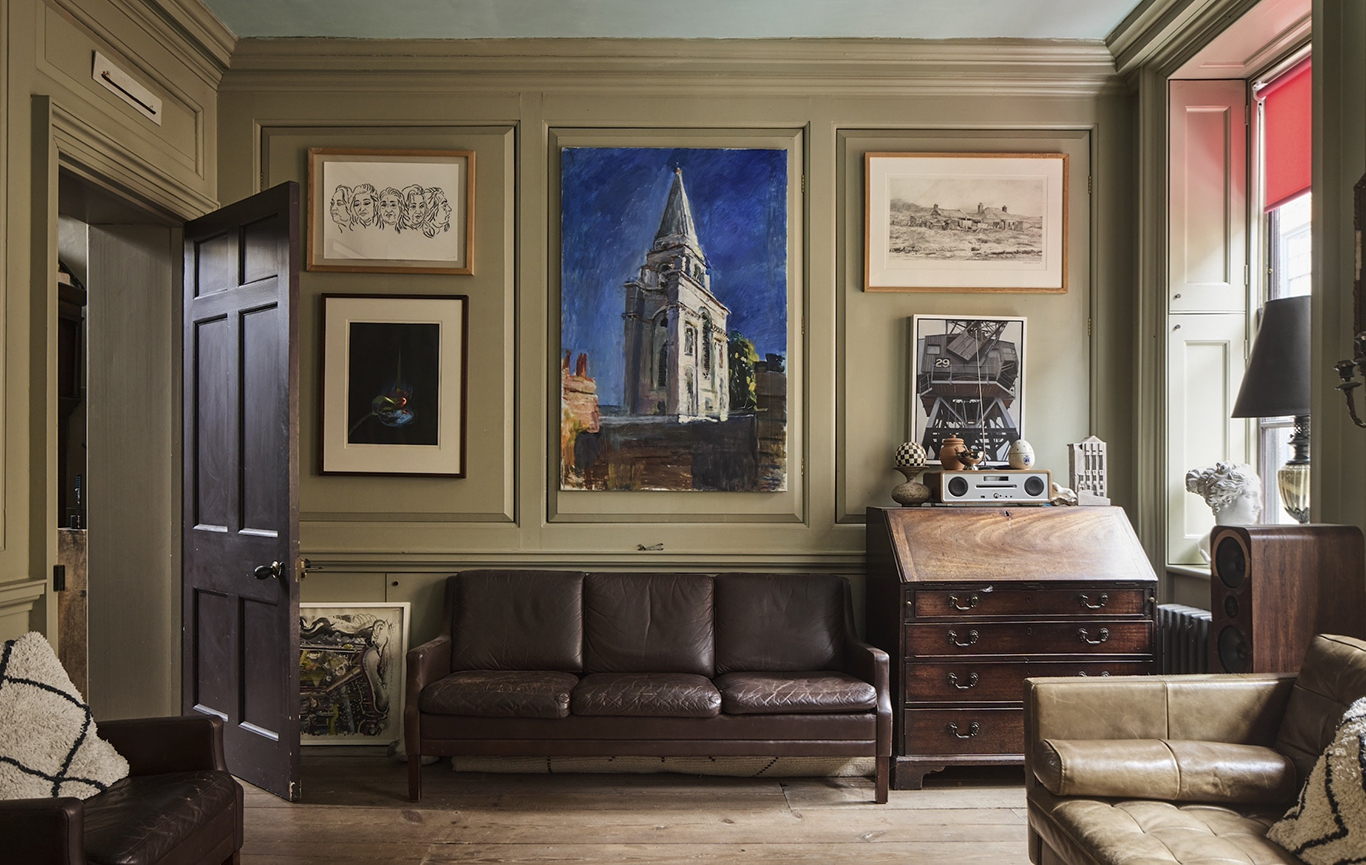
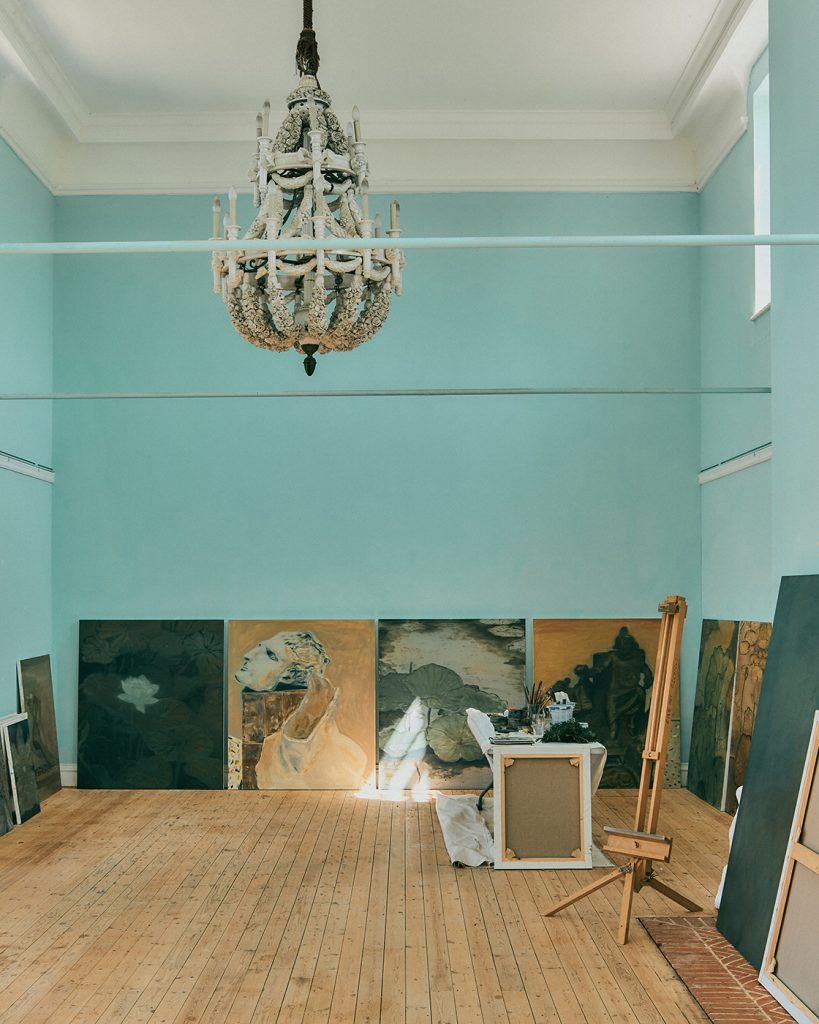
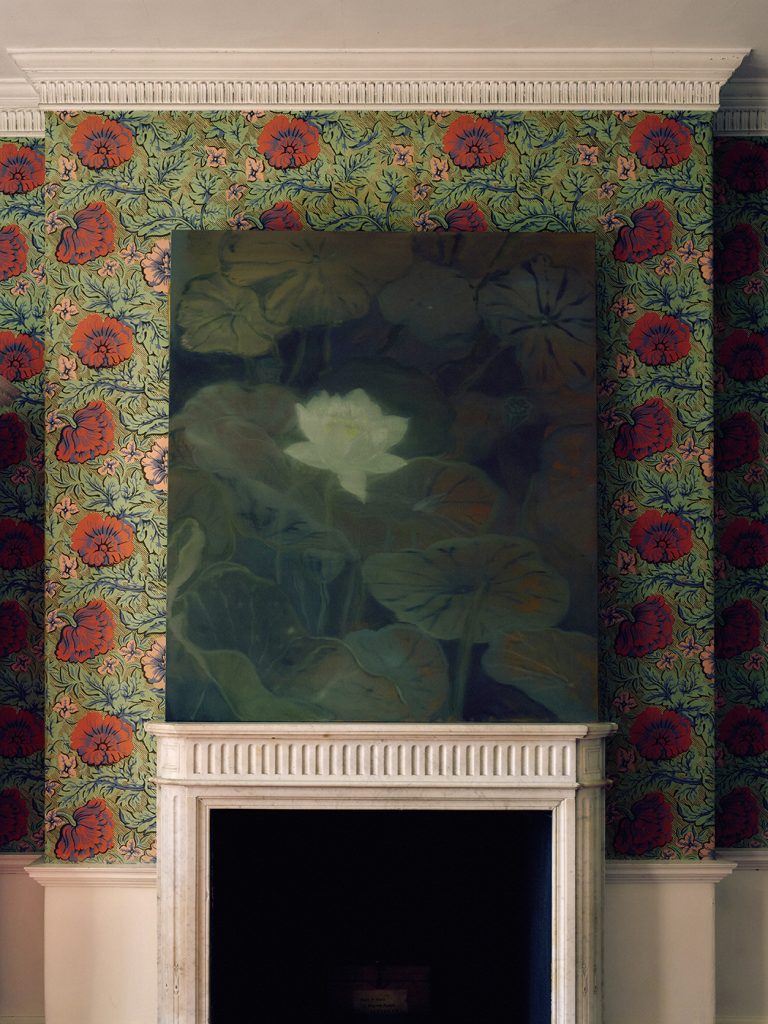
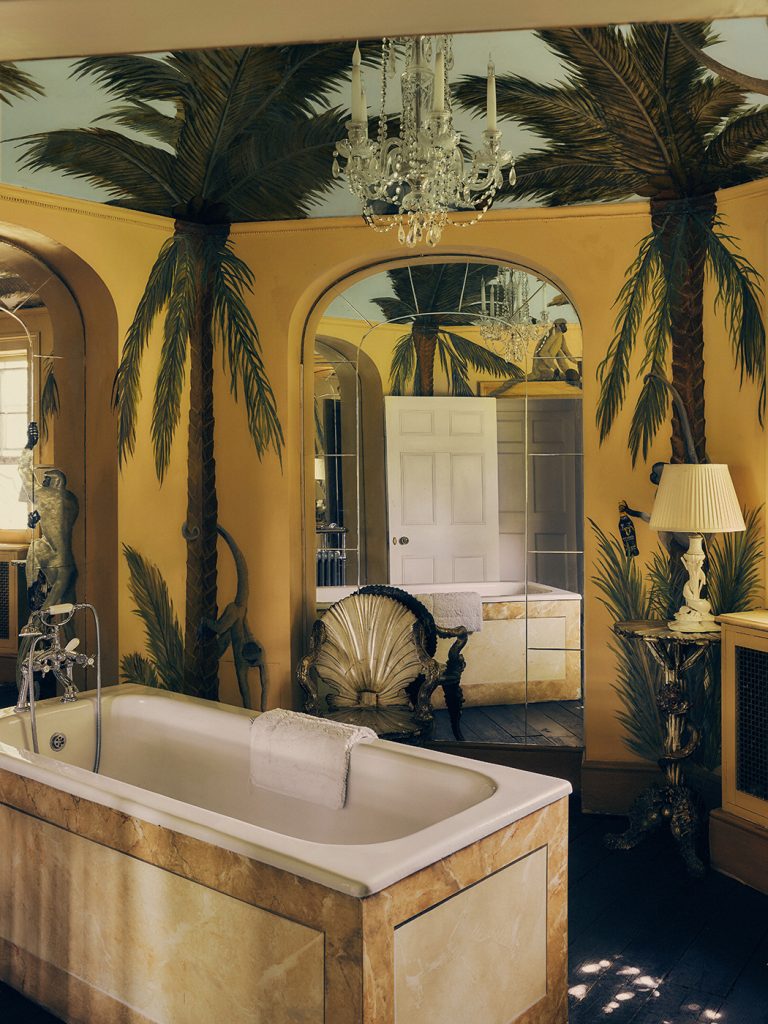
Subversive paintings in an Italianate hall; diaphanous weaves in a Victorian manor; abstract oils in a 1,000-year-old castle… As Britain’s stately homes move deeper into the contemporary-art game, three of the nation’s most romantic estates have invited artists to revolutionise their landmark spaces. This autumn the Dot Project, a London gallery dedicated to nurturing early- and mid-career artists, has partnered with the storytelling platform HeritageXplore to deliver four on-site residencies, culminating in a schedule of touring exhibitions. The expectation is that a 19th-century Carrara marble corridor (Elveden Hall) or a pair of ancient towers (Belvoir Castle) will be reinvigorated by the creative vision of artists drawing on their complex legacies. ‘The Dot Project has always been interested in how context shapes meaning,’ says the gallery’s founder, India Montgomery.
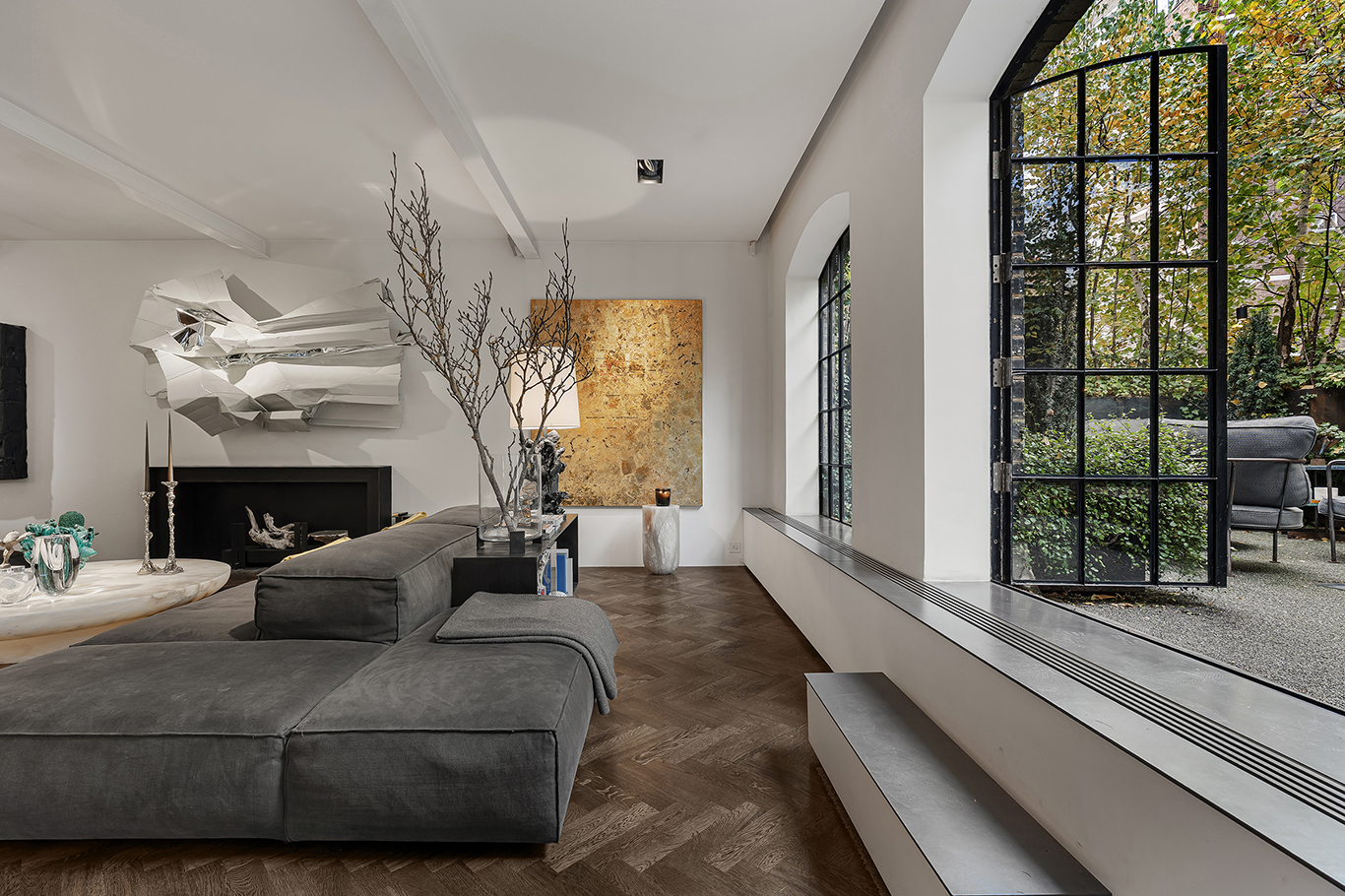
The Dot Project. Photography: Milo Hutchings.
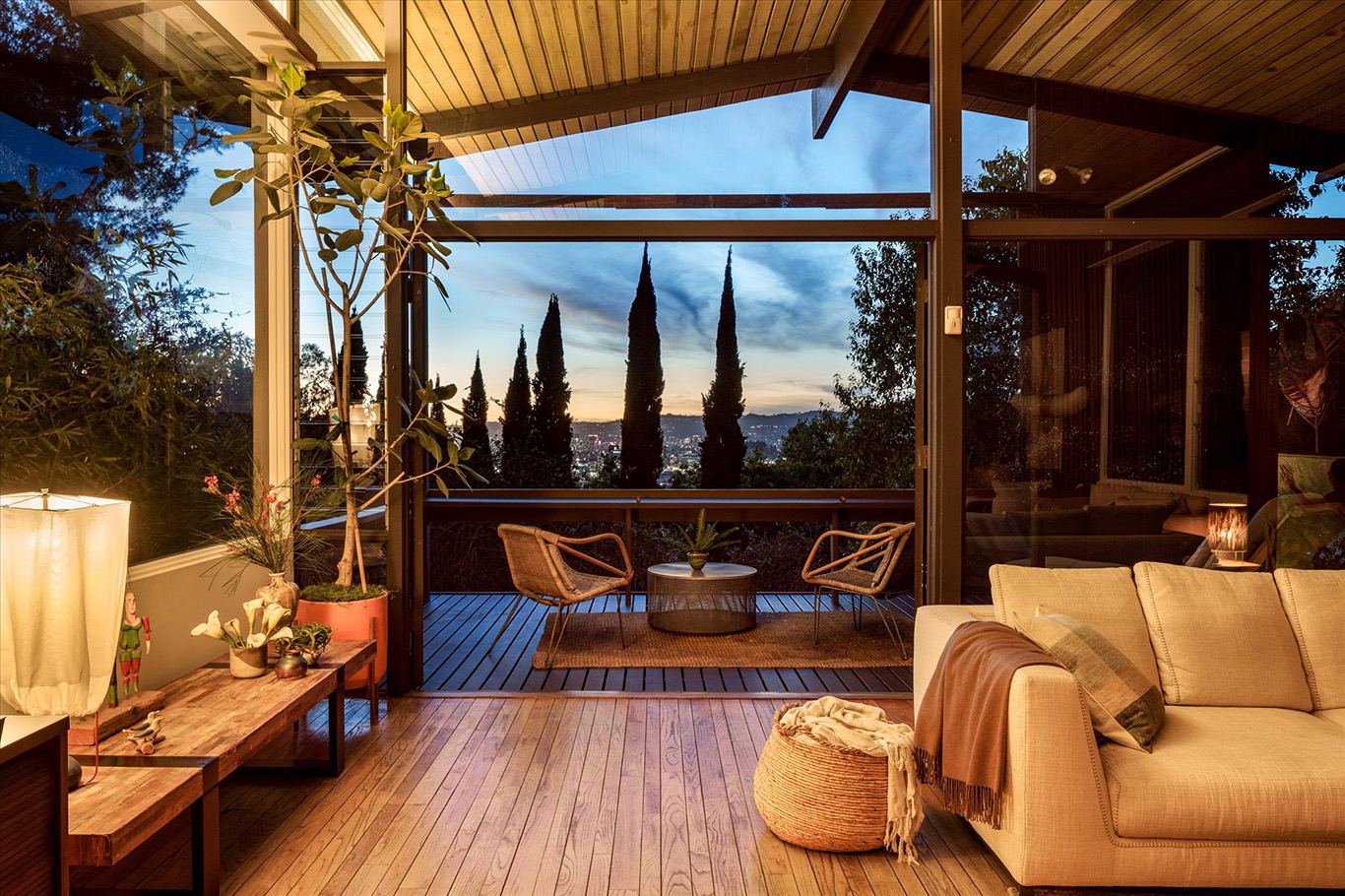
The Dot Project. Photography: Milo Hutchings.
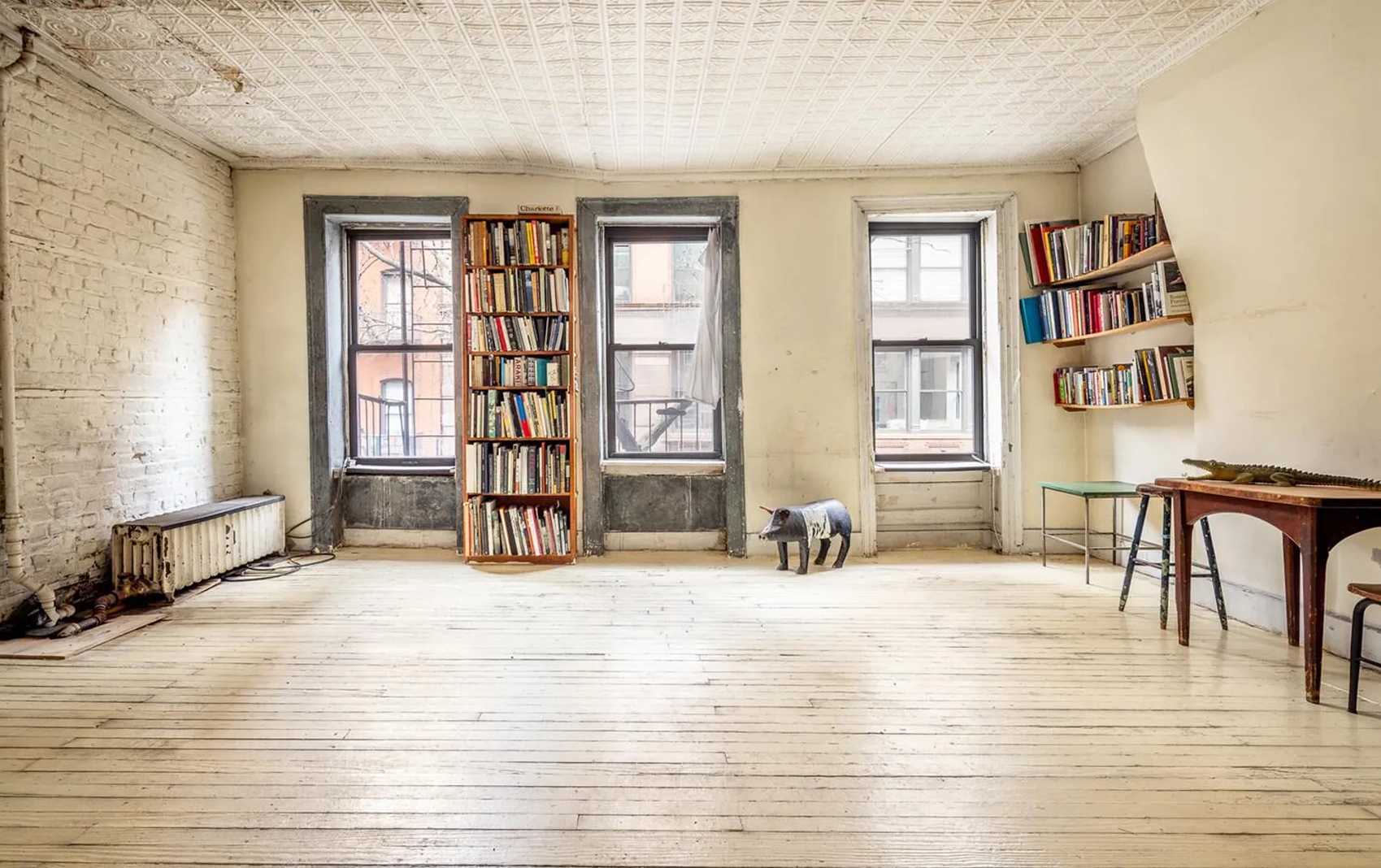
The Dot Project. Photography: Milo Hutchings.
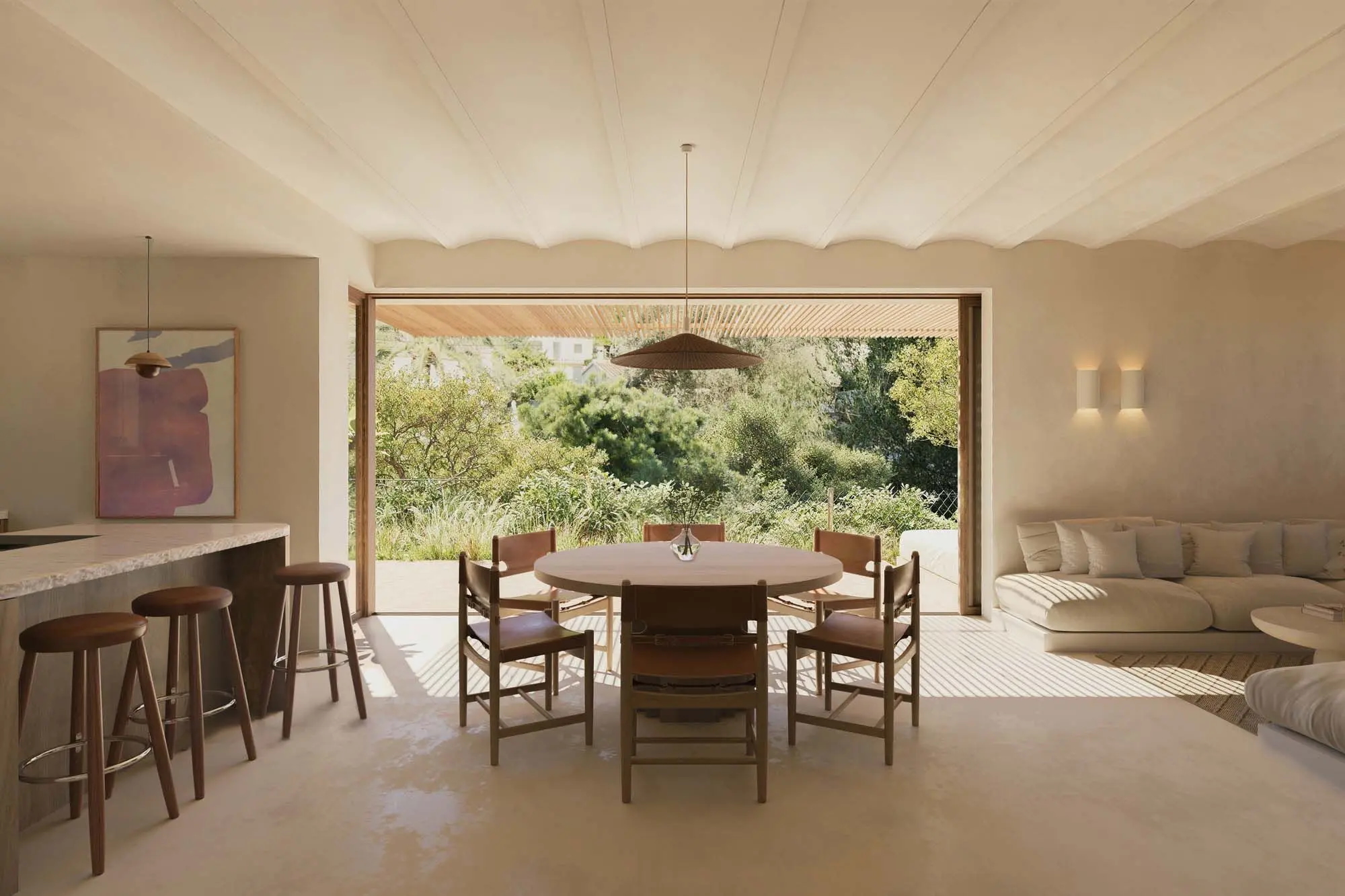
The Dot Project. Photography: Milo Hutchings.
Heath and Tais Rose Wae. Photography: Noah Russell.
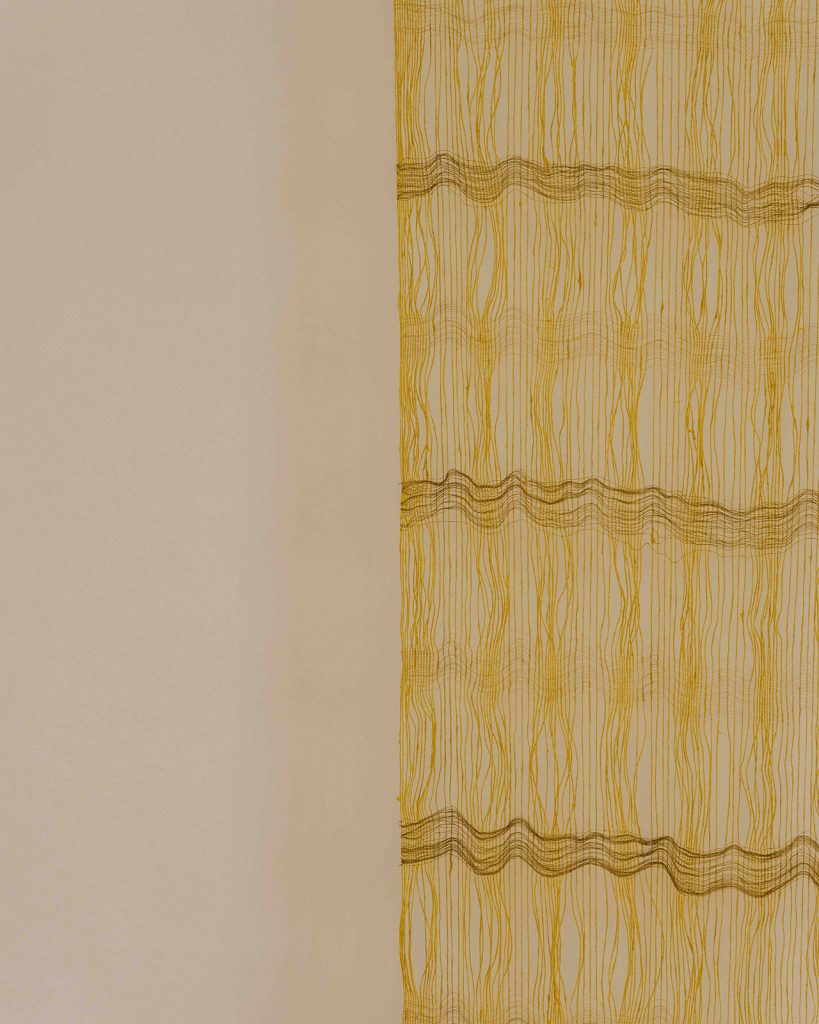
Heath and Tais Rose Wae. Photography: Noah Russell.
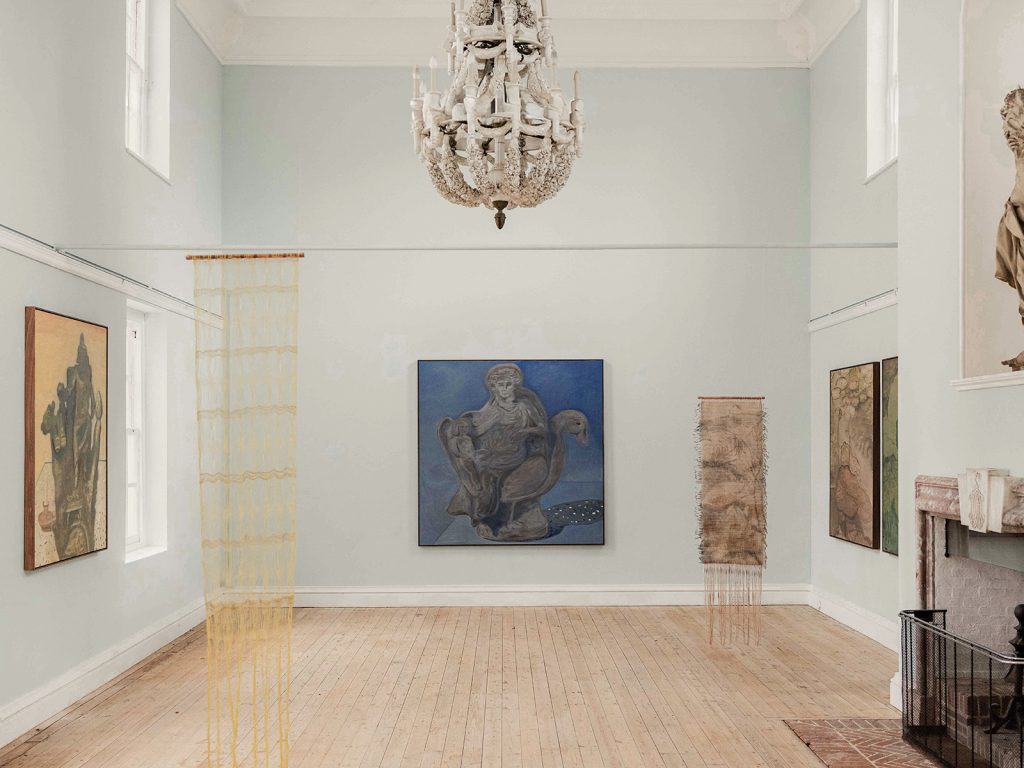
Heath and Tais Rose Wae. Photography: Noah Russell.
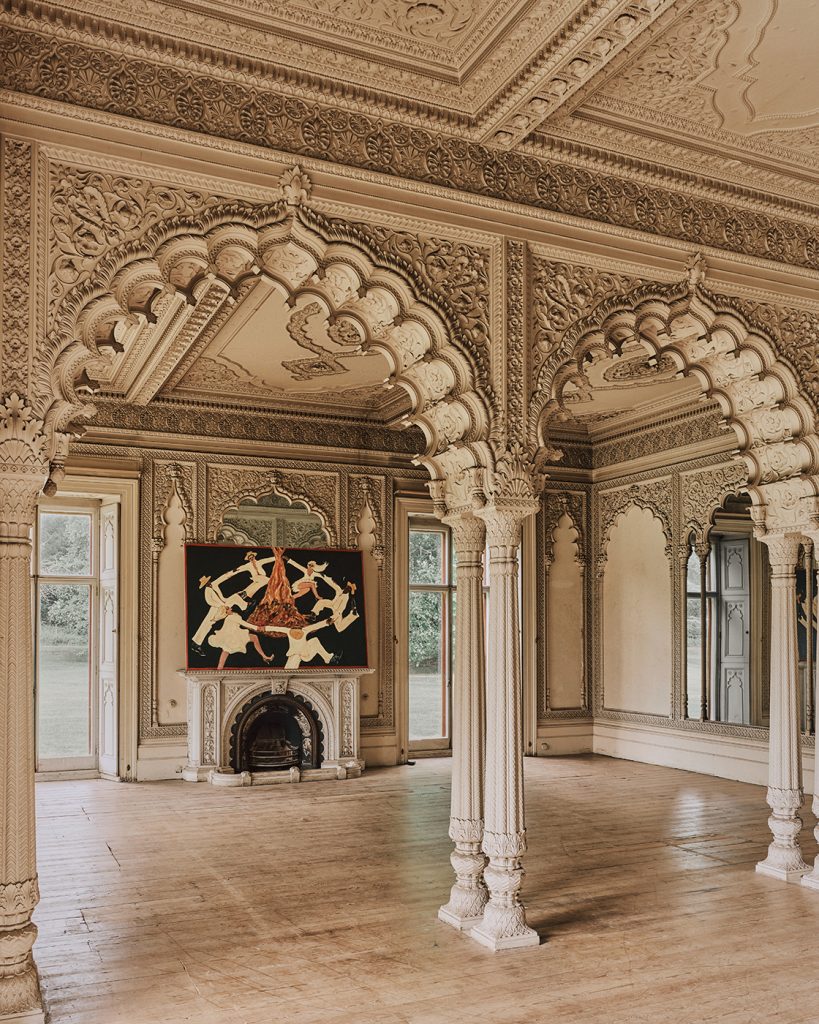
Jack Penny at Elveden Hall. Photography Milo Hutchings.
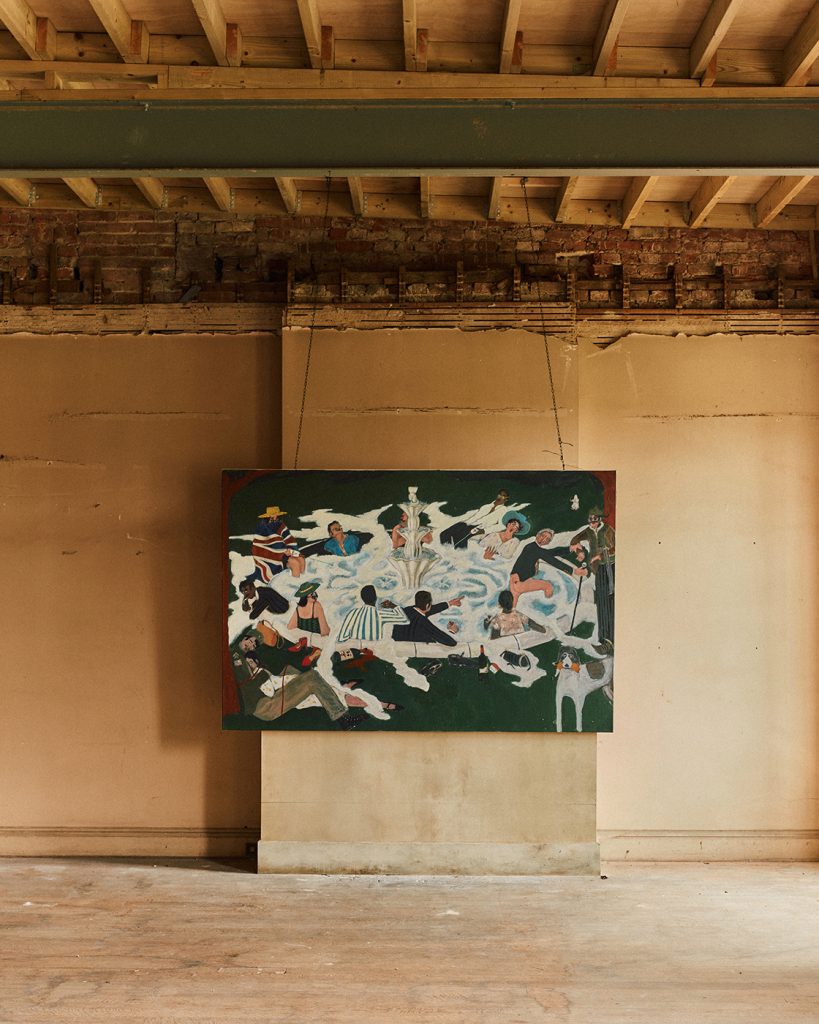
Jack Penny at Elveden Hall. Photography Milo Hutchings.
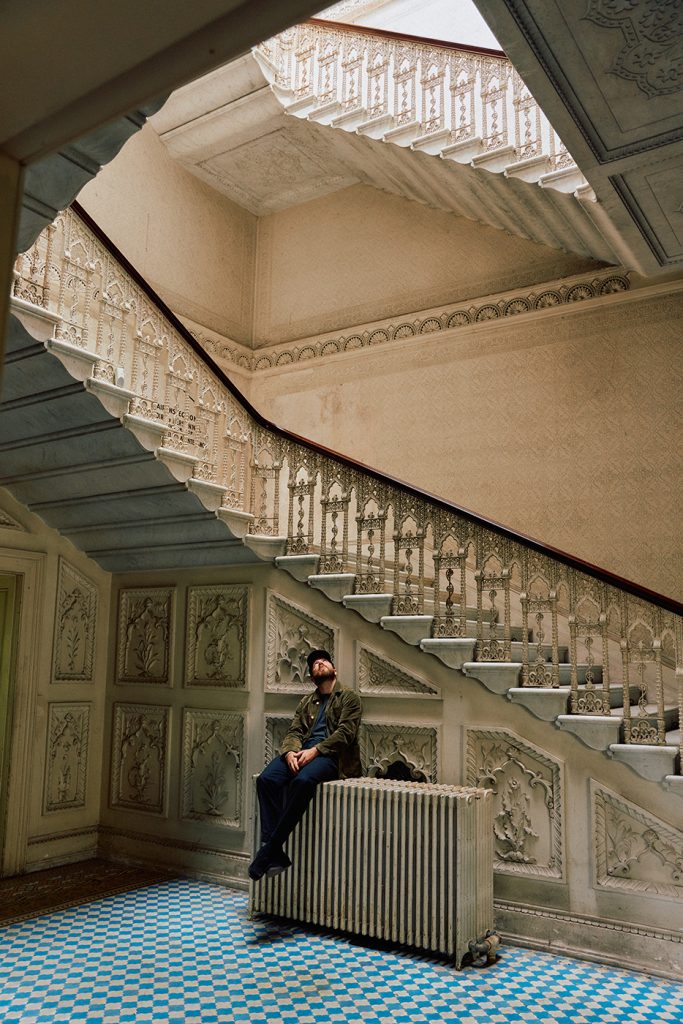
Jack Penny at Elveden Hall. Photography Milo Hutchings.
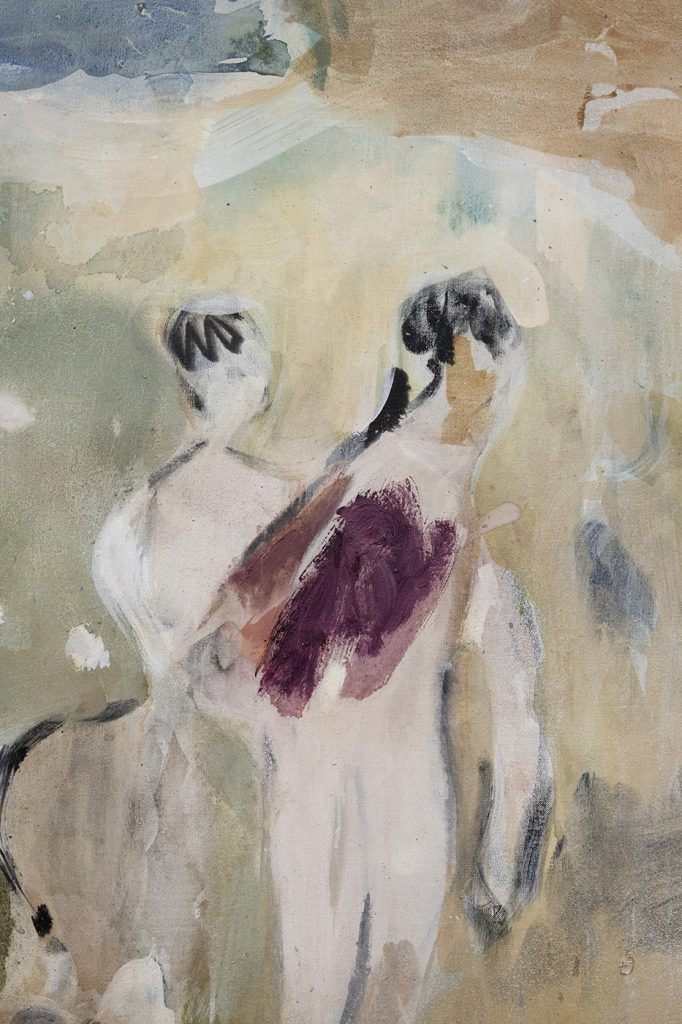
Nick Jensen at Belvoir Castle. Photography courtesy Nick Jensen.
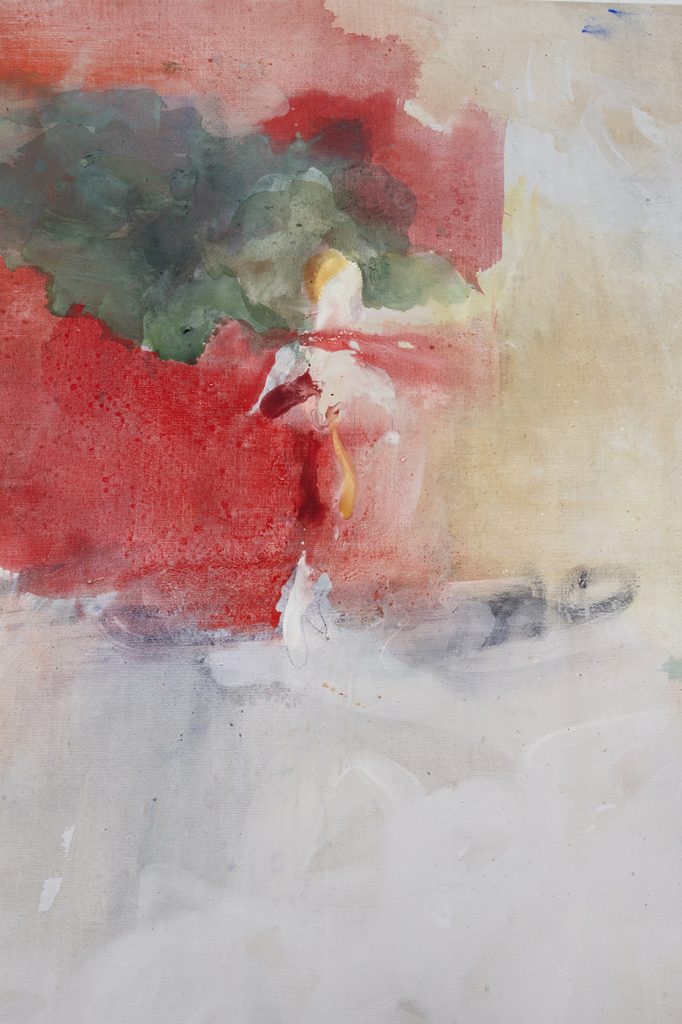
Nick Jensen at Belvoir Castle. Photography courtesy Nick Jensen.
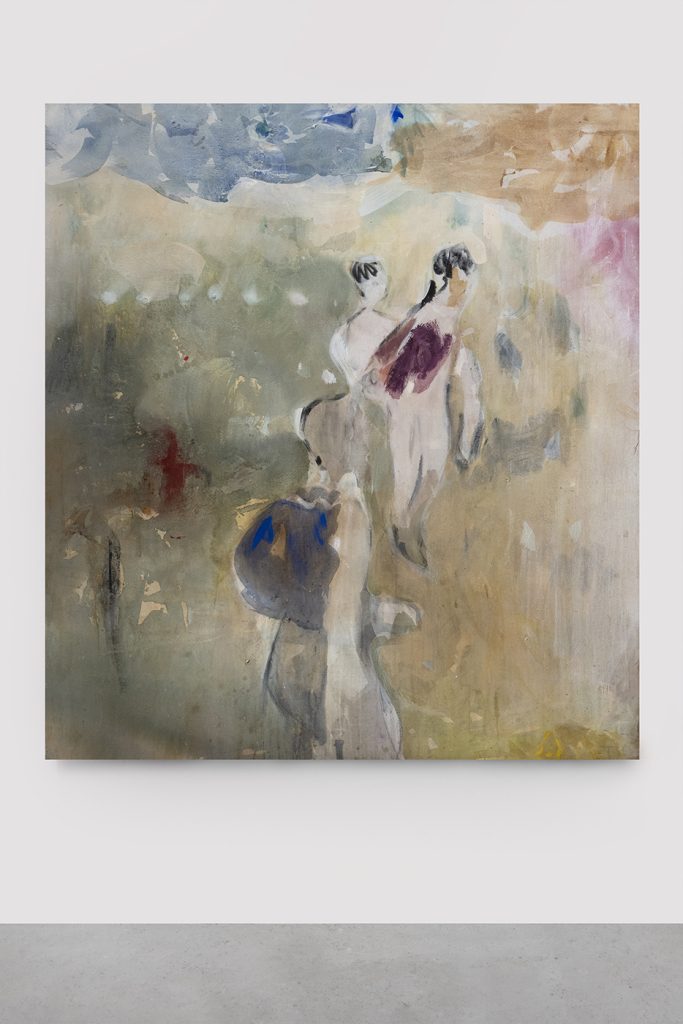
Nick Jensen at Belvoir Castle. Photography courtesy Nick Jensen.
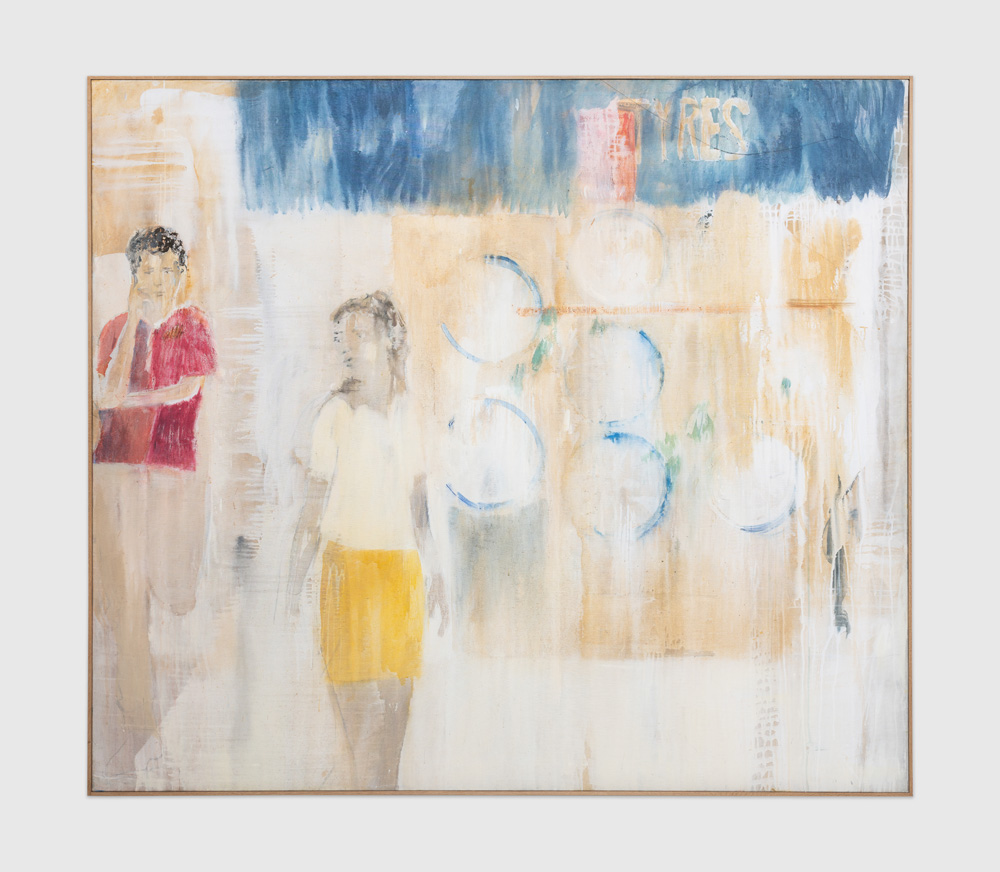
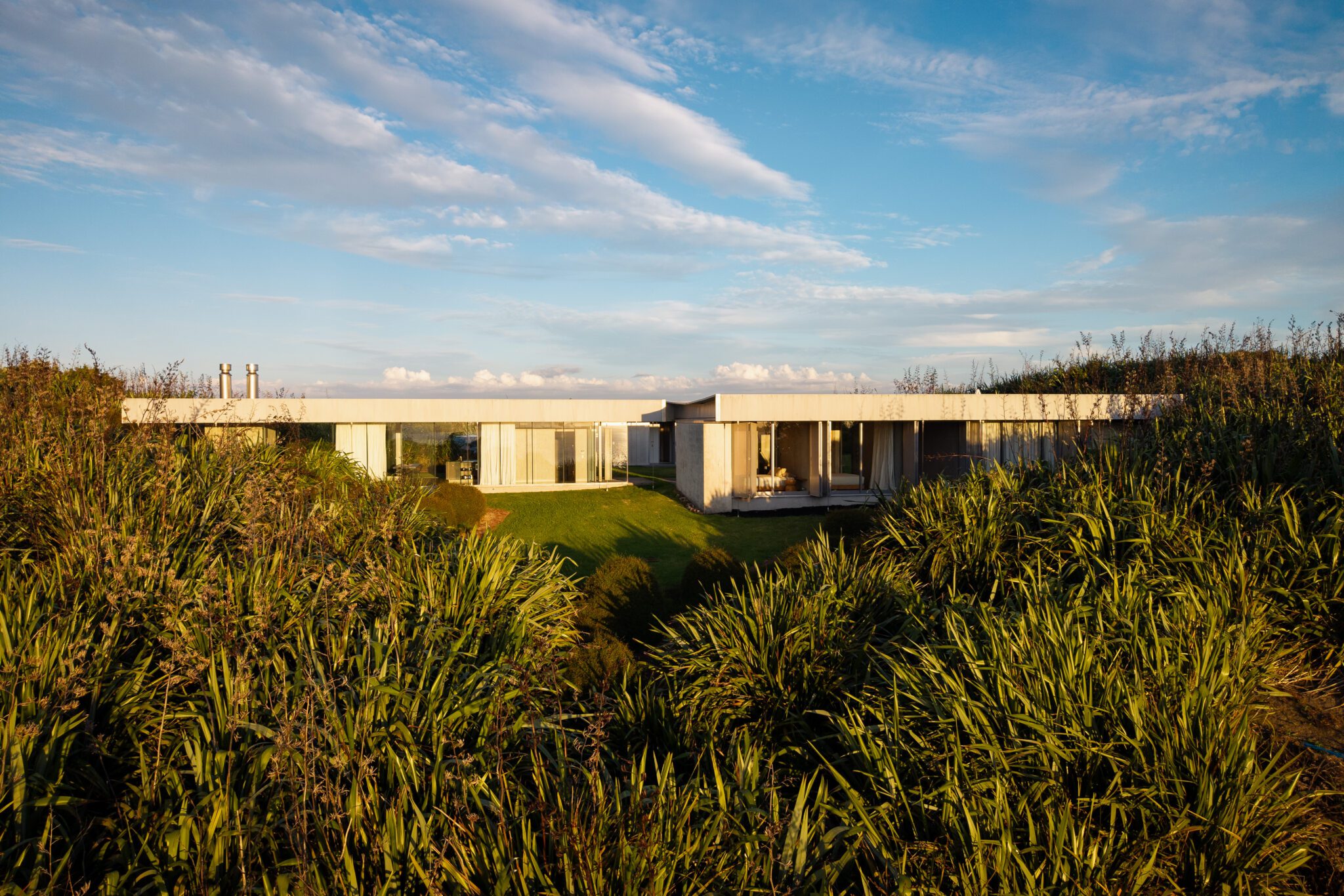
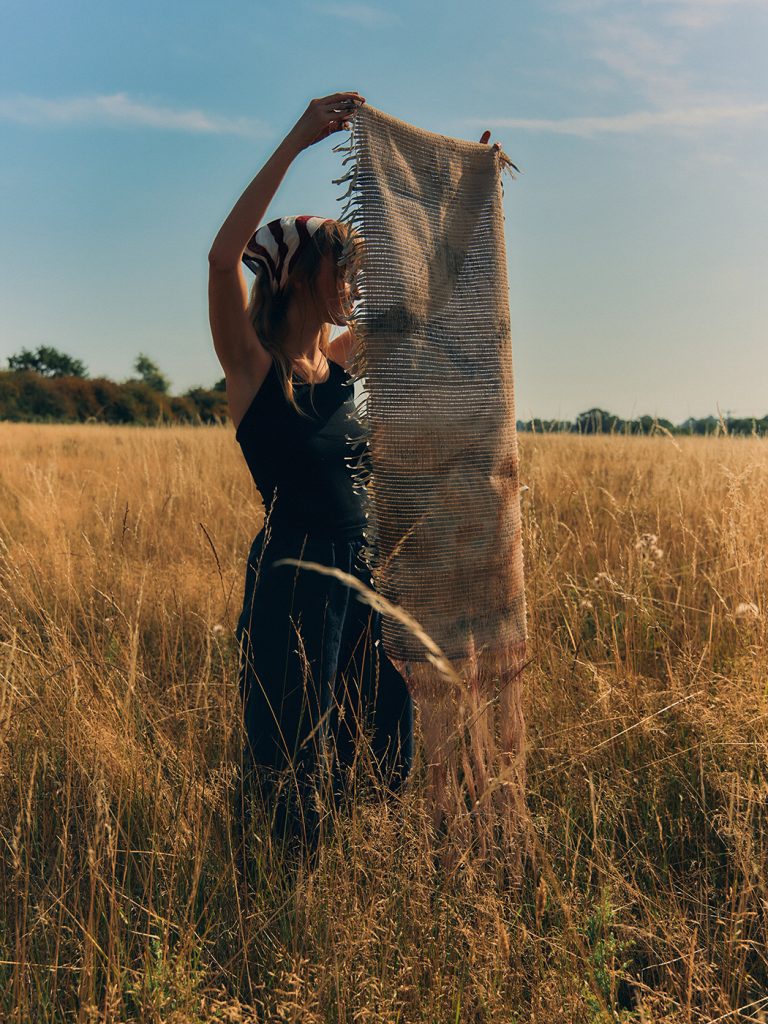
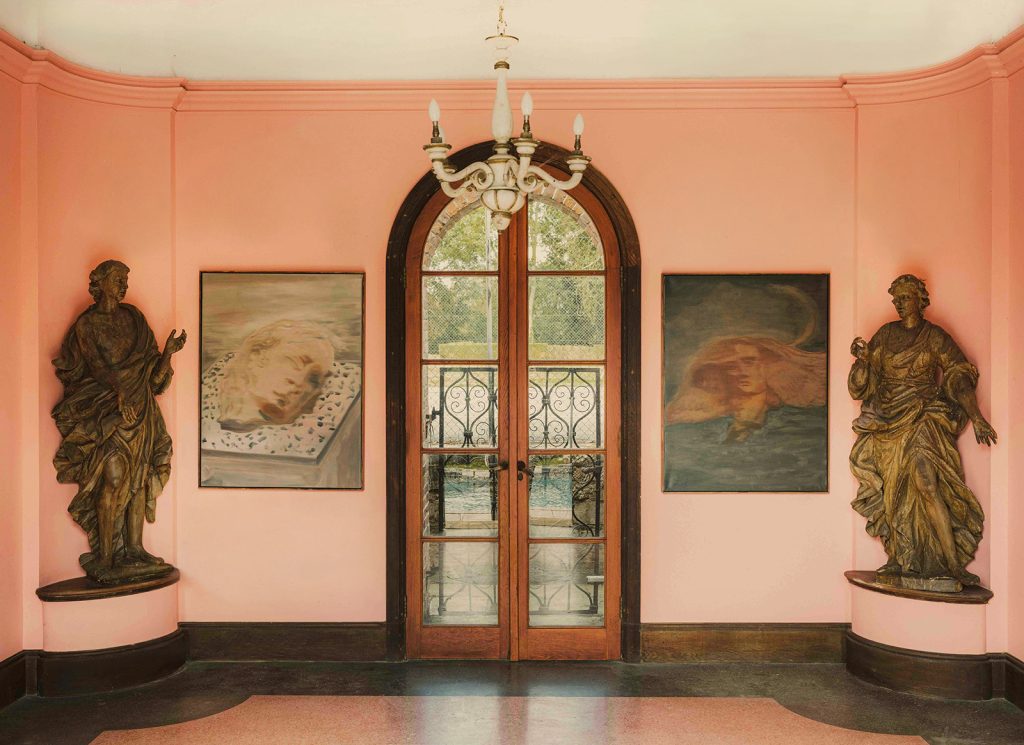
For Australian artists Heath and Tais Rose Wae, a residency at Kelvedon Hall in Essex enabled a certain intimacy with the historic textures of the Grade I-listed Georgian property. The red brick has been shaped by successive owners’ tastes over the centuries, so Tais chose to respond to the time-rich composite interiors with hanging textiles that absorb the colour and pattern of the Adamesque rooms and neo-baroque swimming pavilion. Heath, meanwhile, was drawn to the symbolic and psychic architecture of the estate’s rose gardens — the threshold between cultivated order and the surrounding wild woodland. His resulting paintings transform Greco-Roman sculptures into archetypal sentinels while the narcotic poppy flower evokes the dream-like qualities frequently ascribed to the house. Exhibited across the pool pavilion and a newly converted outbuilding, the works create what Montgomery describes as ‘a layered response. Heath amplifies the estate’s liminality and mythic echoes, while Tais illuminates its material intimacy.’
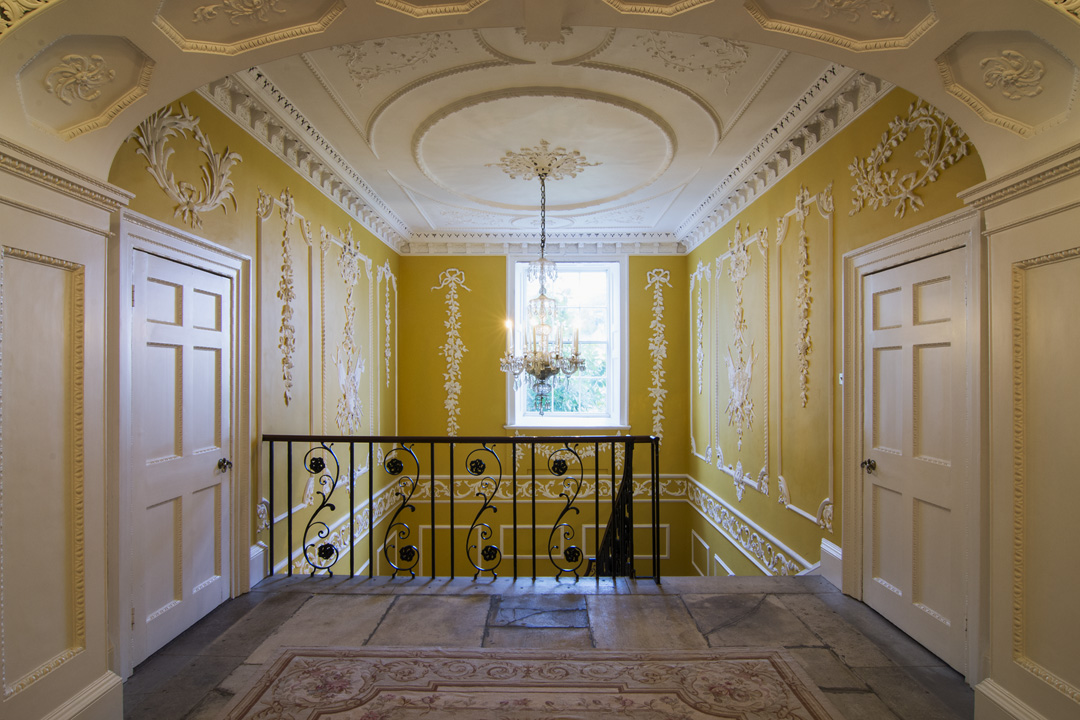
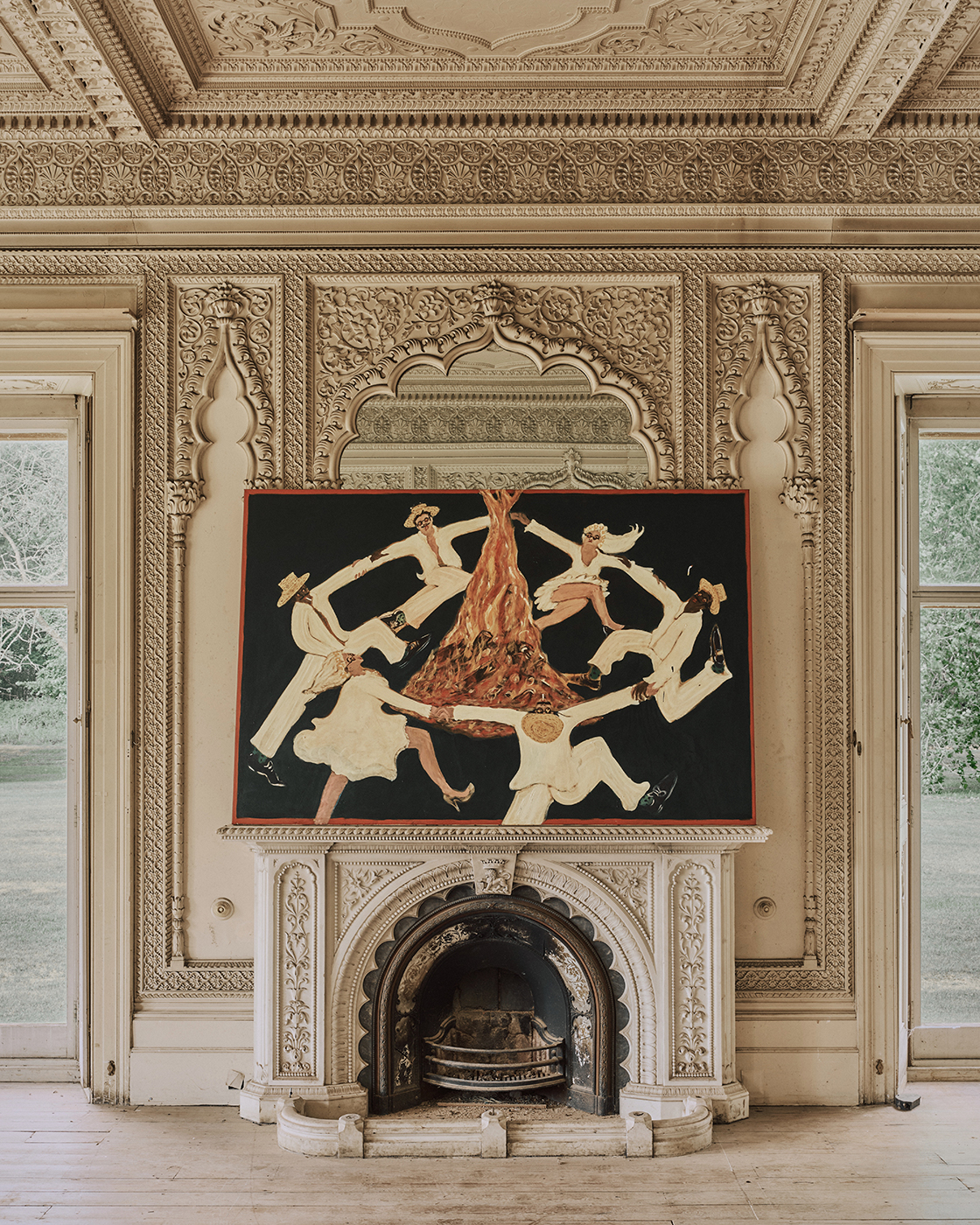
This architectural sensitivity extends across other residencies. At Elveden, in Suffolk, Jack Penny transforms the main hall with socially rebellious paintings that speak to its legacy. Purchased in 1863 by the Maharajah Duleep Singh, brutally annexed from his kingdom by the East India Company, the estate was redesigned to echo the grandeur of the Court of Lahore, and later fitted with Carrara marble and a traceried copper dome by Edward Guinness, the 1st Earl of Iveagh. Positioned on custom-built stands, on show until 26 October, Penny’s works highlight the restrained craftsmanship of the 19th-century backdrop while bringing the shadow of colonial history to light.
The programme takes shape as heritage estates face mounting financial, cultural and generational pressure. ‘Estates are expected to be more open, inclusive and relevant to contemporary audiences,’ says Violet Manners, founder of HeritageXplore, ‘but often without the same level of government support. It’s a delicate balancing act — staying true to centuries of stewardship while also being entrepreneurial enough to survive in the 21st century.’
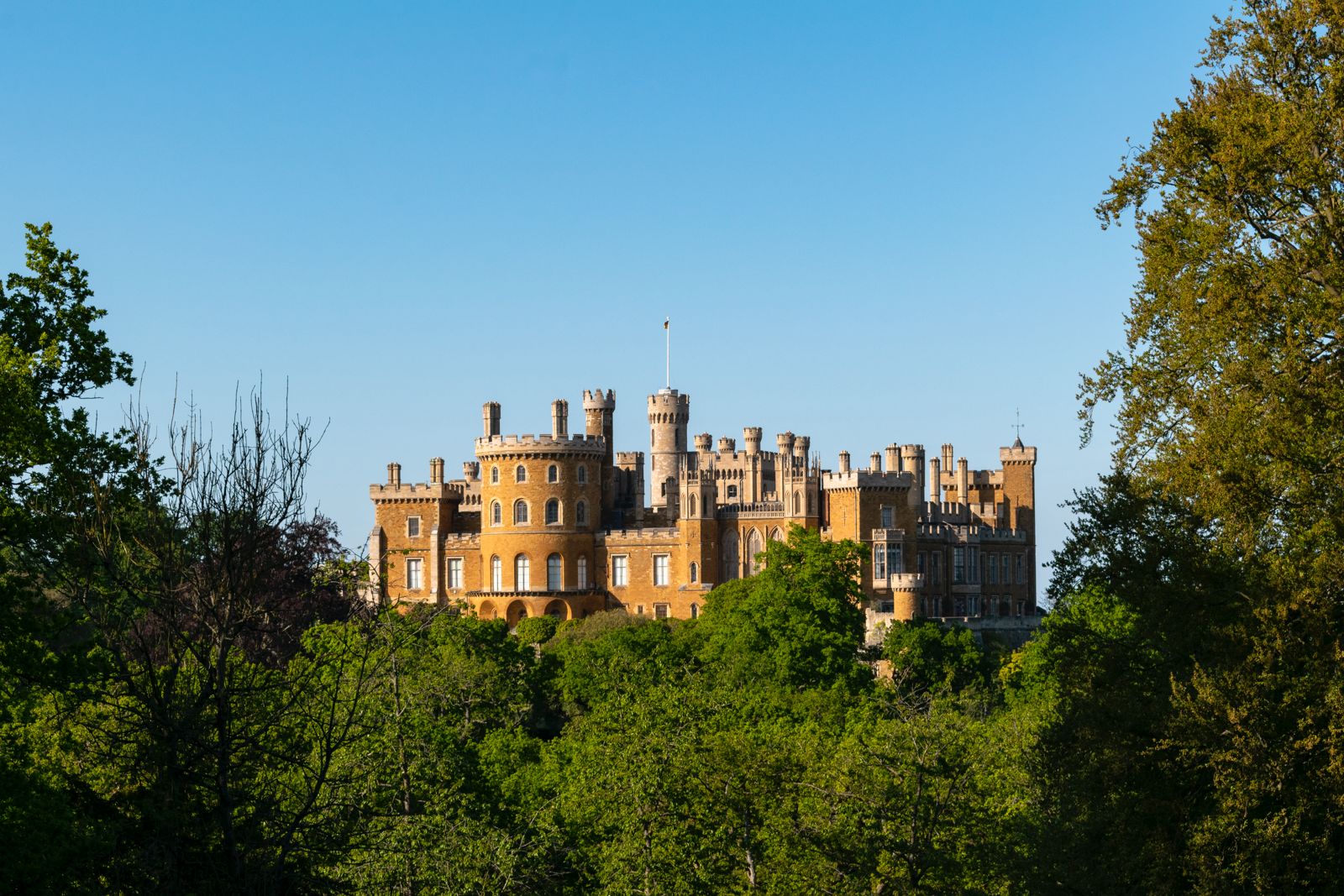
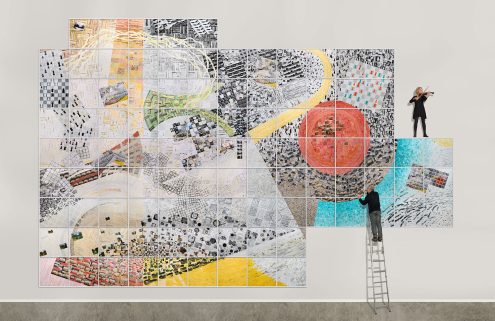
With exhibitions planned at two other locations — Nick Jensen is at Belvoir Castle 4 to 5 November and Sebastián Espejo at Drumlanrig Castle 30 October until 21 November — the project envisages heritage not as something fixed, but as alive and continually reimagined. Rather than a didactic tour, the residencies invite critical interpretations of the past through space. ‘For younger visitors in particular, this can be a more natural entry point,’ says Manners. ‘They’re not just observing history, they’re experiencing it in dialogue with the now.’