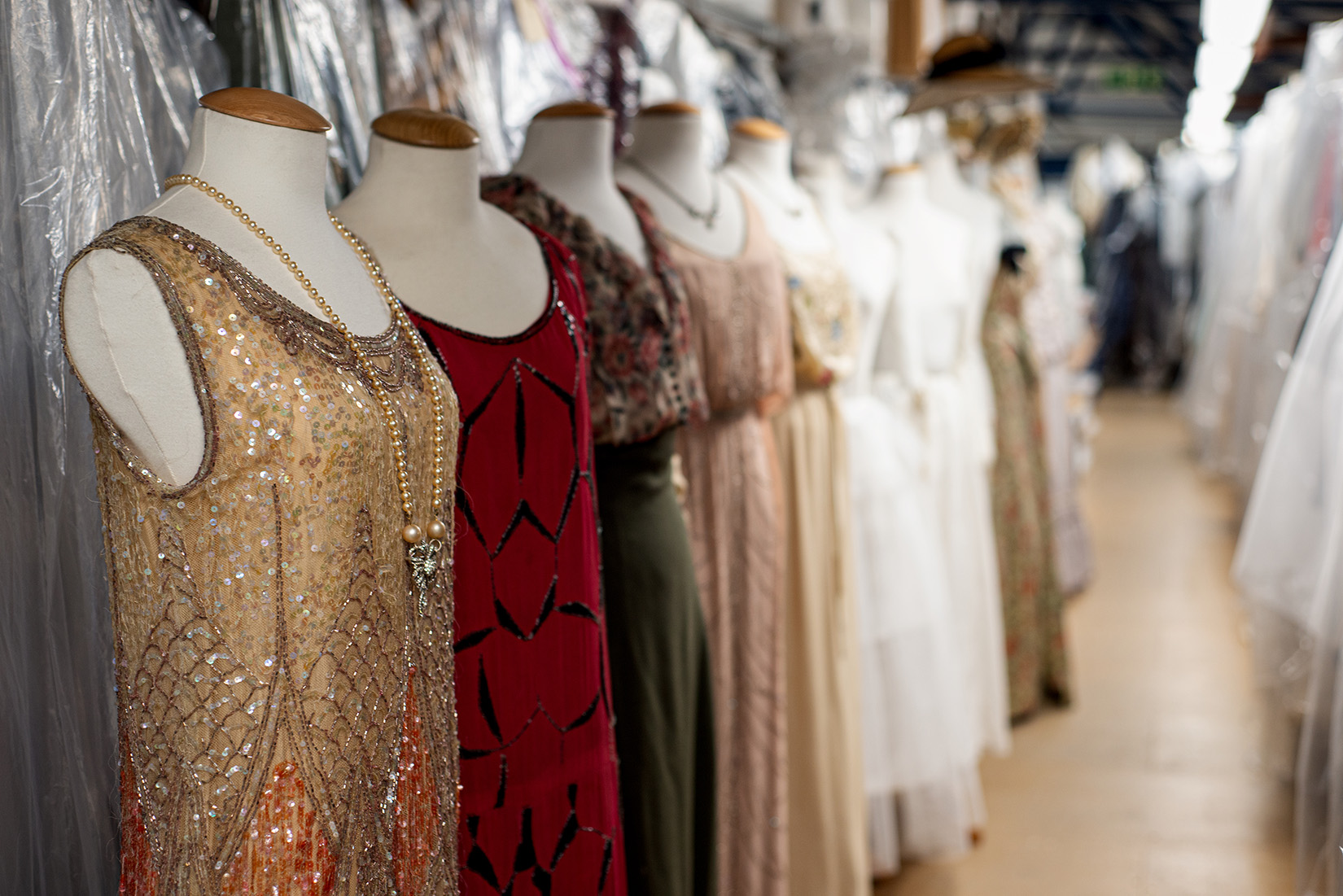
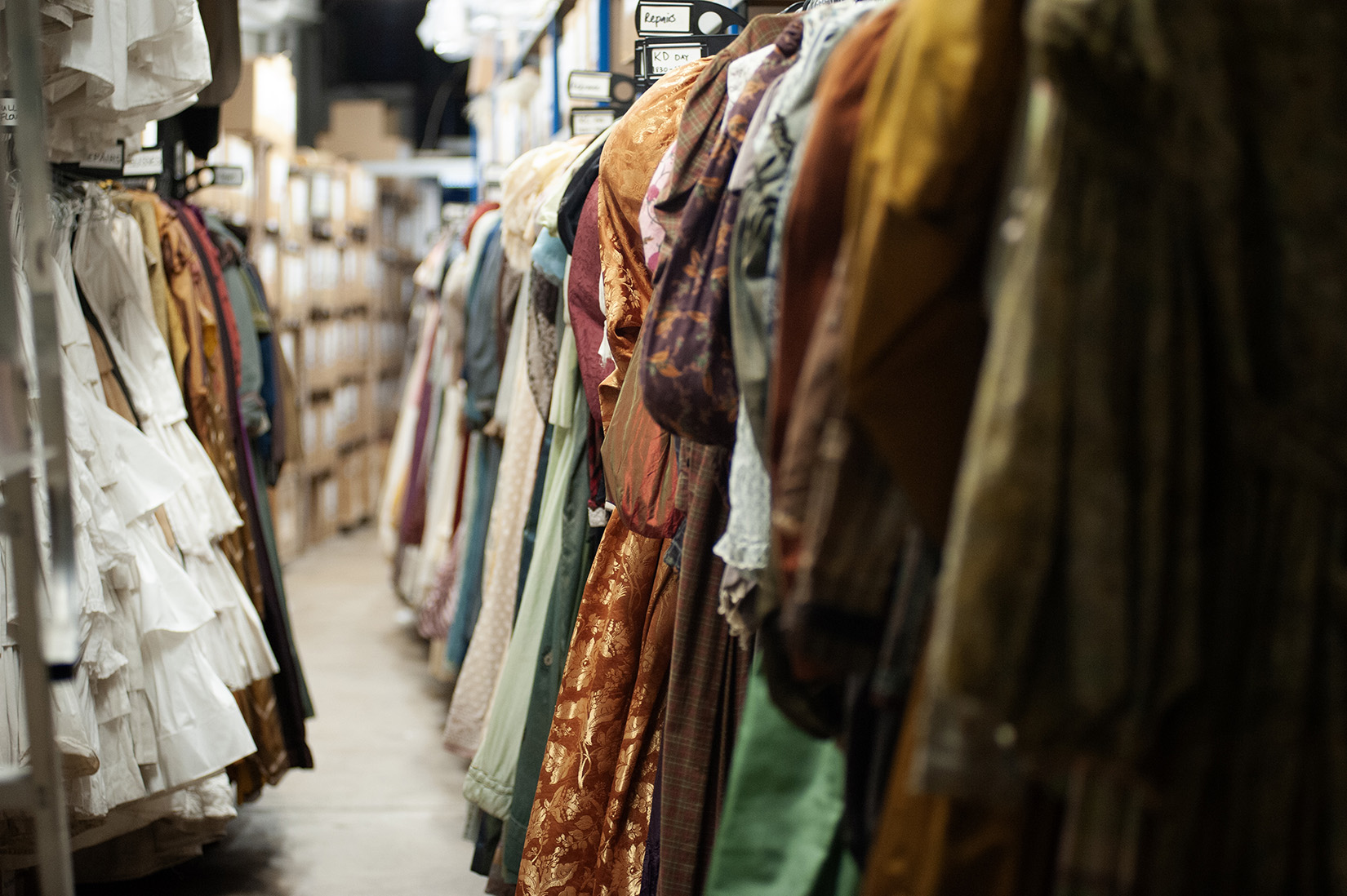
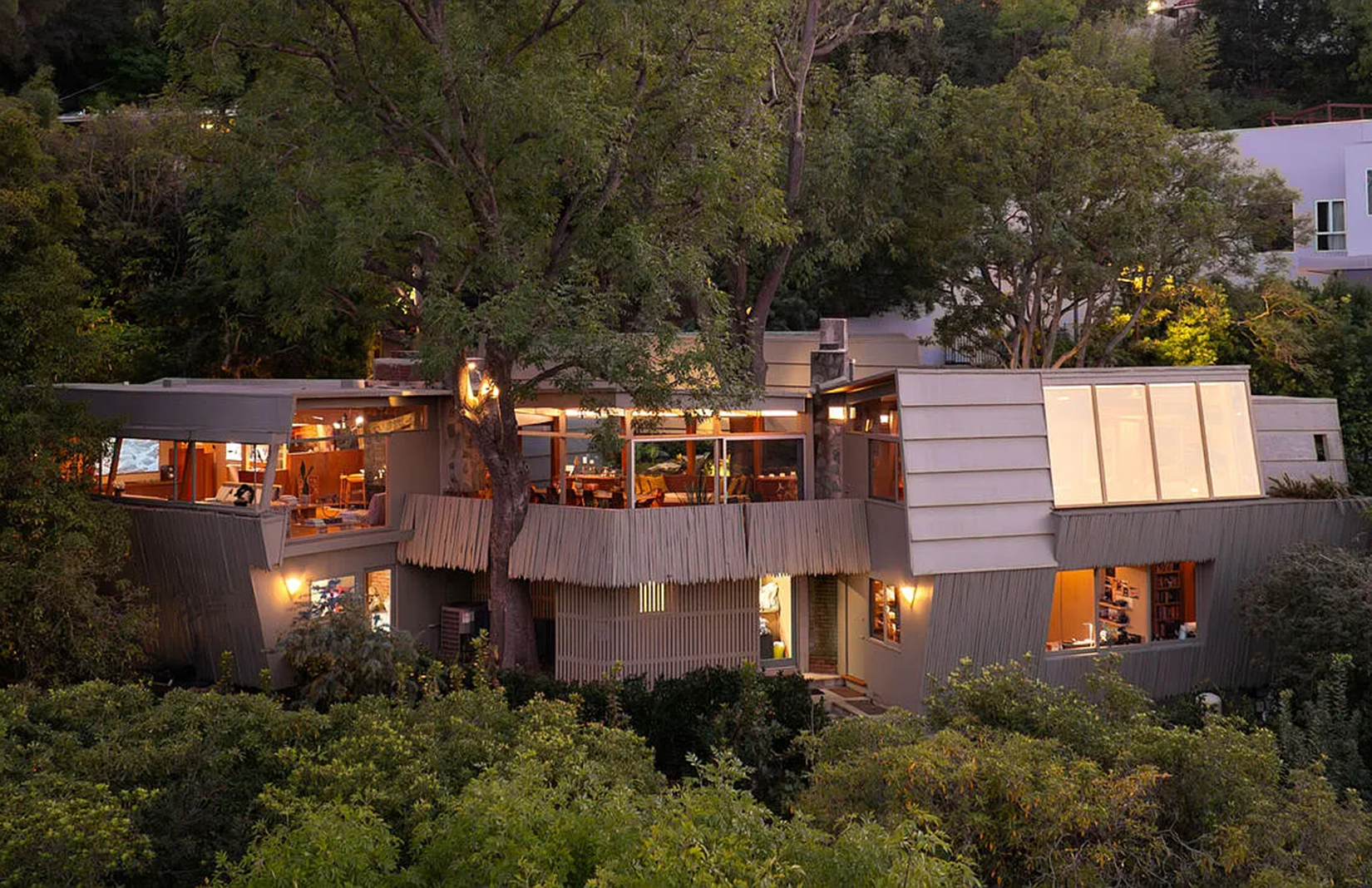
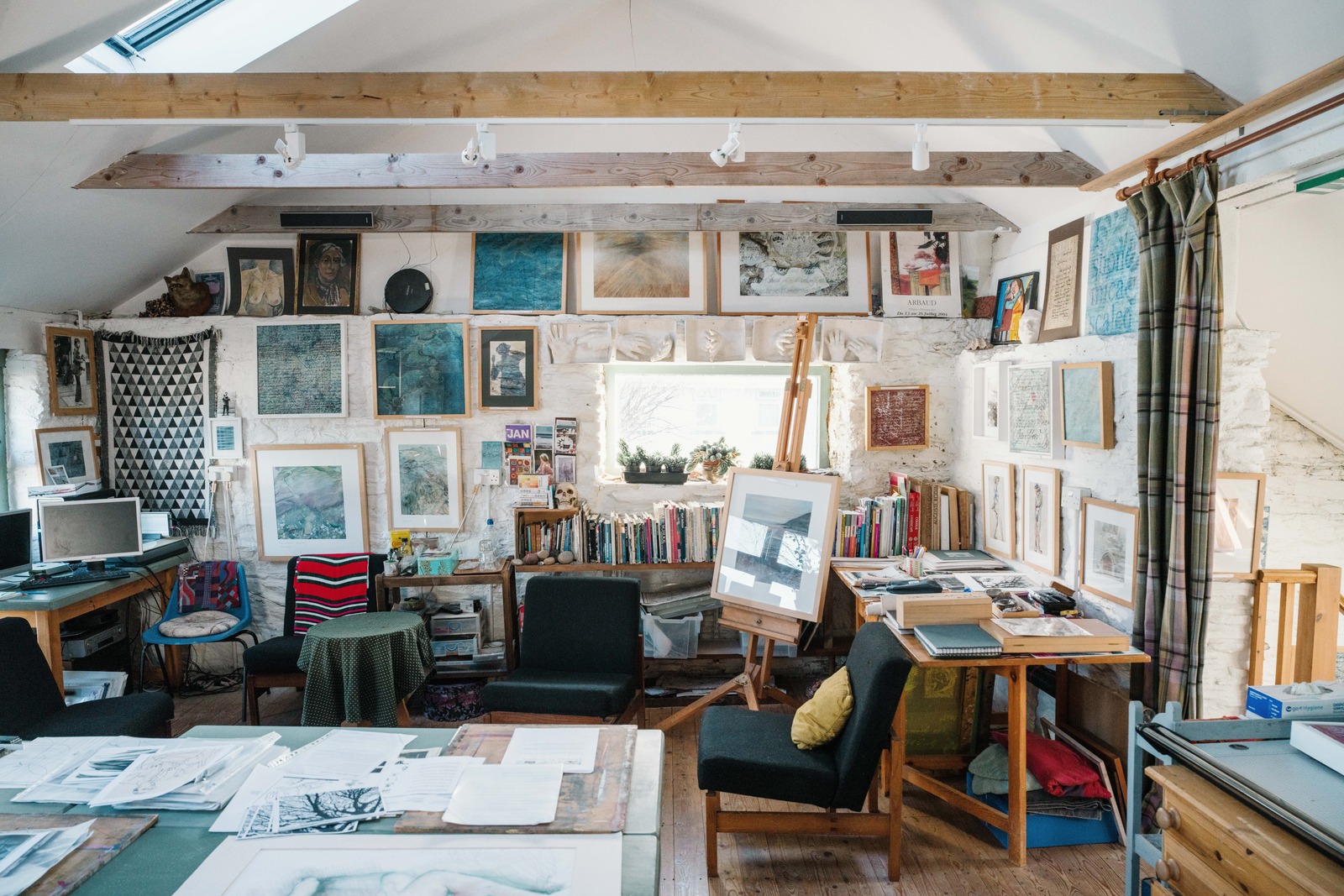
On an unassuming stretch of north London’s Holloway Road, a former Kwik-Fit garage houses thousands of period costumes that have appeared in film and TV productions, from Out of Africa to Pirates of the Caribbean. Cosprop, founded by John Bright in 1965, is all about an authentic style of costume design based on the close study of original clothing.
Now, some of the workshop’s most famous pieces – from Downton Abbey, Pride and Prejudice, Agatha Christie’s Poirot – have been taken off their hangers, placed on anatomically accurate mannequins and transported five miles across London to the Fashion and Textile Museum. The show, Costume Couture: Sixty Years of Cosprop, running from 26 September until 8 March, is the prolific costume house’s first stand-alone exhibition.
Cosprop’s 45 staff are all about authenticity, so the original, archival pieces it keeps in house — some 10,000 garments in all — are studied for their fabrics, techniques and architecture in the design of new outfits. That’s not the only quality that sets them apart from many of their rivals. ‘The method we use is more like couture than costume-making,’ says manager Chris Garlick. ‘We don’t use flat patterns. Everything is draped. And our makers make the whole costume,’ rather than focusing on one element, such as sleeves. The correct silhouette is crucial to period authenticity, so designers use underclothes like corsets, petticoats and bodices. Once the silhouette is in place, the outer layers are built up.
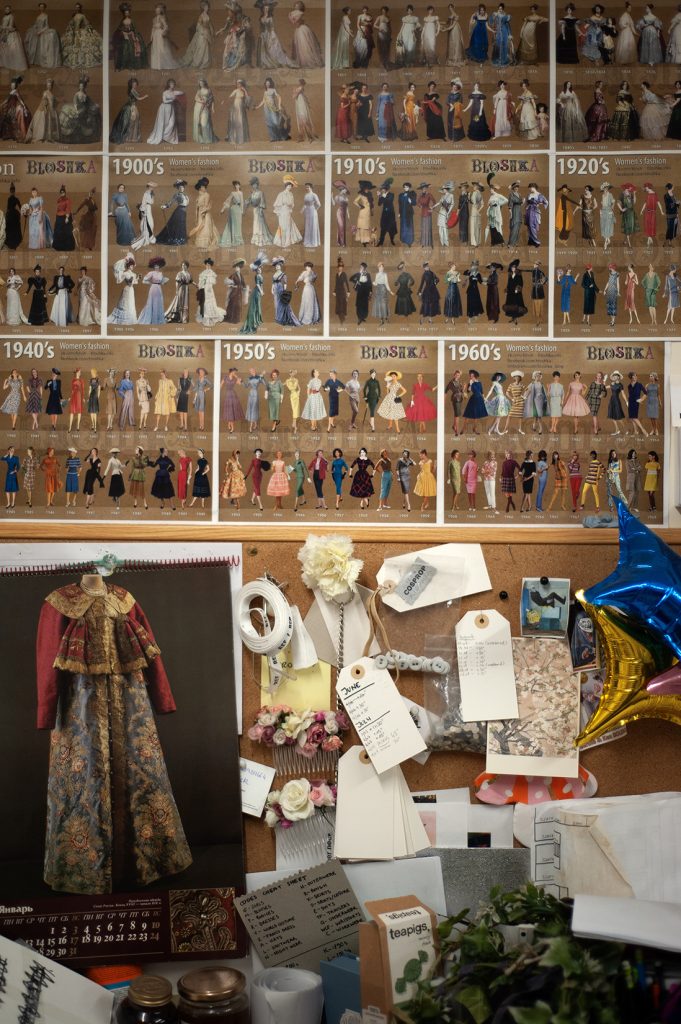
Behind the Scenes at Cosprop © Paul Bulley.
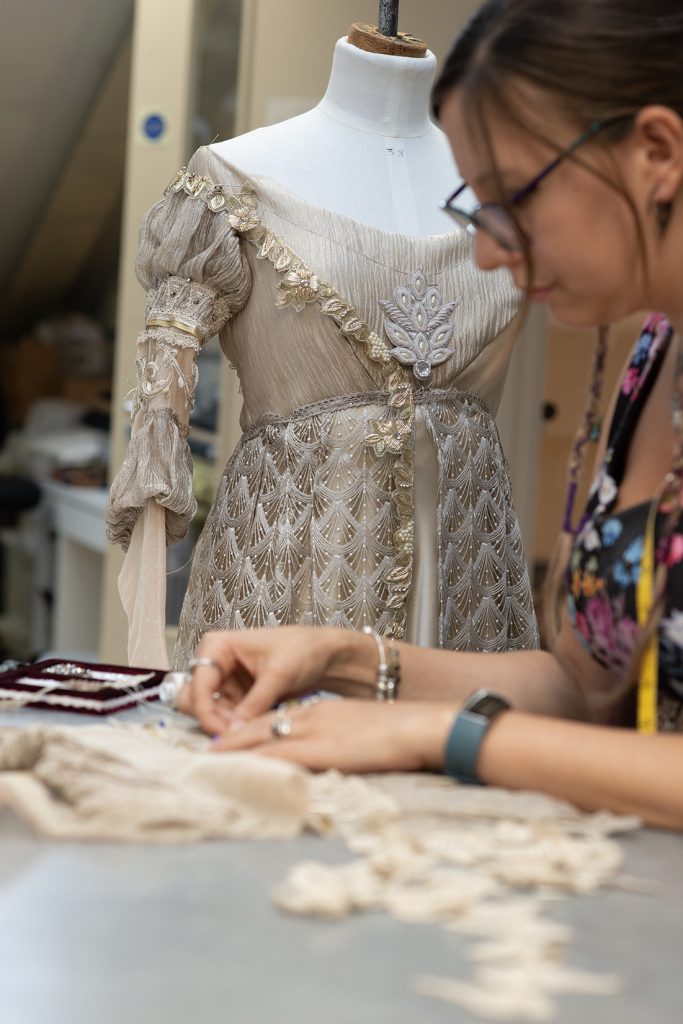
Working at Cosrop © Paul
Bulley.
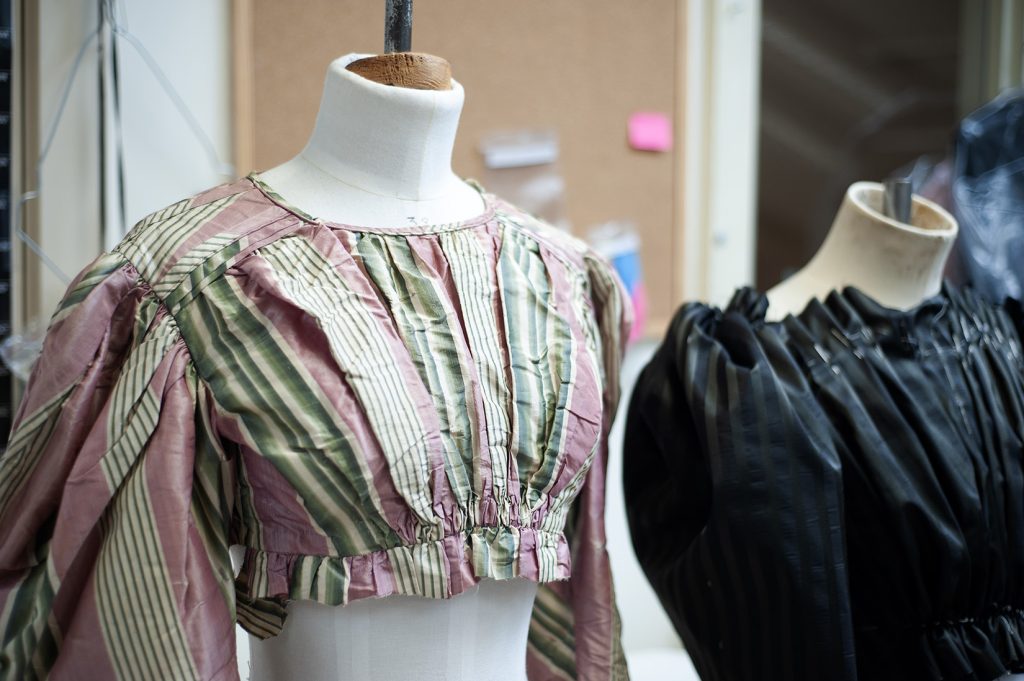
The Workroom at Cosrop © Paul Bulley.
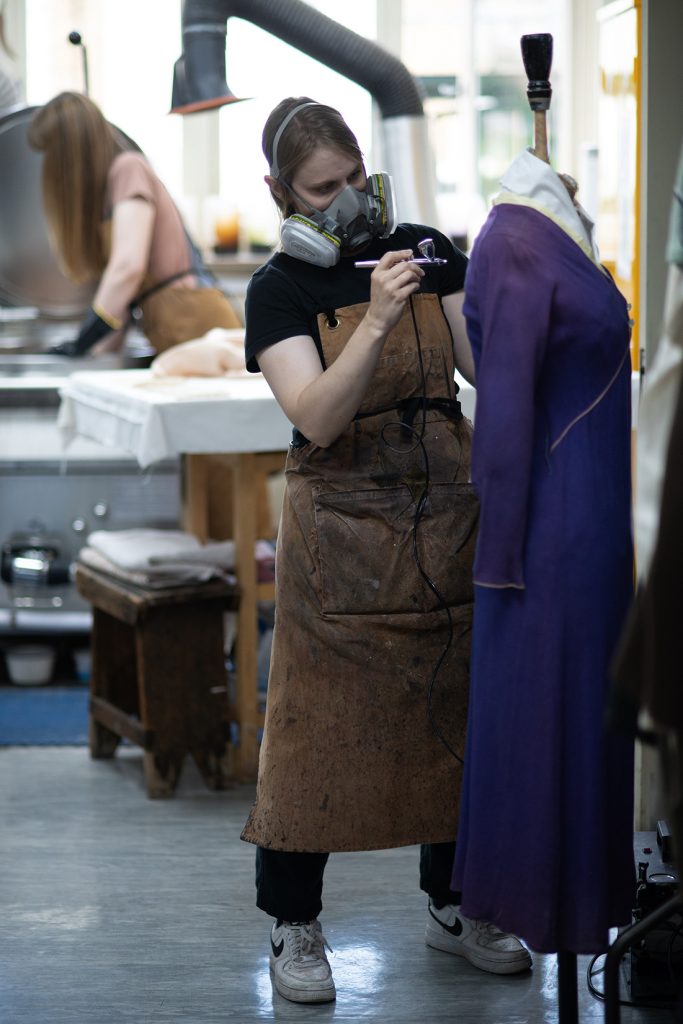
The Dye Room at Cosrop ©
Paul Bulley.
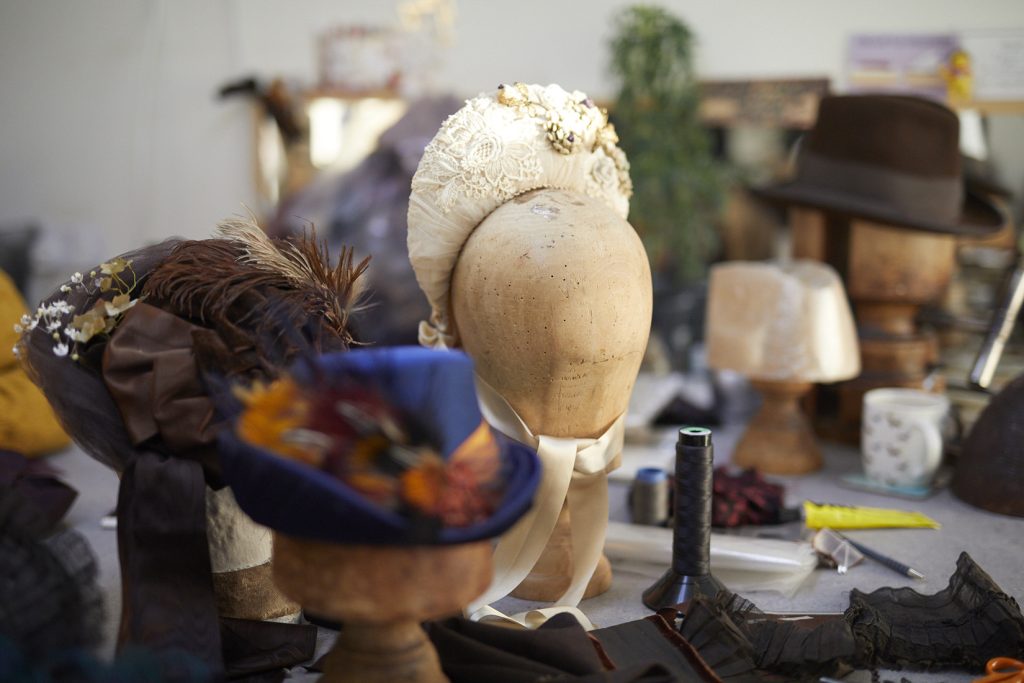
The Millinery Room at Cosprop © Paul Bulley.
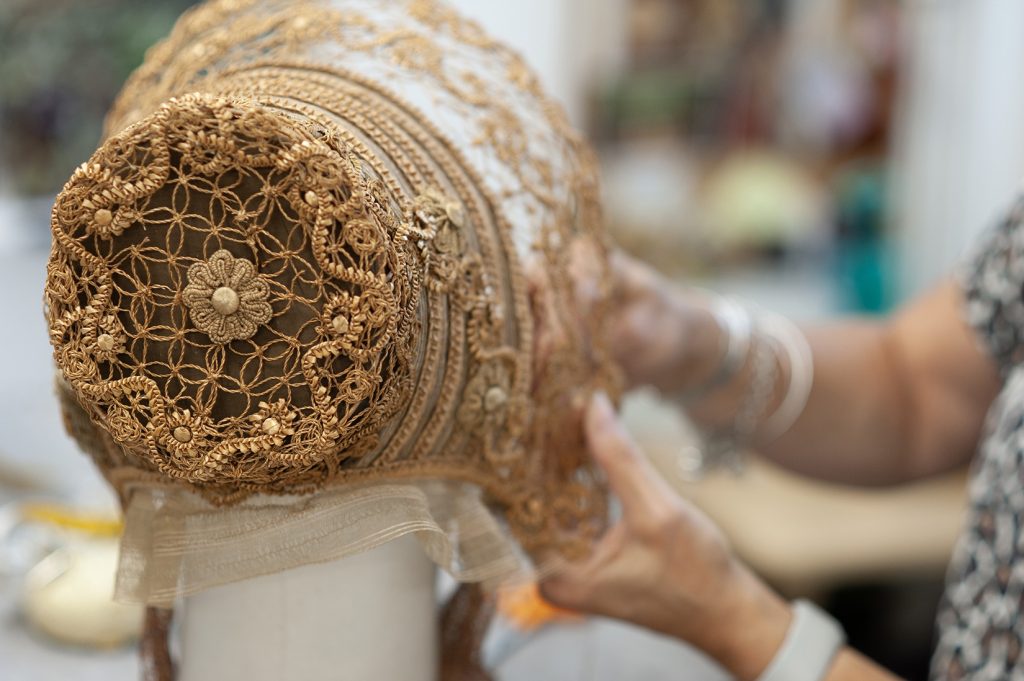
Work at Cosprop © Paul Bulley.
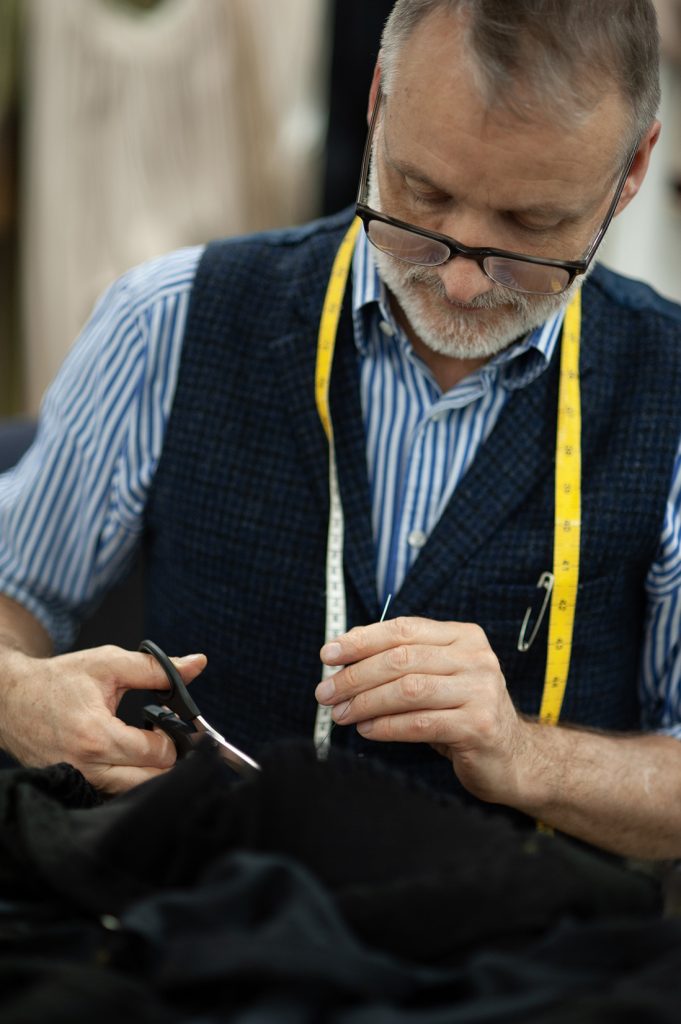
Work in the Alterations Room
© Paul Bulley.
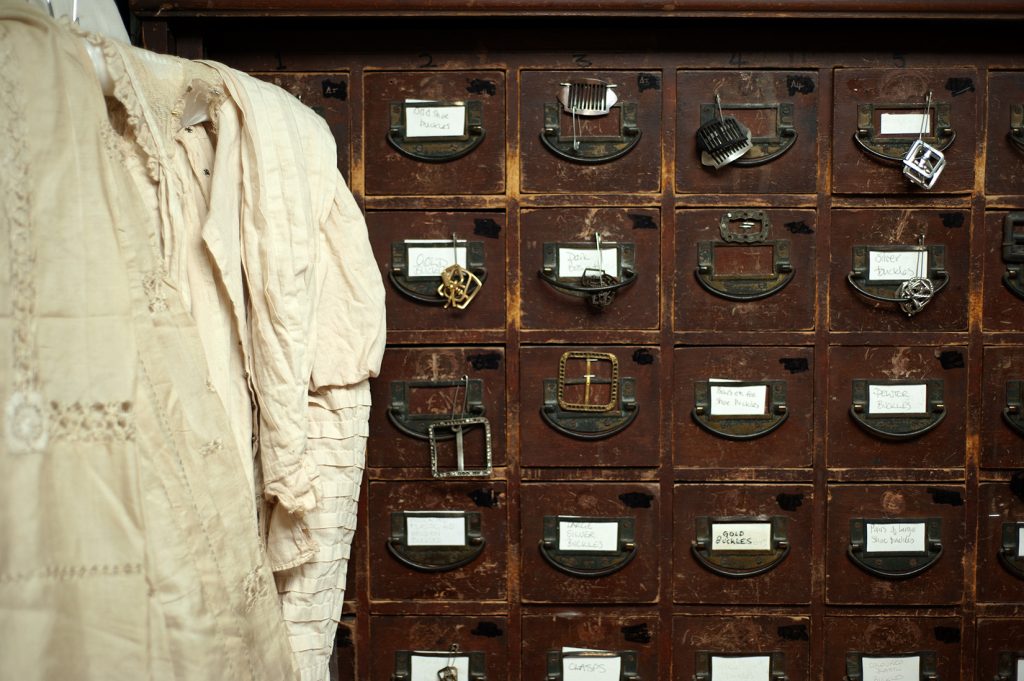
Inside Cosprop © Paul Bulley.
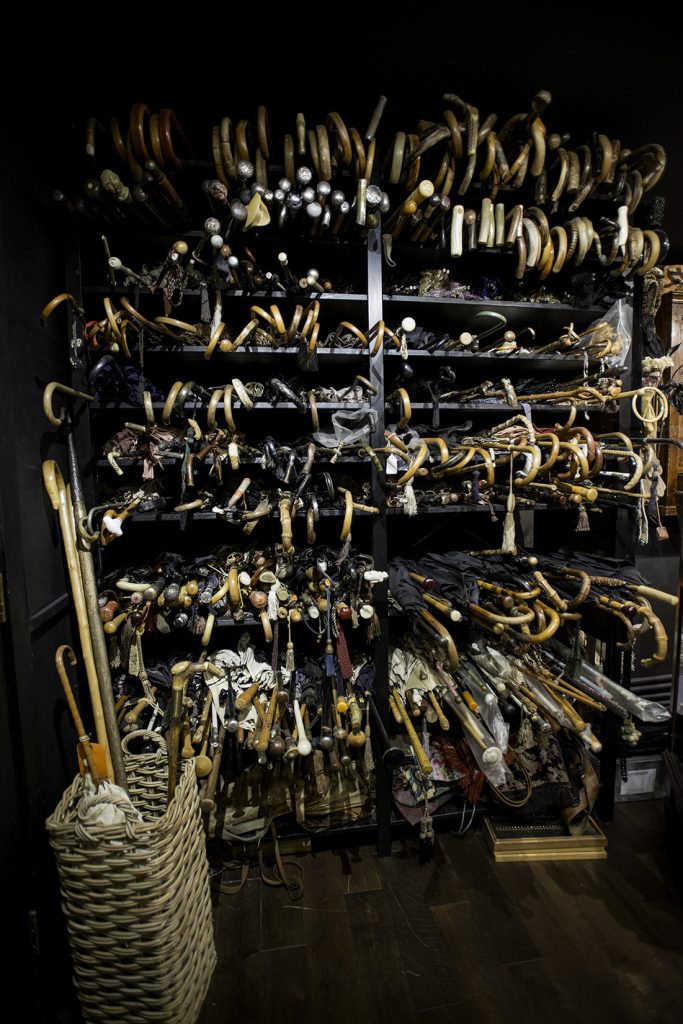
Umbrellas in The Accessories
Room at Cosprop © Paul Bulley.
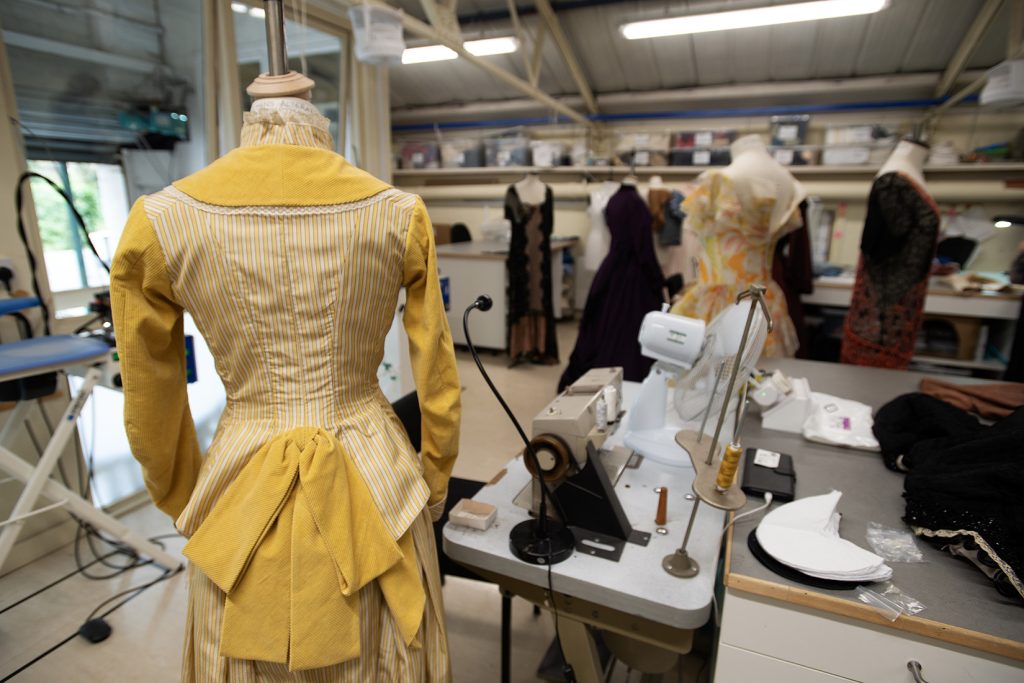
Cosprop Alterations Rooms
and The Returns Department © Paul Bulley.
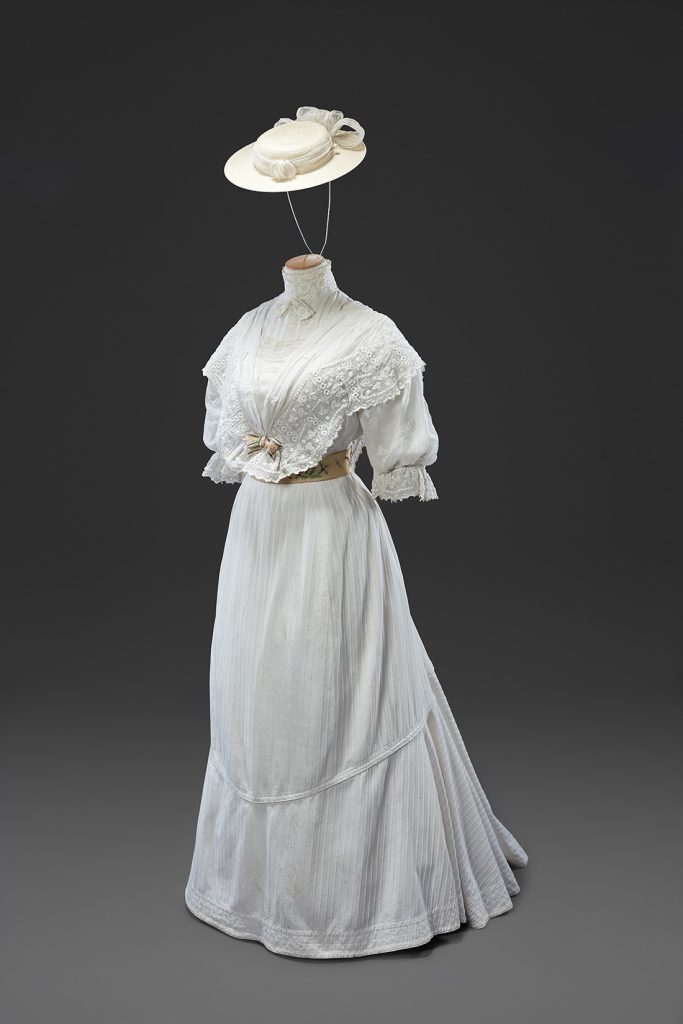
A Room with a View (1985). Costume for Helena Bonham Carter as Lucy Honeychurch. © Cosprop, Jon Stokes / Julia Buckmiller.
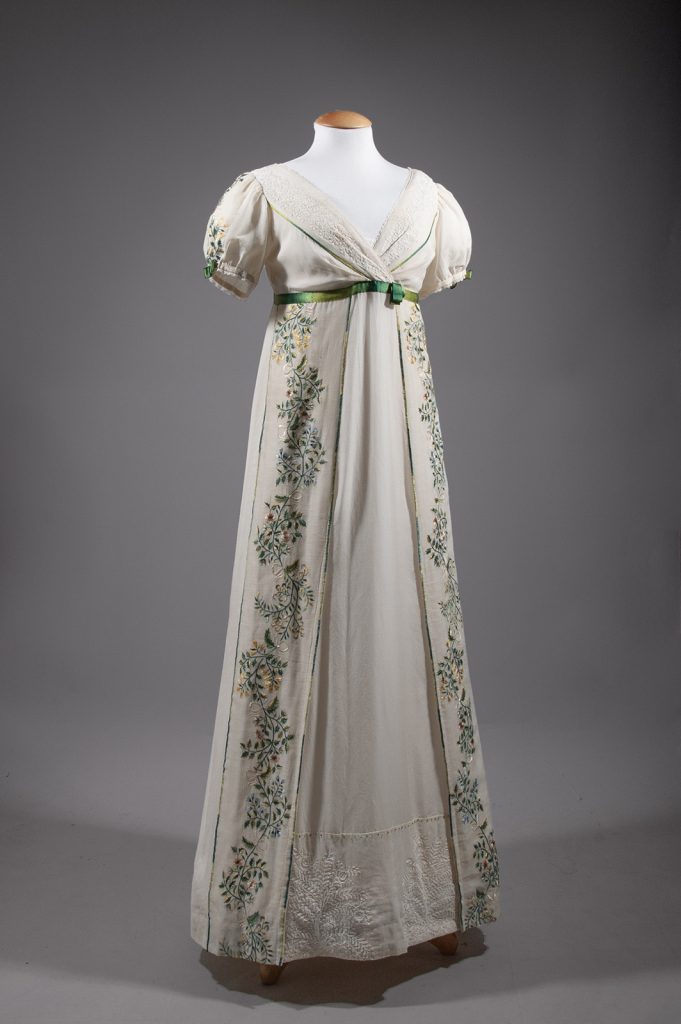
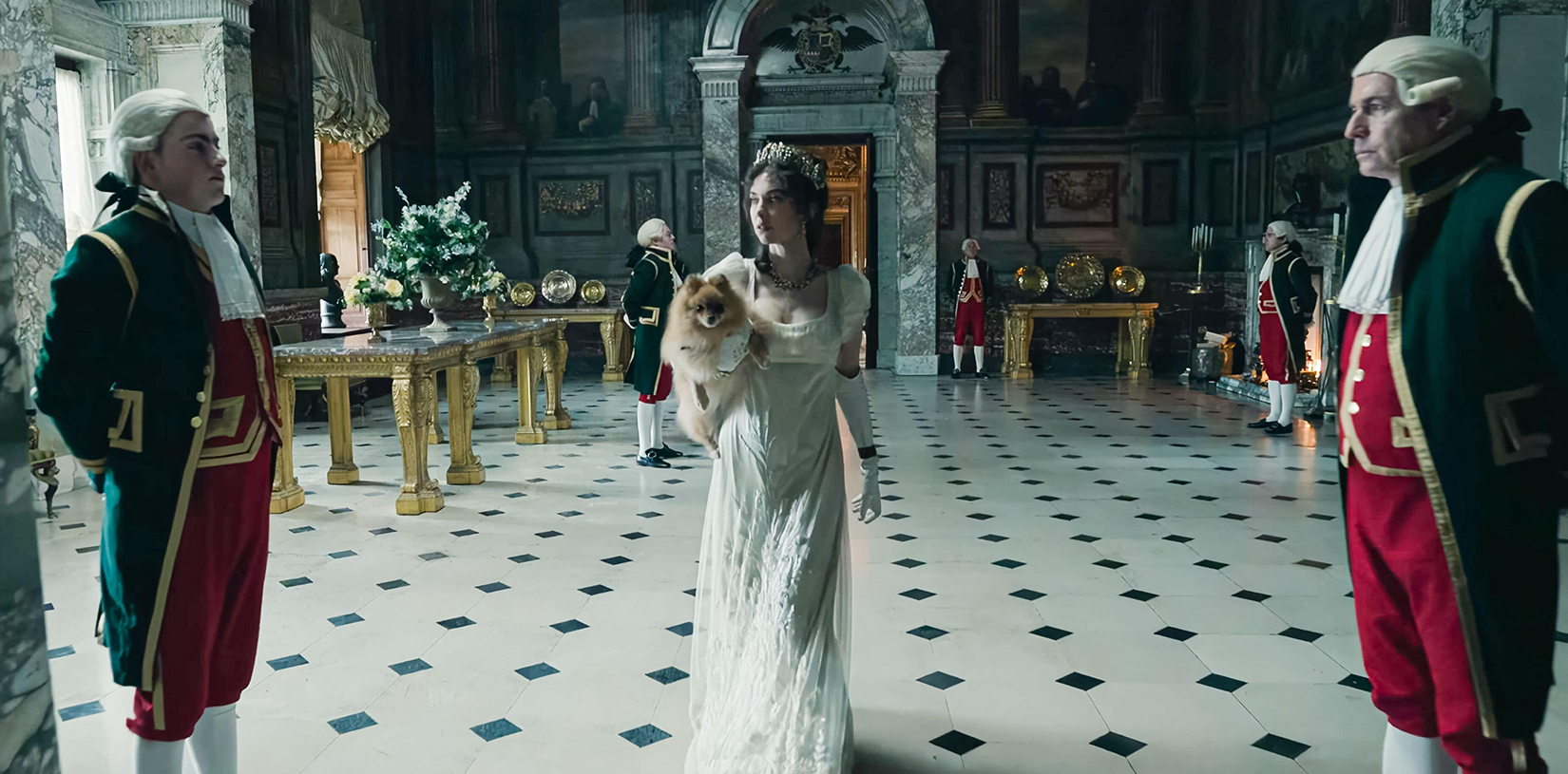
Costume for Anya Taylor-Joy as Emma. Costume Designer: Alexandra Byrne. © Cosprop, Jon Stokes / Julia Buckmiller.
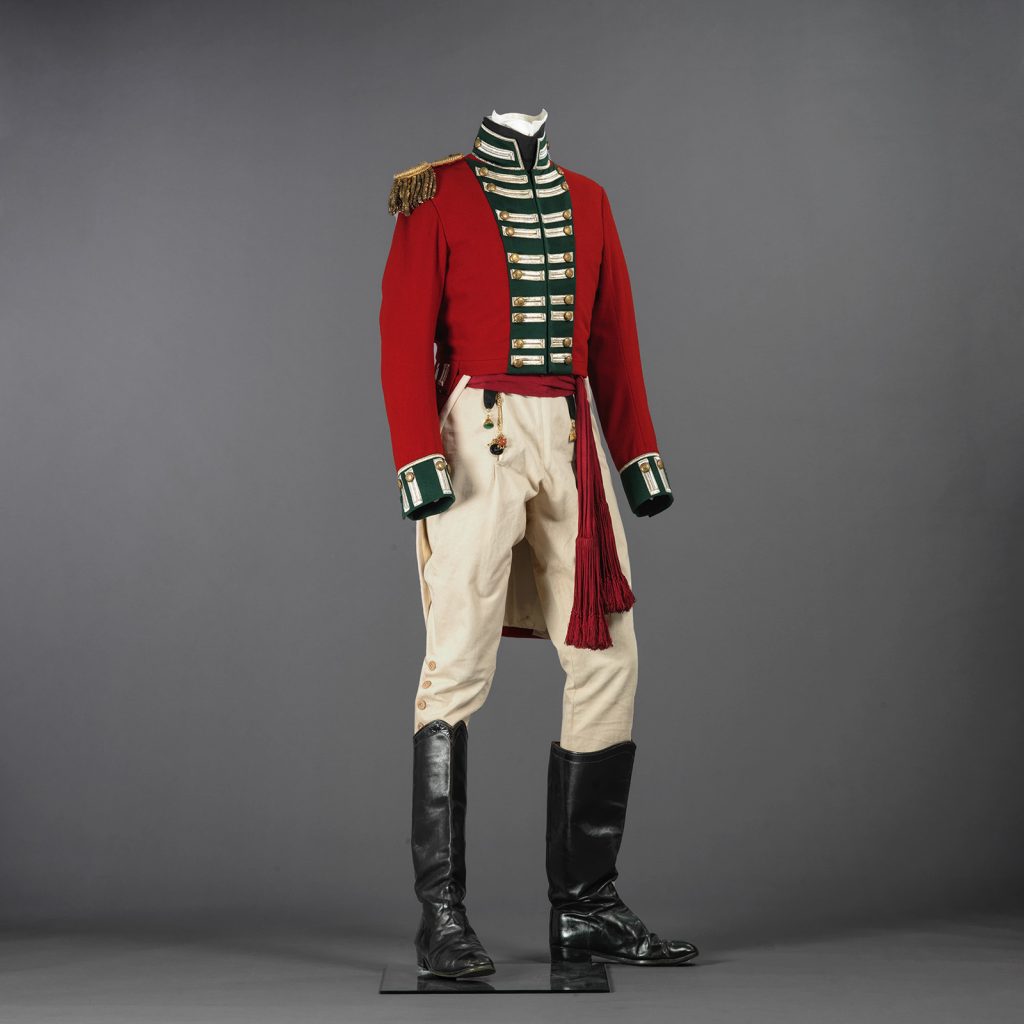
Sense and Sensibility (1995),
Costume for Alan Rickman as Colonel Brandon. Costume Designers: John
Bright, Jenny Beavan. © Cosprop, Jon Stokes / Julia Buckmiller.
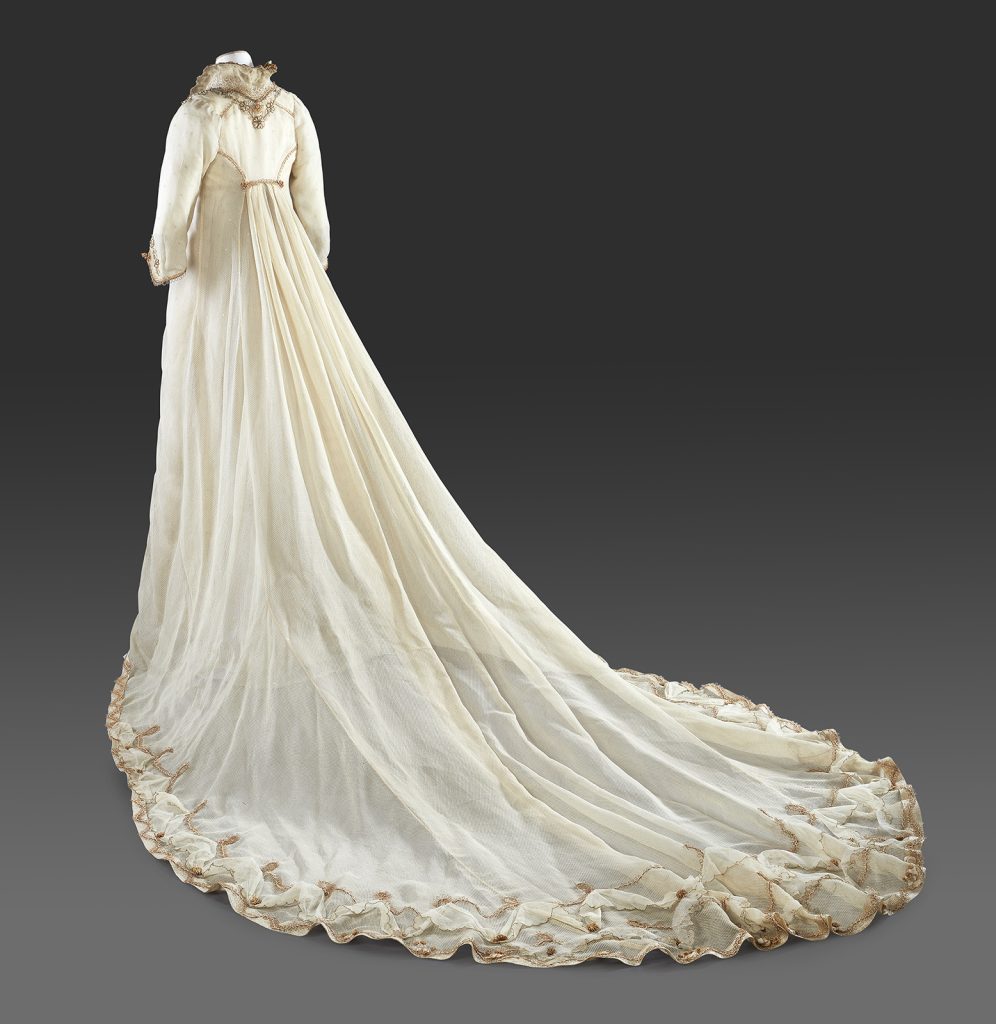
Sense and Sensibility (1995), Costume for Kate Winslett as Marianne. Costume Designers: John Bright, Jenny Beavan. © Cosprop, Jon Stokes / Julia Buckmiller.
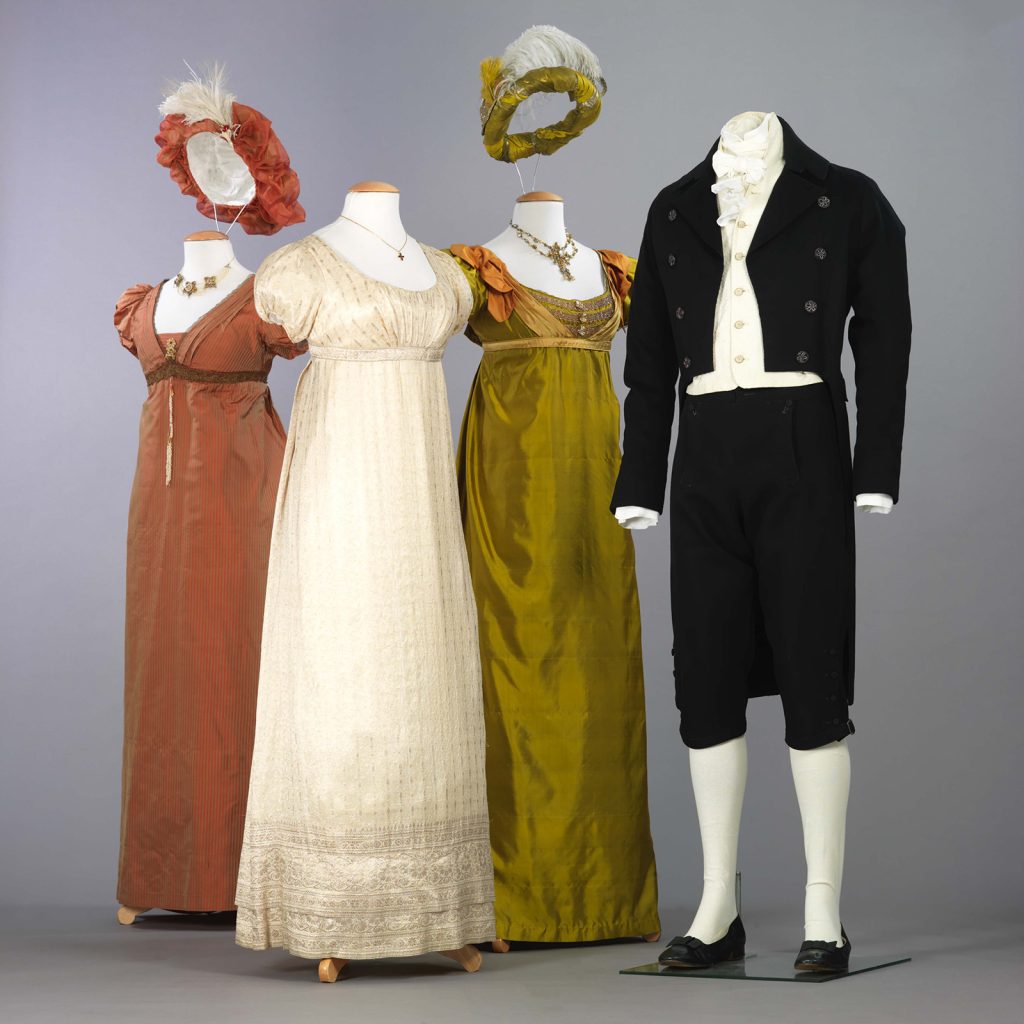
Pride and Prejudice (1995), various Costumes. Costume Designer: Dinah Collin. © Cosprop, Jon Stokes / Julia Buckmiller.
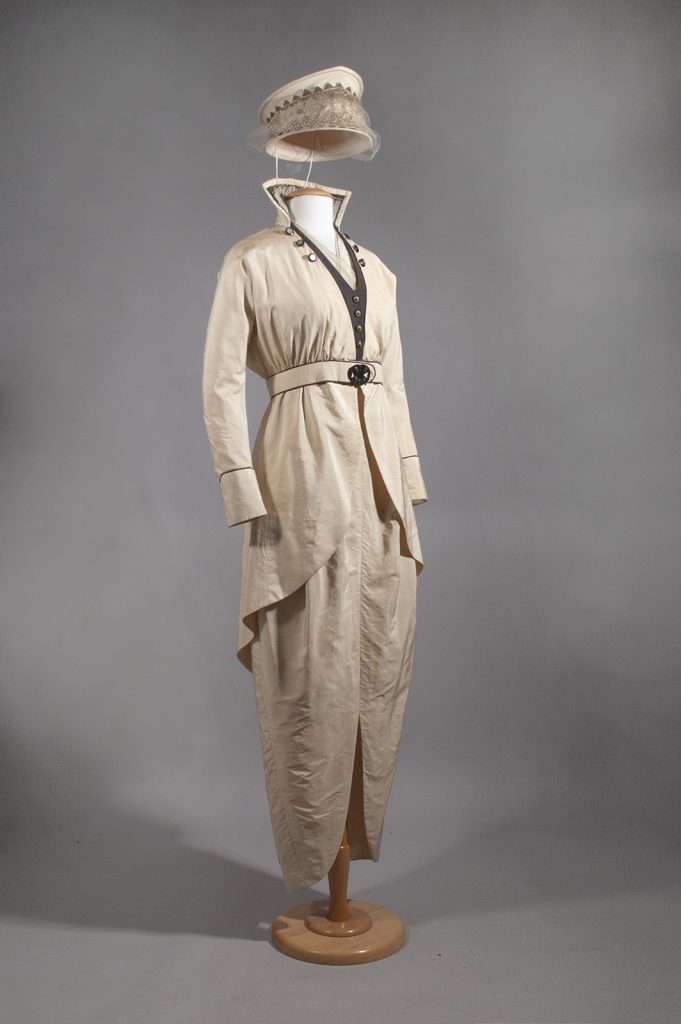
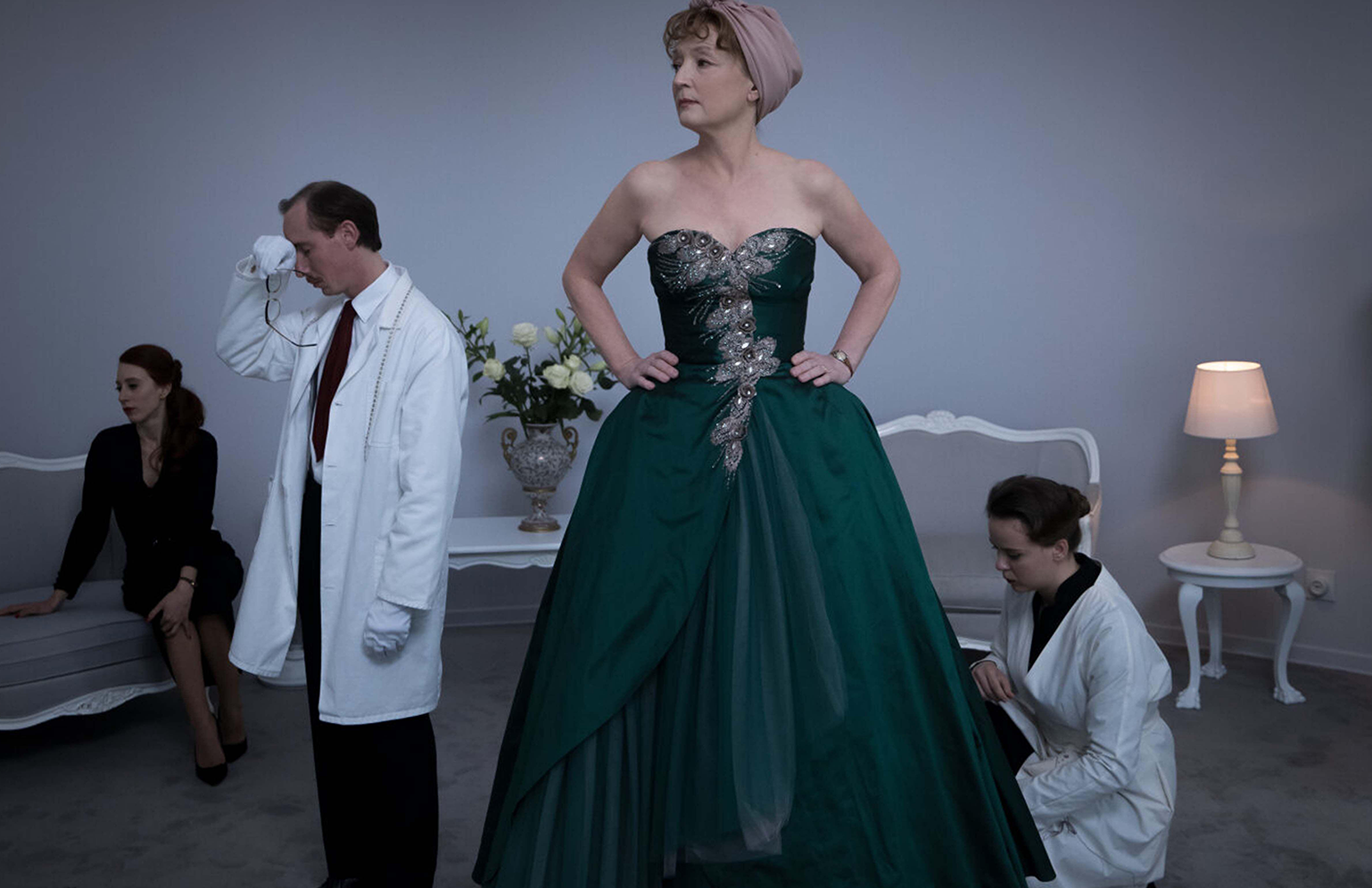
Out of Africa (1985), costume for Meryl Streep as Karen Blixen. Costume Designer: Milena Canonero. © Cosprop, Jon Stokes / Julia Buckmiller.
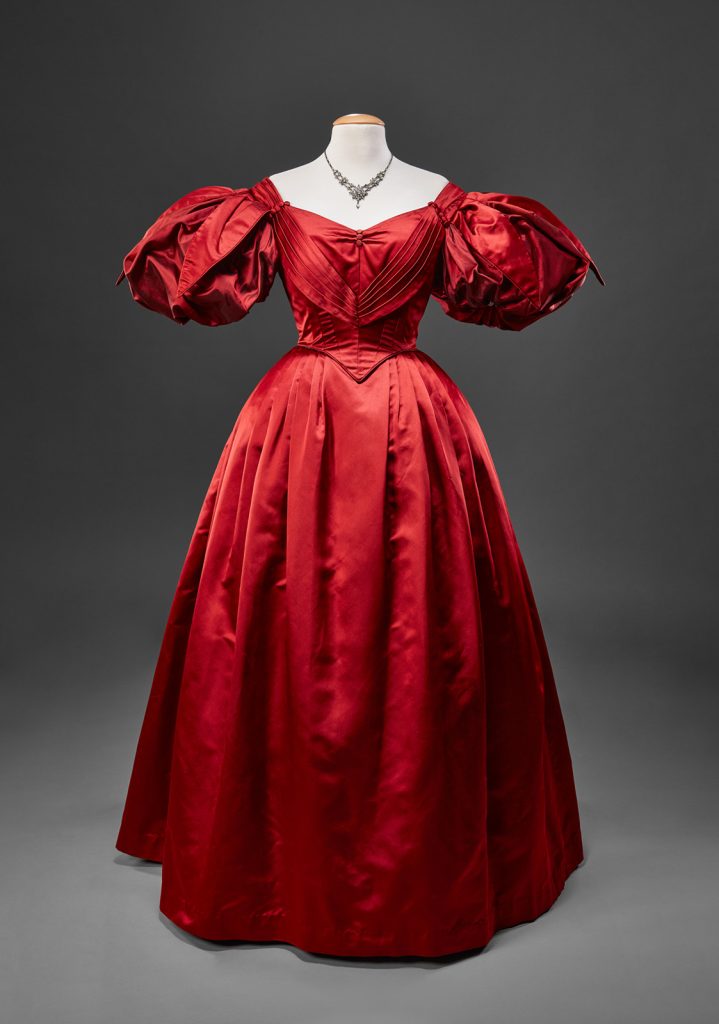
Costume for Liv Tyler as Tatyana Larina. Costume Designers: John Bright, Chloe Obolensky. © Cosprop, Jon Stokes / Julia Buckmiller.
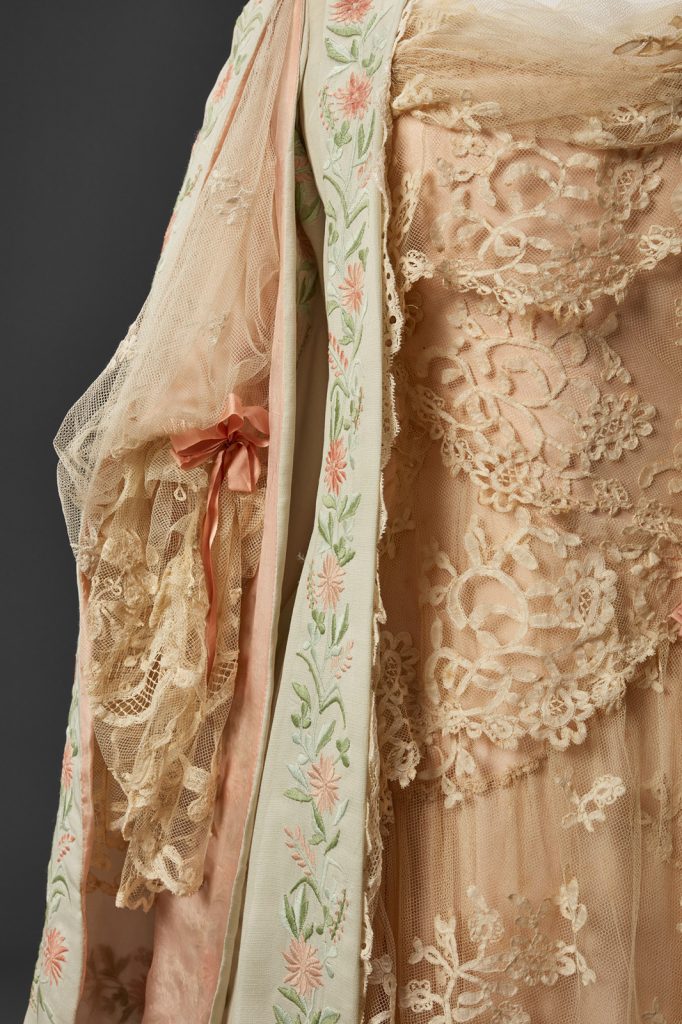
Tess (1979), Costume for Natassja Kinski as Tess. Costume Designer: Anthony Powell. © Cosprop, Jon Stokes / Julia Buckmiller.
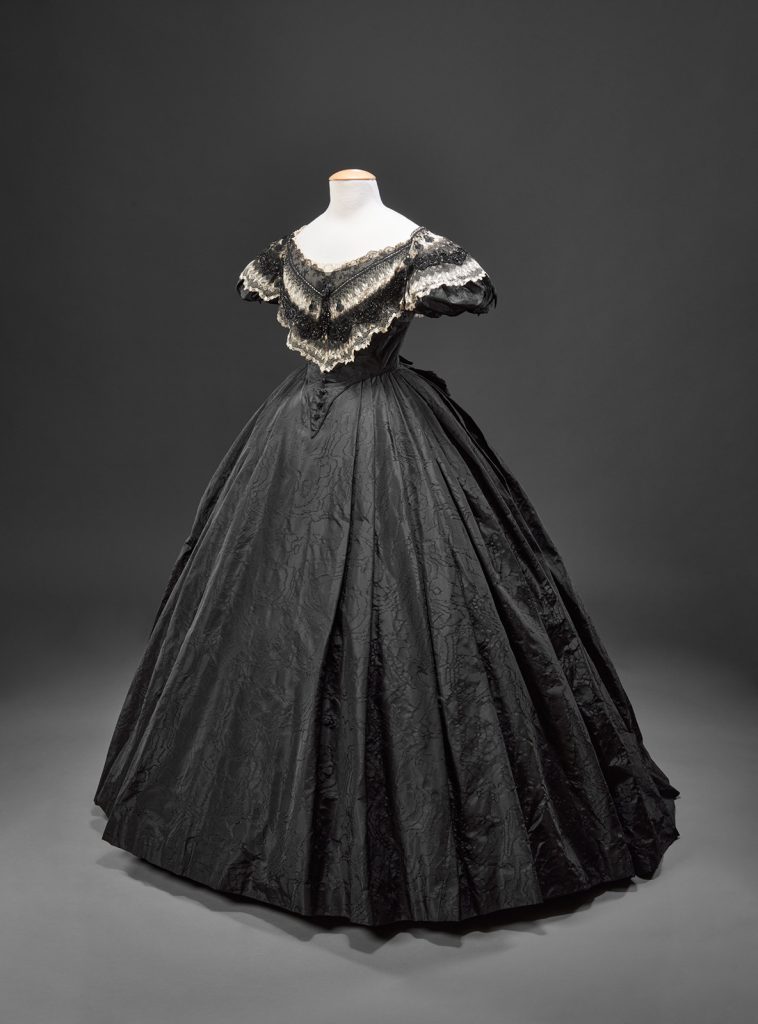
The Aeronauts (2019), Costume for Felicity Jones as Amelia. Costume Designer: Alexandra Byrne. © Cosprop, Jon Stokes / Julia Buckmiller.
A commission works like this: a costume designer for a period show or flashback comes to Cosprop with a drawing — or, more likely these days, a mood board — for a main character’s costume. The principal actors in the show (Cosprop is given a code name for privacy reasons) visit the workshop to get measured, and typically come back for fittings. Upon return, the costume will be put under embargo until the film’s release. And unless the producer has bought it, it will join Cosprop’s stock.
Meanwhile, ‘lesser principle’ actors and extras wear costumes from the hire racks. ‘We build in seams so that they can be altered,’ Garlick says, ‘so they will last.’ This is particularly important as body shapes and sizes change.
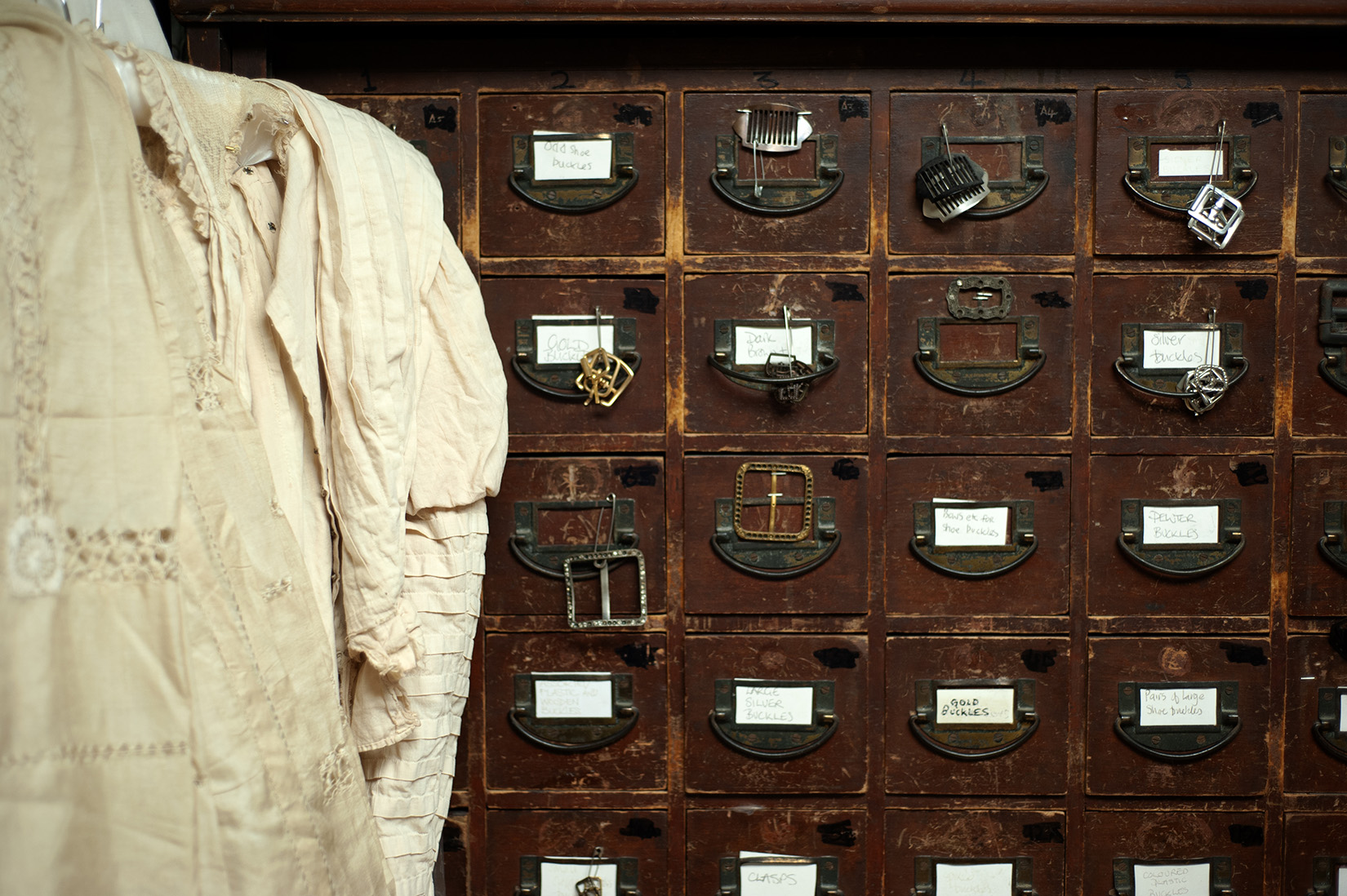
Even Cosprop’s reception area is a step back in time. With its white wicker seating, giant houseplants, big mirror and skylights, it’s reminiscent of an Edwardian conservatory, and the visitor finds themselves channelling A Room With A View. Just off this are two fitting rooms, and down a corridor is an accessories room choc-a-bloc with umbrellas, handbags, rings and necklaces.
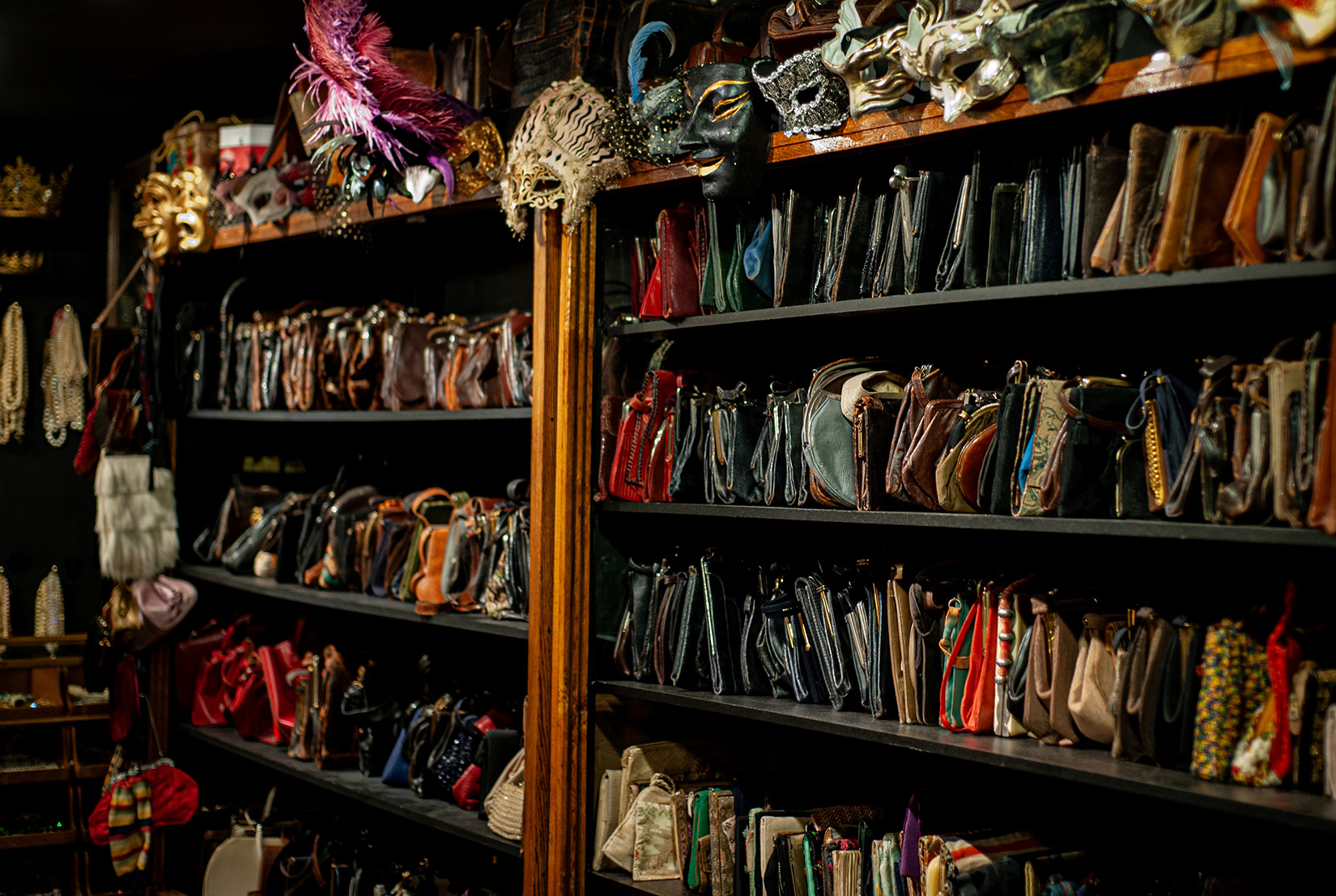
Past a cabinet of Victorian theatrical costume jewellery (too valuable to hire out, according to Garlick), you enter the wow-factor double-height warehouse, where rows of men’s, women’s and children’s outfits hang according to period and type (daywear, eveningwear, wedding dresses…). Beyond are the workrooms. In one, a milliner mends a straw hat; in the alteration room, seamstresses and tailors repair and rebuild worn items. There’s also a dyeing room – Cosprop uses only natural fabrics, meaning everything can be dyed. And up in the workroom — more skylights — 12 people are making costumes.
Often, these newly made or remade costumes need to look worn. A prime example: the wedding dress crafted for Maxine Audley’s Miss Havisham, the long-suffering jilted bride in Dickens’s Great Expectations. Her costume’s lace has been torn and the fabric rendered with a dark sheen, indicating the decades she spent refusing to change her clothes, ruing her bad luck. Made in 1967, it was John Bright’s first costume commission for TV.
Bright is soon to retire, but Cosprop lives on — not least in this exhibition, accompanying book and forthcoming film, made by the V&A’s curator of film, Emily Harris.