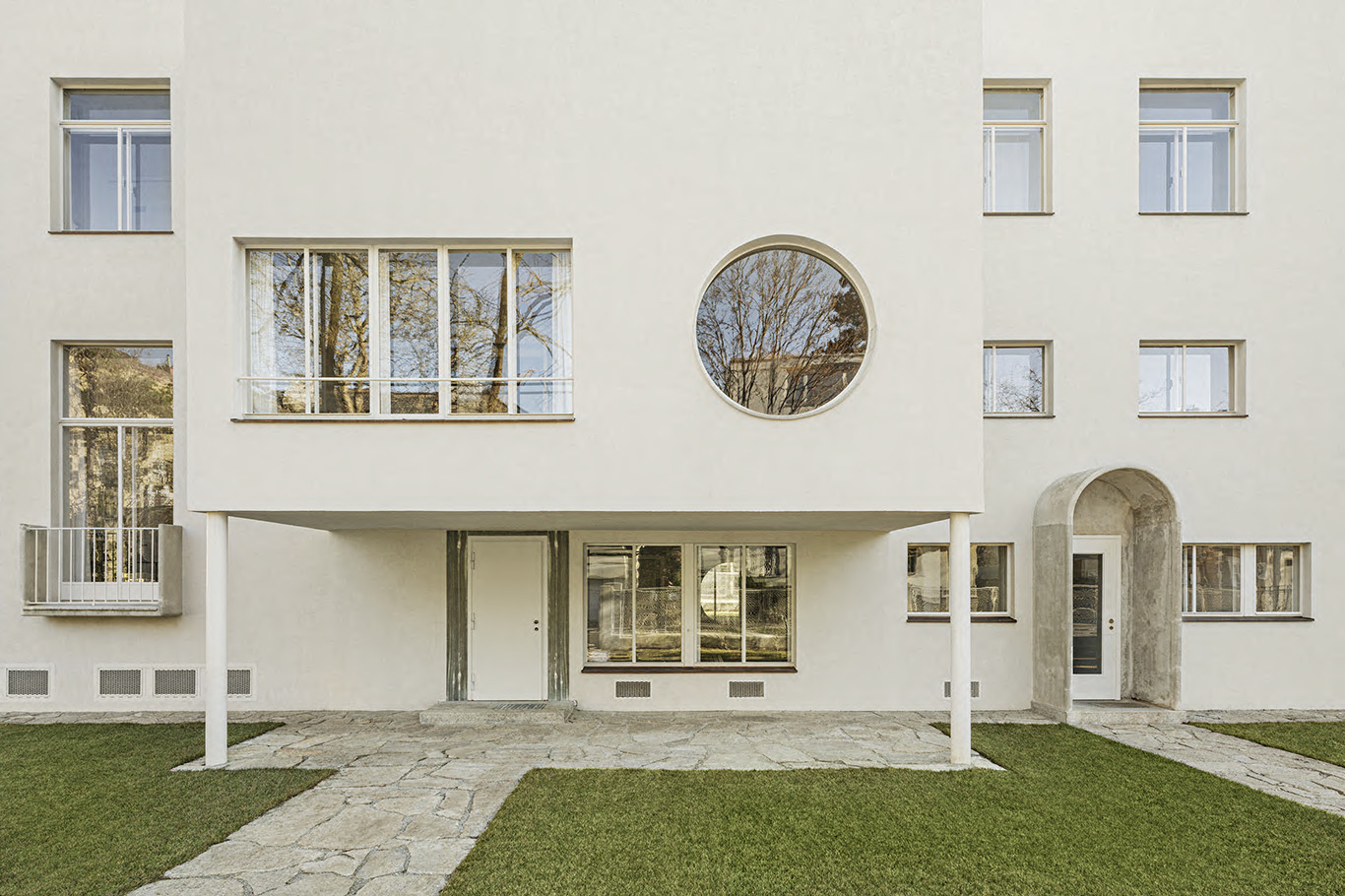
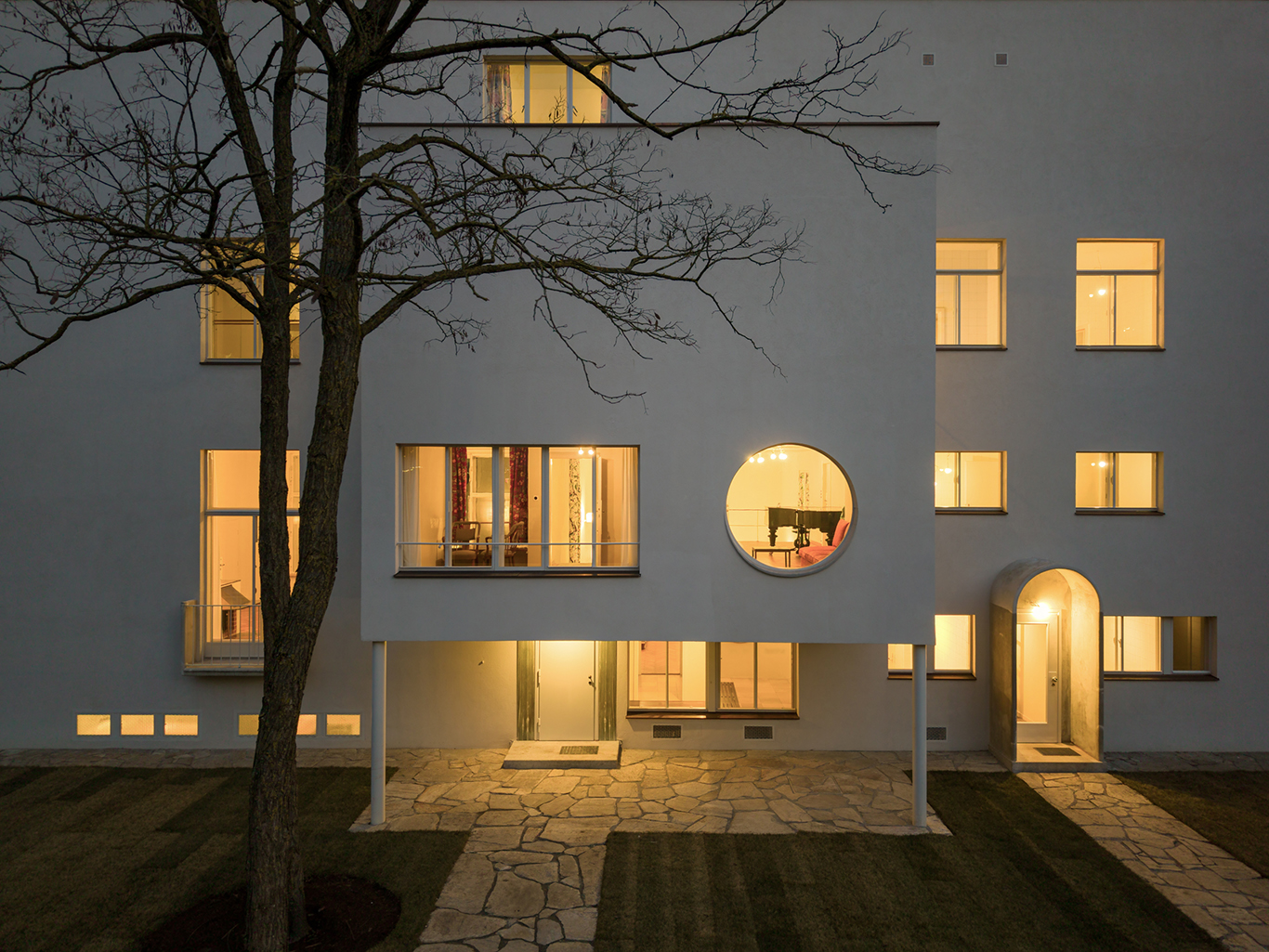
Josef Frank is well known for his impact on Swedish design — particularly at Svenskt Tenn, where his woodcraft and floral fabrics continue to sell. Less known is the architecture he left behind in his native Austria. Between the wars, Frank’s pioneering style, developed with his partner Oskar Wlach, was responsible for some of Vienna’s most memorable modernist housing. The commission for Villa Beer — from rubber magnate Julius Beer in the neighbourhood of Hietzing — came at the pinnacle of his career there, and its distinctive geometric structure epitomised his tendency for homely functionality.
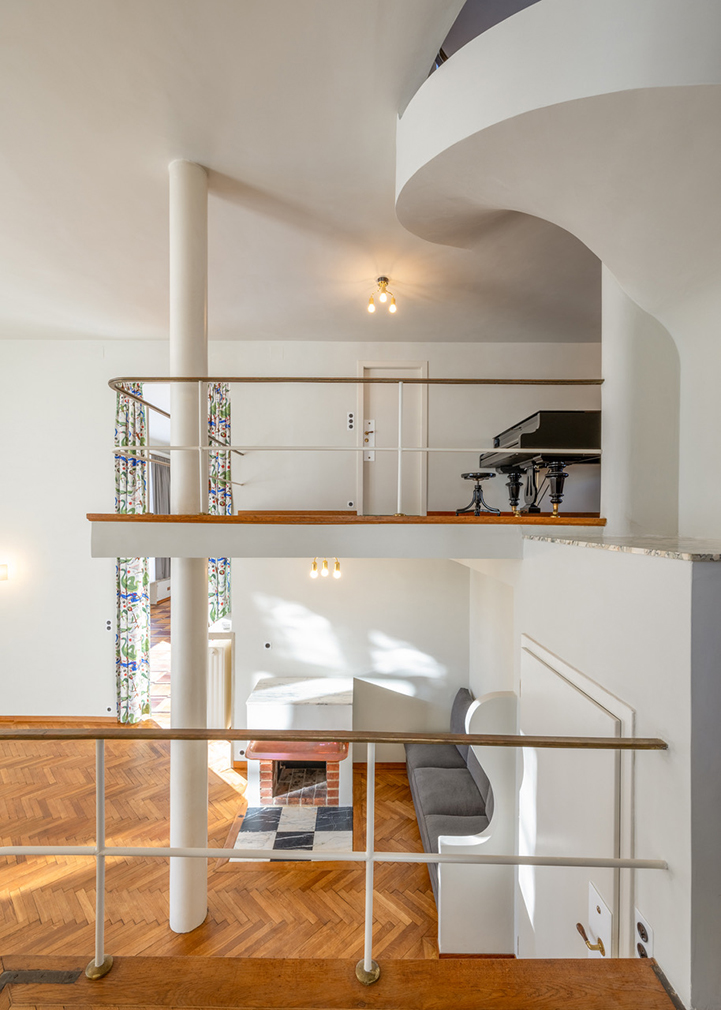
Photography: Stefan Huger.
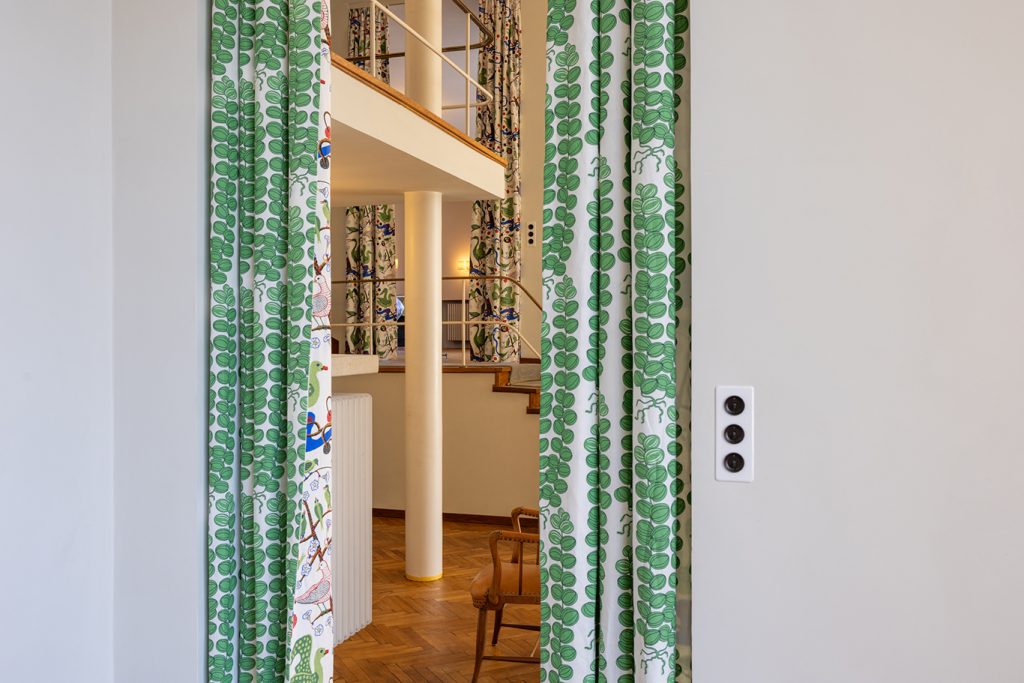
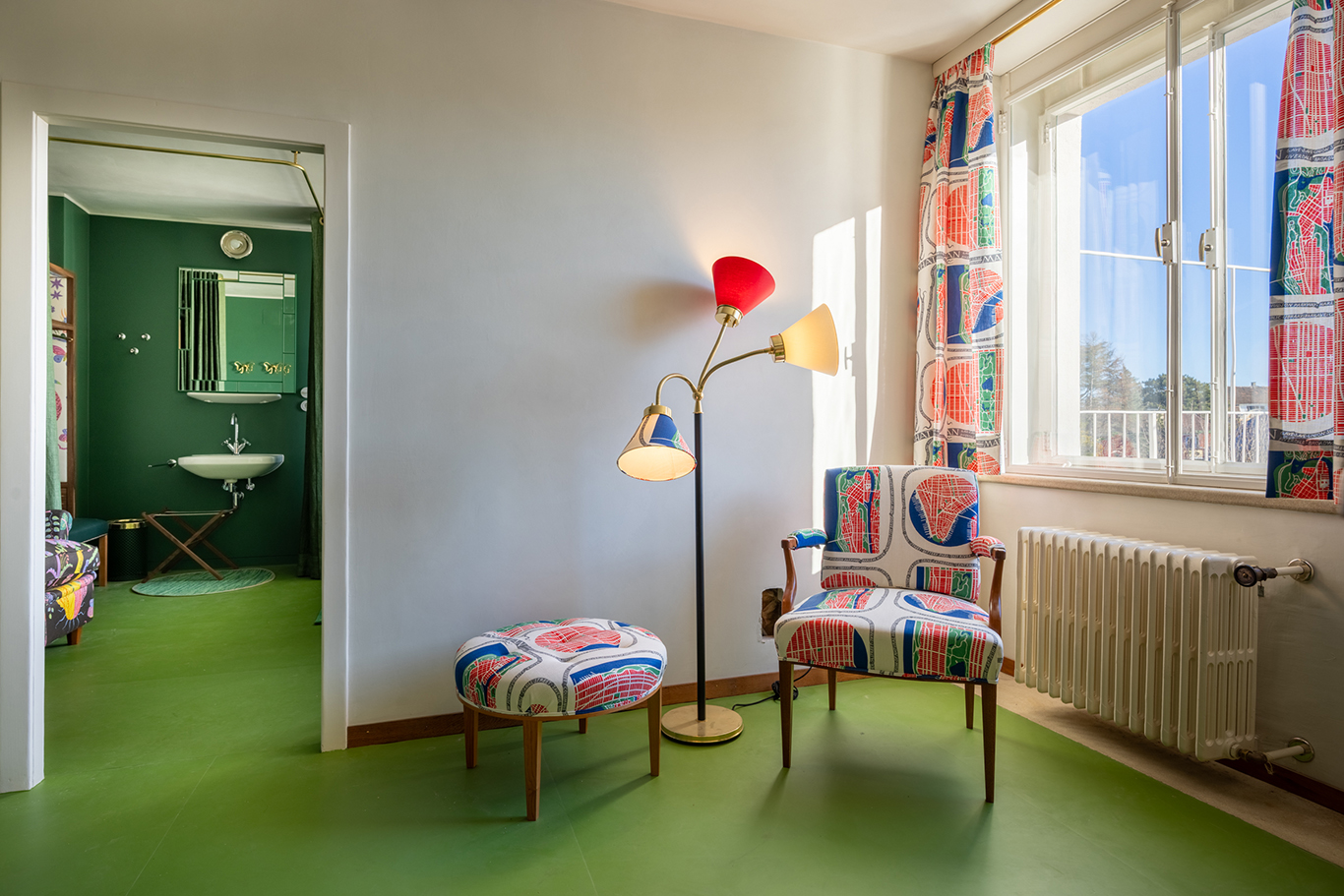
The new curtains. Photography: Stefan Huger.
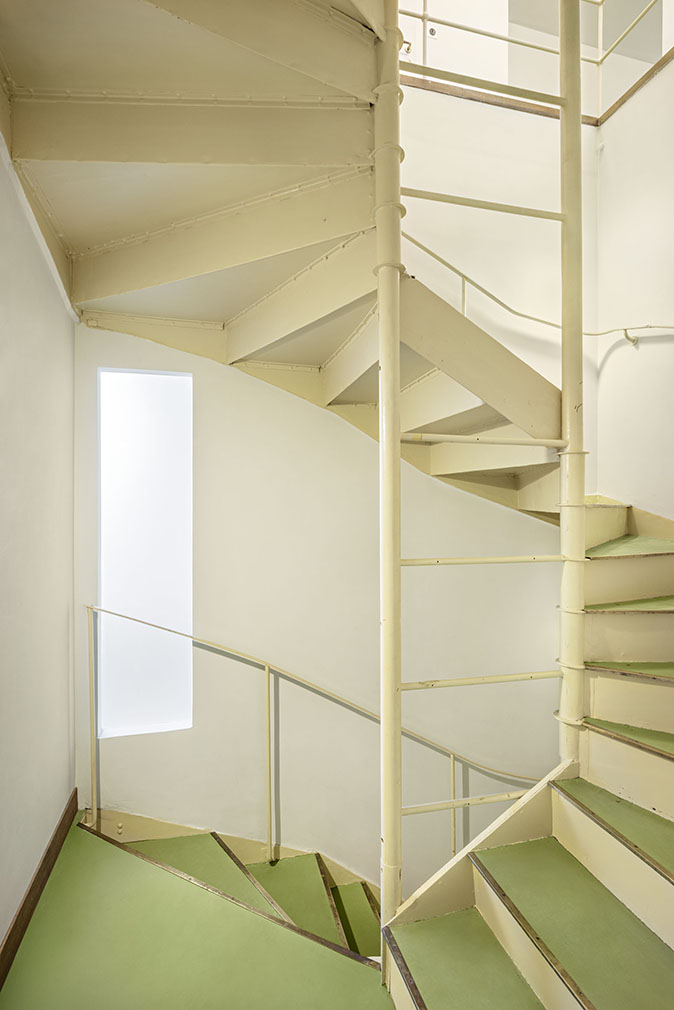
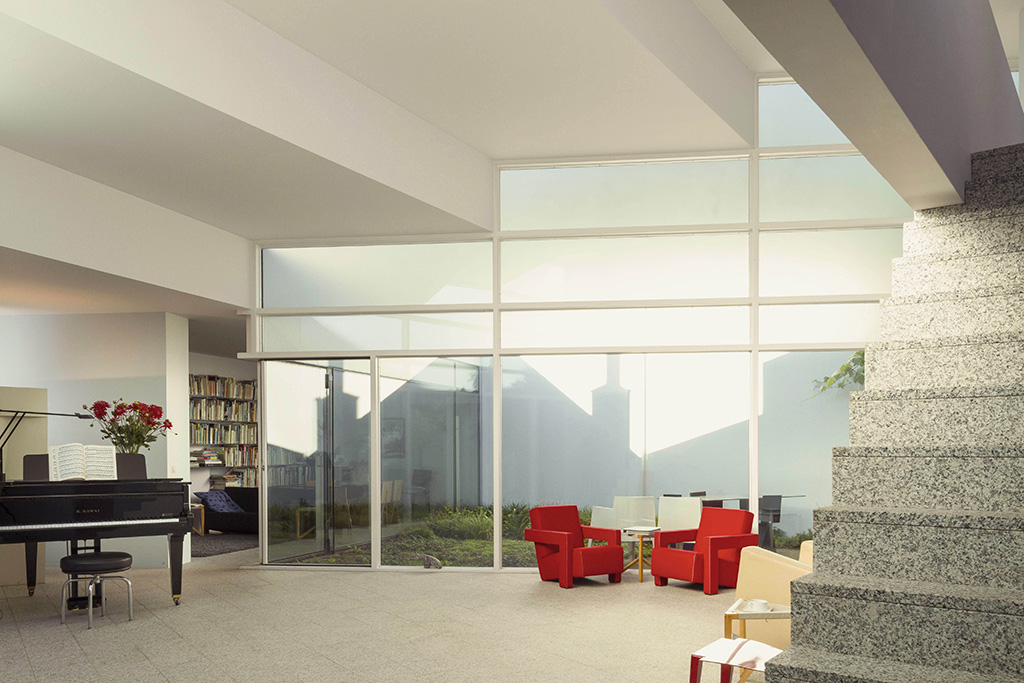
The stairwell. Photography: Hertha Hurnaus.
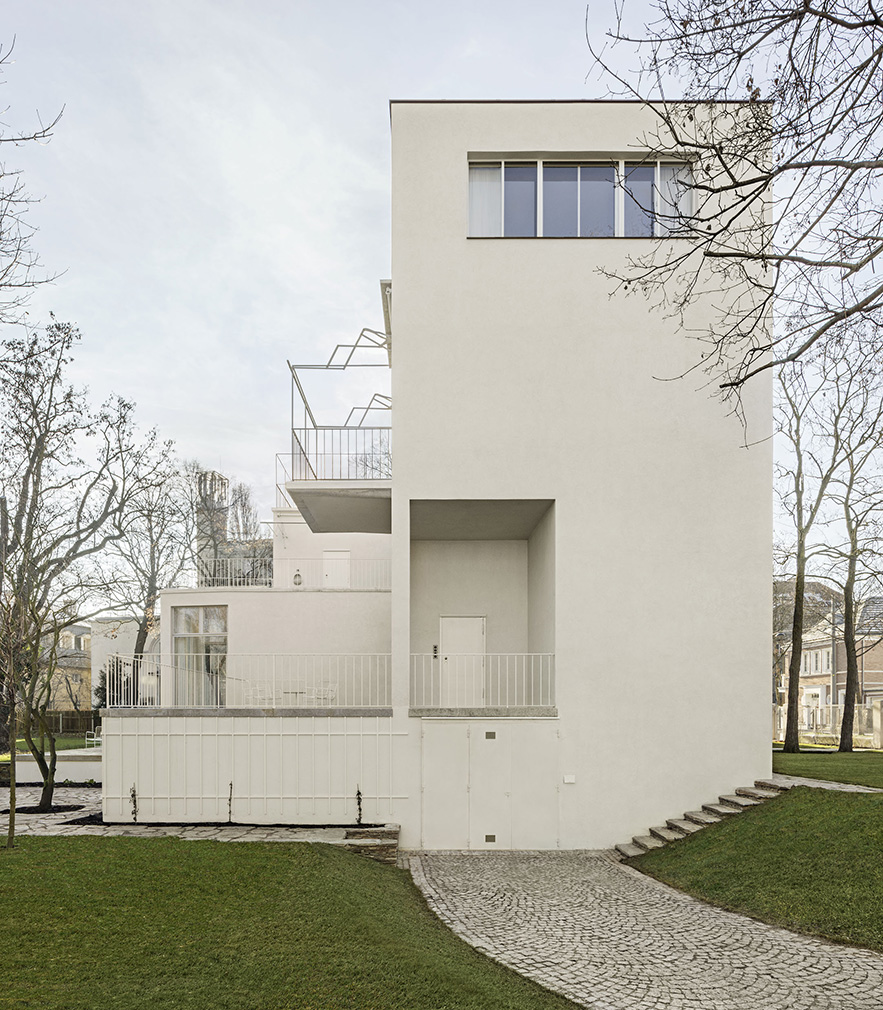
Photography: Hertha Hurnaus.
The Beer family lived here for a total of 18 months before a series of crises spurred their departure and ultimate exile. They — like Frank — were Jewish.
Next month the private villa will open to the public for the first time in its history. Purchased by the paper-maker turned philanthropist Lothar Trierenberg and restored by specialist artisans from across the country, it will serve as the headquarters for the Villa Beer Foundation and a cultural destination with a programme of guided tours around its sculptural stairwells and sun-lit open plan. Overseen by Christian Prasser of CP Architktur, the light interventions also netted a new theatre in the basement for lectures and workshops. Booking launches this week for events starting in March.
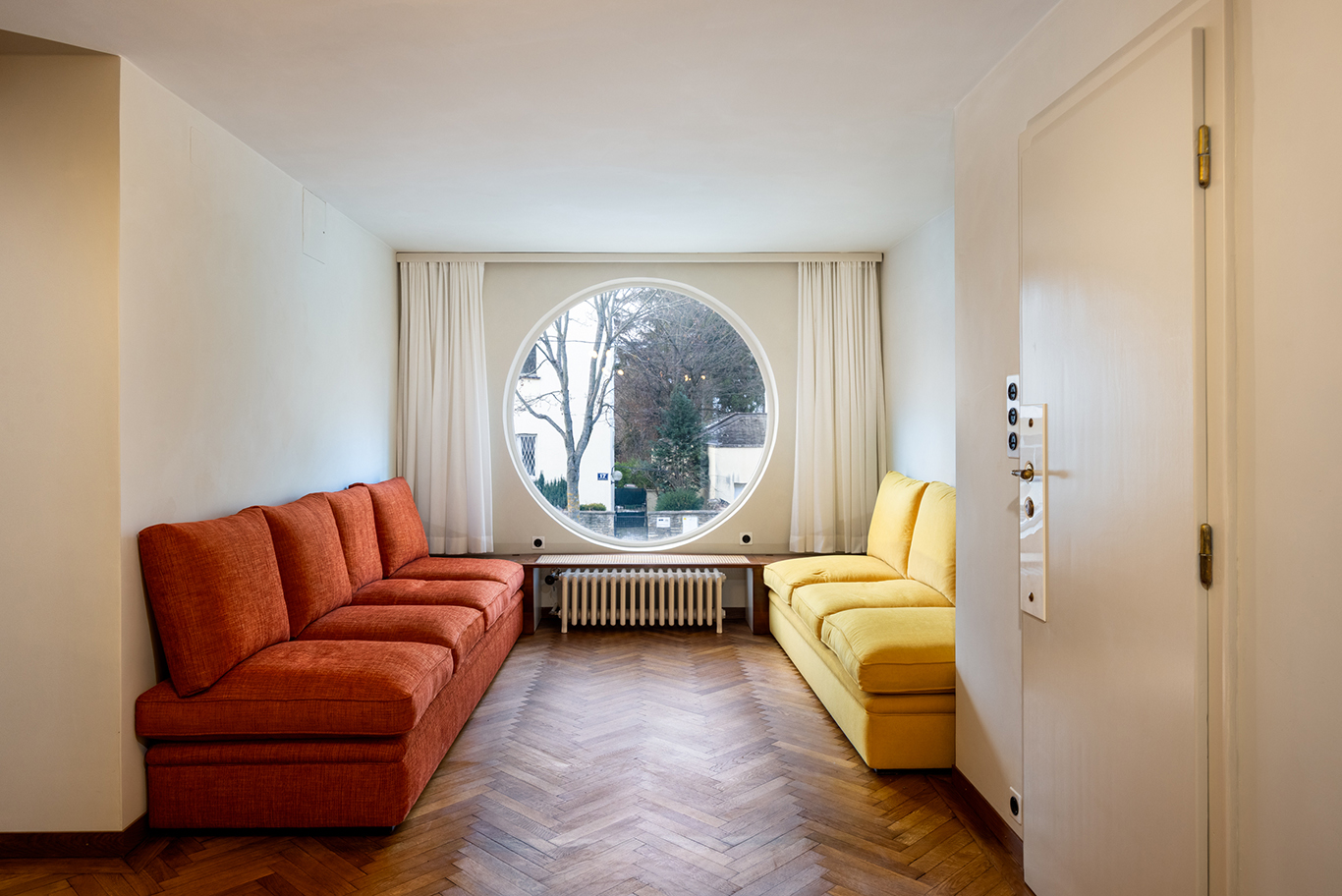
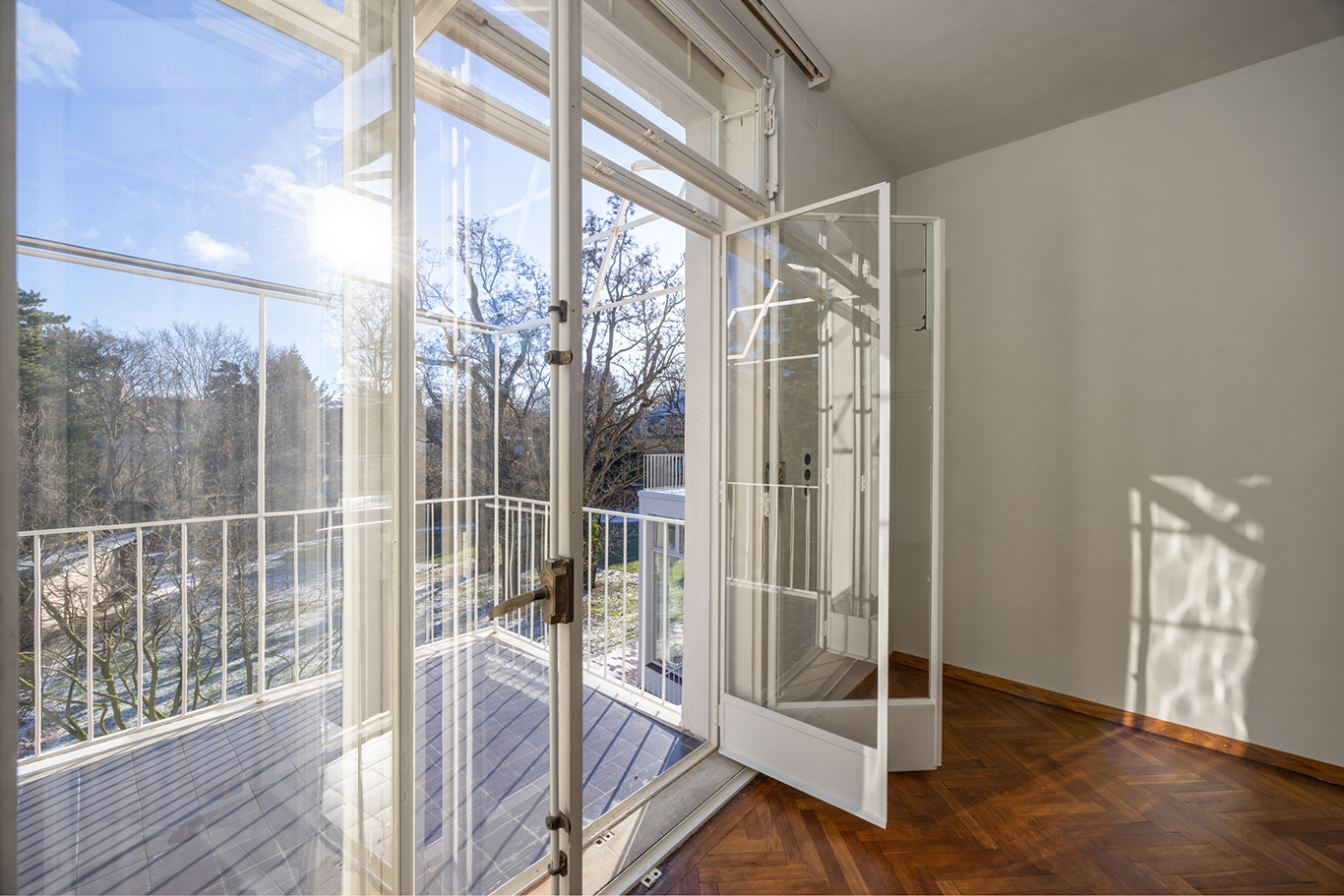
Perhaps most exciting, Prasser and his team have transformed the attic bedrooms with Frank’s archival Svenskt Tenn designs and a palette of greens taken from the original linoleum staircase. Swathed in heritage fabrics, these rooms will support the upcoming artists-in-residence programme and — subject to availability — house visitors interested in experiencing Frank’s special brand of modernist architecture.
The opening is one of several across Central and Eastern Europe currently highlighting the work of Jewish architects whose careers were interrupted by antisemitism and war. What’s ironic is that their design principals and expertise taught Europe how to live.