Photography: courtesy of OTHERHOMES GmbH.
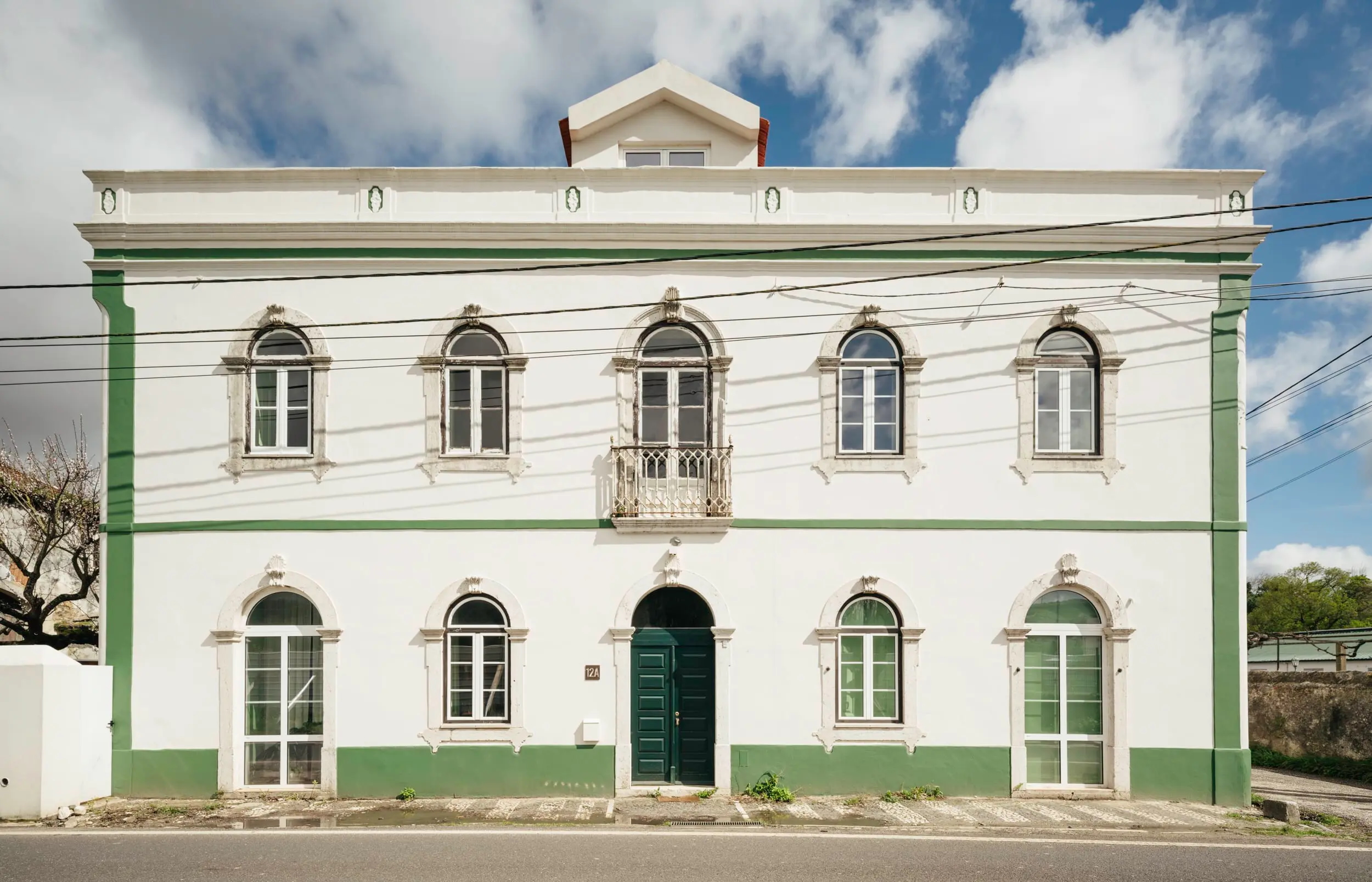
Set between Berlin and Hamburg, this former Neo-Apostolic church in Wittenberge brings the logic of Germany’s interwar modernism into a new residential context. Built in 1934 to a design by Berlin architect Hans Reichmann, the building reflects the principles of Neue Sachlichkeit through its measured volumes, disciplined proportions and emphasis on light. After decades as a place of worship, declining congregation numbers led to its deconsecration around the turn of the millennium.
Photography: courtesy of OTHERHOMES GmbH.
Photography: courtesy of OTHERHOMES GmbH.
Photography: courtesy of OTHERHOMES GmbH.
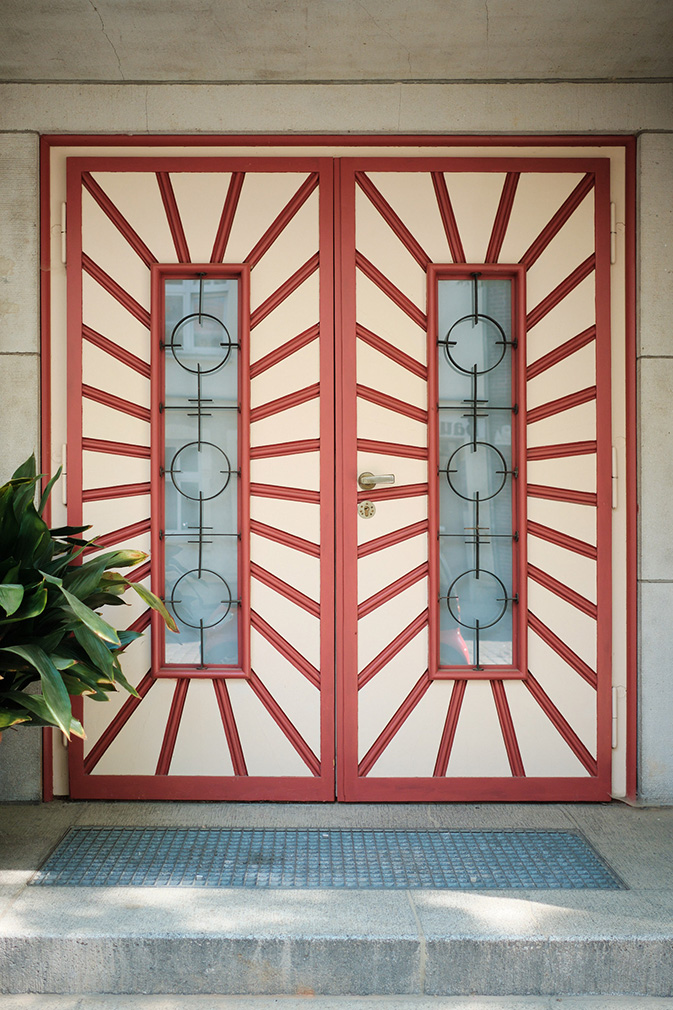
Photography: courtesy of OTHERHOMES GmbH.
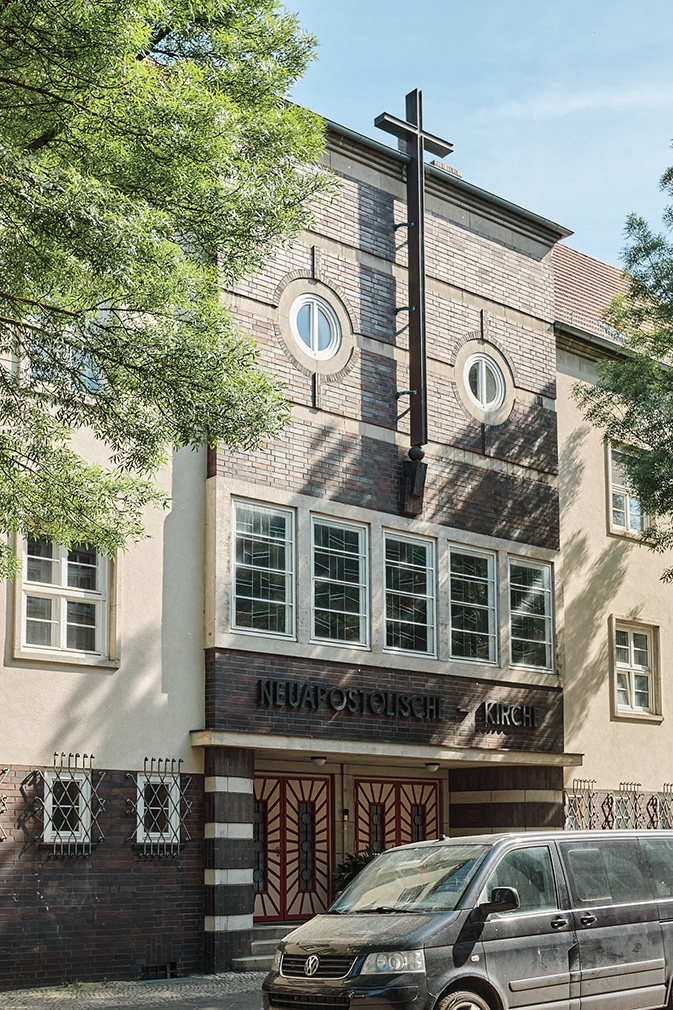
Photography: courtesy of OTHERHOMES GmbH.
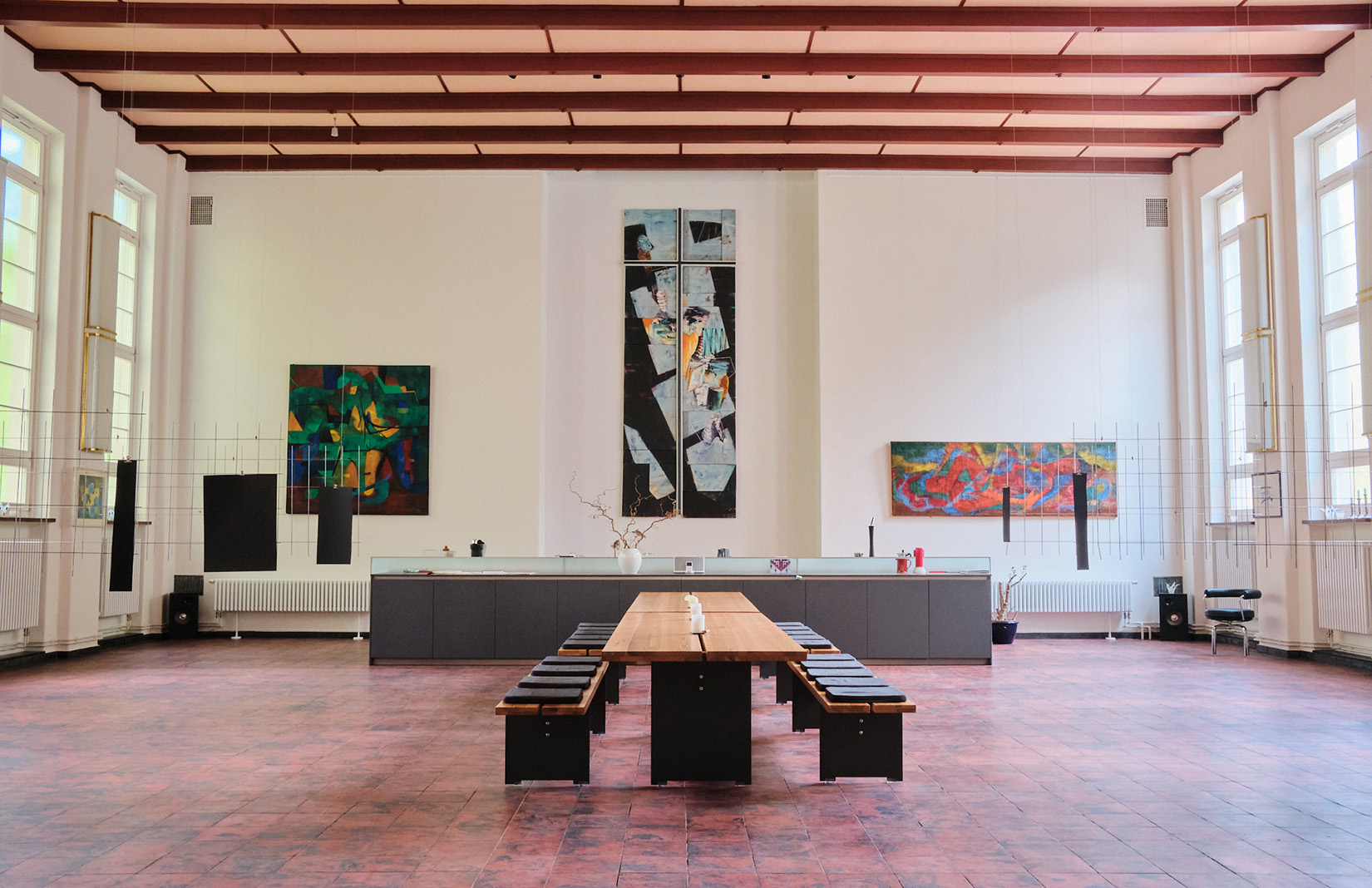
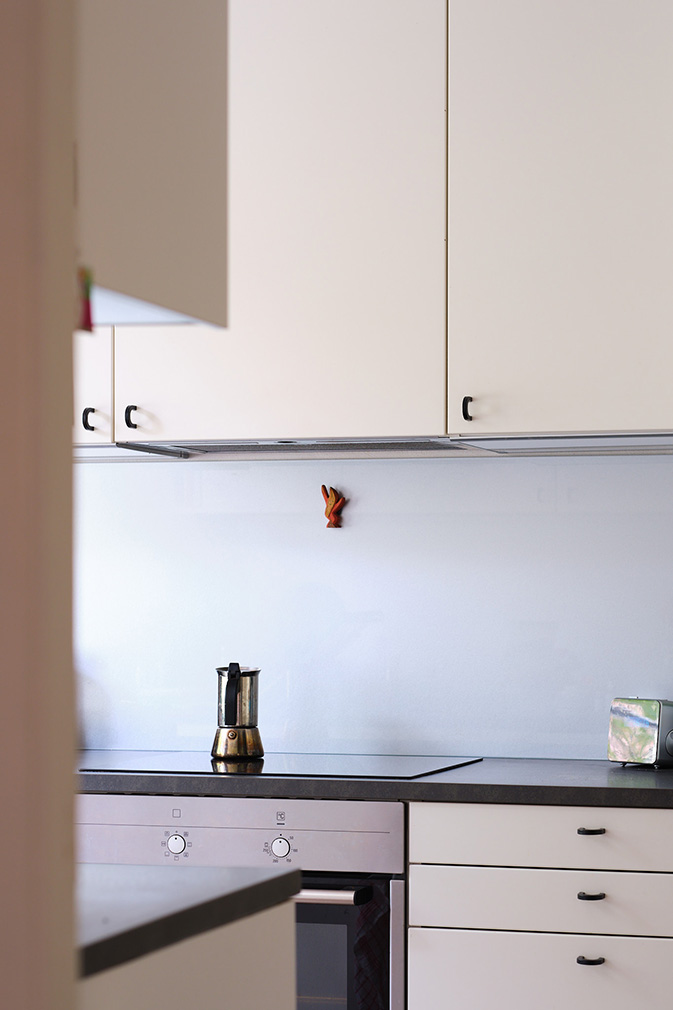
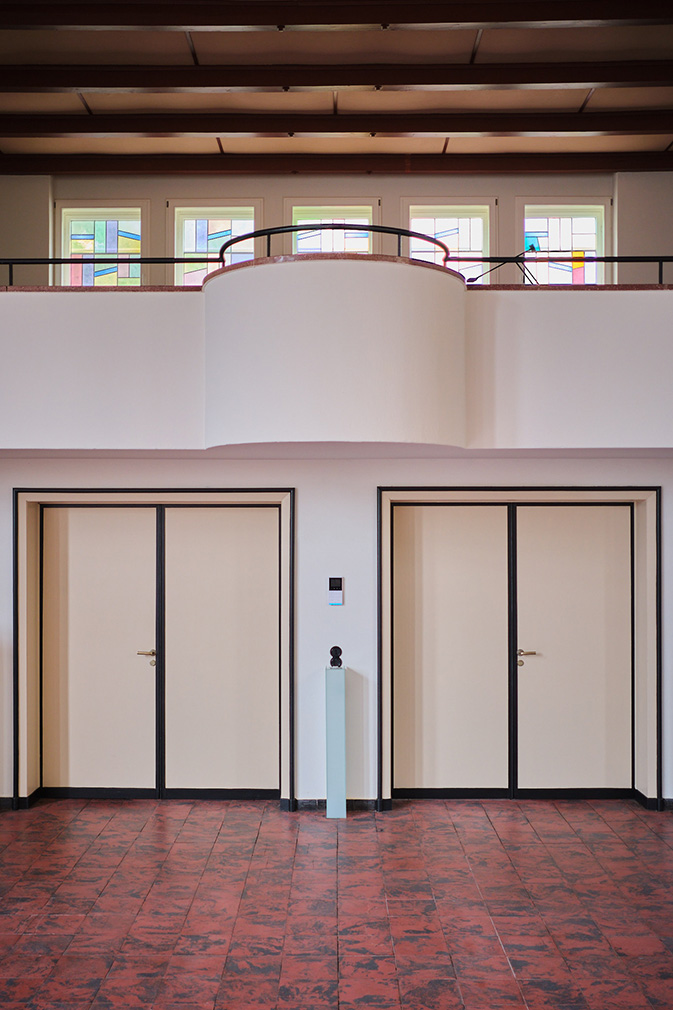
The heart of the building is the former church hall, a soaring space of more than 200sqm defined by its height, rhythmic ceiling structure and tall bands of glazing. Restored stained glass filters daylight across the room, while a modern kitchen now occupies the former altar zone, giving the volume a clear anchor. A gallery level lines one side of the hall, retaining its original balustrade and sense of procession.
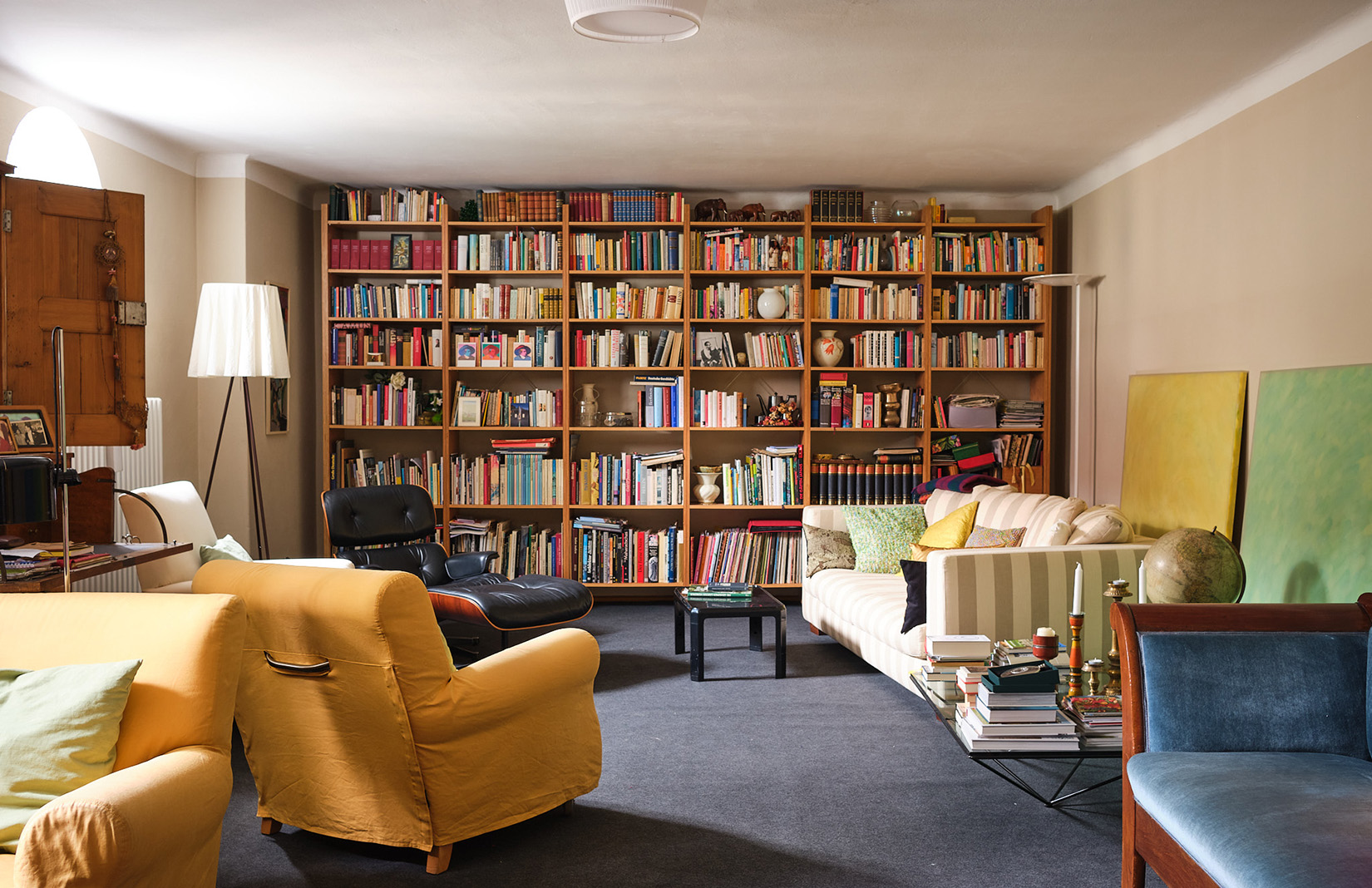
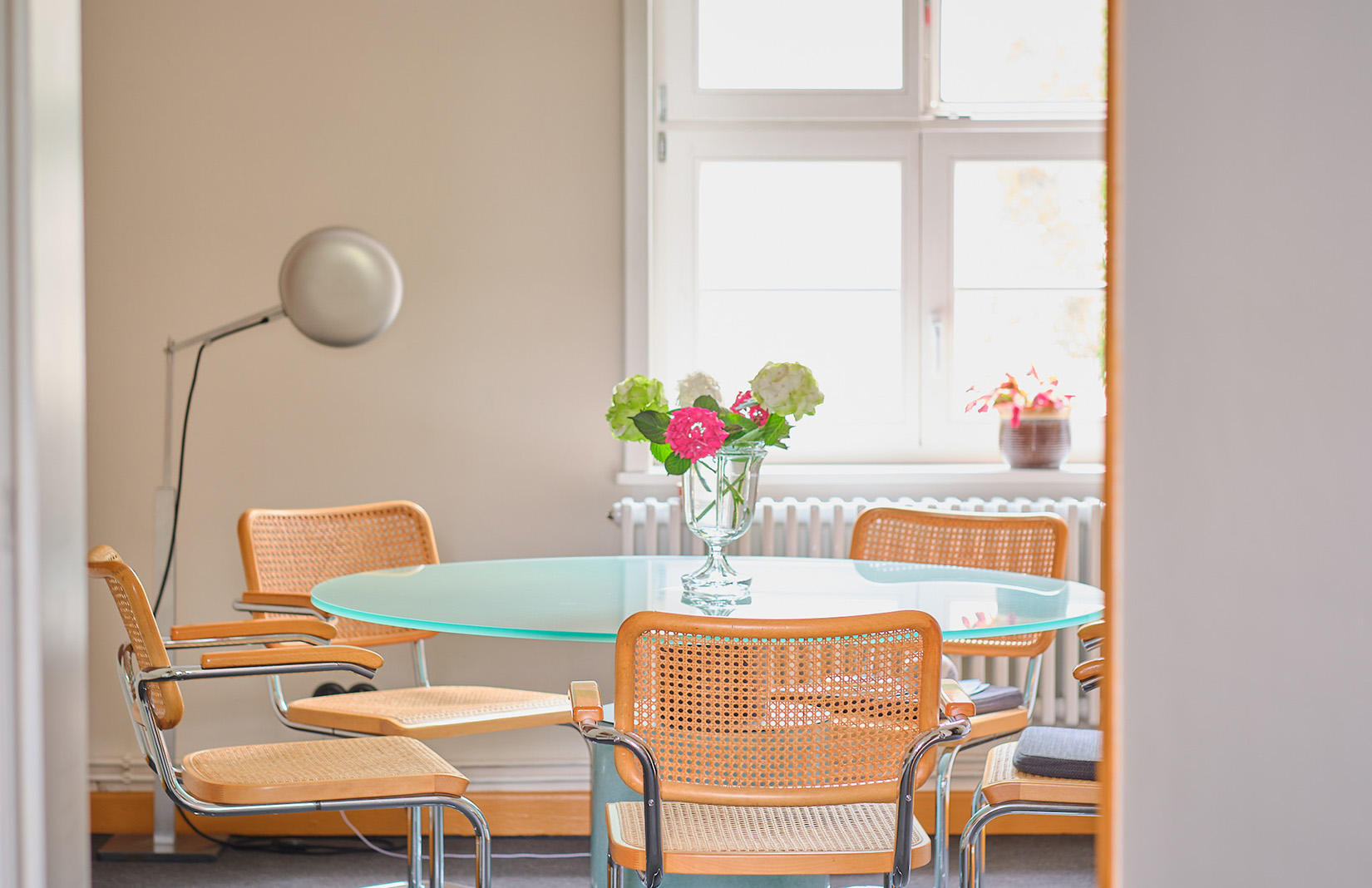
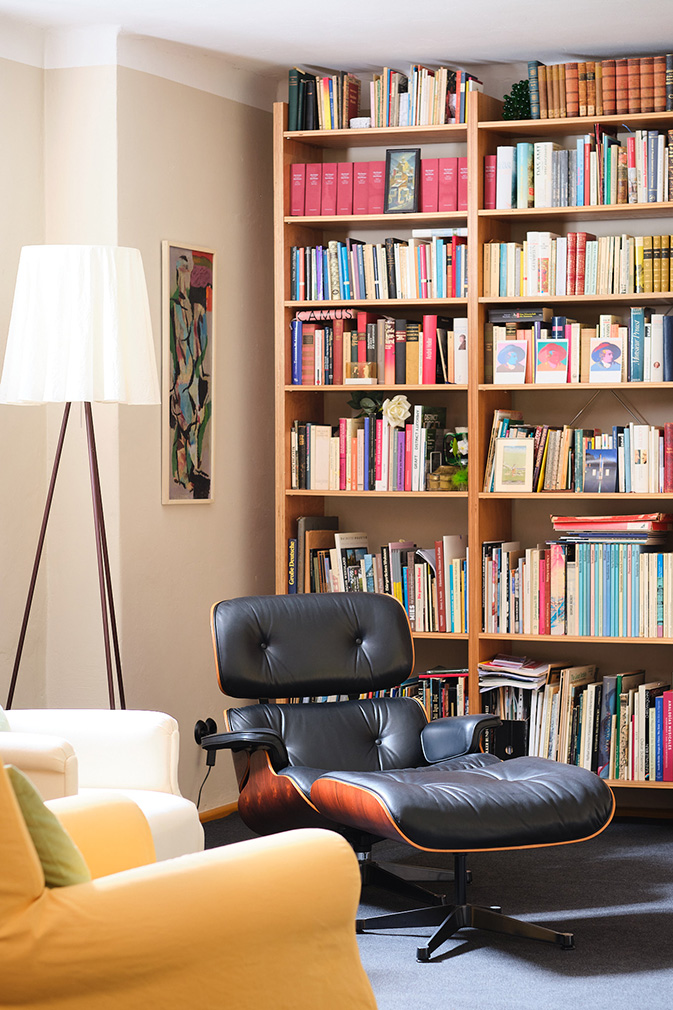
Beyond the main volume, the building contains three separate apartments, each carefully restored with original colour schemes, doors and fittings intact. Two inner courtyards introduce quiet outdoor rooms into the plan while additional studio and workspace areas sit at lower-ground level. The project received the Brandenburg Heritage Conservation Prize in 2021 and stands as a considered example of adaptive reuse. It’s currently offered for sale with OTHERHOMES.