From the mid-19th century visitors began to arrive on the French Riviera, captivated by the landscape of the mountains, forests and Mediterranean sea. The railway from Marseille reached Nice in 1864 and the cultural invention of the Côte d’Azur began to take shape, becoming a winter retreat for royals, czars and aristocrats who built grand residences of their fantasies in styles from Italianate to Gothic and Neoclassical.
After the Russian Revolution and First World War, the ‘summer Riviera’ became a creative retreat for Jazz musicians, Modernist architects, Surrealists and a ‘lost generation’ of American writers and poets. For many, the old residences of the Côte d’Azur represent charm, imagination and hedonism, yet each holds its own story, from joyful to evil. On this journey from Menton to Cannes – inspired by Côte d’Azur Living (2025, gestalten), a new book featuring several of the villas mentioned below – you’ll enter their orbit. Many are open to the public, so you can step inside and experience them for yourself.
Menton
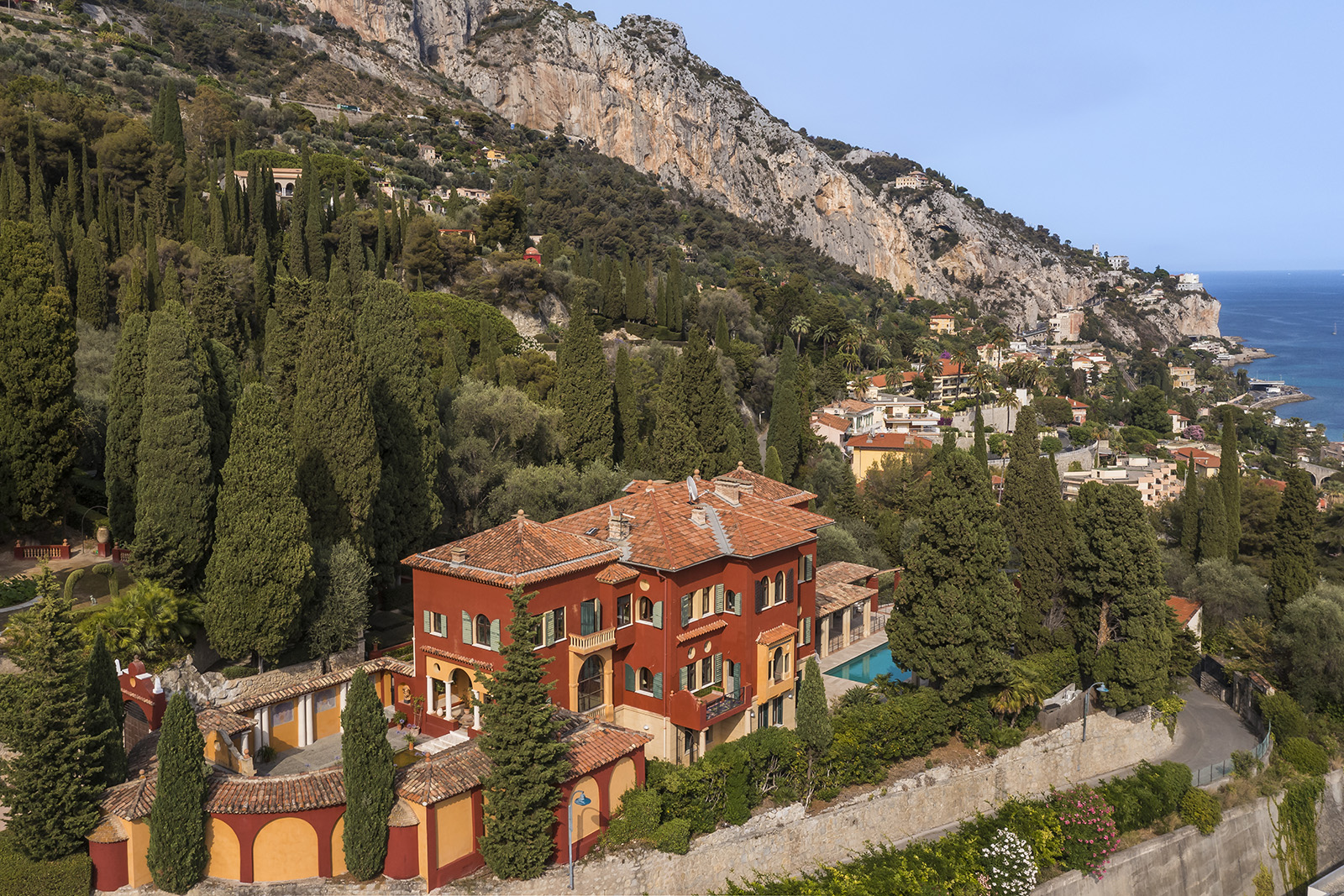
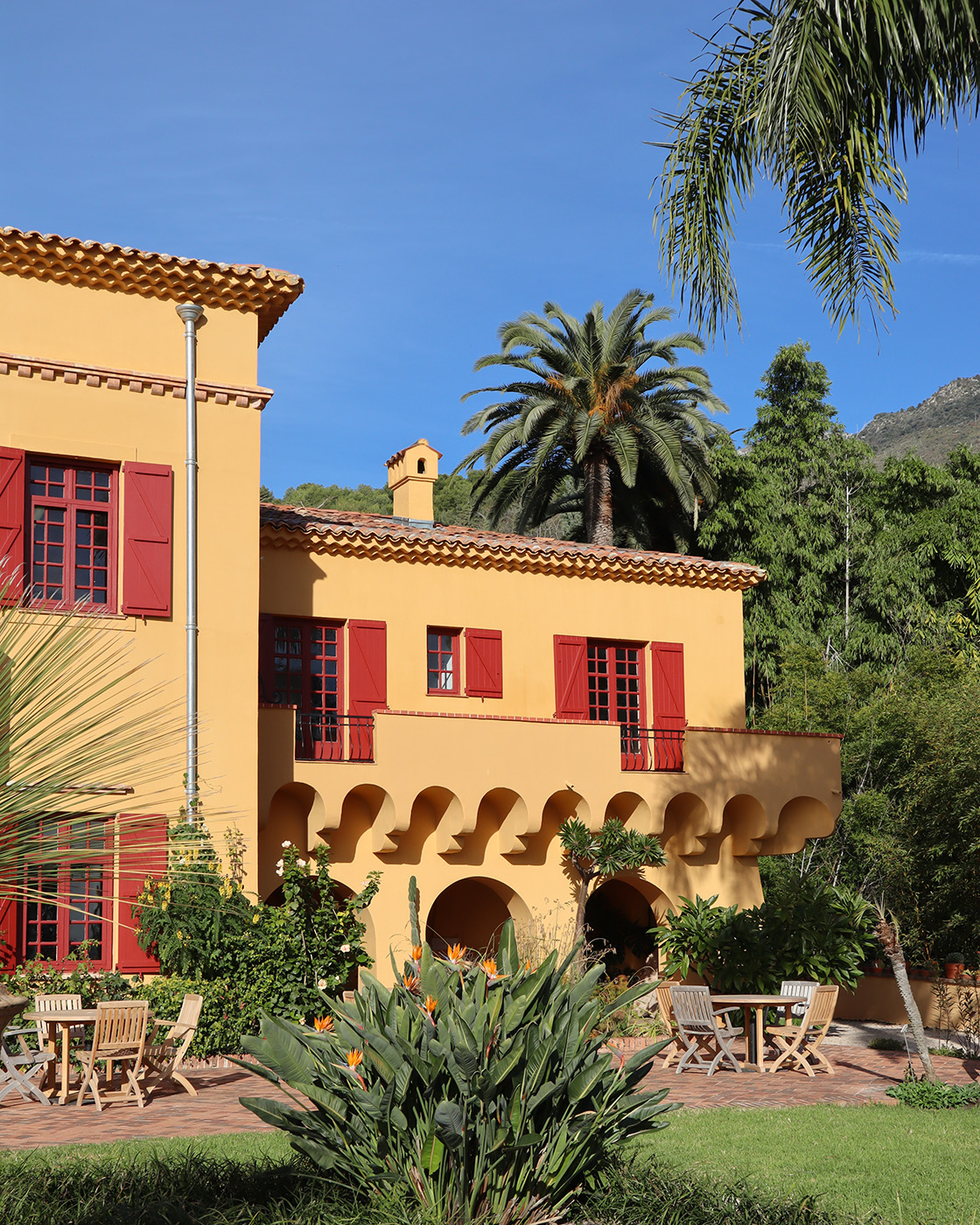
The French Riviera town closest to the Italian border is known for its annual Fête du Citron and its Belle Époque villas. In the 19th century its mild winters drew wealthy invalids from across Europe to ‘heal’ in the sunshine, as well as creative people like Aubrey Beardsley, Henri Matisse, Agatha Christie, Katherine Mansfield and Vladimir Nabokov. The sub-tropical climate also attracted botanists: in 1905, Lord Percy Radcliffe and his wife Rahmeh Theodora Swinburne founded what has become the Jardin Botanique Val Rahmeh, a 1920s Italian-Provencal villa with 1,800 species of subtropical and tropical plants from across the world.
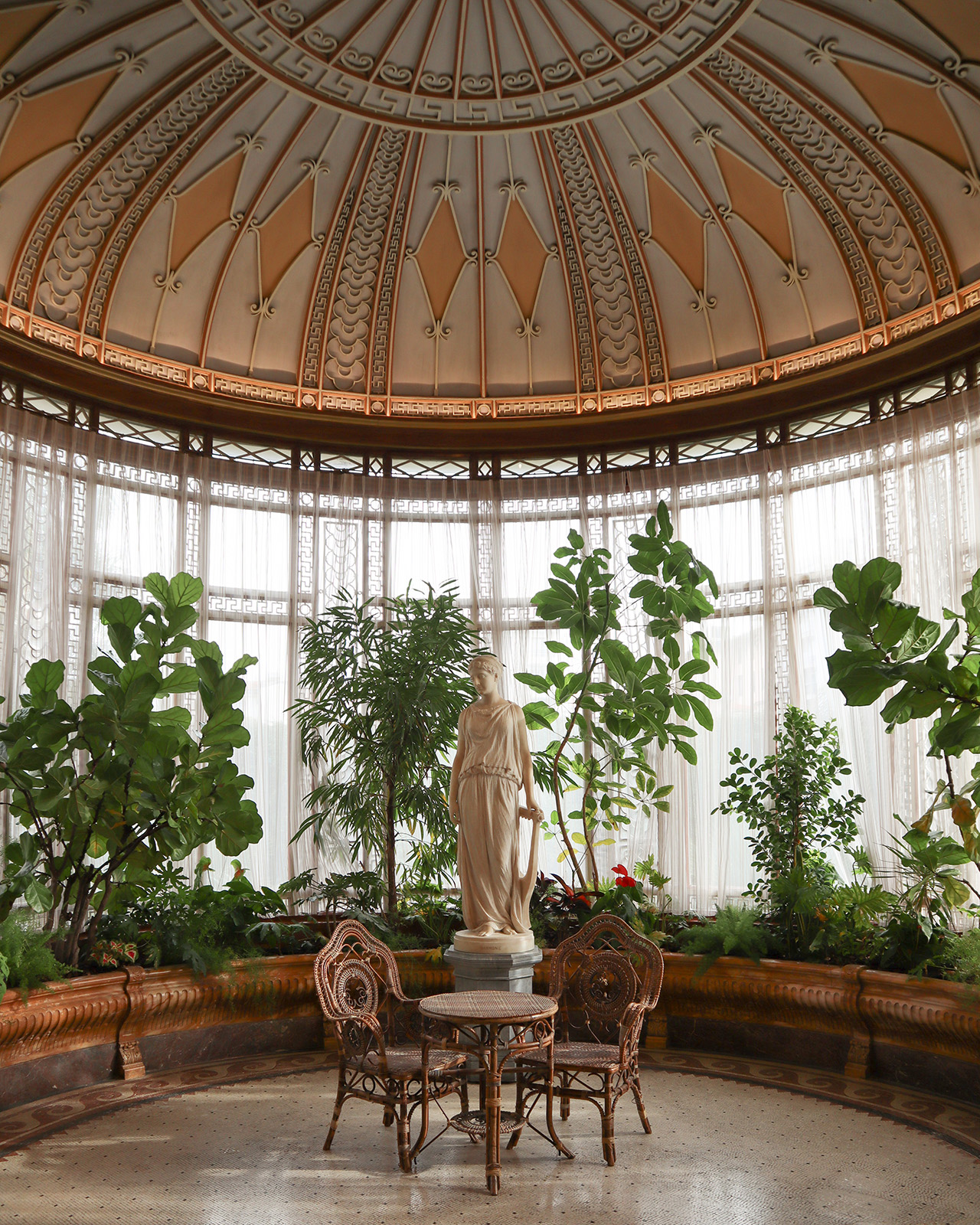
A stroll away, through an olive grove in the Garavan Hills, are the gardens surrounding Fontana Rosa. Named El Jardin de los Novelistas, they were imagined by the novelist Vicente Blasco Ibáñez with terraces, fountains and colourful tiles from Valencia. He bequeathed his villa and library of over 50,000 books to Menton upon his death, yet only the library remains.
The covered terrace was laid out by French landscape designer Ferdinand Bac, whose own 1920s villa and garden Les Colombières, in Menton, blends architectural styles from Ancient Greece, Arab-Andalucia, Renaissance Italy and Provence. Faithfully restored by current owners Margaret and Michael Likierman, it is open seasonally for visits.
Roquebrune-Cap-Martin
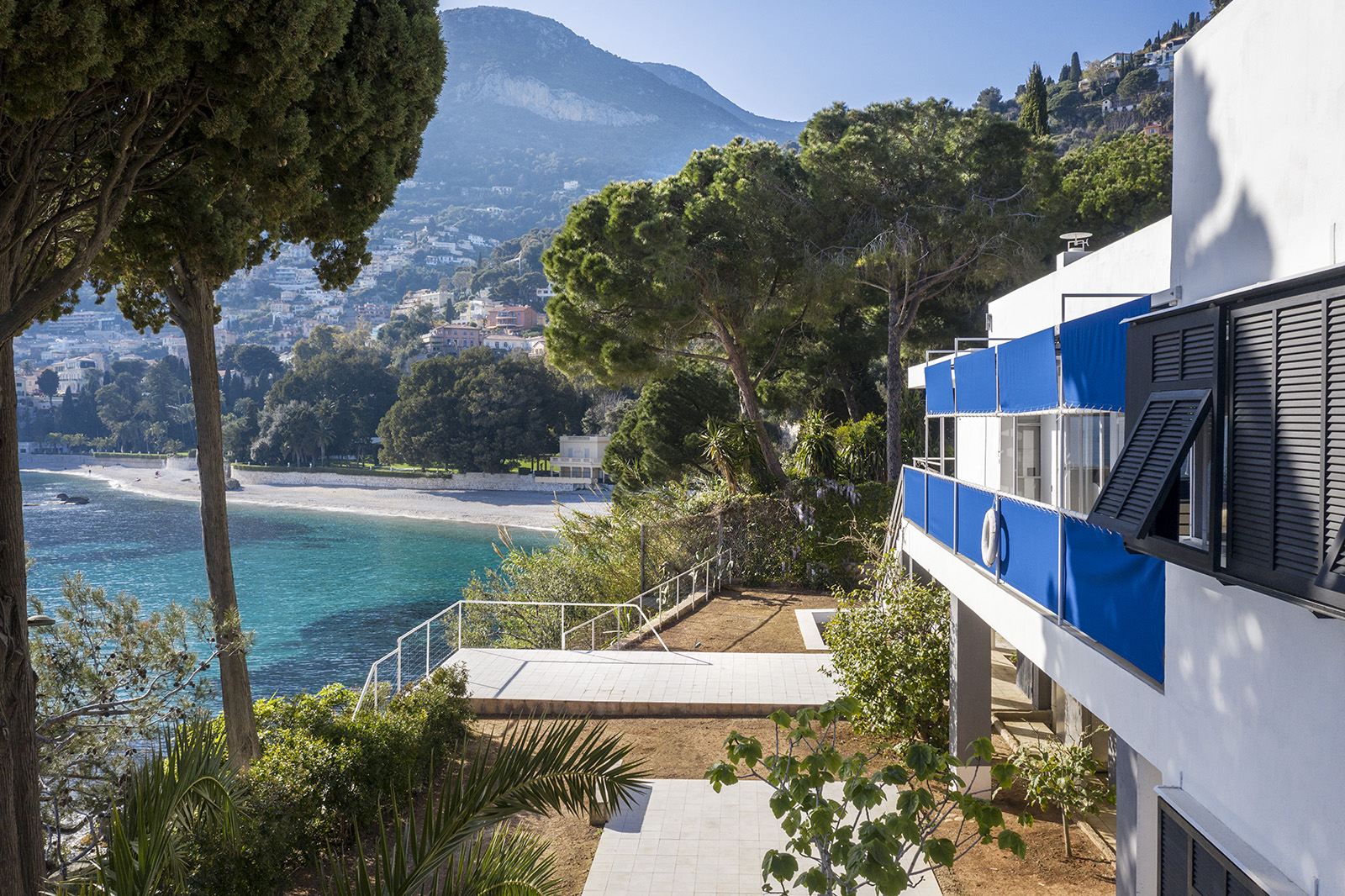
Head west from Menton towards Monaco. On the coastline below medieval Château de Roquebrune is Irish architect Eileen Gray’s 1920s Villa E-1027, an early modern gesamtskunstwerk. Designed as a retreat for herself and her partner, the white villa has a nautical feel, with a flat roof, slim concrete pilotis, exterior staircases and outdoor decks shaded by sailcloth awnings and levant pines. Its integrated furniture is joyful and efficient and the house features her own Transat lounger and Bibendum armchair.
The colourful murals on the walls are by Le Corbusier, who came to stay and left his mark on the design. He loved the area so much, he built his Cabanon de Vacances here in 1951, adjacent to the café-bar L’Étoile de Mer, and later designed a suite of camping units for its owner. His minimalist cabin, measuring roughly 15 sqm with sinuous murals on the walls, houses a single bed, desk, stools, storage, sink and toilet — and is a pilgrimage site for Modernist architecture buffs.
Saint-Jean-Cap-Ferrat
This wealthy enclave boasts some of the world’s most expensive real estate — a reputation that grew when Aaron Messiah built the ornate Belle Epoque villa Les Cèdres for Belgium’s King Leopold II in 1904, with earnings from colonial Congo. In the early 1920s it was purchased by Grand Marnier founding family the Marnier-Lapostolles, who grew bitter oranges in the orchards. Still private, it’s considered the most expensive property in the world.
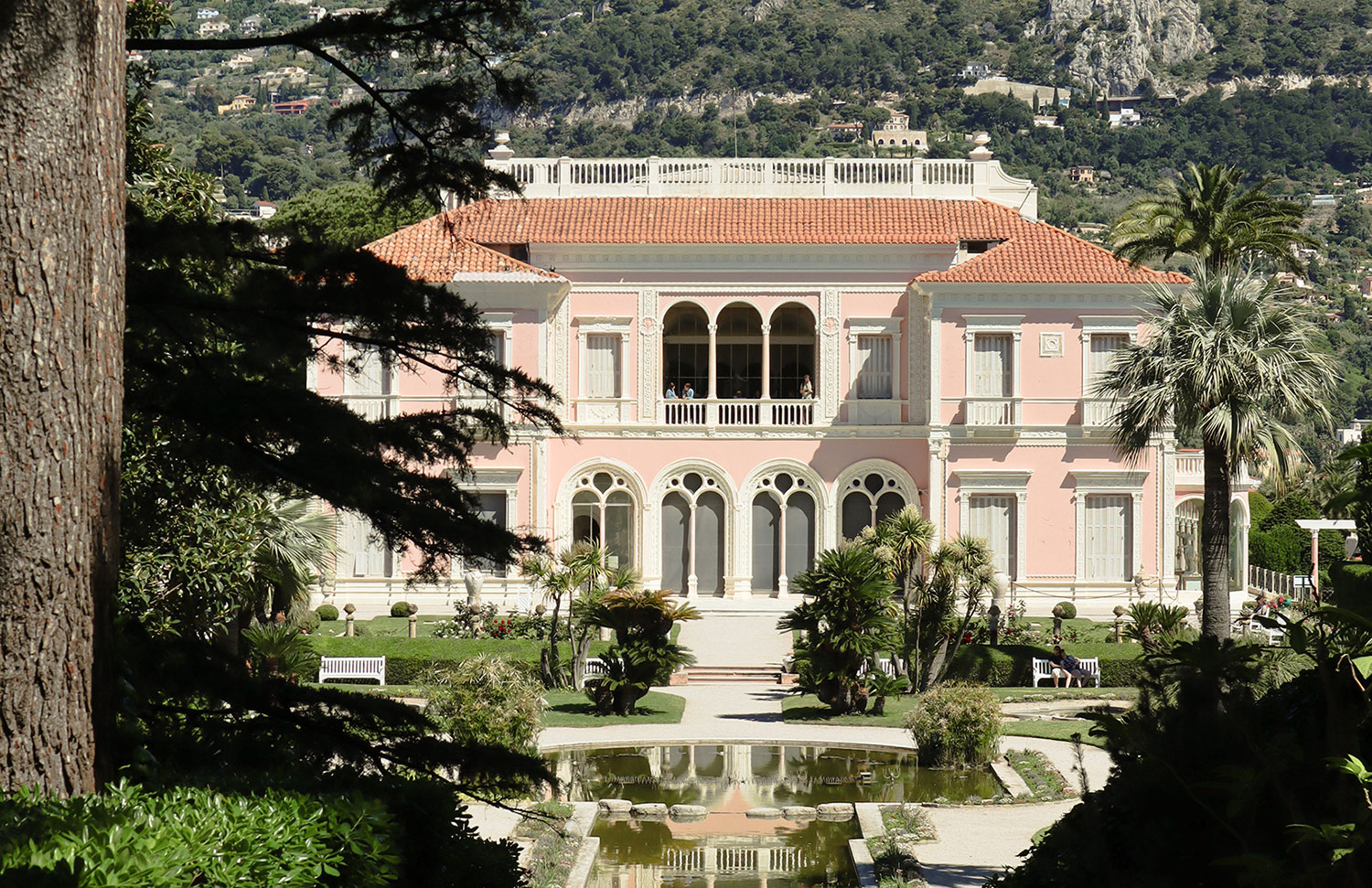
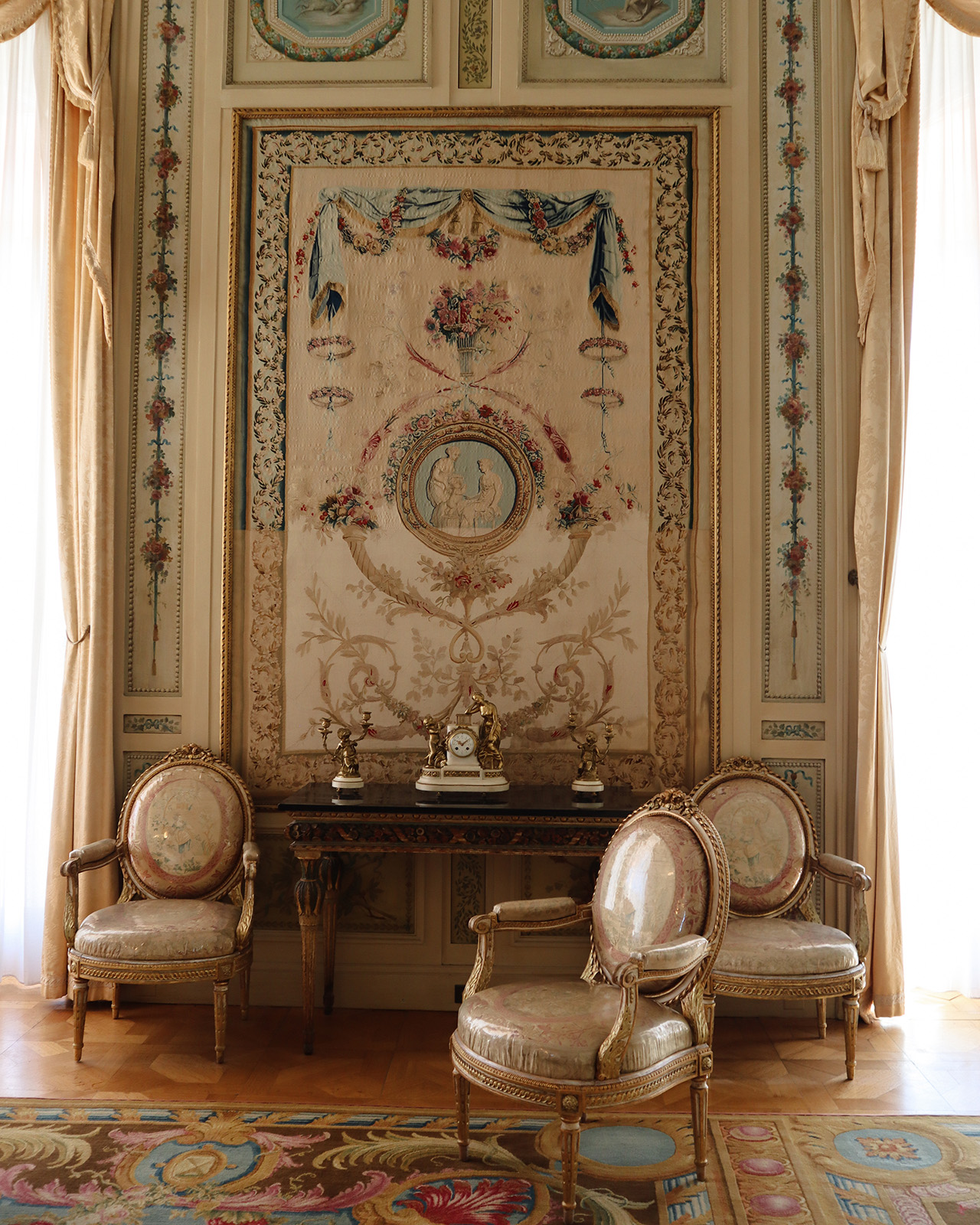
Around the same time Les Cèdres was built, Baroness Beatrice de Rothschild Ephrussi was finalising her divorce from the nefarious Maurice Ephrussi. With her settlement she imagined Villa Ephrussi de Rothschild with help from Paul-Henri Nénot (architect of Paris’s Hôtel Meurice), Charles Girault (architect of the Petit-Palais), Edouard-Jean Niermans and Jacques-Marcel Auburtin. The pink palazzo has sumptuously layered interiors and expansive gardens, the latter open for visits.
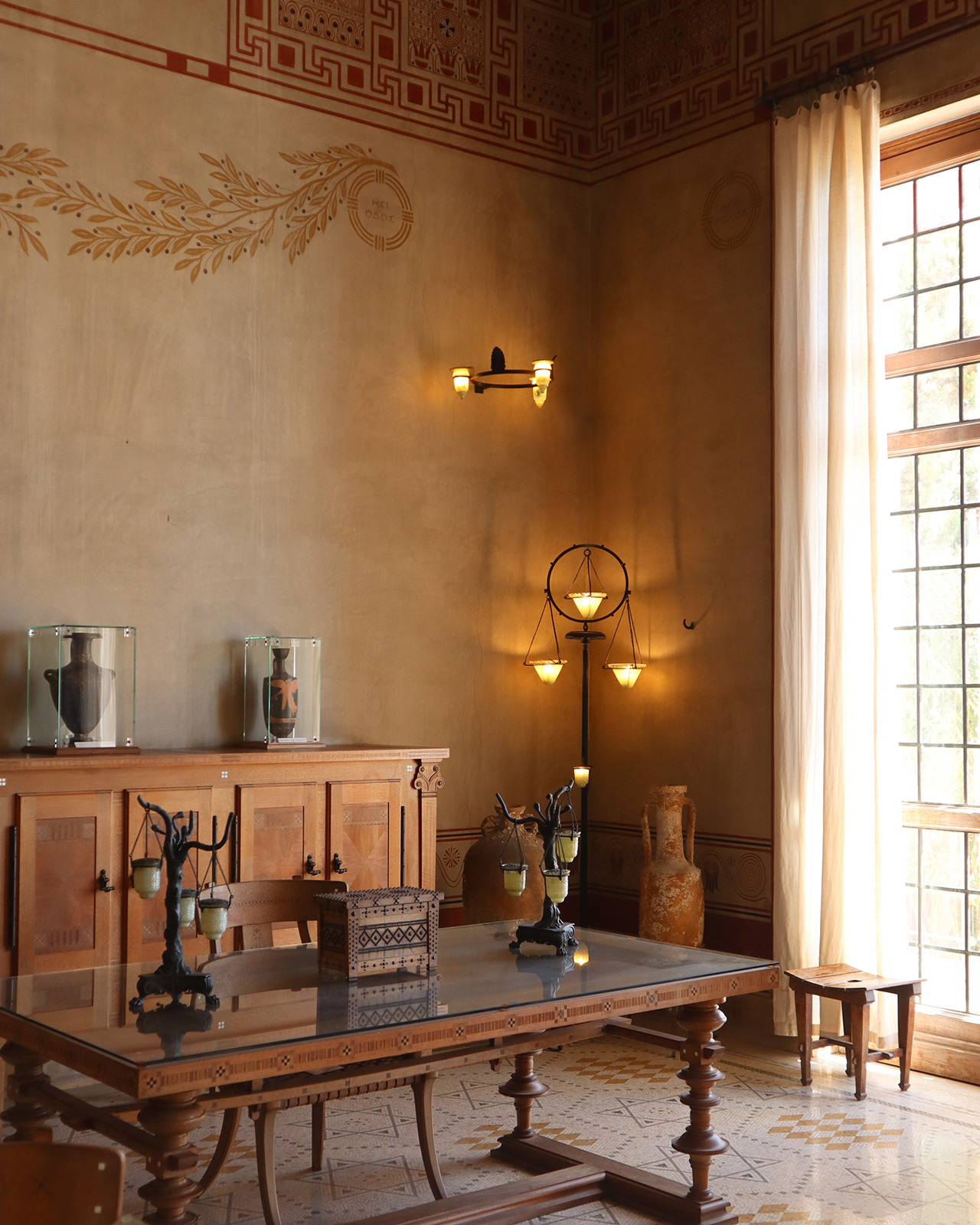
Beatrice was drawn to the area after visiting Villa Kerylos, a classical Greek reconstruction built by archaeologist Théodore Reinach and French architect Emmanuel Pontremoli and open to the public today. Lined with mosaics and marble, it has a courtyard with sea-creature frescoes and a peristyle of marble Doric columns.
Continuing the theme of escapism is Villa Santo Sospir, with walls ‘tattooed’ by Jean Cocteau with sea urchins and Greek mythological motifs. Owners Francine and Alec Weisweiler commissioned maximalist interiors from Madeleine Castaing, who mixed Javanese-style bamboo furniture with porcelain figurines and Chinoiserie. It became a creative refuge for friends Pablo Picasso, Coco Chanel and Edith Piaf after WWII.
Nice
In the Riviera capital, villas from Belle Epoque and Art Deco to Modernist are plentiful. On the 7km Promenade des Anglais is Villa Masséna, winter residence of Victor Masséna, whose grandfather was a general of Napoleon. Built in 1901, the Italian Neoclassical villa was designed by Danish architect Hans Georg Tersling with grand receptions rooms and a garden by landscaper Edouard André. In 1921 it became a museum of French Riviera history.
Up the hill are two villas connected to Nice’s artistic heritage and architectural ingenuity. First is Musée Matisse, located in a 17th-century terracotta-coloured villa expanded in 1993 with an underground extension. The second, Villa Arson, dates to the 19th century and in the 1960s became an art school and artists’ residence. A Modernist extension by Michel Maro debuted a new topography of concrete, stone and landscaping, with pathways, studios and terraces embedded into the land.
Antibes
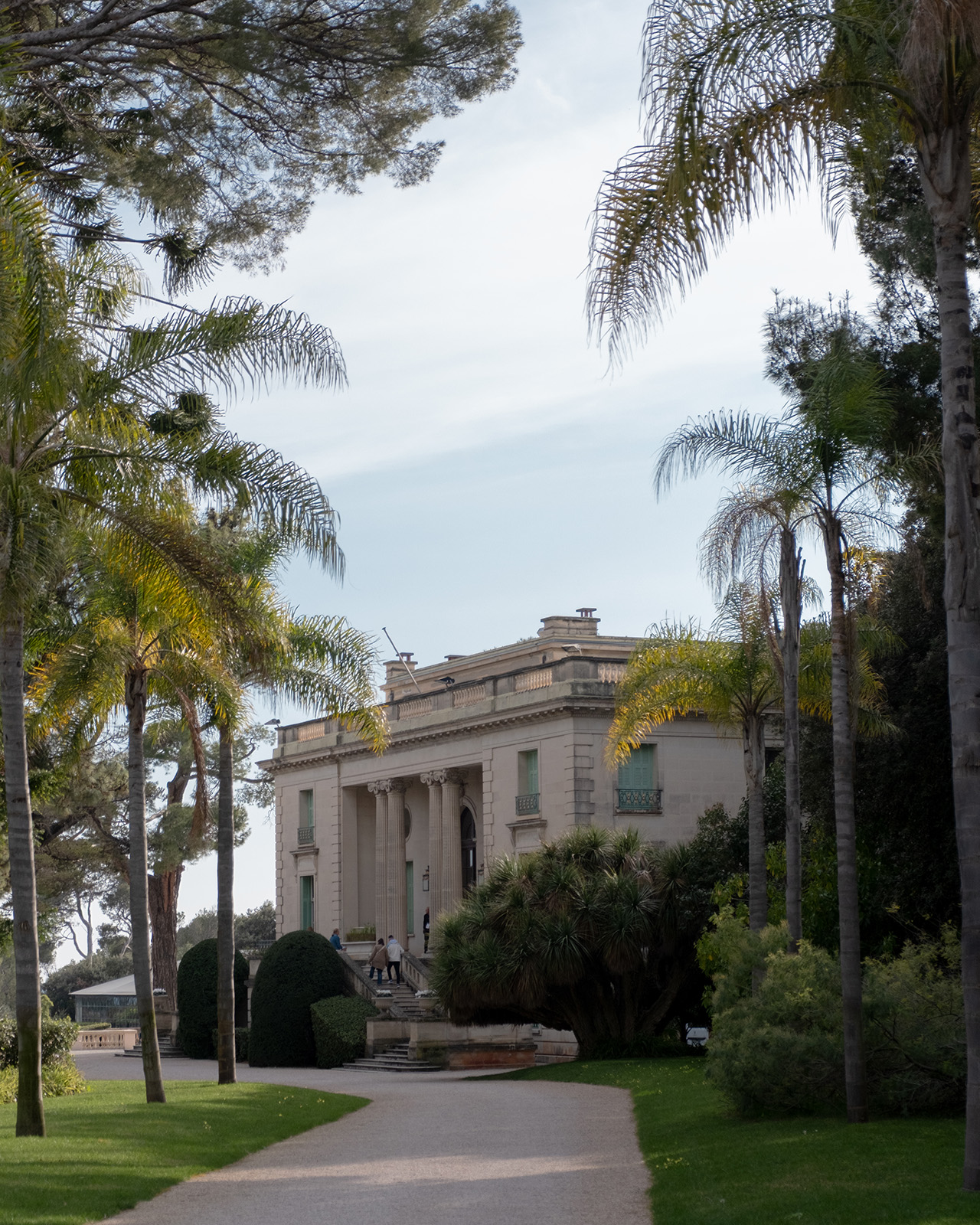
Neighbour to the storied Cap-du-Roc hotel at the tip of Cap d’Antibes is Villa Eilenroc, designed in the 1860s by Charles Garnier, architect of the Paris Opera (the curious name is an anagram of Cornélie, wife of the wealthy Dutch owner Hugh-Hope Loudon). The gardens were commissioned by the next resident, James Wyllie, and later expanded by landscape architect Jacques Greber. The property was eventually bequeathed to the town and today opens for walks around the sea-view garden, scented by thousands of roses.
Representing the 20th century, Fondation Hartung Bergman was the minimalist villa-studio of artists Hans Hartung and Anna-Eva Bergman, who built it in the 1960s with the help of architects including Mario Jossa, a student of Marcel Breuer. Framed by olive trees, the entrance leads to the artists’ studios and, beyond that, living spaces and a swimming pool surrounded by a pine forest.
Around Cannes
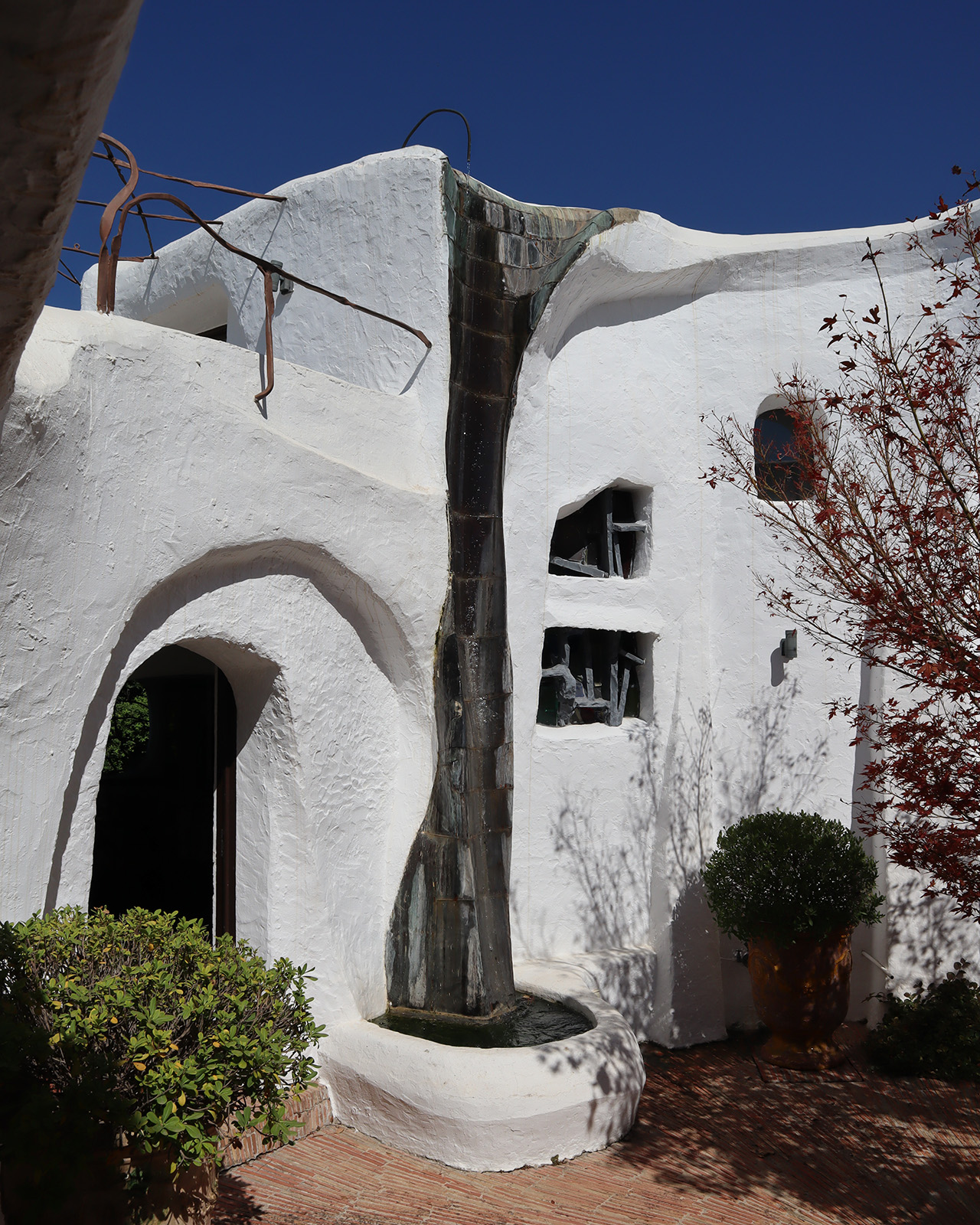
In the hills above Cannes is a collection of maison-paysages or ‘landscape houses’ designed in the 1950s and ’60s by Jacques Couëlle, who fused vernacular techniques, modern construction and biomorphic forms. He founded the Centre de Recherches des Structures Naturelles in the mid 1940s to explore innovative construction techniques with a mission to fuse modernity and nature-inspired aesthetics to create ‘habitats of instinct’. One of these houses is Dragon Hill, an artists’ residency and sculpture garden that once welcomed Picasso, Jean Cocteau, Yves Klein and Yves Saint Laurent.
The cocooning architecture of the house features ovoid doors and windows around a courtyard. Couëlle worked with a freehand design process, tracing movement of inhabitants on the land. Construction began with a wire frame, sprayed with concrete and plastered with vernacular techniques. These techniques were also explored at Port La Galère, a larger housing community in Théoule-sur-Mer that inspired the bubble architecture of young Hungarian architect Antti Lovag.
Maison Bernard is Lovag’s original bubble masterpiece. Its flowing architecture of half-domes and half-cylinders stimulates the imagination at every turn with curved perspectives and views to nature. In 2014, French architect Odile Decq restored it with a new colour scheme; it remains private yet can be visited. Lovag’s Palais Bulles, a few kilometres away, began construction in the ’80s and spans six levels with over 20 bubbles. Famously owned by fashion designer Pierre Cardin, it has come to represent the playful spirit of the Côte d’Azur, hosting parties and fashion shows. Palais Bulles has haunted the market for years at terrifying pricetags, yet all its stories are surely priceless.
Edited from Côte d’Azur Living – The Residences and Interiors of the French Riviera (2025), co-edited by Harriet Thorpe and published by Gestalten. It’s available to purchase here
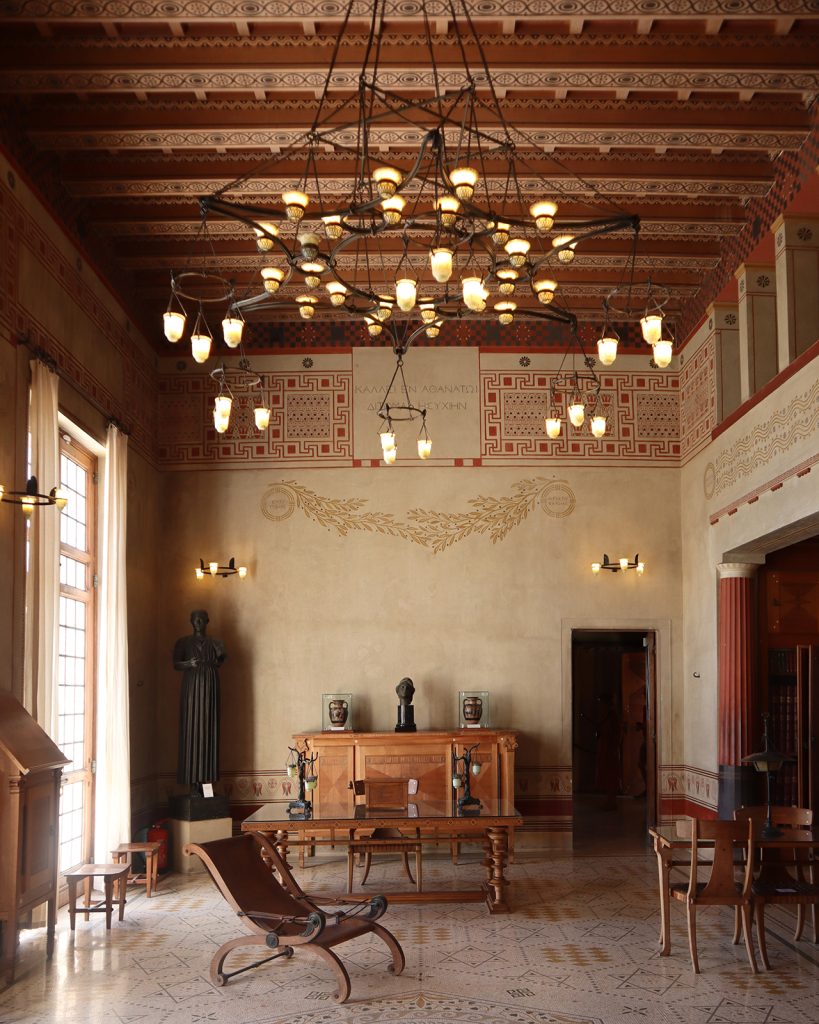
Villa Kerylos. Photography: Harriet Thorpe
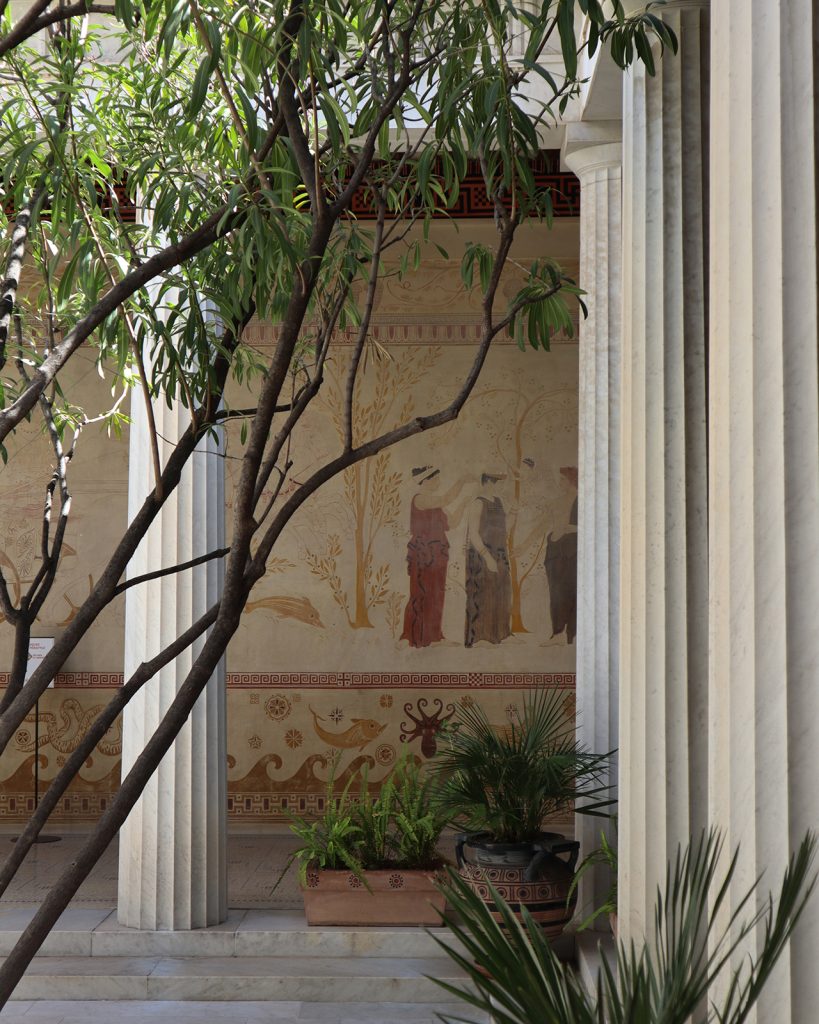
Villa Kerylos. Photography: Harriet Thorpe.
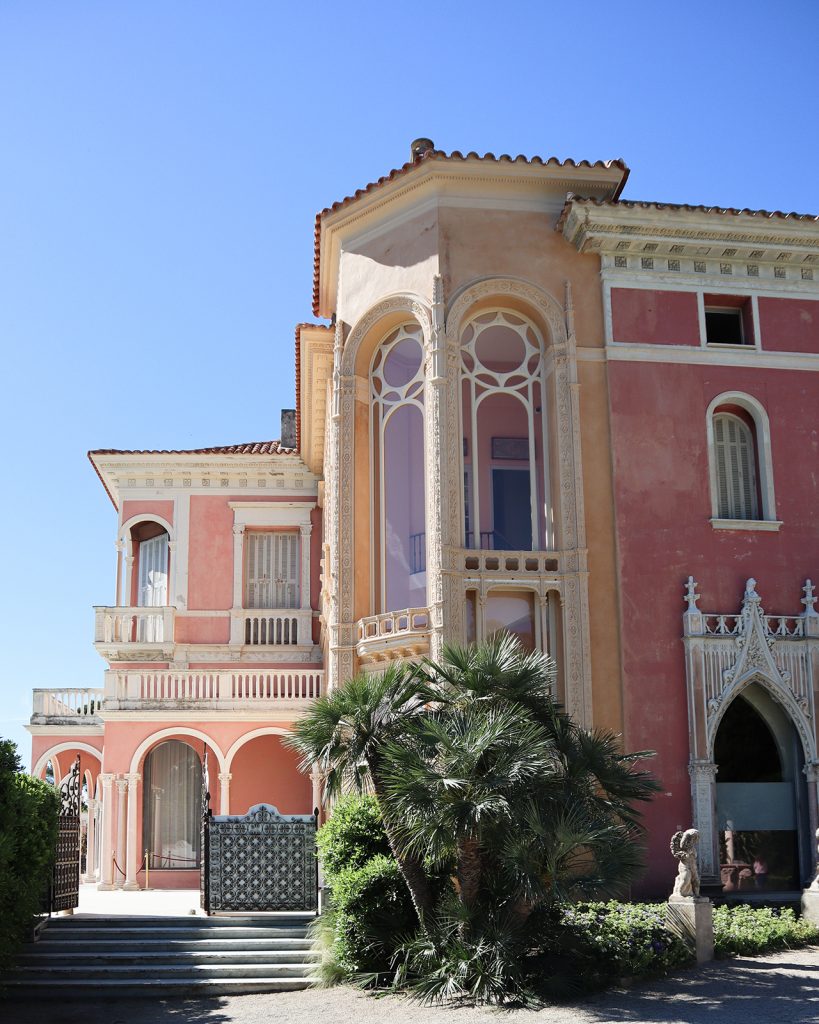
Villa Ephrussi de Rothschild. Photography: Harriet Thorpe.
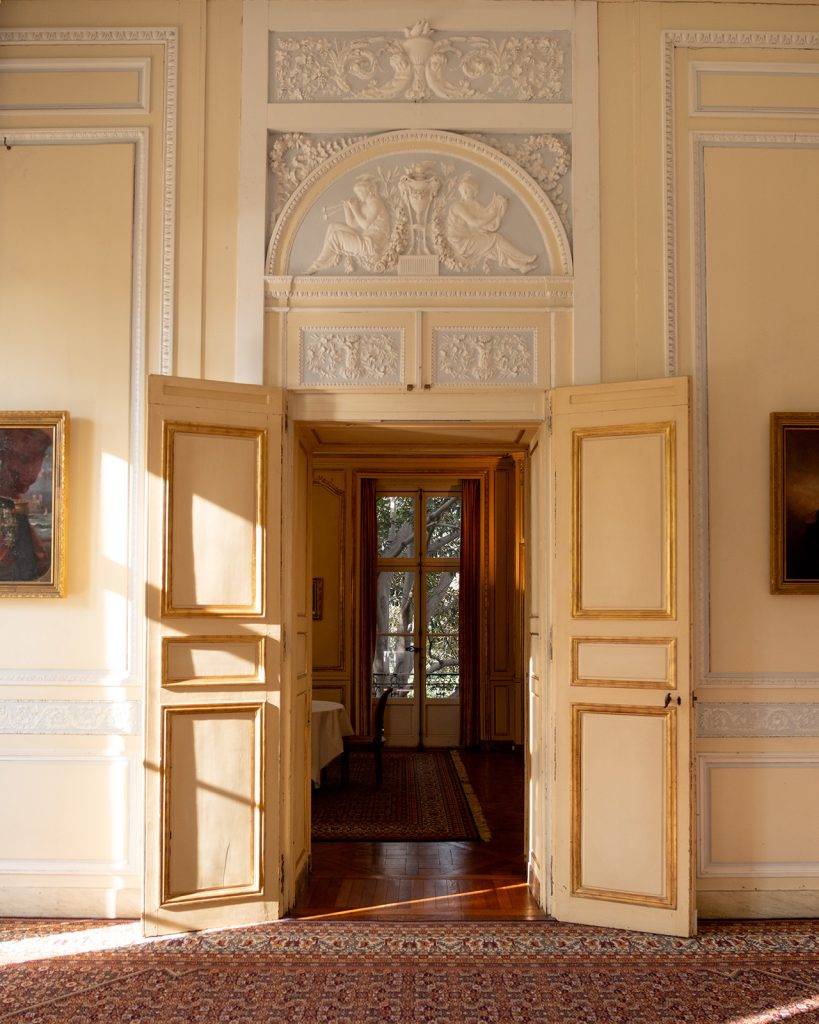
Villa Eilenroc. Photography: Harriet Thorpe
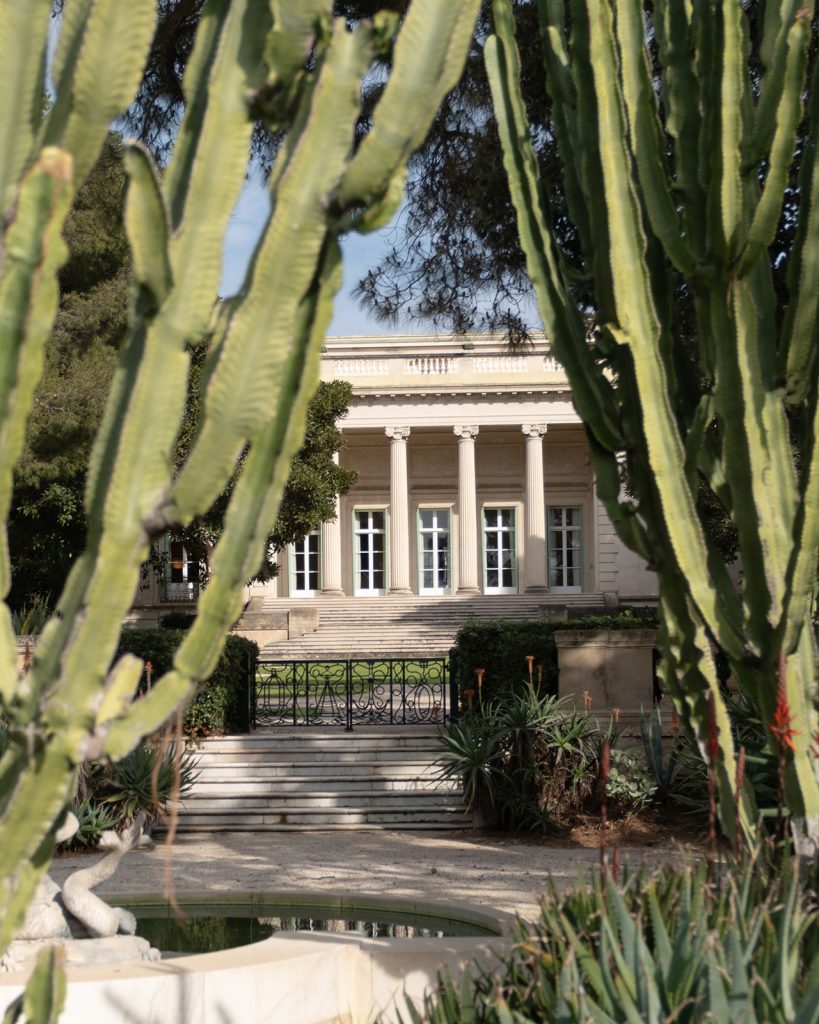
Villa Eilenroc. Photography: Harriet Thorpe
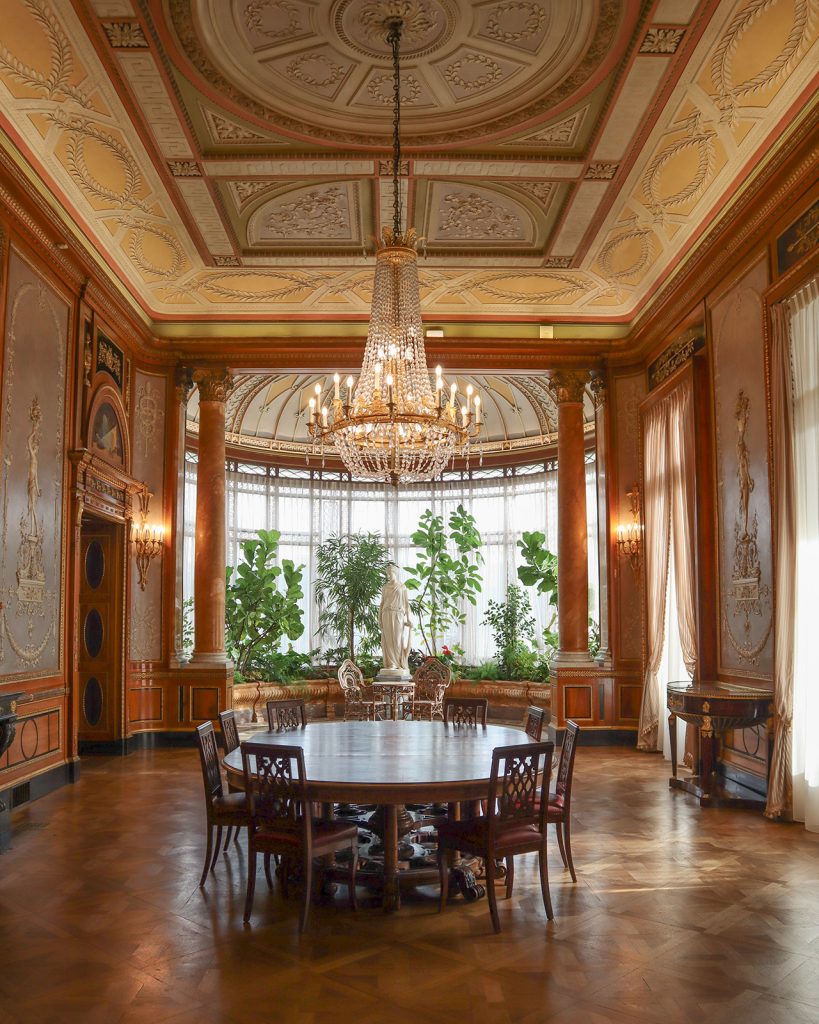
Villa Masséna. Photography: Harriet Thorpe
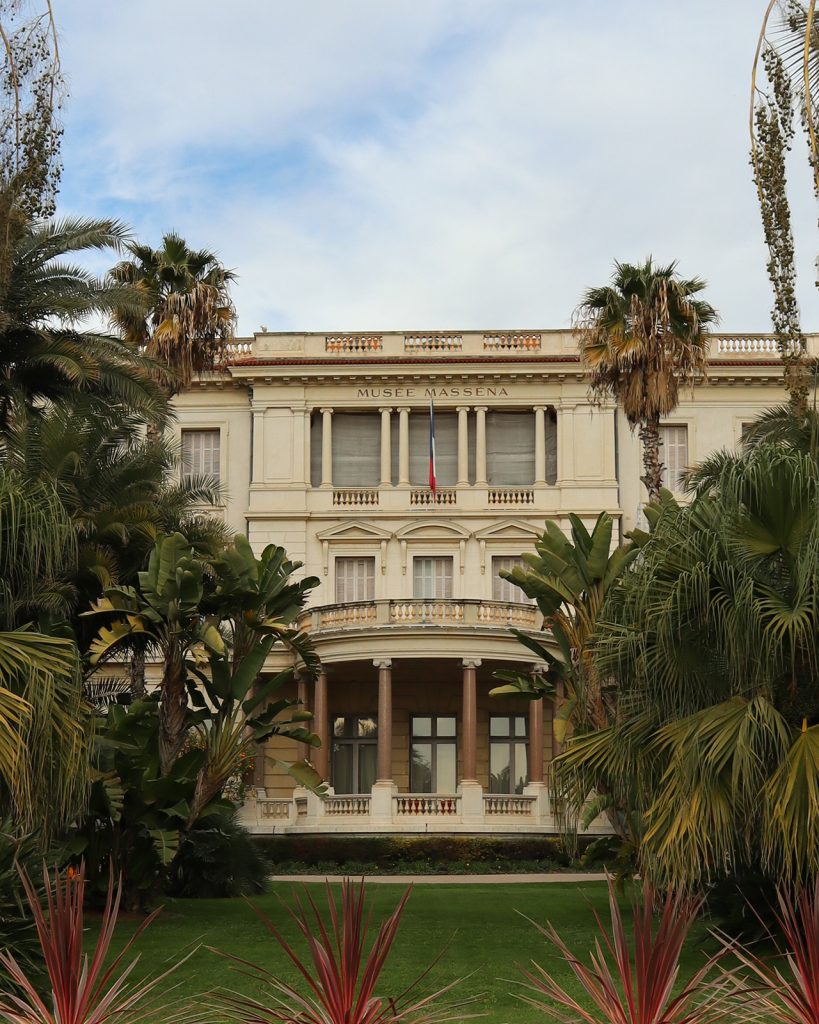
Villa Masséna. Photography: Harriet Thorpe
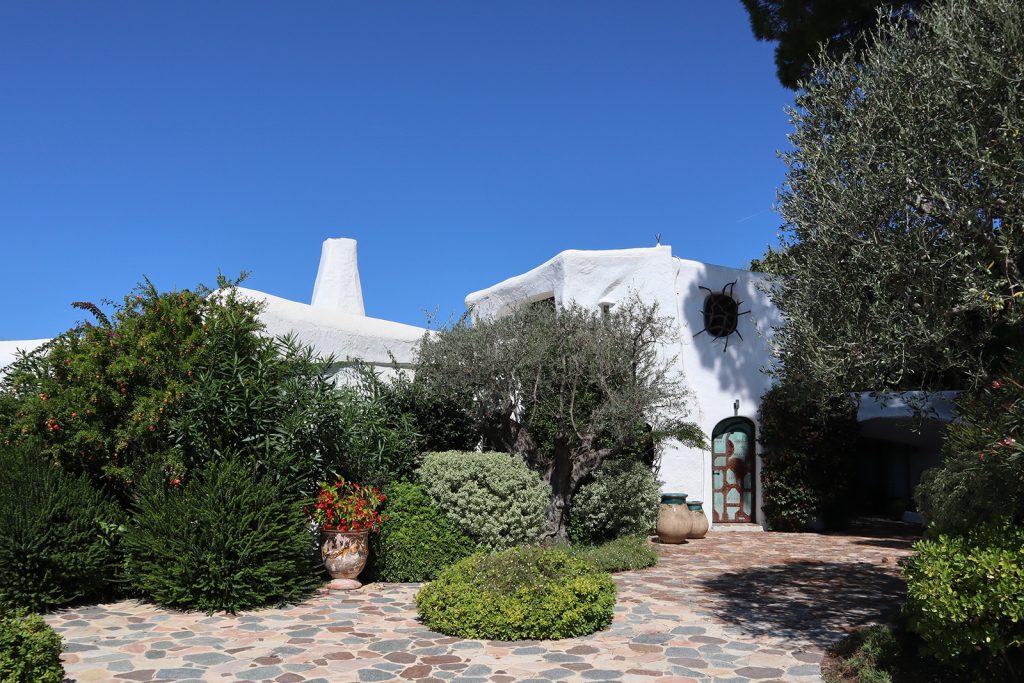
Dragon Hill. Photography: Harriet Thorpe
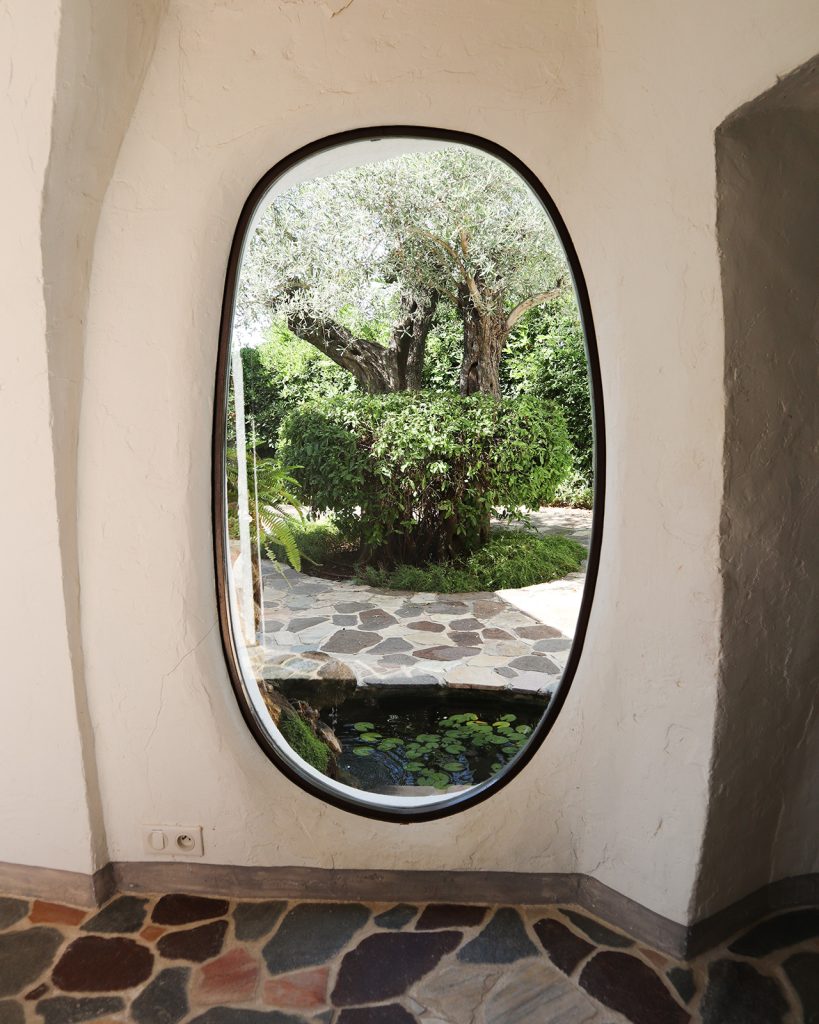
Dragon Hill. Photography: Harriet Thorpe
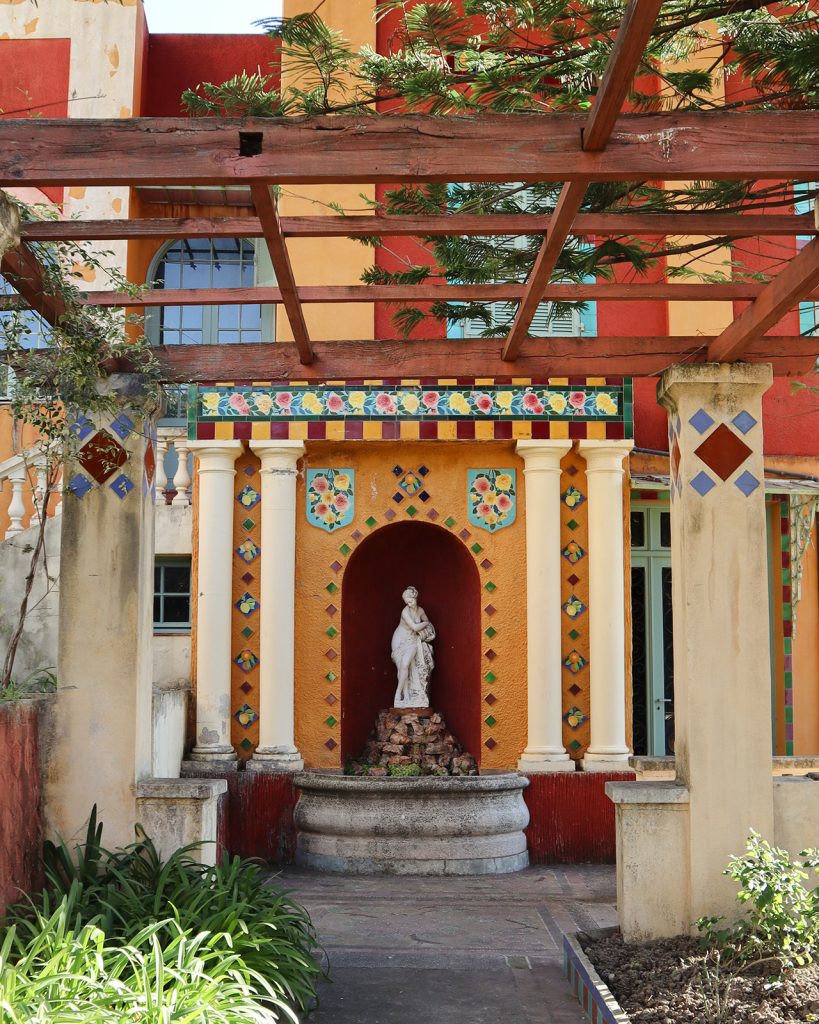
Fontana Rosa. Photography: Harriet Thorpe
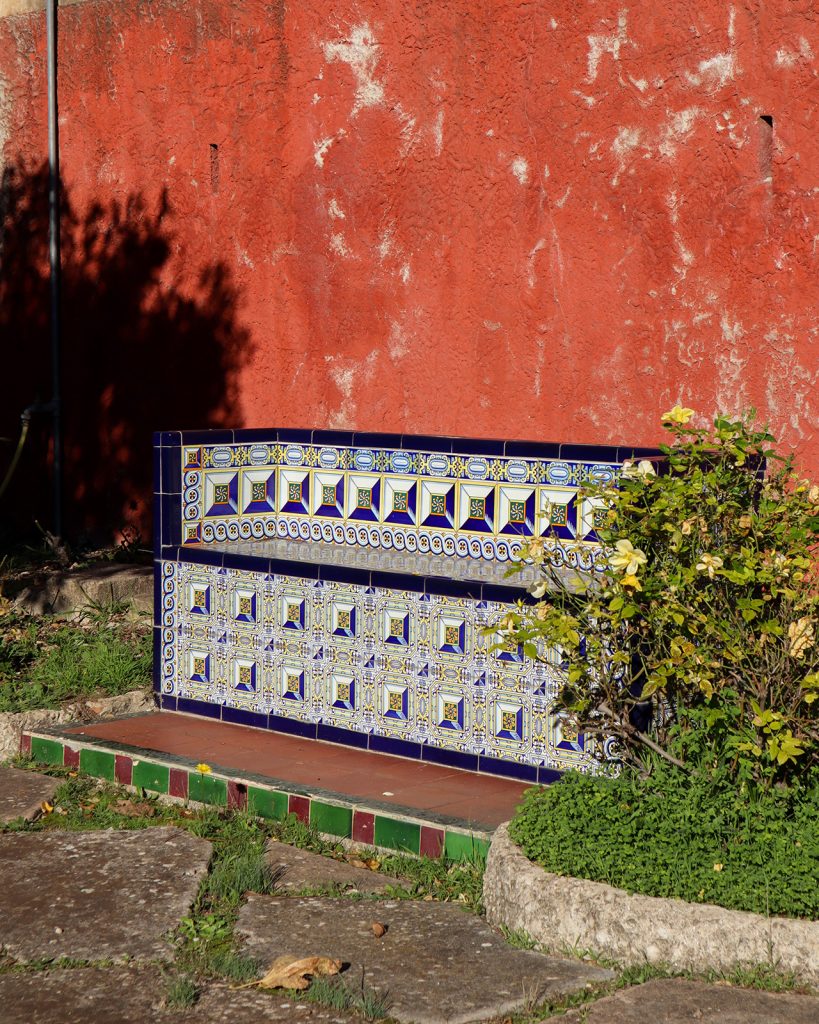
Fontana Rosa. Photography: Harriet Thorpe
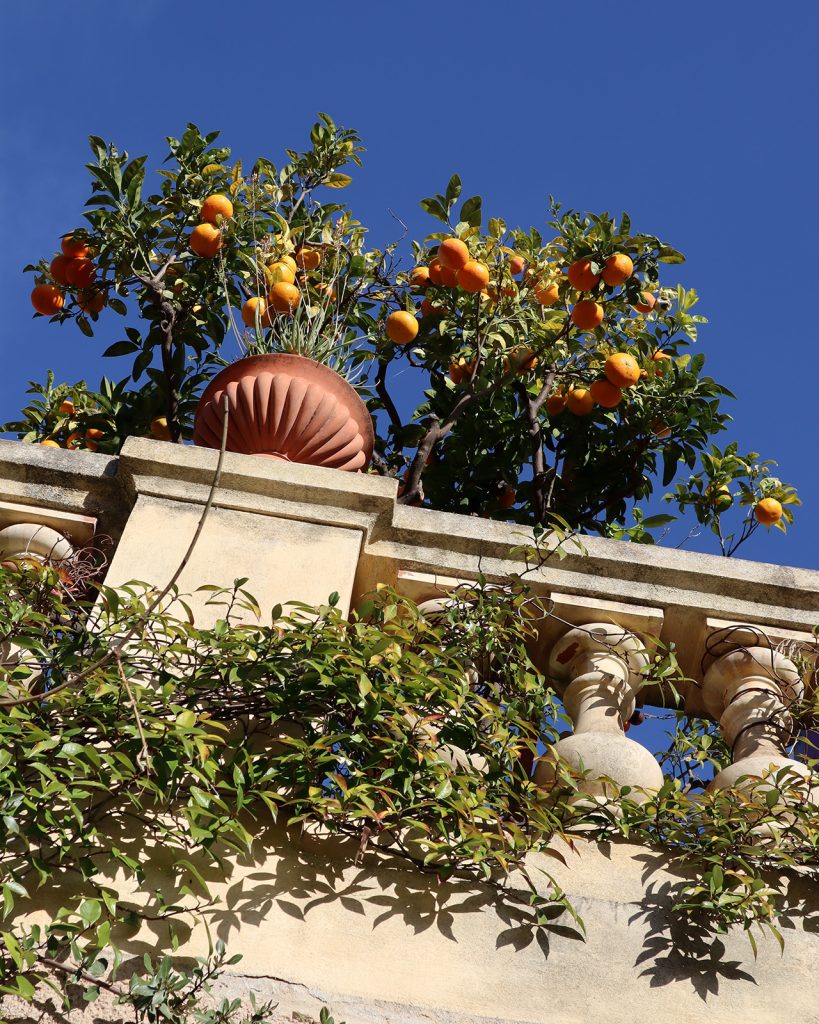
Fontana Rosa. Photography: Harriet Thorpe