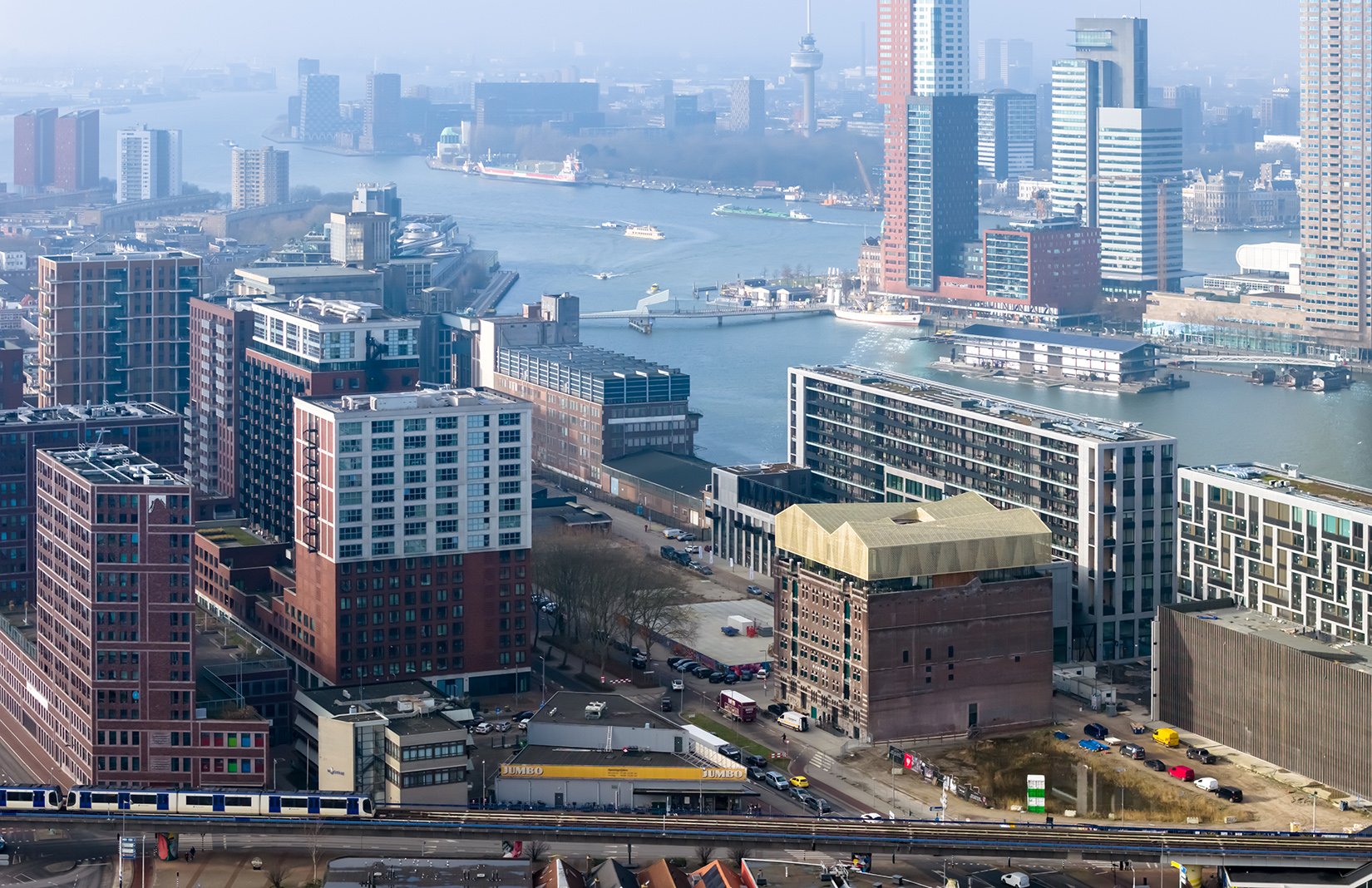
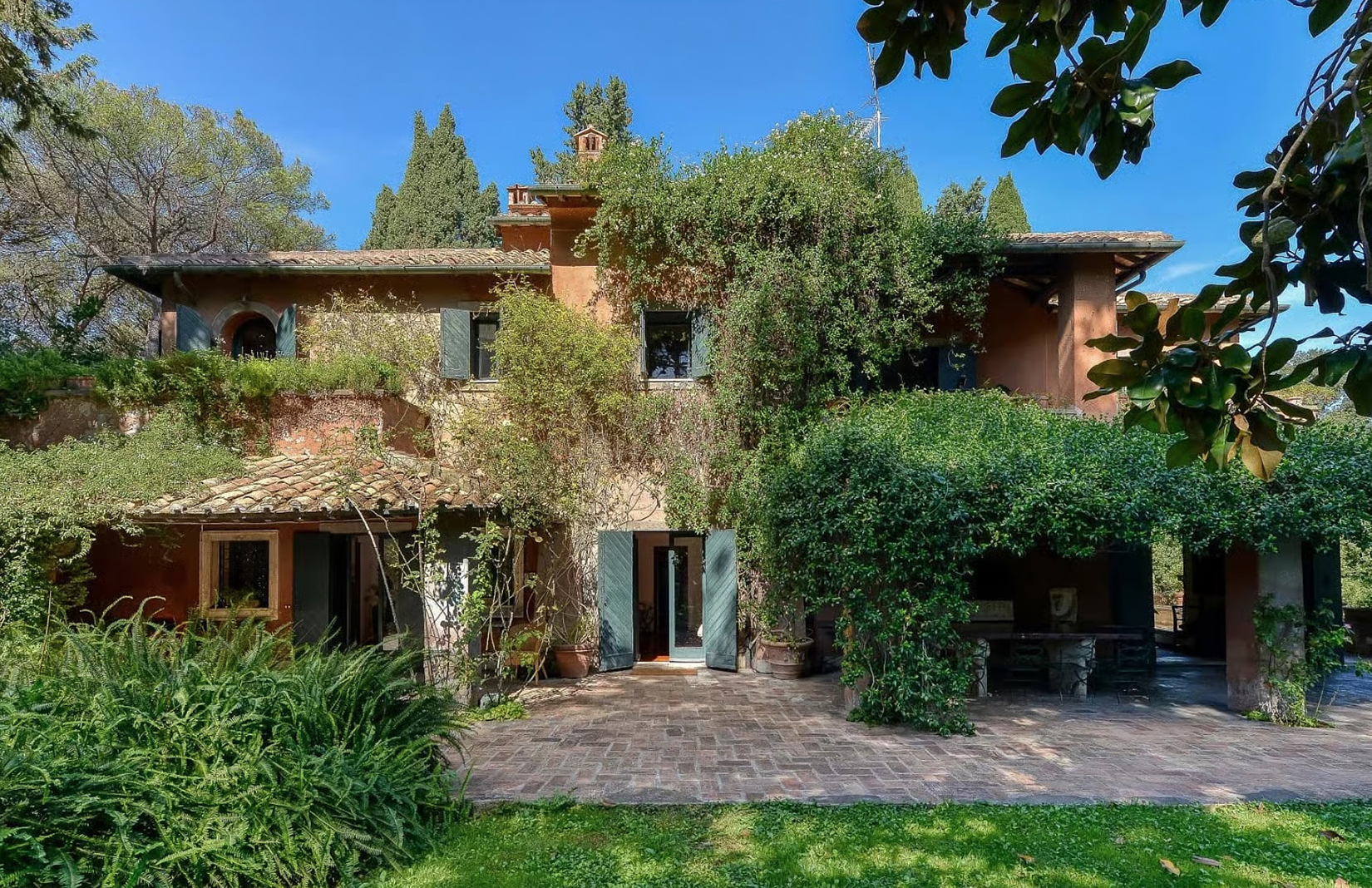
Pakhuis Santos has stood still on Rotterdam’s harbour for years, a rare turn-of-the-century trade warehouse that survived bombing during the Second World War. But this weekend the 1902 heritage site stepped into a dynamic new era as the home of the Netherlands Fotomuseum, part of a landmark adaptive reuse project.
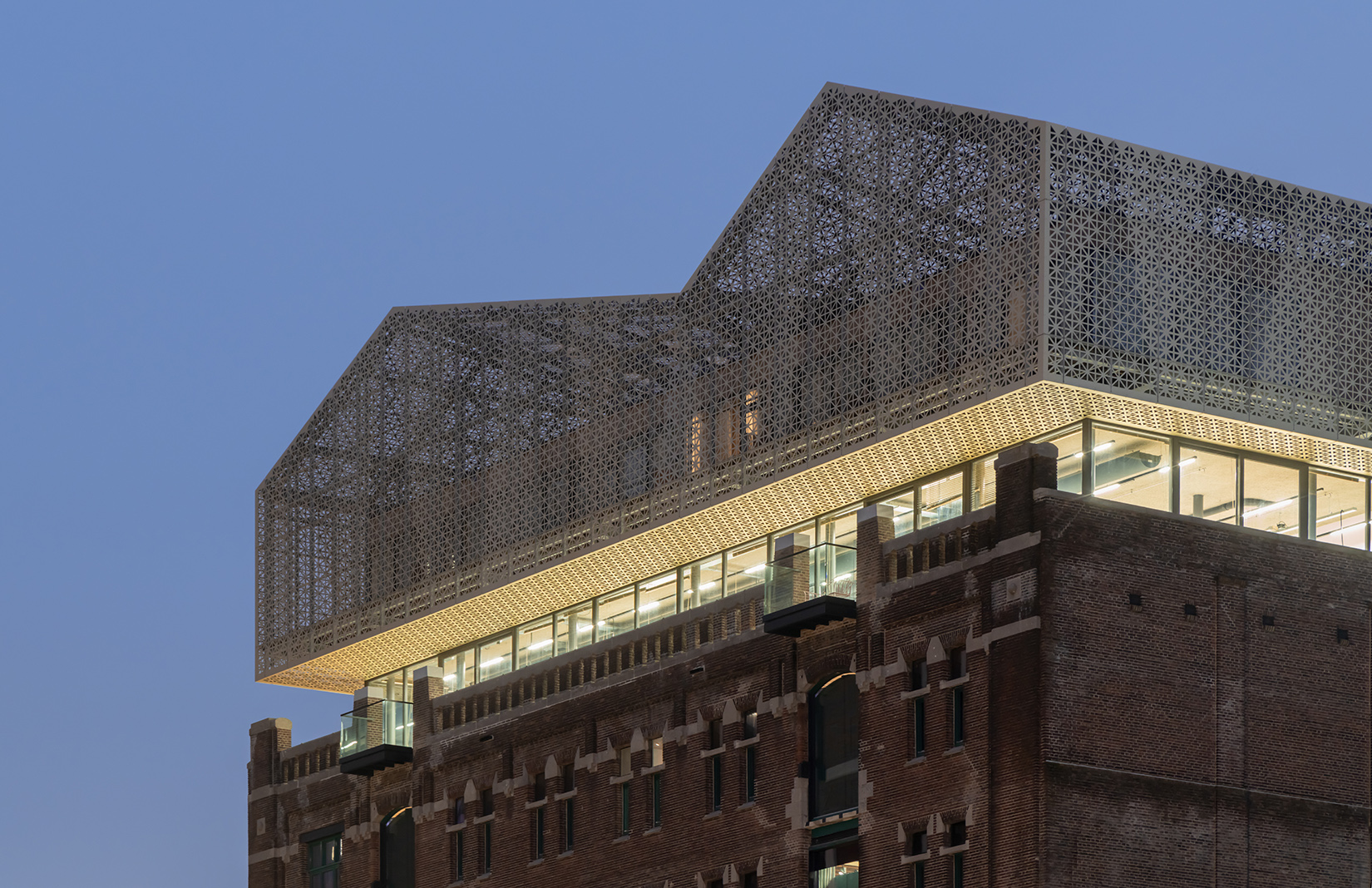
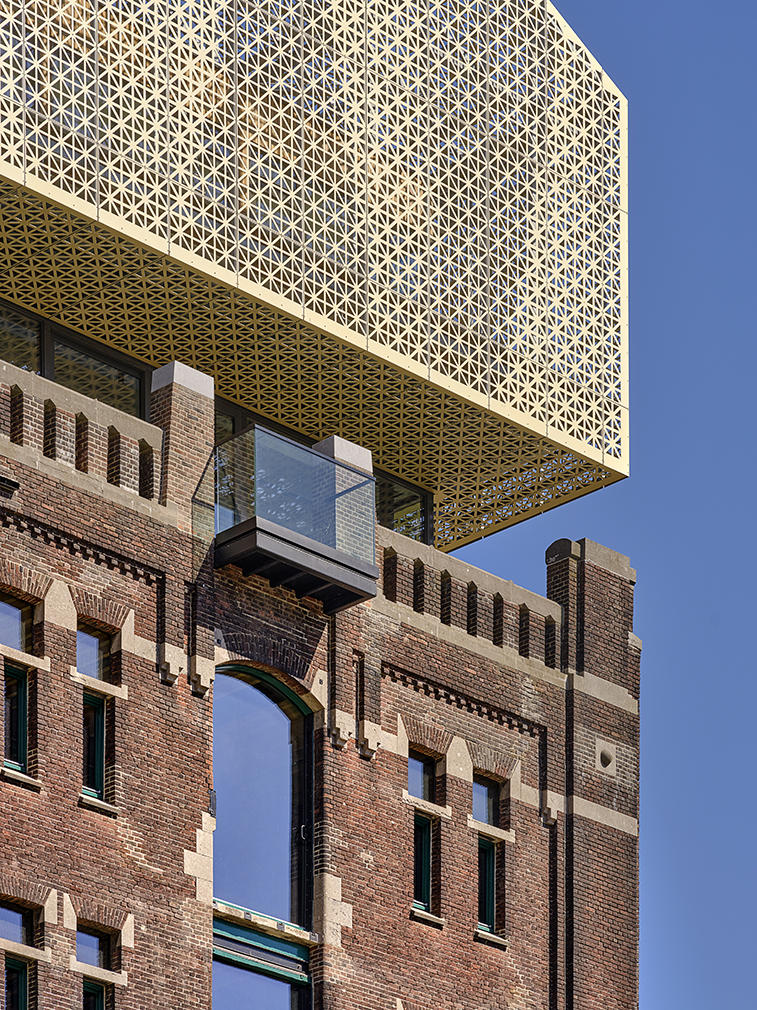
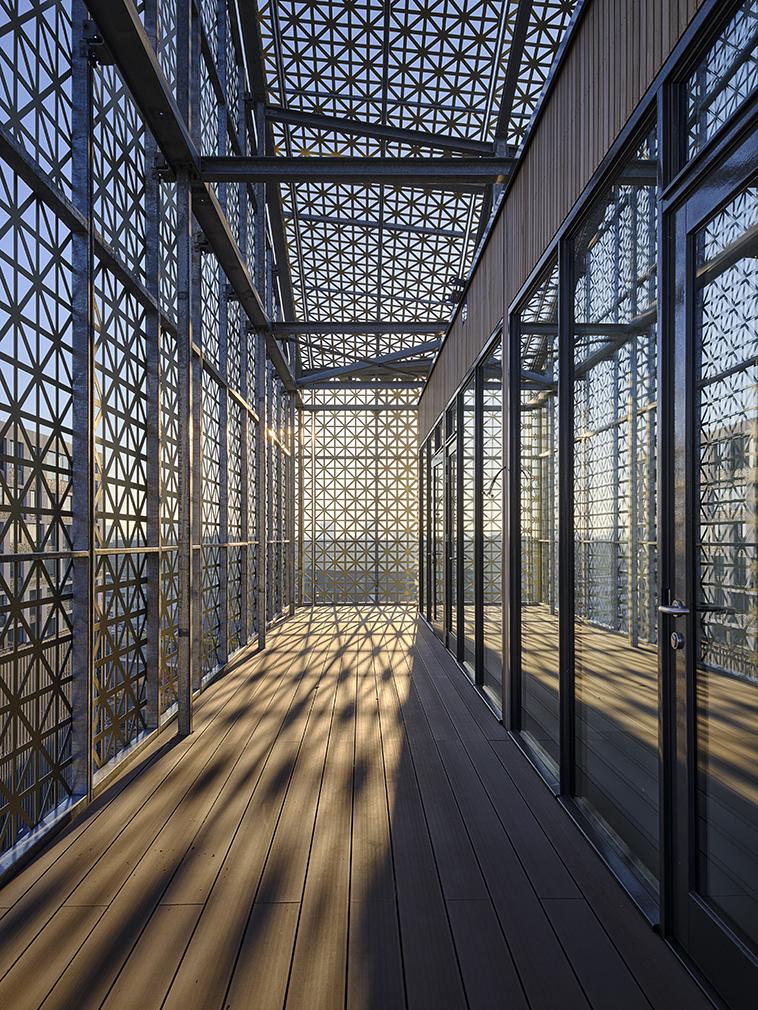
Crowned with a striking golden roof, the 25,000sqm space is the latest cultural addition to the Katendrecht peninsula and a new permanent home for the state photography museum. Its relocation to the Santos warehouse directly links Rotterdam’s global maritime and trading heritage to ‘contemporary themes of identity, migration, and urban transformation’, according to interim director Roderick van der Lee. And it joins the Fenix Museum and a forthcoming dance venue in the old Provimi Factory on the south bank of the Maas River — all strategic moves in the master plan to establish Rotterdam as a major European cultural capital.
Clearly it is already working: the once disused area is flourishing with activity, with restaurants like Café Putaine and hotels like the Wikkelboats bobbing in the water nearby to service visitors.
Photography: © Iwan Baan.
Photography: © Foto Studio Hans Wilschut.
Photography: © Foto Studio Hans Wilschut.
Photography: © Foto Studio Hans Wilschut.
RHWZ Architekten and local adaptive-reuse champion WDJ Architecten thought carefully about the Brede Hilledijk, a street running parallel to the waterfront toward the museum. ‘Between the robust facades of the monumental Pakhuis Santos warehouse and the energy of a revitalised Katendrecht, the new entrance to the Fotomuseum is right on the border between past and future,’ says WDJA architect Karin Wolf.
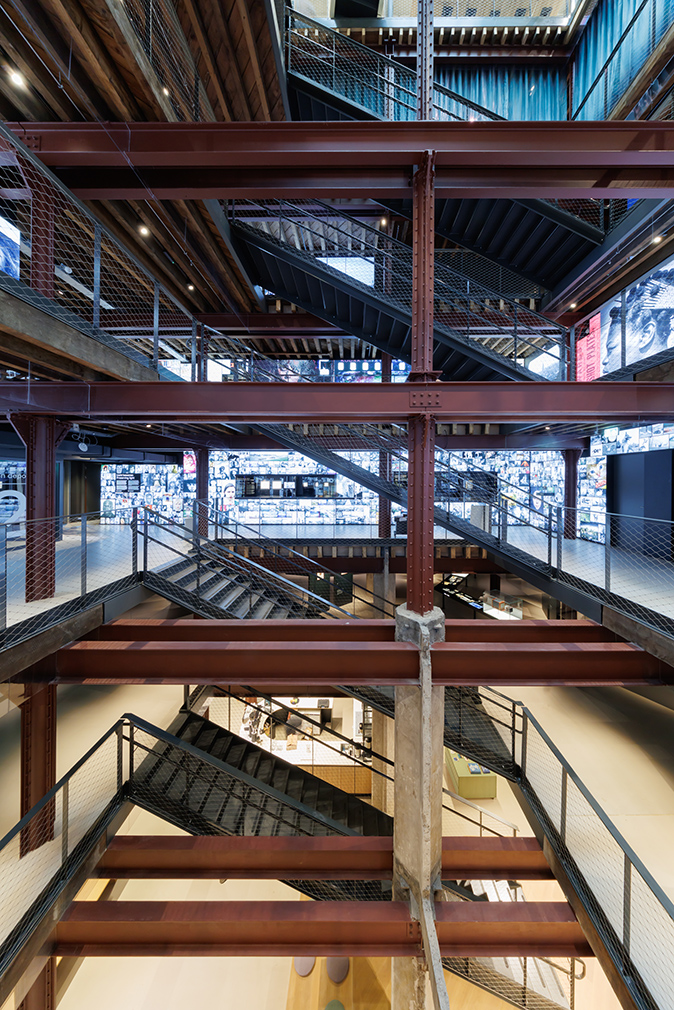
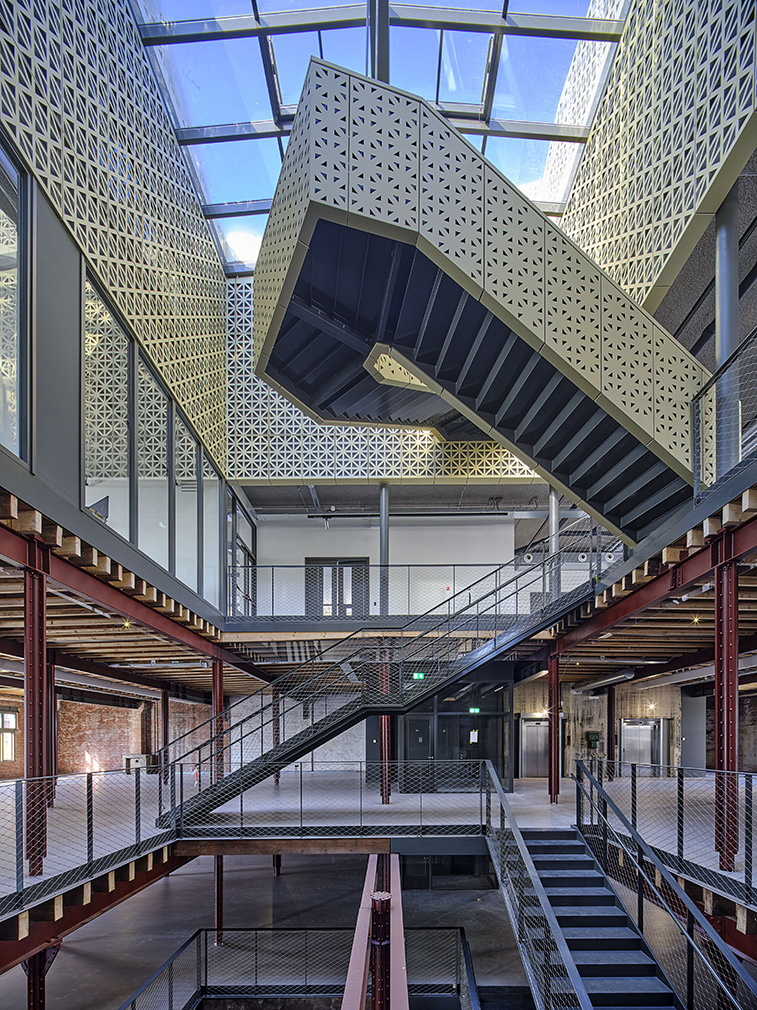
This threshold between old and new is emphasised in the vertical transformation of the Grade A-listed building. The two-storey rooftop extension, holding a restaurant and short-stay apartments, crowns the original Beaux Arts warehouse, while the original cast-iron column grid, preserved across the six historic storeys, proved critical to making the conversion to a museum. Floor beams and floorboards in the heart of the building have been removed to create a central atrium carving through the once enclosed warehouse, flooding the interior with daylight. ‘By transforming a robust industrial structure into an open, spatially layered environment,’ says Wolf, ‘the building mirrors the museum’s role as a place where images are not only preserved but continuously reread, reframed and experienced from new perspectives.’
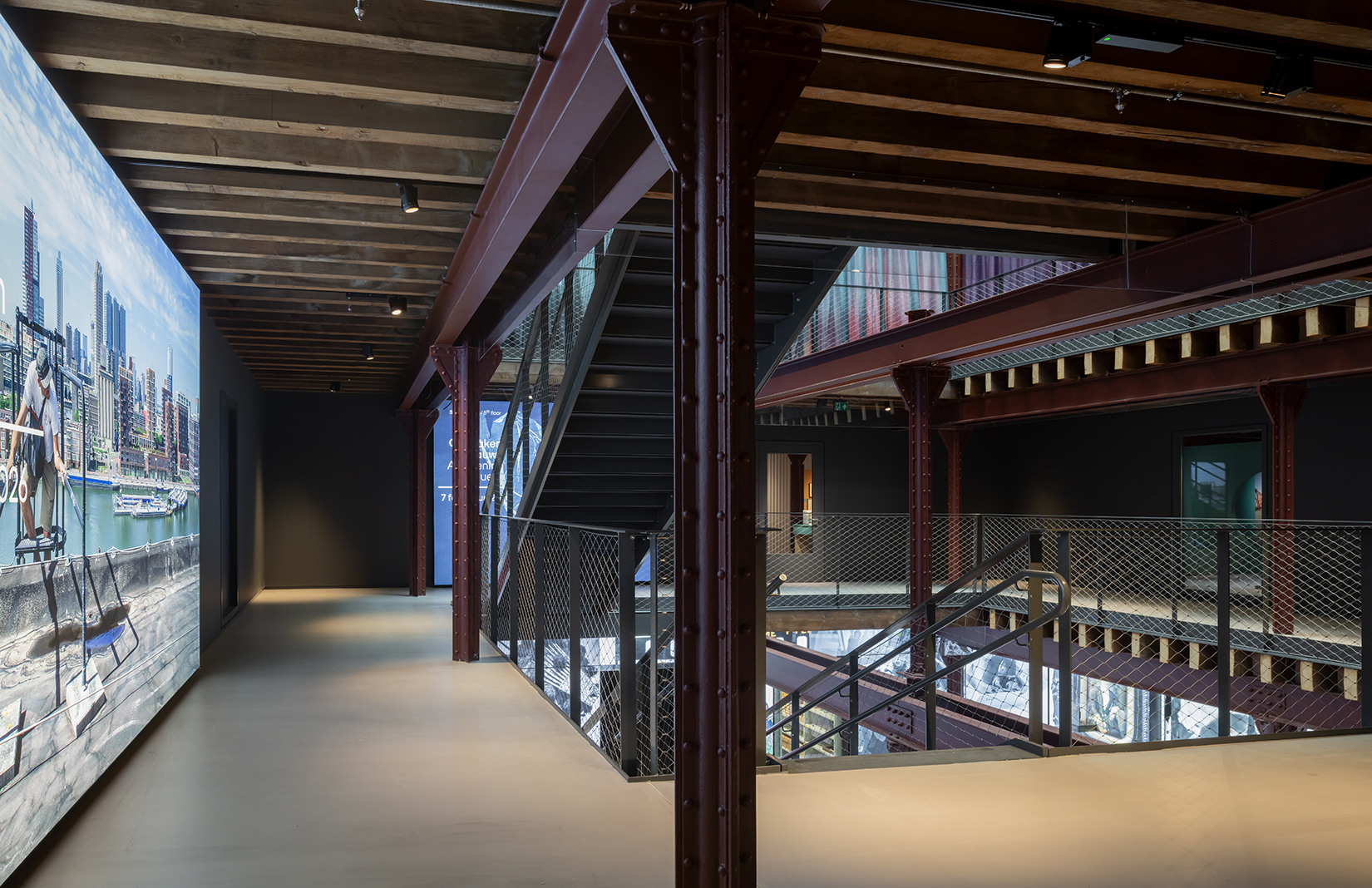
The design revolves around the museum’s collection of 6.5 million photographs — one of the world’s largest photographic archives — displayed in climate-controlled glass units. Similar to the spectacular Boijmans Depot in the centre of town, the building allows visitors to observe the ateliers preserving fragile glass negatives and daguerreotypes, and conservators cataloguing the archives of 175 photographers.
The sense of transparency and openness extends to the programming too. The ground-floor ‘living room for photography’ is open to all, implying a shift in how these institutions can be navigated. Visitors can use the library and darkroom without paying admission.
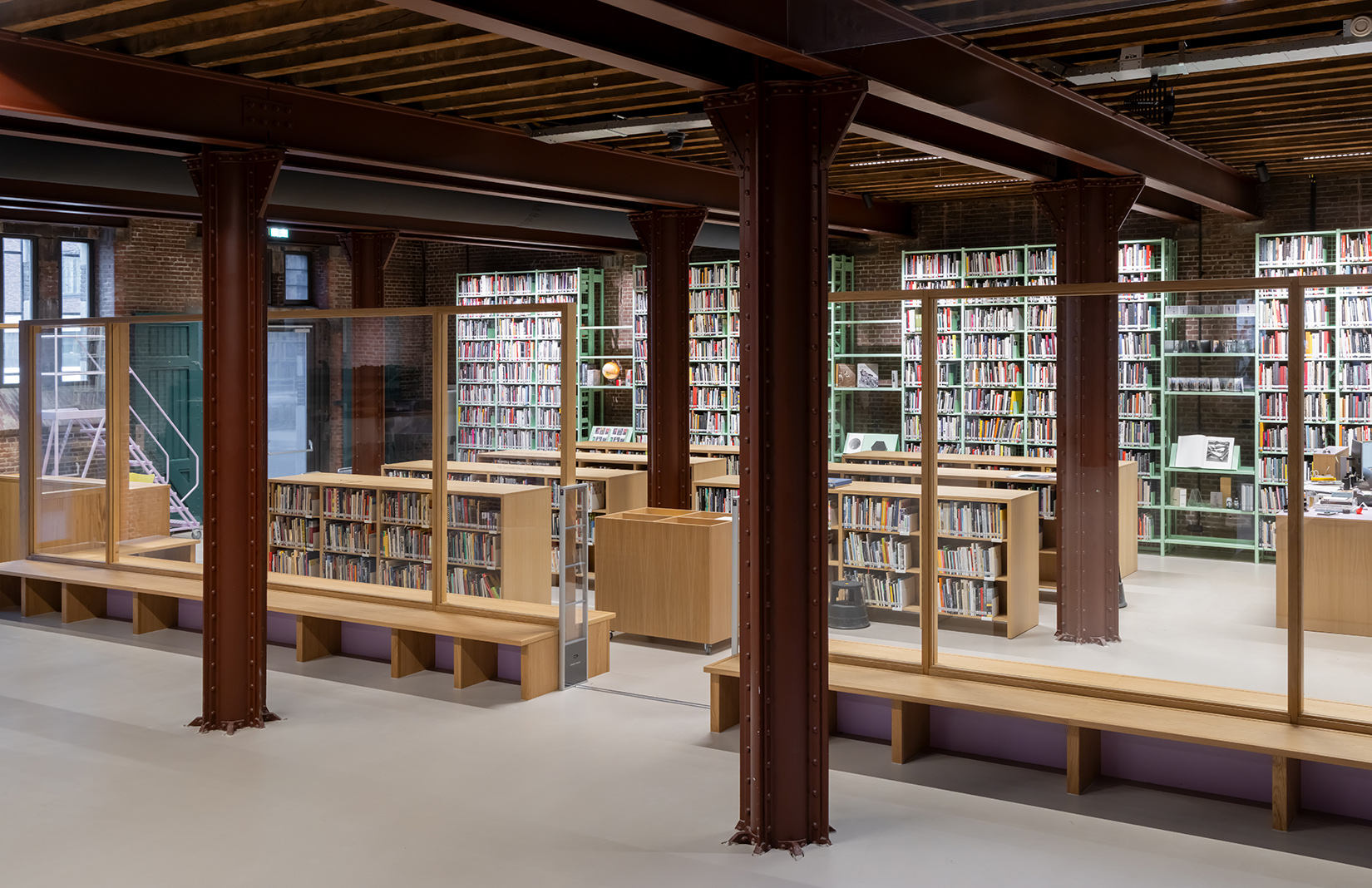
‘The concept of a shared domestic space is central to creating an environment that is democratic and participatory,’ says Grace Wong-Si-Kwie, the museum’s head of presentation and public outreach. ‘We want people to encounter photography not just as a historical record but equally as a living, evolving medium.’
On their way to the inaugural exhibitions, visitors will first pass through the old loading dock, now an entrance marked by a lenticular nameplate installation. ‘The name Nederlands Fotomuseum appears and disappears like memories on a negative,’ says Wolf. ‘It’s not a static logo but a visual game that catches and reflects light, playfully referencing the world of photography itself.’