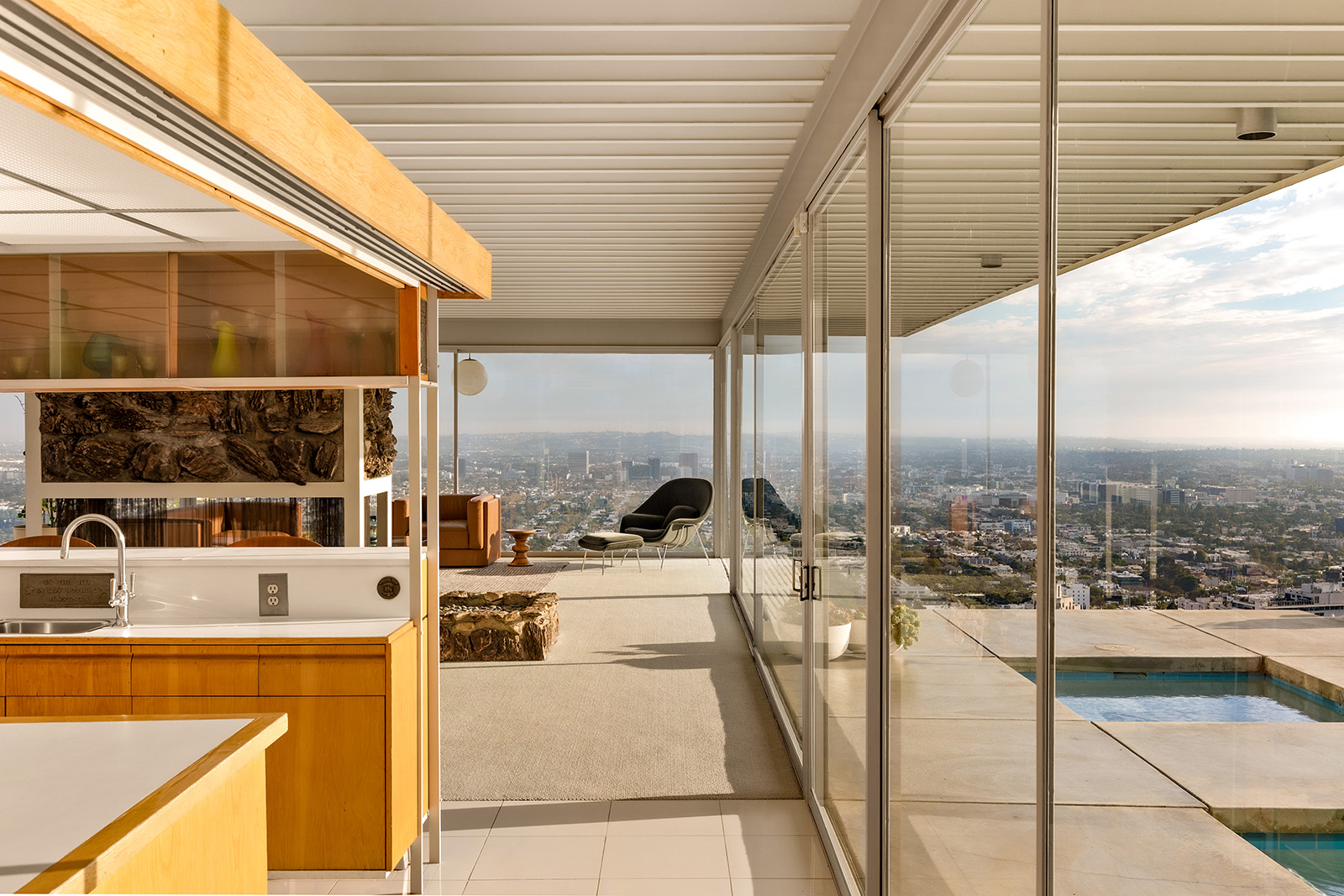
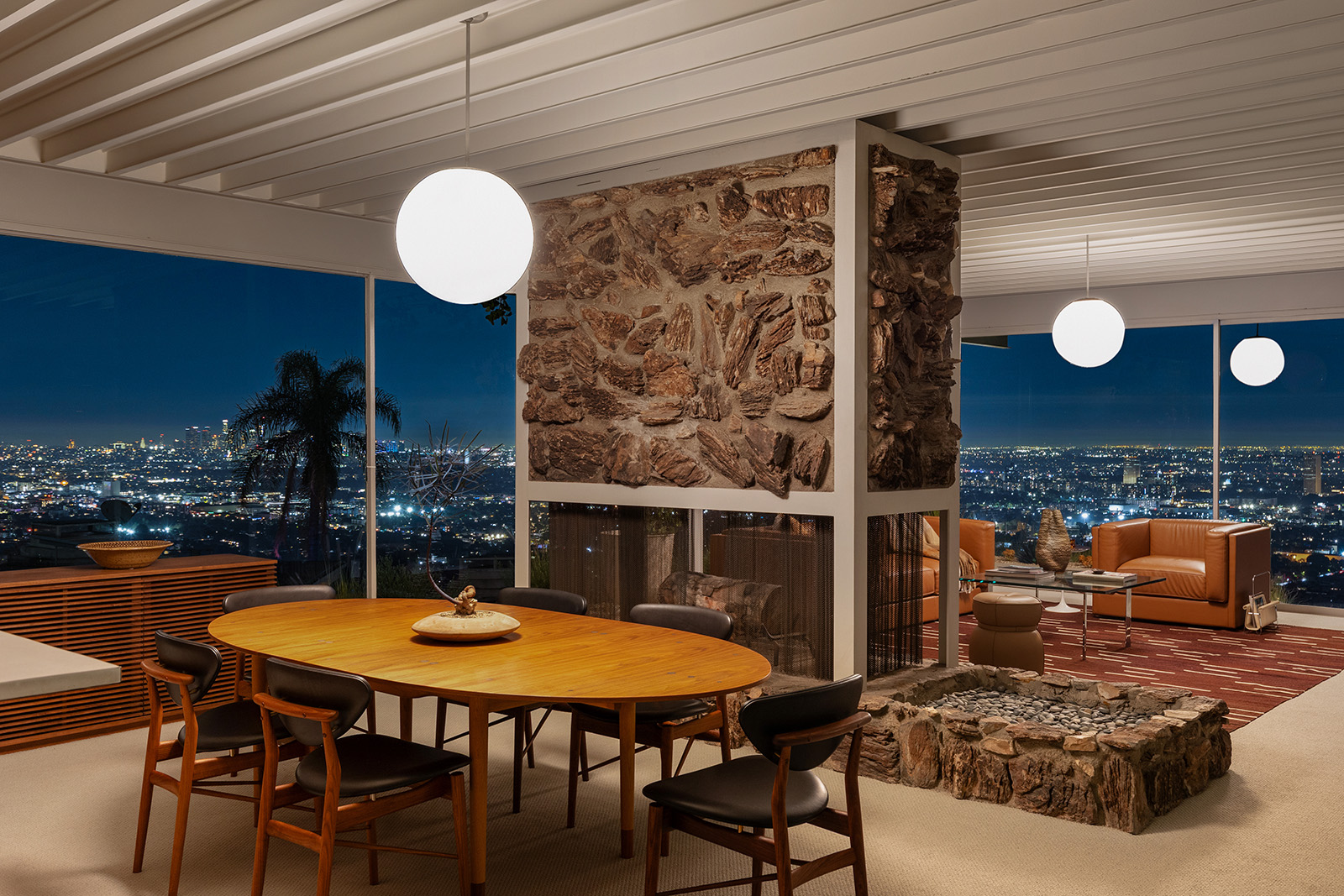
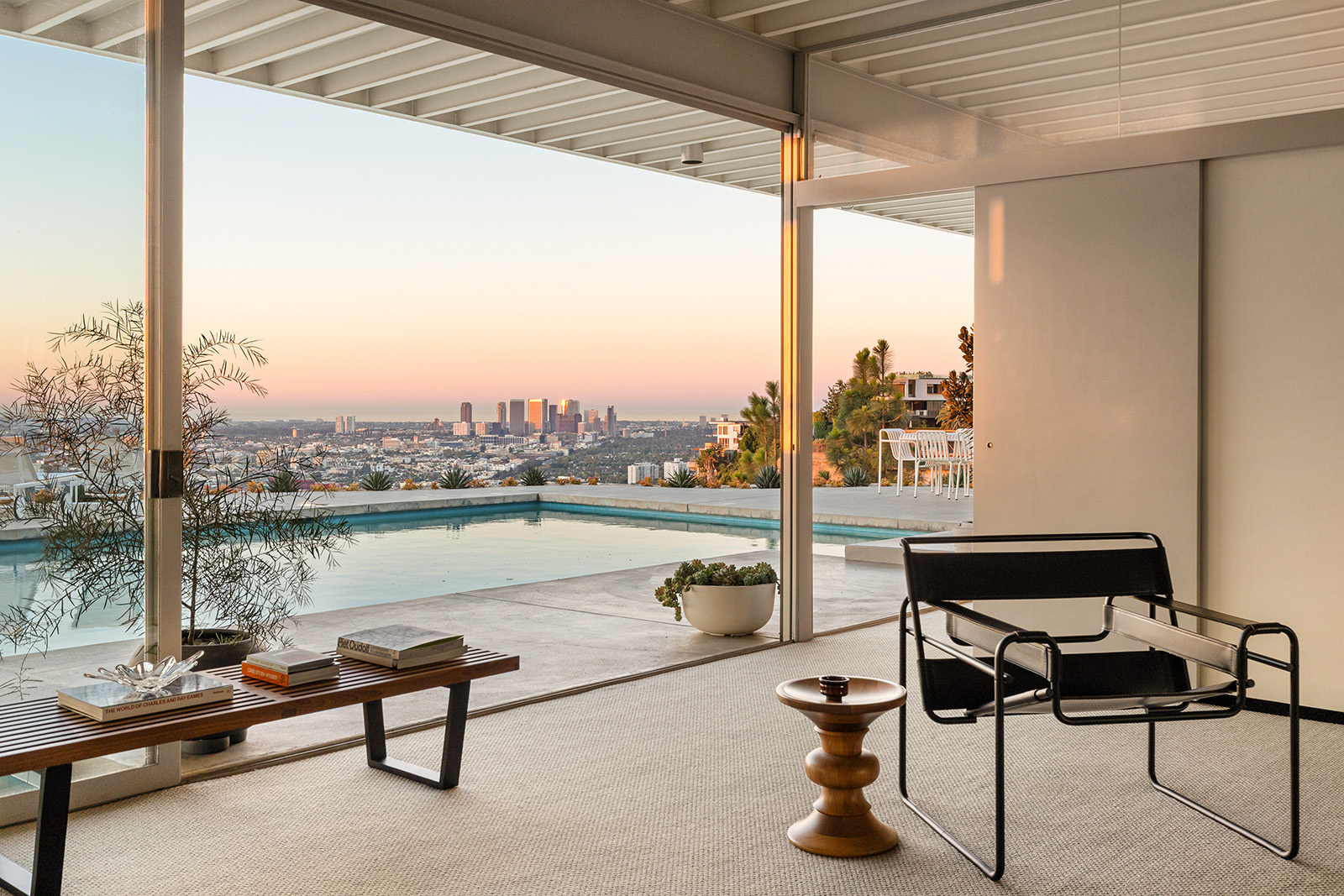
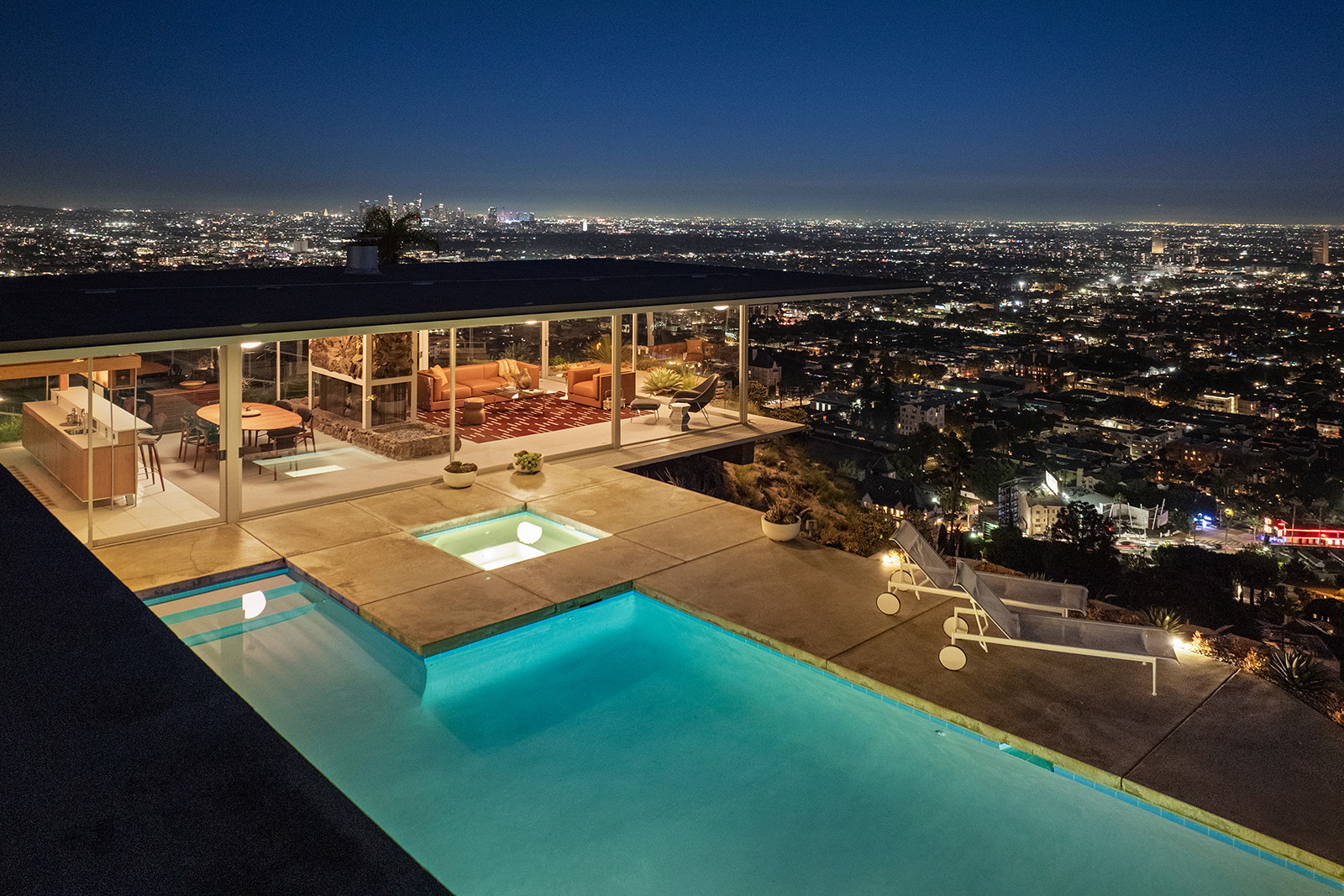
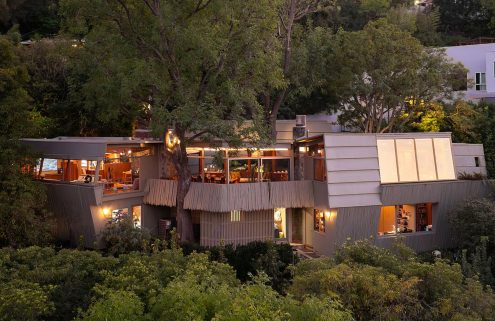
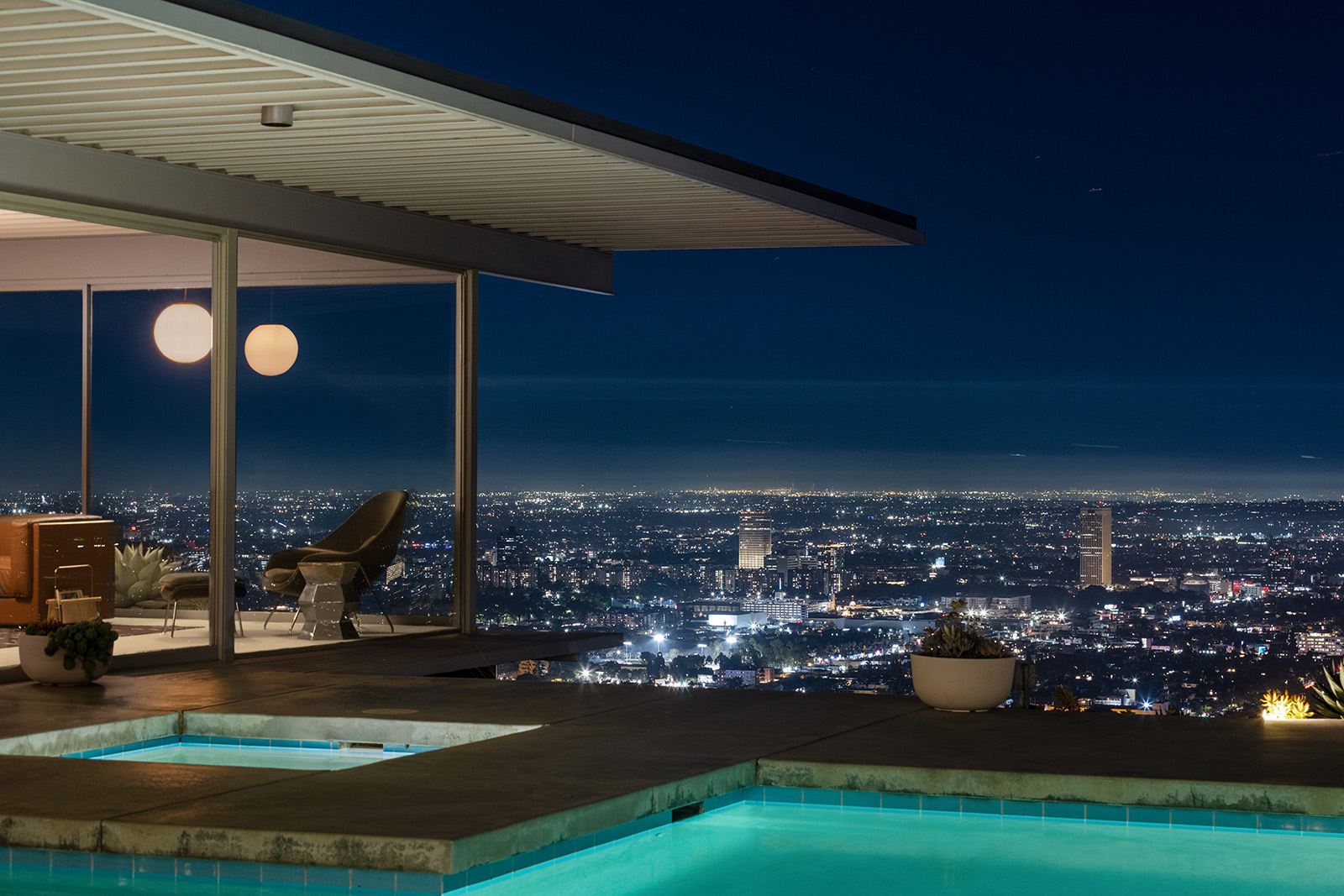
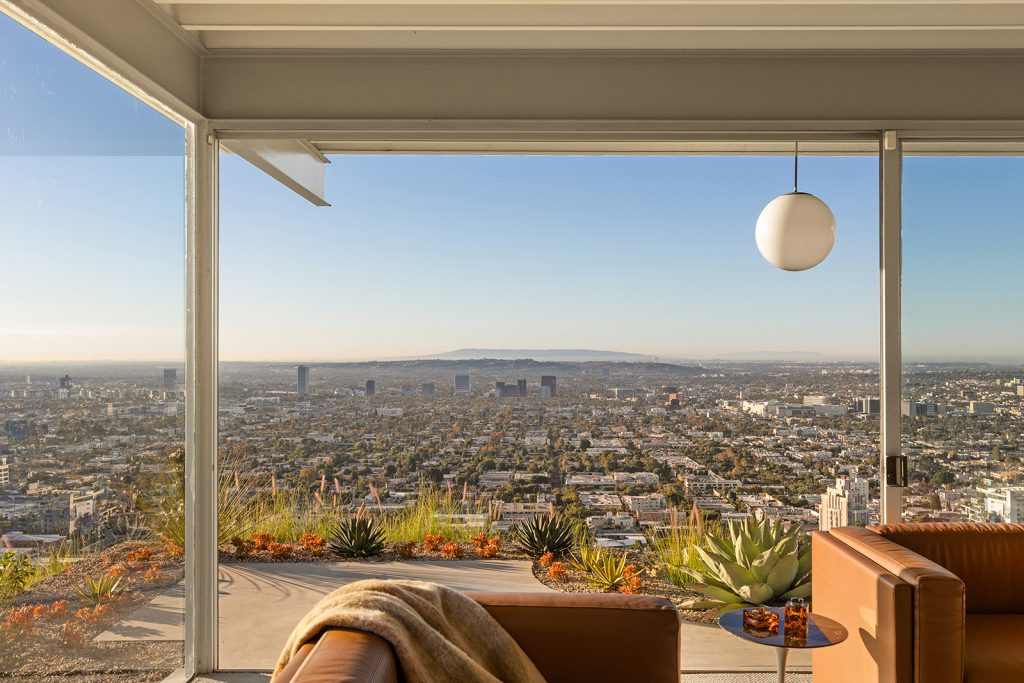
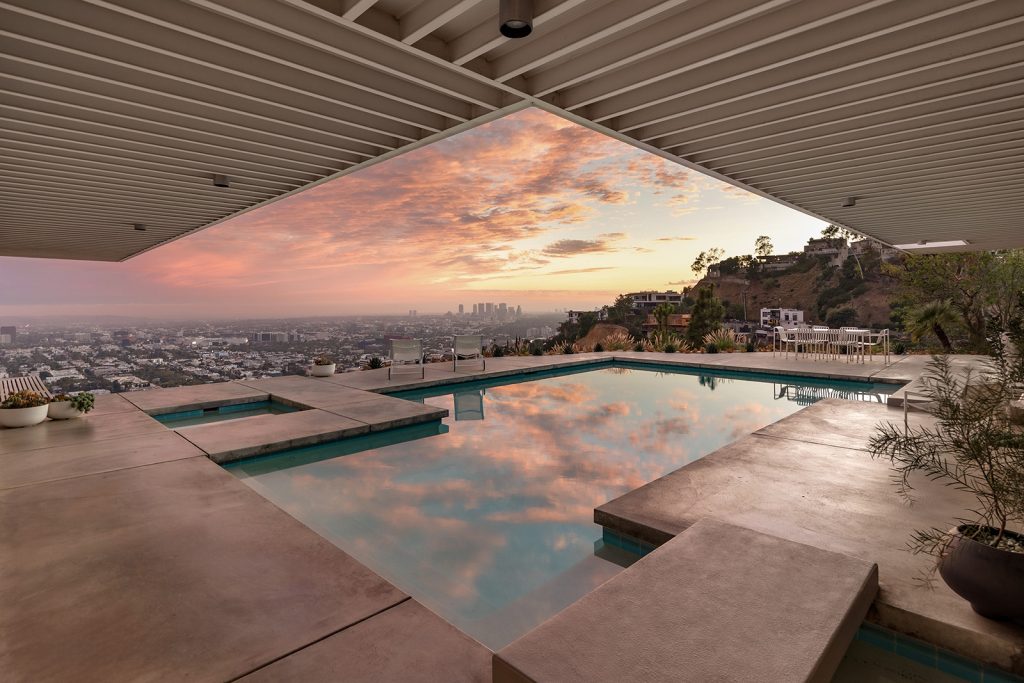
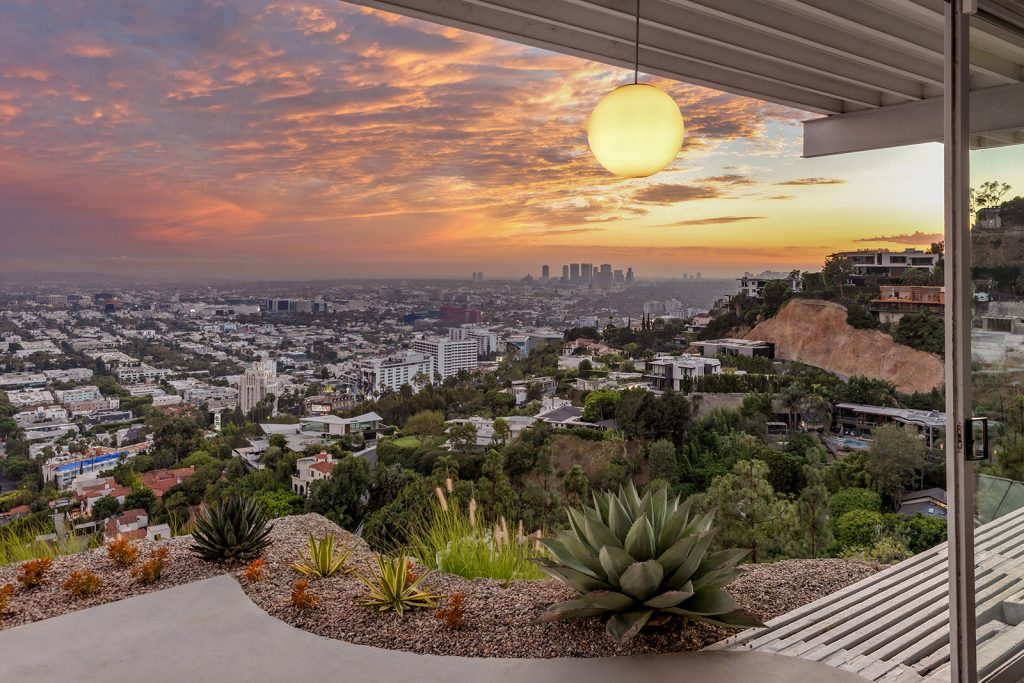
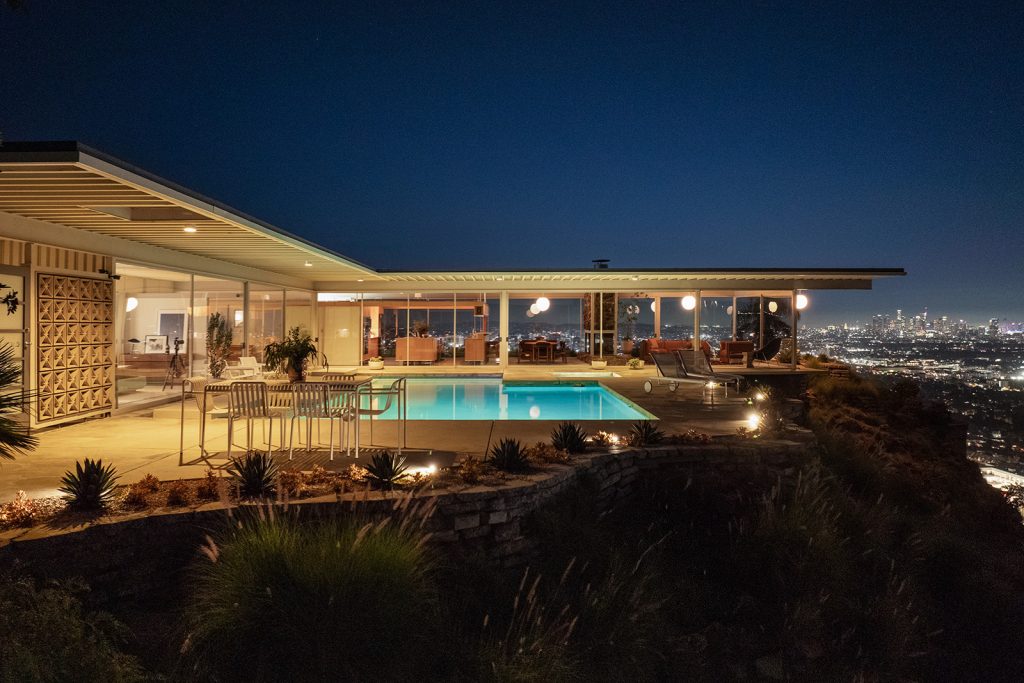
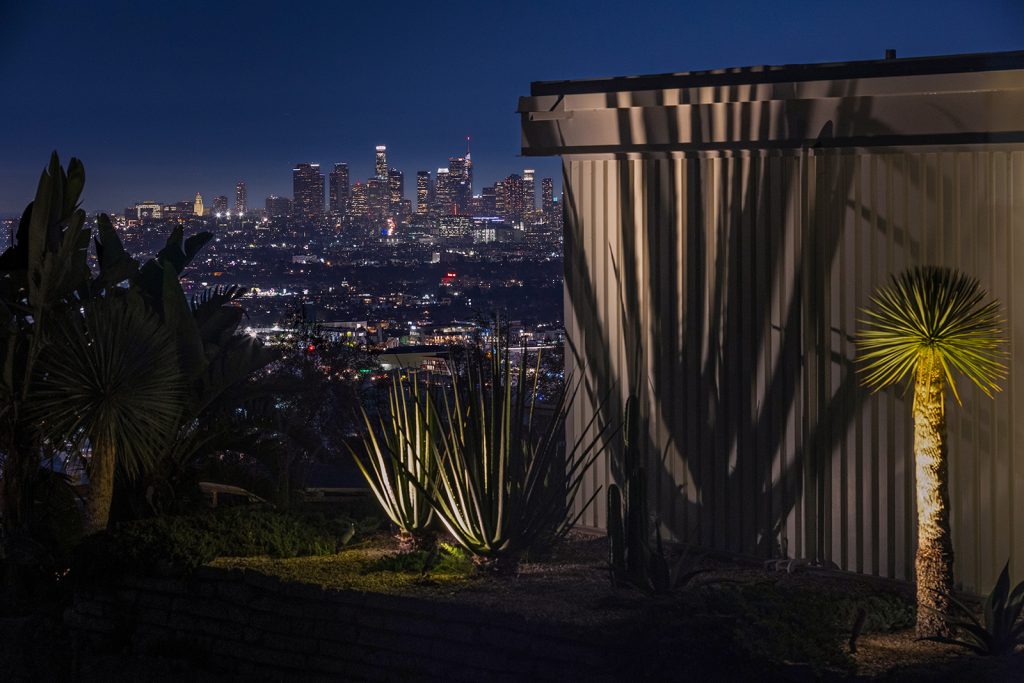
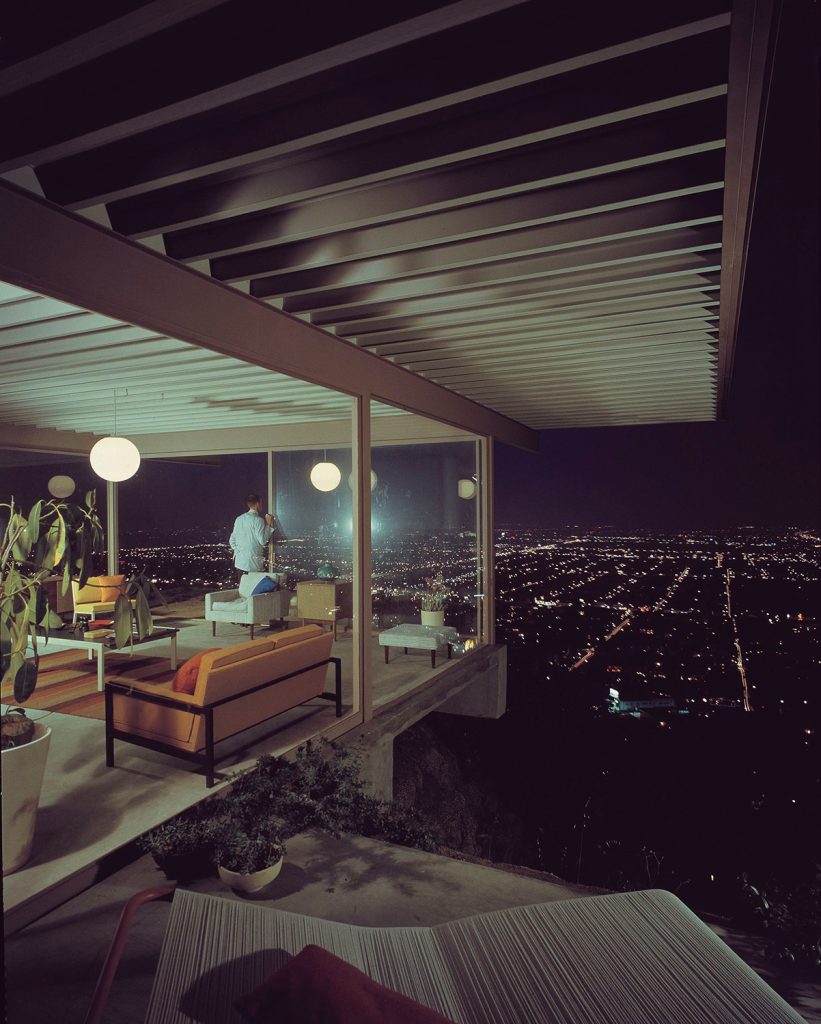
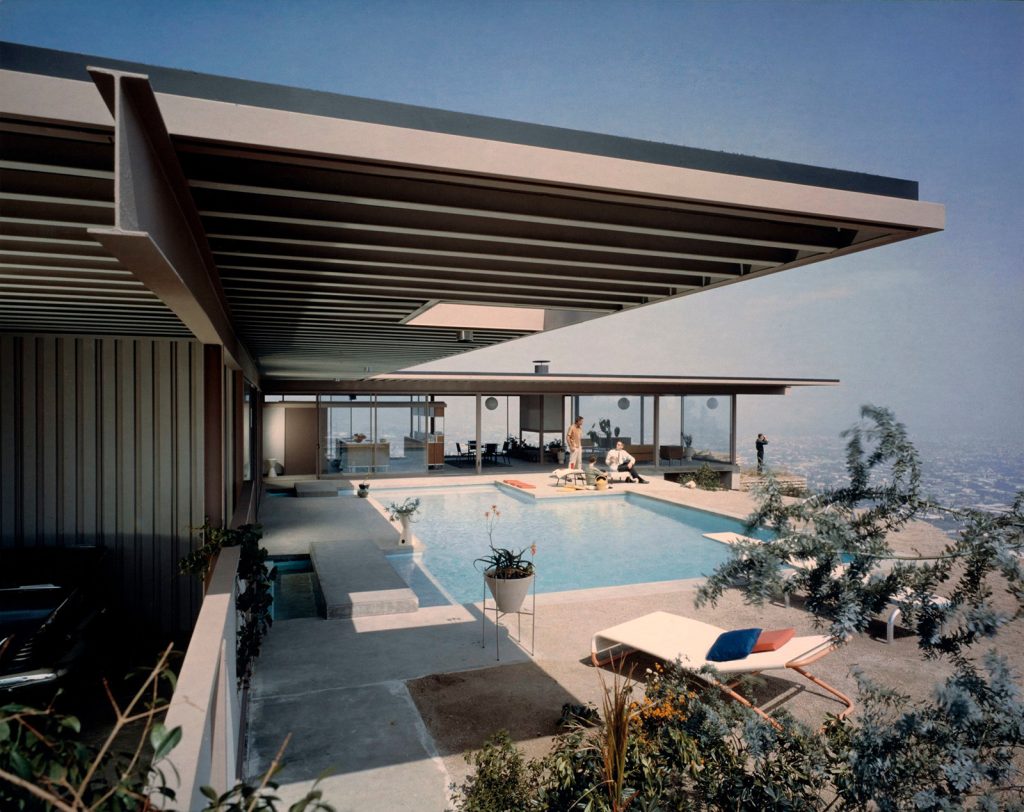
The Stahl House, officially known as Case Study House #22, remains one of the most recognised works of postwar modernism. It has also been owned by the same family since it was designed by Pierre Koenig in 1959, so seeing it on the market could very well be a once-in-a-lifetime event. Built to the visions and models of Buck and Carlotta Stahl, the glass-and-steel pavilion is set high above Los Angeles on a narrow ridge in the Hollywood Hills. In 1960 it was cemented into architectural history when photographer Julius Shulman captured its hovering form against the city.
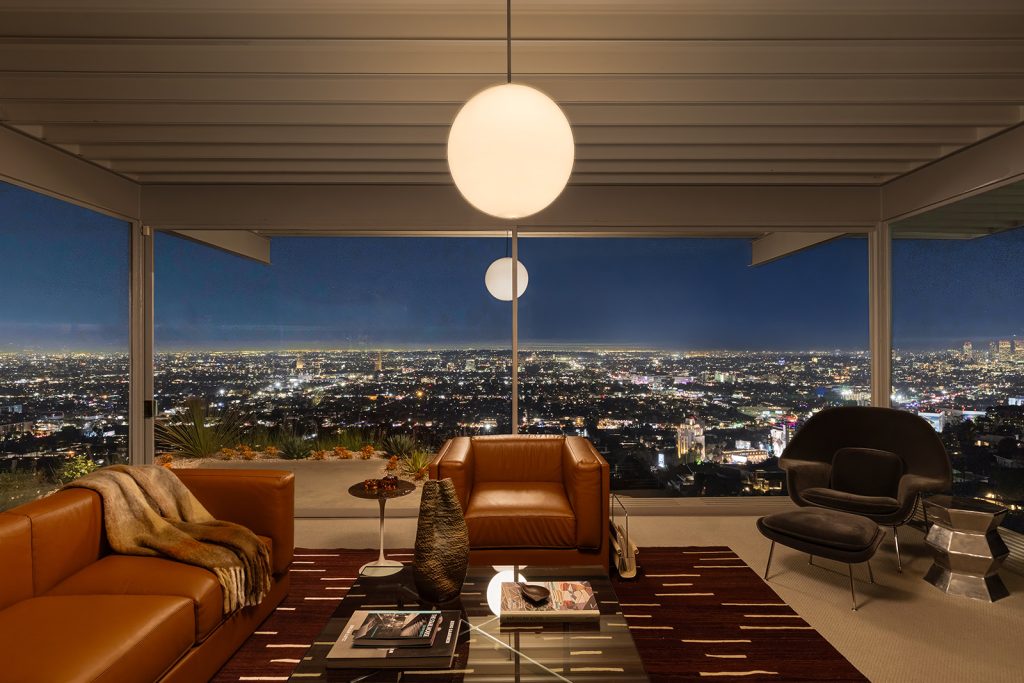
Photography: Cameron Carothers.
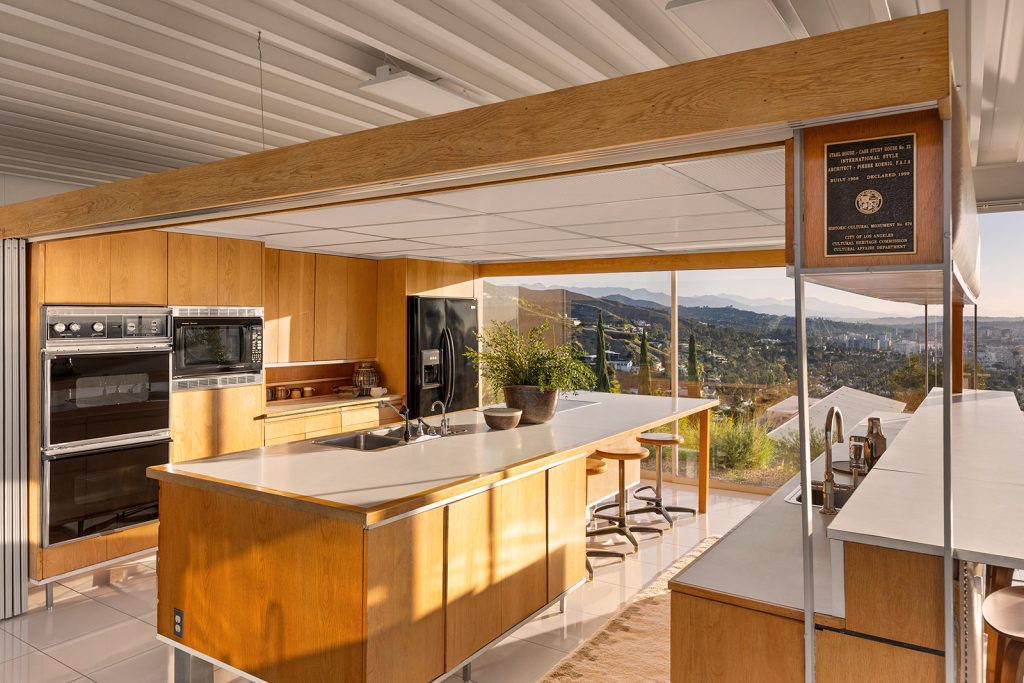
Photography: Cameron Carothers.
Photography: Cameron Carothers.
Photography: Cameron Carothers.
Photography: Cameron Carothers.
Photography: Cameron Carothers.
Photography: Cameron Carothers.
Photography: Cameron Carothers.
Photography: Julius Shulman, courtesy of The Getty Museum.
Photography: Julius Shulman, courtesy of The Getty Museum.
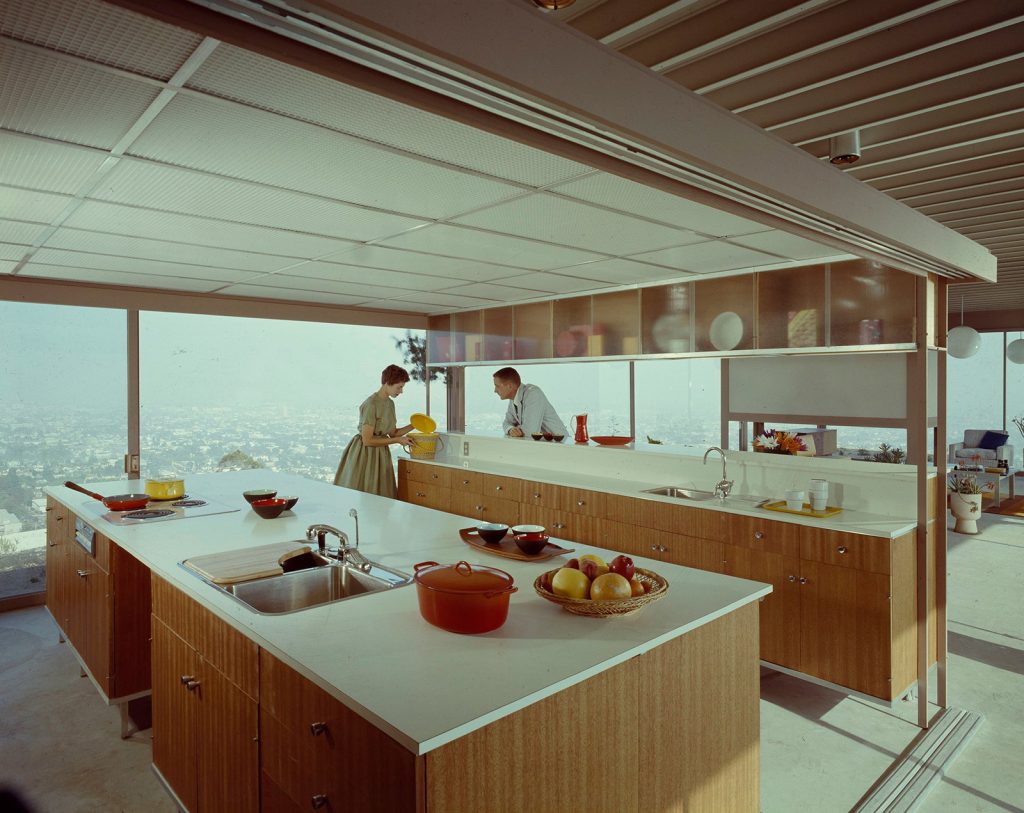
Photography: Julius Shulman, courtesy of The Getty Museum.
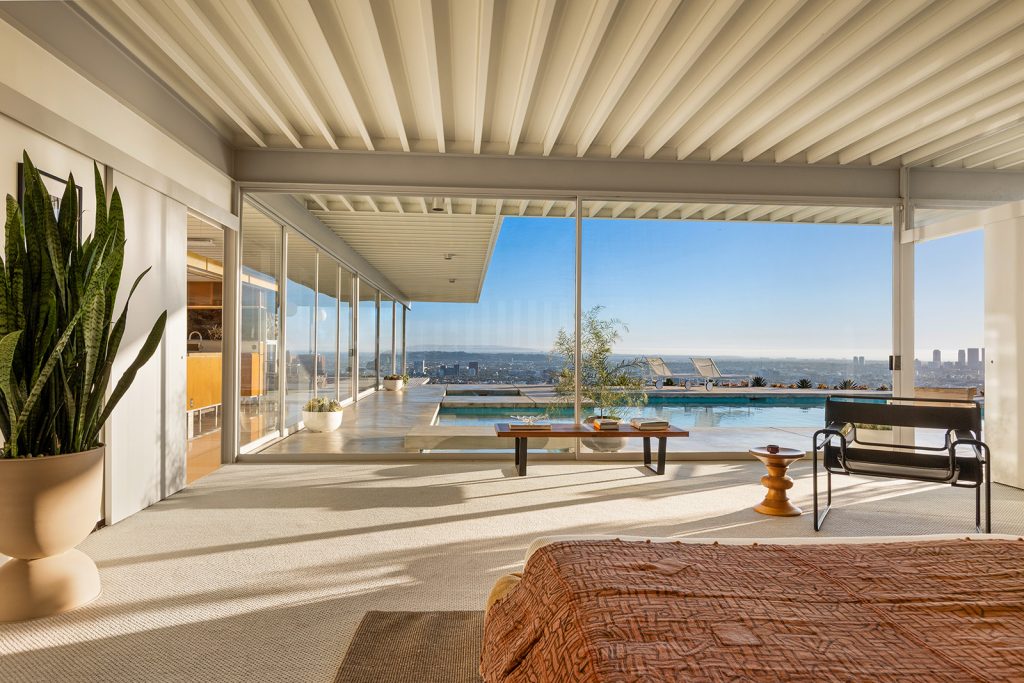
Koenig’s steel frame anchors the 2,200sqft plan, its floating corner and sheer glass planes revealing a masterclass in how structure shapes space. Two bedrooms, open living areas and long, unbroken sight lines compose an interior that feels both deliberate and defined by restraint. The 270-degree panorama is as much a material as the steel itself: a glittering wall of light, landscape and weather at the edge of the megacity.
Unsurprisingly, as it carries such cultural weight, the house is a City of Los Angeles Historic-Cultural Monument and is listed on the National Register of Historic Places. It is currently listed for $25,000,000 with The Agency. As it enters a new chapter, it maintains its Mills Act designation and more than six decades of continuous stewardship.