When the Watari-up Museum of Contemporary Art in Tokyo opened its Judd/Marfa exhibition last month, watchers were reminded of Donald Judd‘s evergreen, ubiquitous appeal as a designer of spaces. That the collection on show — fine art, furnishings and photography pegged to a distinct moment in modern American making — could be enjoyed in this urban Asian context reinforced shared obsessions with pragmatism and purity of form. The artist’s seating and storage, conceived after his move to Marfa in the early 1970s, seemed at home in the city’s leading department store Isetan (still very much abuzz) in a satellite display highlighting the ‘reasonableness, usefulness, and scale’ of his industrial materials and geometric shapes. As Judd himself wrote in his 1993 essay ‘It’s hard to find a good lamp’, ‘If a chair or a building is not functional, if it appears to be only art, it is ridiculous.’ This was furniture designed to be used as such, regardless of the prevailing winds. ‘As bad ideas should not be accepted because they are fashionable, good ideas should not be rejected because they are unfashionable.’
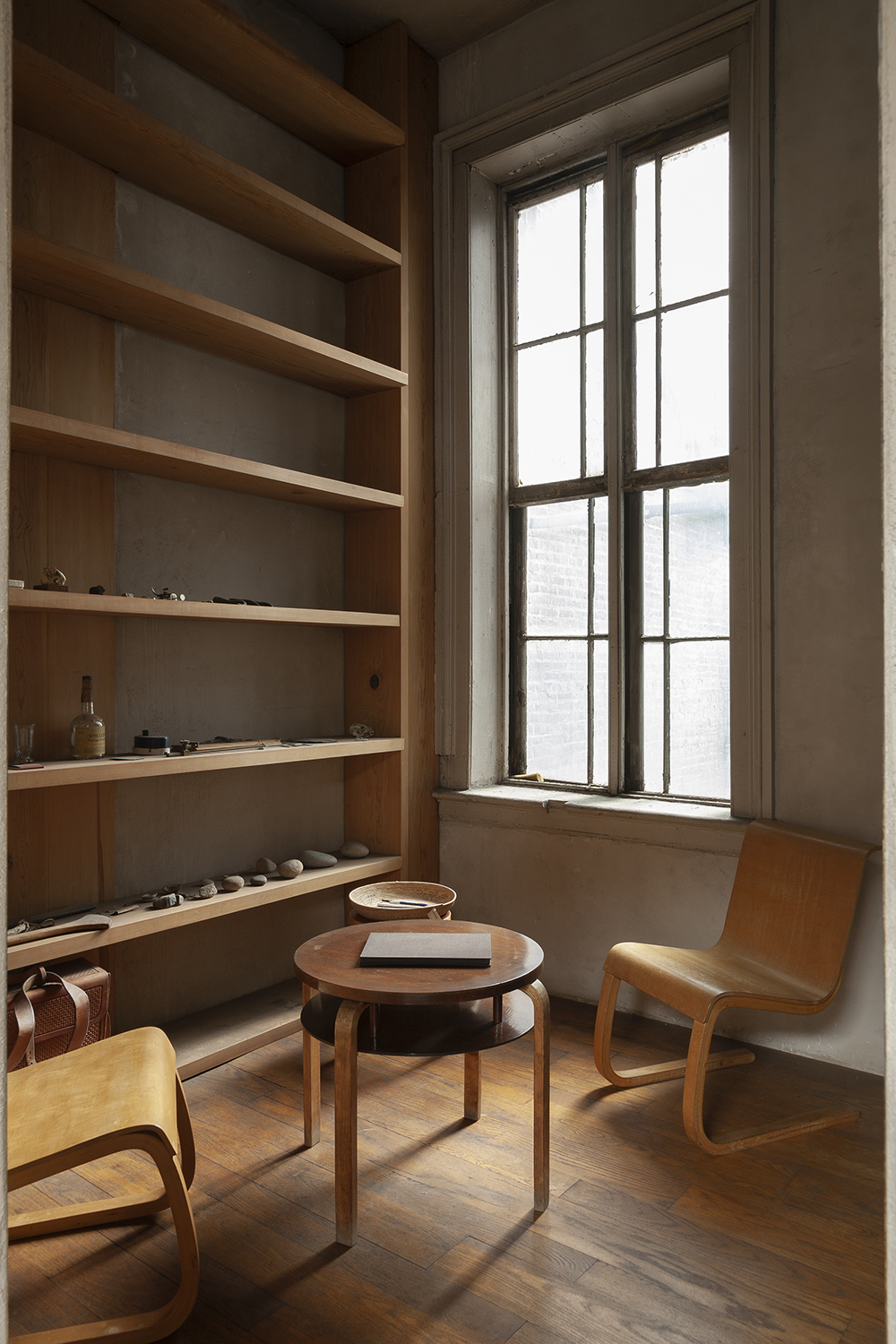
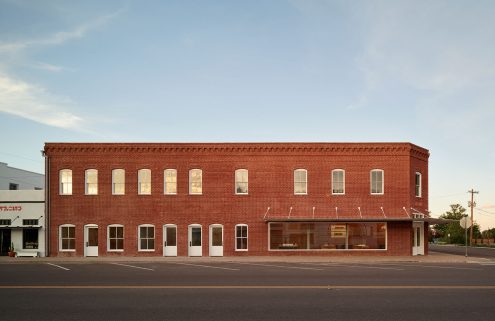
Judd’s commitment to Marfa, Texas, cannot be overstated. The creative colony he developed, primarily for the installation of art in a highly specific context, was ‘the center of the world’ to him — not, as some others claimed, ‘the middle of nowhere’. Last year the Donald Judd Historic District in Marfa was added to the US National Register of Historic Places and his unrealised Architecture Office in Marfa finally opened to the public, adding to the excitement. And yet his work has lately gained followers at exhibitions elsewhere in the world. In the past five years alone, his objects have toured across Europe, assembled at the MoMA, in Hong Kong and in South Korea. New generations are understanding and respecting his convictions about displaying art and design — that it ‘cannot be reduced to performance’. That circumstance creates some tension for caretakers of Judd’s legacy.
‘You can’t make the spaces true to what [Donald Judd] was doing most of the time as they are in white boxes with no windows and it’s very rare that you have actual control over the spaces,’ says Flavin Judd, who oversees the Judd Foundation with his sister Rainer Judd. ‘That was true in Don’s time also. It varies with the context, but we do try to make exhibitions less commercial and more interesting/true to what he was doing. I can’t tear down buildings though; people don’t like that.’
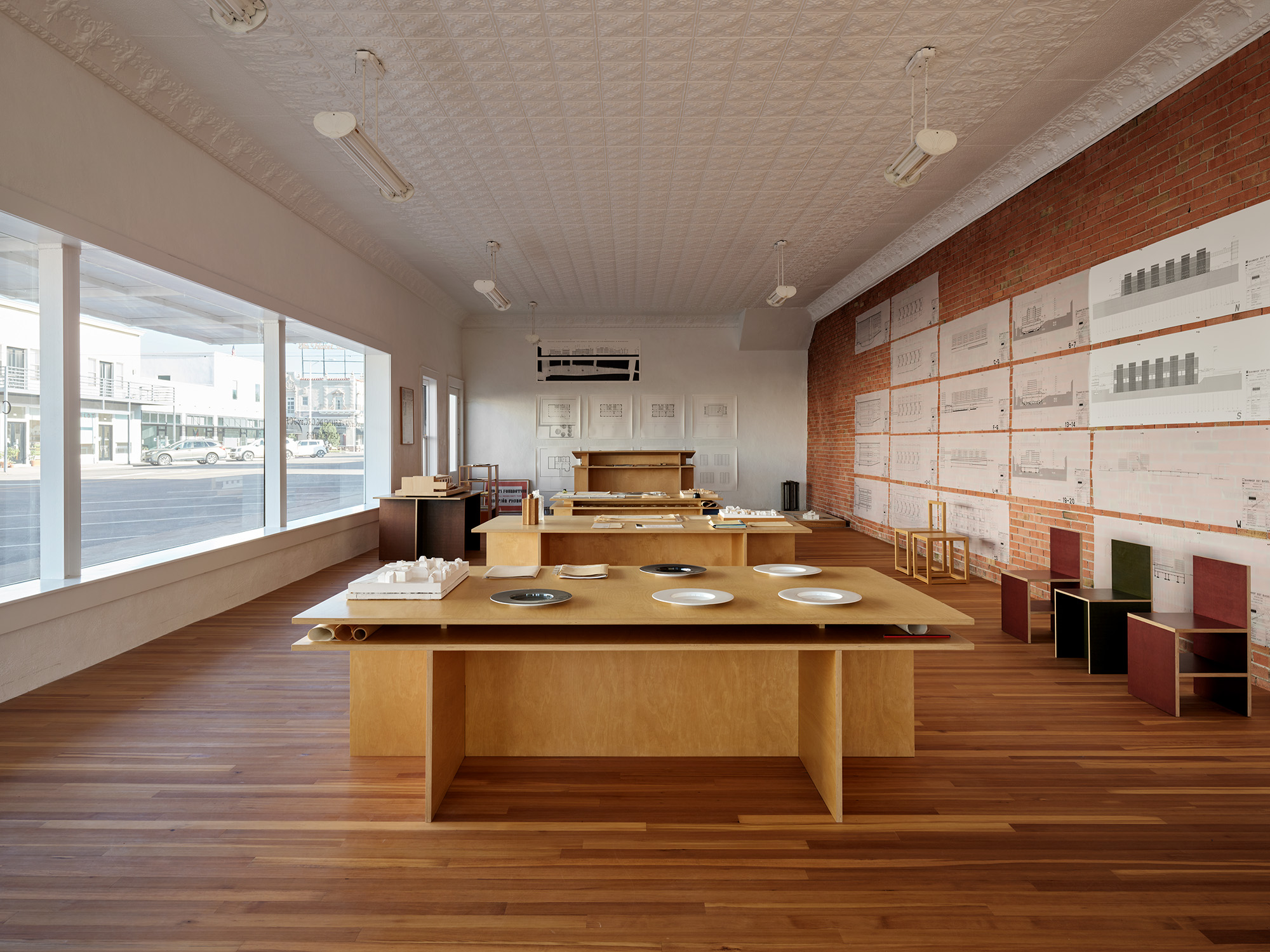
Judd’s death in 1994 at the age of 65 made finite his artistic output, though his furniture output was able to resume through a few dedicated manufacturers and the blessing of the Judd Foundation. Furnishings designed in the latter half of the 20th century are reaching populations in the first half of the 21st, recreating new Judd-ism with similar conviction.
‘We are selling more each year,’ says Flavin, ‘so either they are growing in popularity with a wider number of people or growing deeper in popularity with a small number of people. We see more young people engaging with Don and his ideas because his ideas go beyond just art or just furniture, it’s a full set of ideas and ideas are in short supply these days of violence.’
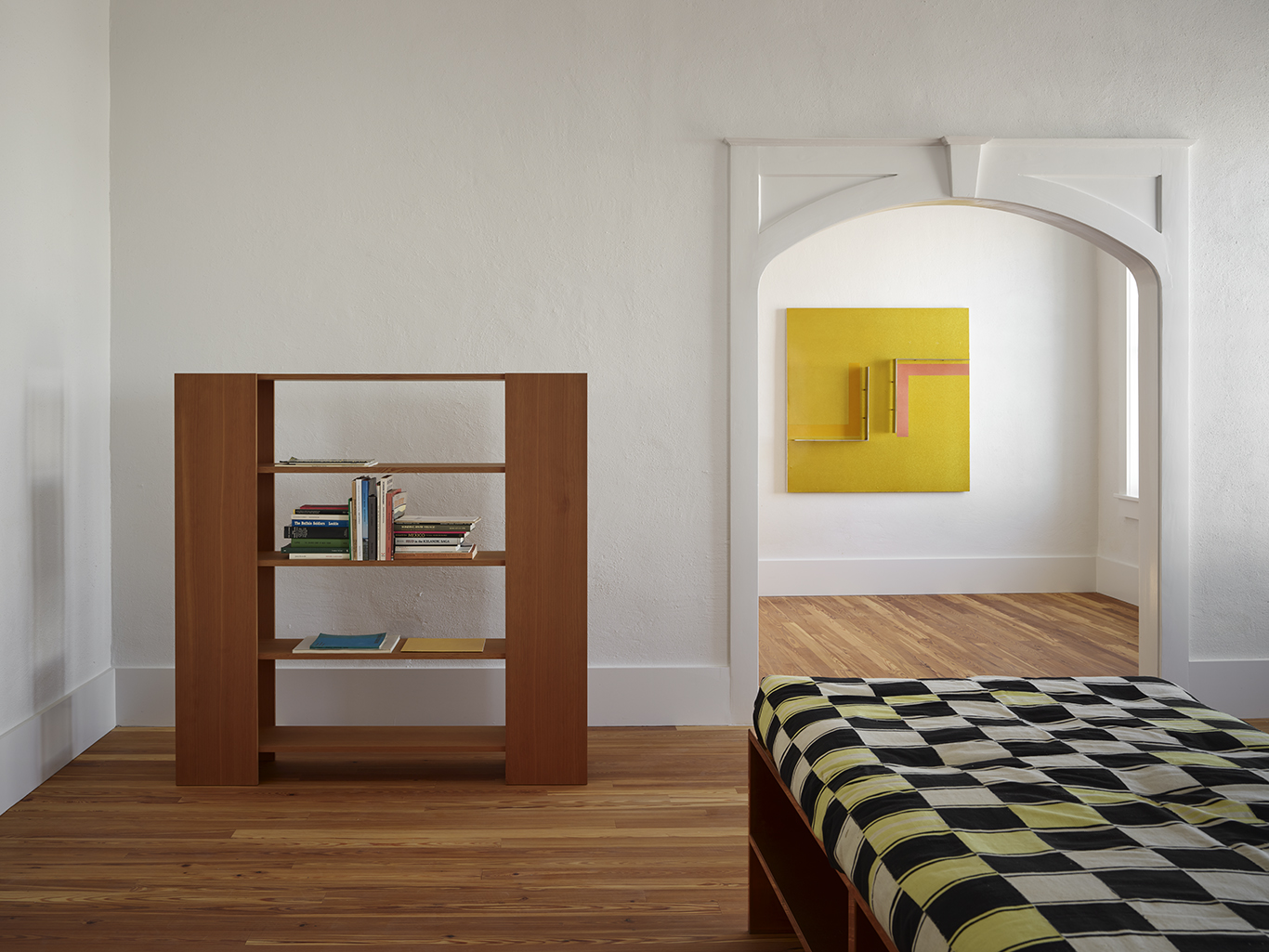
Nearly all Judd’s functional design is available for sale, made to order by partners of the foundation. ‘The best method is a small distribution, which is what we do,’ wrote Judd in the aforementioned essay. ‘Our furniture goes around the world, but only one by one.’ A collaboration last year between the foundation and Saint Laurent designer Anthony Vaccarello released into the wild 15 designs in new variations of steel and white-painted aluminium. The book Donald Judd Furniture, published in 2024, goes so far as to include the measurements and materials that were so fundamental to his designs. Fans could conceivably construct their own imitations.
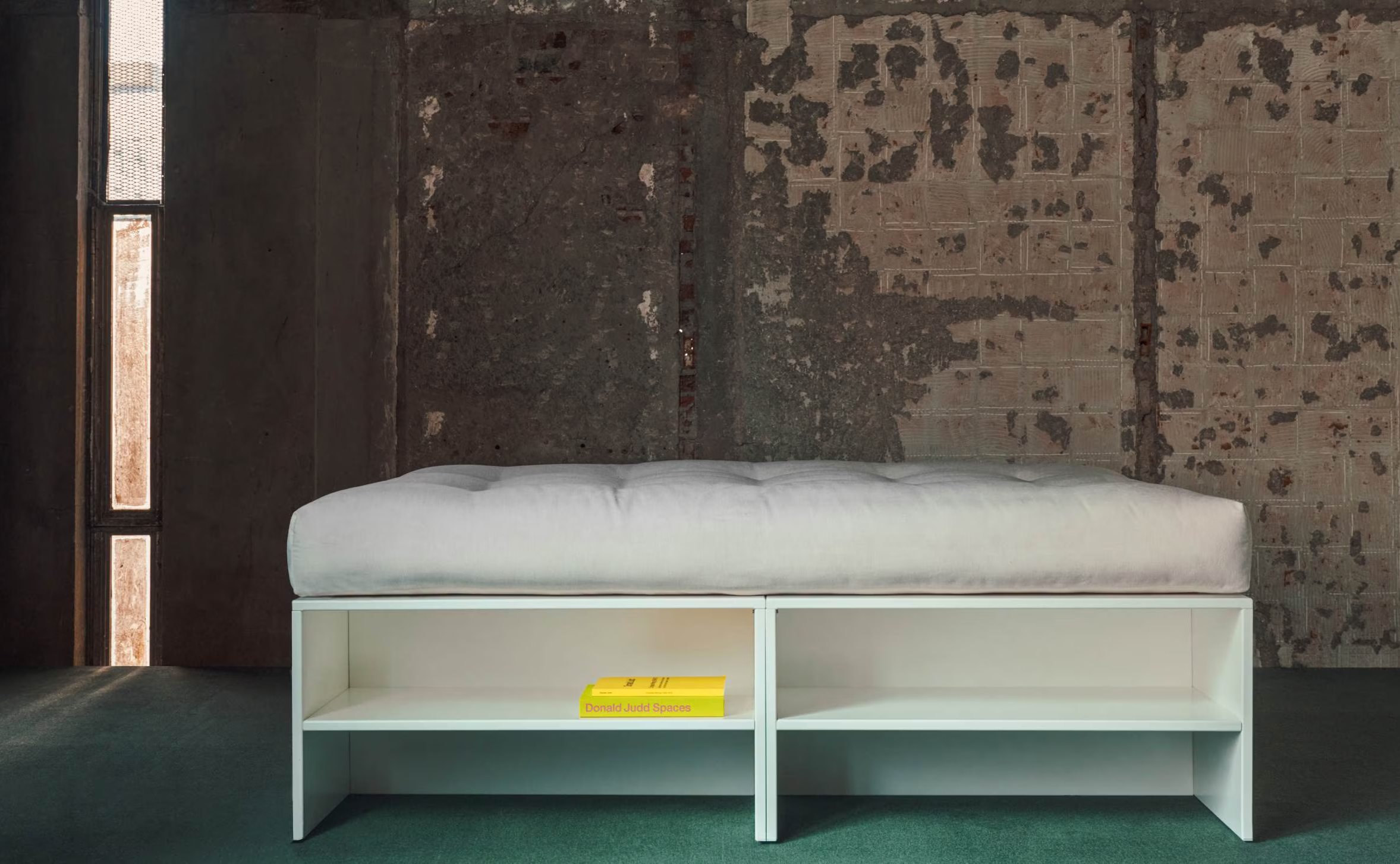
Access to Judd’s metal designs was set in motion when the artist began making annual pilgrimages to Switzerland in the 1980s. He found a kindred spirit in Doris Lehni Quarella, an art photographer who took over running her husband’s furniture company Lehni after his death.
‘Donald Judd had seen some pieces from the Lehni collection on display in a gallery in Zurich and was very intrigued by the production system and the aluminum material,’ says Lehni’s current director (and Doris’s granddaughter-in-law) Benedetta Agostini. ‘In 1984, Judd had the idea of designing a furniture collection that was not limited edition, like the sculptures.’
In 1985, the company began manufacturing 15 aluminium pieces designed by Judd to echo his previous wooden furnishings — and they continue to do so to this day. ‘The design of these pieces is part of Lehni’s DNA,’ says Agostini. ‘We also believe that they truly represent a part of art and design history shaped by Judd himself.’
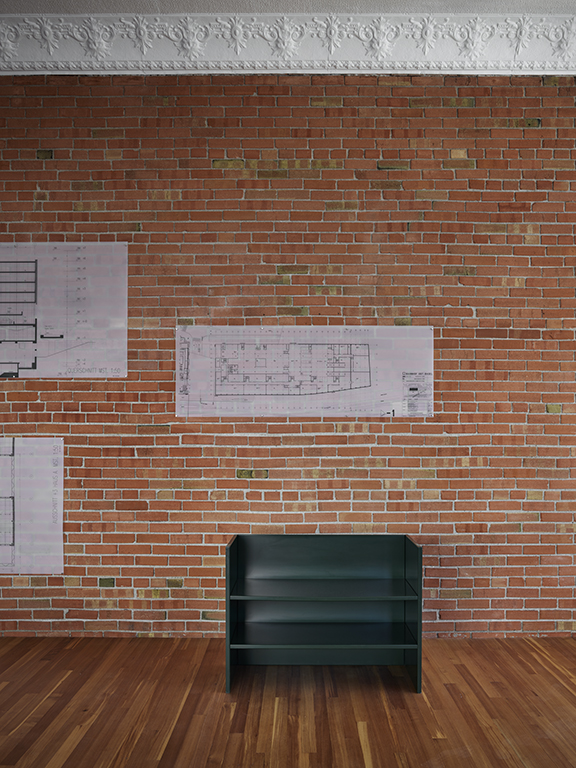
The artist’s wood furniture is built mostly by the California-based craftsman Jeff Jamieson. And though each piece takes a minimum of 18 weeks, it finds its way into the hands of collectors who prioritise down-to-earth practicality.
‘Like Charlotte Perriand and the midcentury designers, Donald Judd plays into this simple, utilitarian, pared-back, minimalist idea, where designers wanted their work to be functional,’ says the London-based fashion and interior designer Alex Eagle, who owns Judd designs in wood and metal. ‘It was an idealist’s way to live with less.’
In her latest project, a residential building at 180 The Thames in London, Eagle has integrated Judd’s Model 112 coffee table and No.60 bookcases — both in aluminium — into the minimalist architecture. ‘They’re very stripped back, functional, easy to live with,’ she says. ‘You don’t need to know who it is to like it. The simplicity is what’s so amazing about the design.’
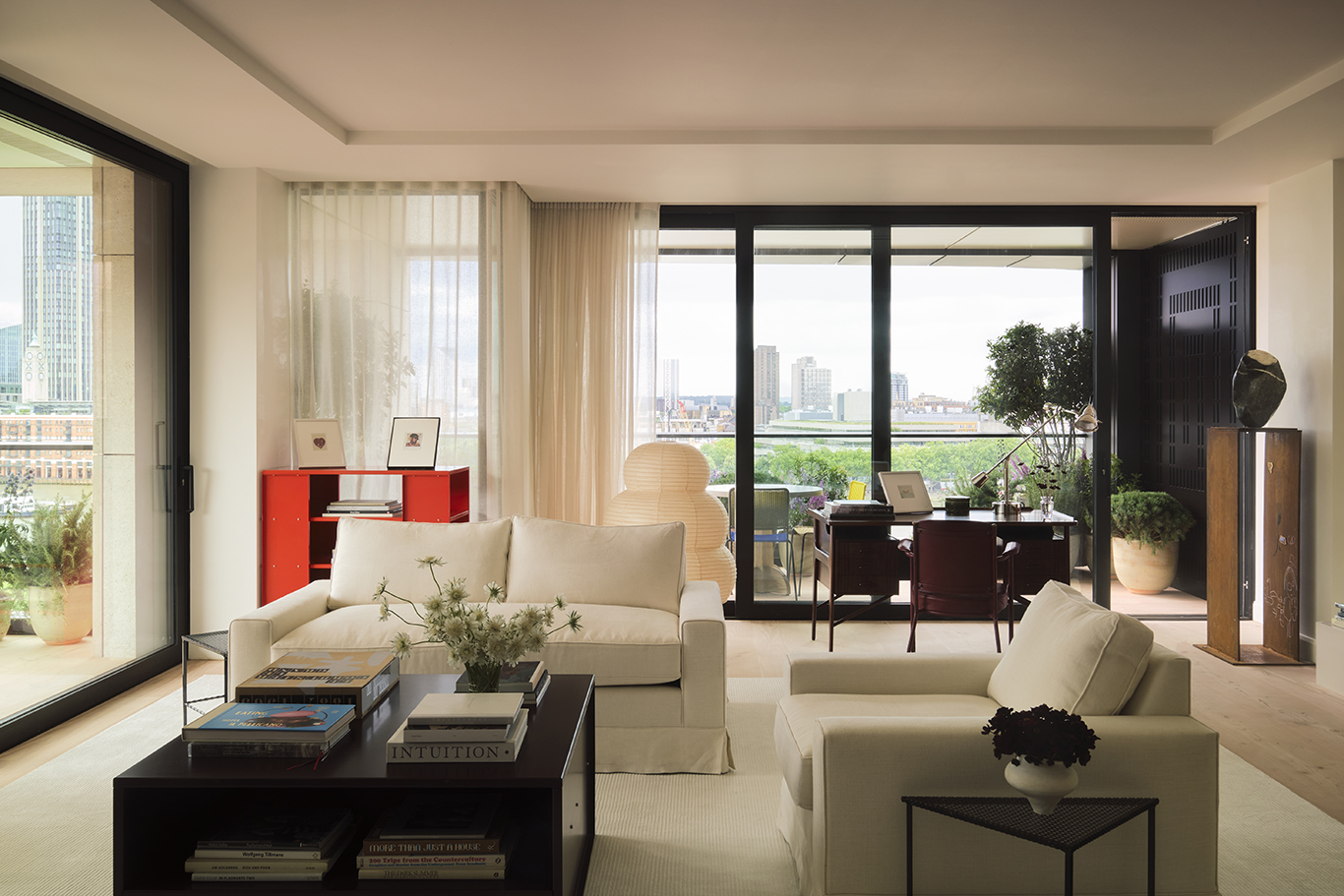
In this living space, a bookcase is a bookcase, designed to be used as such. Is it the ideal habitat for a Donald Judd furnishing? Is there an ideal habitat? ‘There isn’t an ideal environment, there are just good ones and bad ones but, in each case, they are not all one type,’ says Flavin. To illustrate, he paraphrases Leo Tolstoy’s thoughts on family. ‘Good spaces are all good in different ways, but bad spaces are bad in different ways also.’