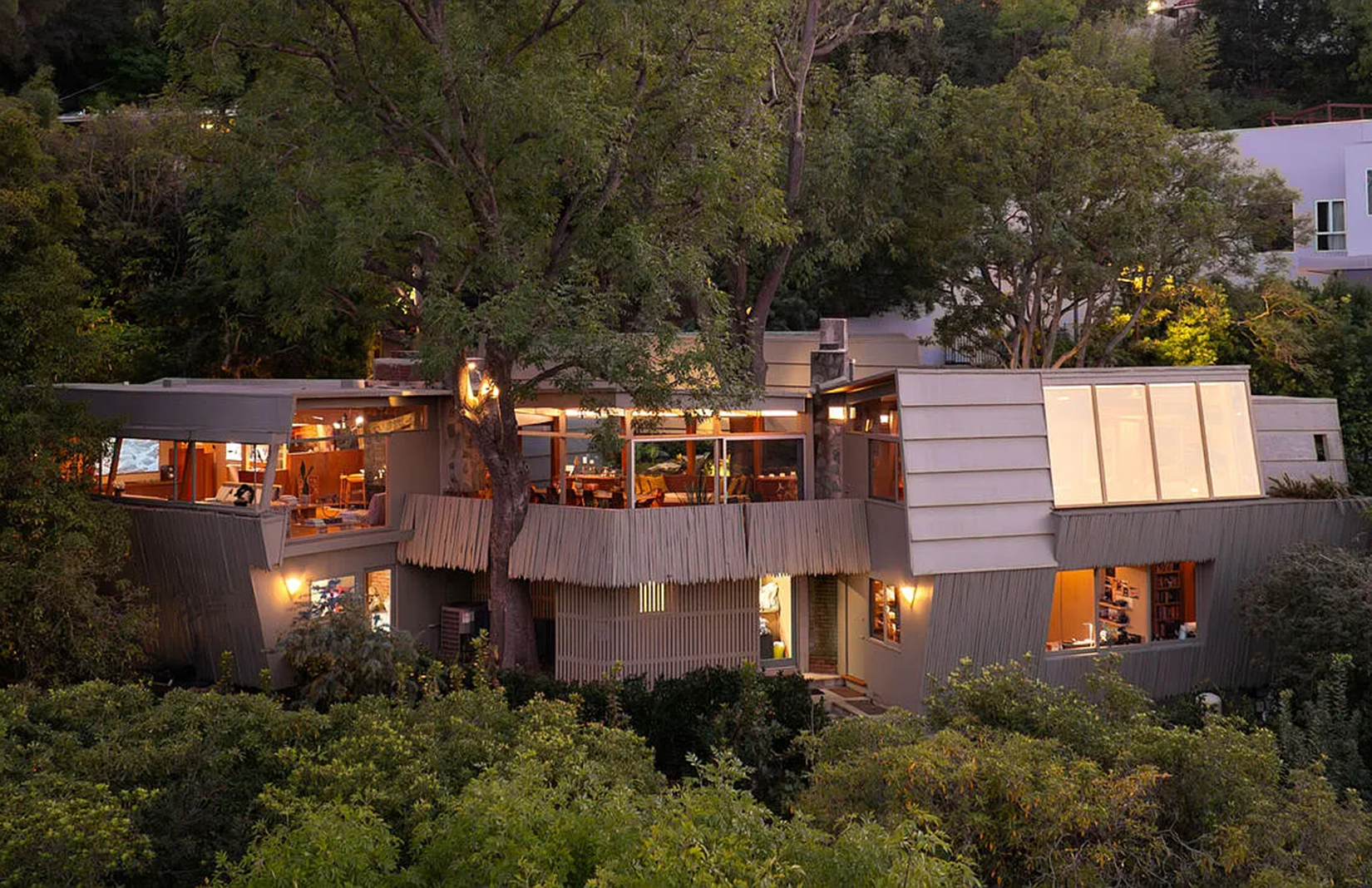
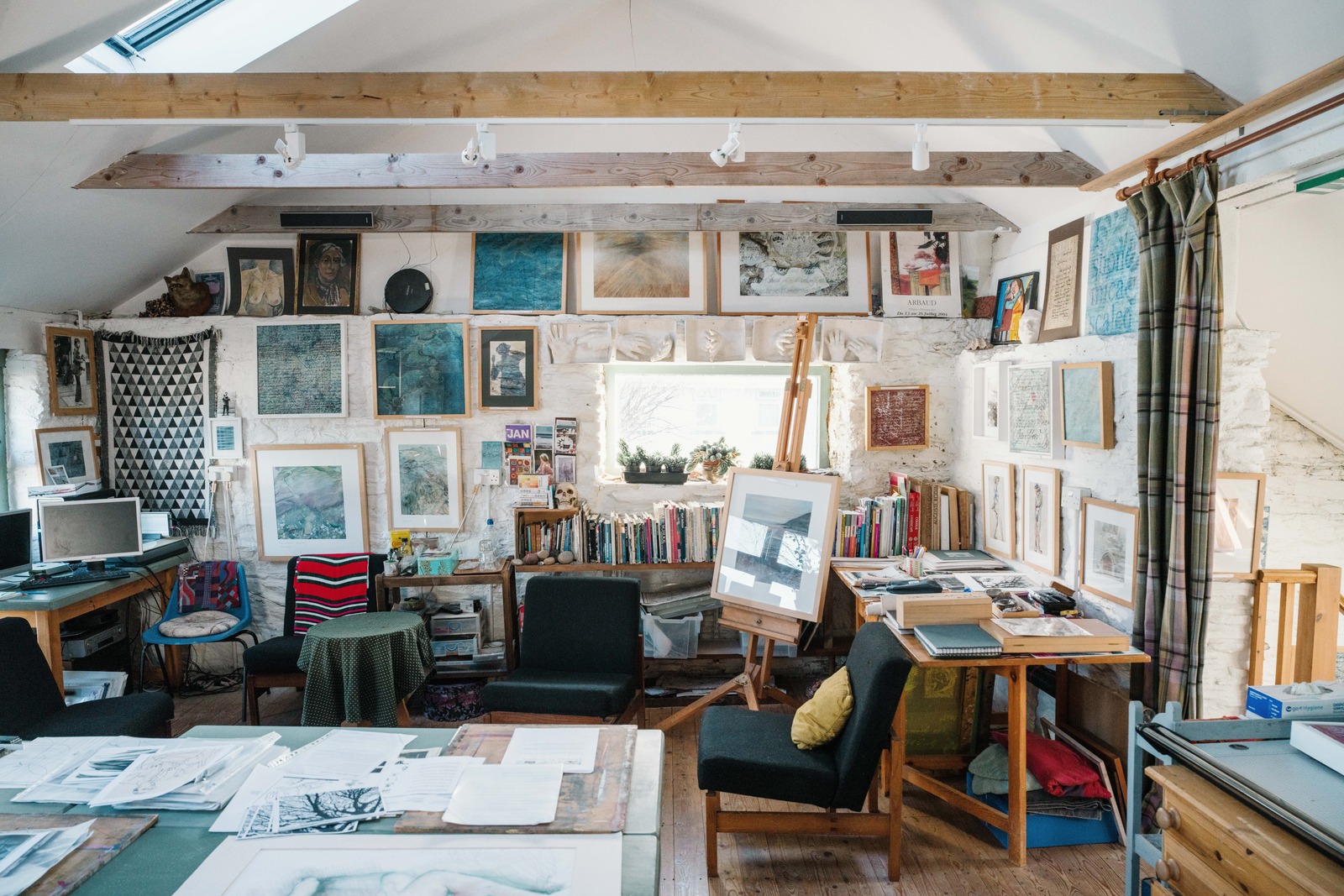
There is nothing like the thrill of getting lost among extraordinary artworks, and the grandeur of the architecture that surrounds them. Our favourite museums challenge our viewpoints, spark change and fuel cultural evolution. Here are five cultural destinations that wowed us on our travels, which best reflect these ideals while serving as getaways to explore their home cities.
Calder Gardens, Philadelphia
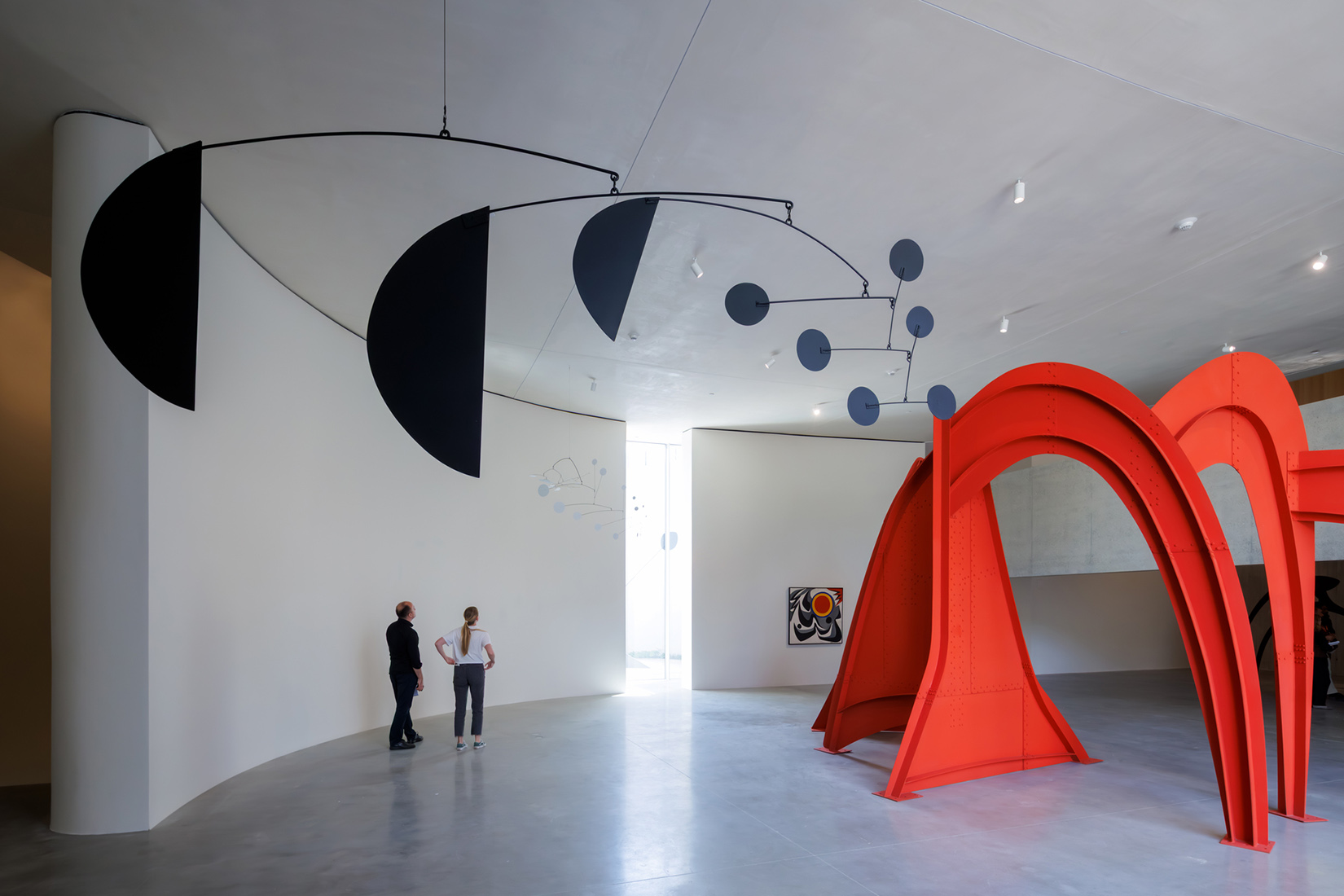
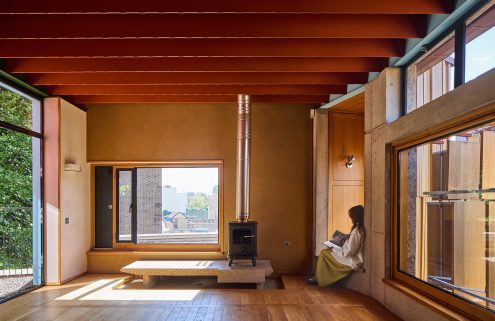
The kinetic sculptures of Alexander Calder now have a permanent home in the artist’s birthplace, thanks to a collaboration between Swiss architects Herzog & de Meuron and Dutch landscaper Piet Oudolf. Blending into the Schuylkill River landscape, the new 18,000sqft building is a sanctuary protected from Philly’s busy centre. An entryway in its tapered metal facade draws visitors down into sunken gardens that house the grand steel installations Calder is celebrated for, all bathed in light. The sharp volumes of the minimalist spaces highlight geometry, colour and movement — all hallmarks of Calder’s art. Meanwhile the gardens incorporate more than 250 varieties of native and perennial plants, counterbalancing the simplicity of the interior. Among the works on view are Black Widow (1948), 21 feuilles blanches (1953) and Knobs (1976).
Tselinny Center, Almaty
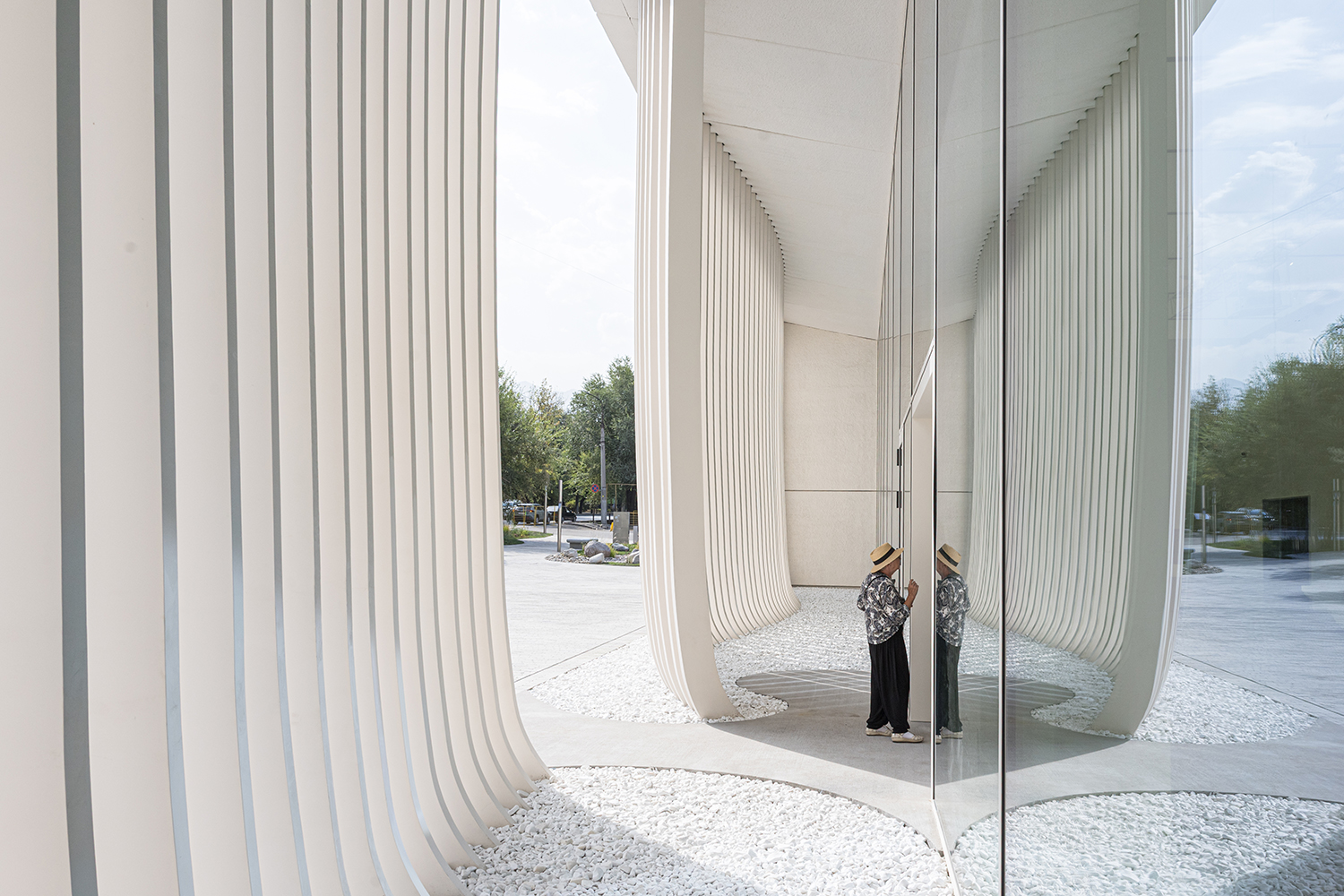
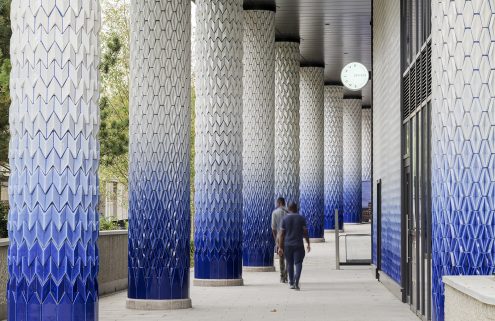
The Tselinny Center of Contemporary Culture, opened this autumn in Kazakhstan’s largest city, has already placed the Silk Road on the art map with its extensive collection of Kazakh art collected by museum founder Kairat Boranbaev. Once a monolithic mid-century cinema, the building is now an airy space that reinforces Kazakh identity, once subsumed into the Soviet project. Architect Asif Khan repurposed the building, adding layers of exhibition space around the original auditorium and restoring artist Evgeny Sidorkin’s 42m-long mural, which had been damaged over decades. He also added a pleated steel wall on the side, allowing daylight to enter the spaces and softening the concrete austerity. Currently on display are textile works by designer Roxana Nassenova and ‘Documentation’, a presentation of Central Asian art.
Saloua Raouda Choucair Foundation, Ras El Matn
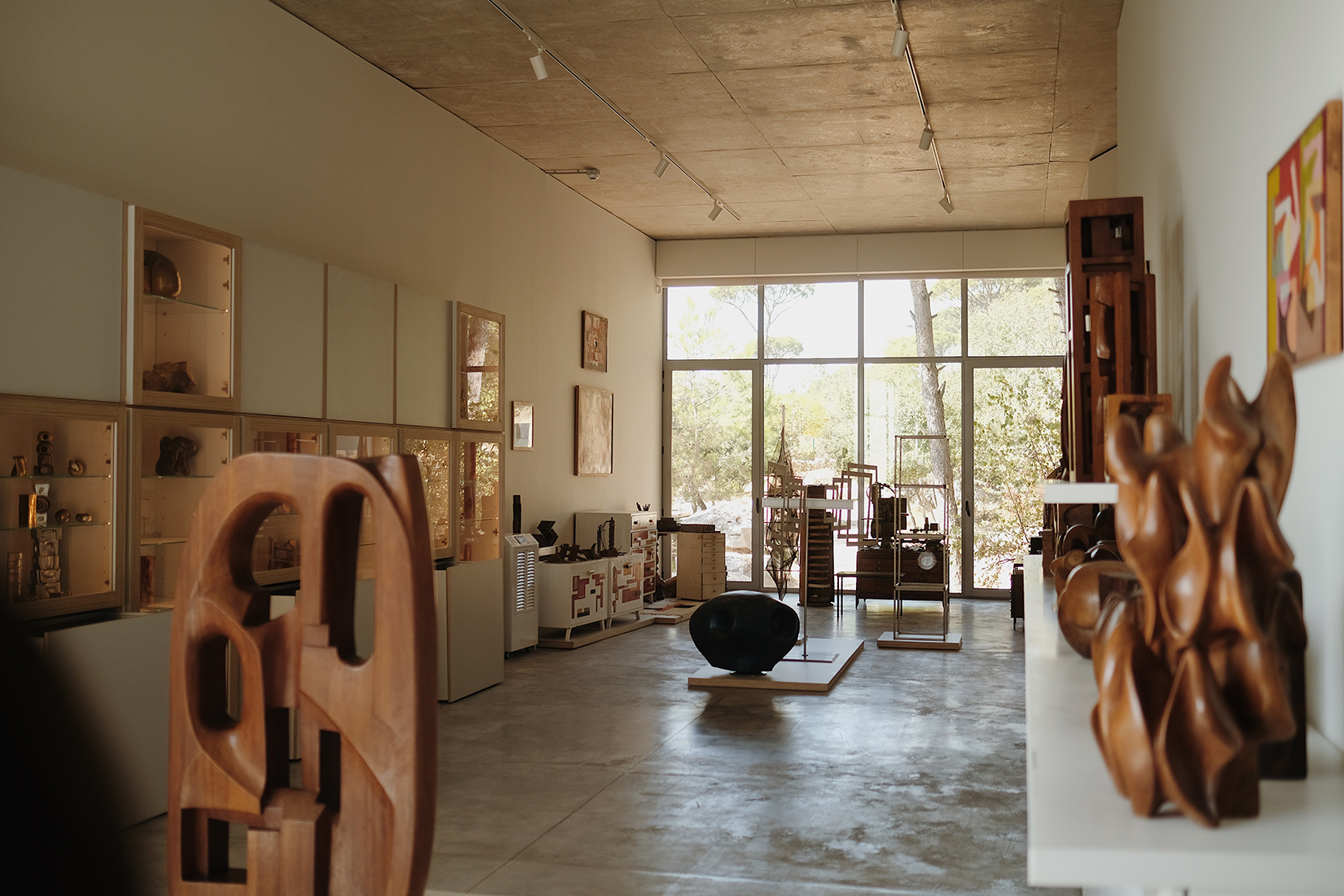
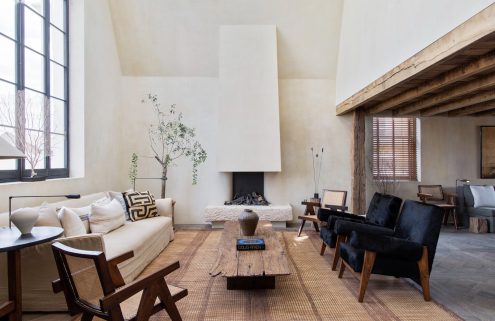
Tucked away in the pine-studded landscape of Mount Lebanon, about an hour’s drive from Beirut, the Saloua Raouda Choucair Foundation stands as a tranquil haven where art, architecture and nature converge. The space, designed by architect Karim Bekdache, serves as an exhibition gallery and archival centre for the extensive work of pioneering Lebanese artist Saloua Raouda Choucair, who played a crucial role in defining the nation’s modern art scene. Her abstract works, rooted in the Levant identity and inspired by Arabic poetry, are displayed within the cubic gallery, flooded with natural light that pours in through expansive windows. Outside, Choucair’s monumental works rise proud amid the lush Mediterranean greenery.
V&A Storehouse, London
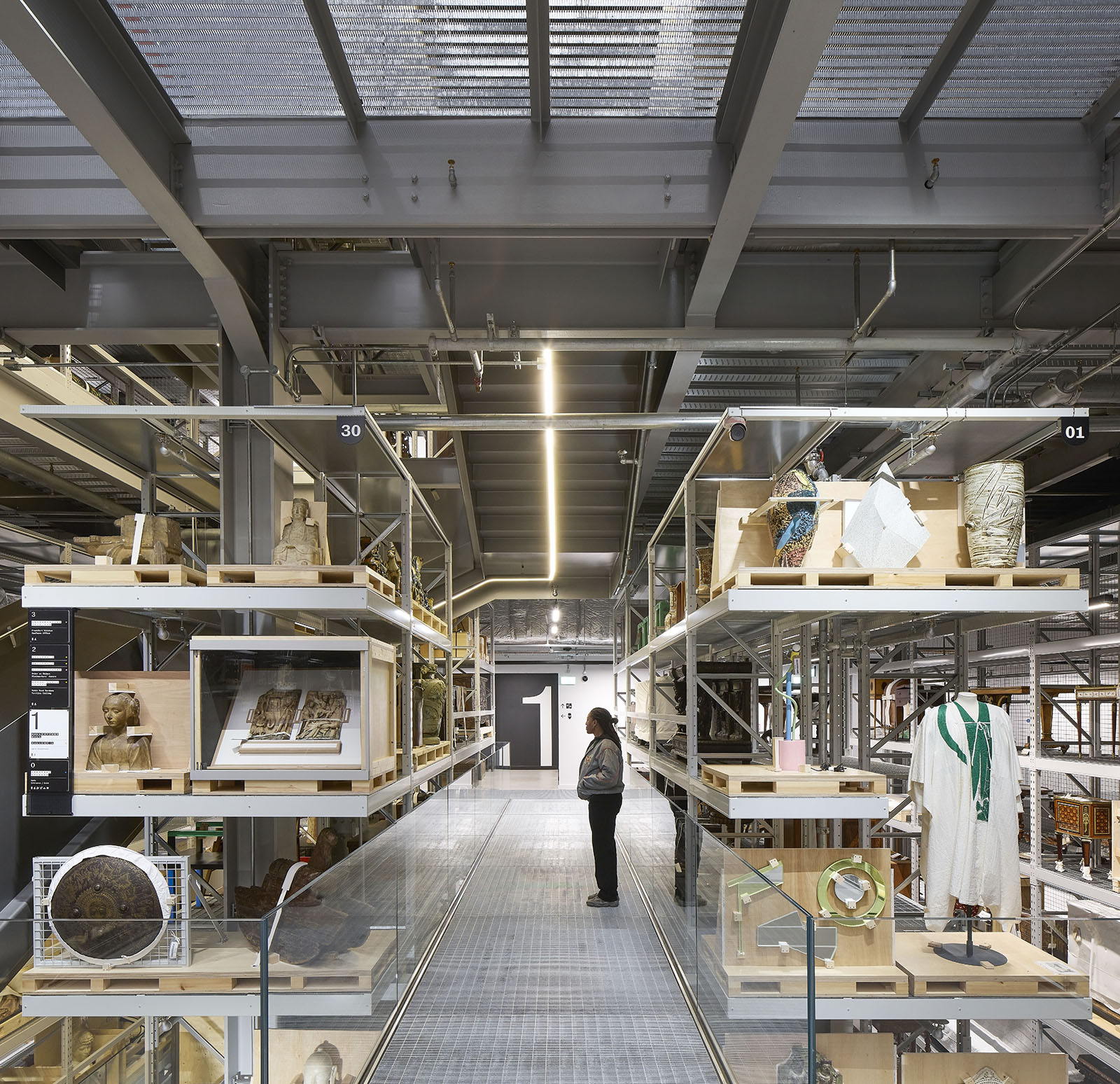
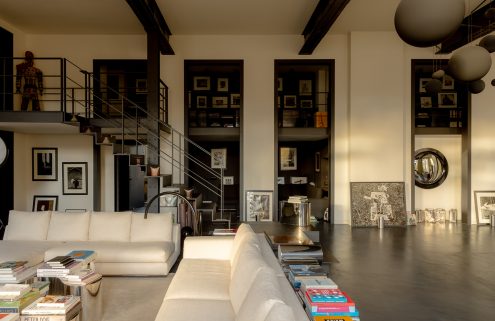
The new V&A Storehouse in Queen Elizabeth Olympic Park is what a lover of art and craft dreams of: 16,000 square metres piled high with artefacts — including 250,000 objects and 350,000 books — displayed in constant rotation around the triple-height atrium. Initially built as a Broadcast Centre for London’s 2012 Olympic Games, the building was adapted by Diller Scofidio + Renfro and opened to the public this year. Upon entering, one is struck by wonder at the vast treasure trove, a masterpiece of storytelling. Highlights include a plywood-panelled office designed in the 1930s by Frank Lloyd Wright for Pittsburgh department store owner Edgar Kaufmann — it’s been recreated here in full and is the perfect complement to an already incredible journey.
Taichung Green Museumbrary, Taichung
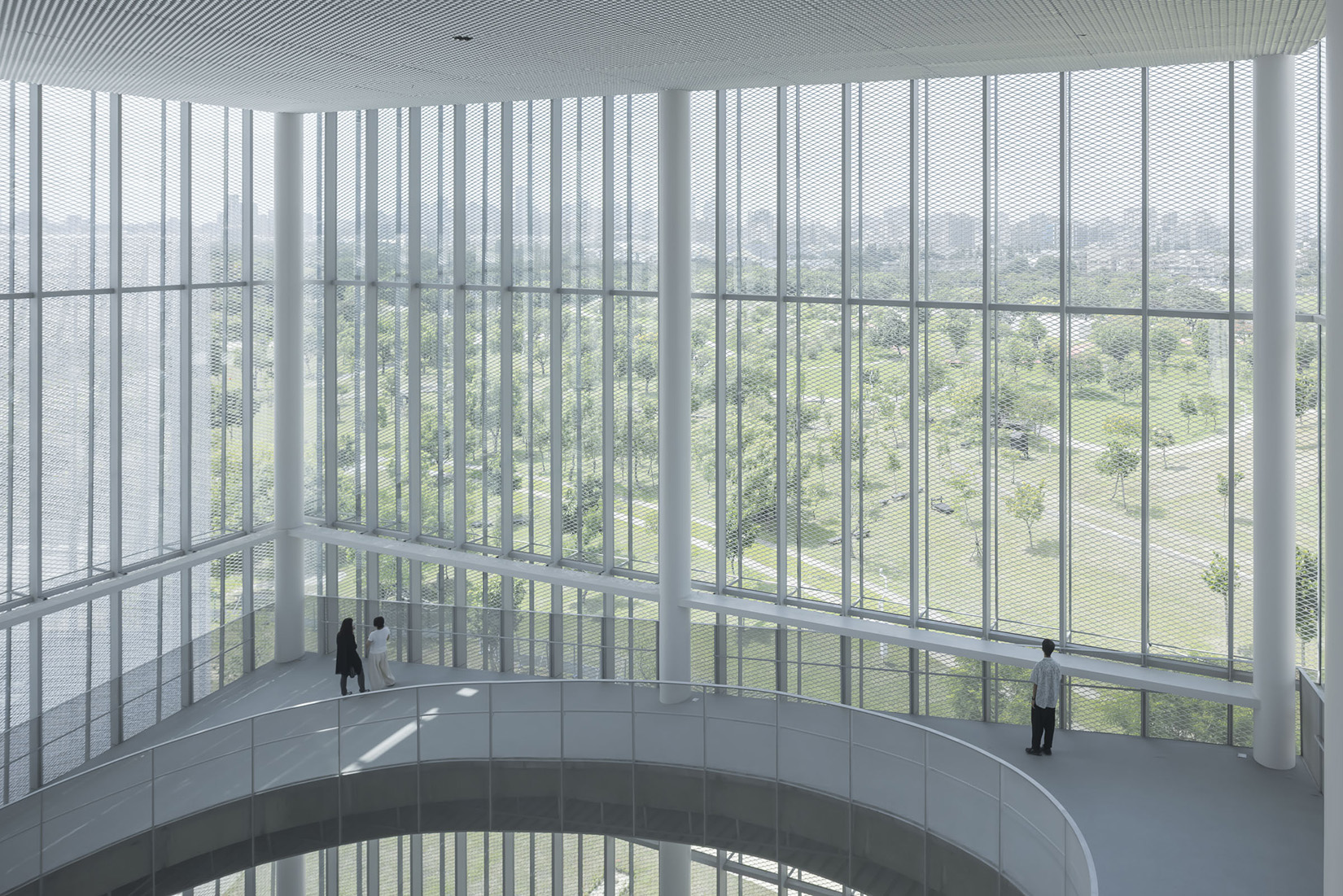
Taiwan’s thriving art scene has gotten even better with the addition of the Green, an unmissable stop for locals and art tourists next to the new Taichung Public Library in the city’s 67-hectare Central Park. The ambitious building was inaugurated this month with ‘A Call of All Being’, an exhibition of more than 70 artists from 20 nations. Pritzker Prize studio Sanaa oversaw the 12-year development, bringing its signature transparent fluidity to eight volumes of varying sizes, clad in glass and metal with an expanded-metal-mesh curtain façade. Hybrid and monumental in form, and community-driven at its core, the complex enables an ever-evolving dialogue between art, architecture and nature.