There’s something inspiring about the warming weather and budding trees — an invitation to travel, experience new places and inhale the rarefied air of an artist’s space. Many of our favourite artists have left behind homes that are then preserved in amber, making them amazing pilgrimage sites for art-lovers from Paris to Mexico City. We’ve compiled our favourite spots here, and included a few newly revealed monuments we plan to visit.
Atelier 11, Paris
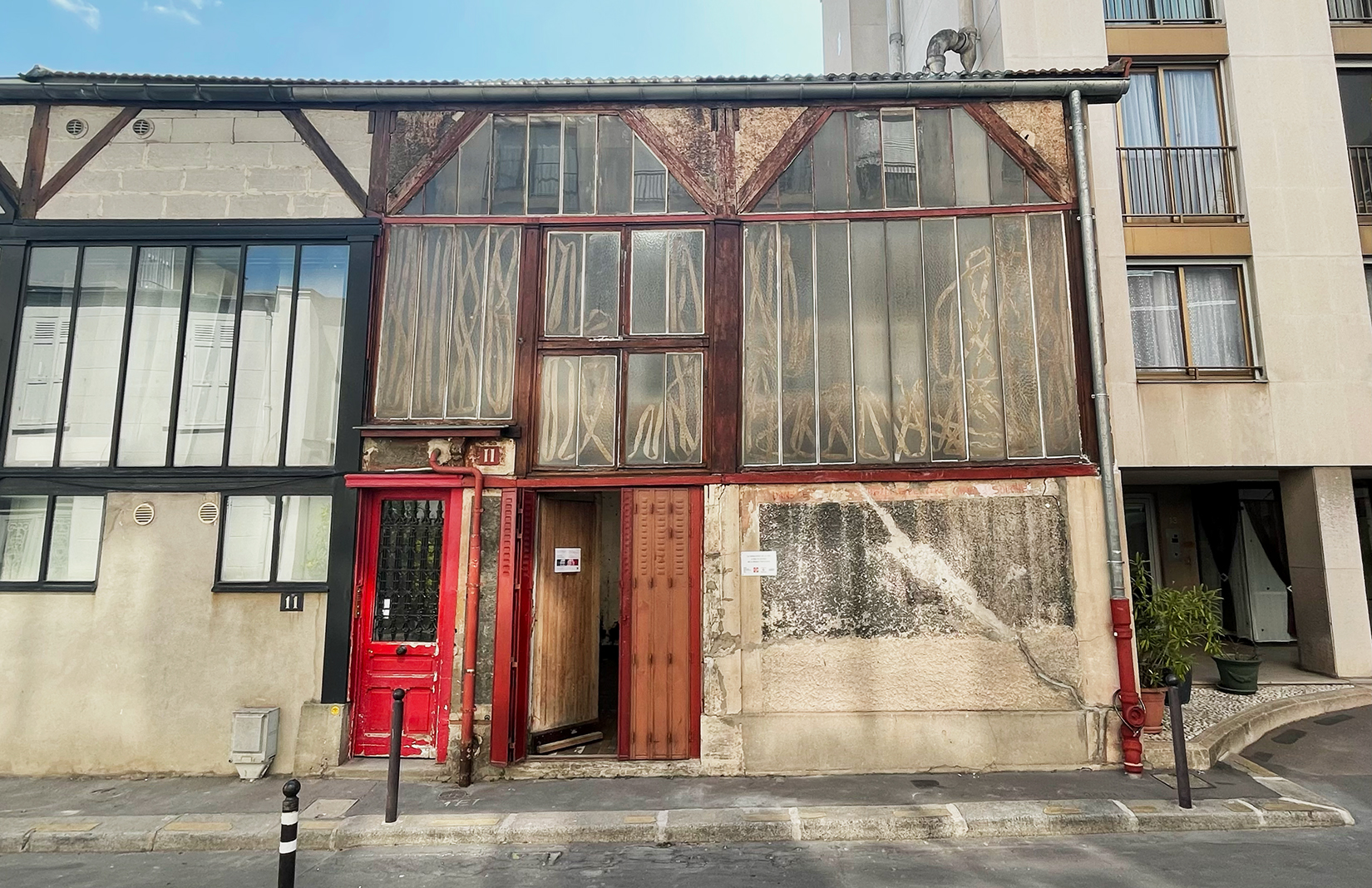
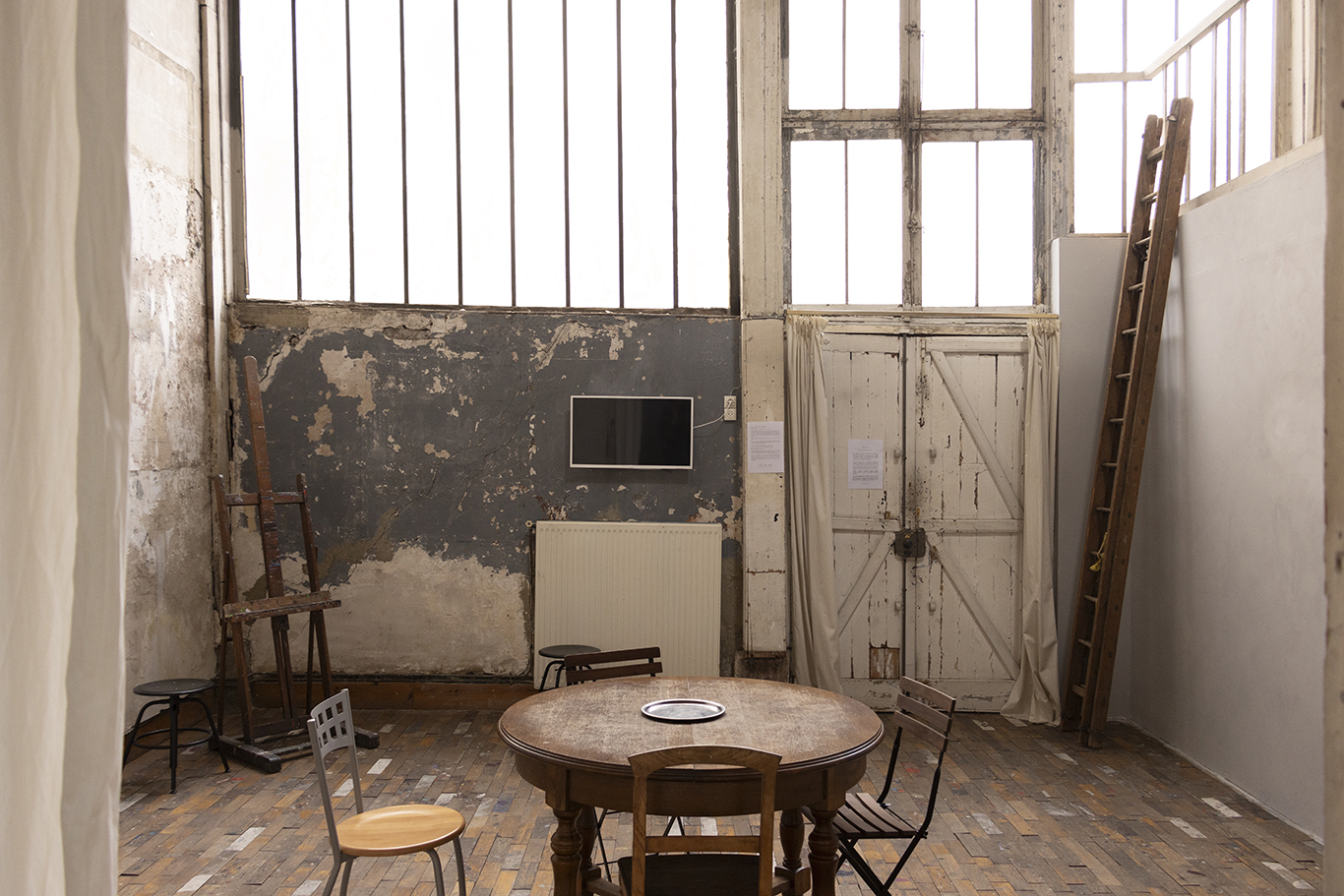
The last surviving atelier at Cité Falguière, a cul-de-sac in the 15th arrondissement, no.11 has been a shared live-work atelier for 150 years. Paul Gaugin lived and practiced here, giving way to Amedeo Modigliani, Chaïm Soutine, Tsuguharu Foujita and Constantin Brancusi — and now it houses the non-profit L’AiR Arts, an acronym for artists-in-residence. With the half-timbered façade, original wood floors and windows desperately in need of restoration, the atelier recently embarked on a plan of action with support from architects gh3*, TNT, Jean-Louis Martinot-Lagarde, Freaks and the Paris branch of Studio Gang. In the meantime, the atelier runs open studios, life-drawing ateliers, exhibitions, workshops, salons and, of course, residencies.
John & Alice Coltrane home, Dix Hills, New York
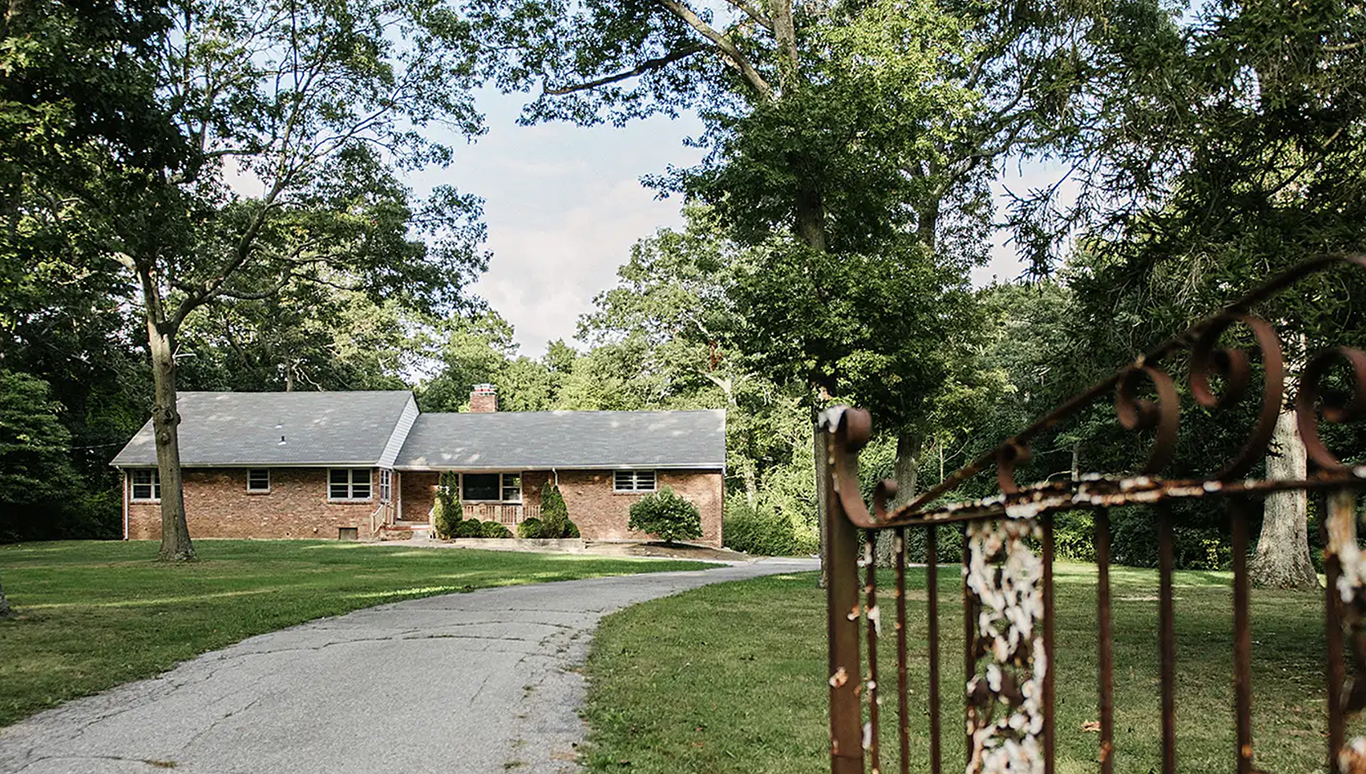
Set back from a typical suburban lawn on Long Island, this midcentury two-storey red-brick house wouldn’t catch your eye if not for the New York State Historical Marker outside. Still, the house doesn’t exactly announce itself. That suited the Coltranes fine when they lived, wrote and meditated here between 1964 and 1973. John composed A Love Supreme in the upstairs bedroom while Alice recorded her first album, A Monastic Trio, in the basement. It’ll open to the public this autumn after a long rescue mission, which saved it from demolition, shored up the foundation, relandscaped and revived original wood panelling.
Henry Moore Studios & Gardens, Hertfordshire
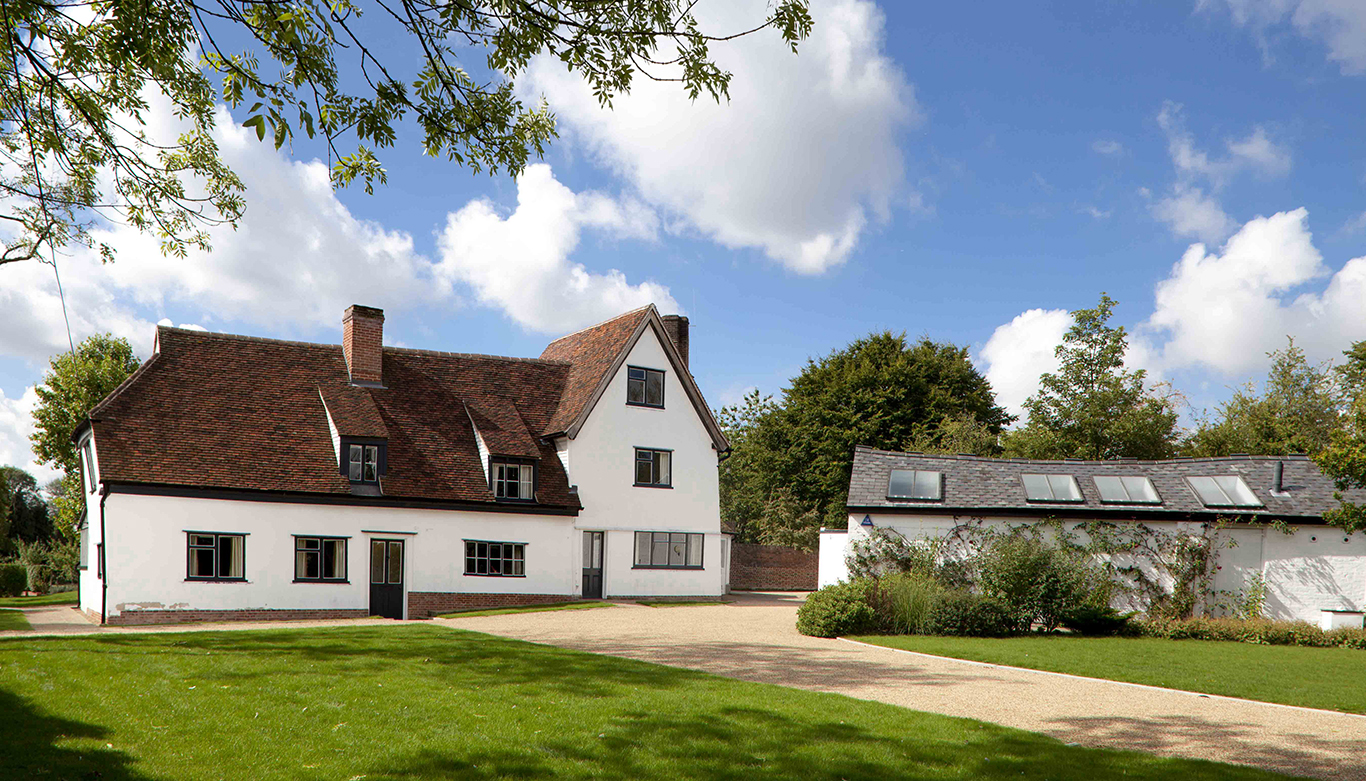
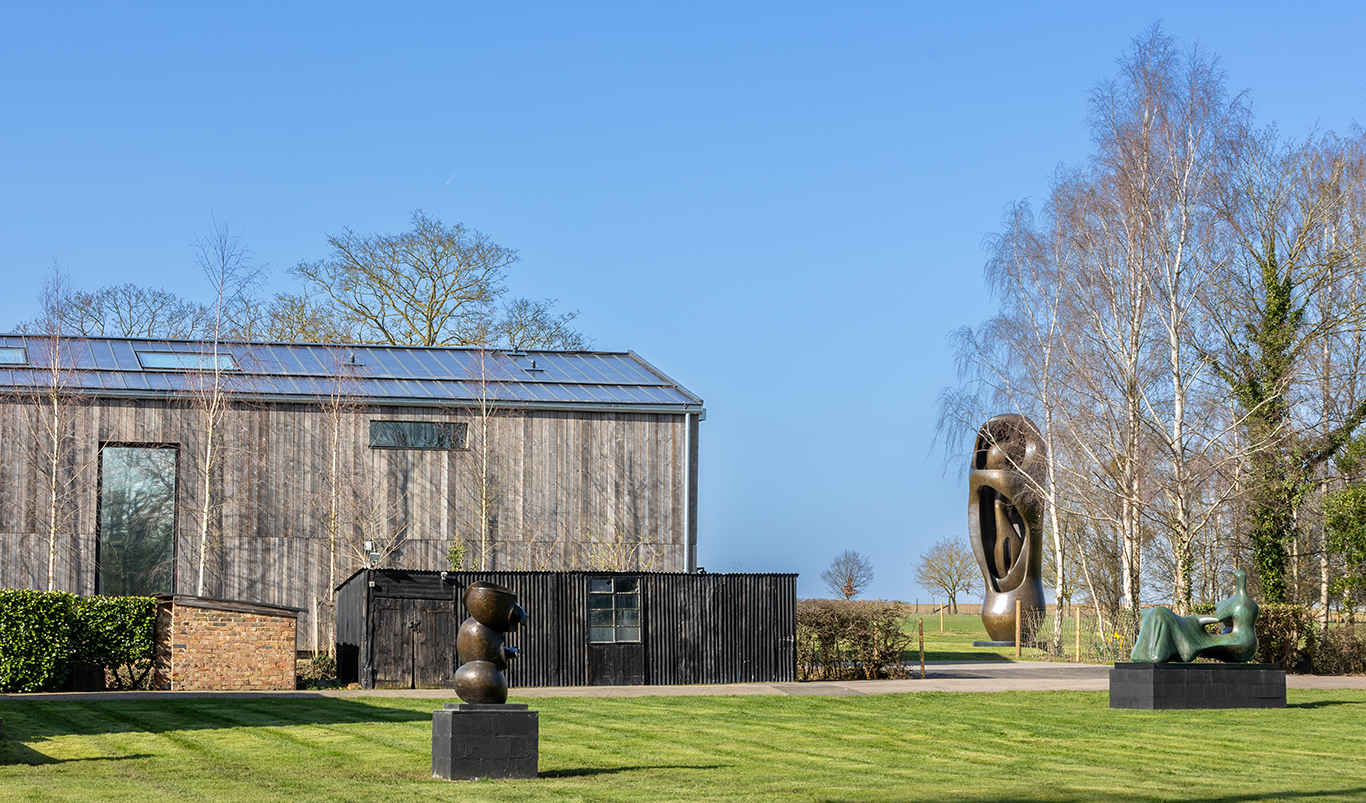
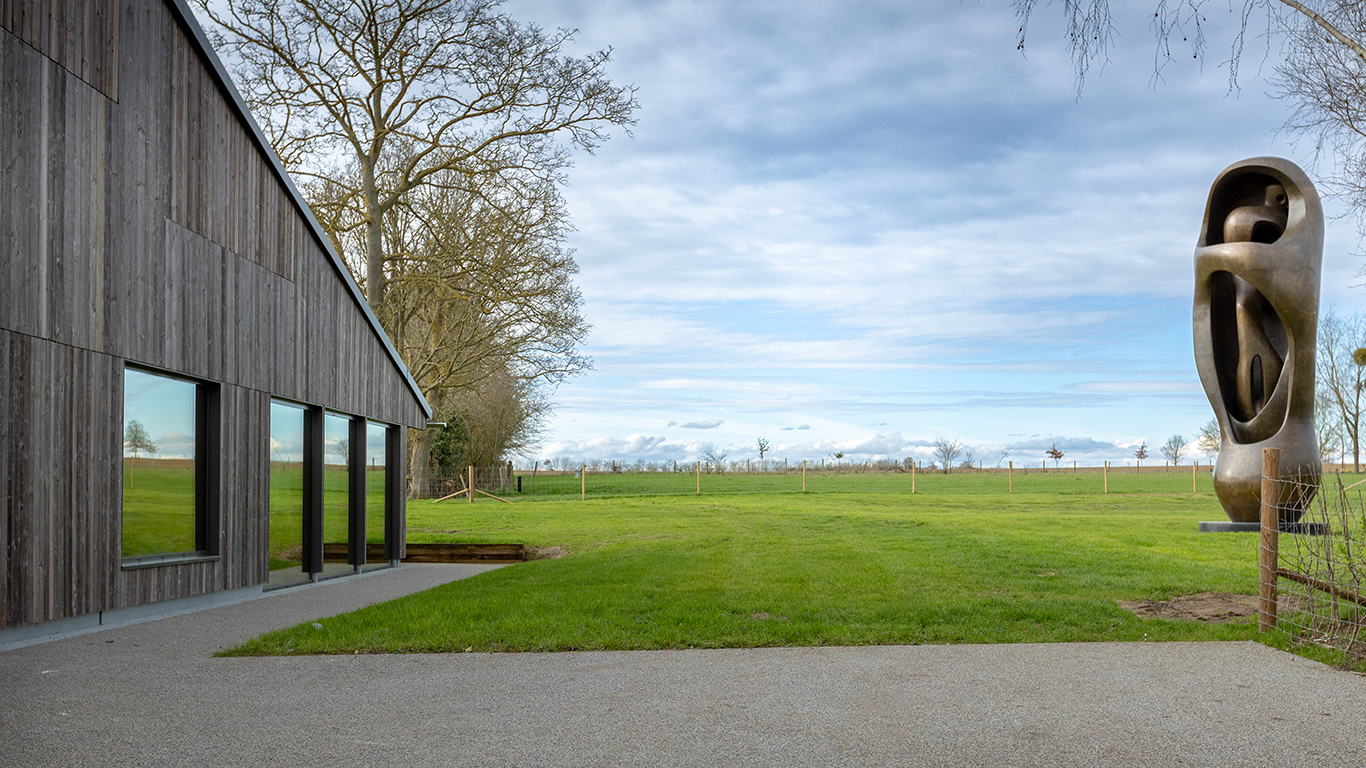
An hour north of London, ‘Hoglands’ was somewhat underrated as a countryside excursion with an intensive art focus, but the reopening of the masterfully extended Sheep Field Barn this week may ramp up interest. Moore moved to Hoglands in 1940 and converted the agricultural buildings into a series of studios, which visitors have access to six months of the year. The Barn, a new exhibition and workshop space transformed by urban designers DSDHA, joins Moore’s Top Studio, Etching Studio, summer house and three sculpture studios on the guided tour, along with the main house, a show space for collected art and artefacts where Moore lived with his family. Among them are extensive sculpture gardens that display some of Moore’s most imposing works, like his Large Reclining Figure, Sheep Piece and Large Figure in a Shelter.
101 Spring Street, New York
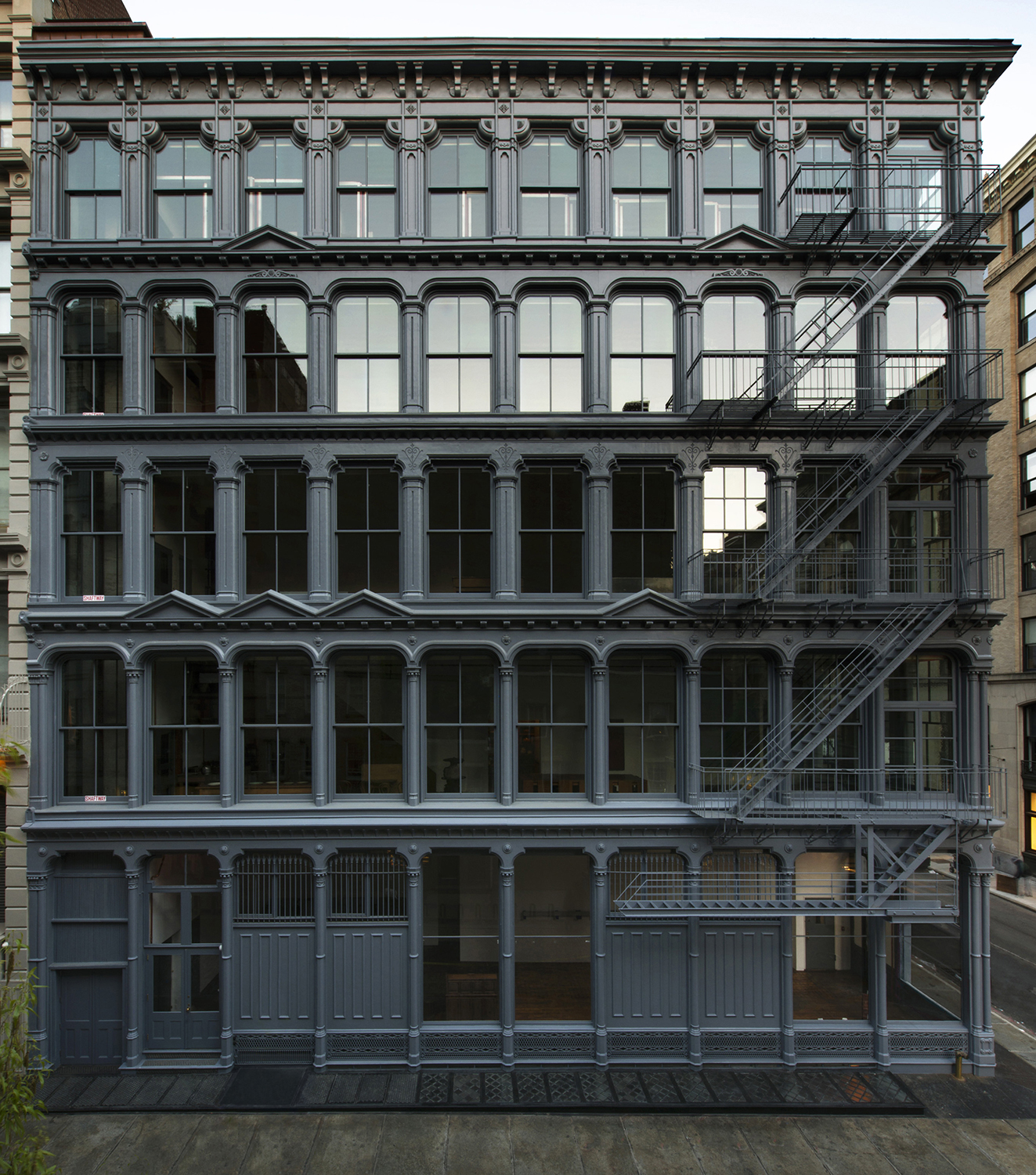
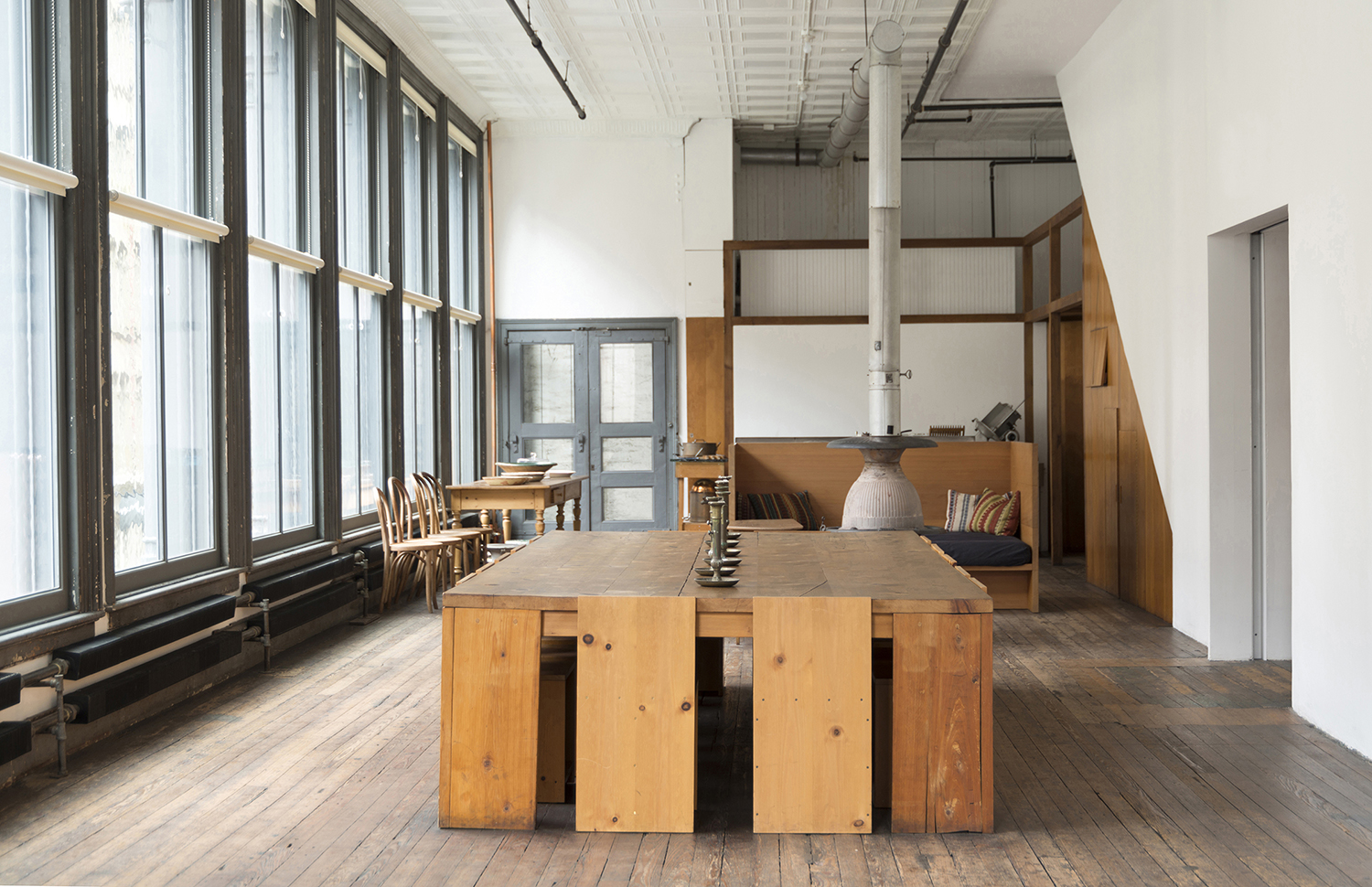
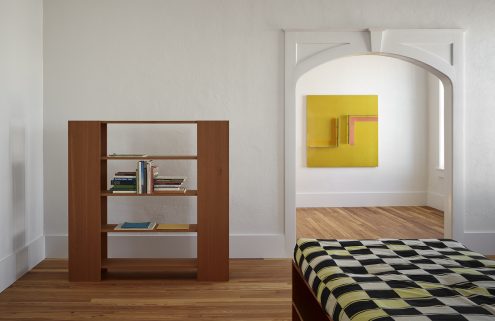
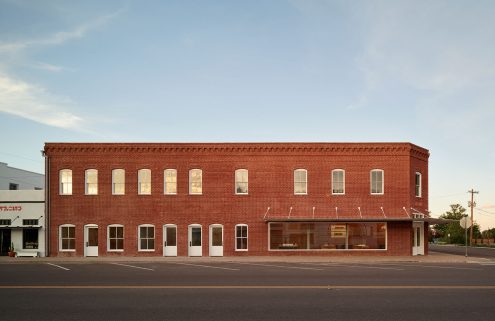
If you yearn for the days when an artist could purchase a five-storey cast-iron building in SoHo, book a guided visit around the 1870 Nicholas Whyte landmark, where Donald Judd lived and worked from 1968 until his move to Marfa, Texas. It became a permanent installation for his art and design — and that of other artists he patronised — away from the gallery system. And he believed it should remain as such in perpetuity. Restoration work years ago returned the building to the aesthetic condition of 1994, the year Judd died, with his collection in situ as he installed it. Furnishings include period items and his own spare designs, and dozens of artworks remain, from contemporaries like Frank Stella, Claes Oldenburg and Dan Flavin, whose 1970 neon dominates one room.
Museo Frida Kahlo, Mexico City
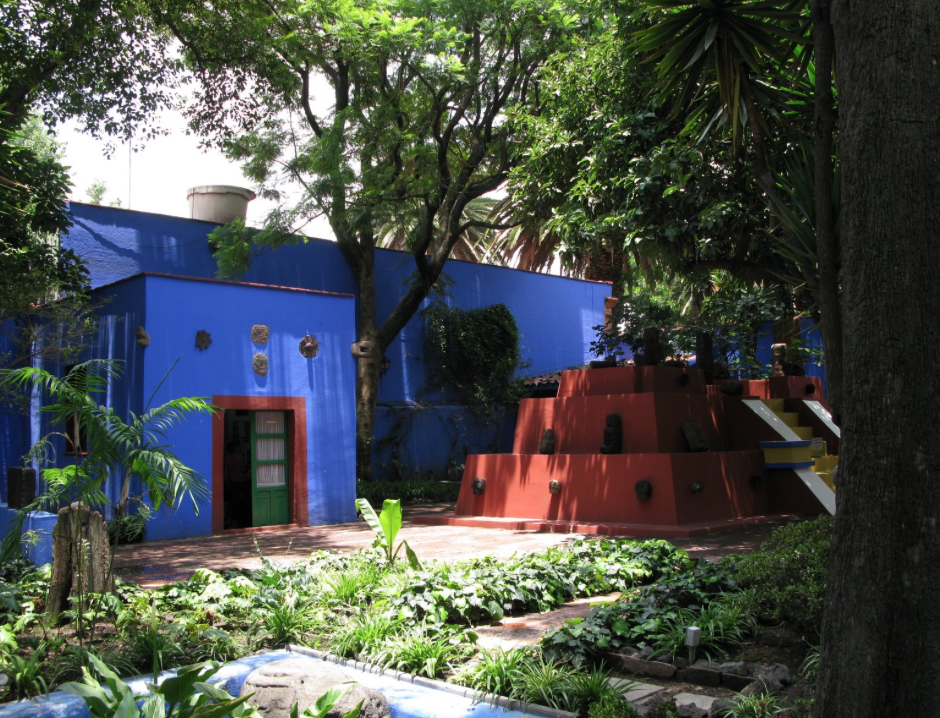
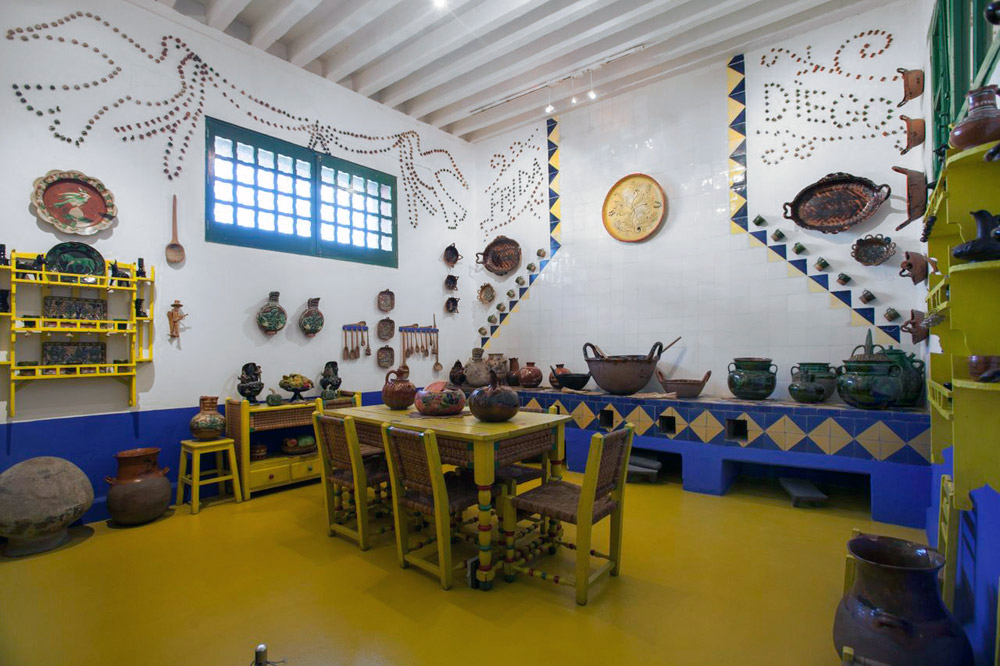
Casa Azul is a big ticket in the Mexico City neighbourhood of Coyoacán. This is where Frida Kahlo grew up and later returned to, with a menagerie of cats, dogs and birds. When Diego Rivera joined her, after their remarriage, Casa Azul transformed into an artist’s salon of sorts, an entertaining space for friends and admirers. Leon Trotsky famously slept here, on the run from Stalin in the late 1930s. After her father’s death in 1941, Kahlo began painting the exterior in its beloved cobalt shade. The property has been open to the public for decades, as a place to learn about her life, loves and art. Her collections of pre-Columbian sculpture, folk art, furnishings and artefacts are displayed in the house, studio and gardens, along with her own work and Rivera’s.
Mackintosh House at the Hunterian, Glasgow
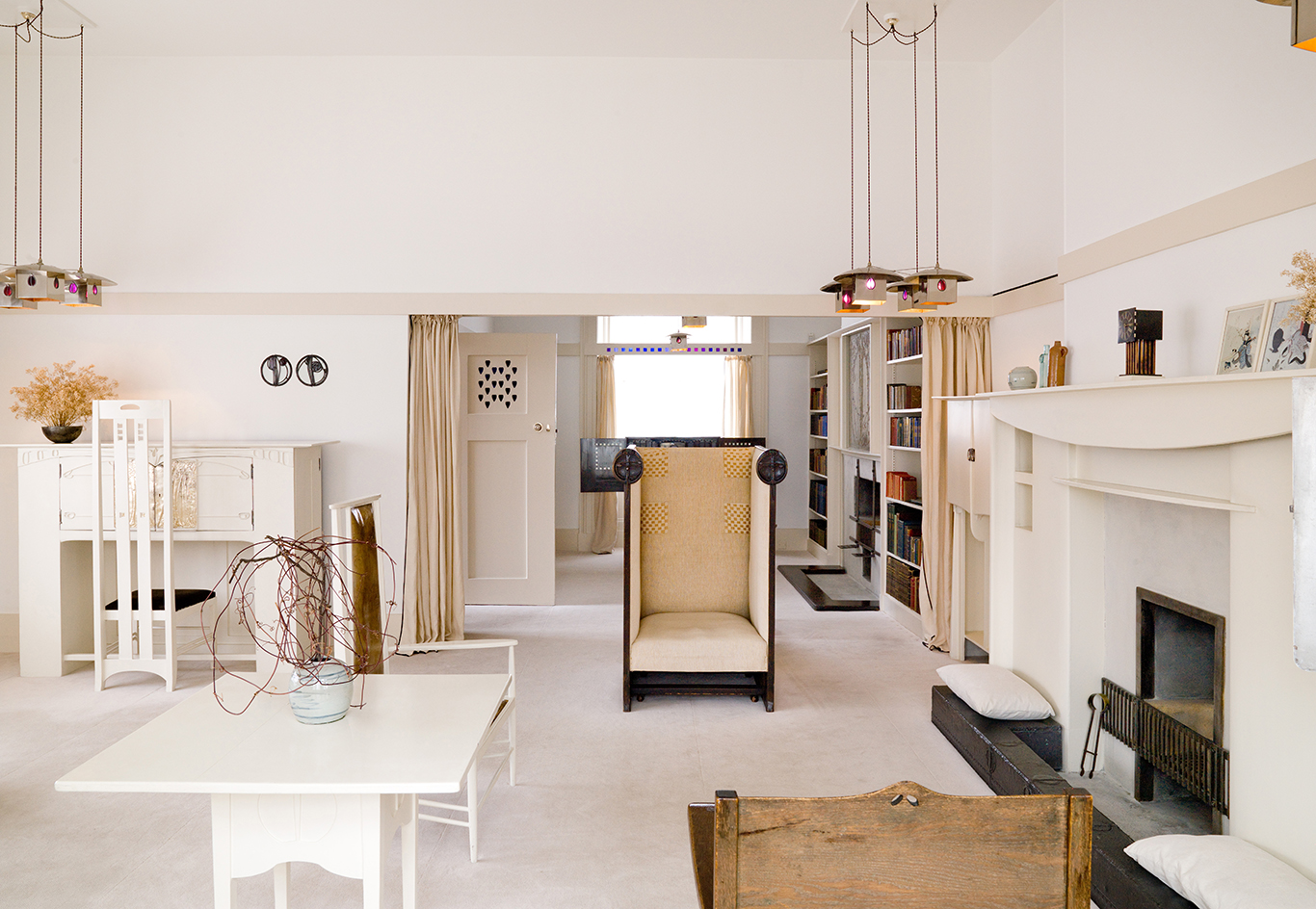
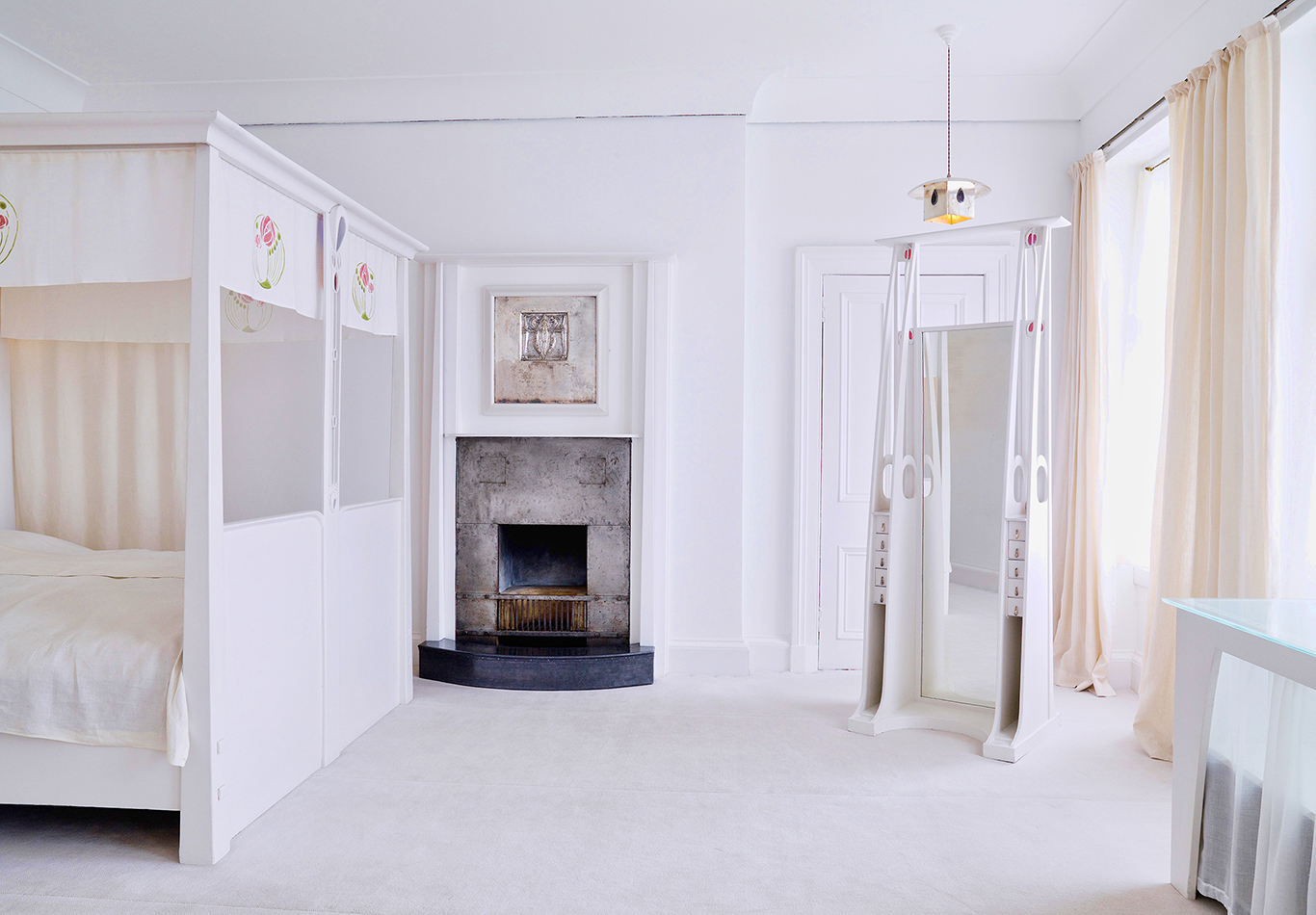
Between 1906 and 1914, Charles Rennie Mackintosh and Margaret Macdonald Mackintosh lived and worked at 78 Southpark Avenue in Glasgow, surrounded by their austere furnishings and distinctive design. After the Victorian property’s demolition in the 1960s, the main rooms were entirely reconstructed just down the road at the Hunterian Art Gallery, complete with their original fixtures and contents — including mirrors, writing cabinet and Mackintosh’s iconic high-back dining chairs. Many of the furnishings were designed in the early 1900s, inspired by plant and bird forms from a vastly different Glasgow. Visitors can tour the ‘house’, then inspect the couple’s sketches and artwork beyond the reconstruction.
Casa Salvador Dalí, Portlligat
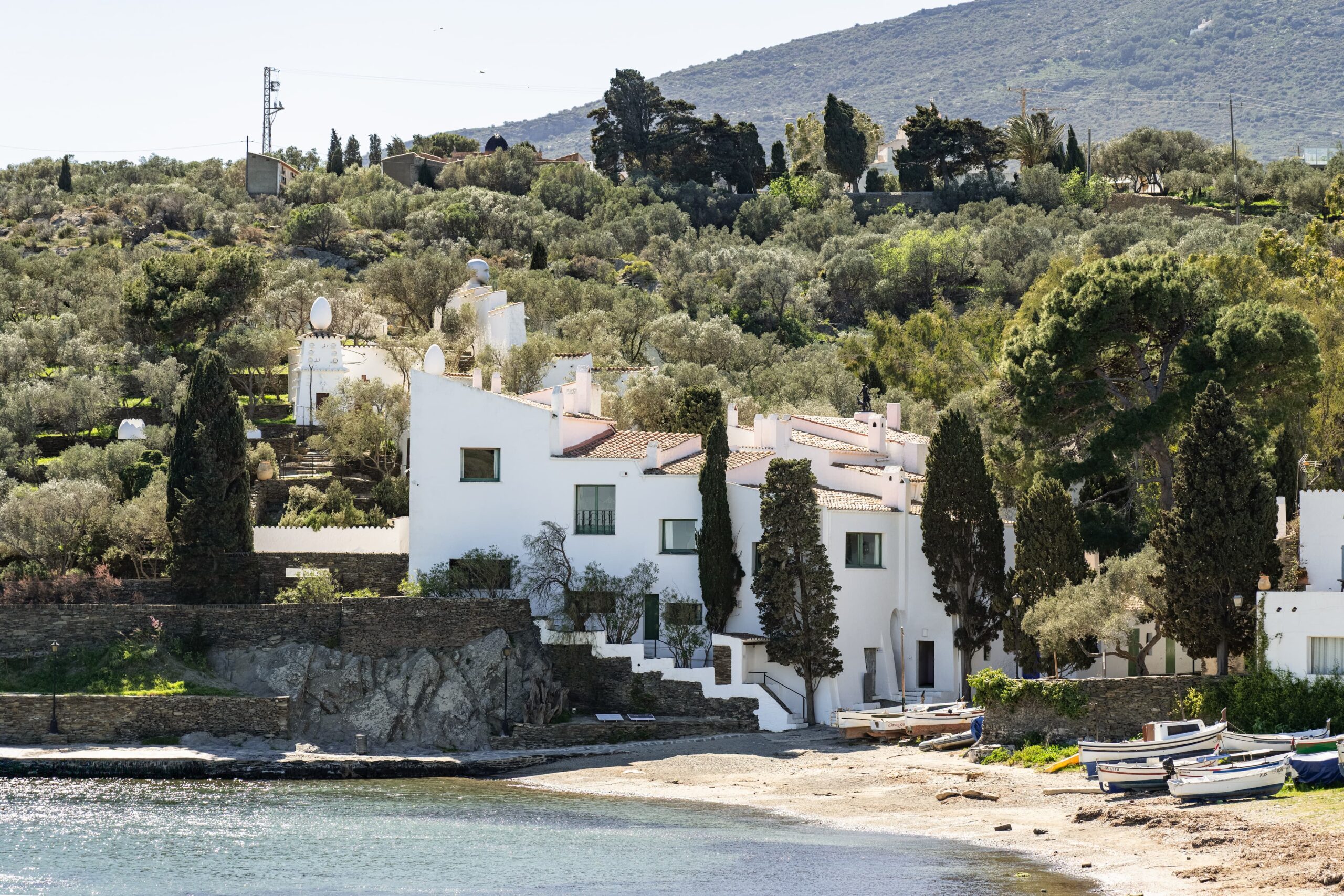
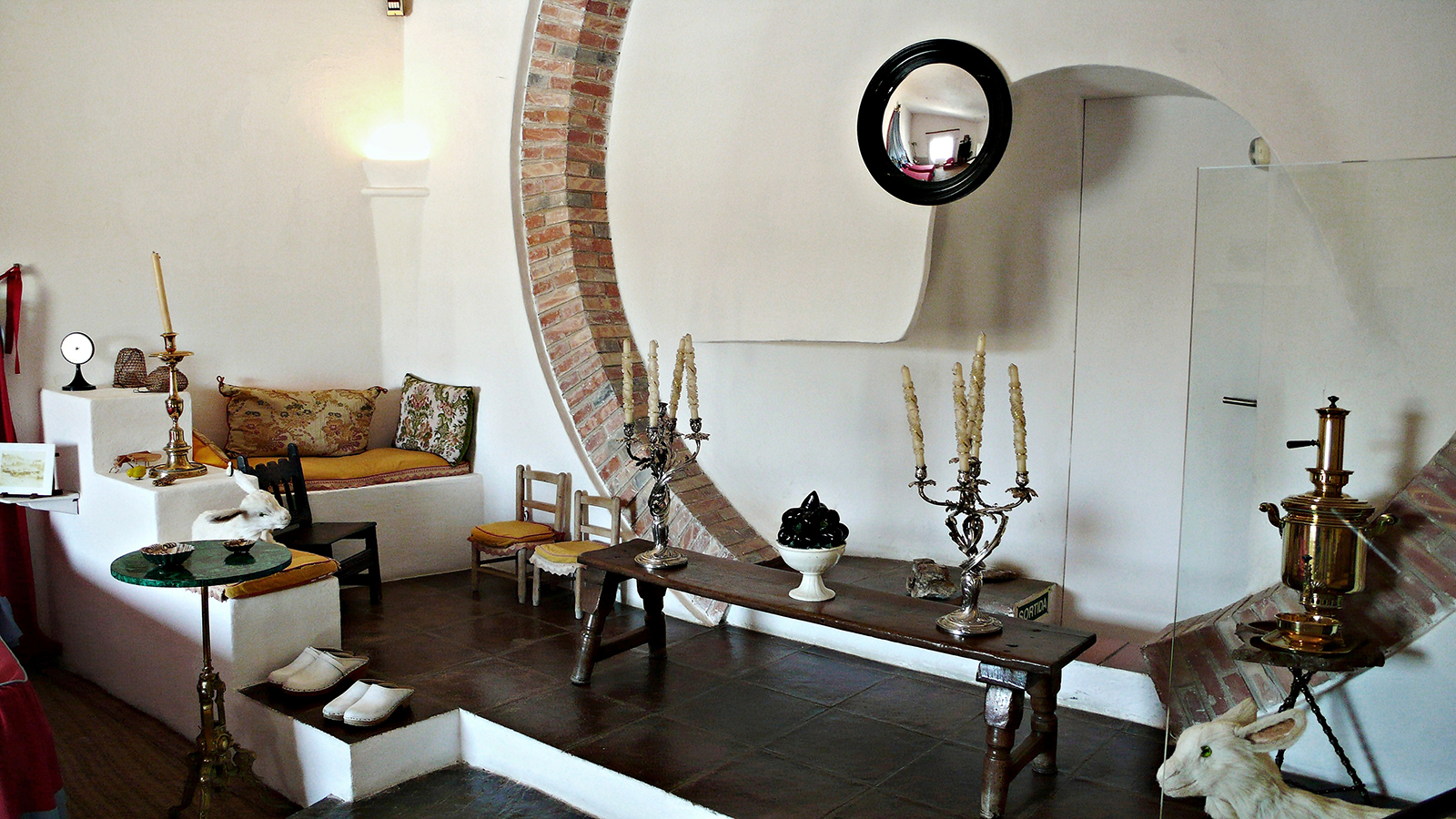
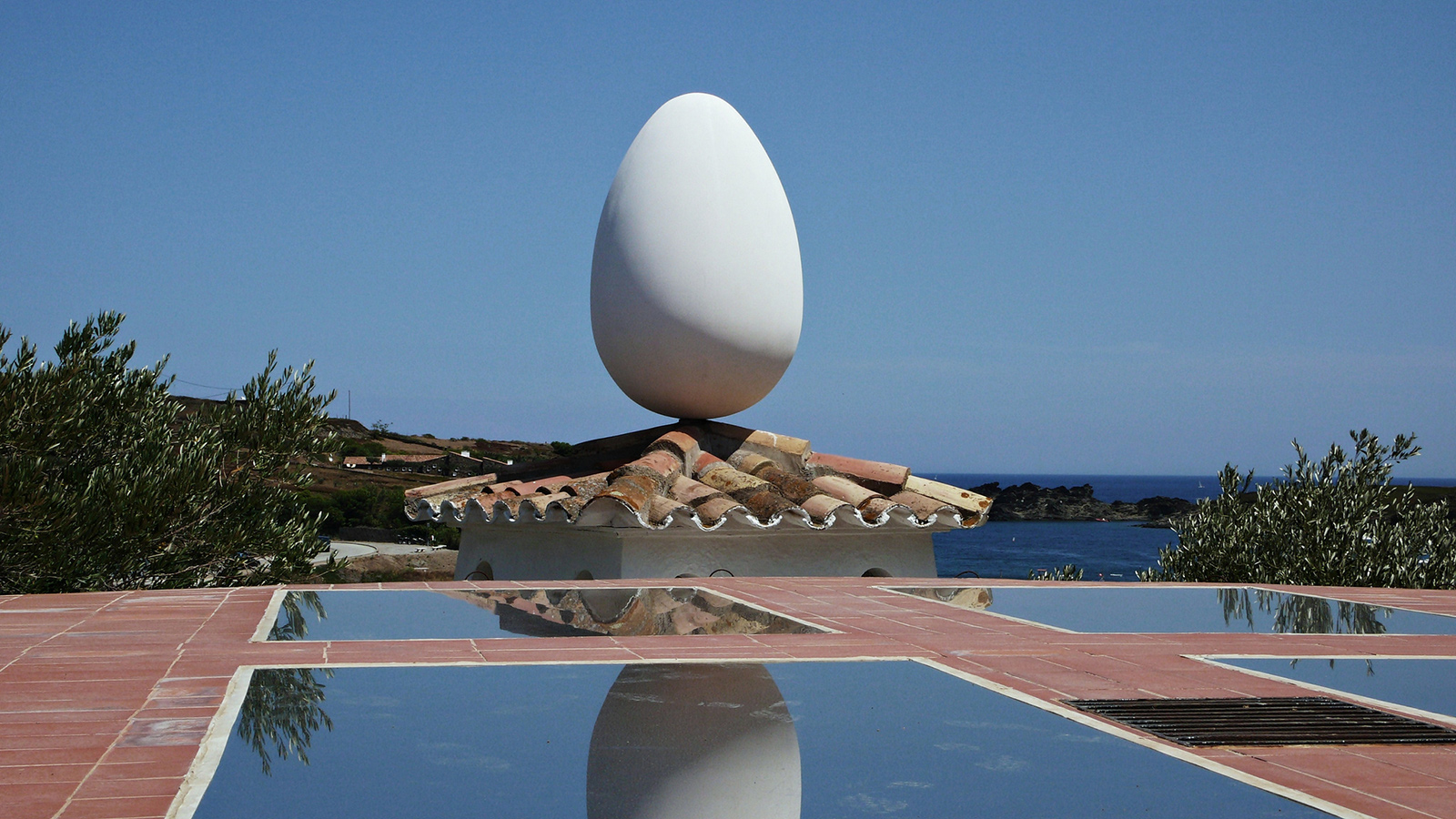
What began in 1930 as a converted fisherman’s hut in the tiny, isolated village of Portlligat grew into a rambling home, studio and showspace where Dalí spent 40 inspired years painting his most recognisable works. The Cap de Creus village is still quiet and charming but the house grew organically, he said, ‘like a real biological structure’, with art bursting from nooks and earthen sculpture sprouting from the grounds, as bizarre as you’d expect from Dalí. After the artist moved to Púbol in the 1980s, the home was converted again, its staggered series of ‘cells’ crammed with animal characters and baroque housewares that admirers can examine in the cool, chalky-white environs.
Red House, Bexleyheath
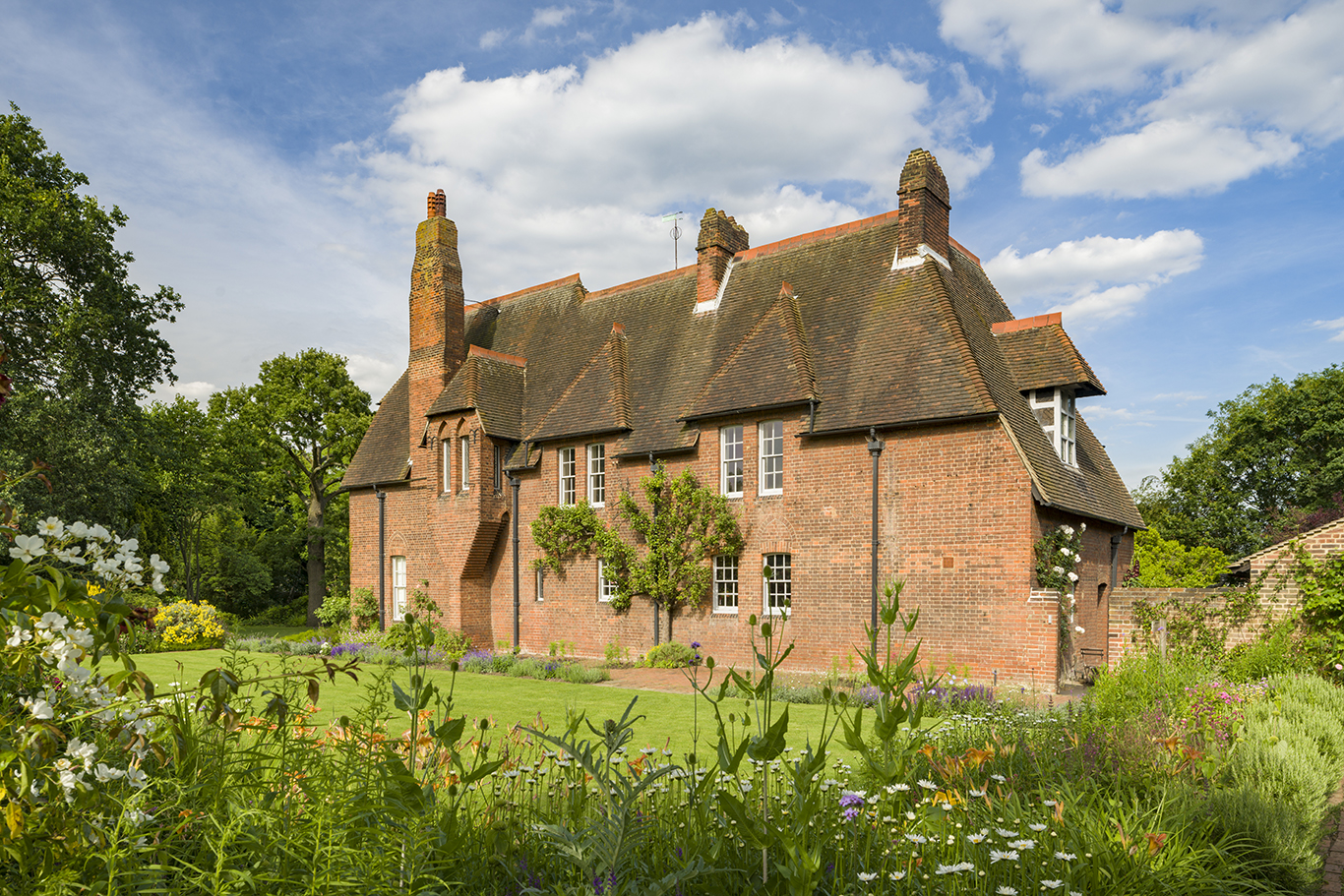
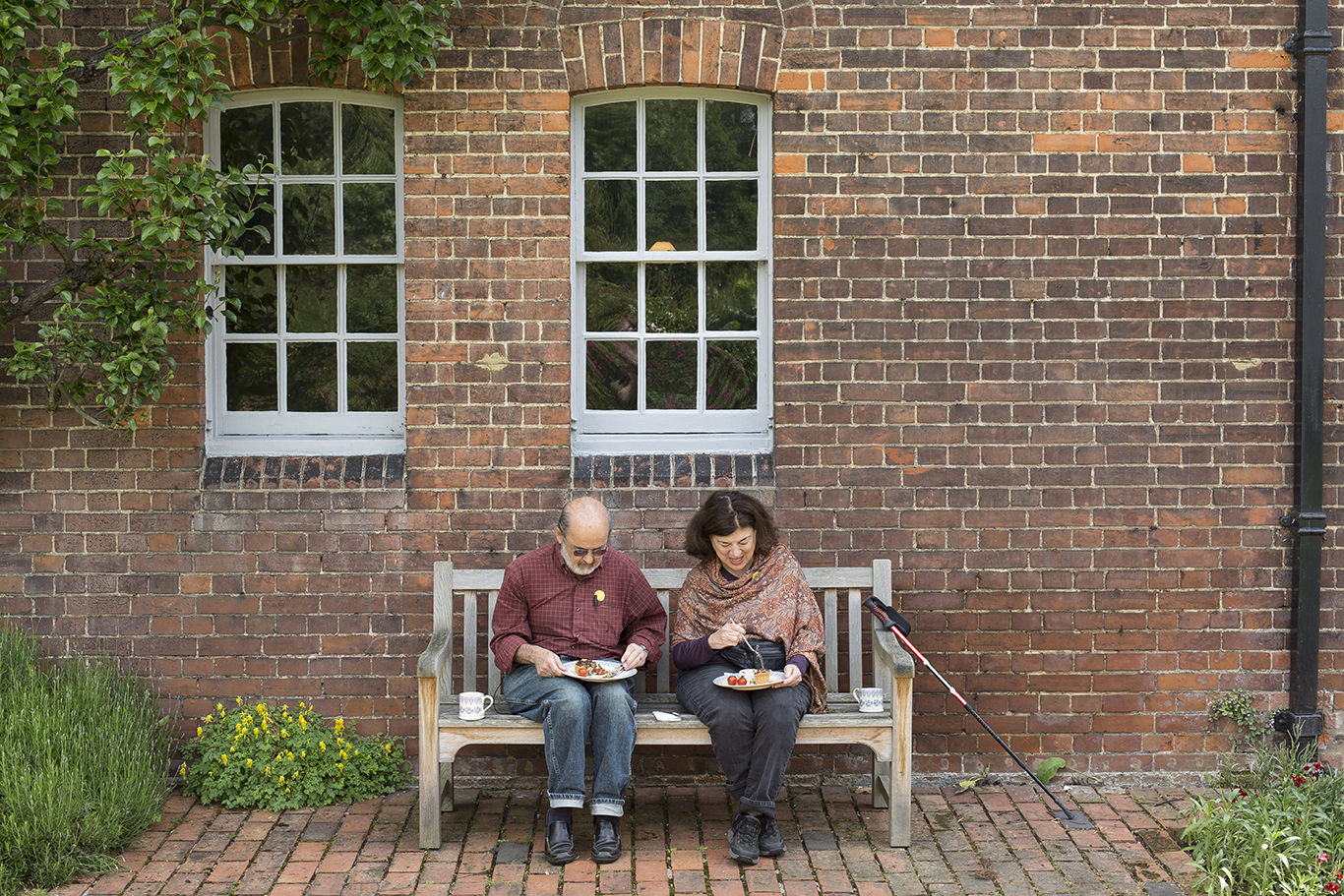
A precursor to artist communes of the 20th century, Red House was a pre-Raphaelite incubator in the 1860s. Designed by Philip Webb for William Morris and his family, it hosted the families of Dante Gabriel Rossetti, Elizabeth Siddal and Edward Burne-Jones, who called it ‘the beautifullest place on earth’. The architecture became a model of Arts and Crafts principles and the interiors became a showcase for pre-Raphaelite style, inspired by medieval themes. The group contributed hand-painted furniture, wall murals, embroideries, painting, stained glass and colourful English gardens that crawl up the red brick walls. The idyll was short-lived — the Morrises left for London in 1965 after personal tragedy tore the group apart. But most of the artistic interventions remain throughout the interior.